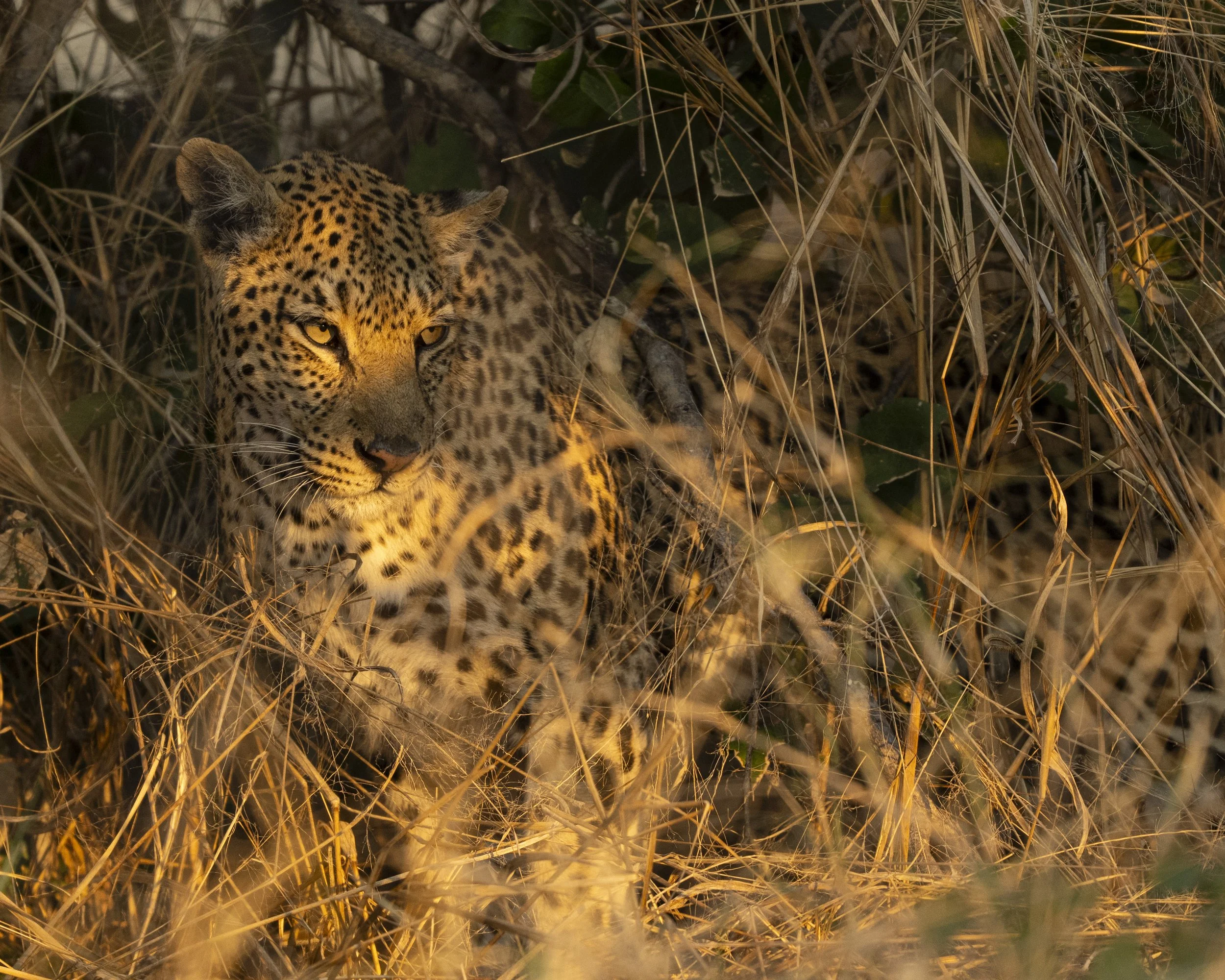
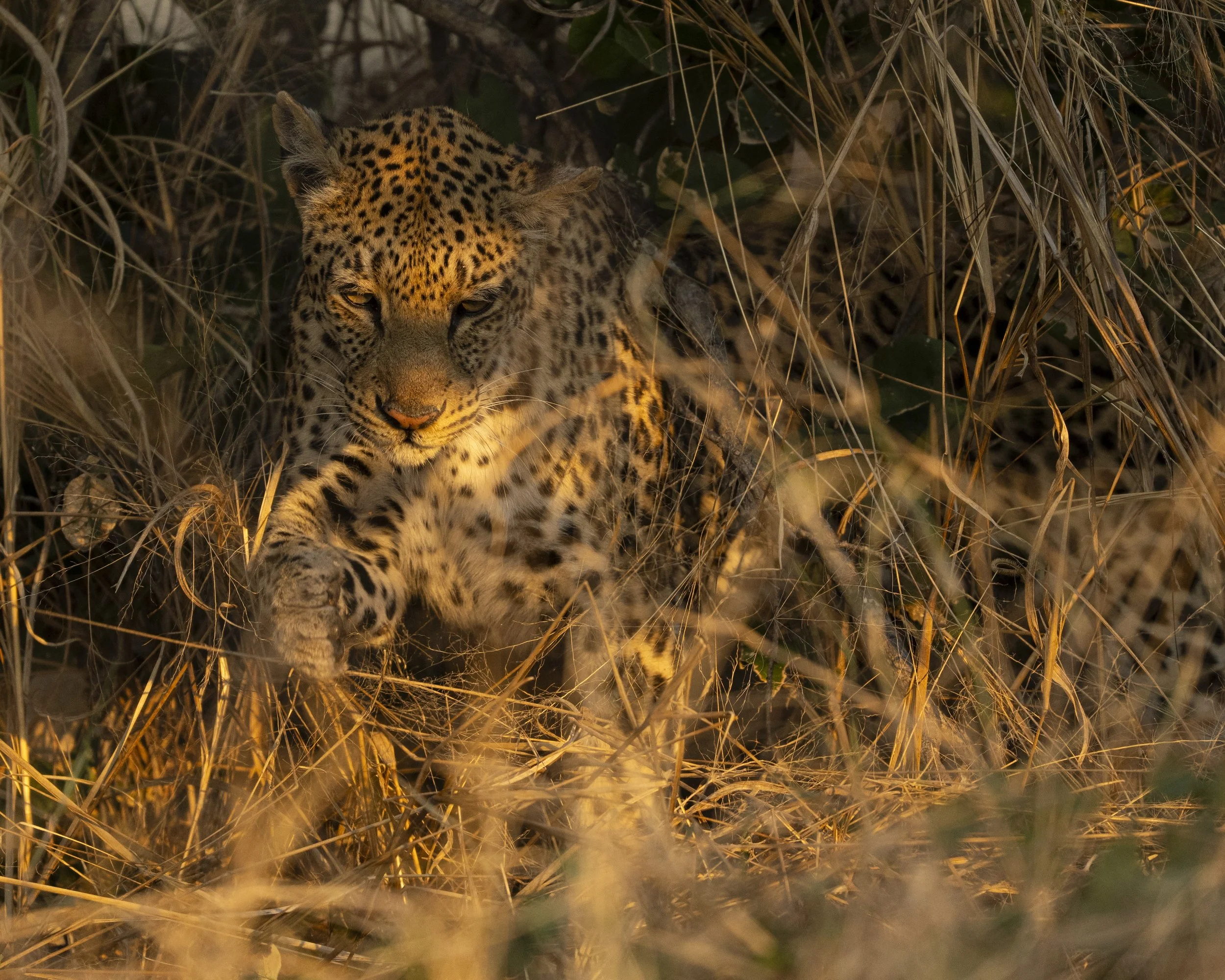
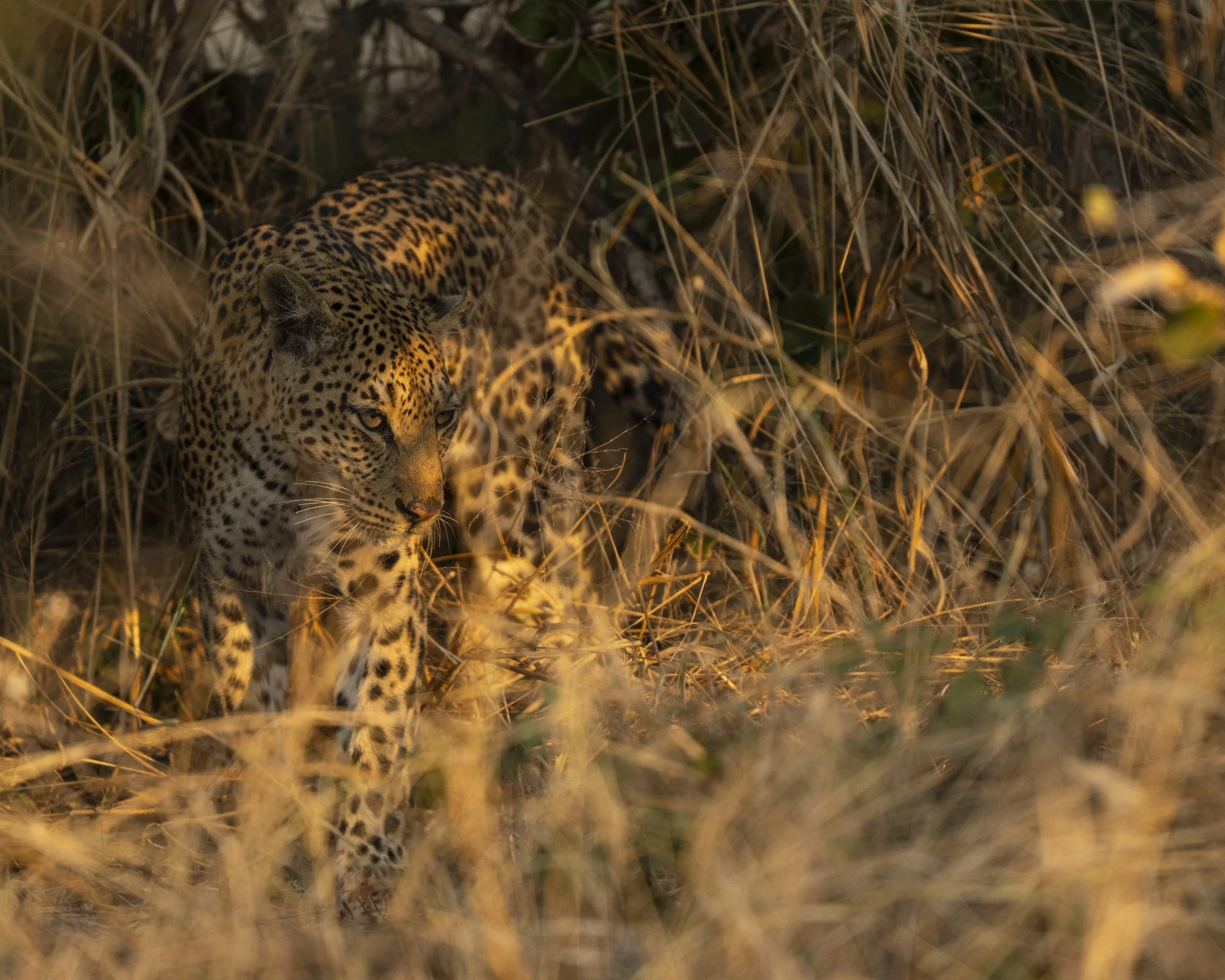
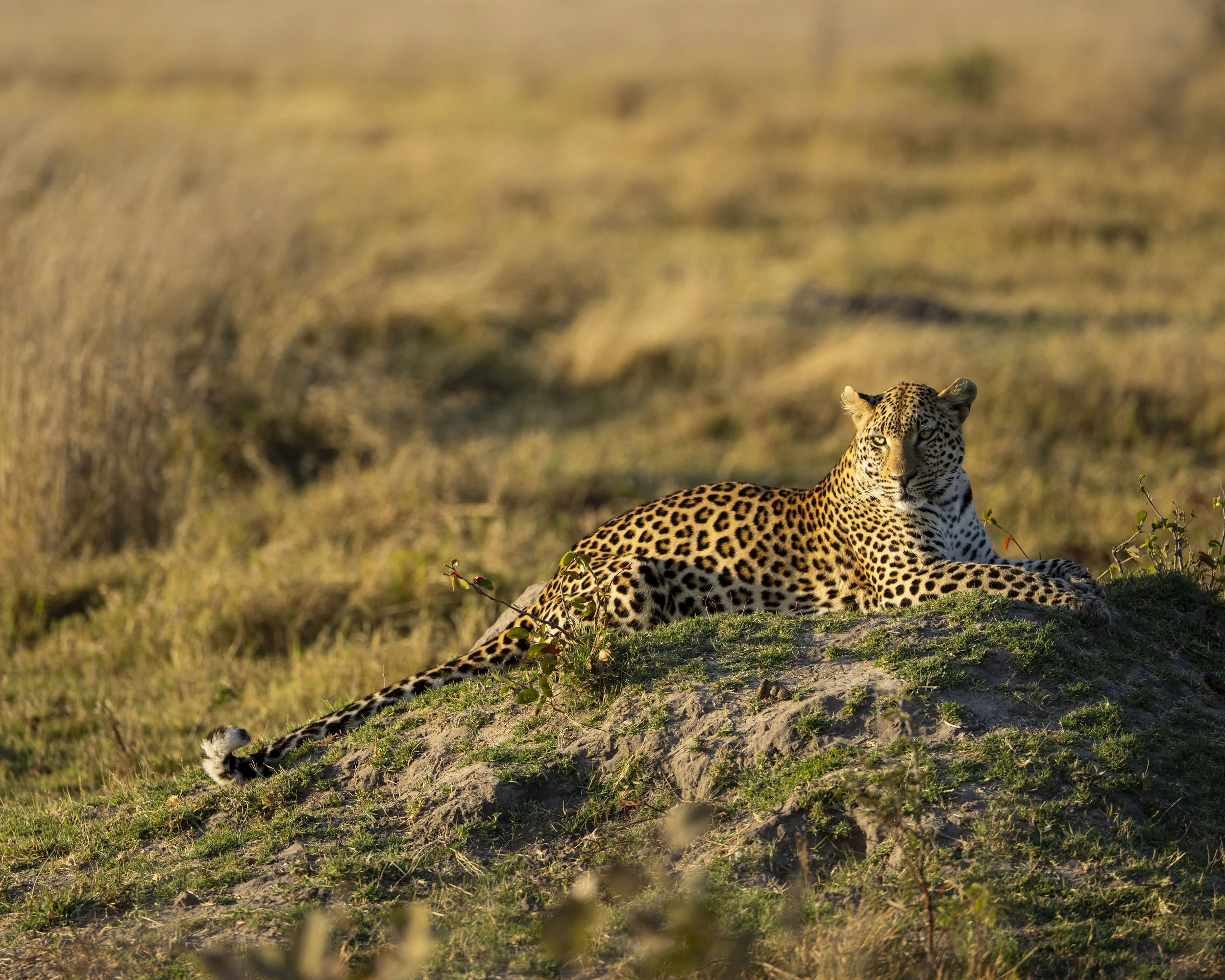
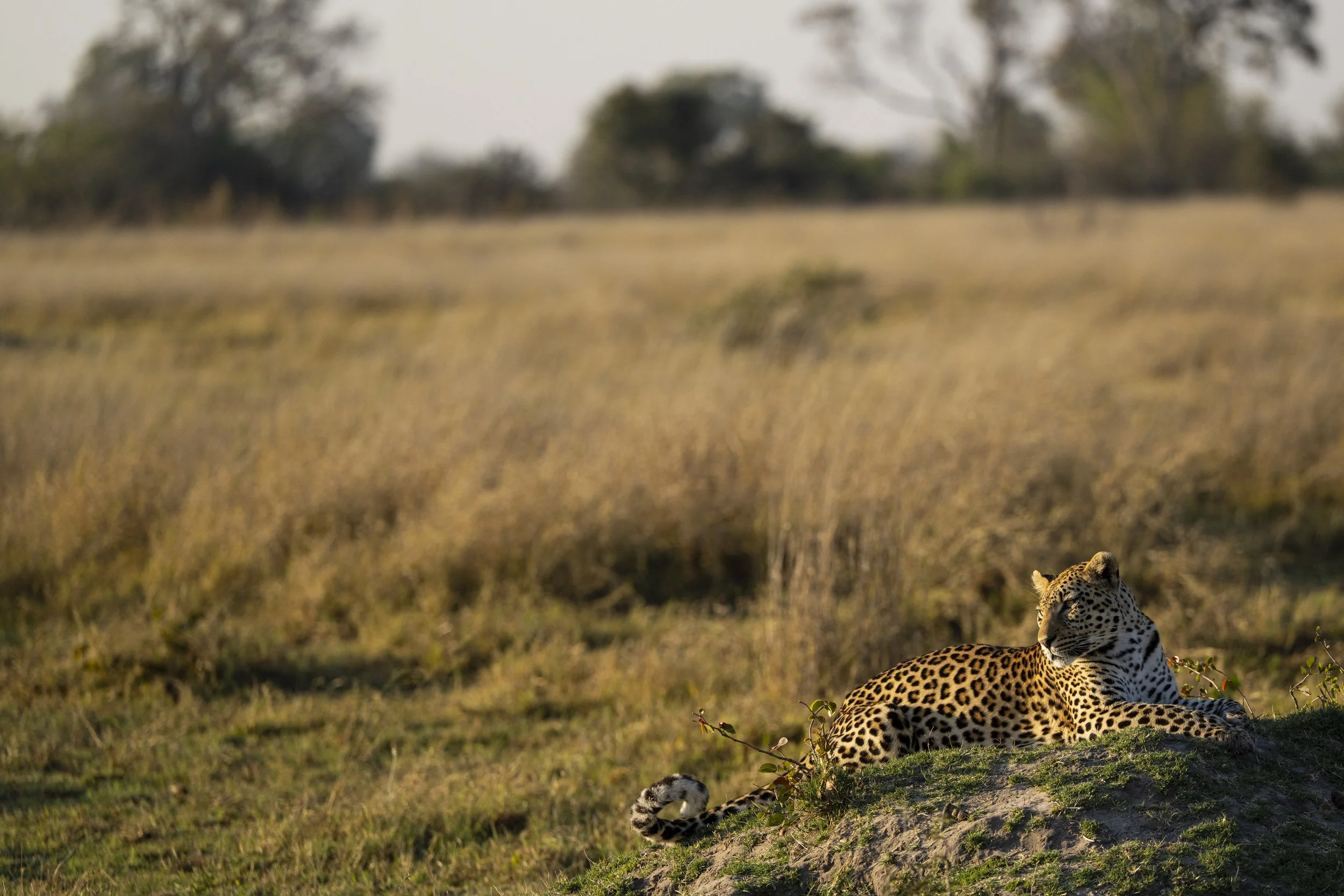
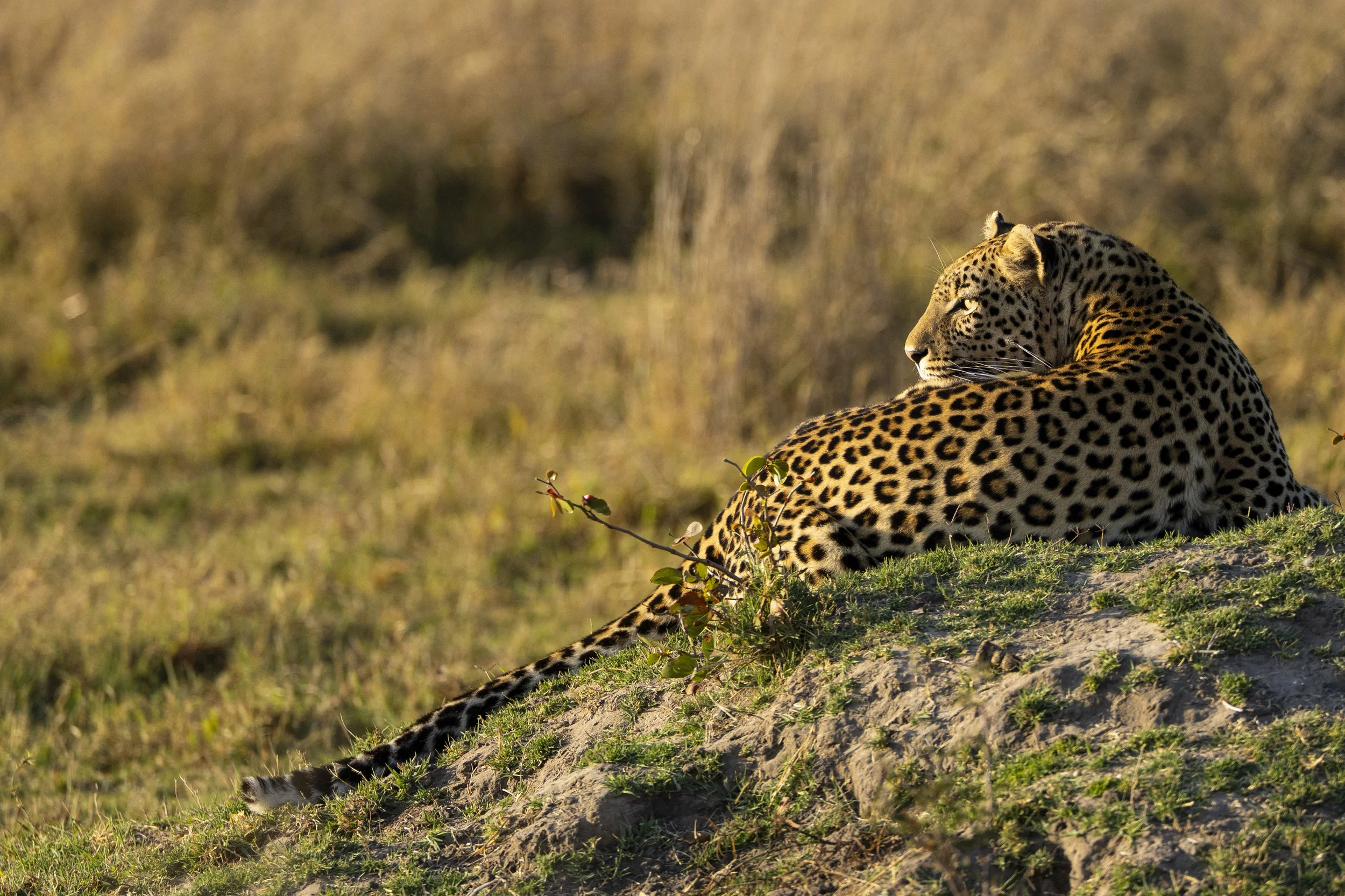
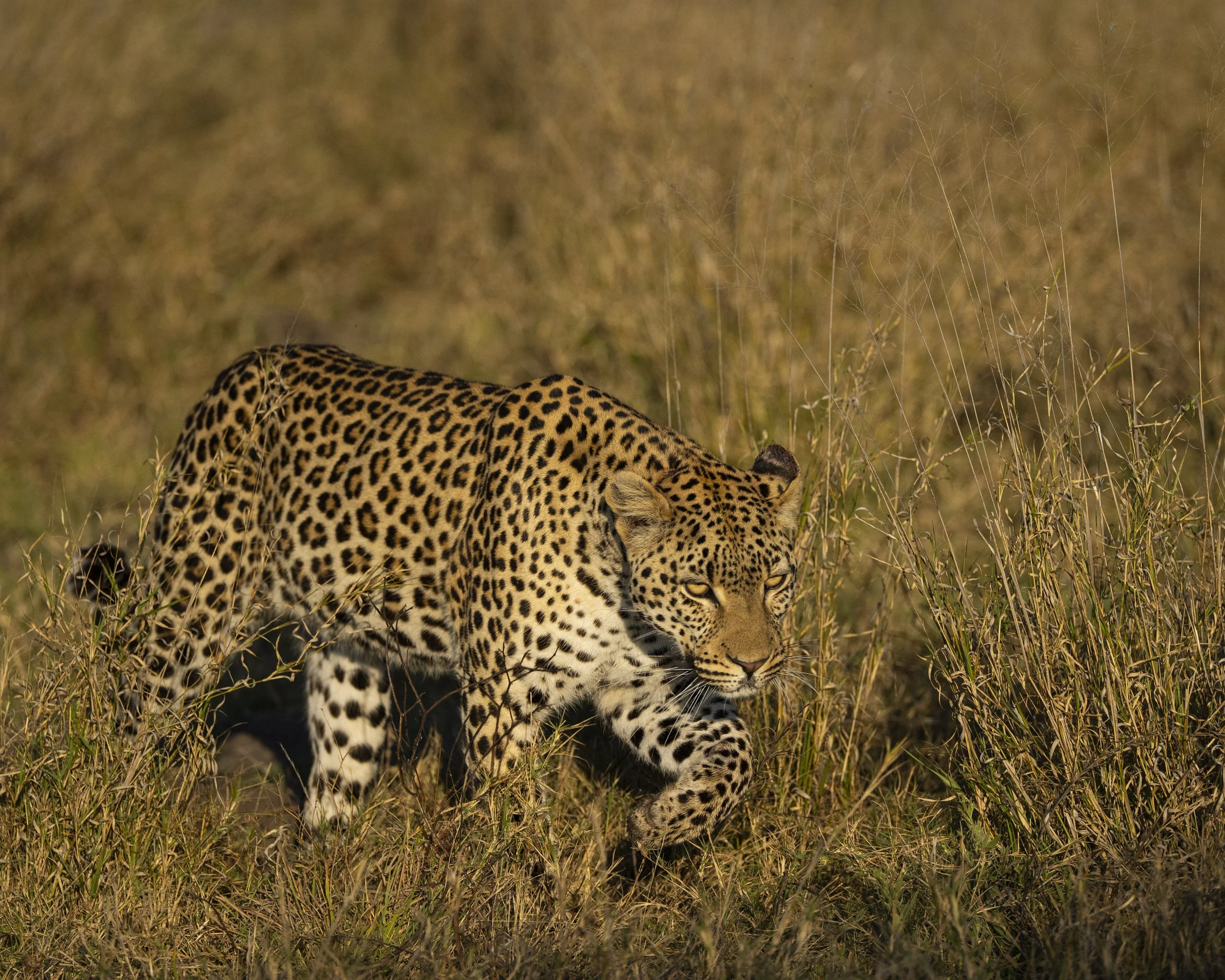
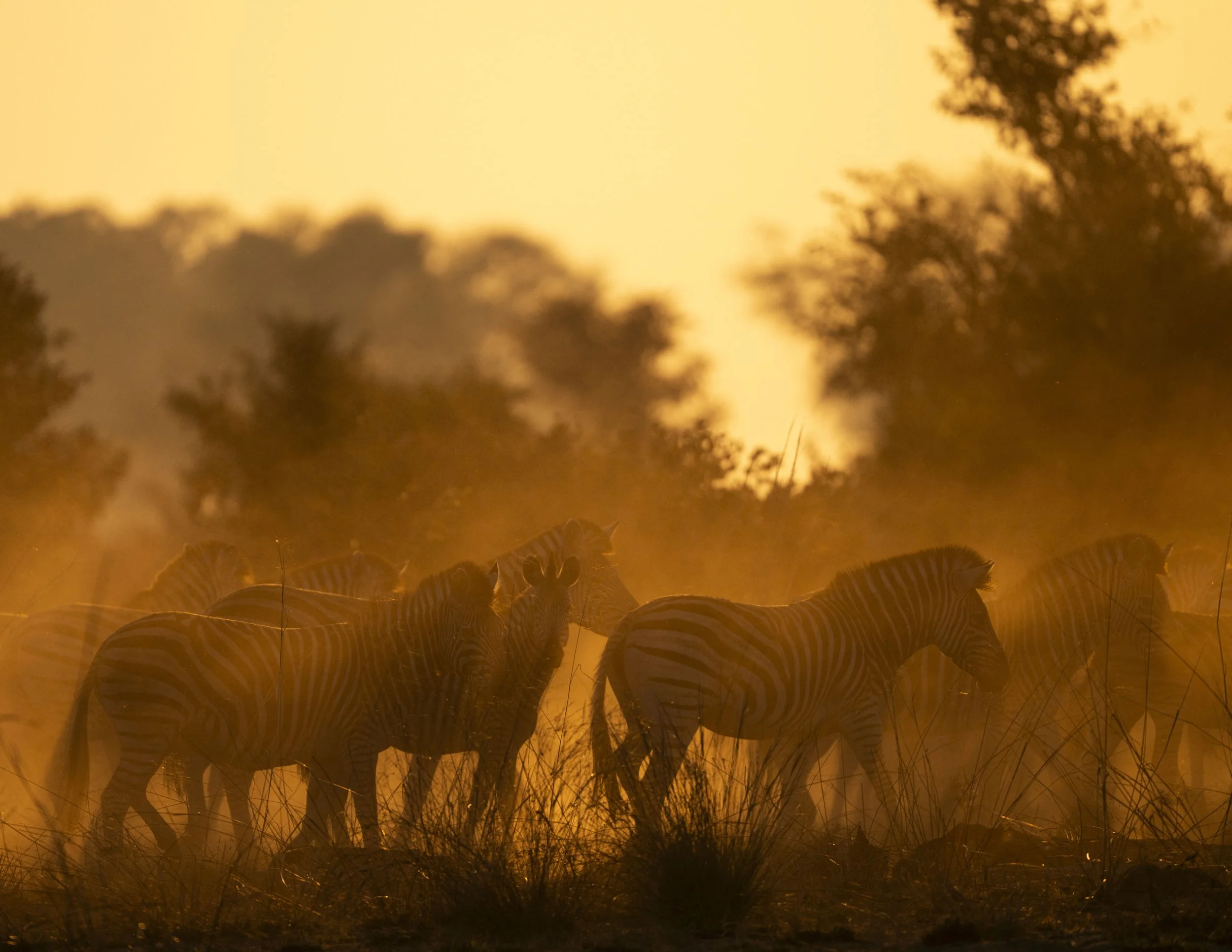
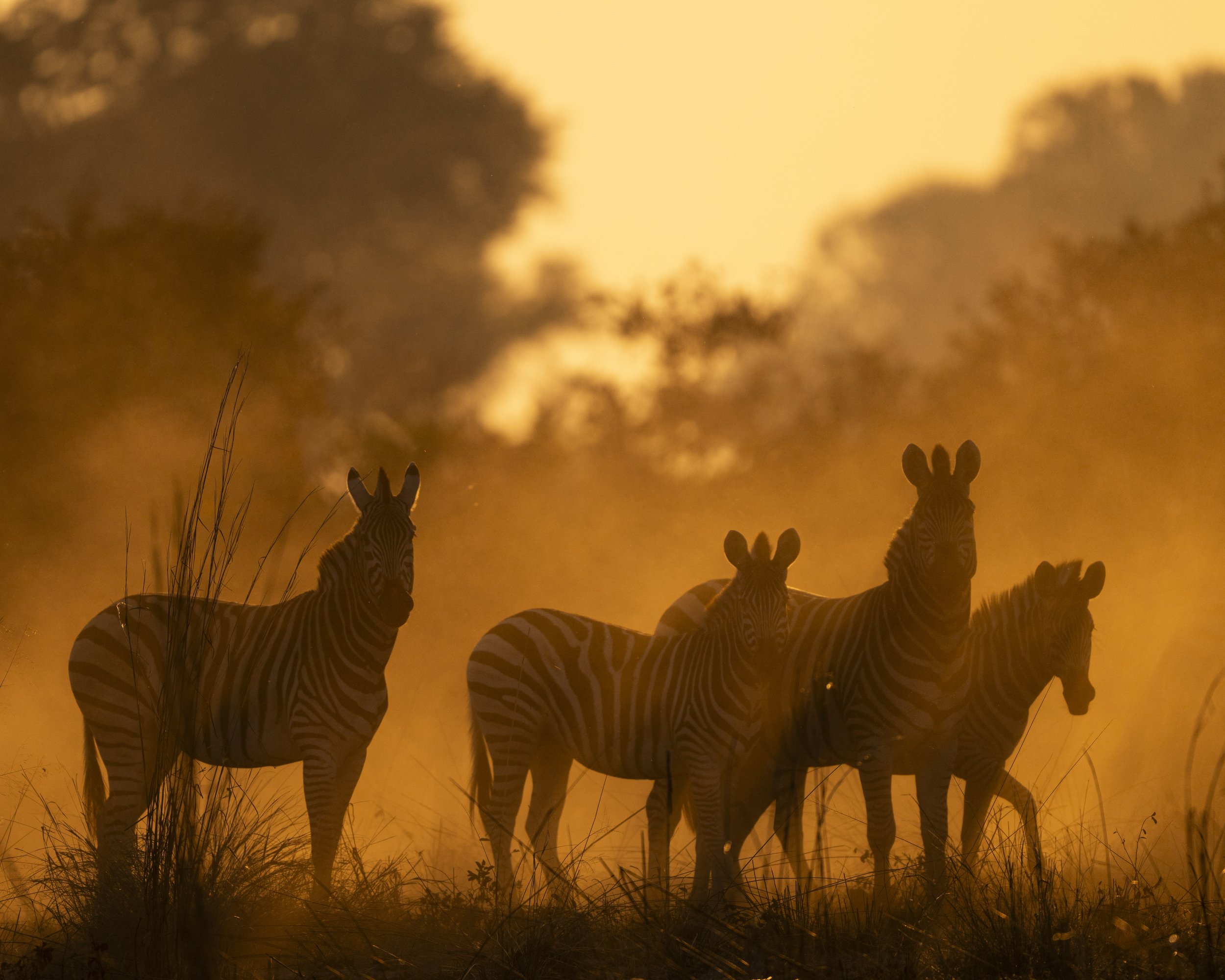
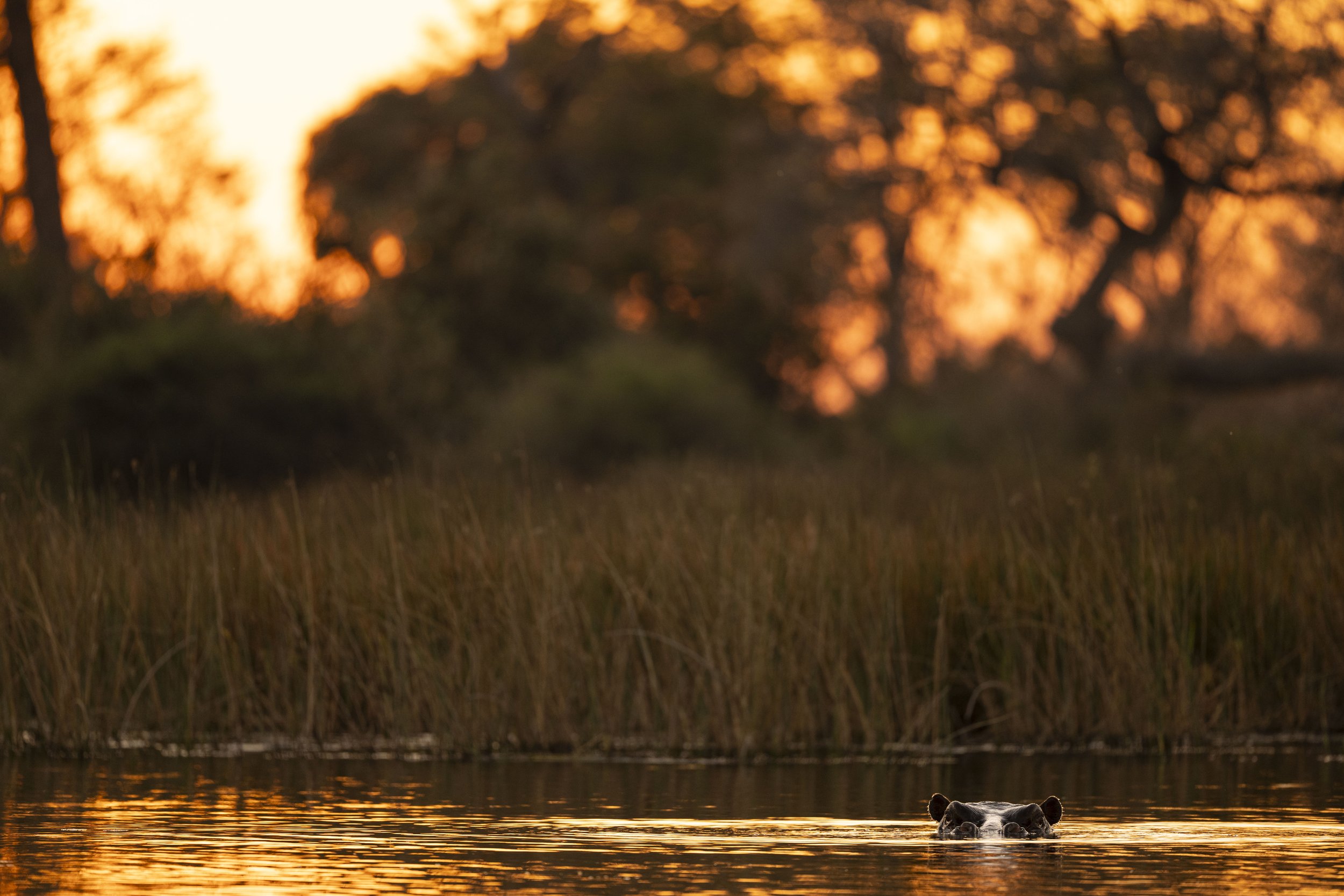
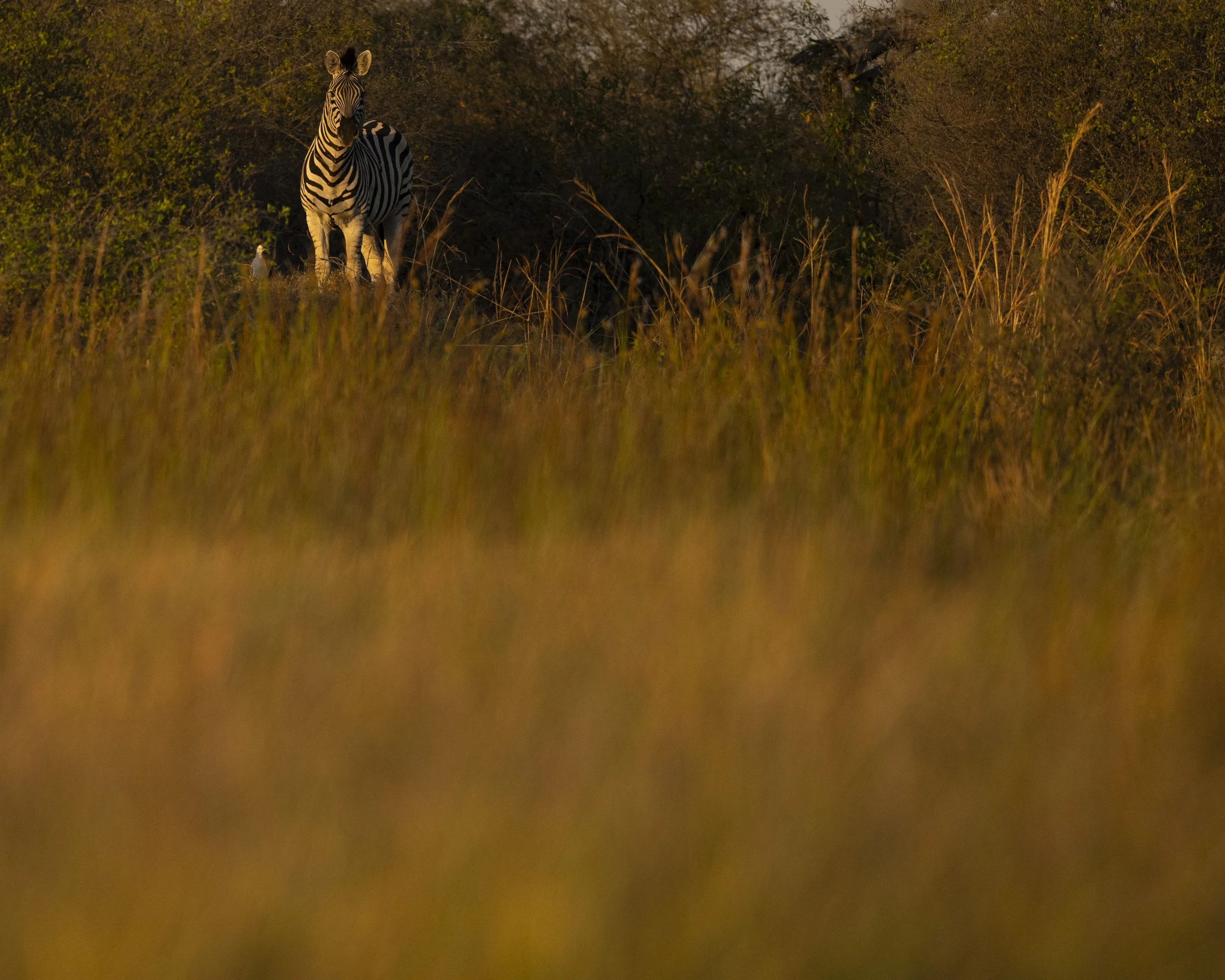
Mozambique
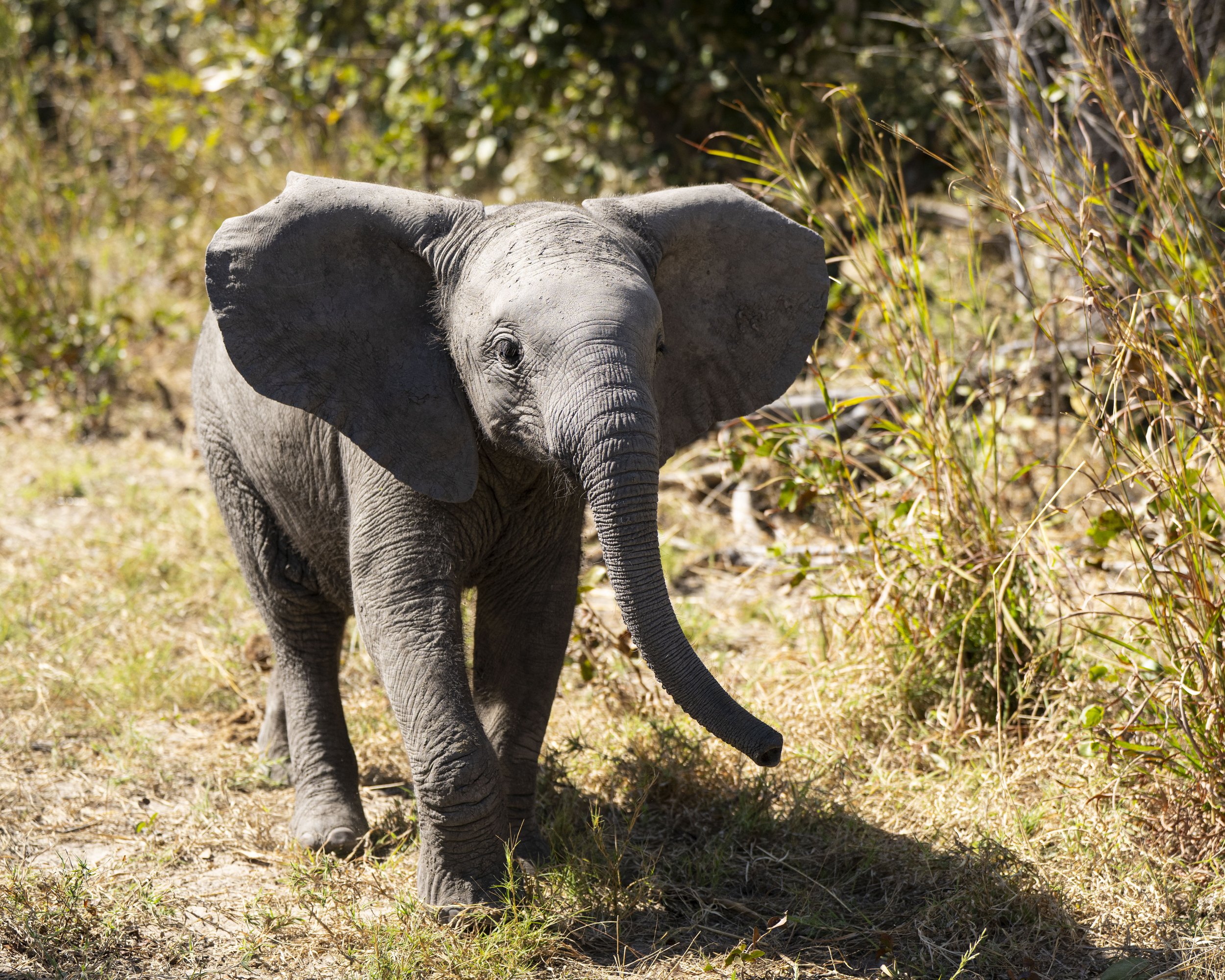
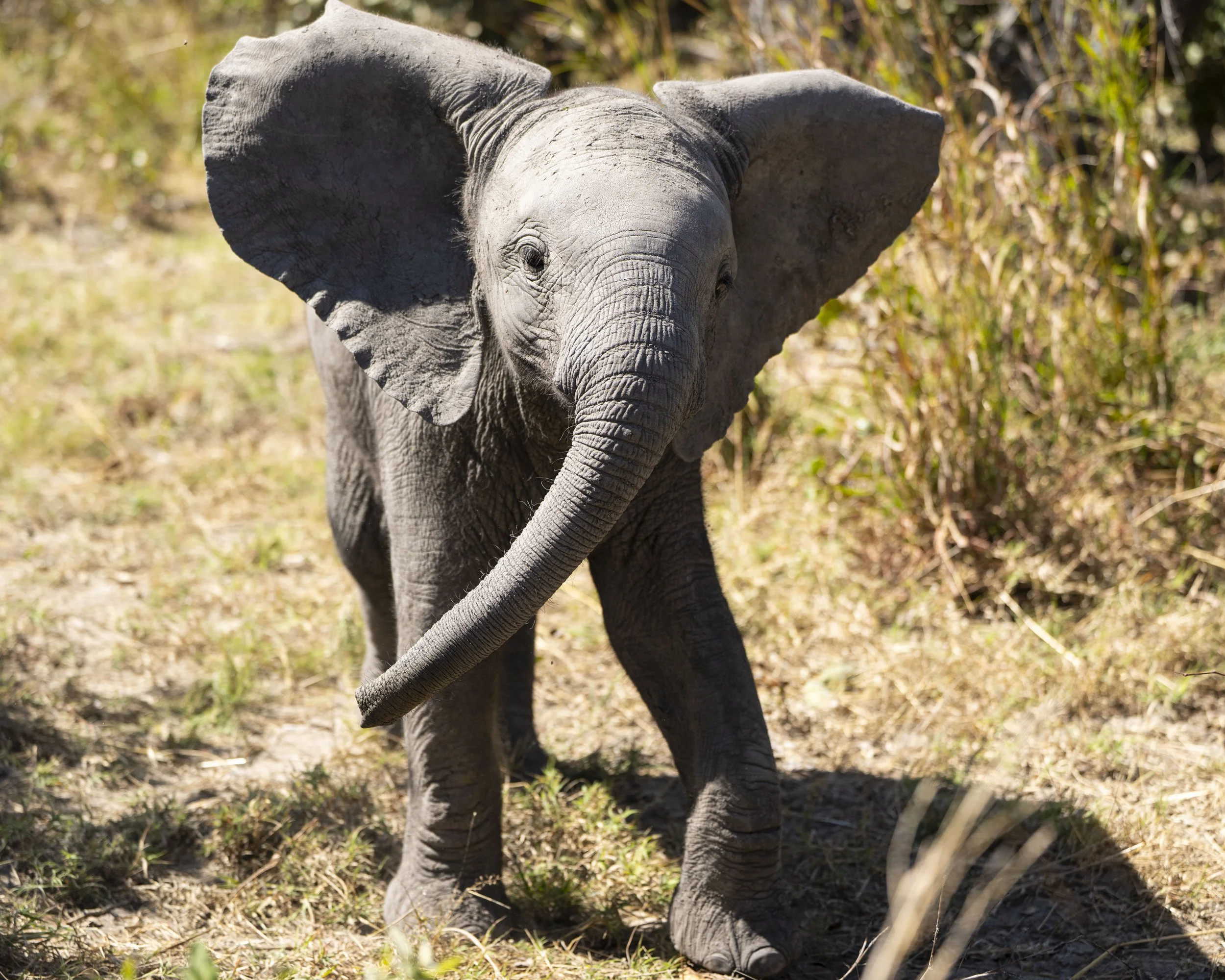
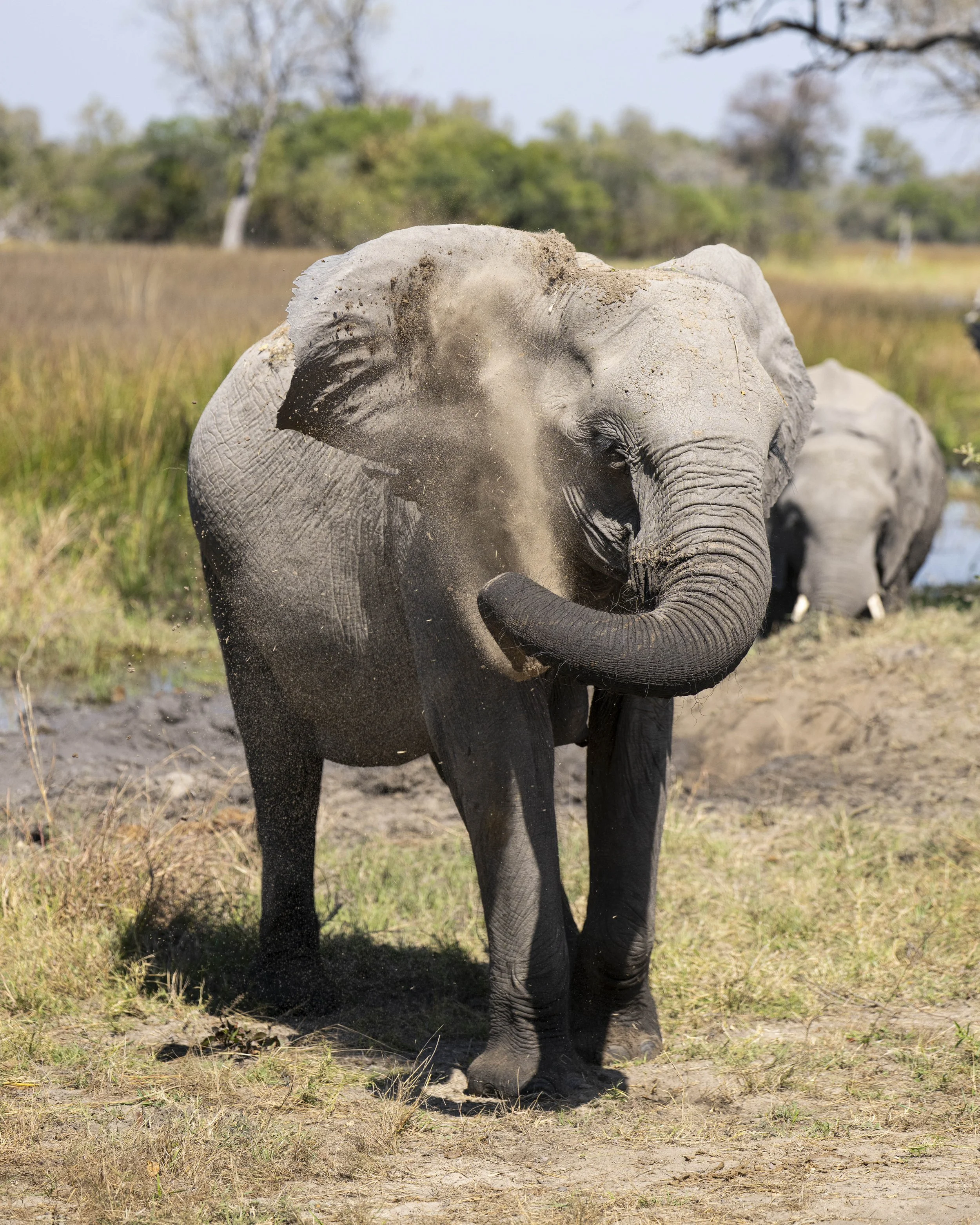
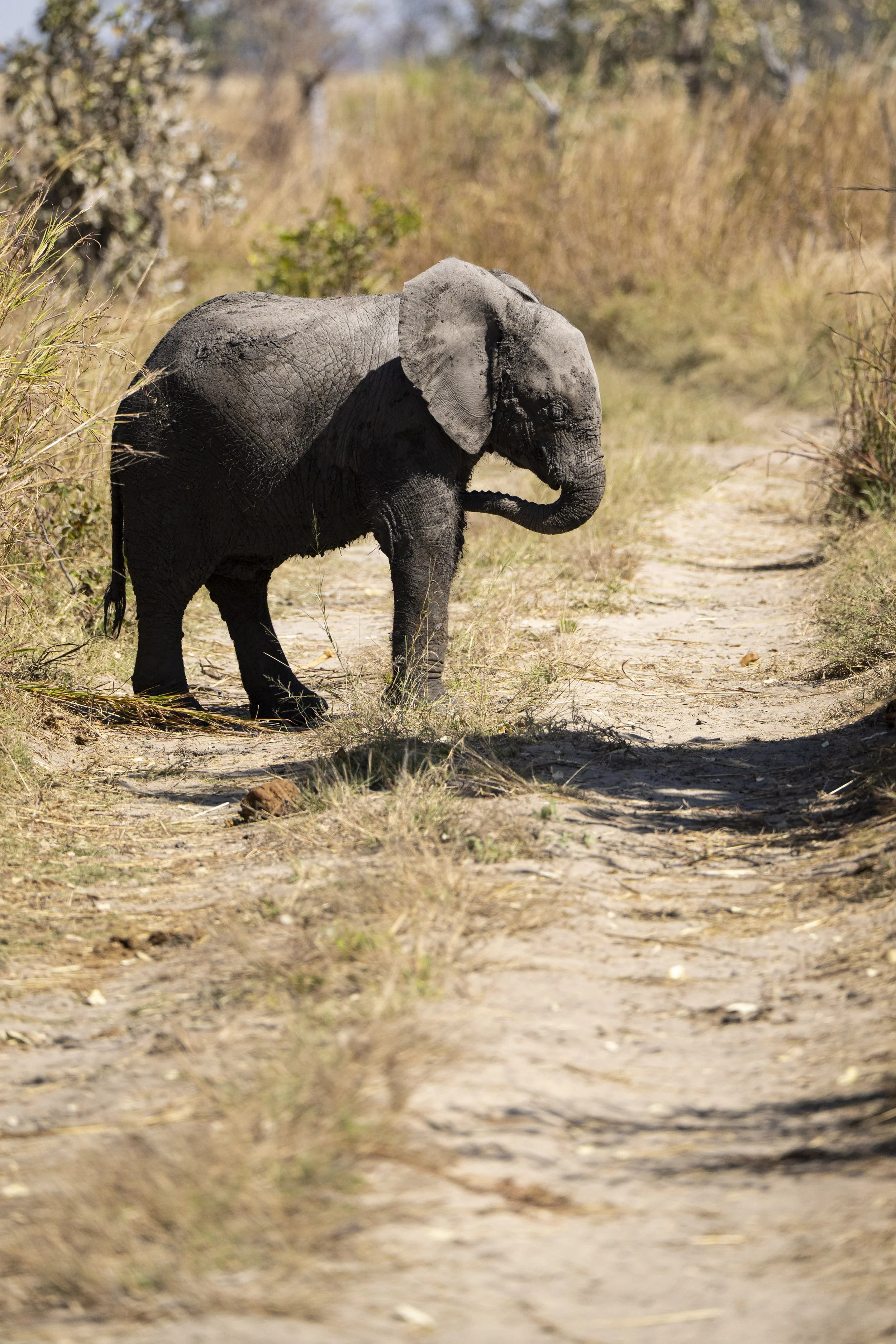
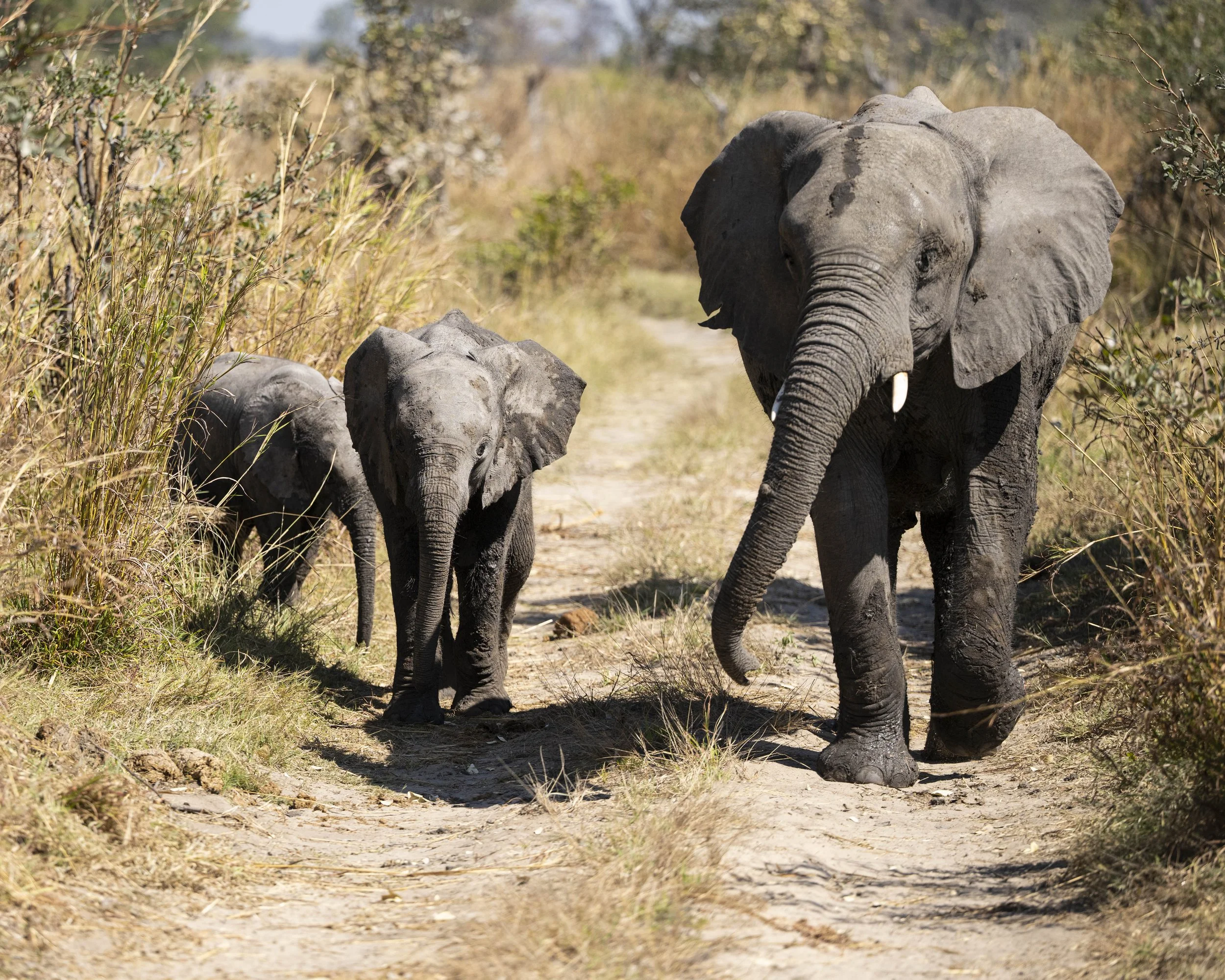
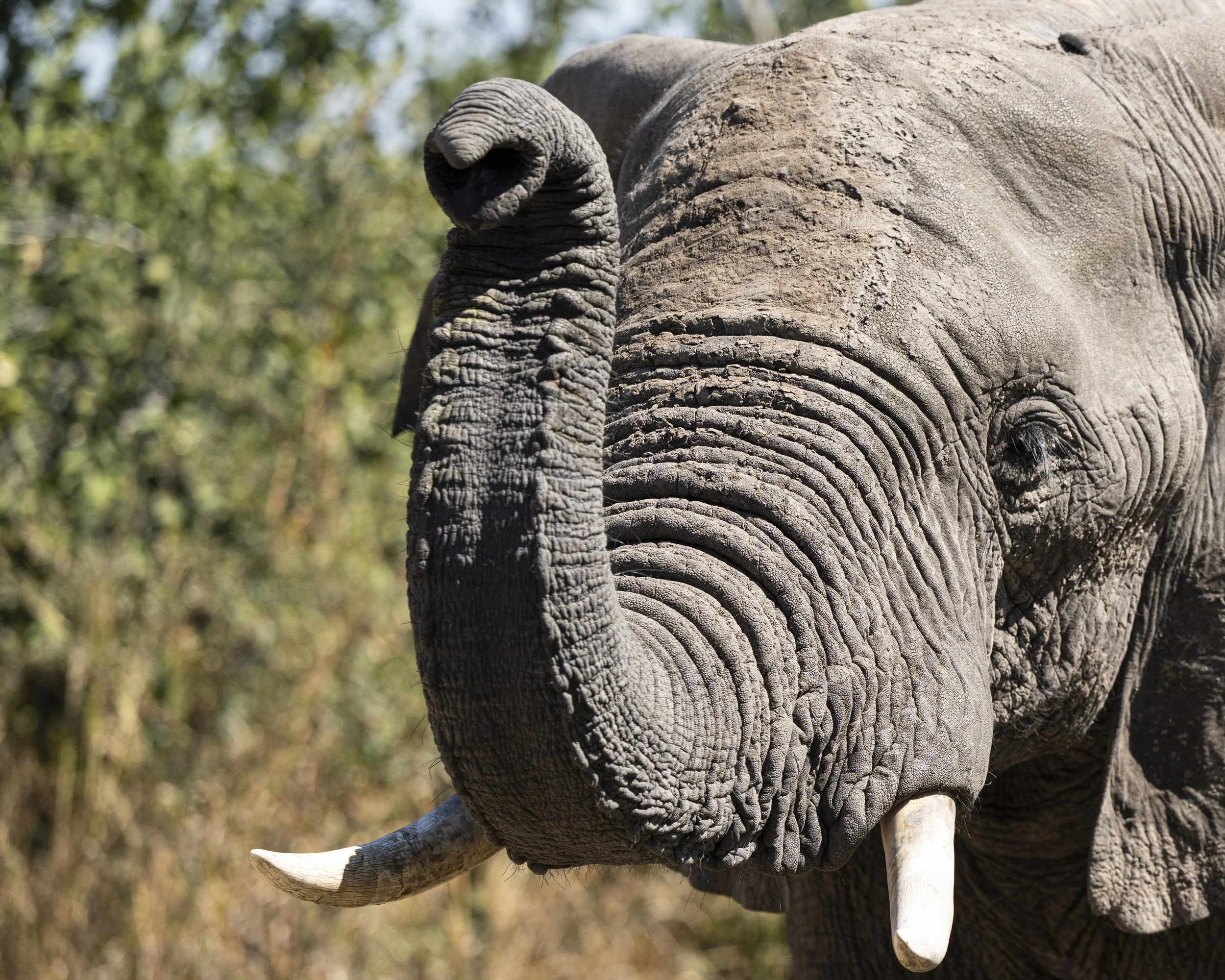
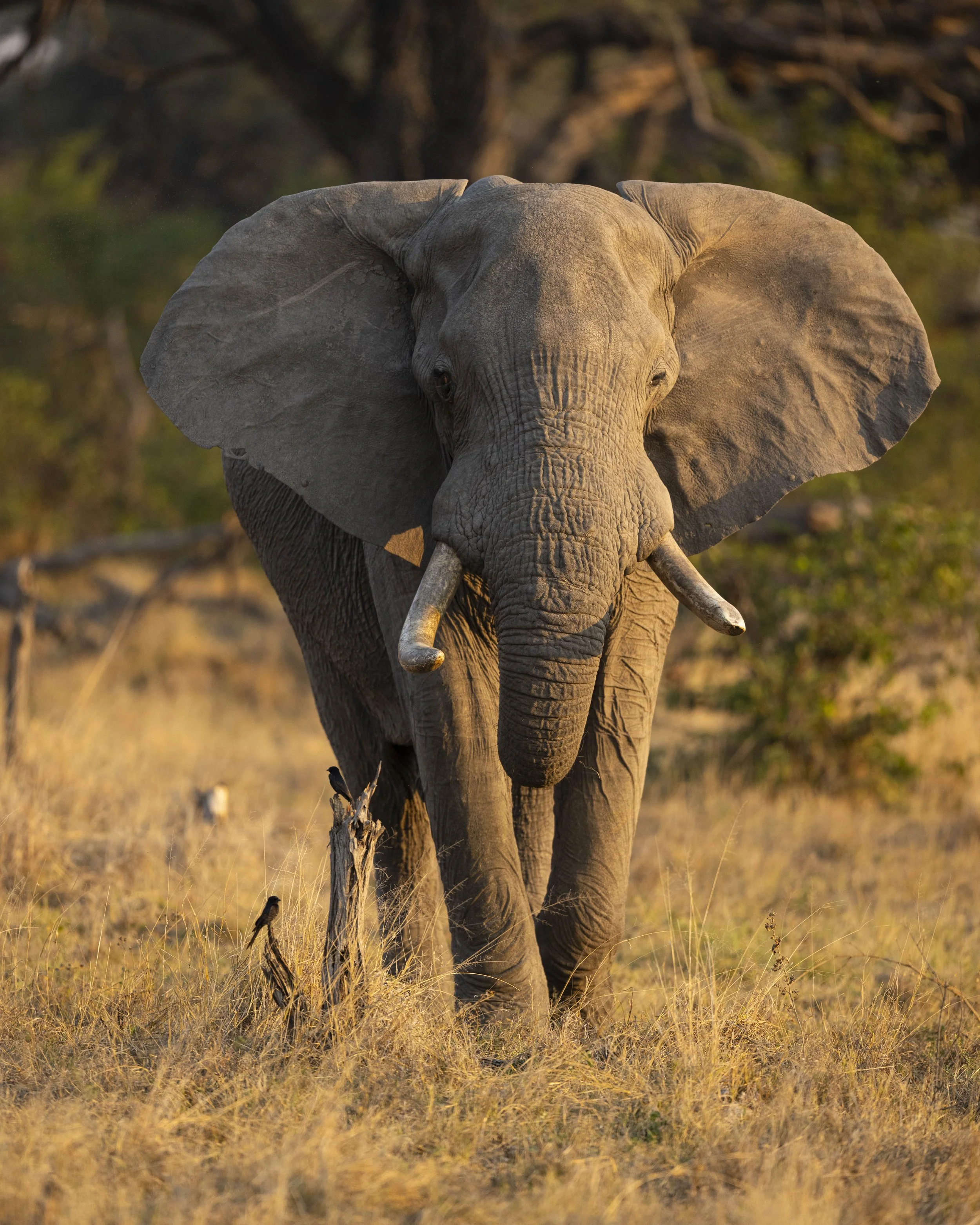
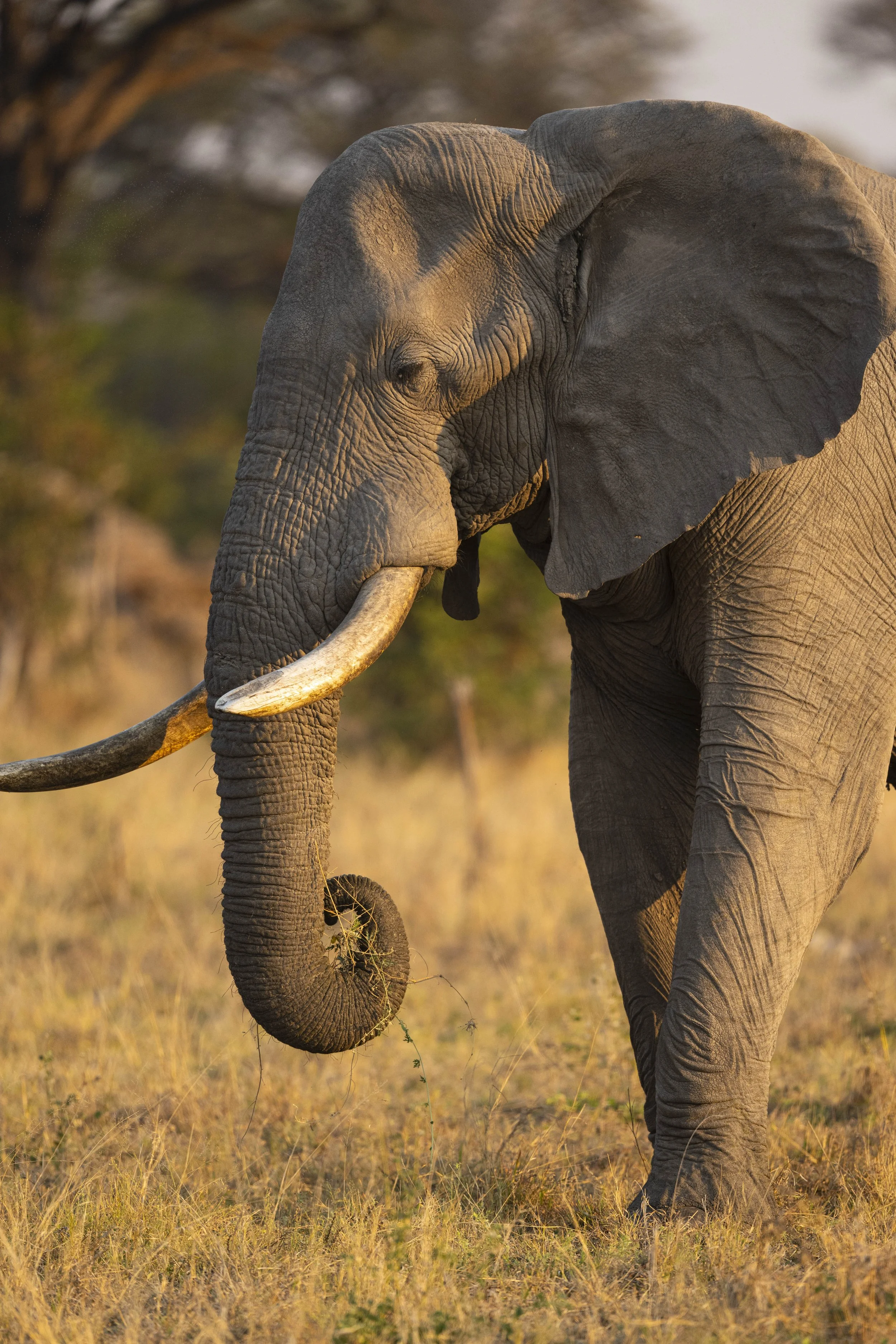
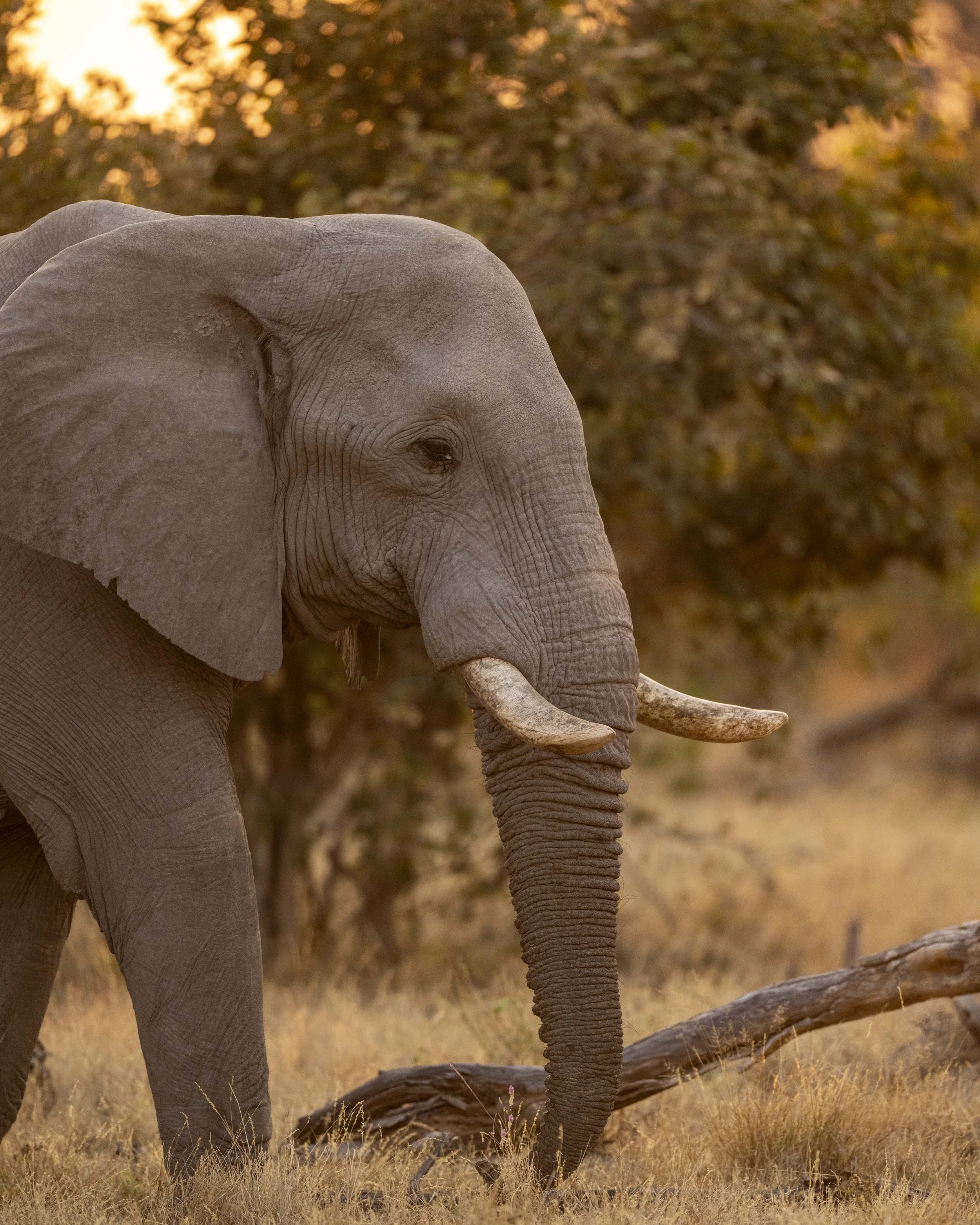
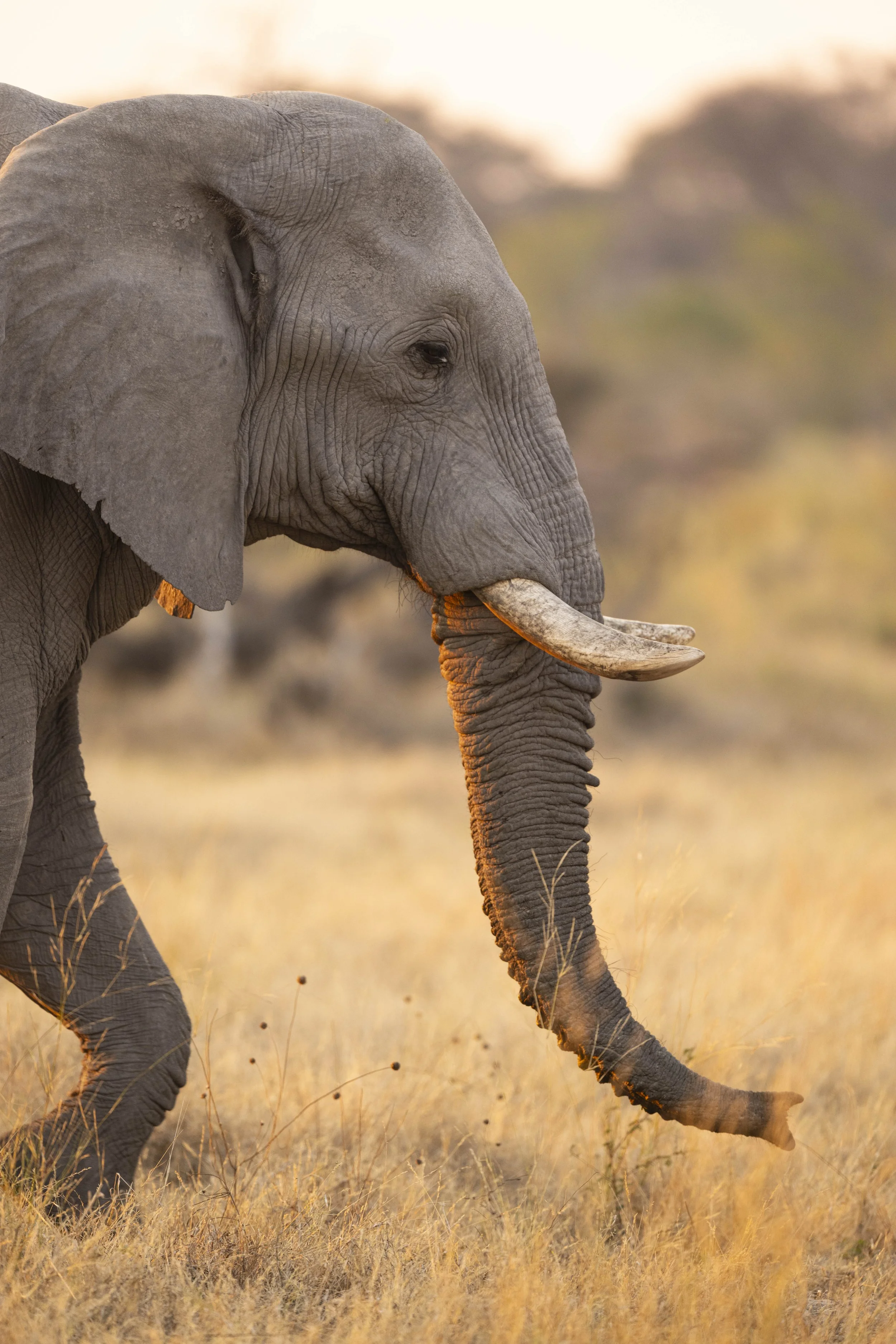
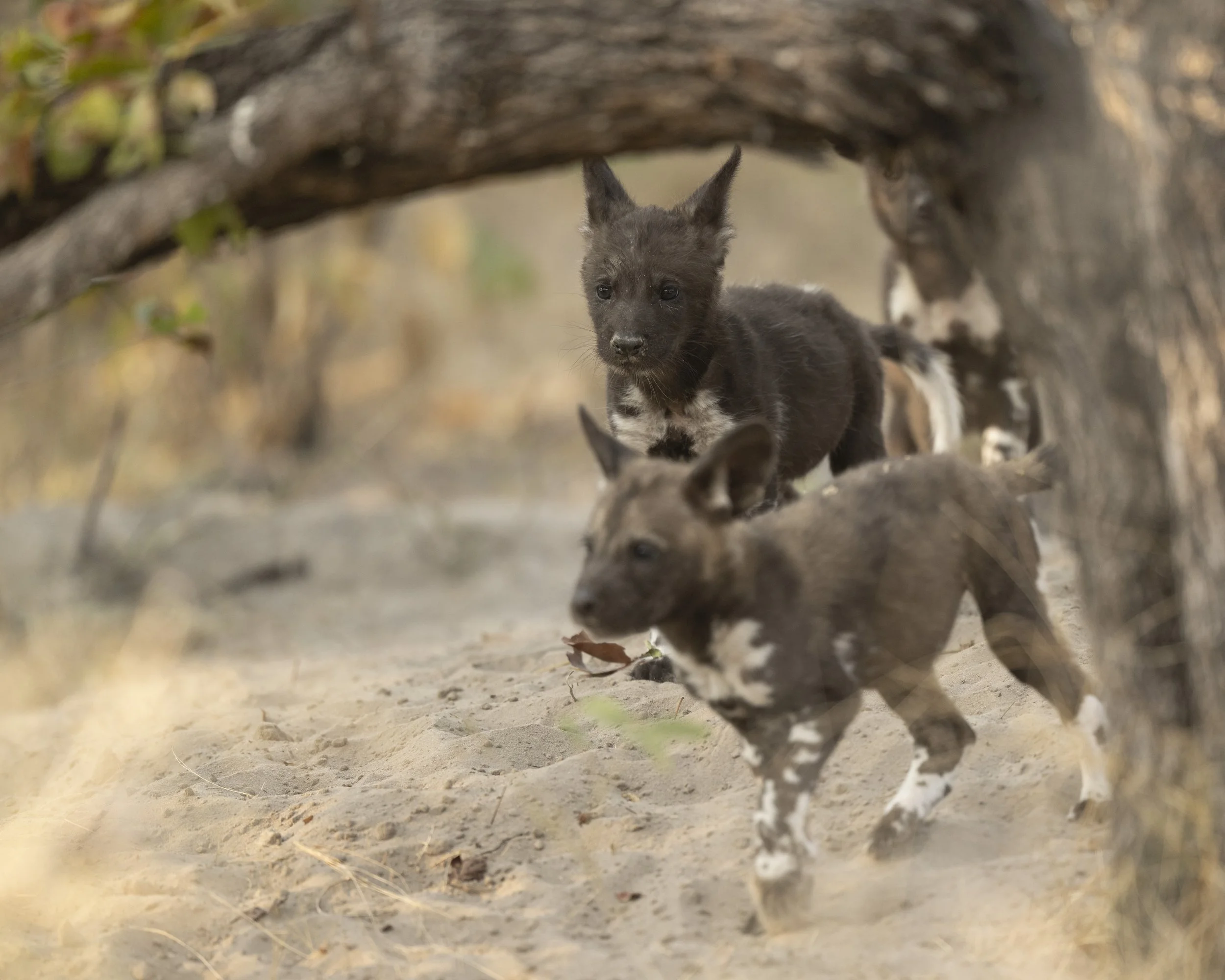
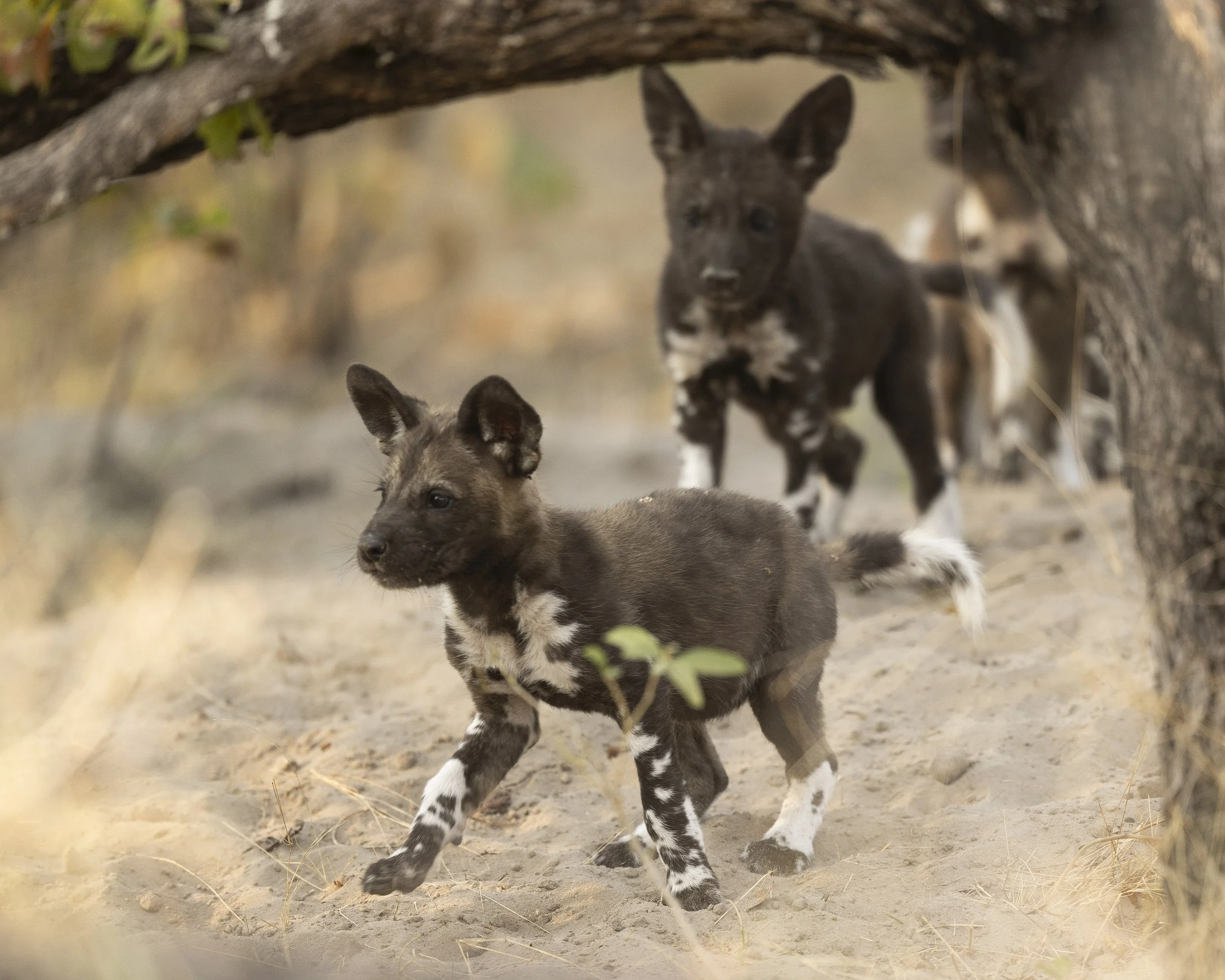
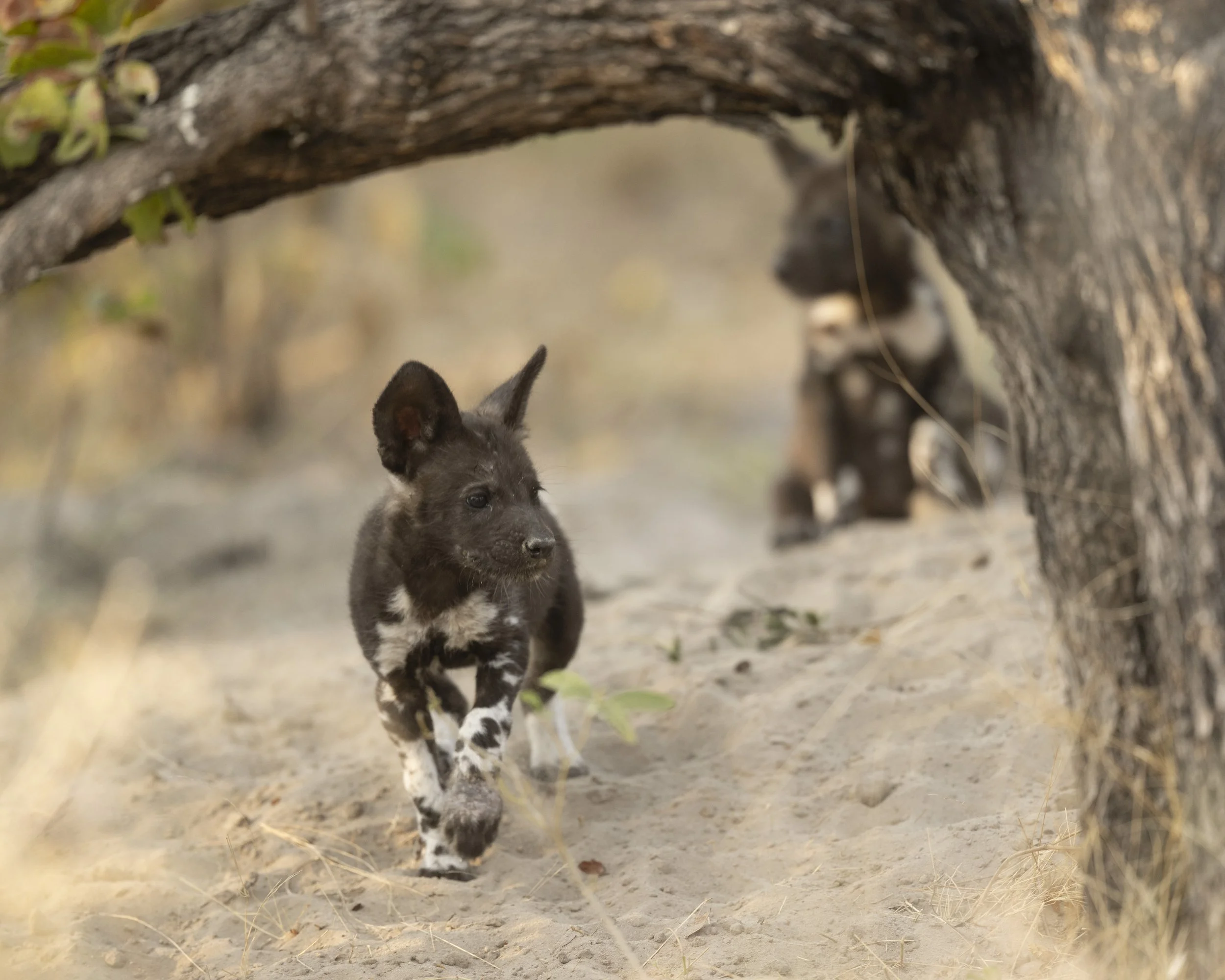
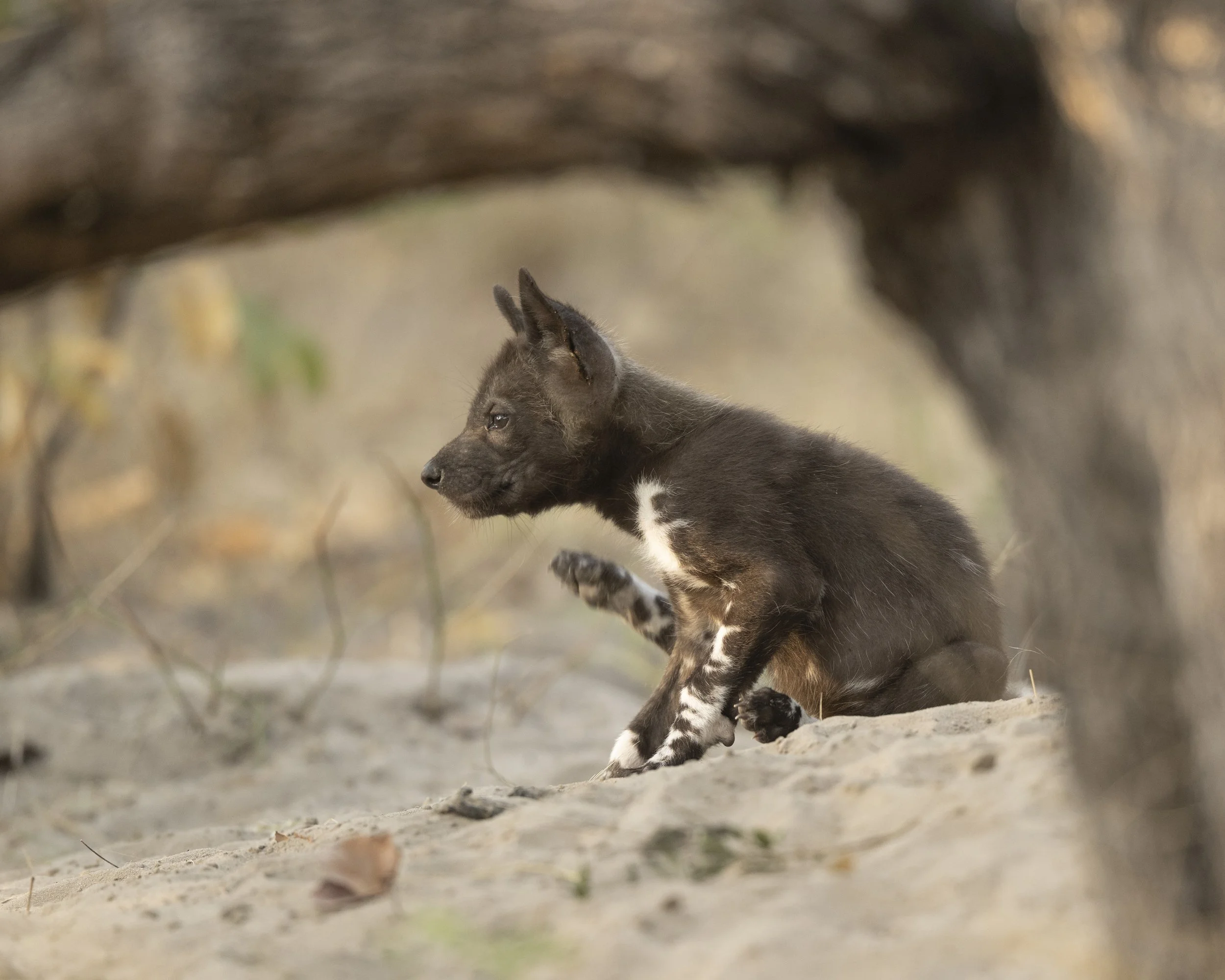
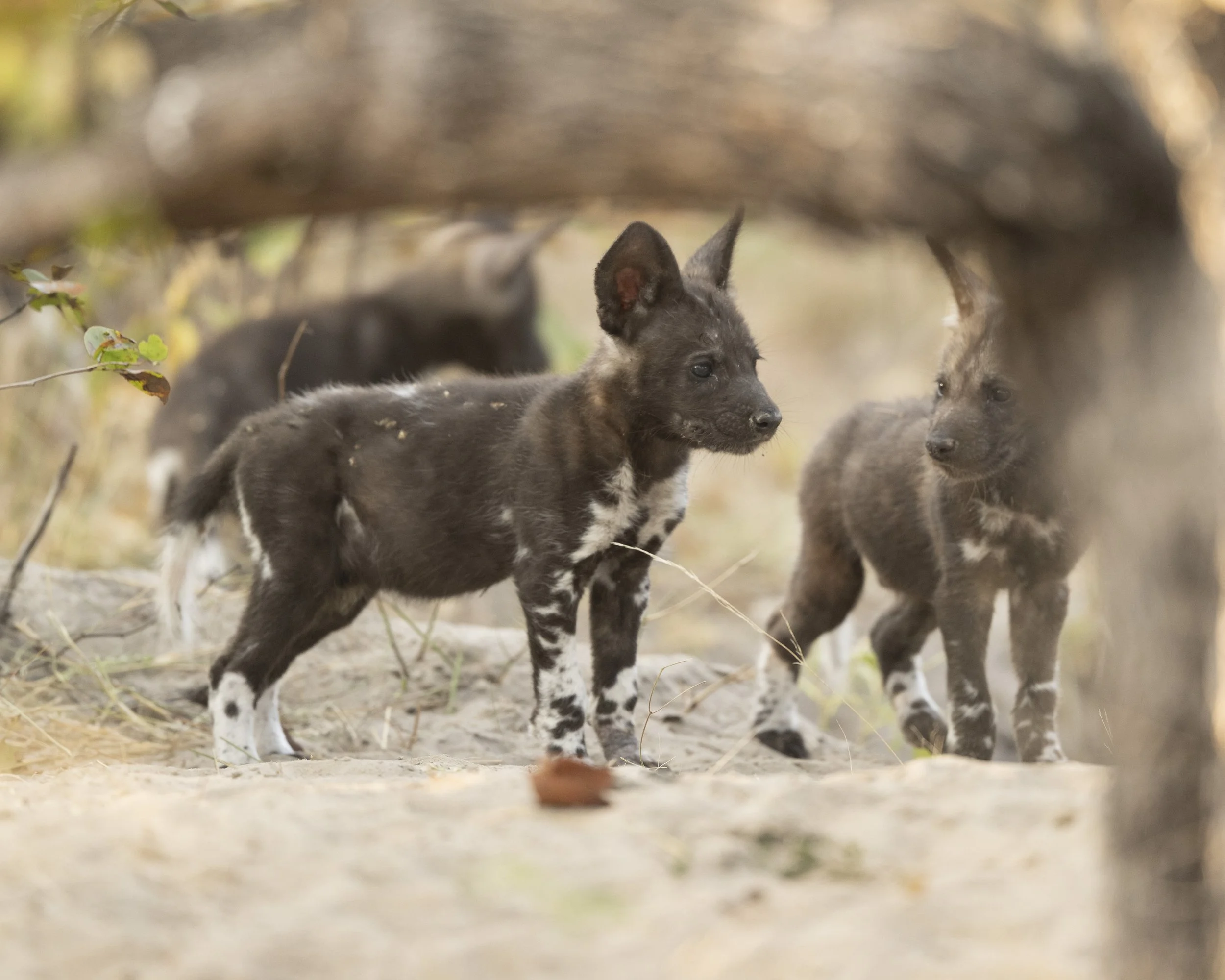
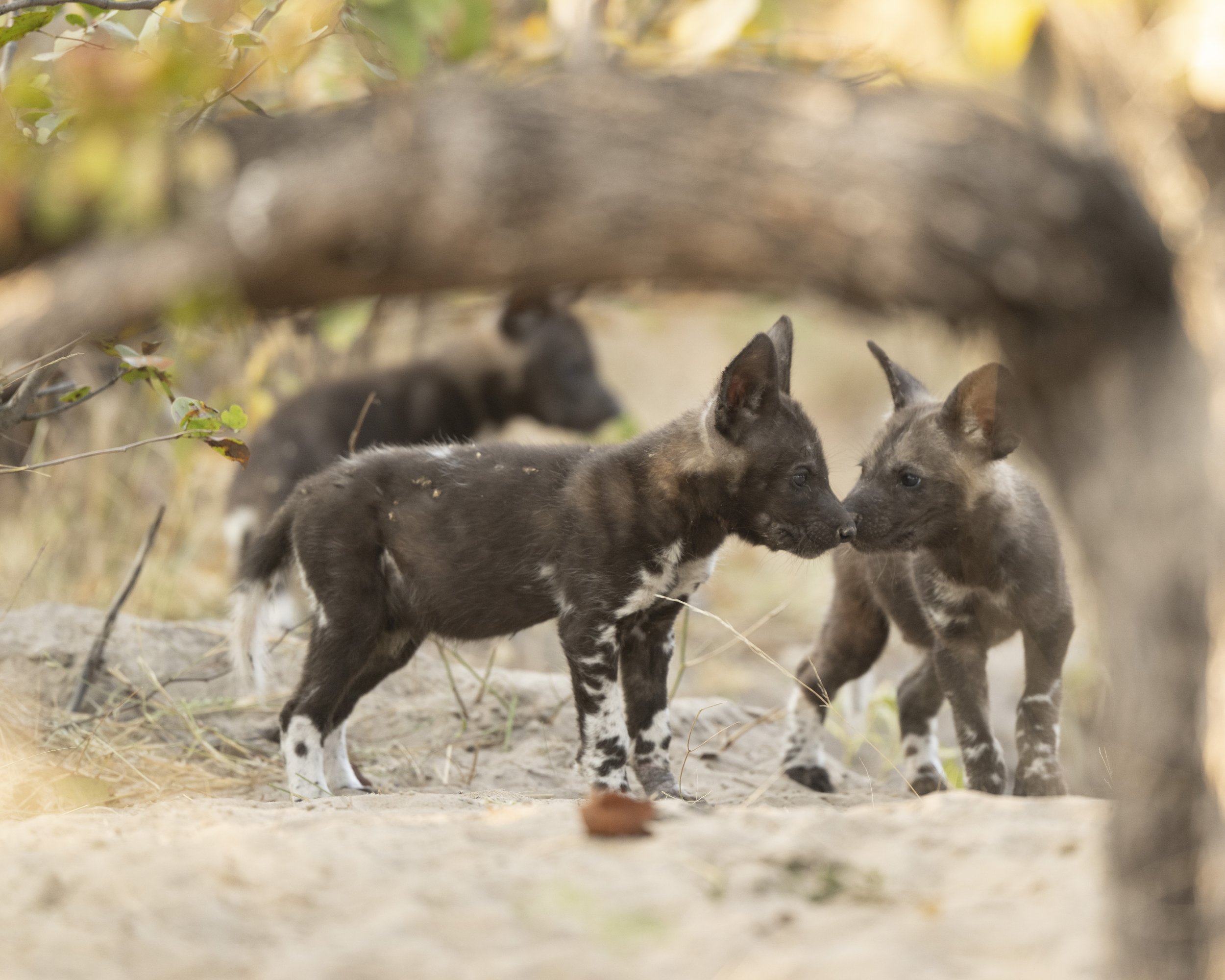
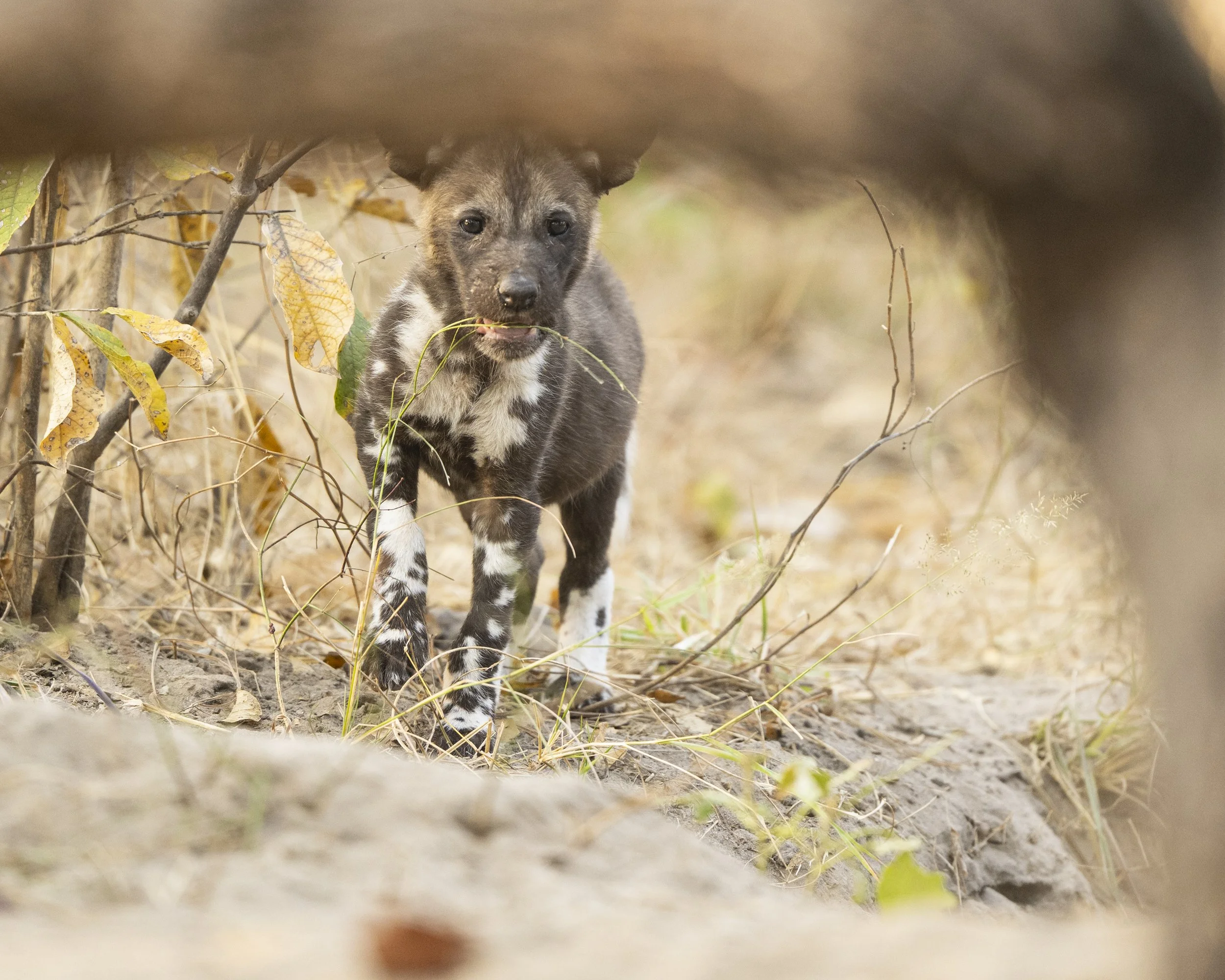
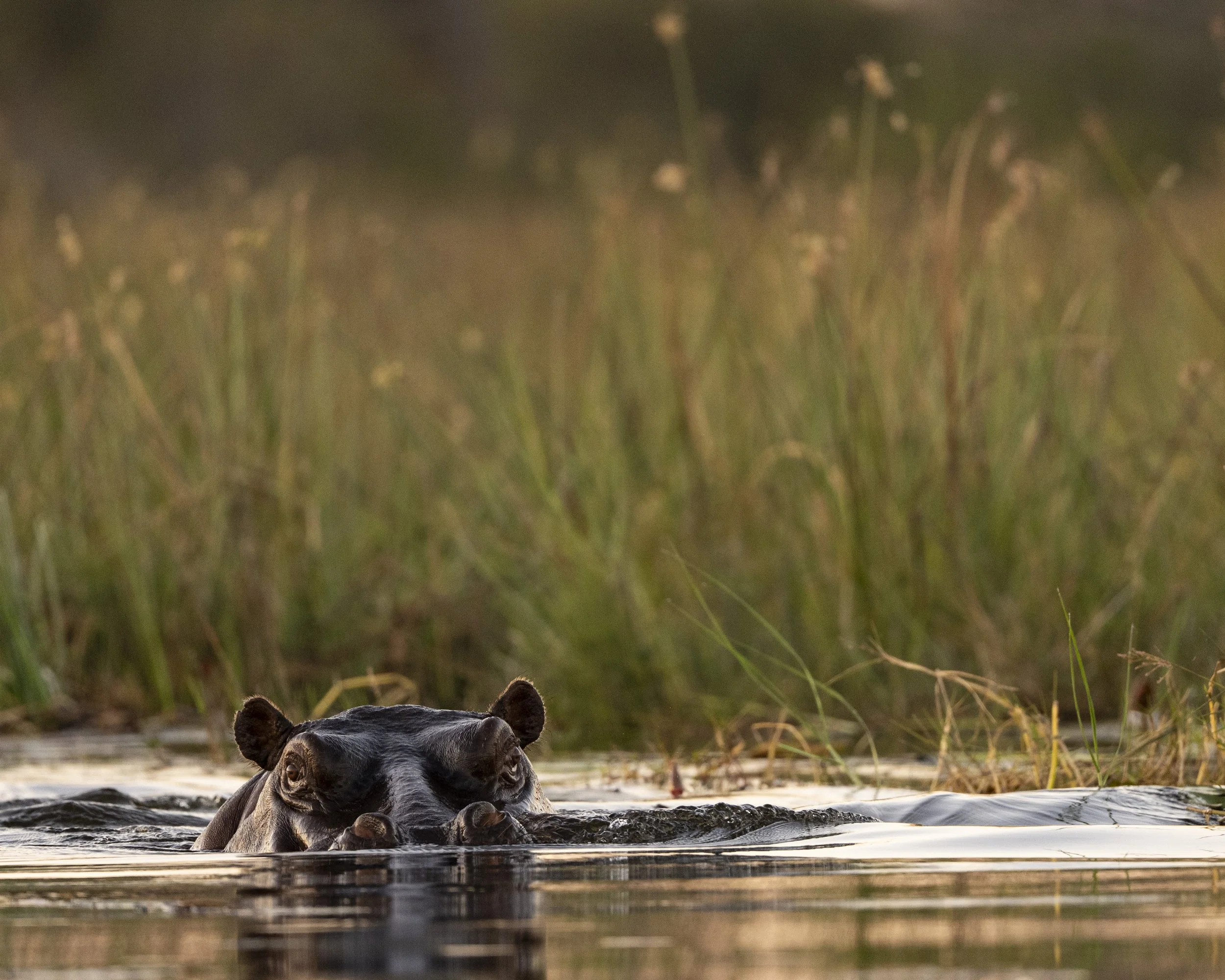
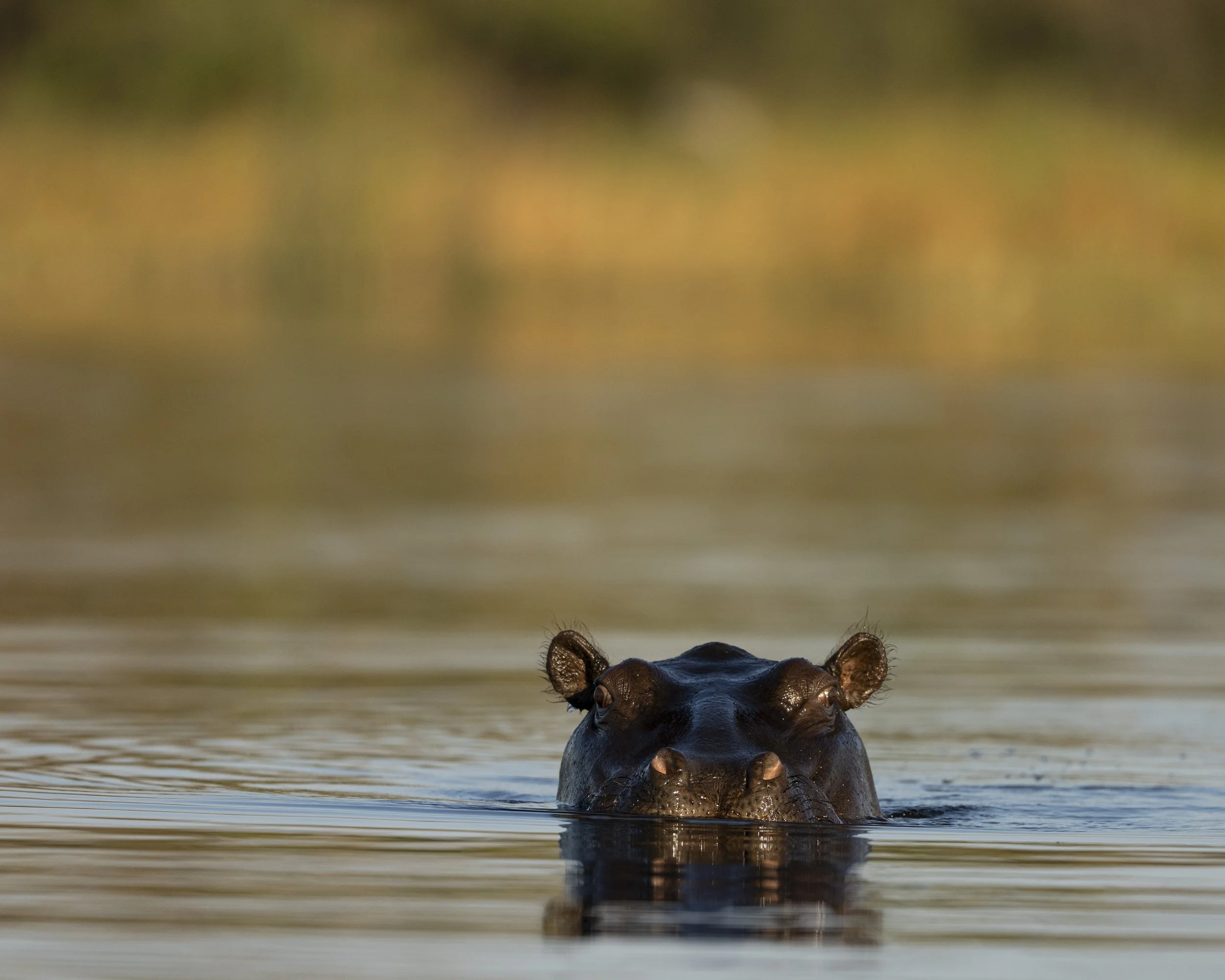
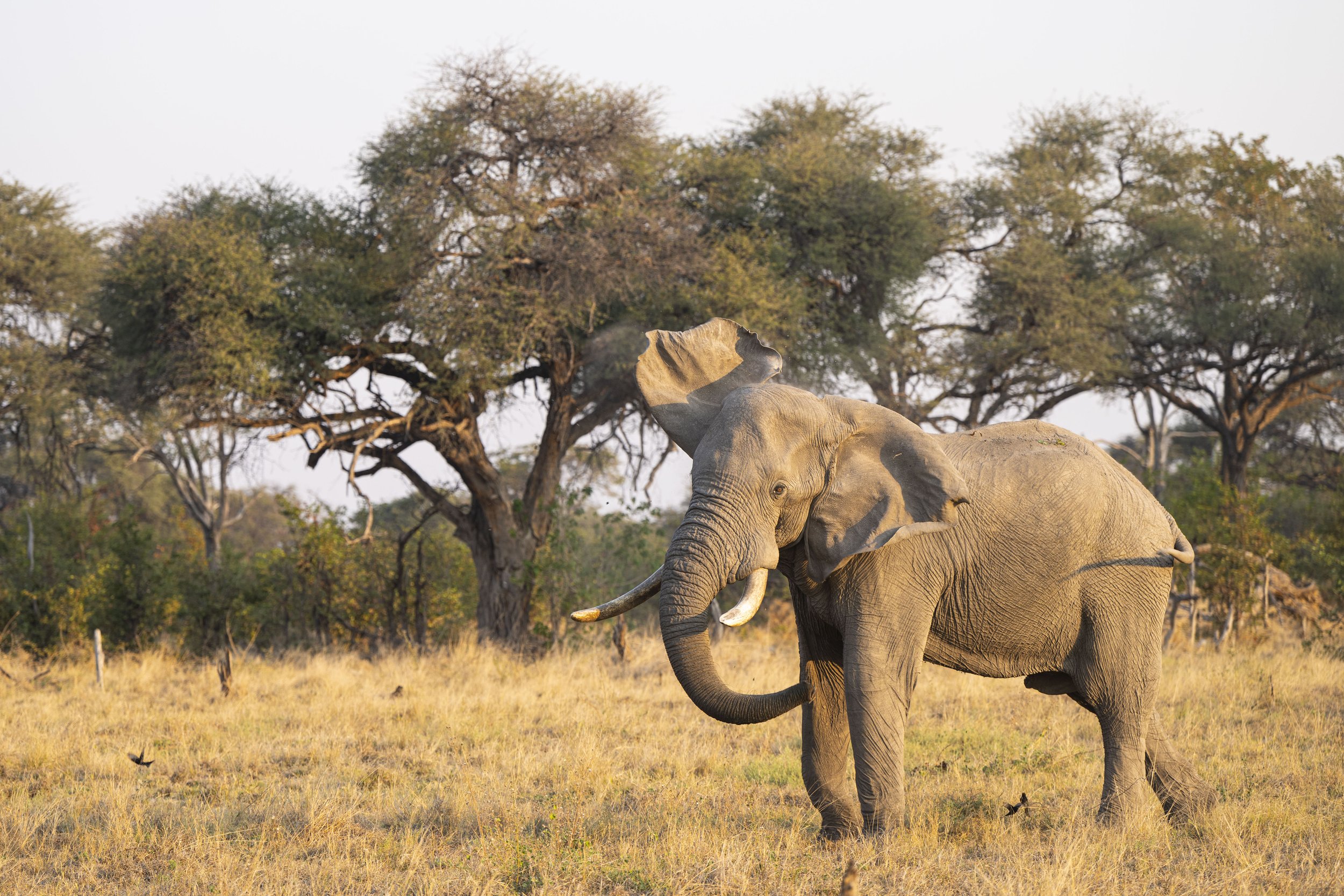
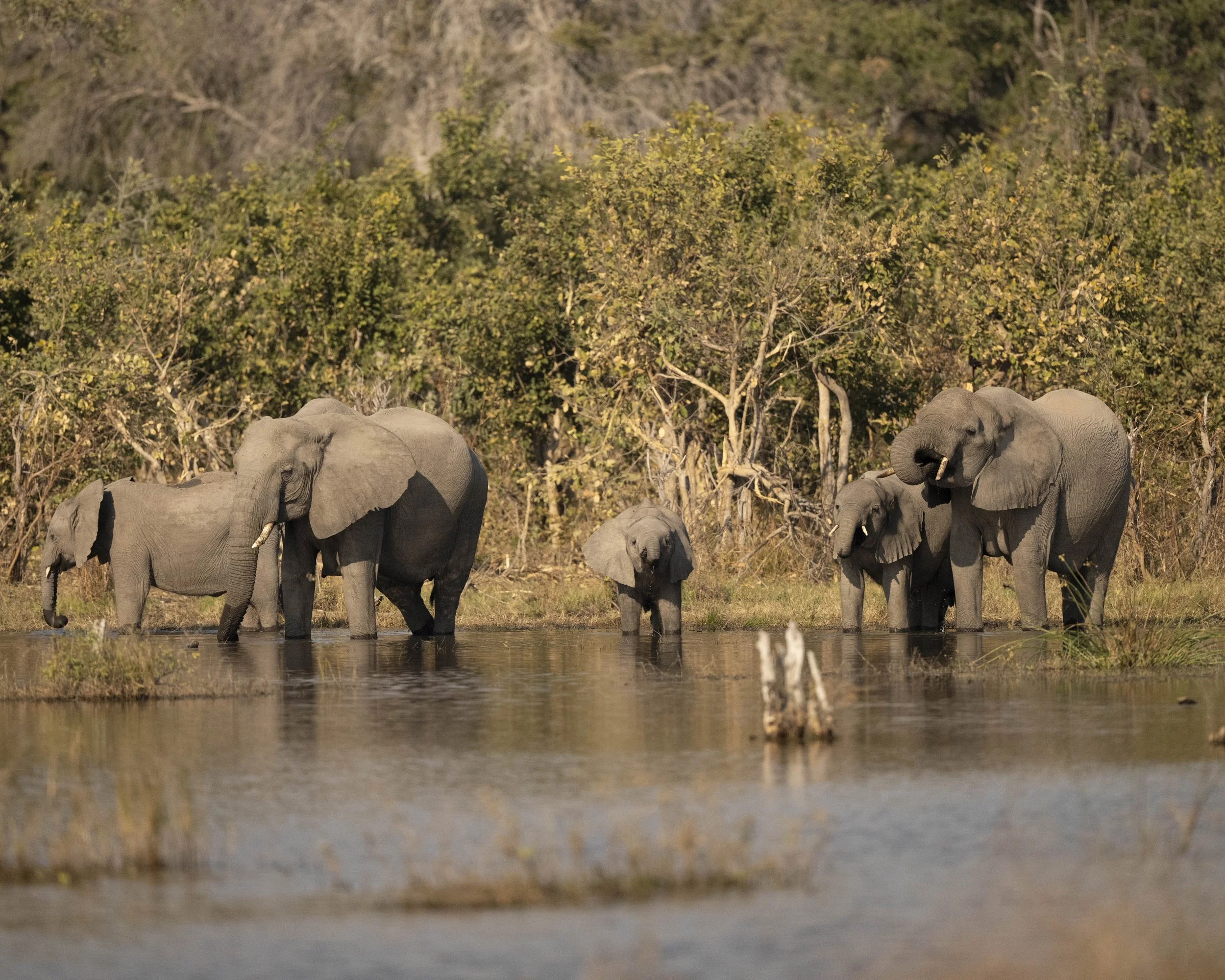
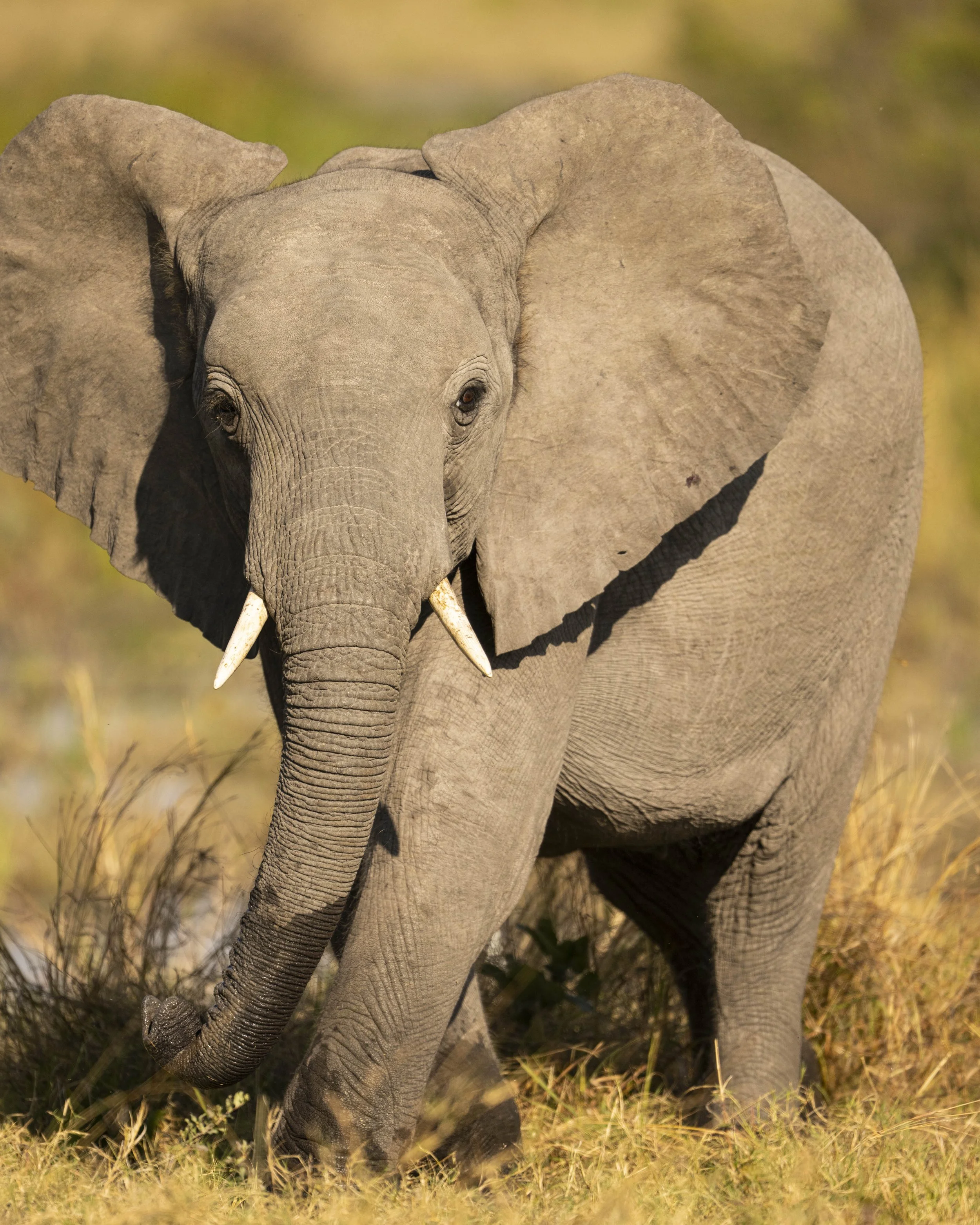
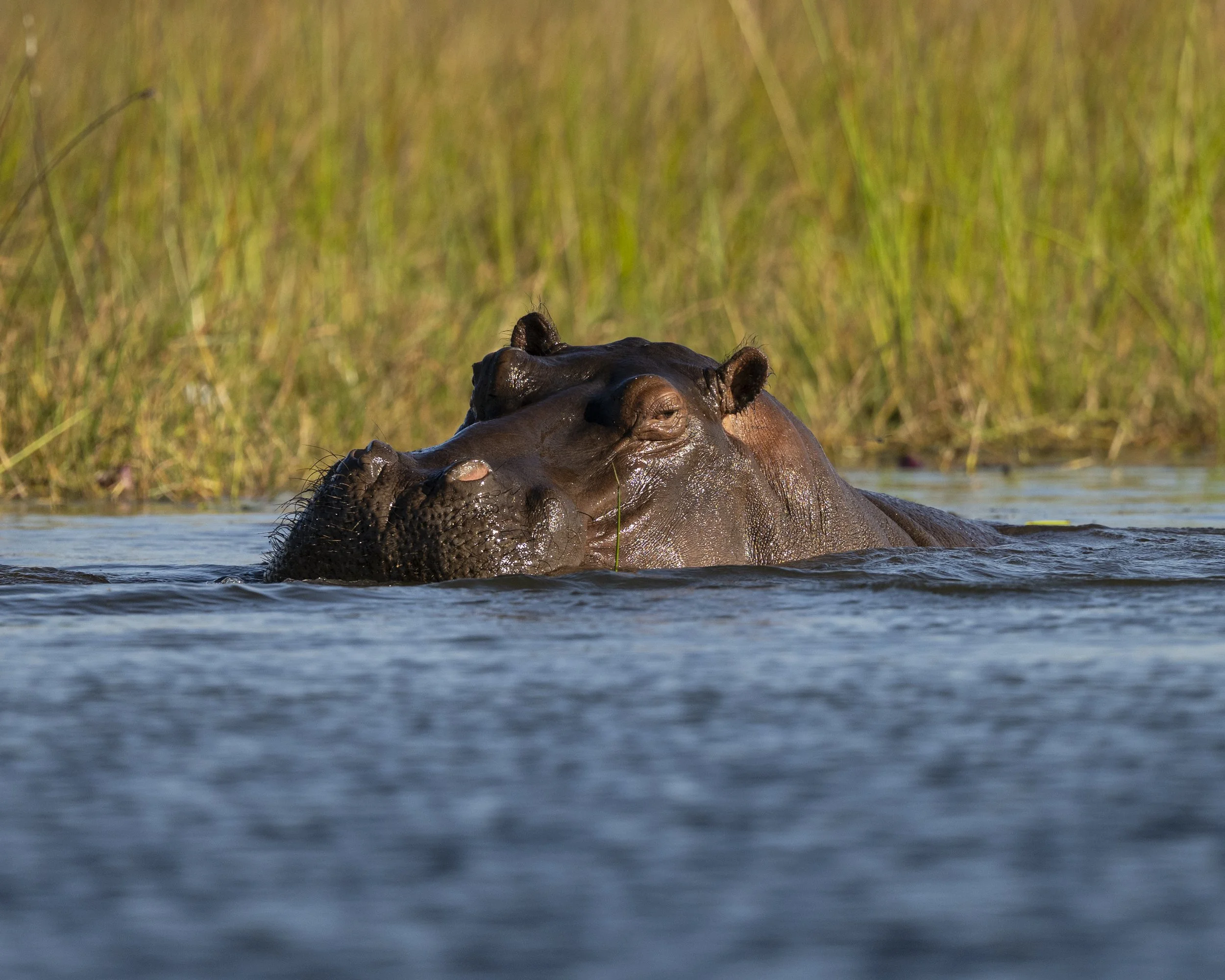
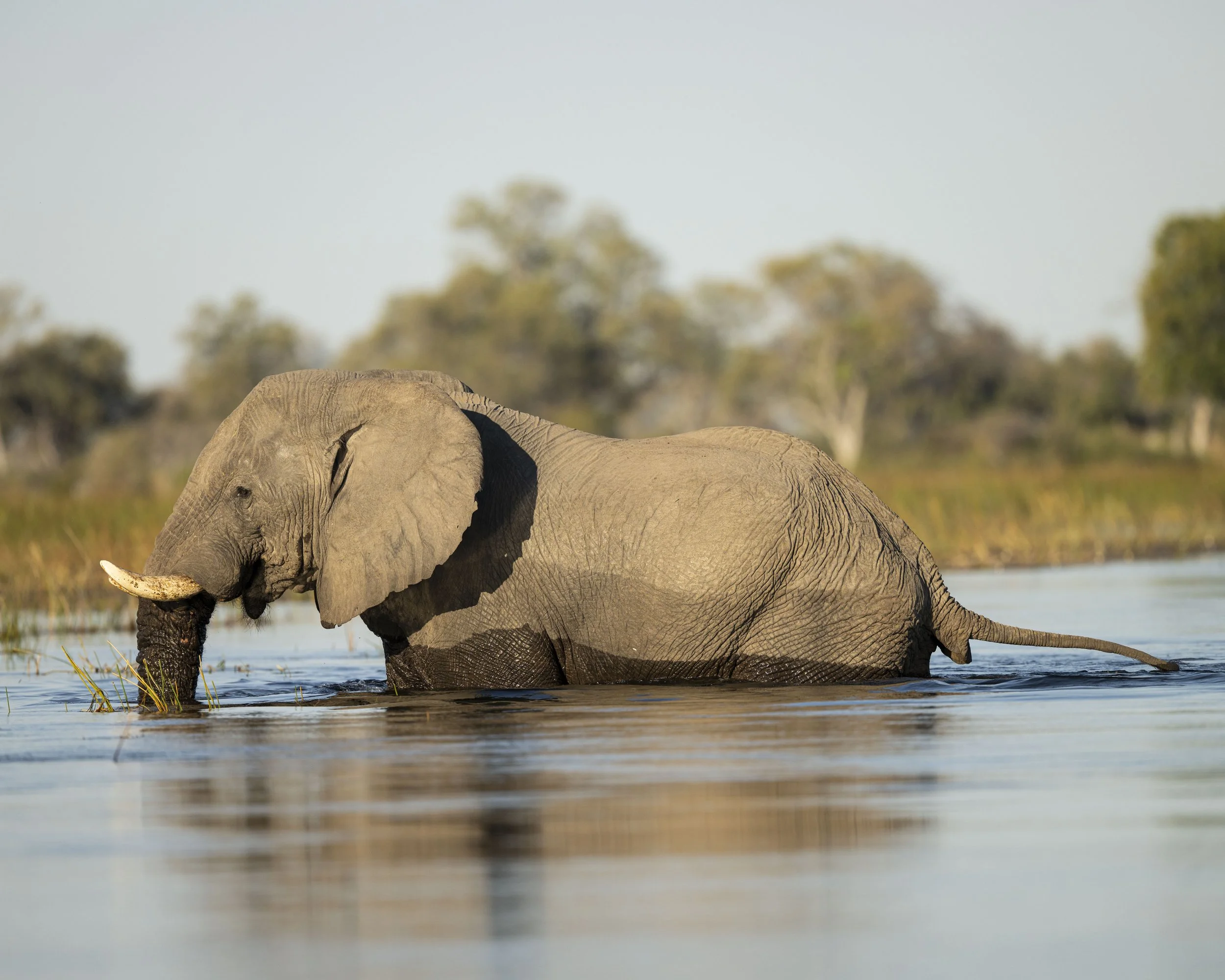
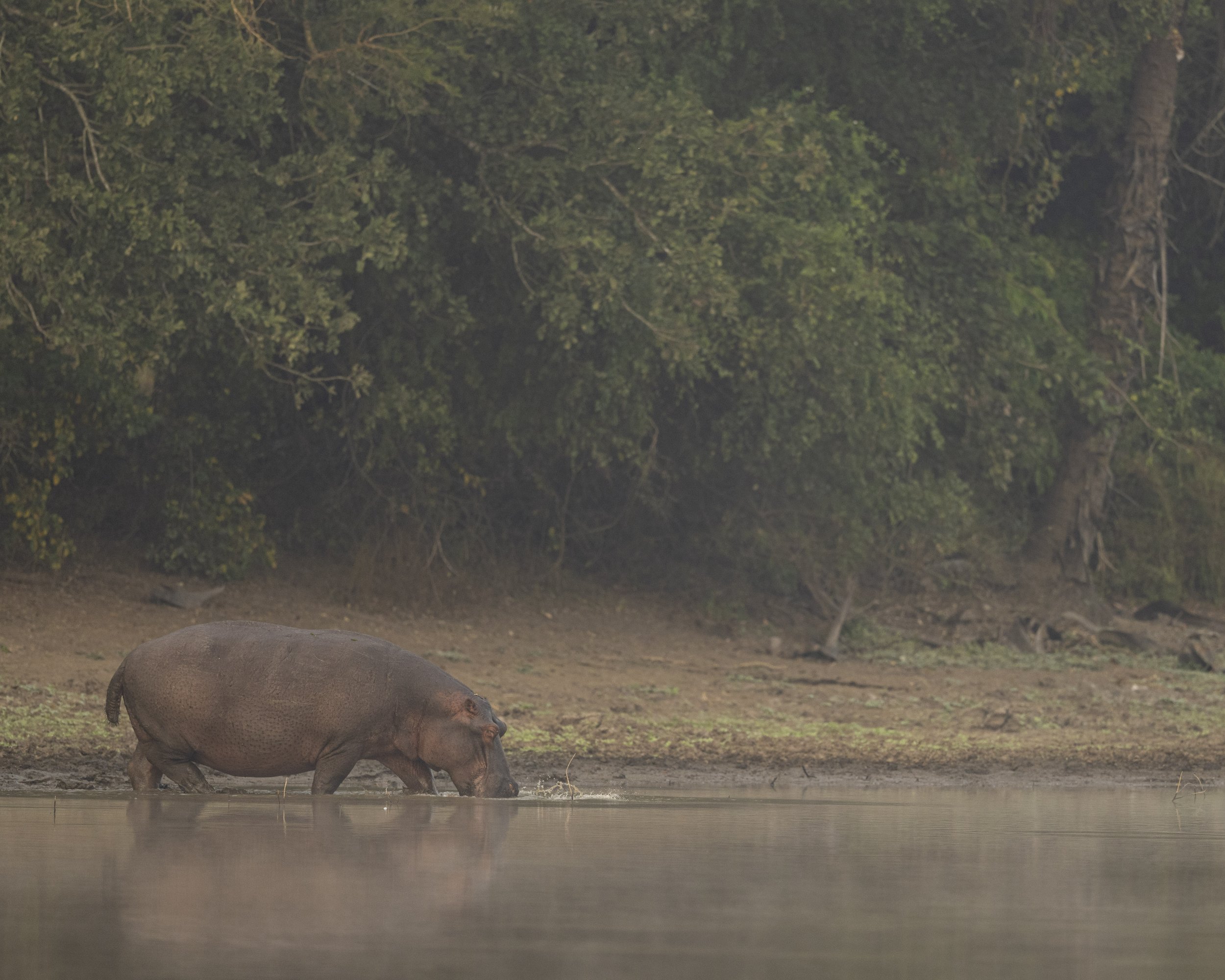
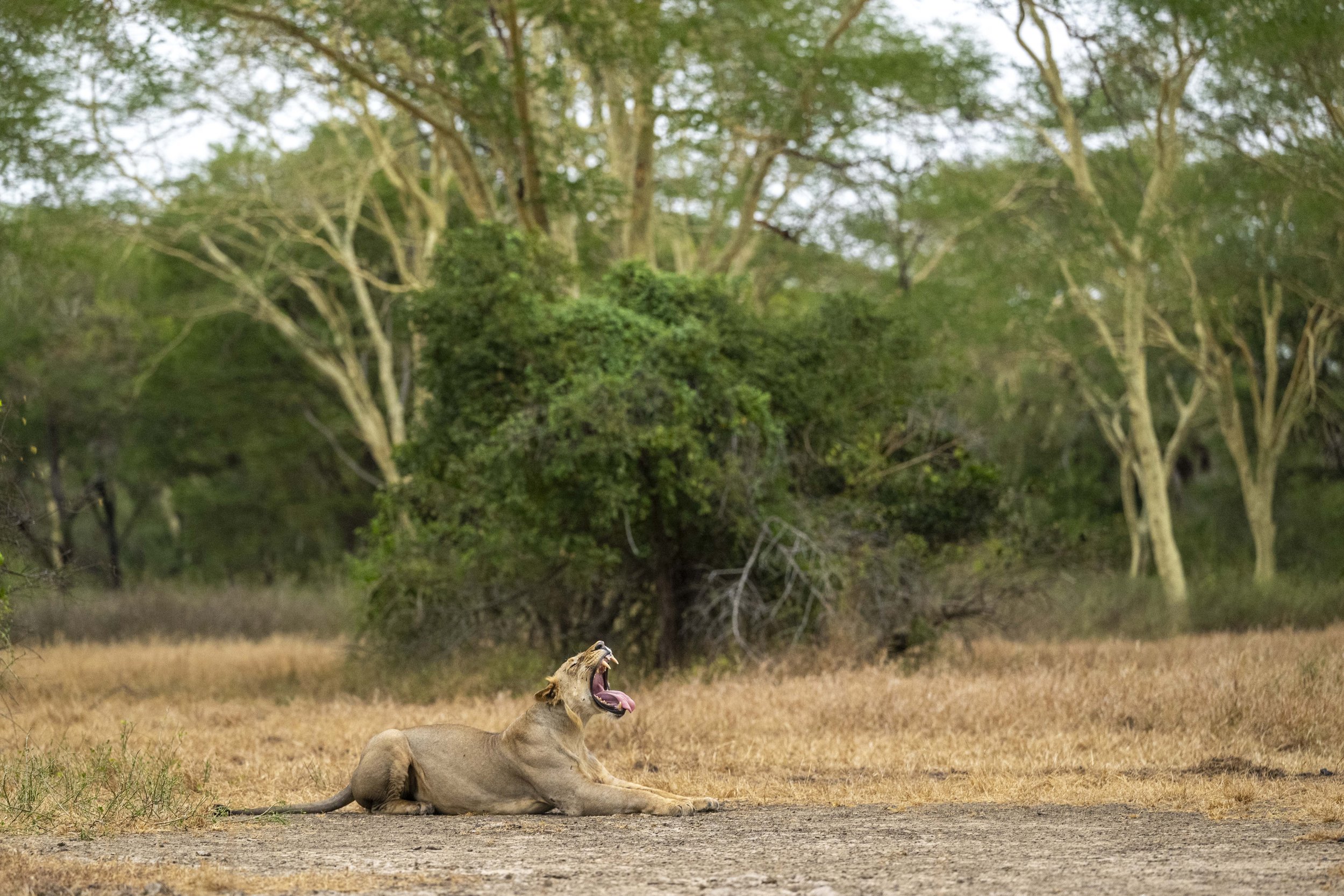
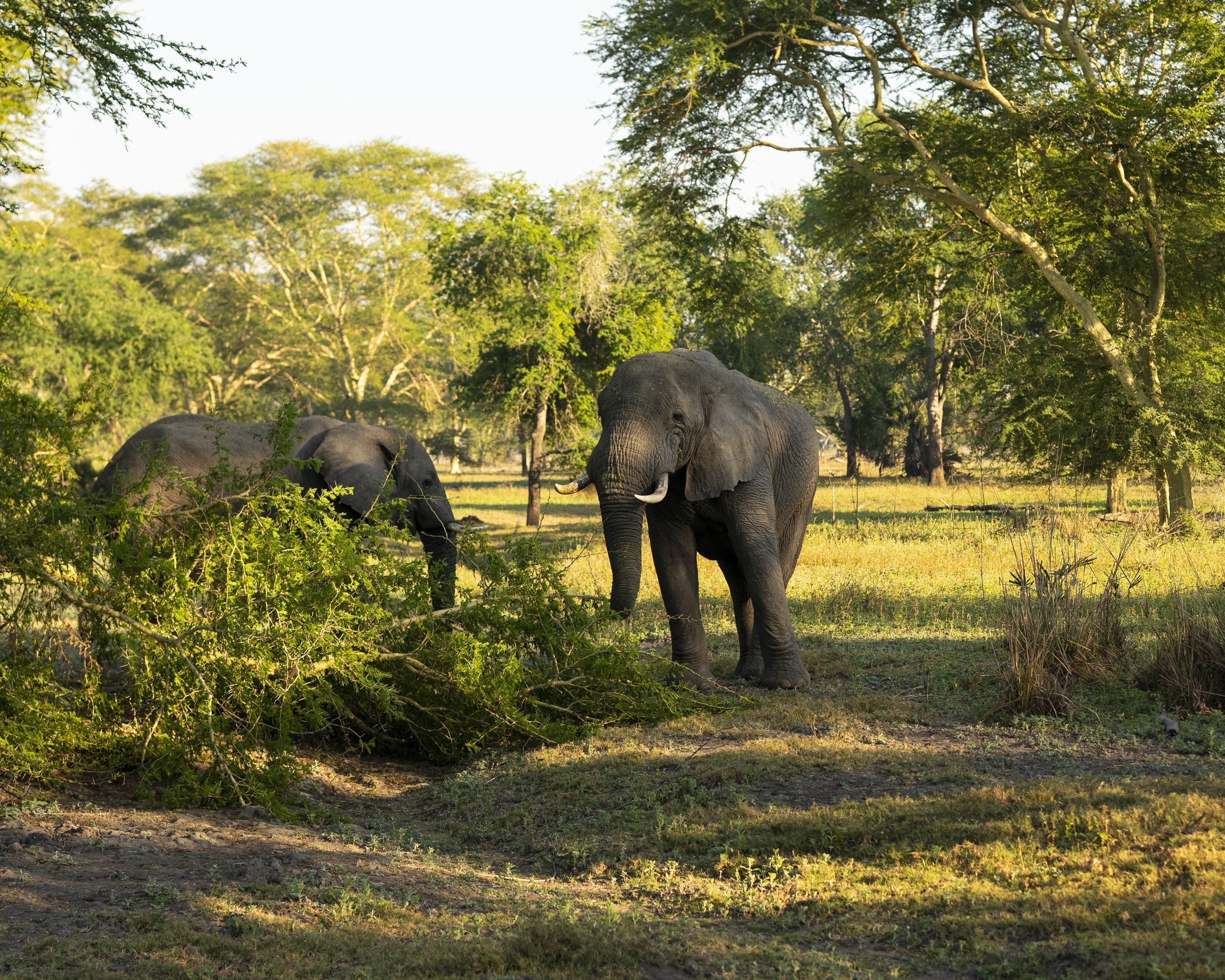
Gorongosa National Park sits at the southern end of Africa's Great Rift Valley in central Mozambique, and its story is as remarkable as its landscape. Once celebrated as one of Africa's premier wildlife destinations in the mid-20th century, the park was devastated during Mozambique's brutal civil war (1977–1992), when fighting swept through the region and wildlife populations collapsed by an estimated 90 percent or more. Elephants, lions, hippos, and buffalo that once roamed in the tens of thousands were reduced to scattered remnants.
What followed is now regarded as one of the most ambitious ecological restoration efforts in the world. In 2004, the Mozambican government partnered with the nonprofit Gorongosa Project, founded by American philanthropist Greg Carr, to rebuild the park from the ground up — reintroducing wildlife, rebuilding ranger infrastructure, and investing heavily in the surrounding human communities whose cooperation the project's survival depends on. Scientists, including the late biologist E.O. Wilson, have championed Gorongosa as a living laboratory for studying ecosystem recovery and biodiversity.
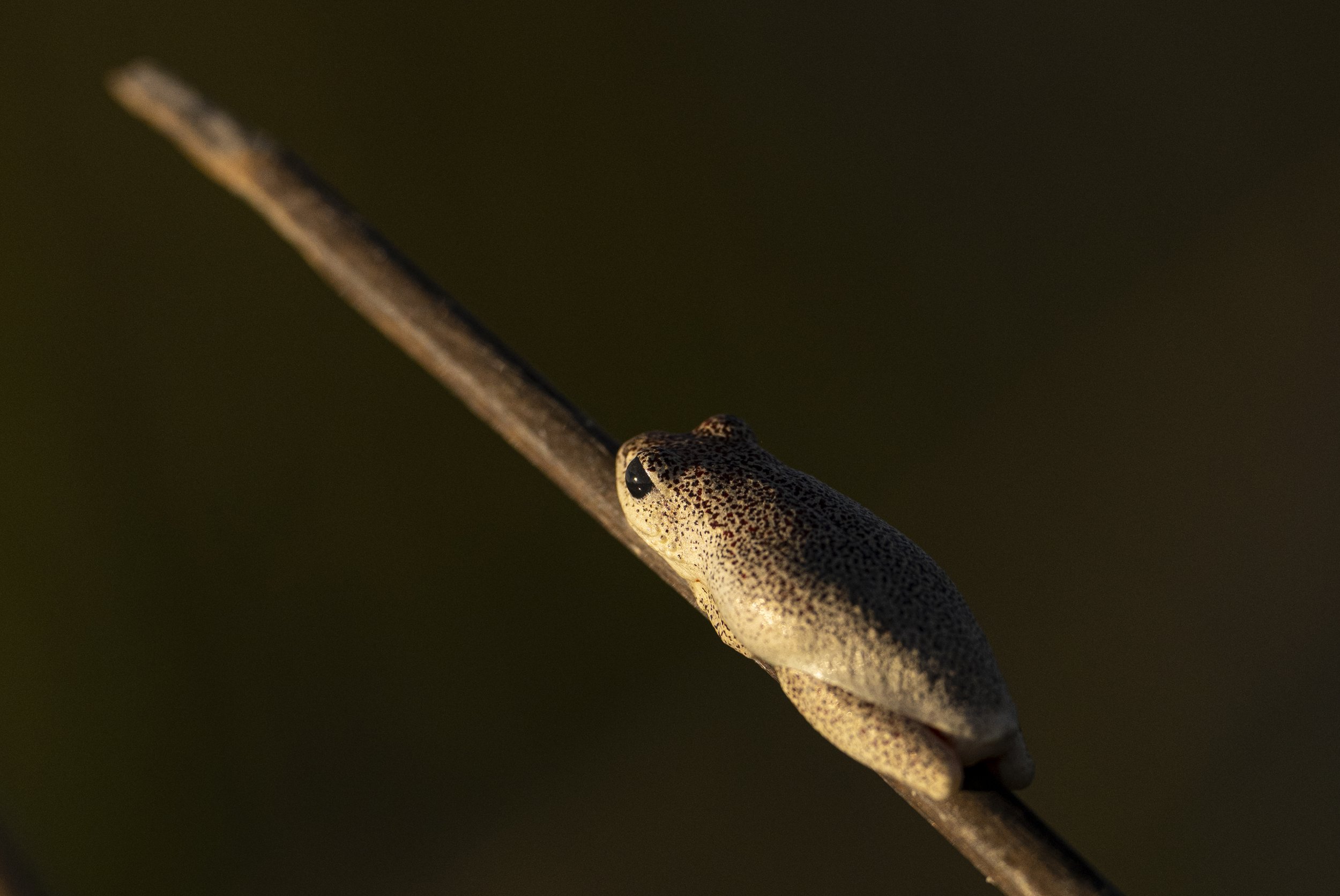
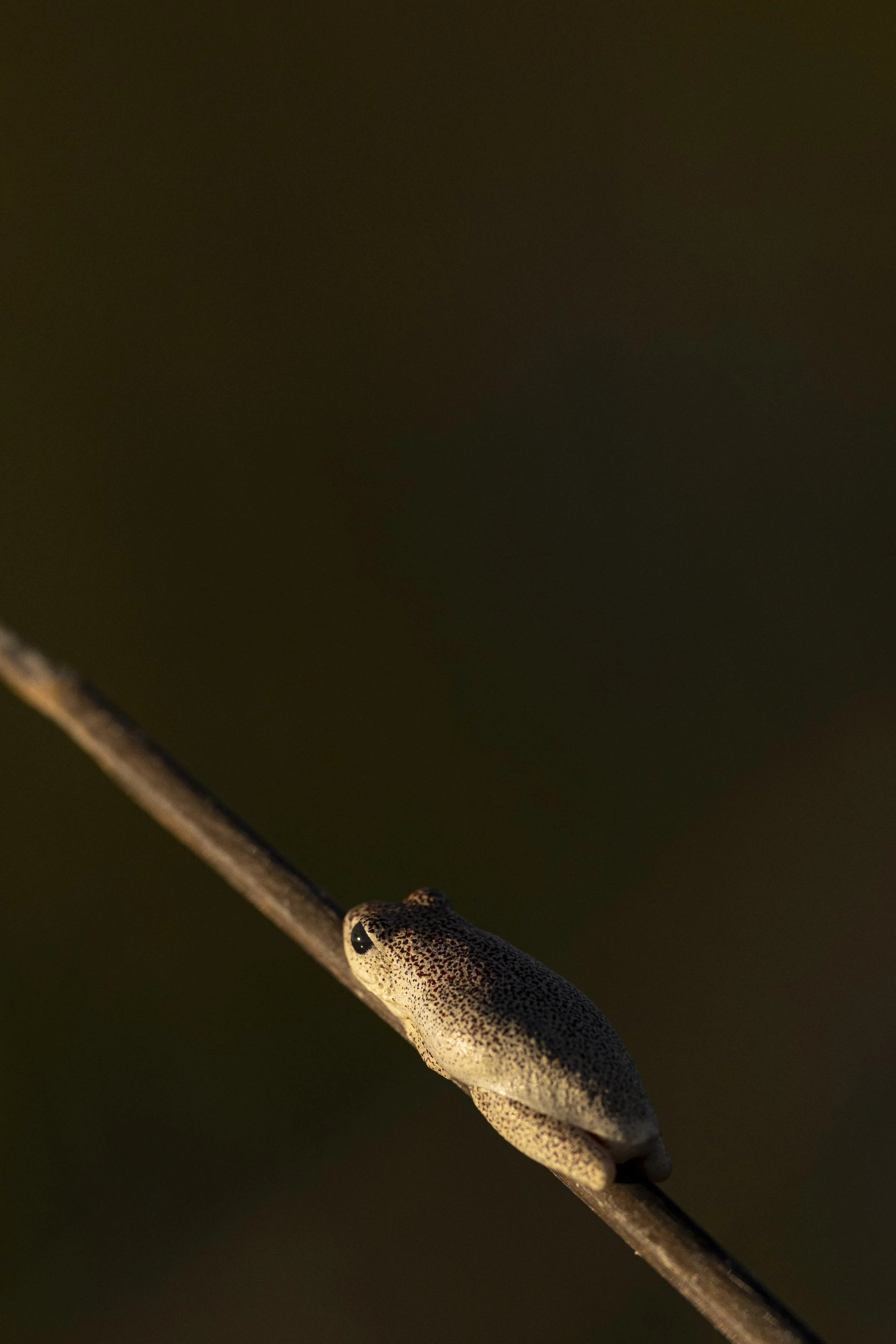
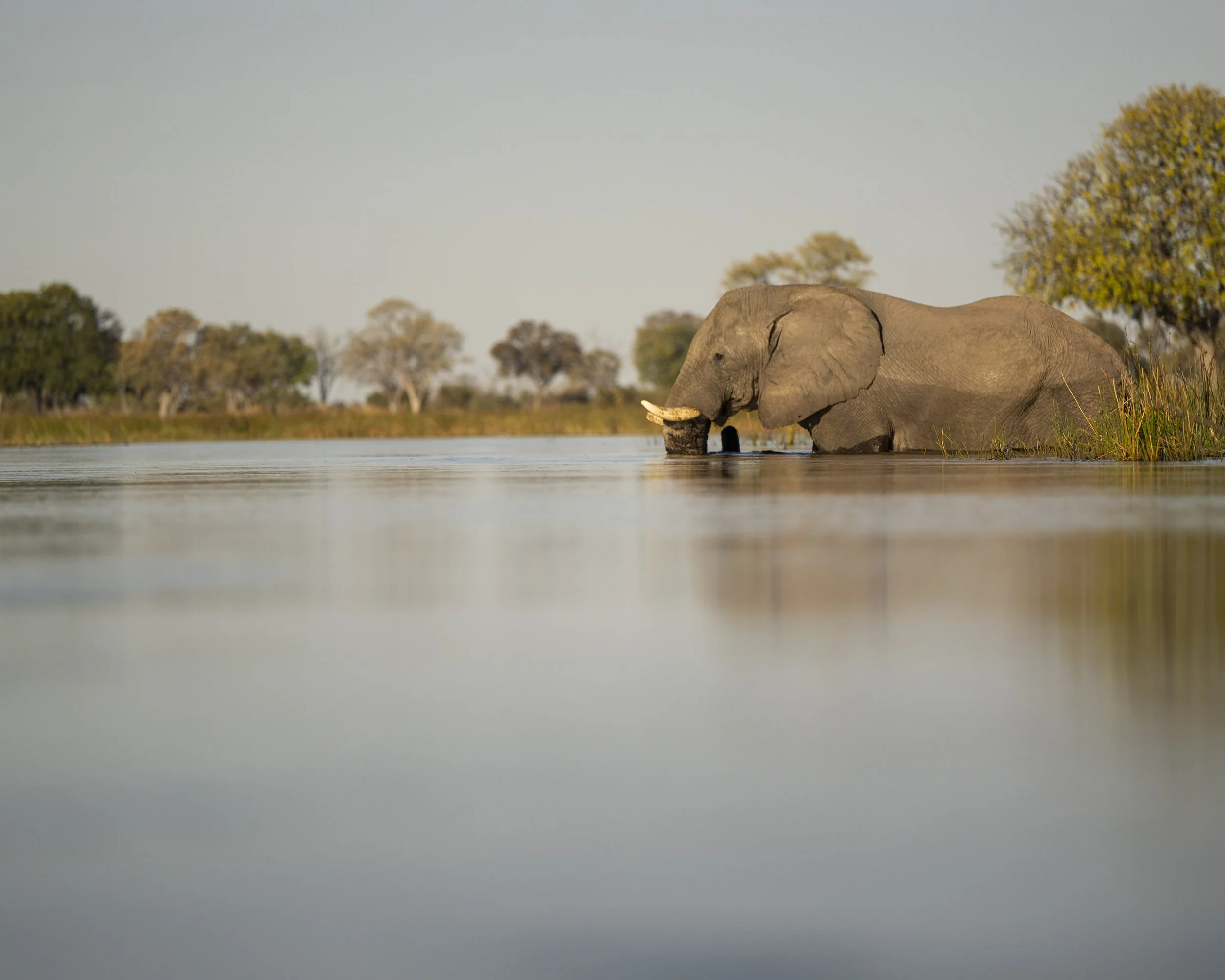
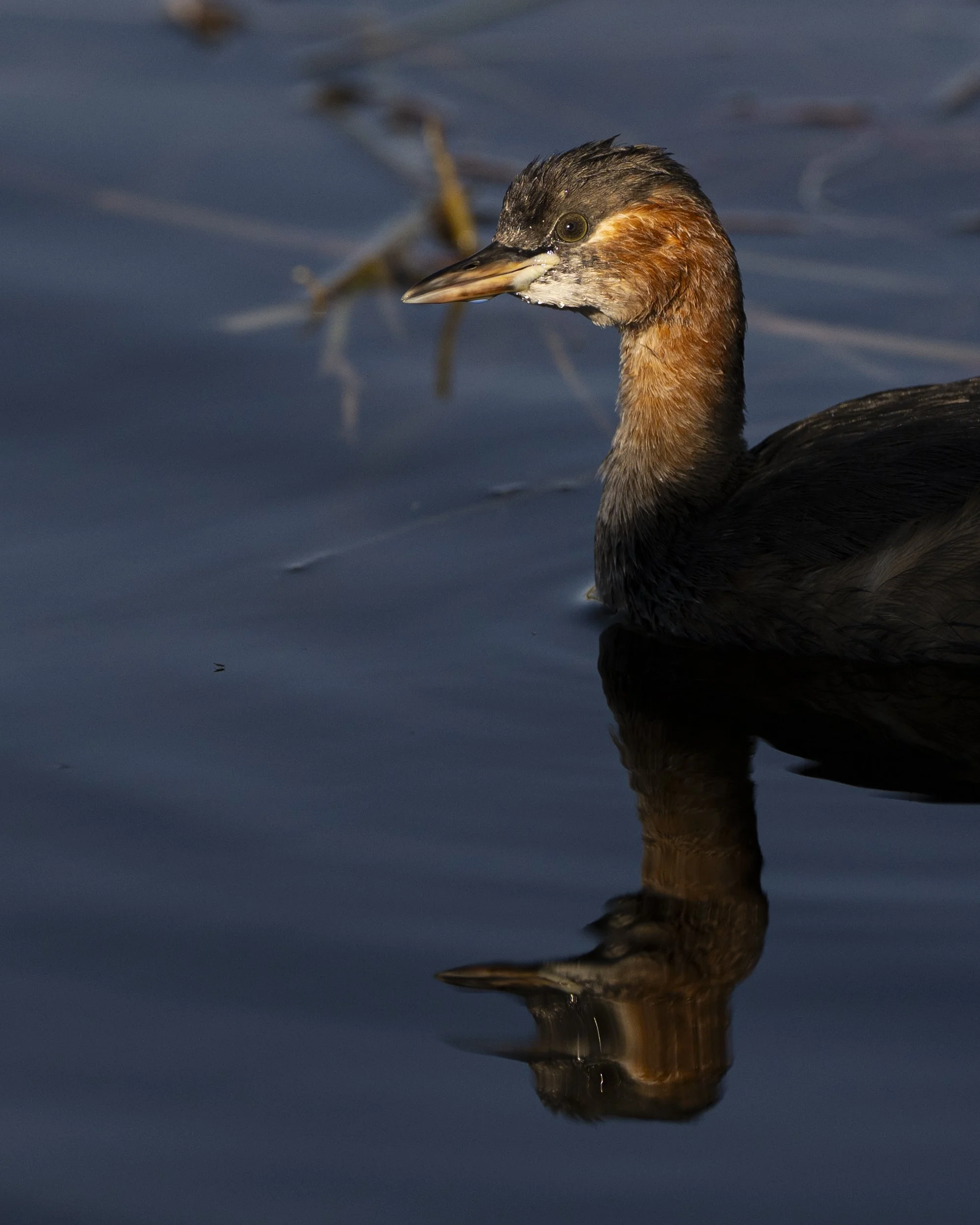
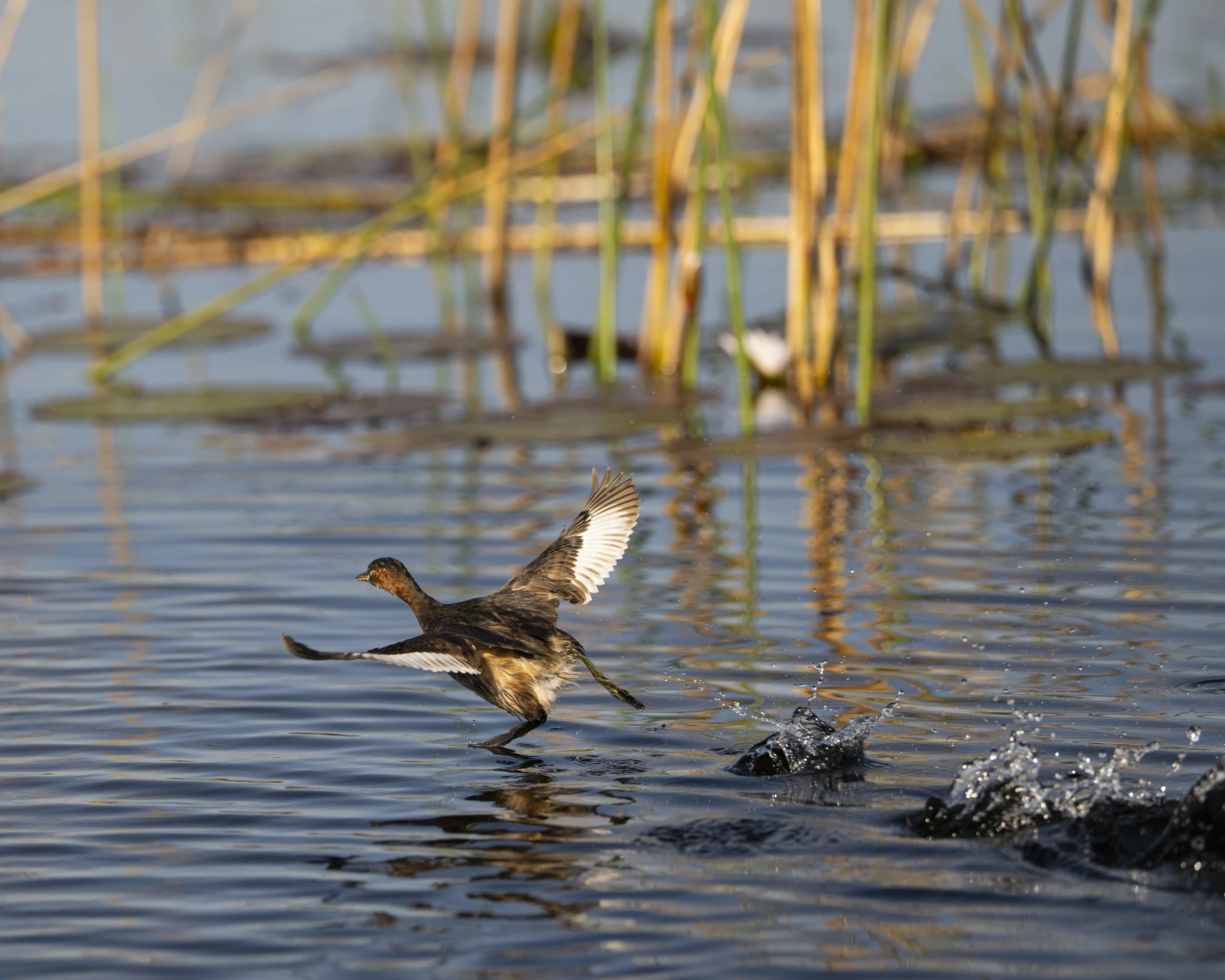
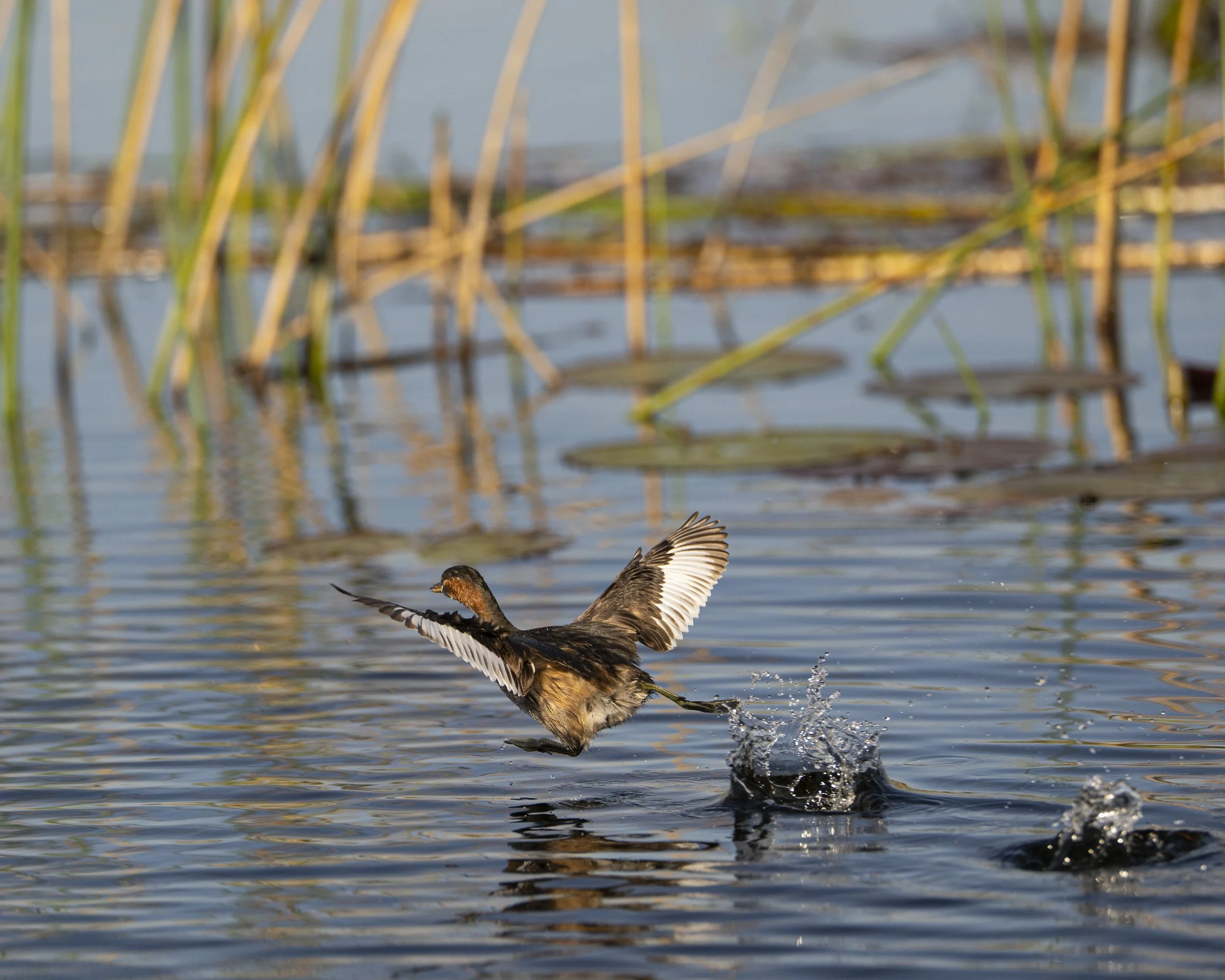
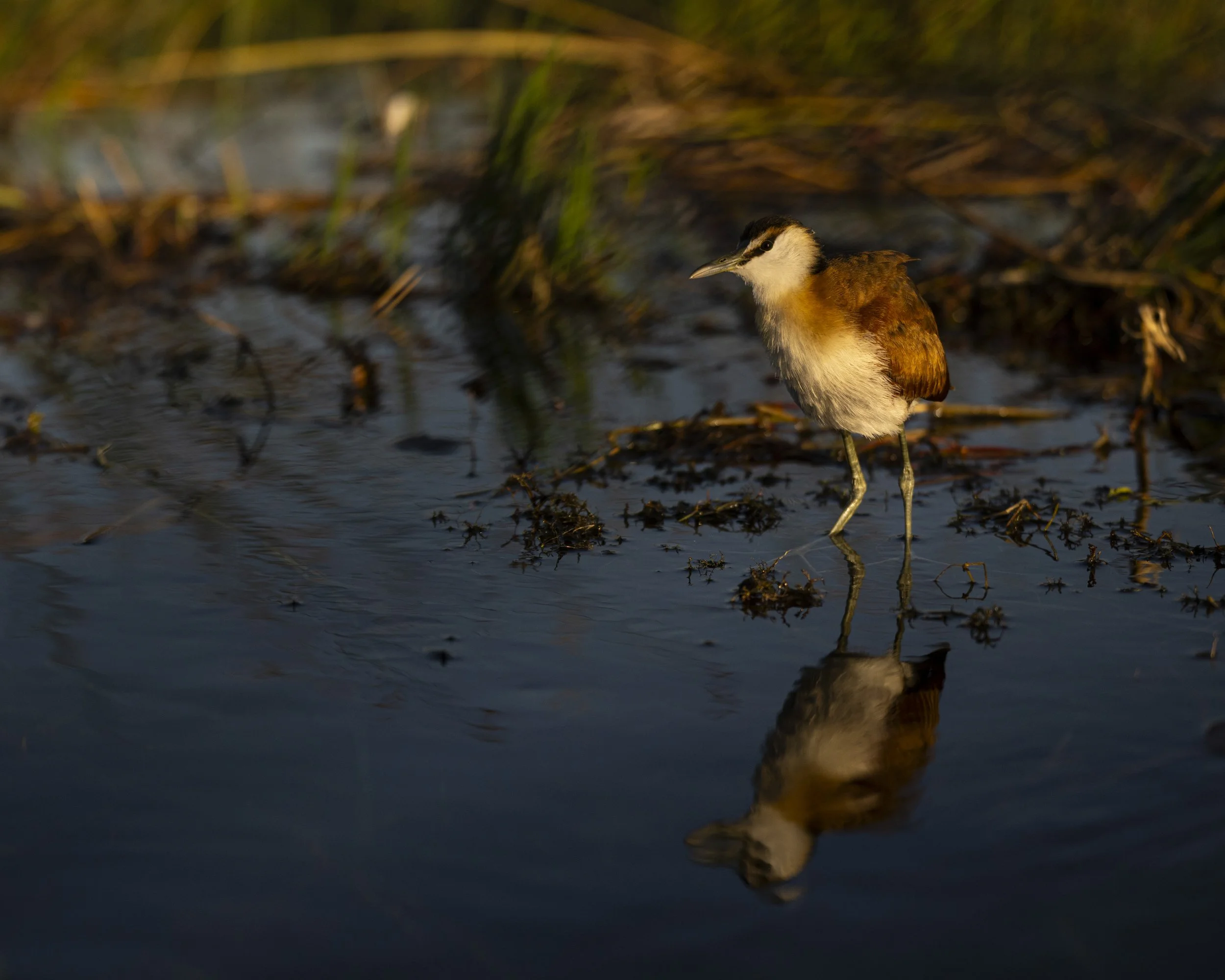
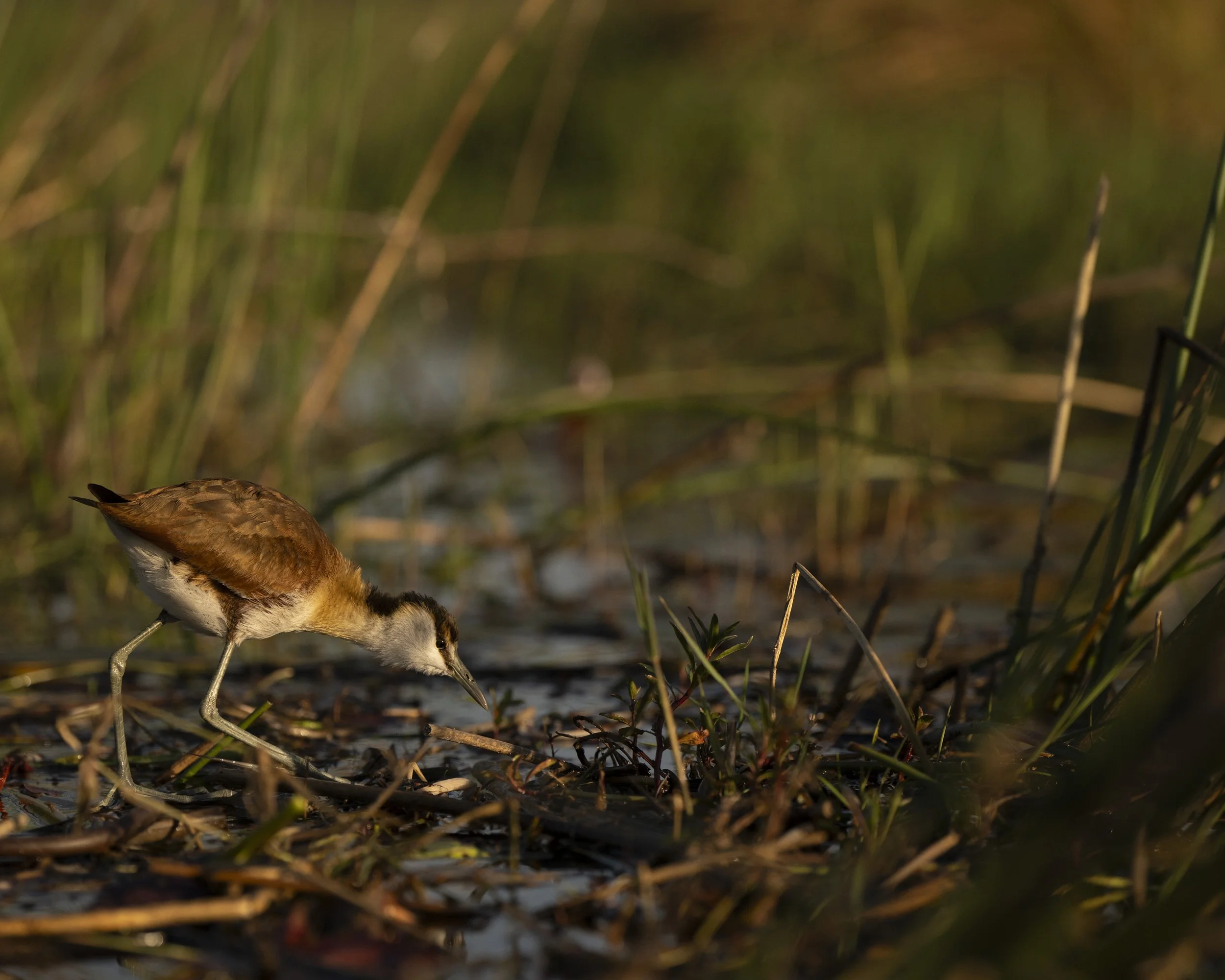
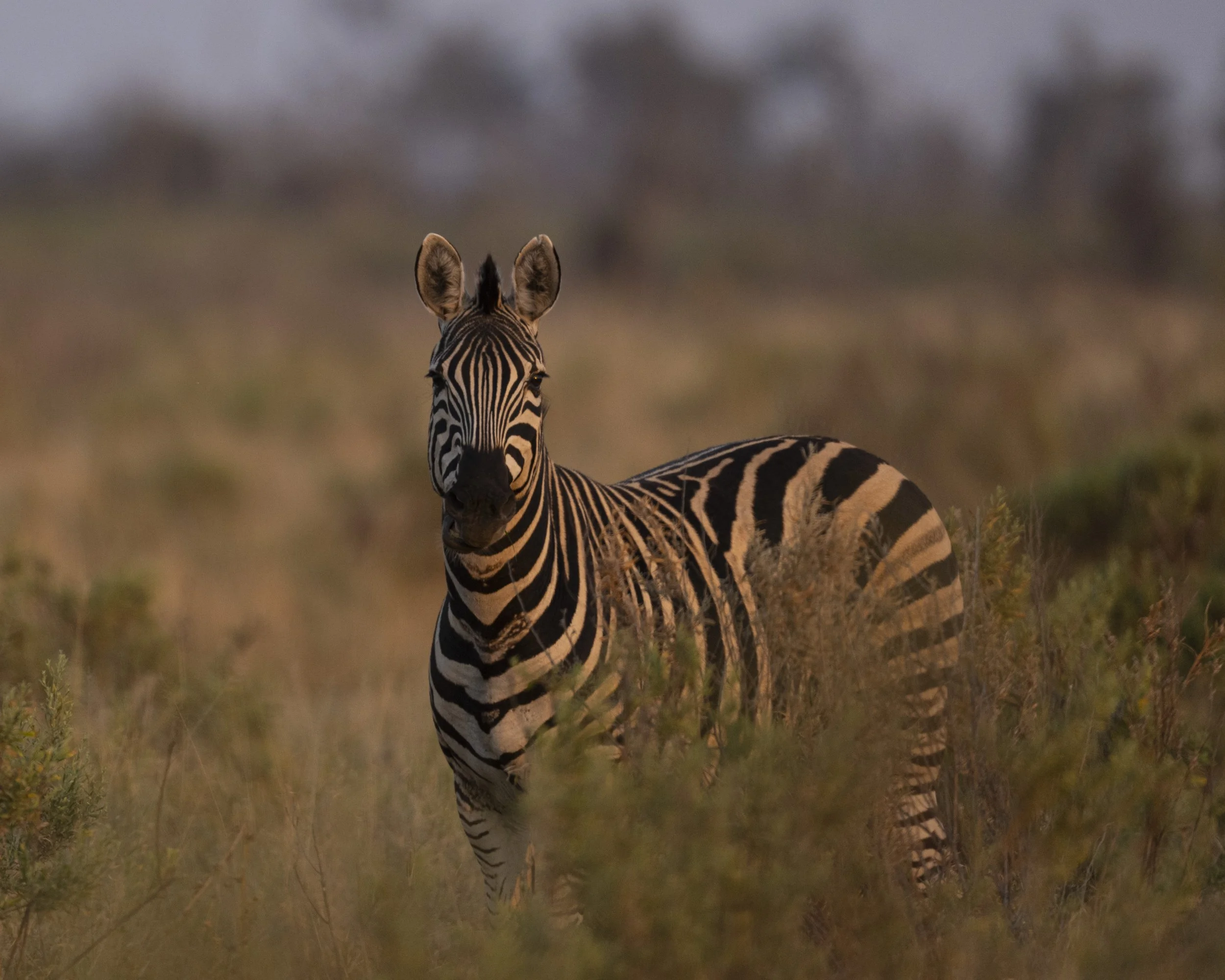
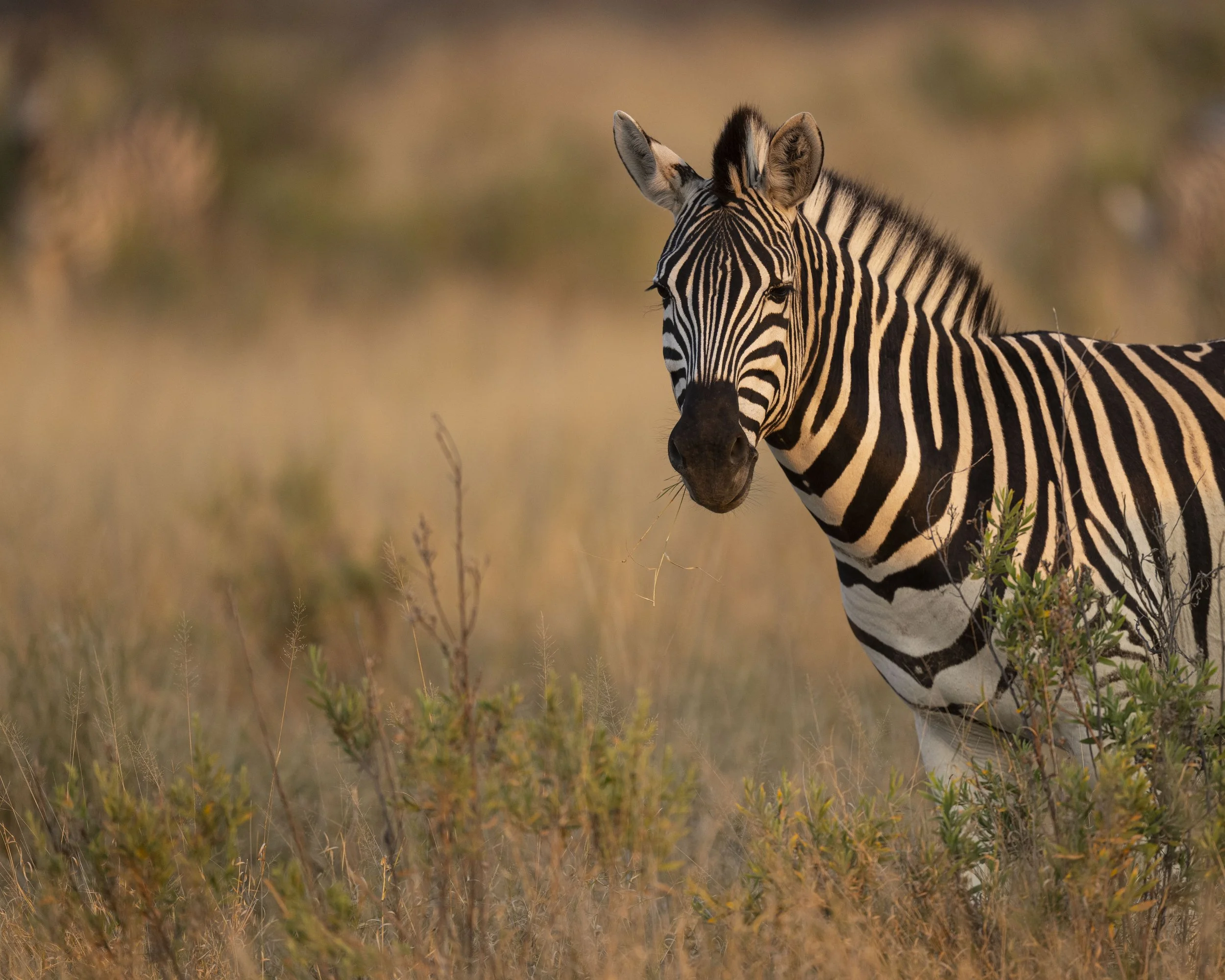
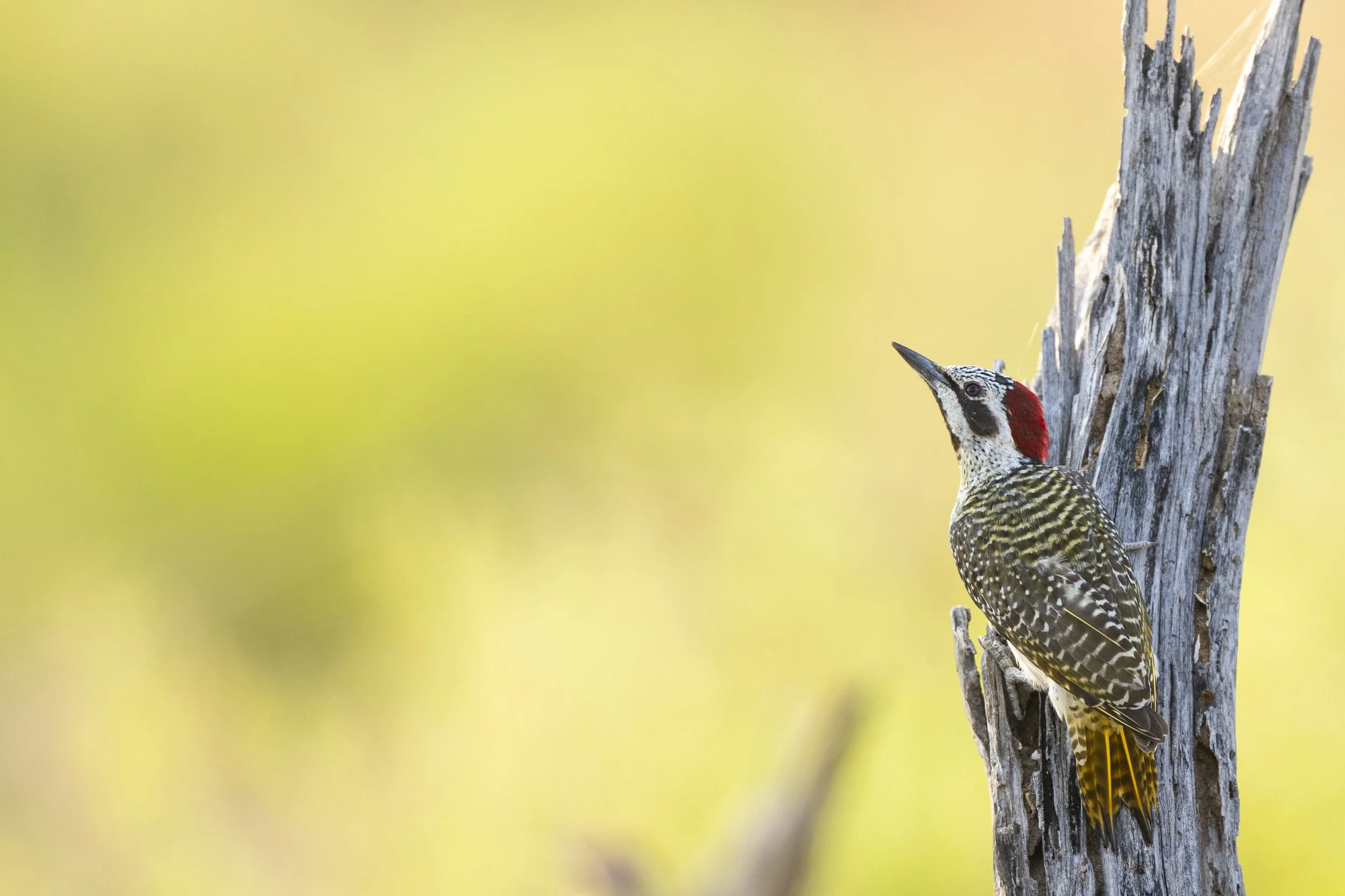
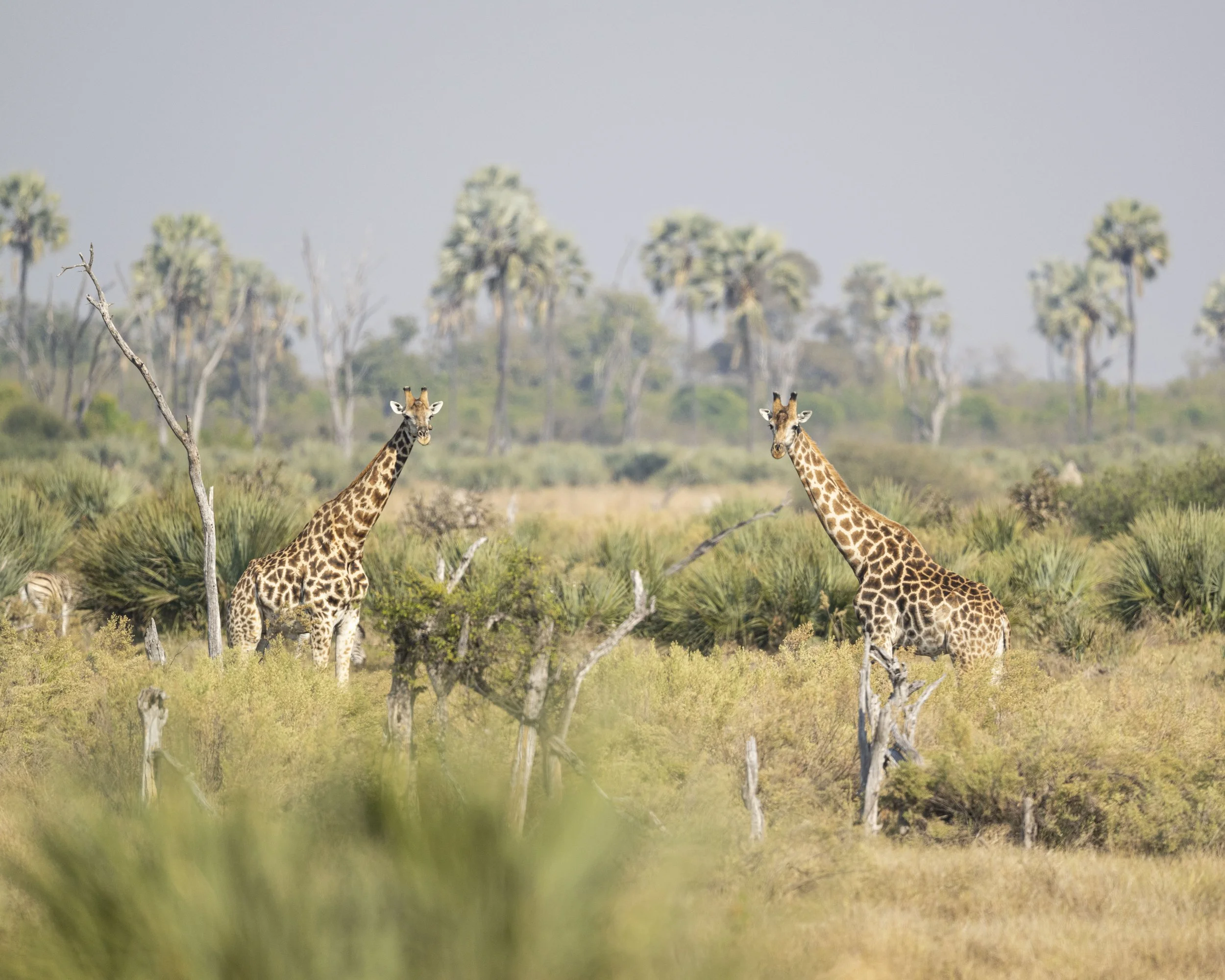
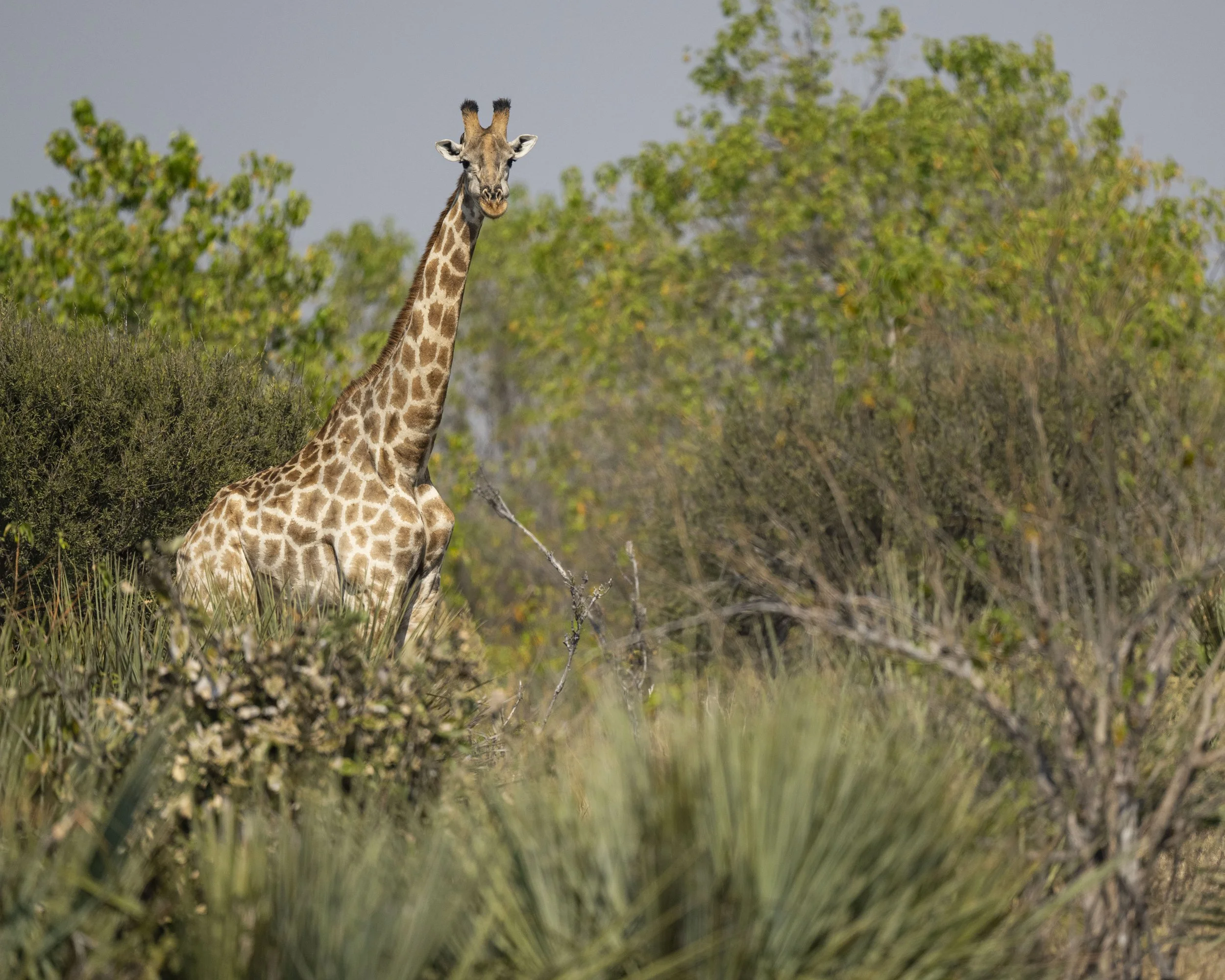
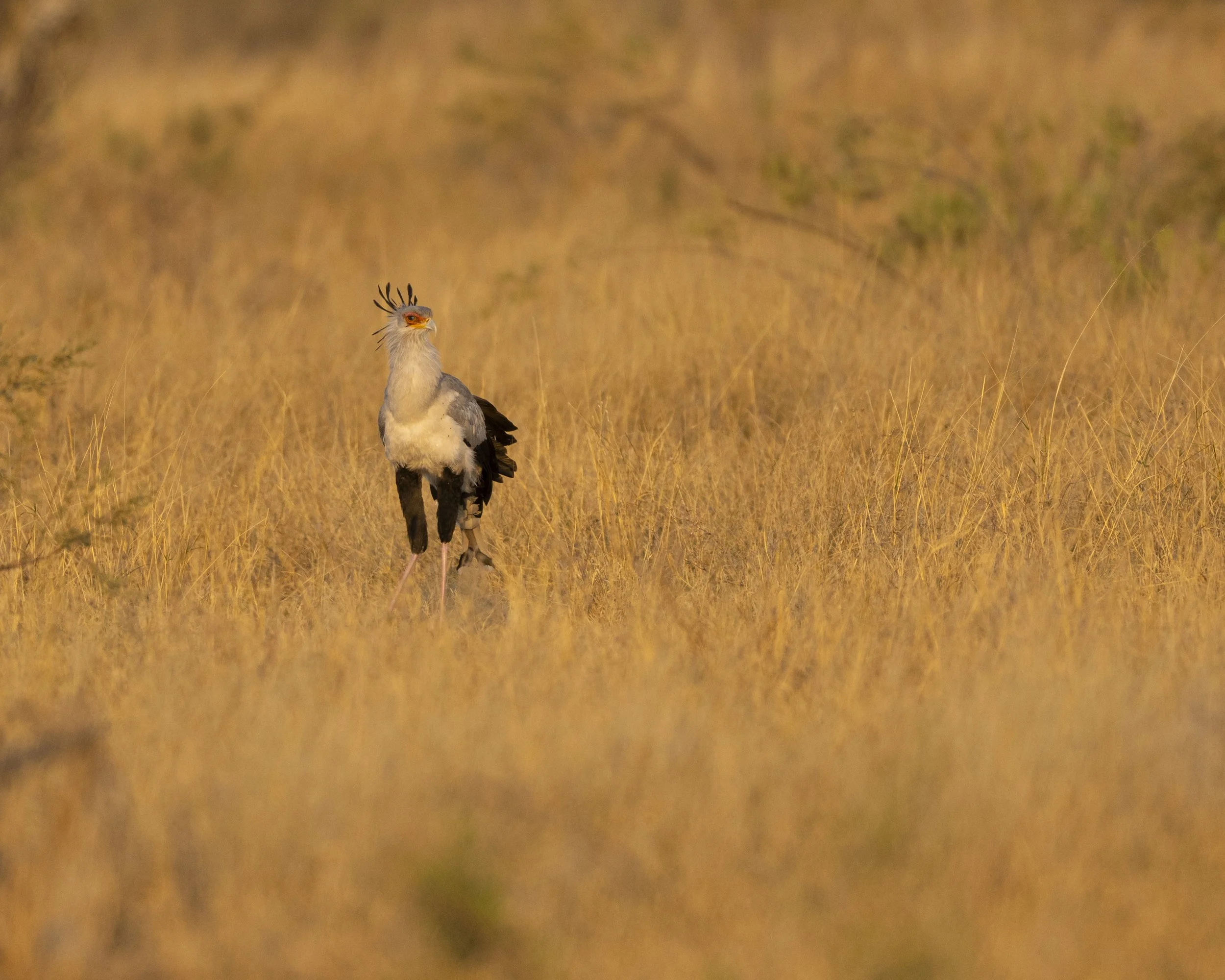
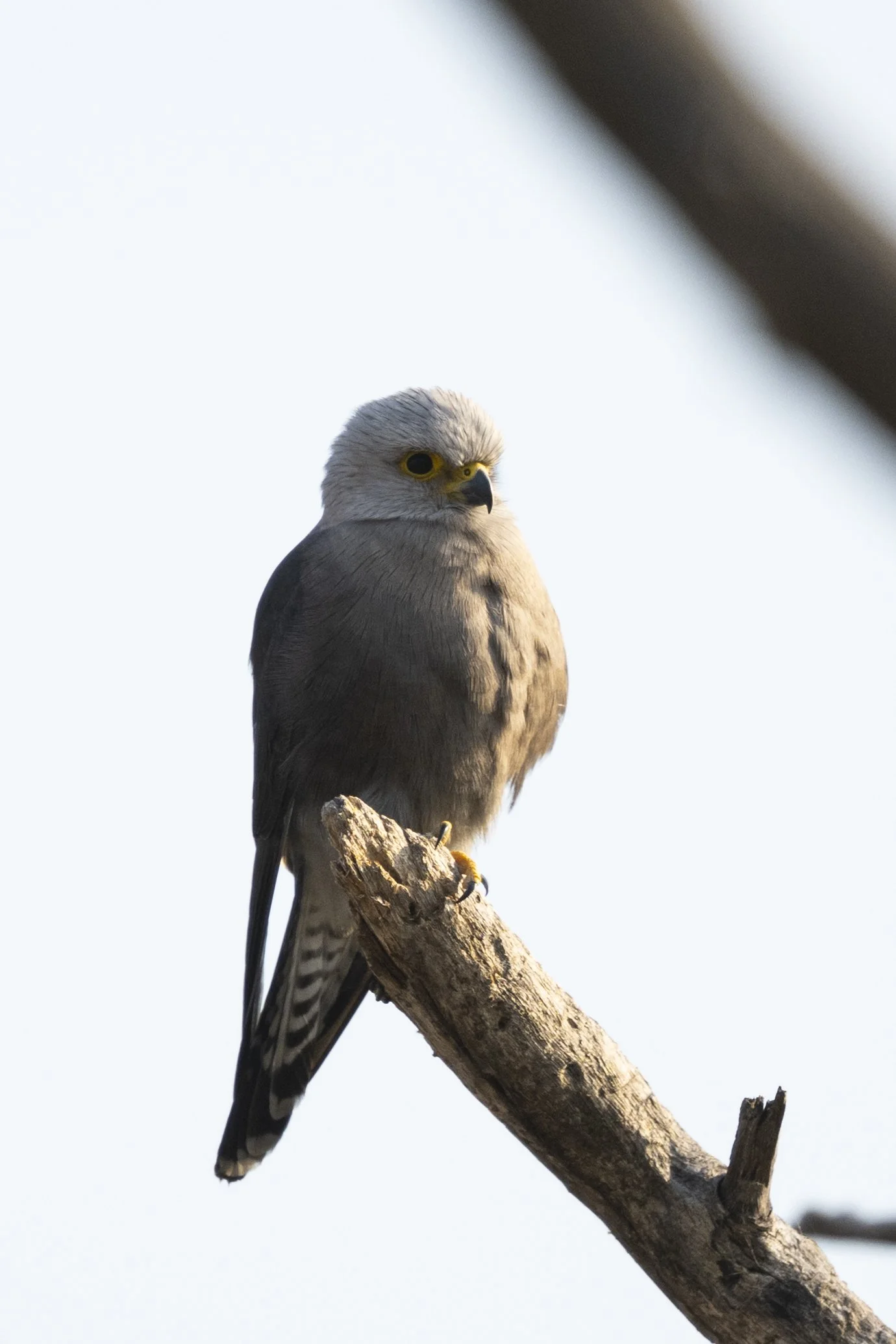
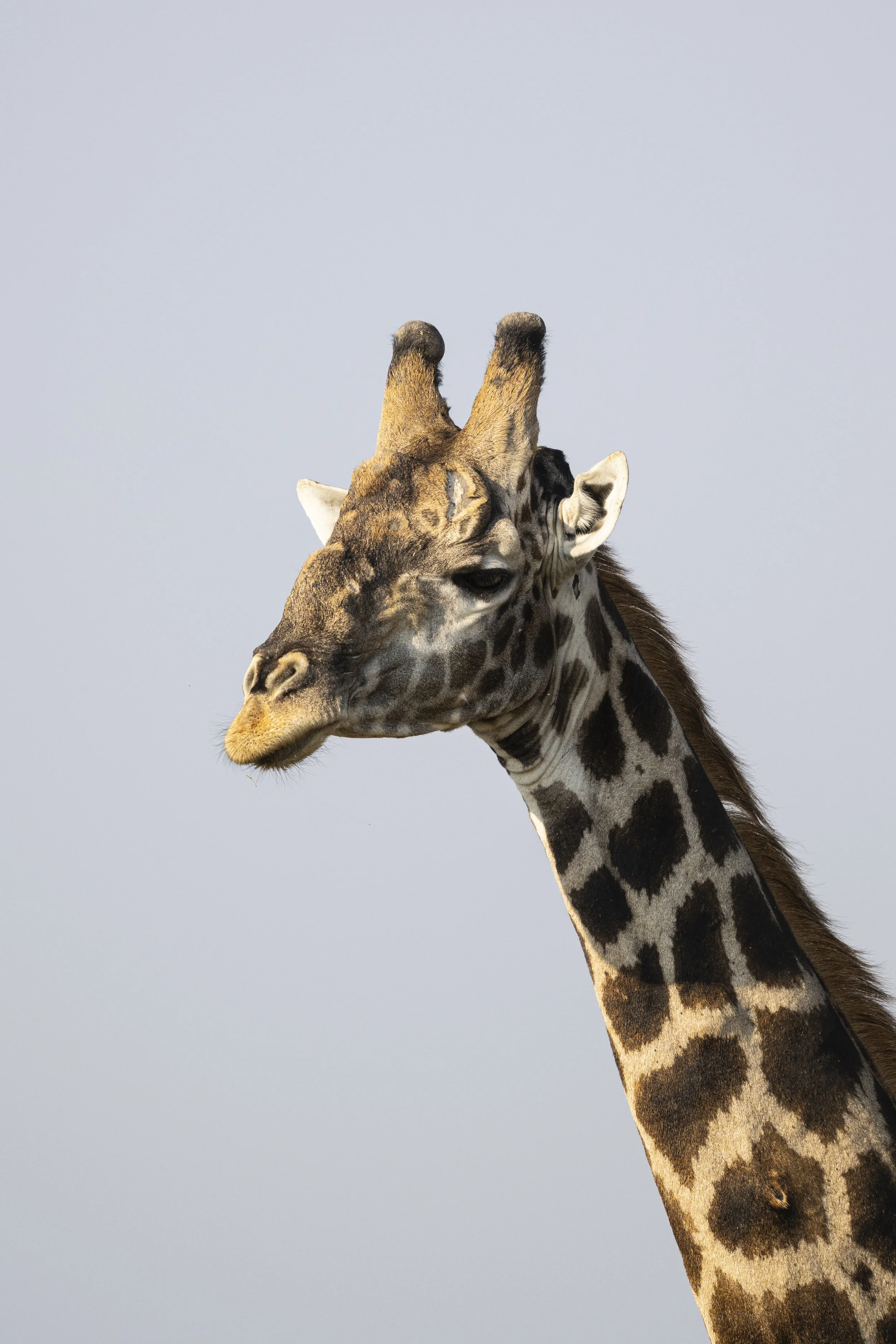
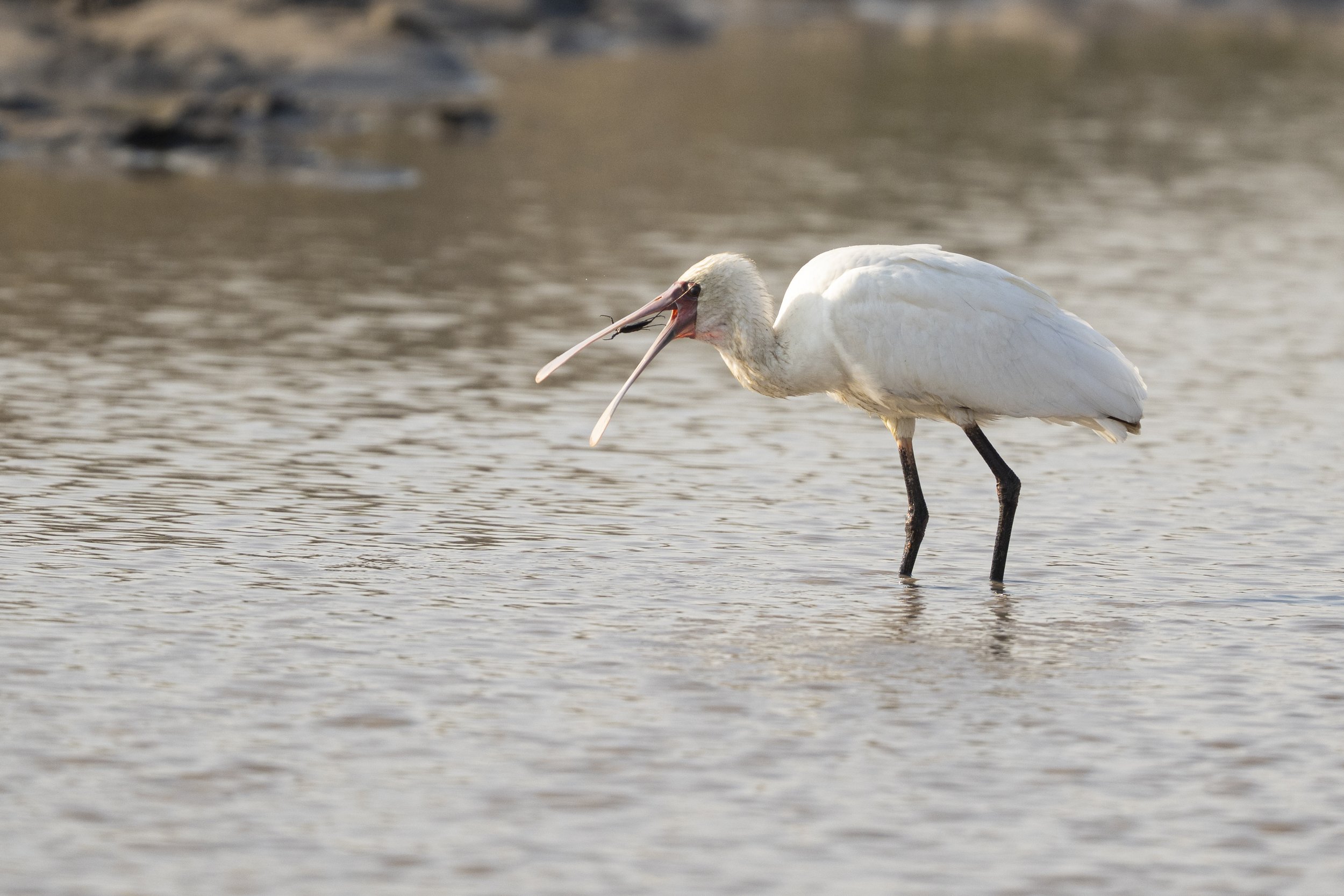
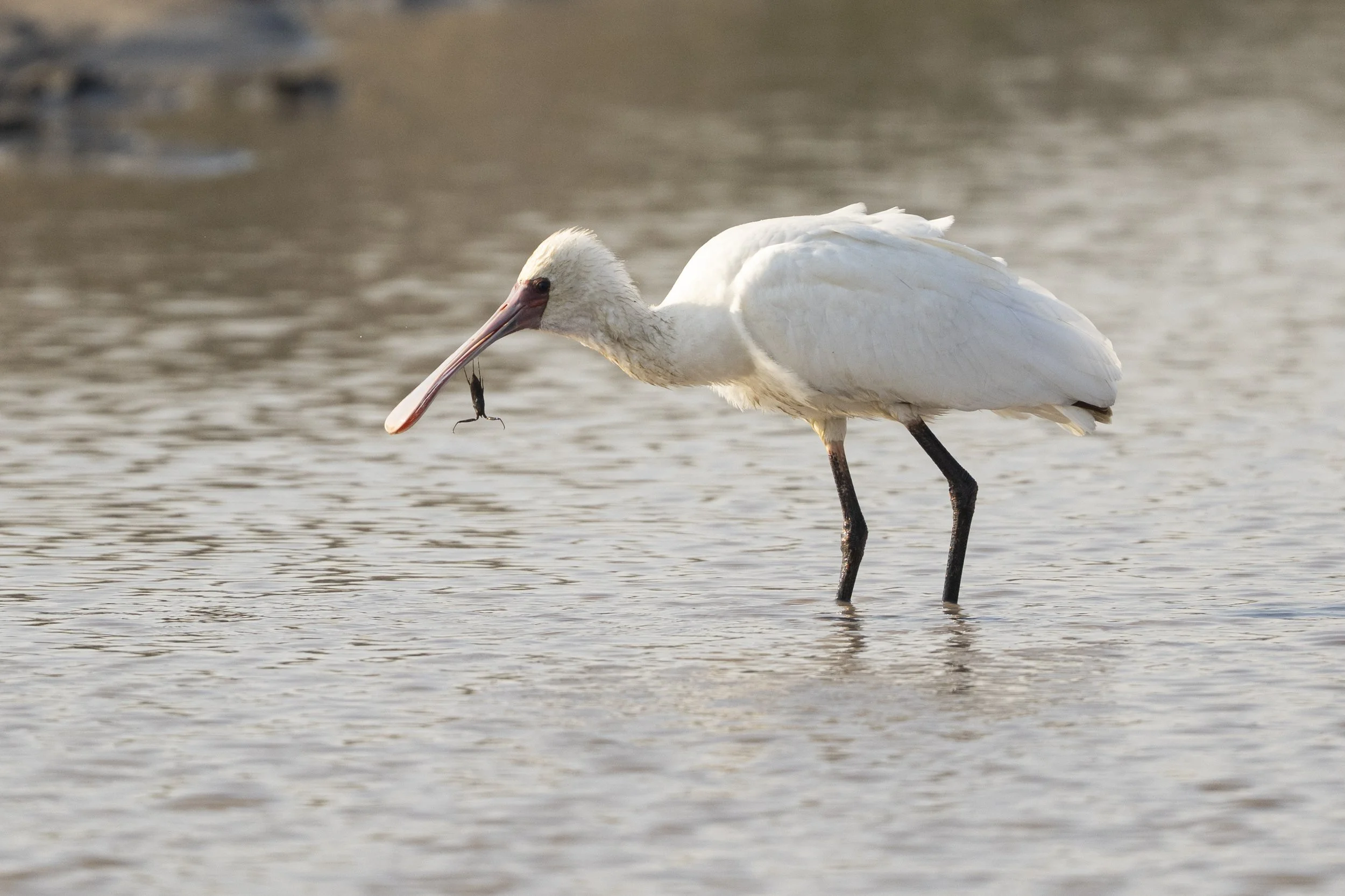
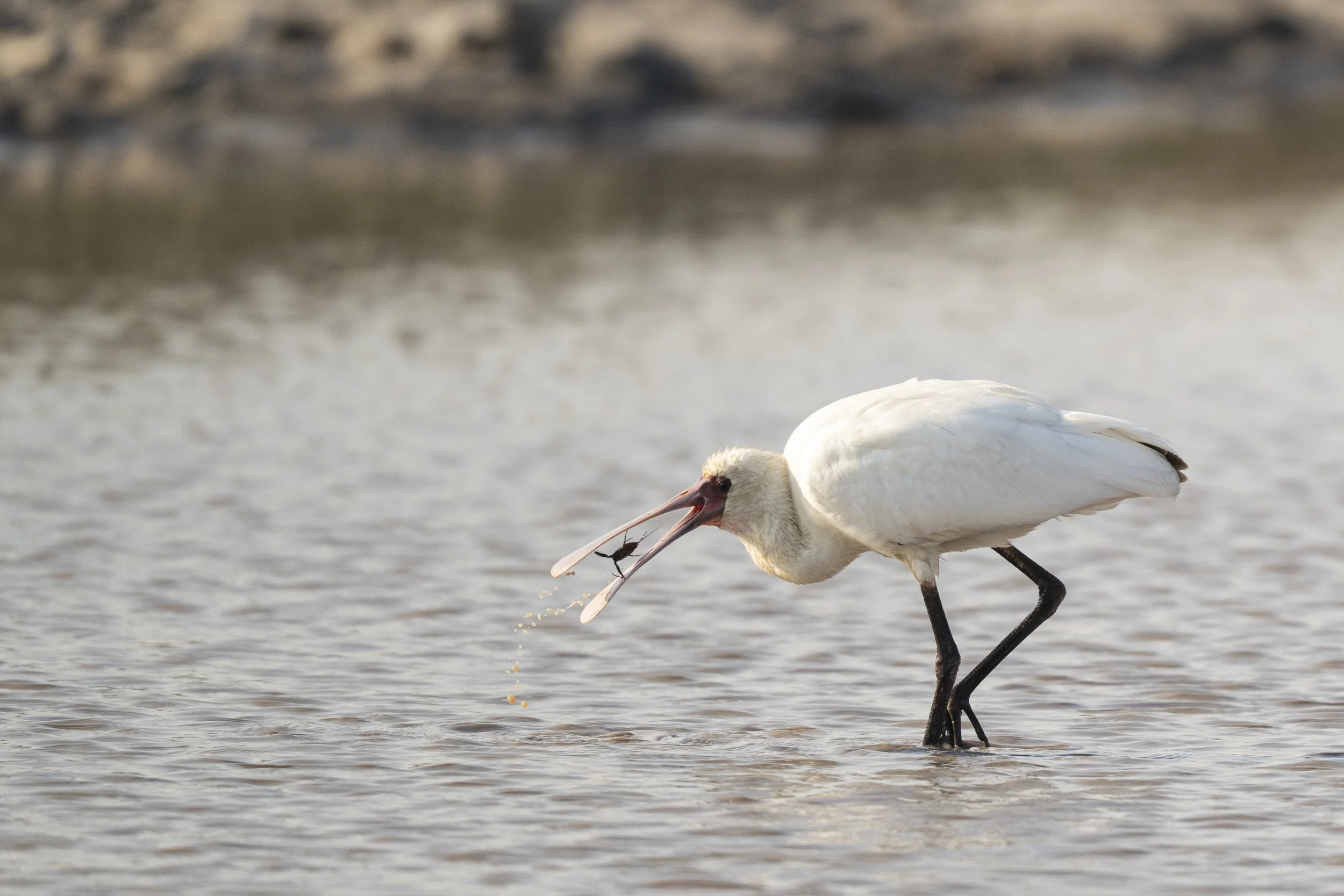
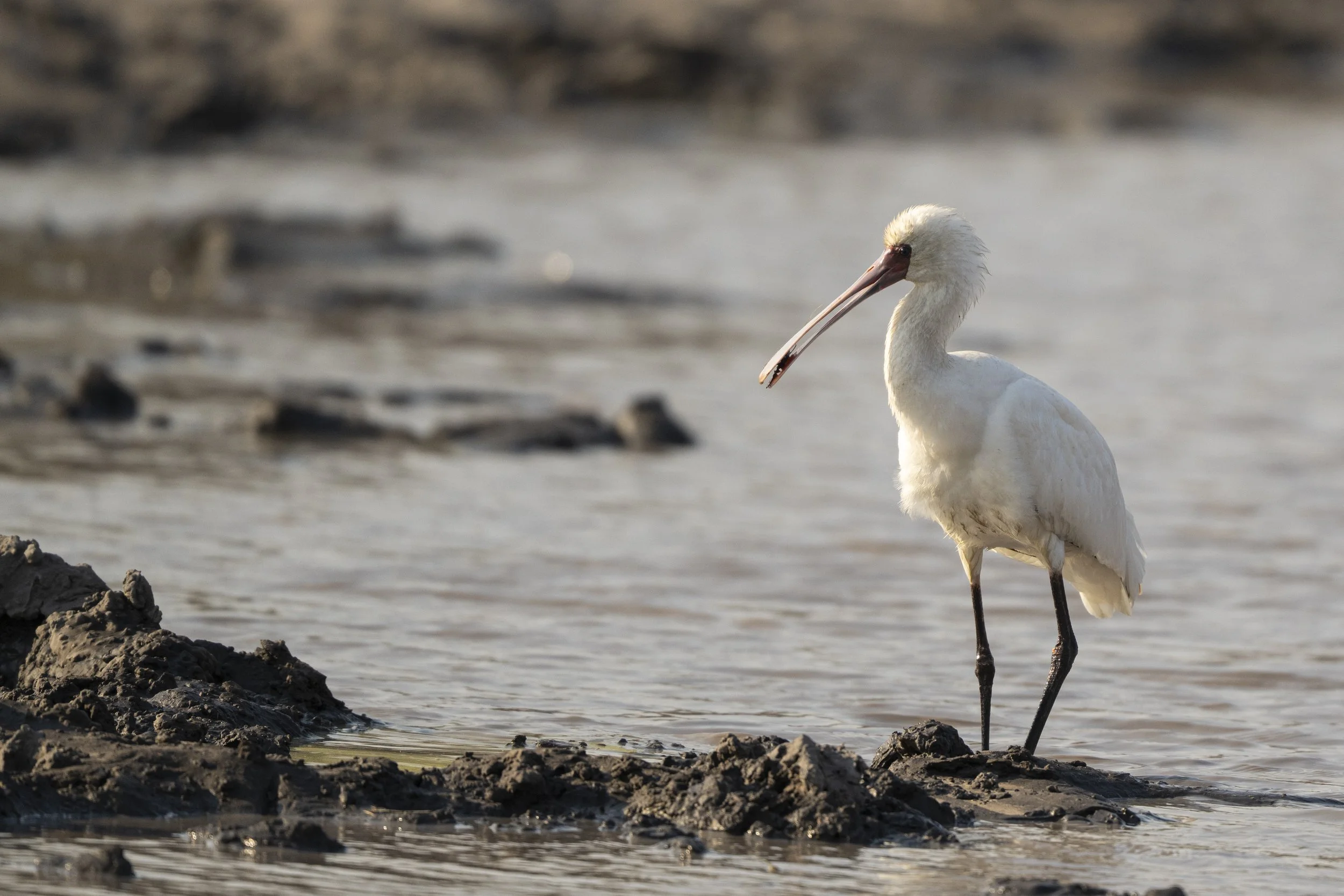
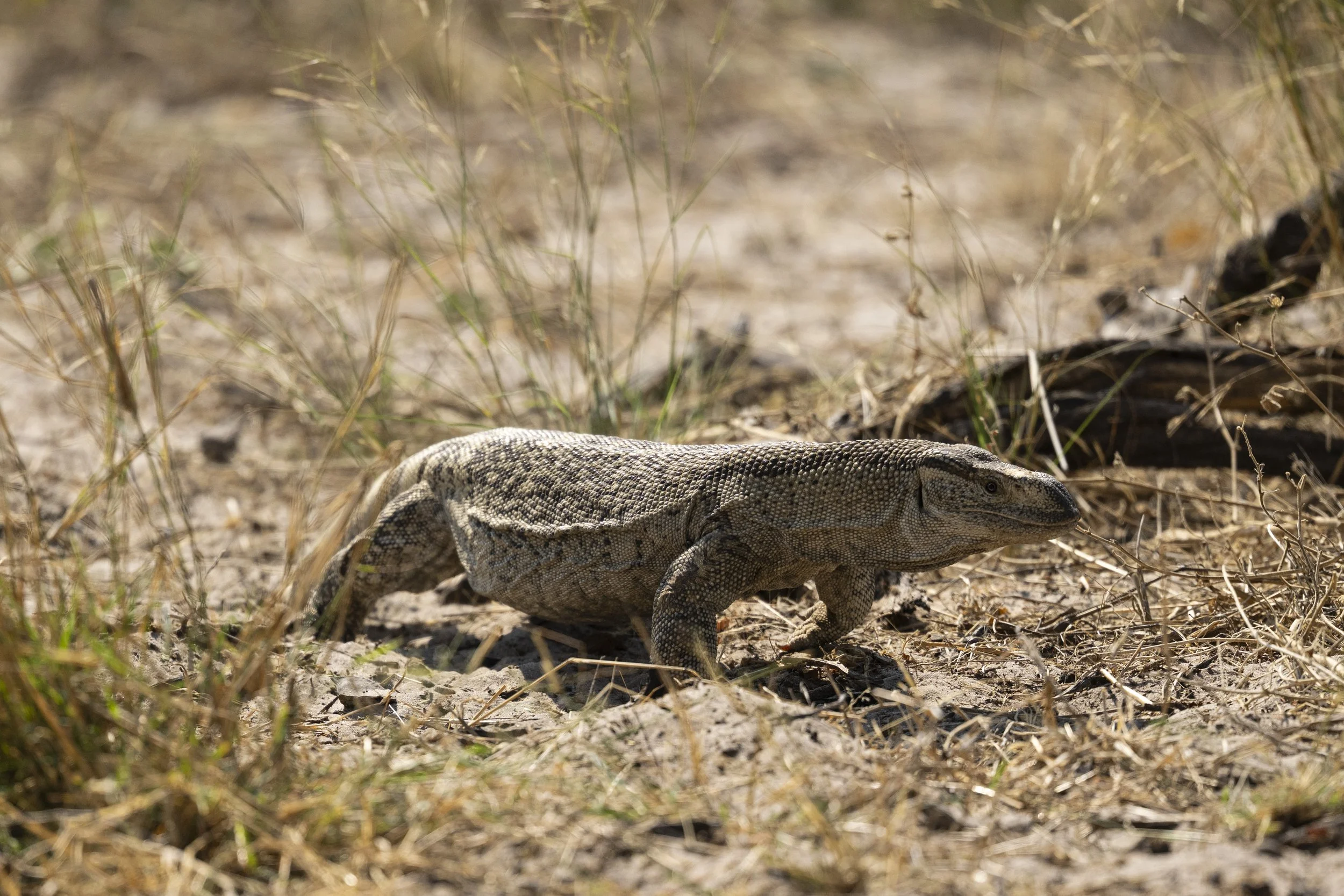
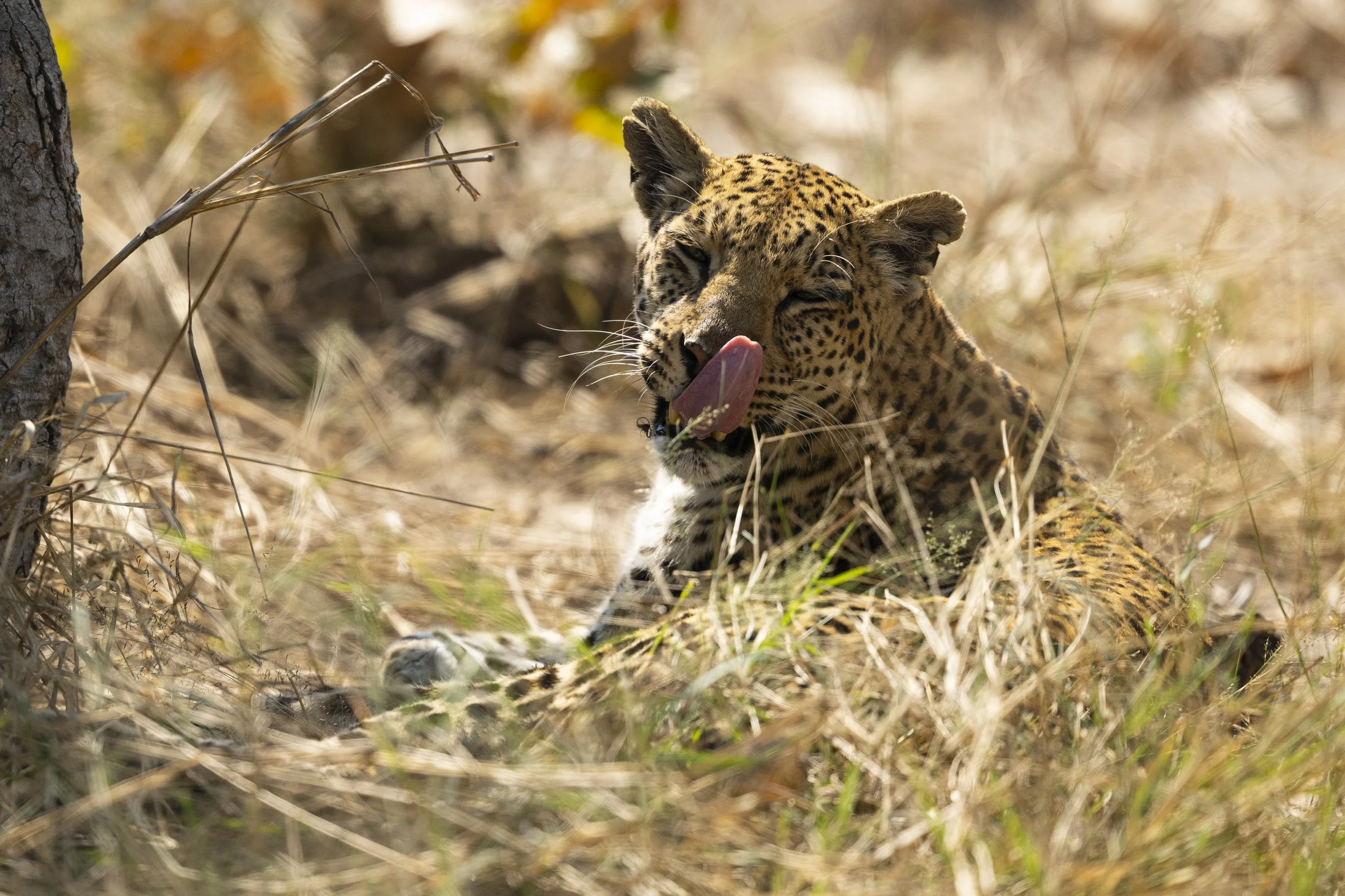
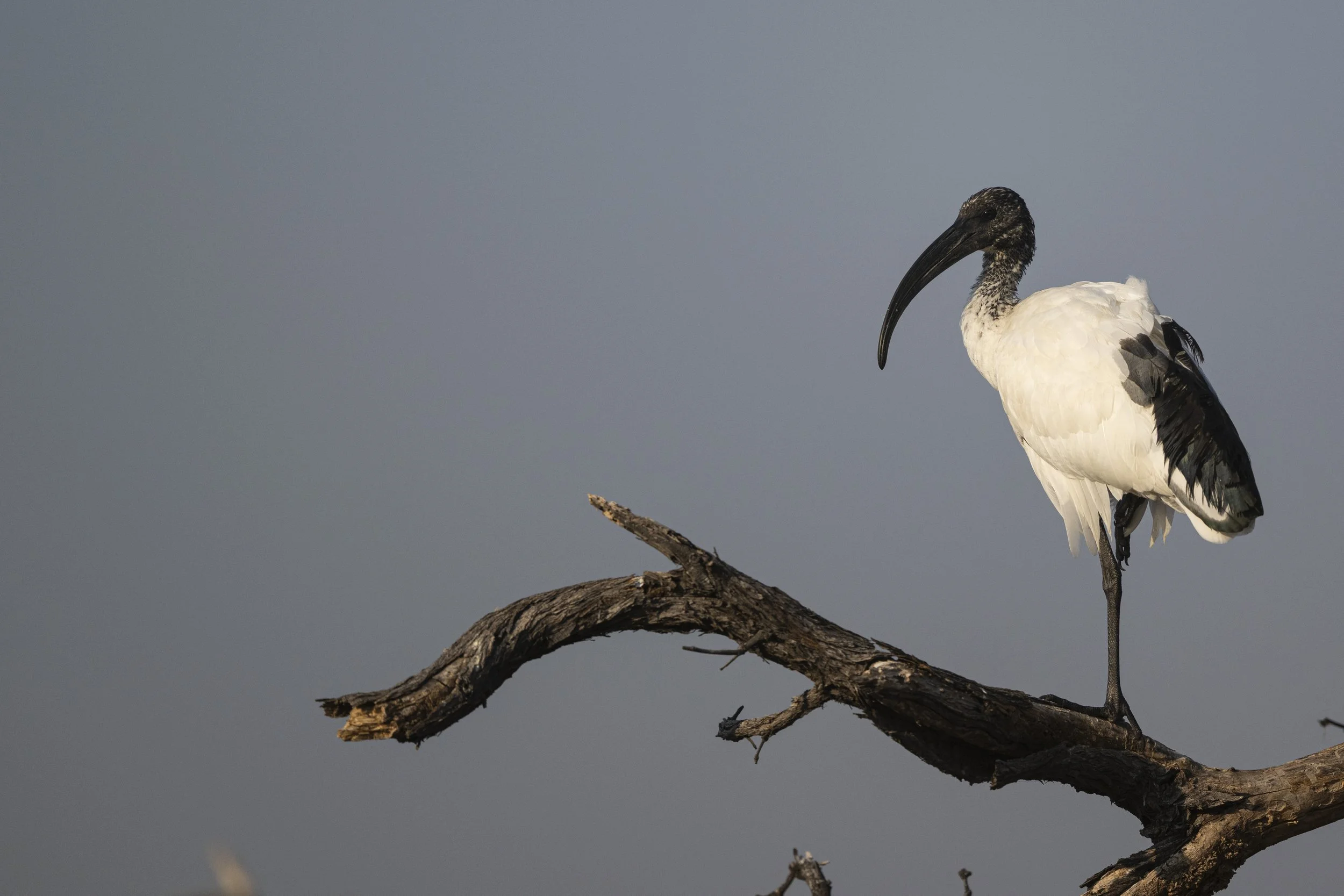
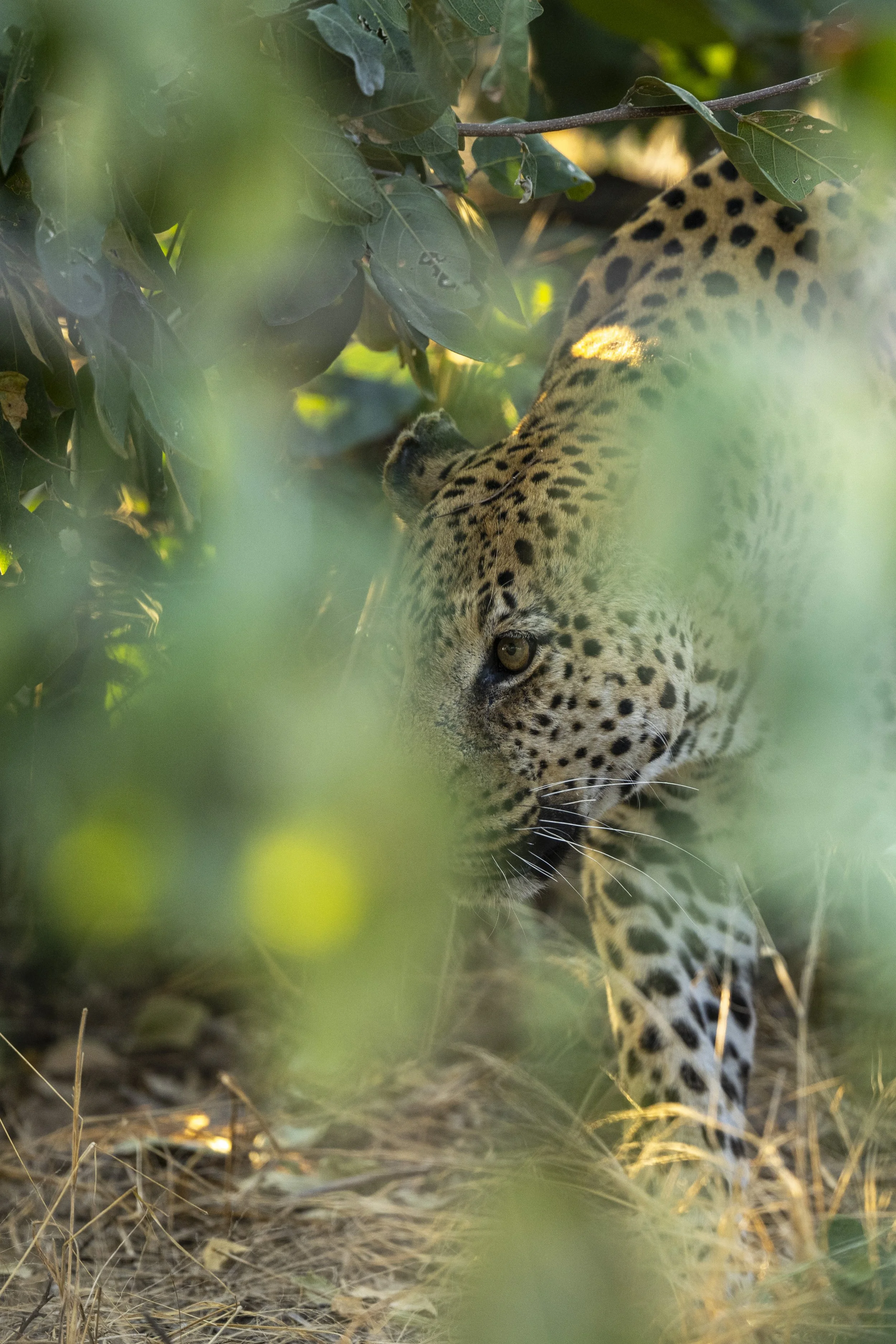
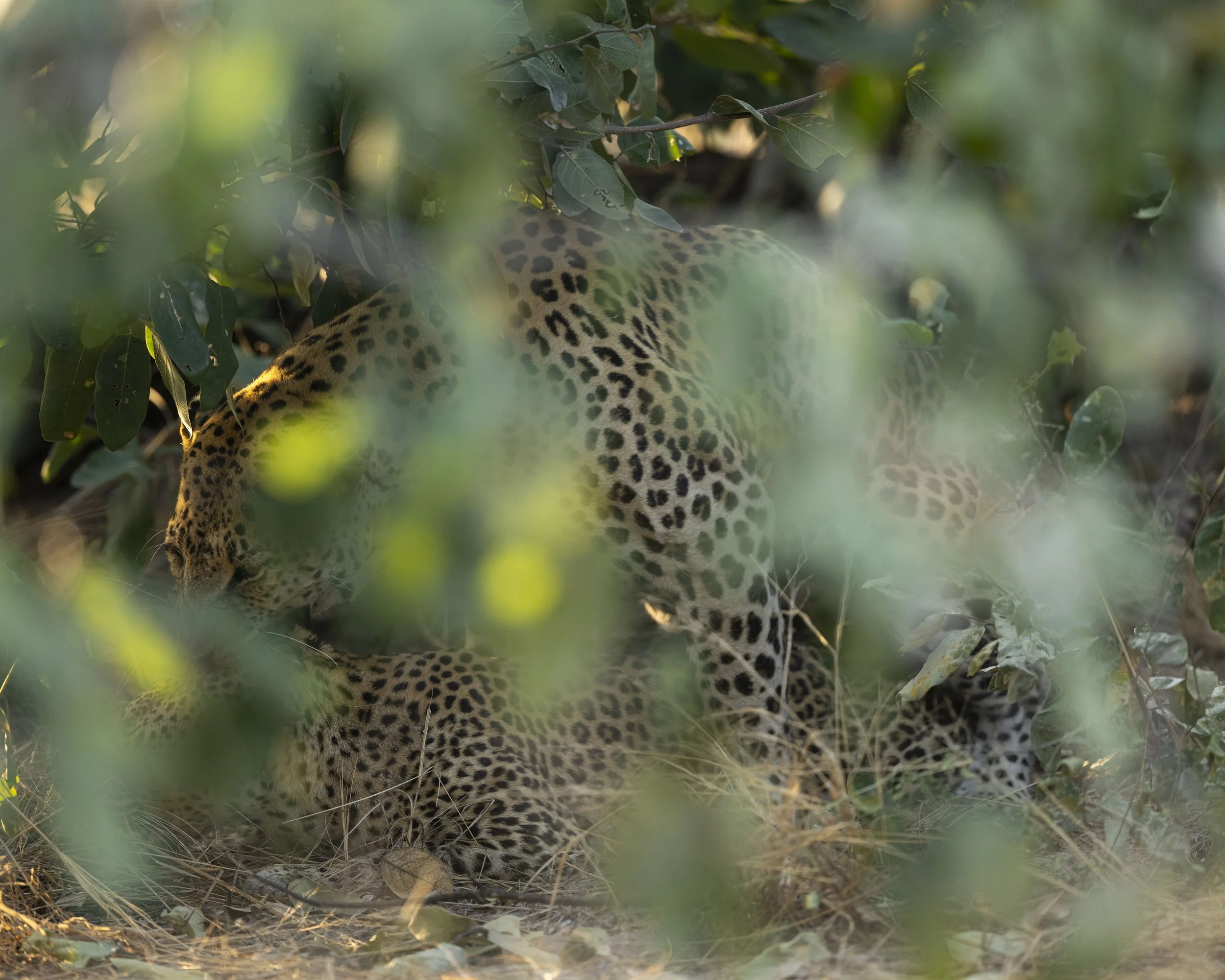
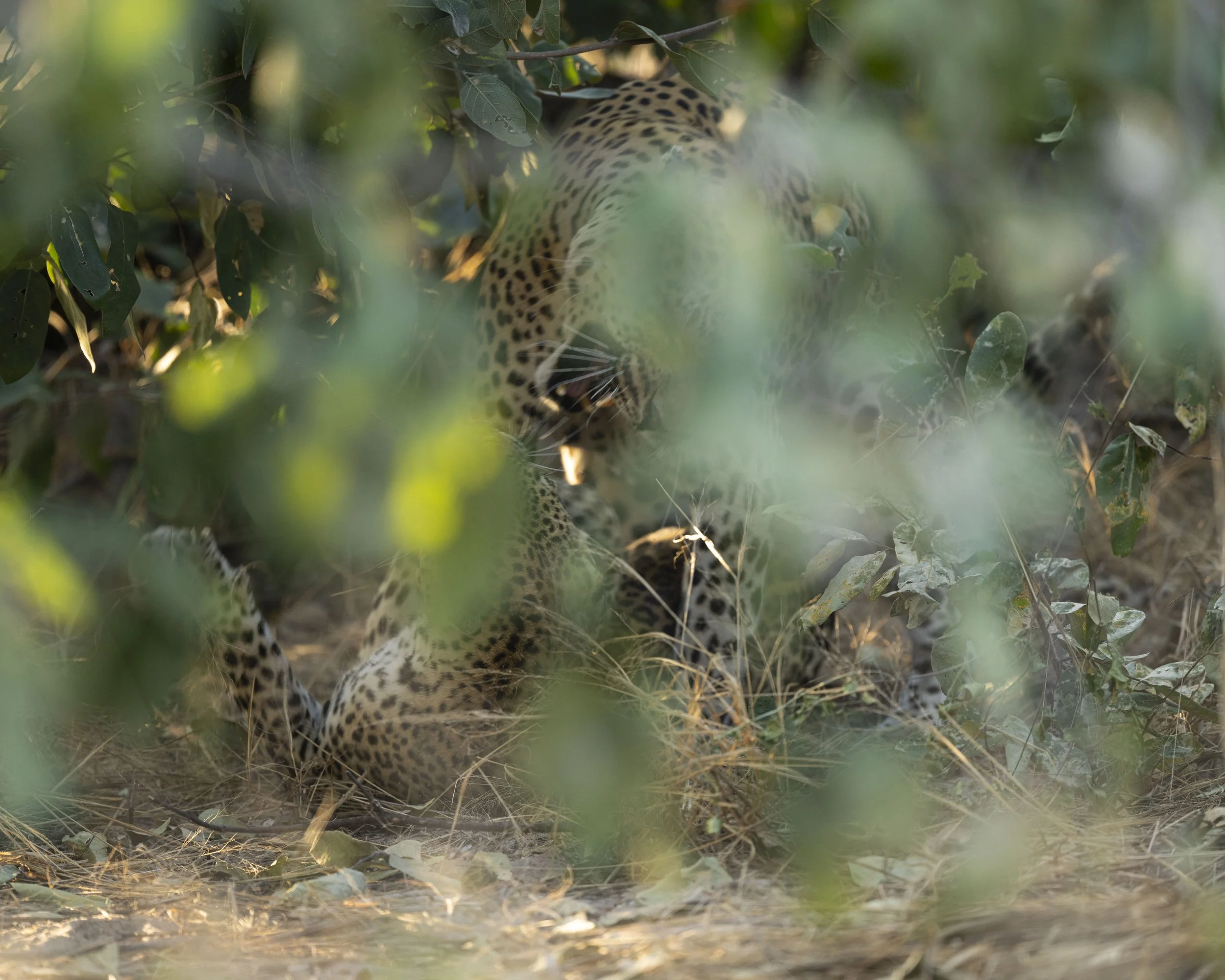
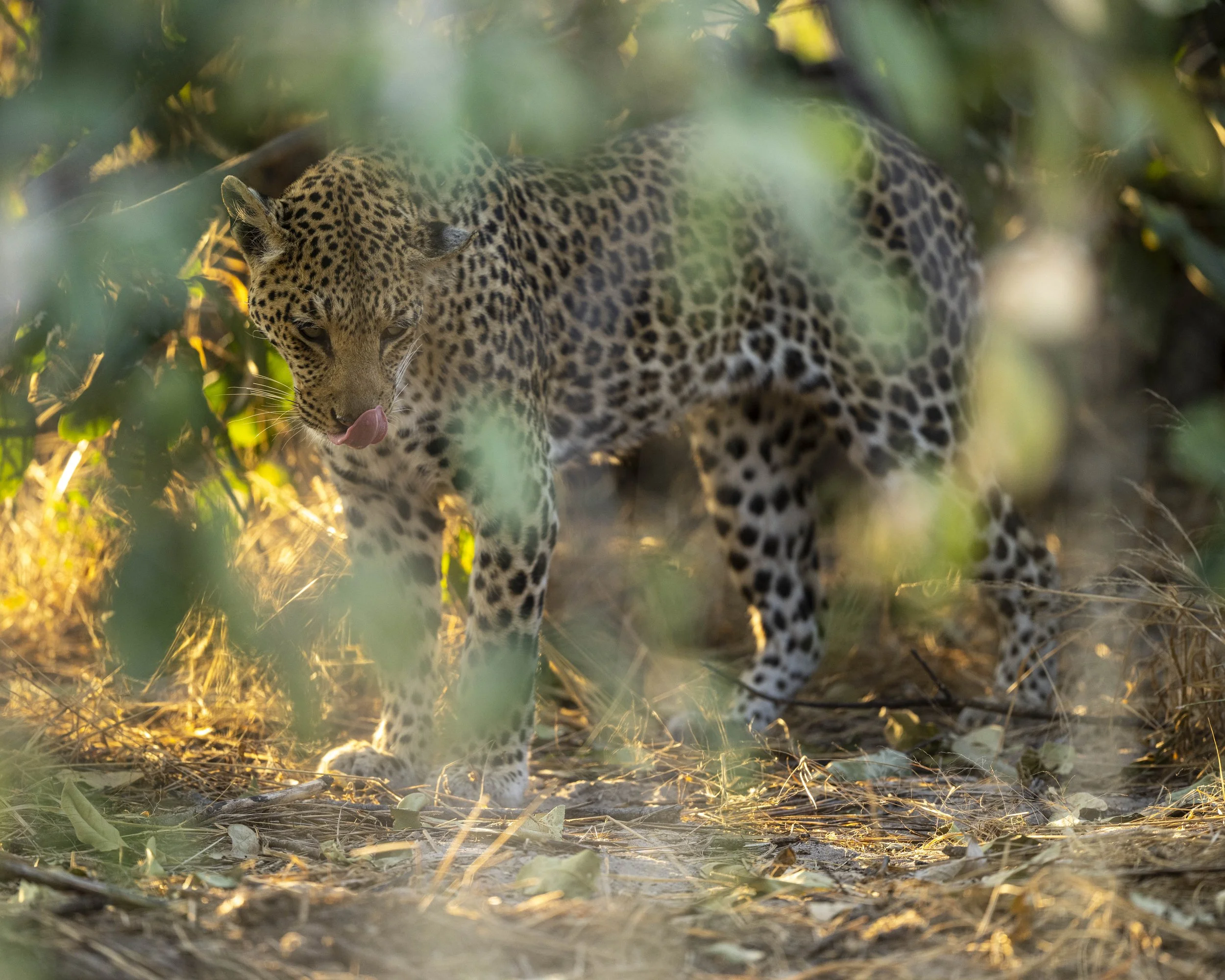
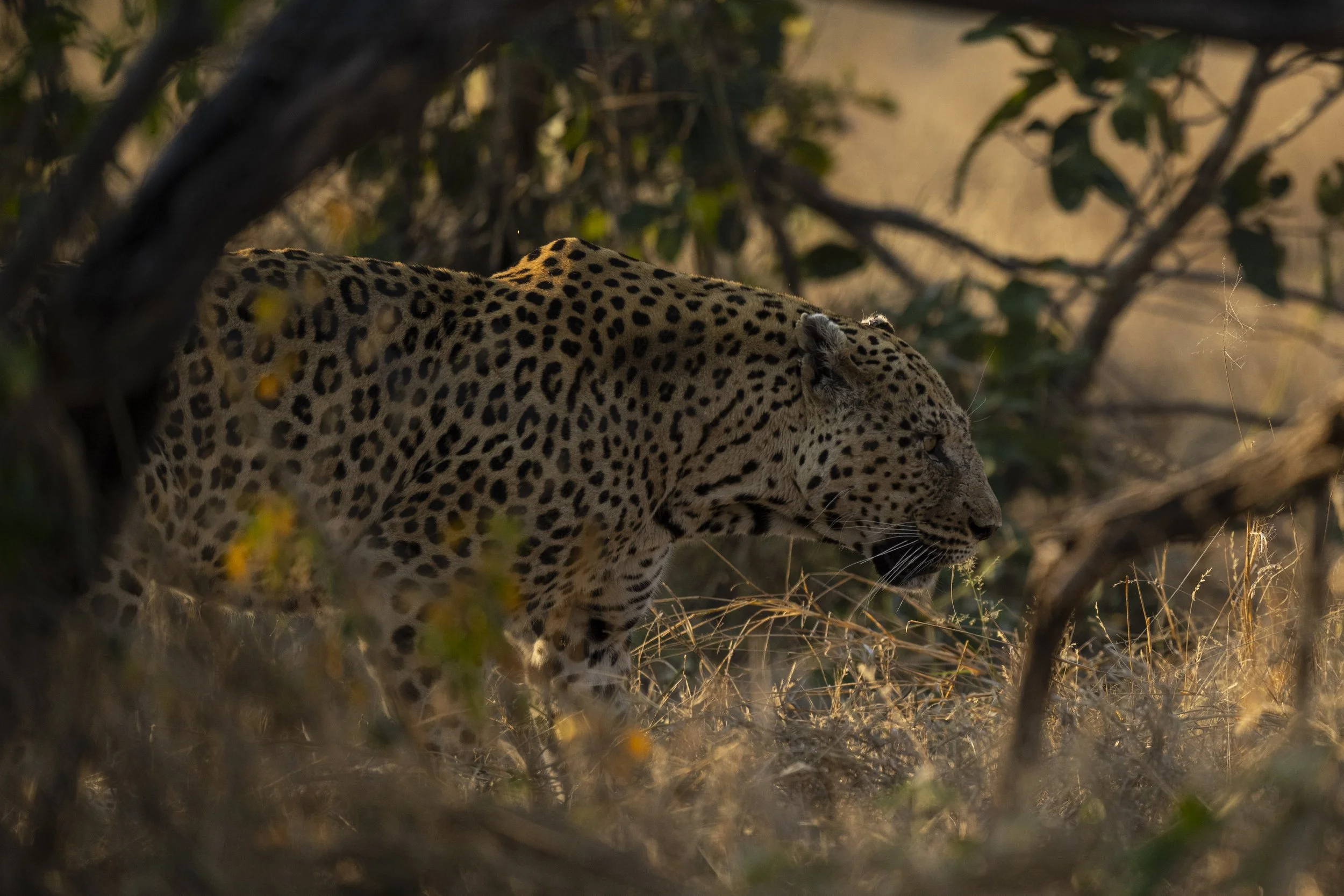
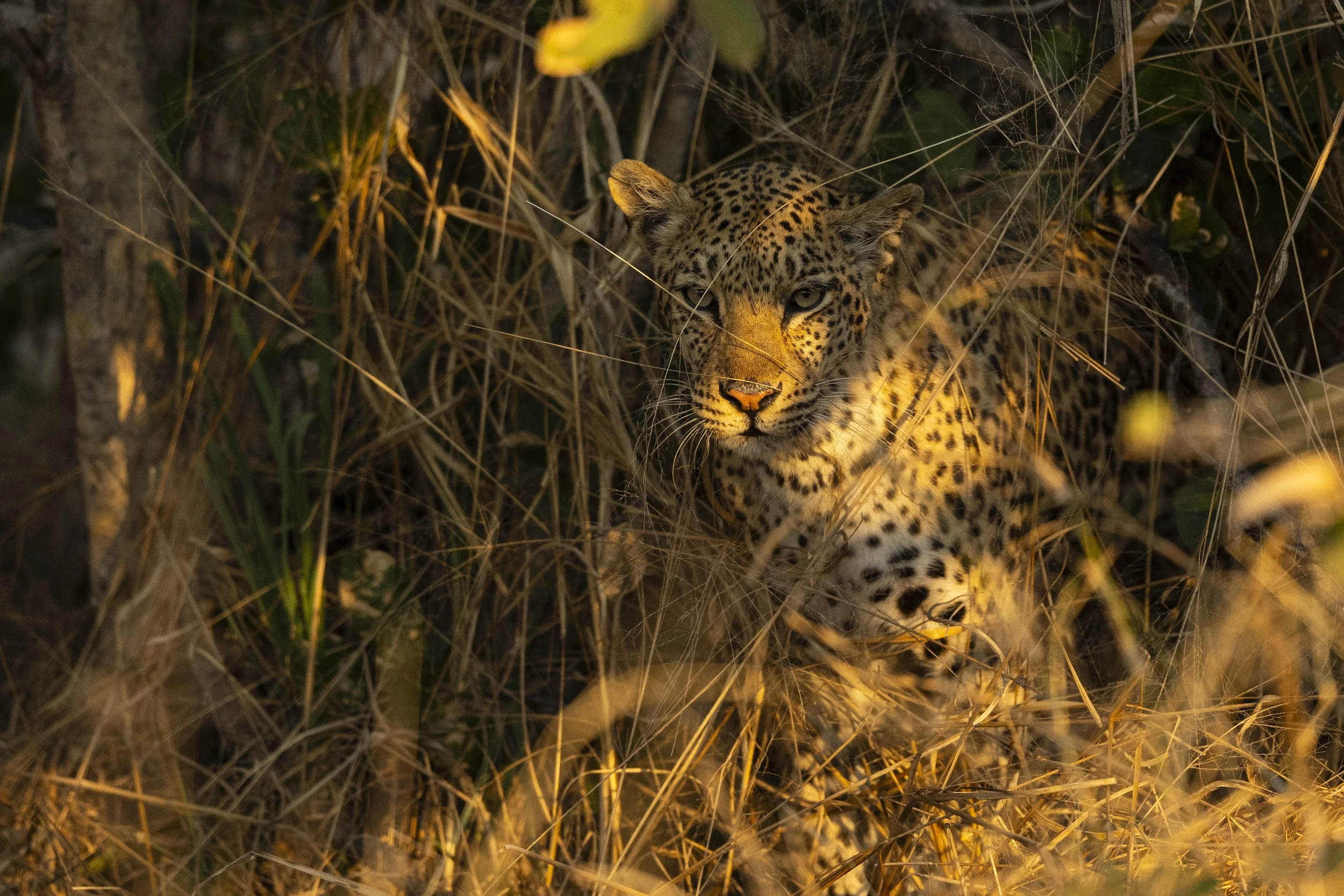
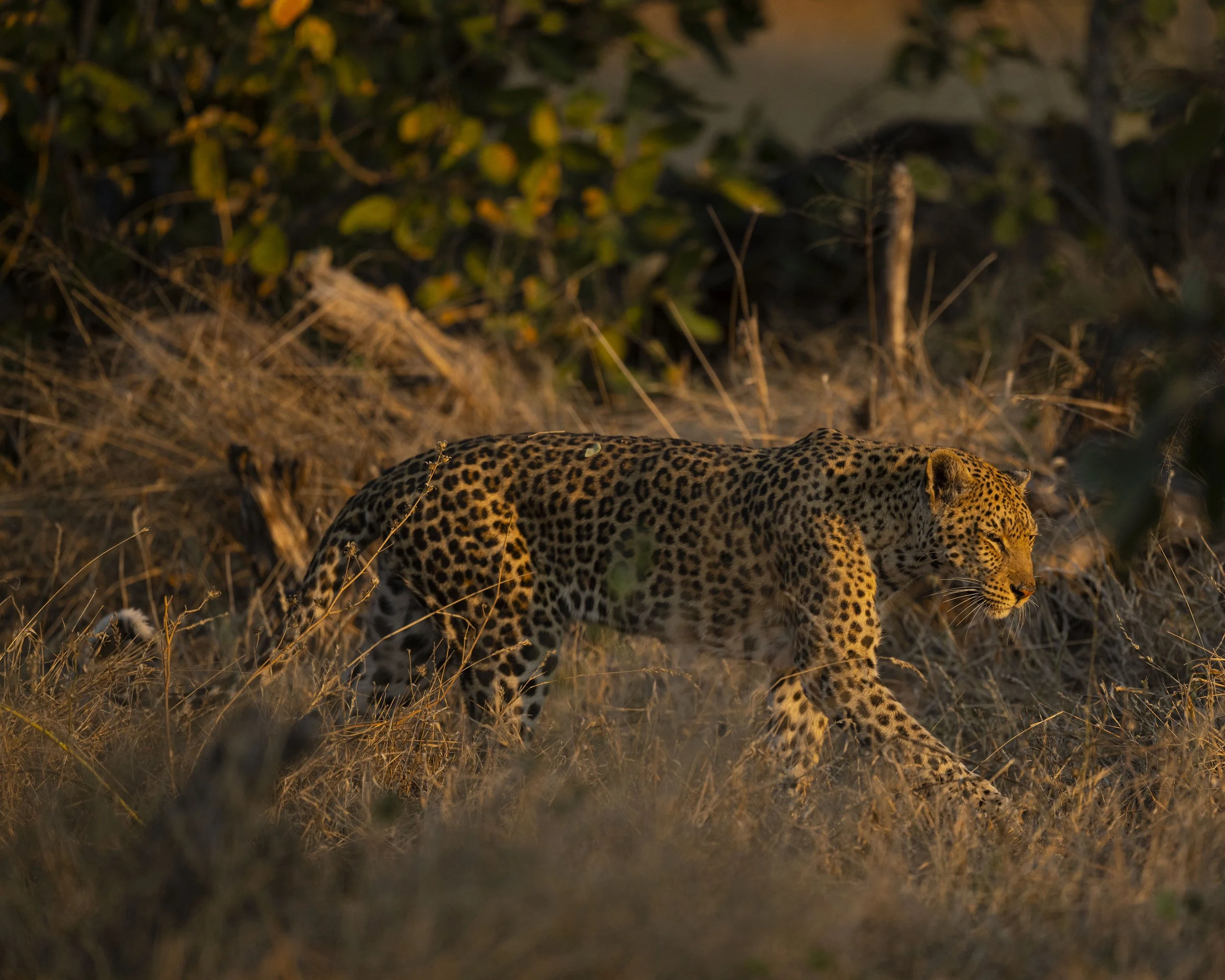
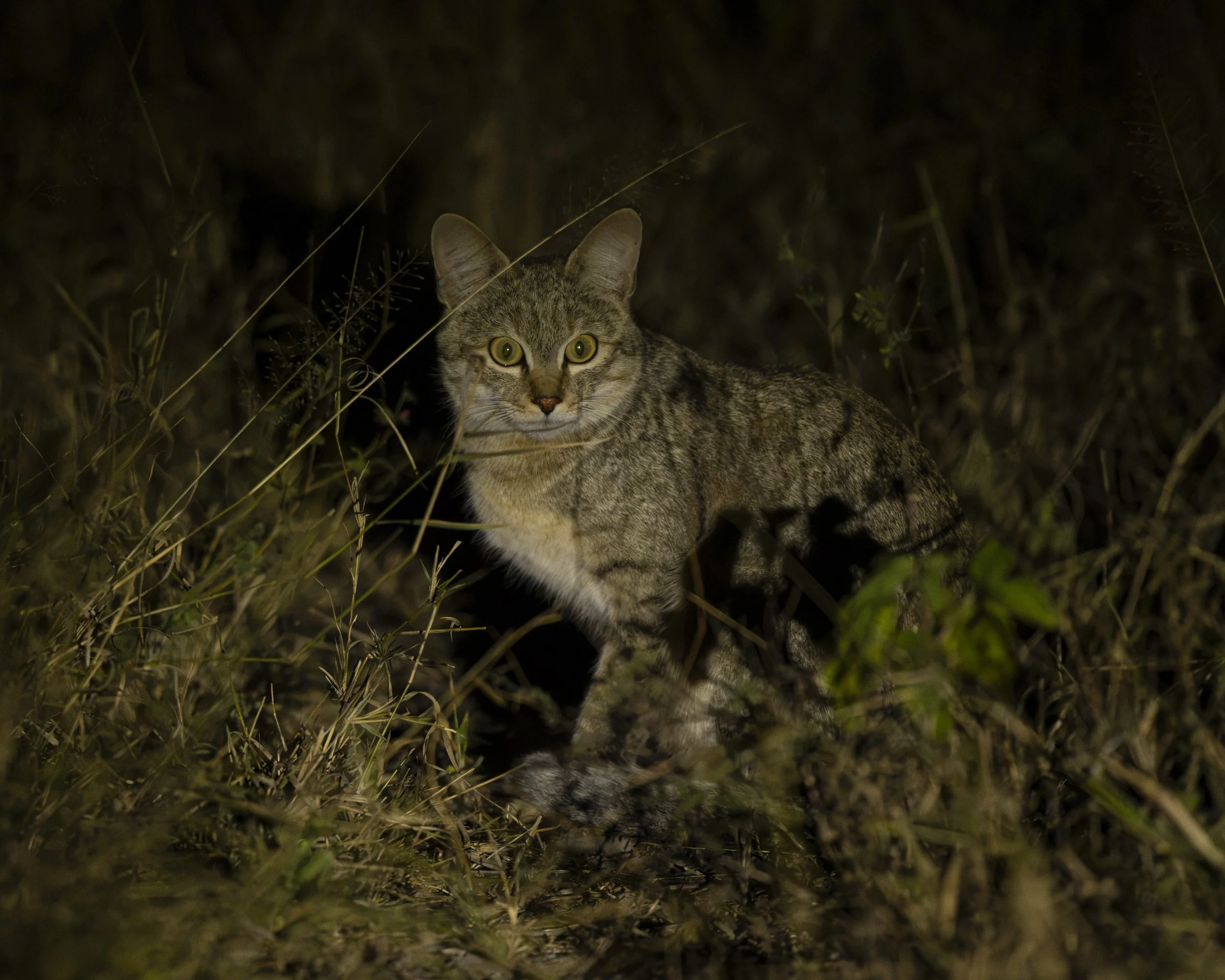
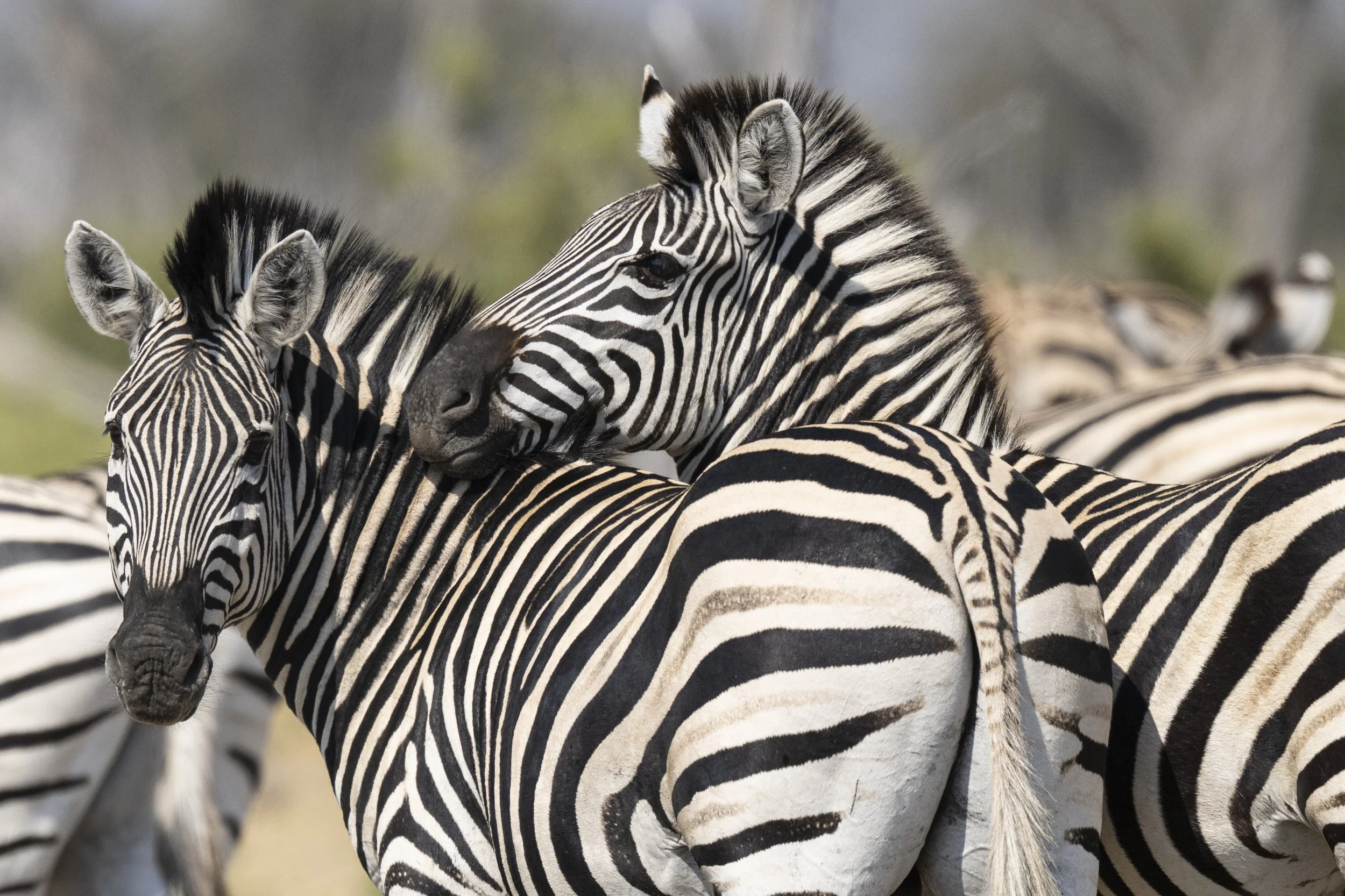
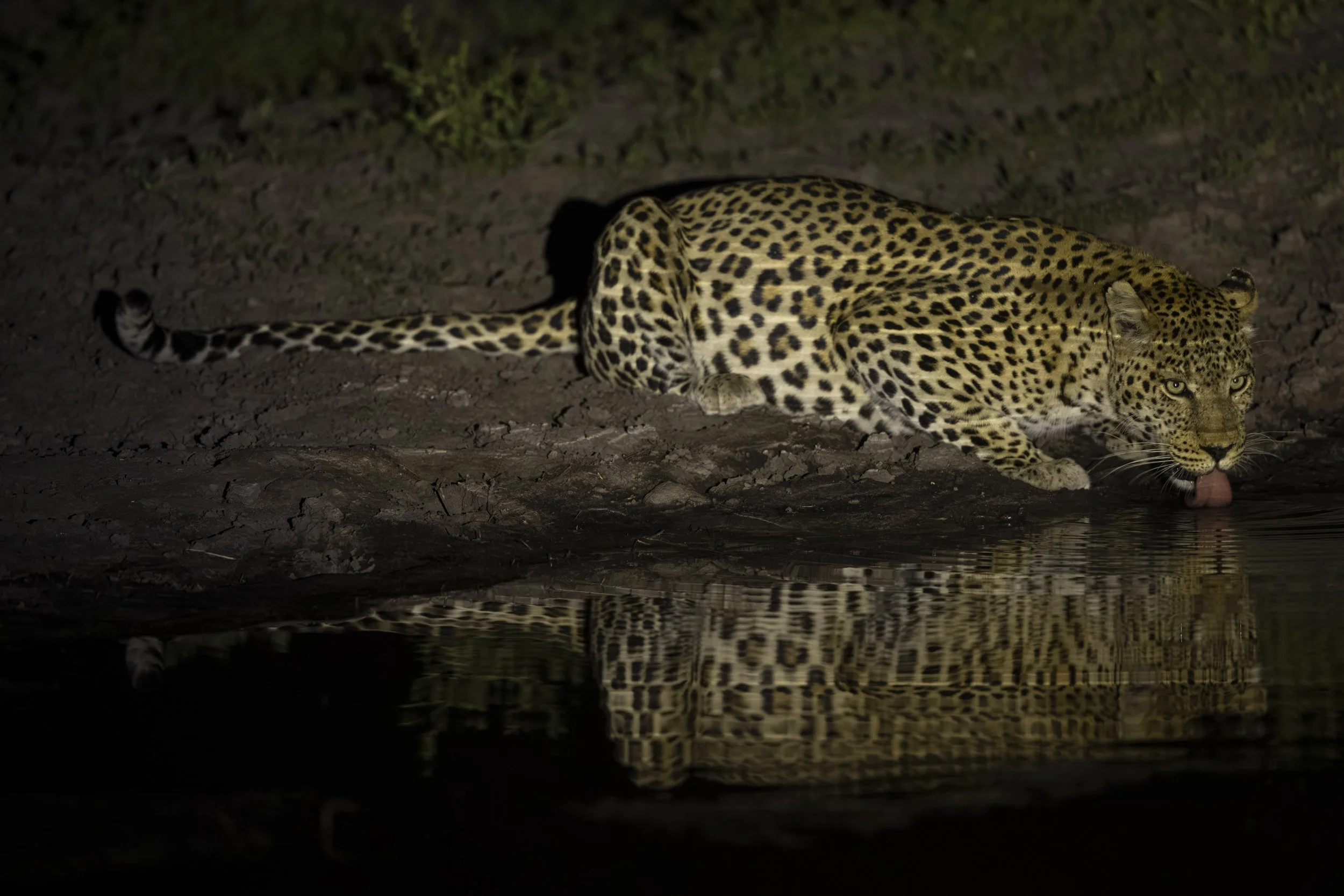
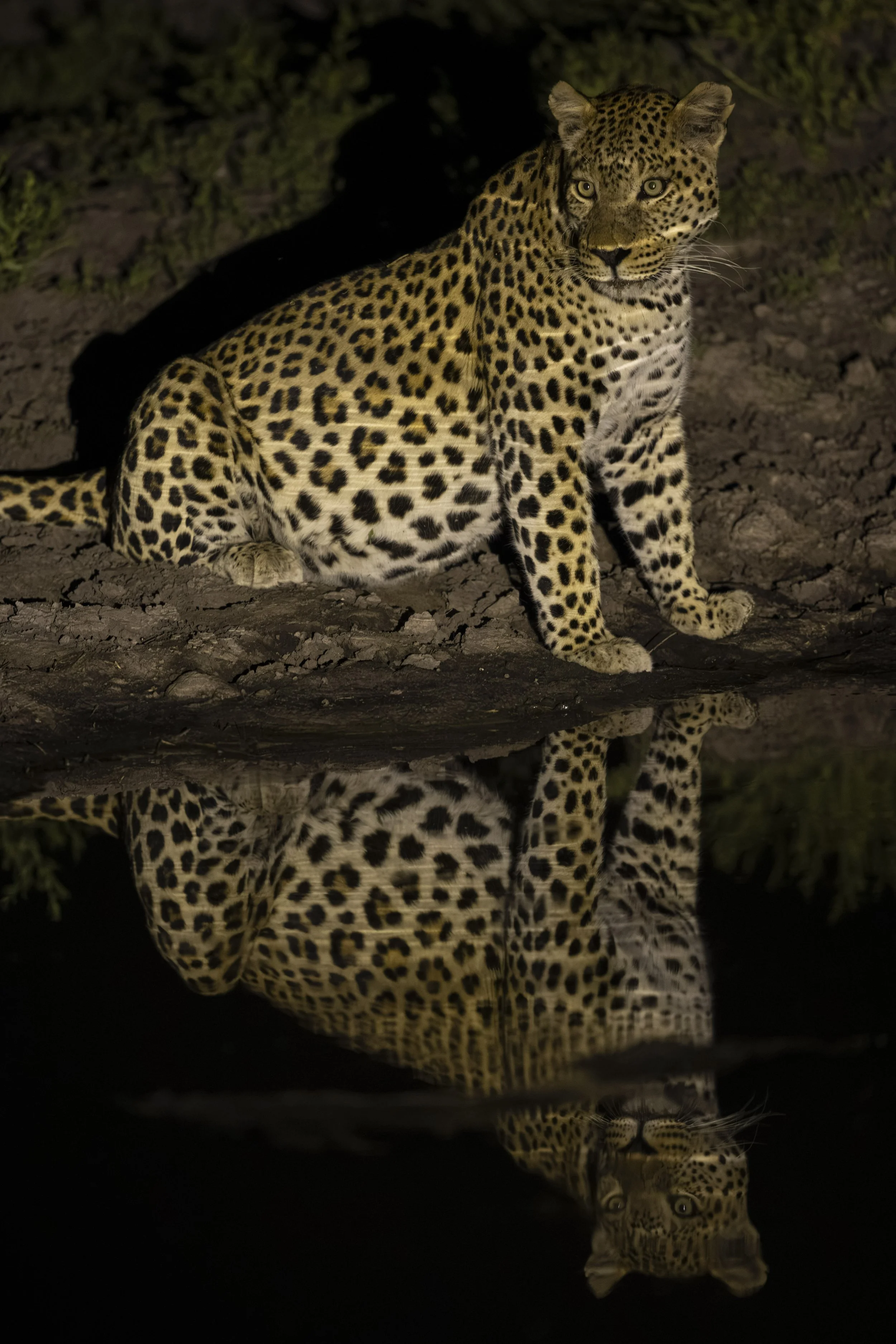
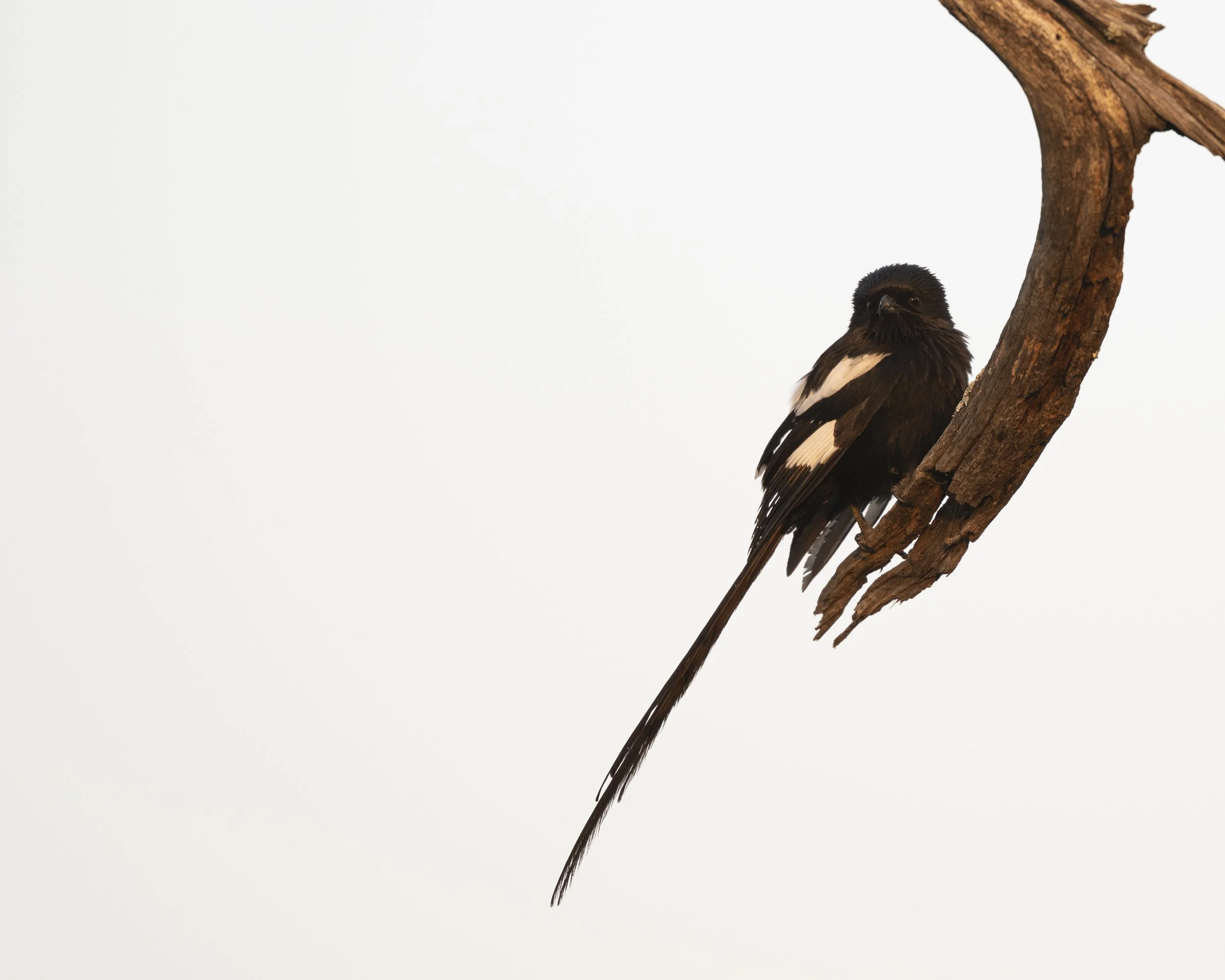
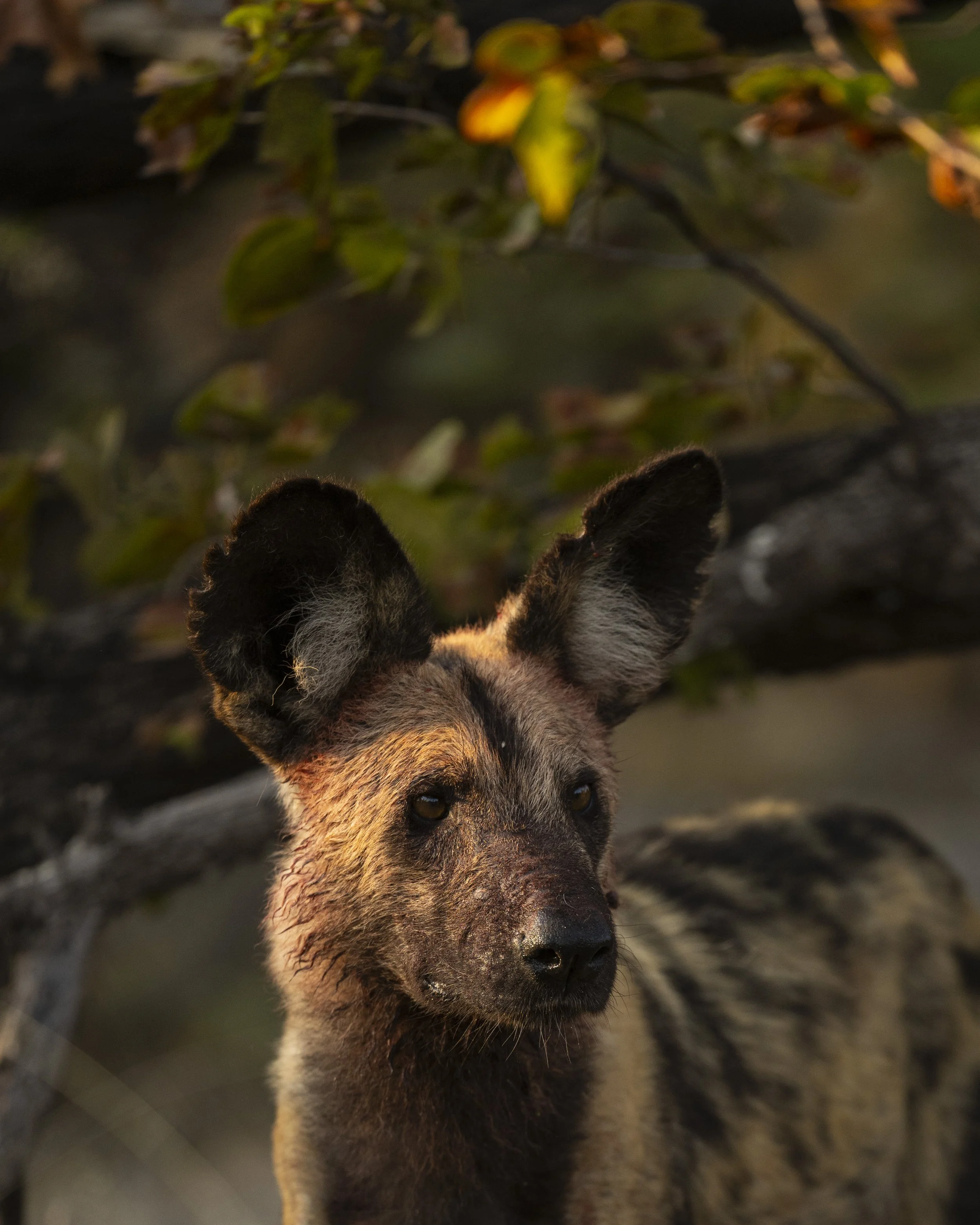
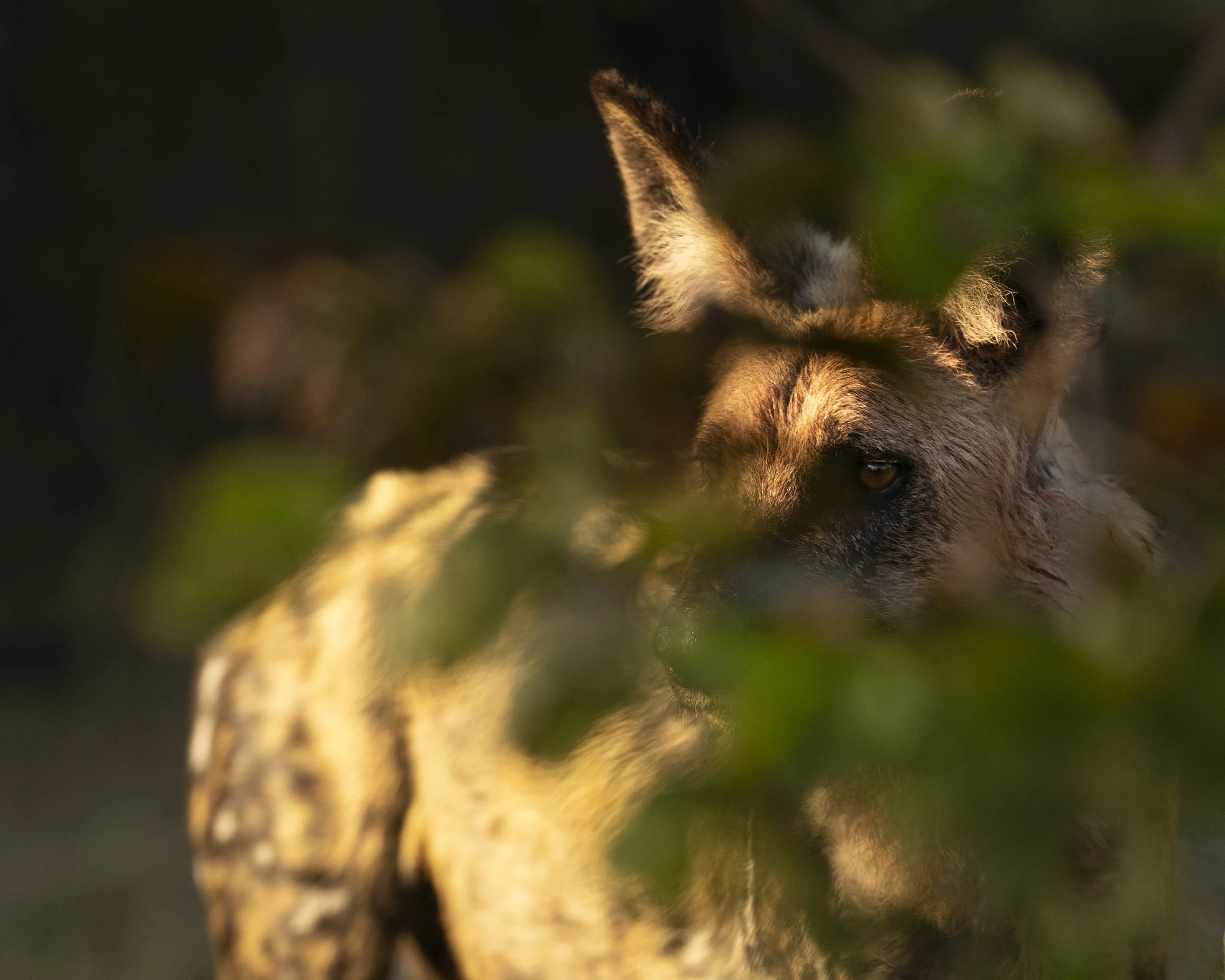
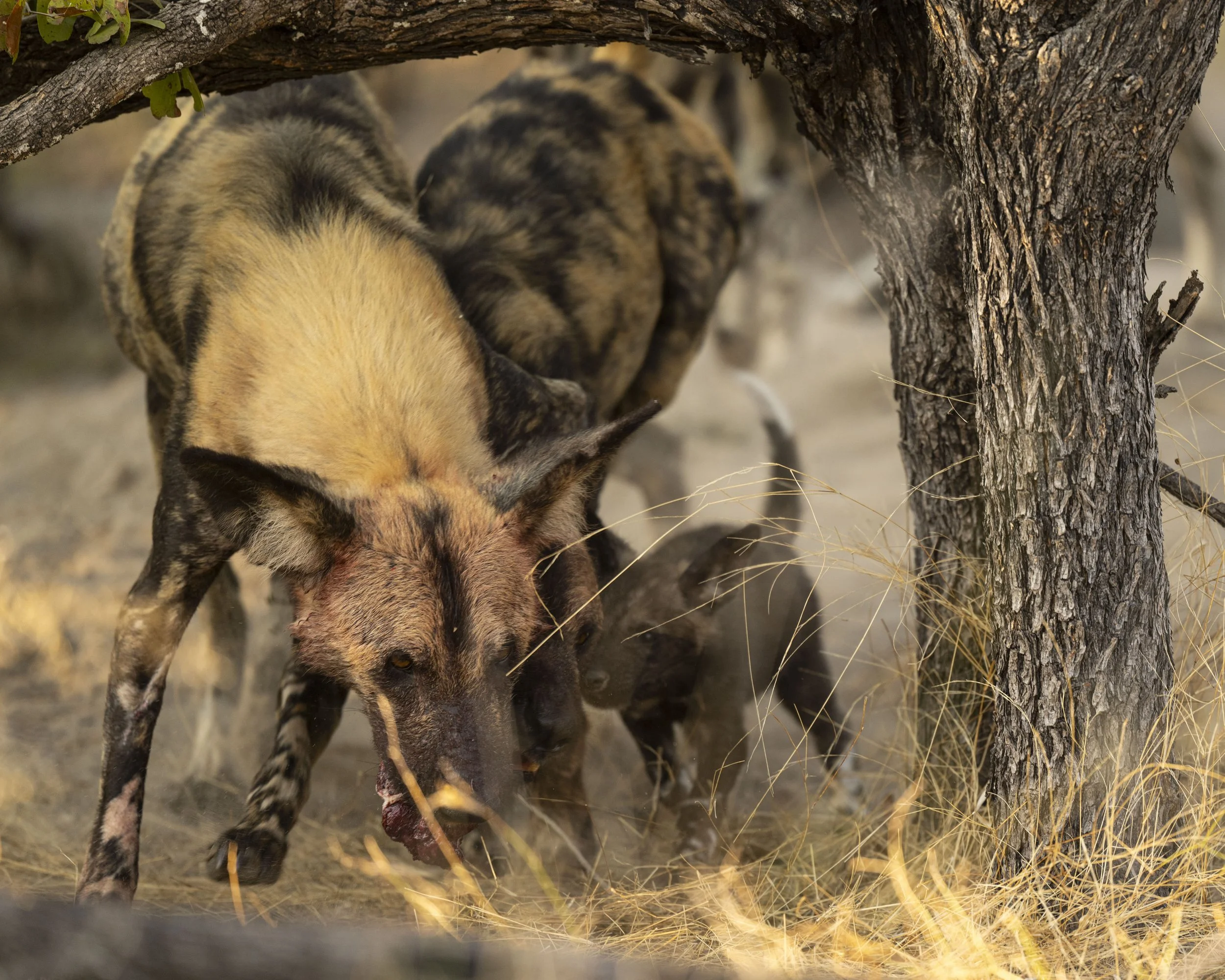
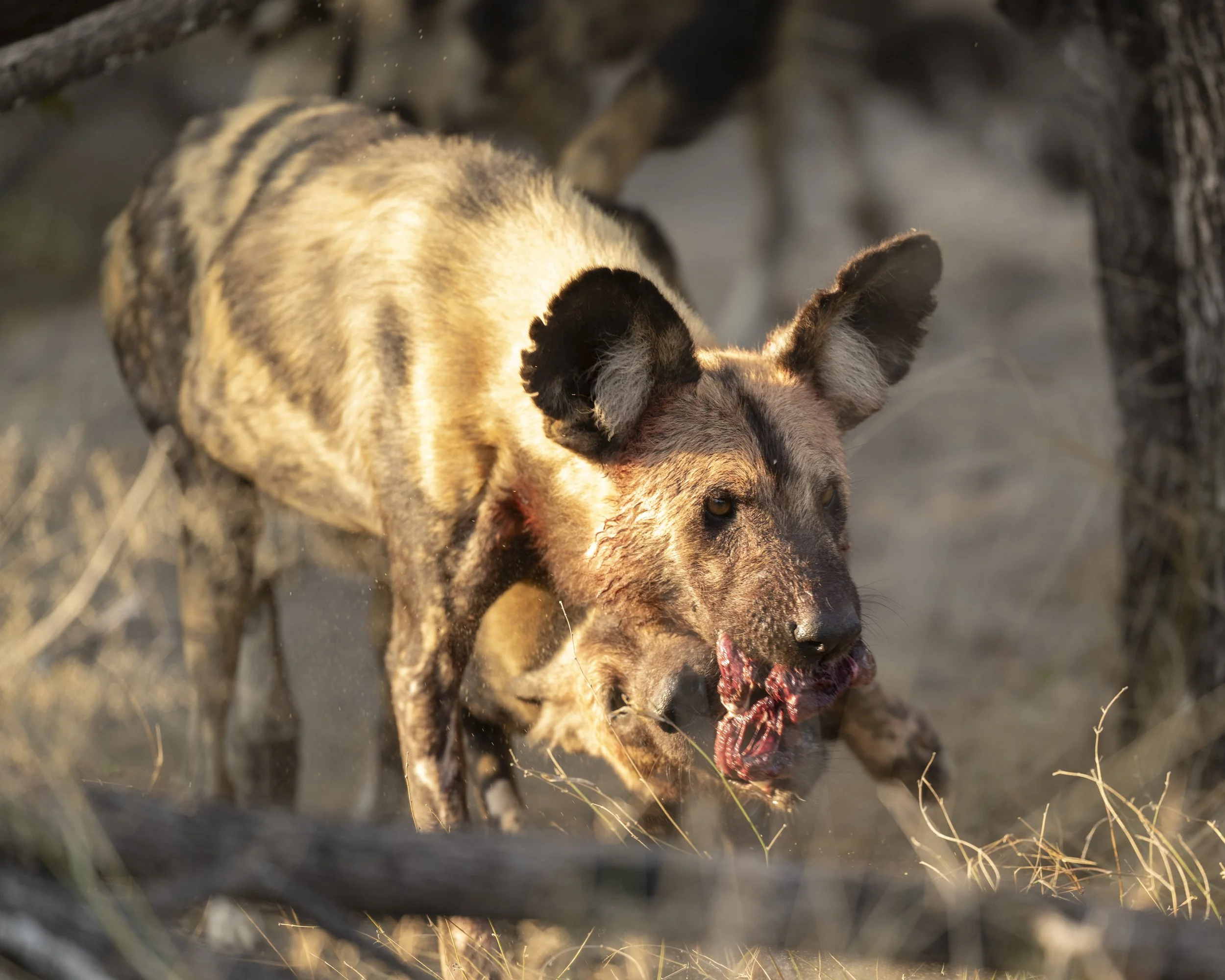
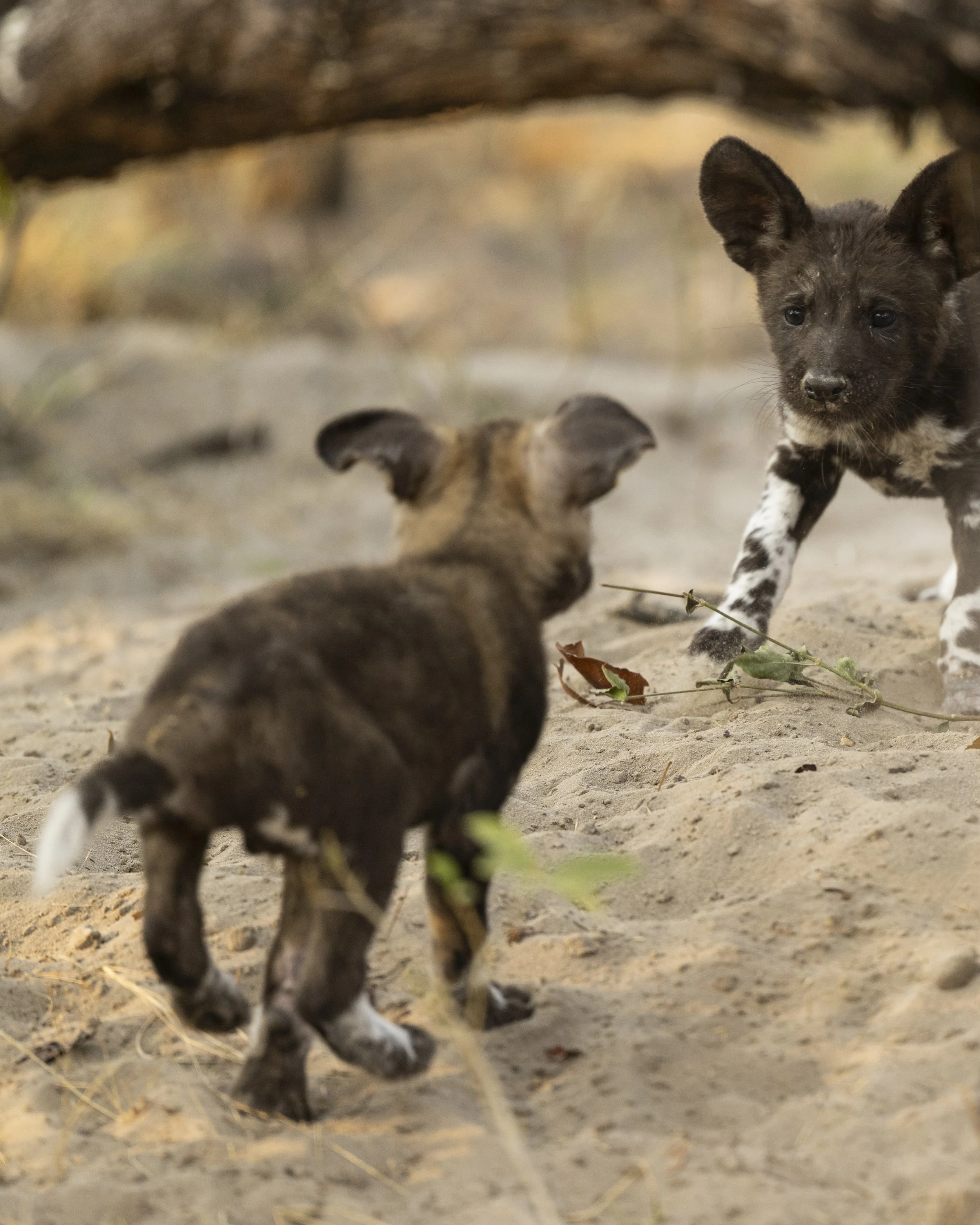
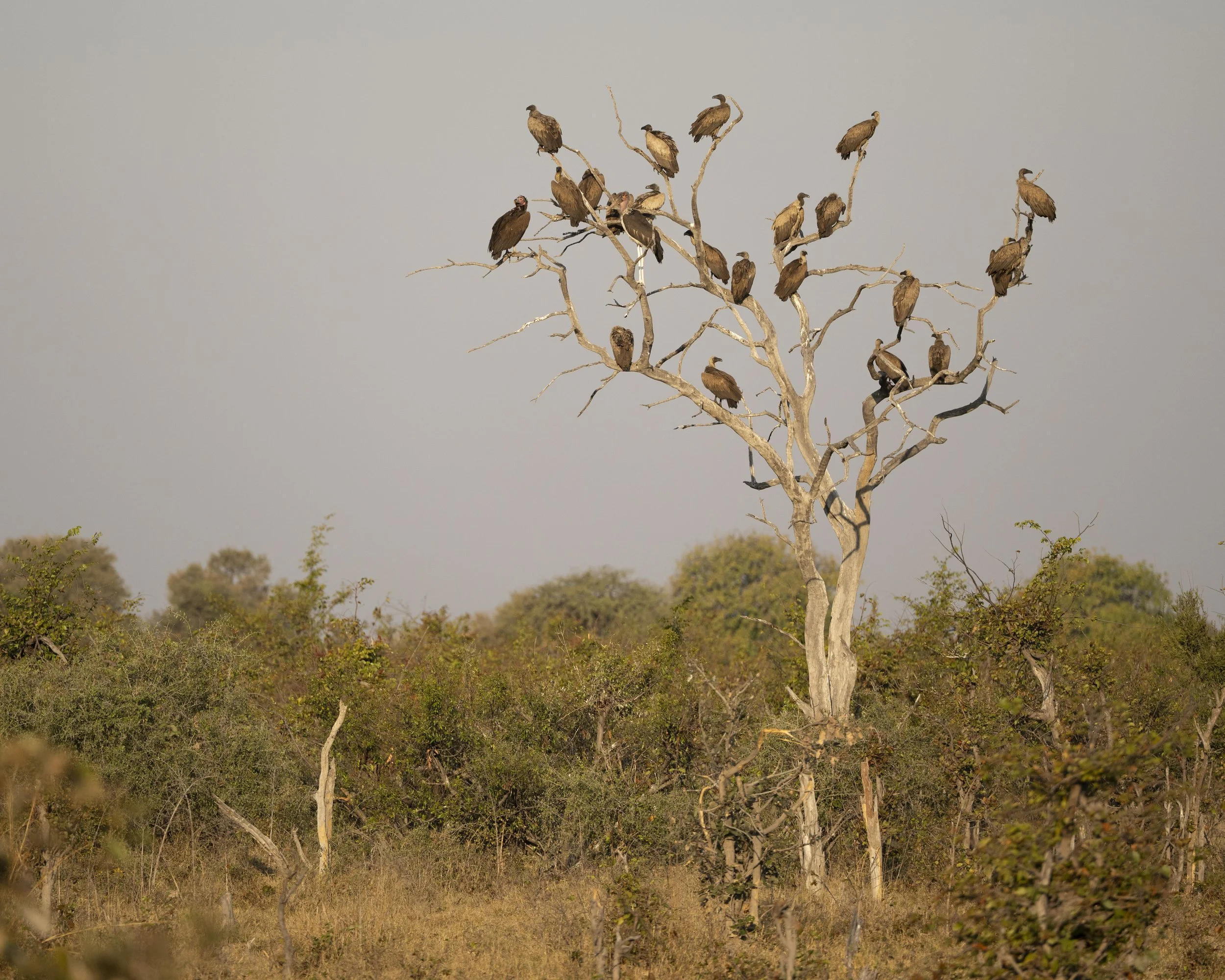
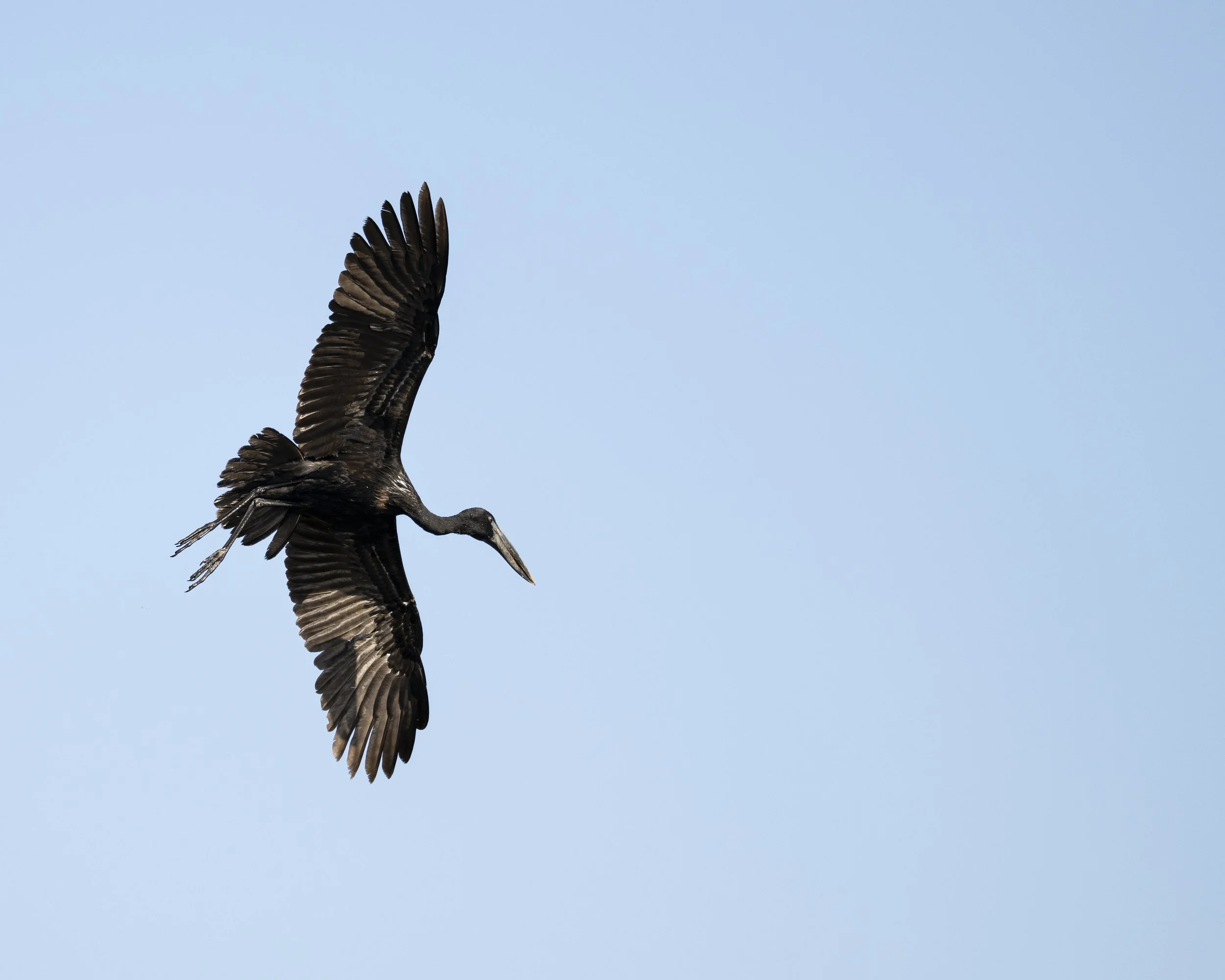
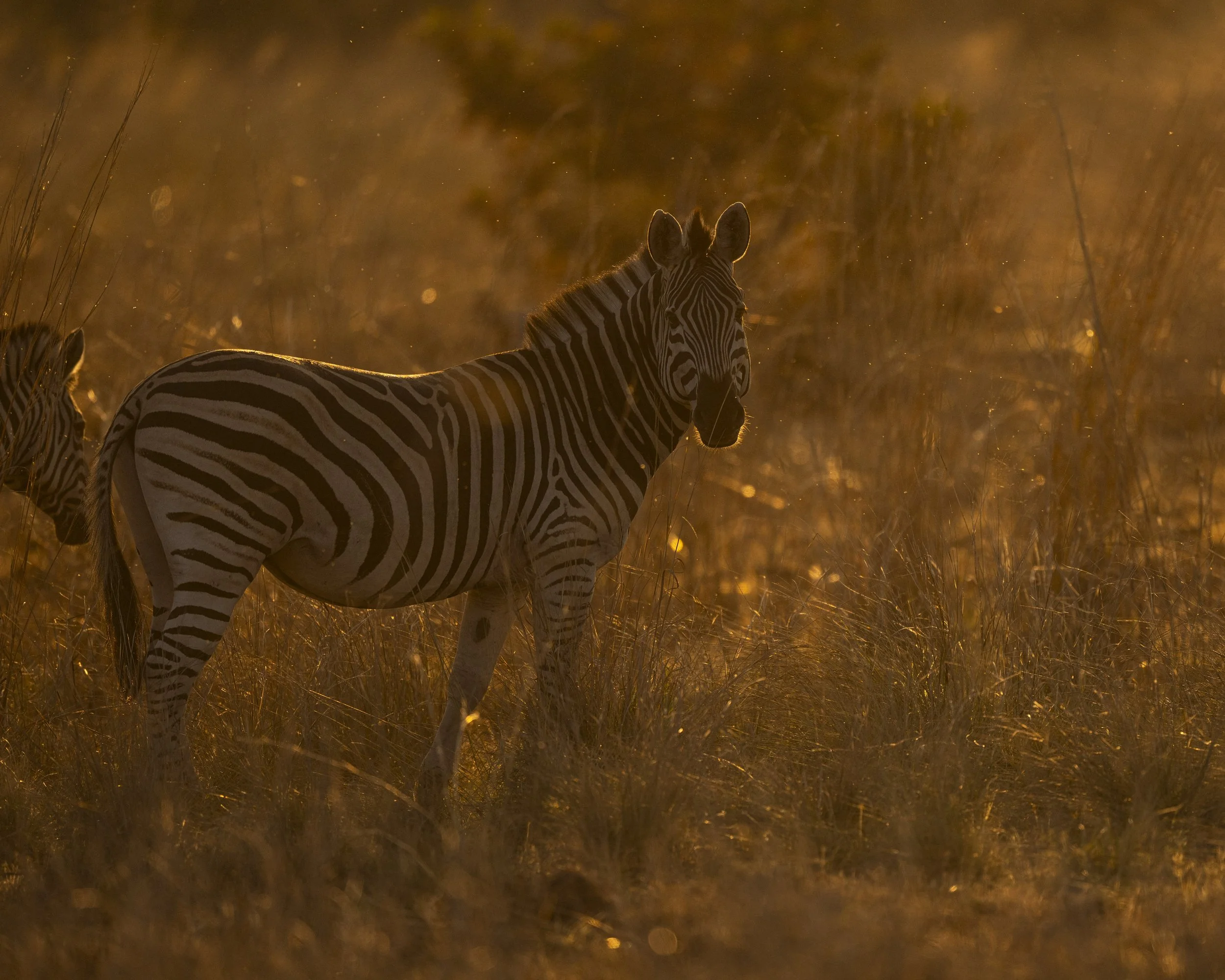
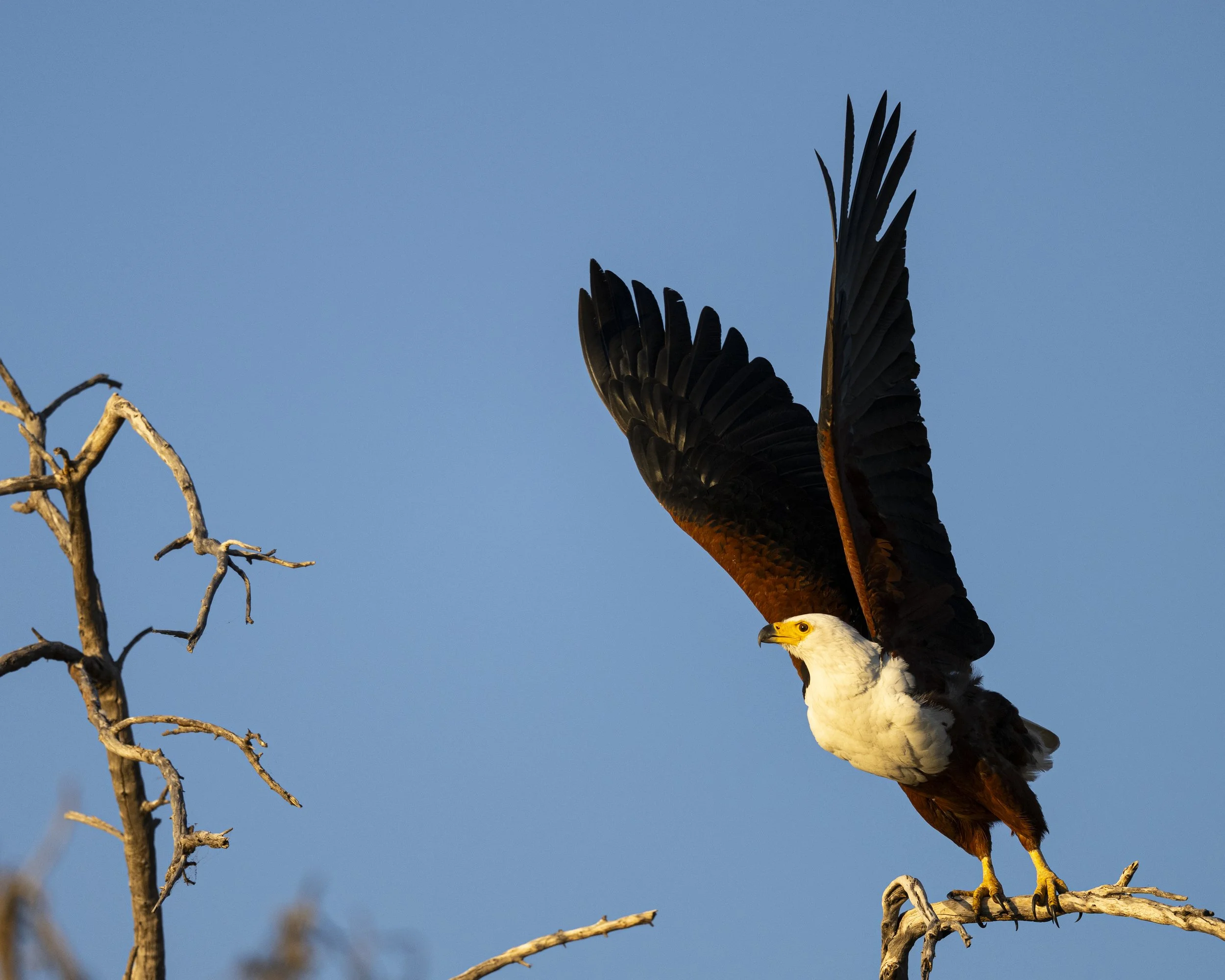
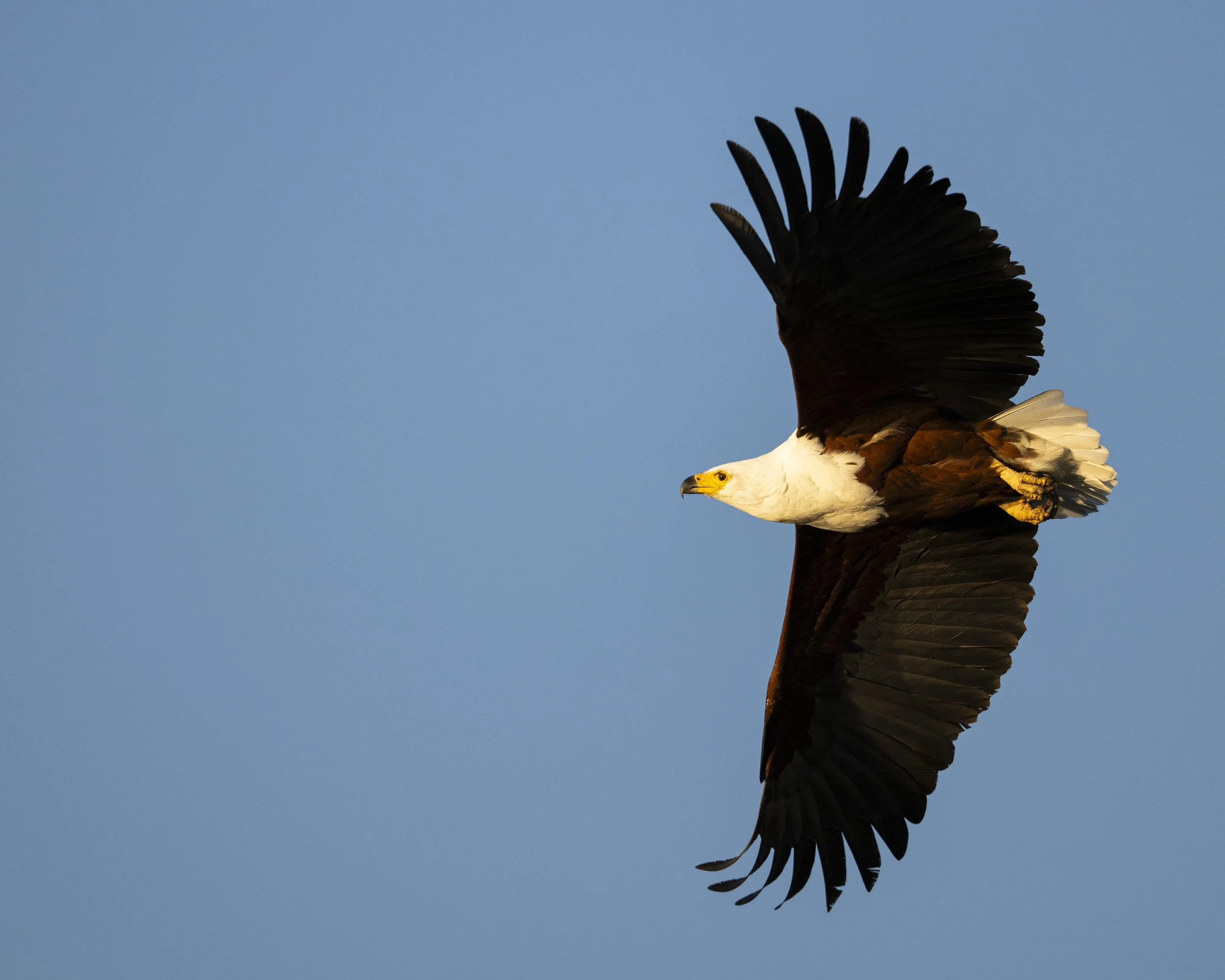
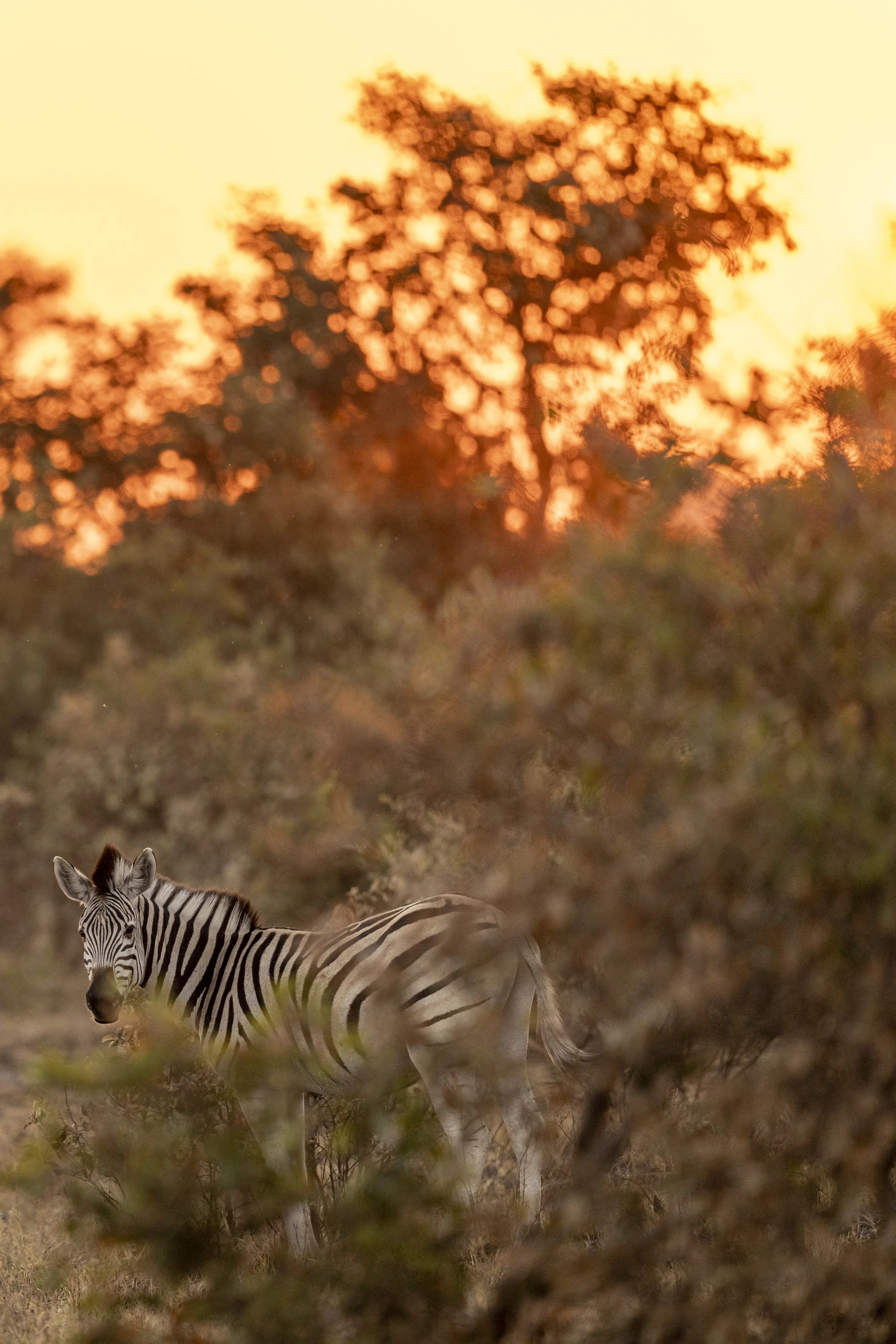
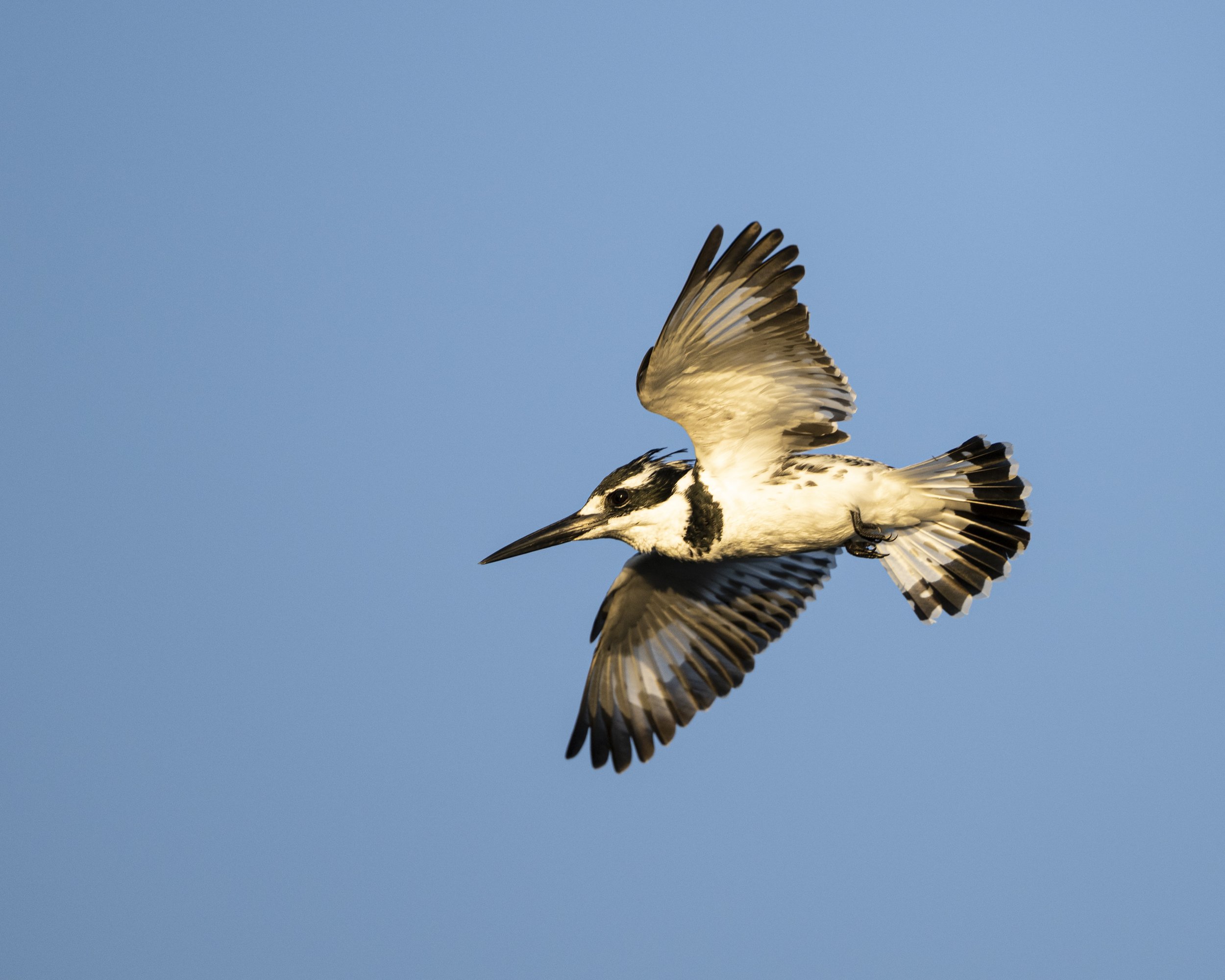
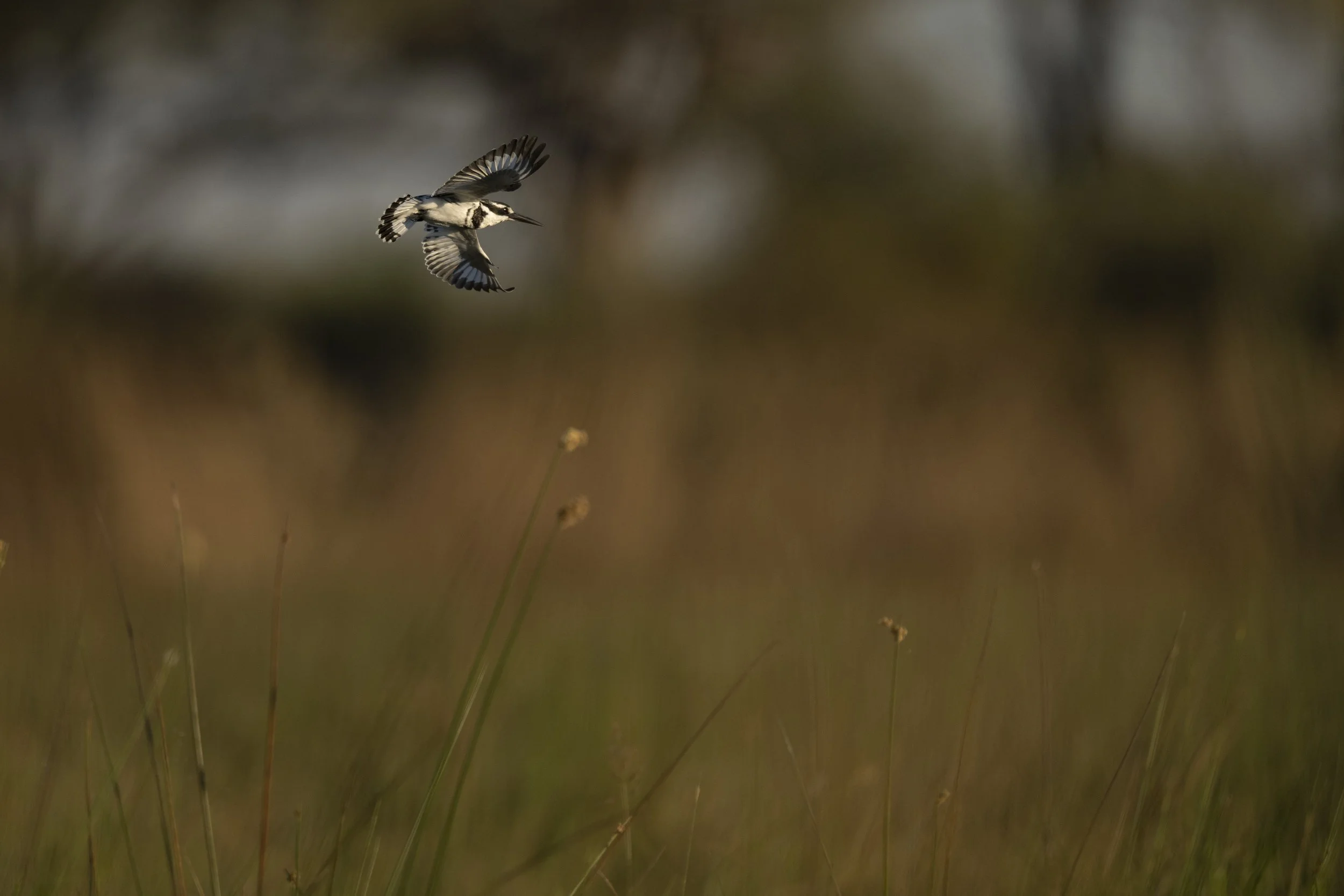
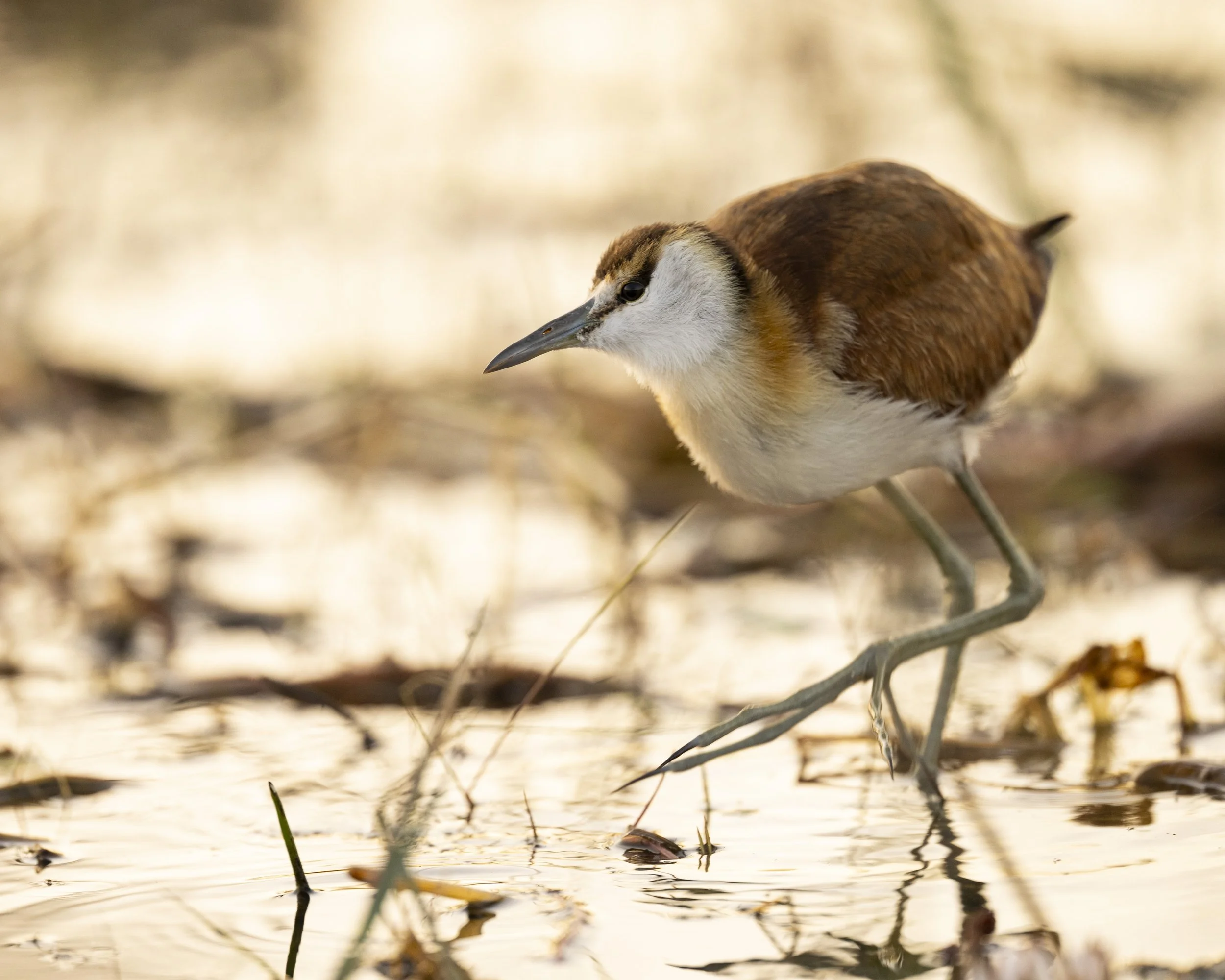
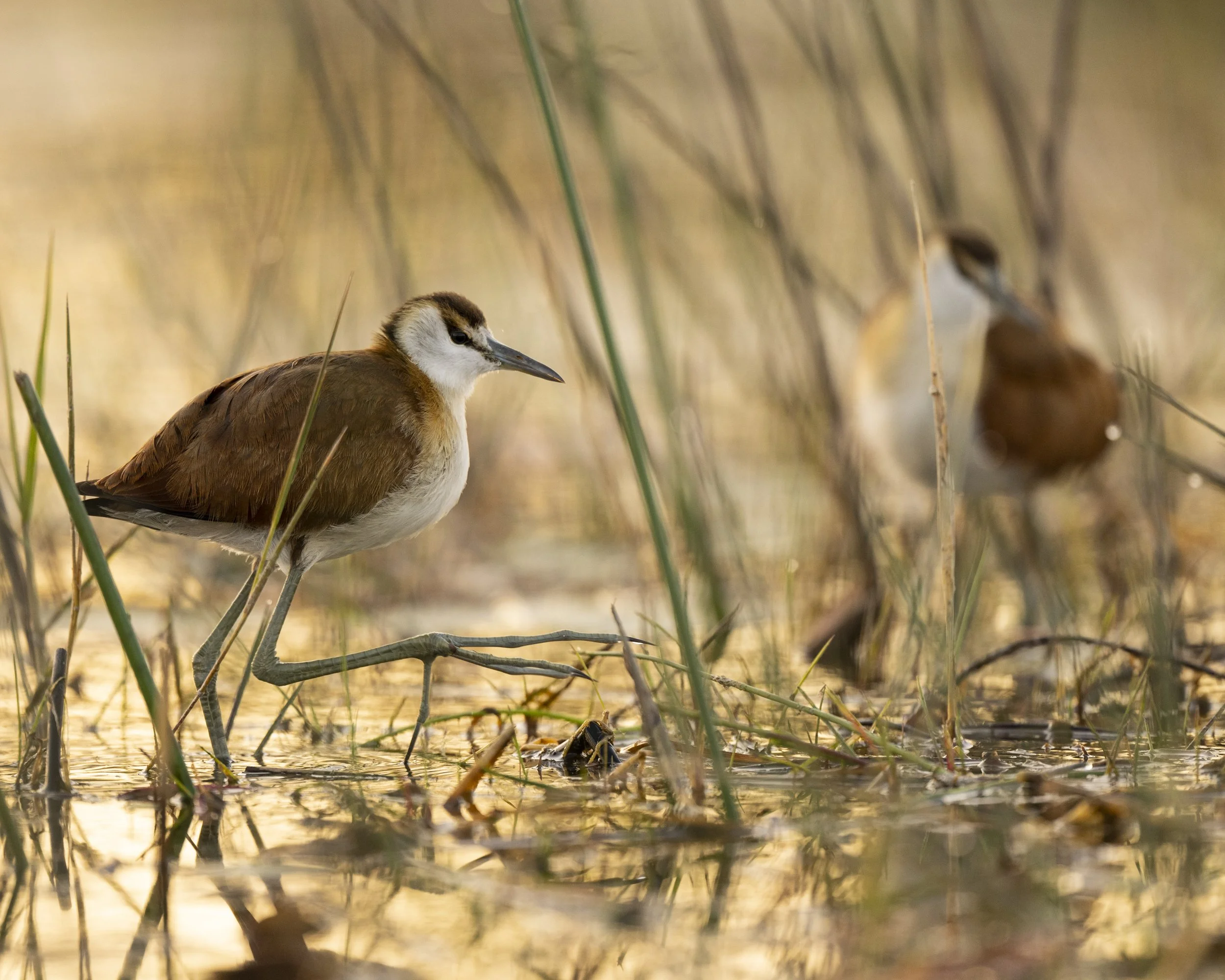
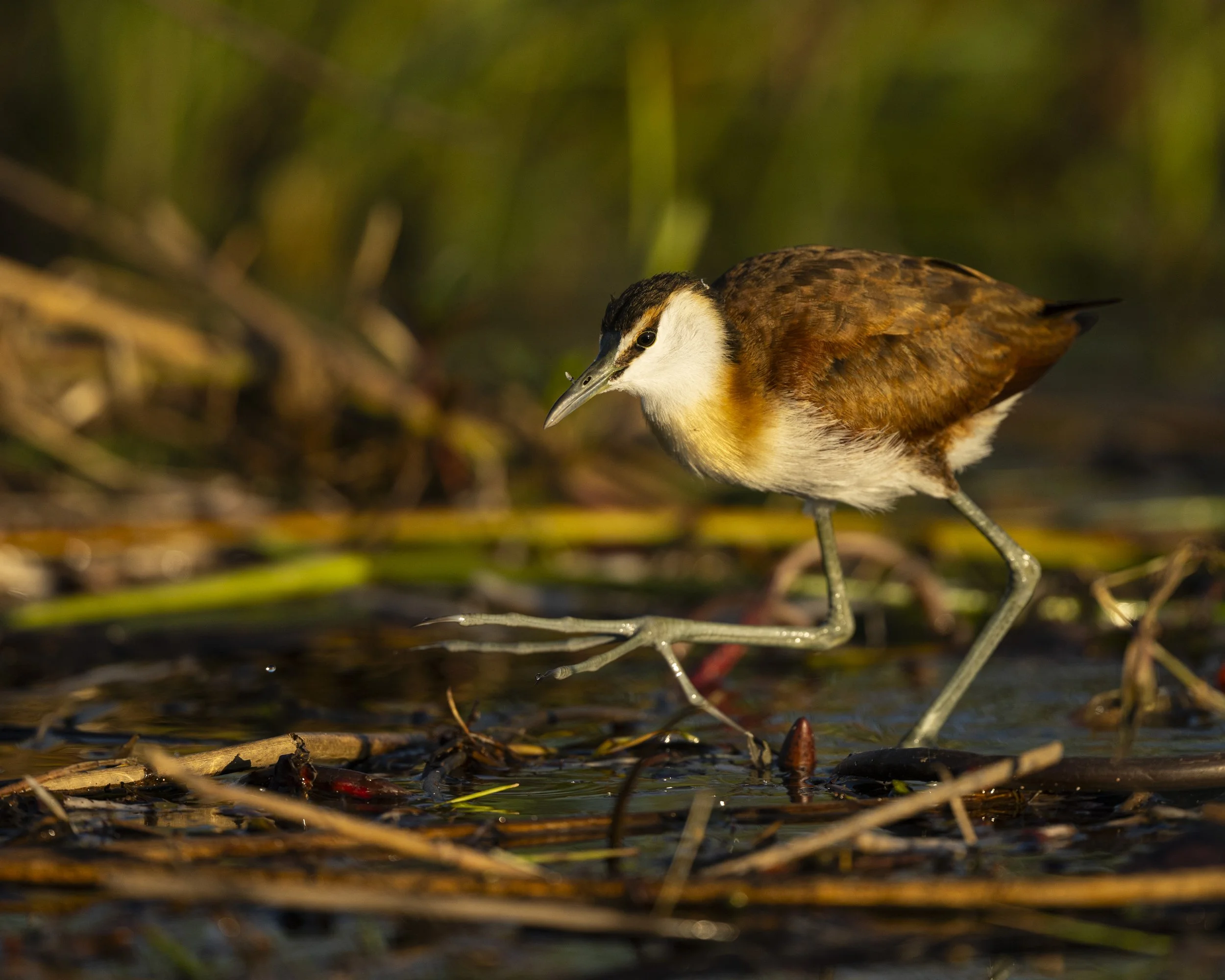
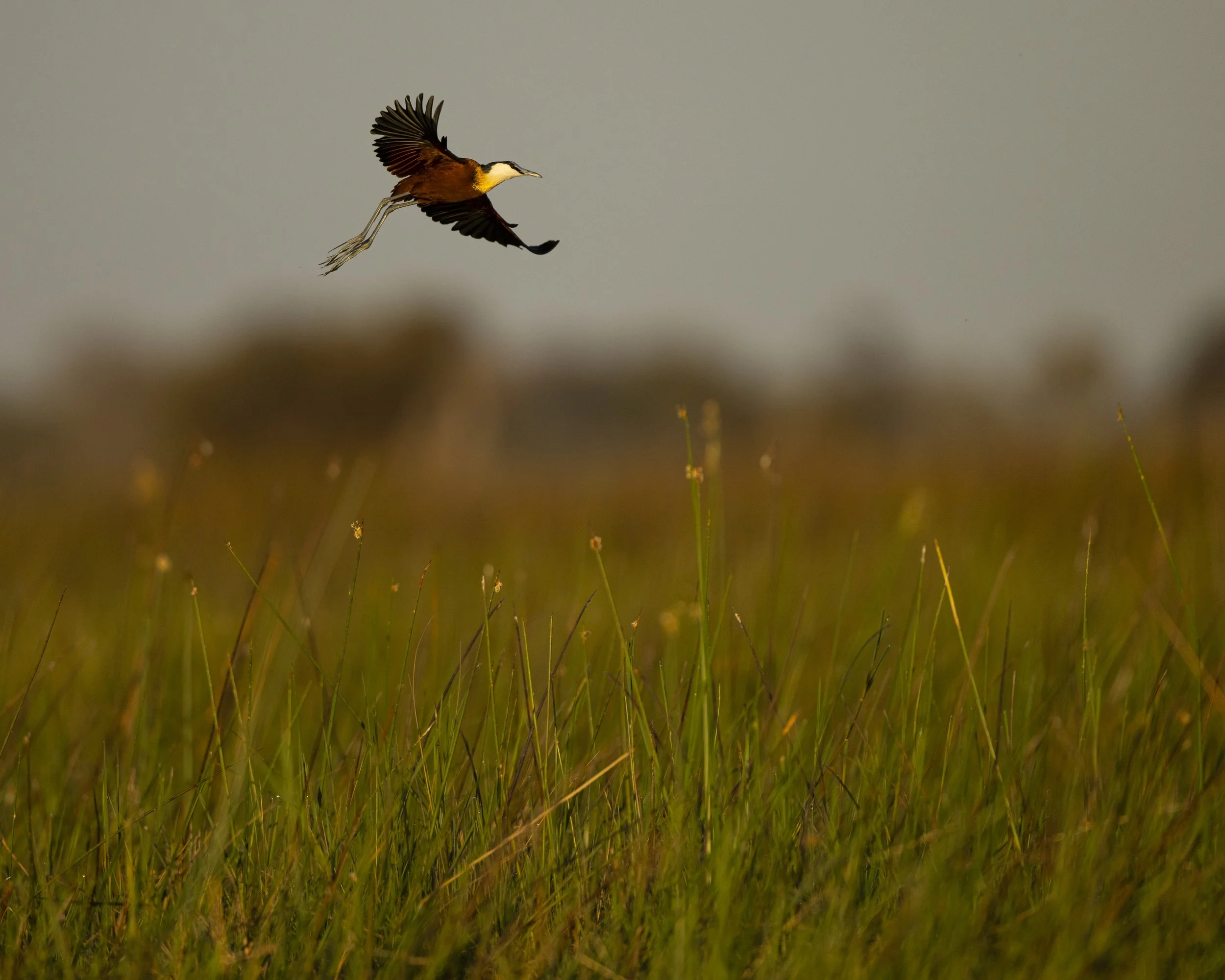
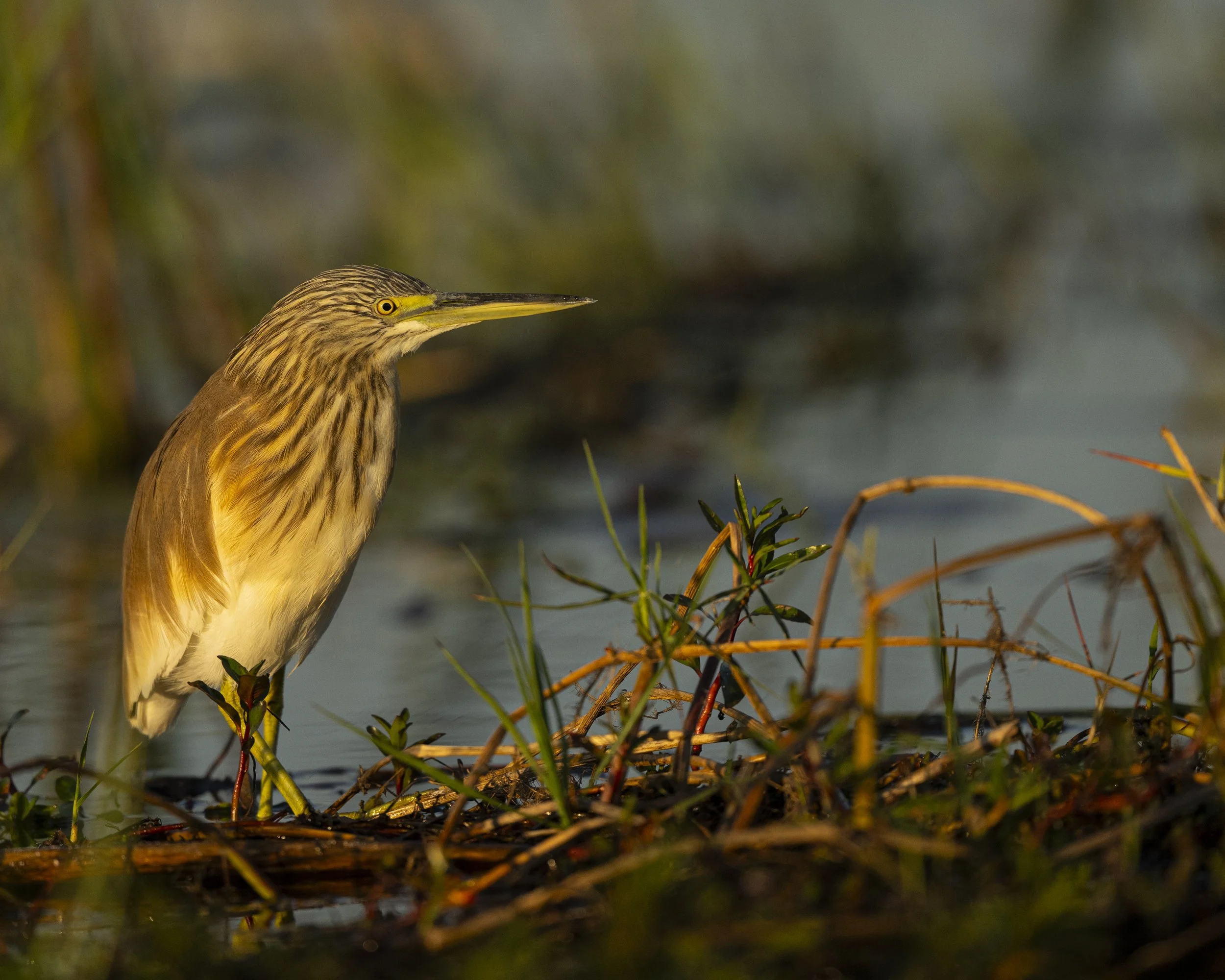
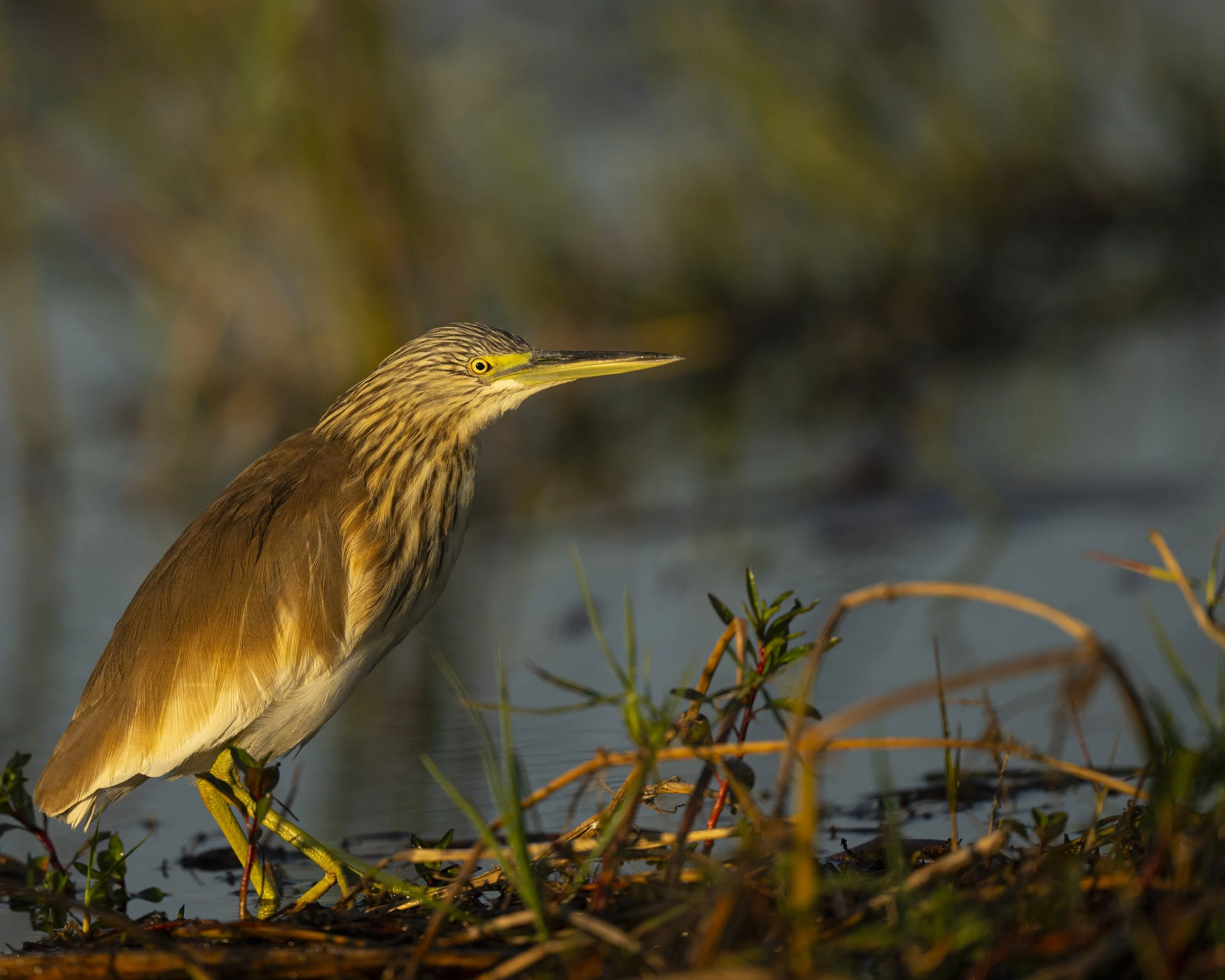
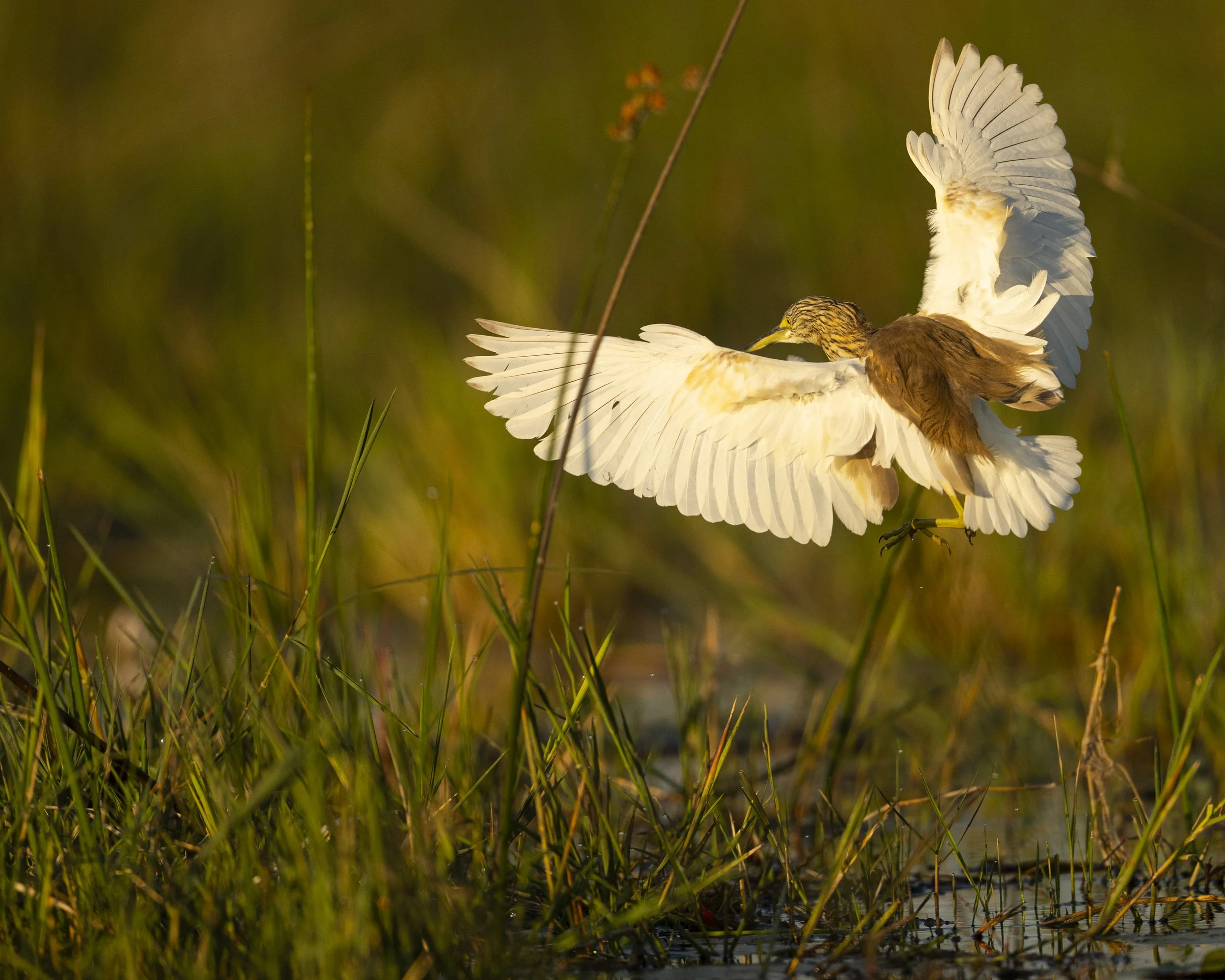
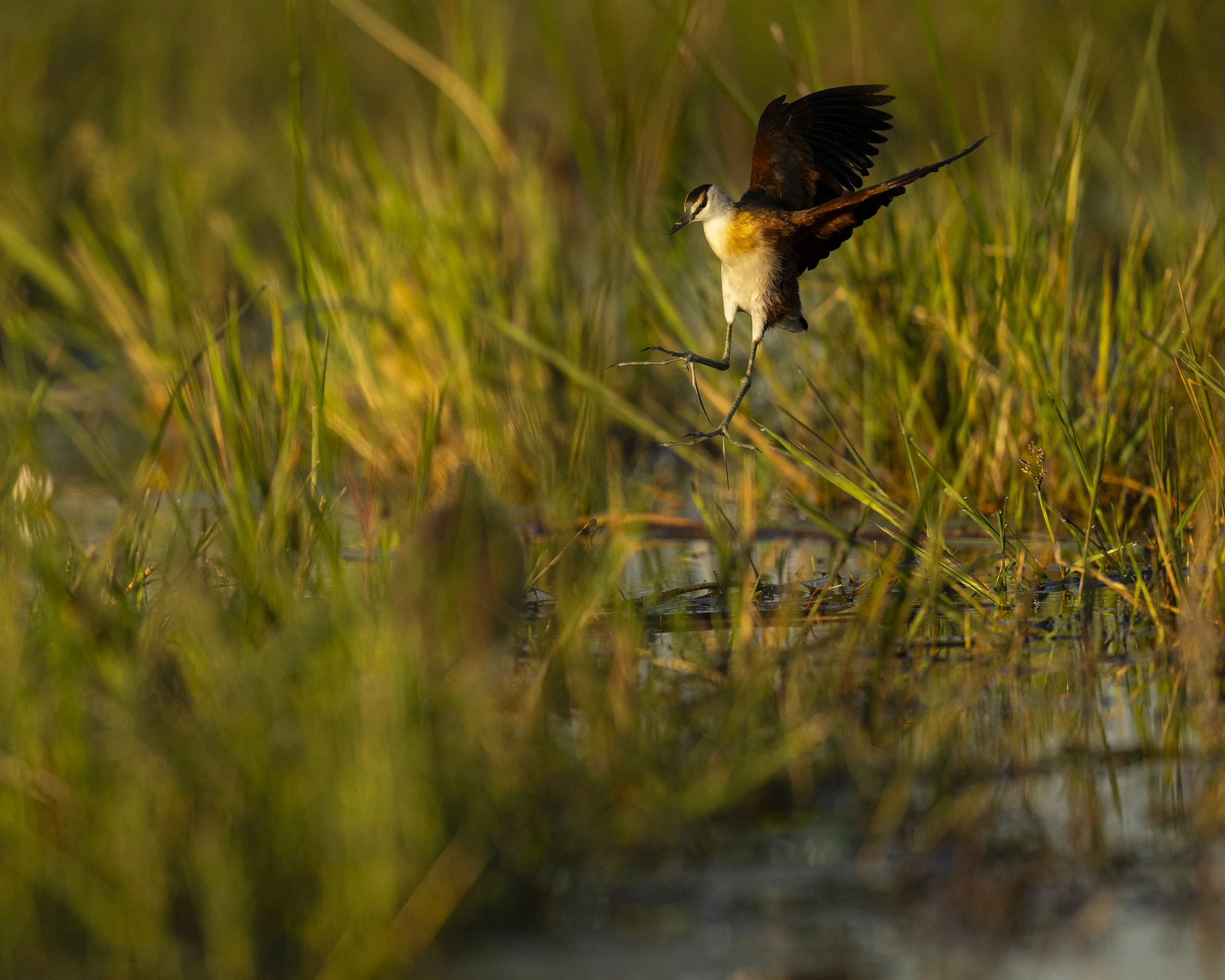
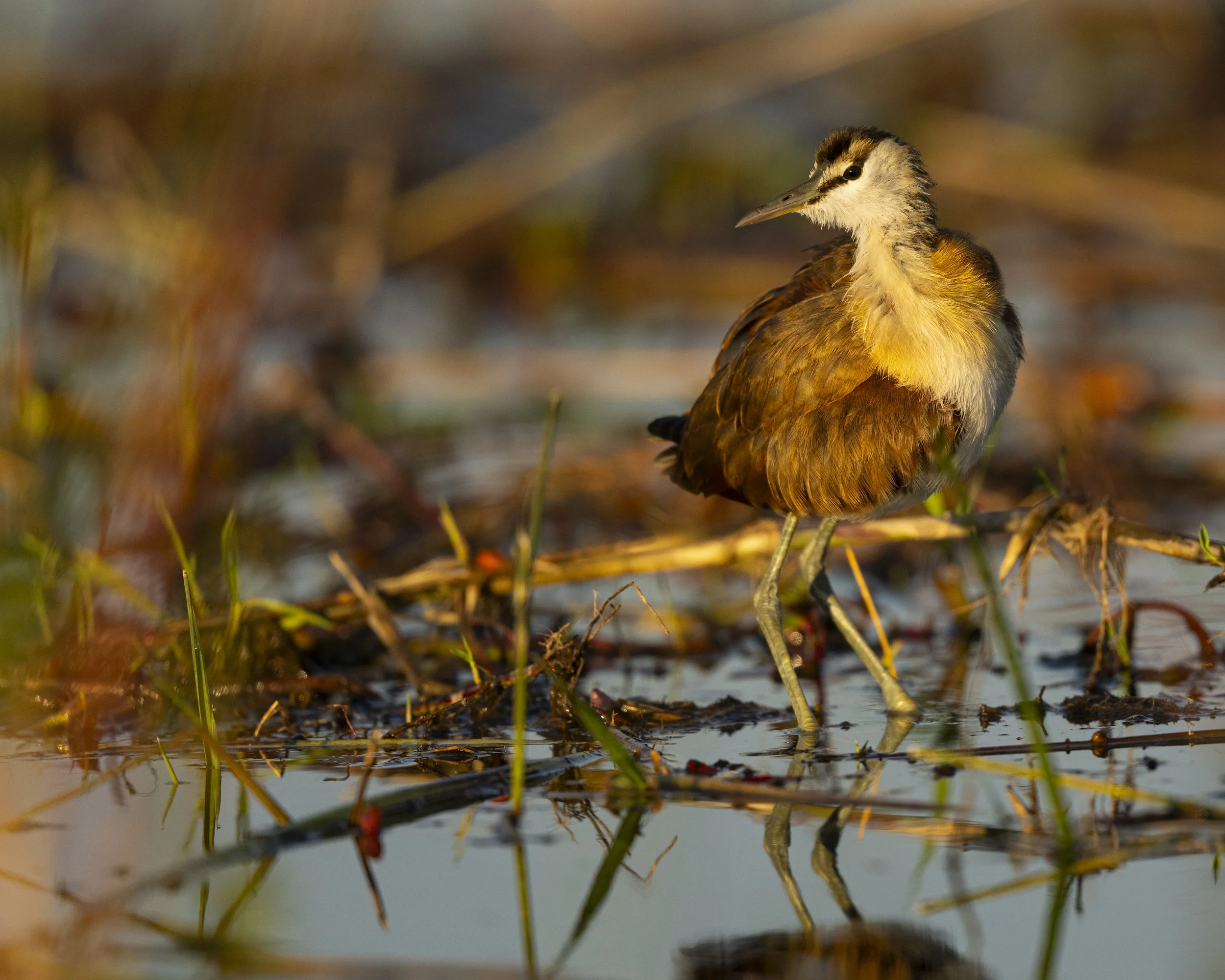
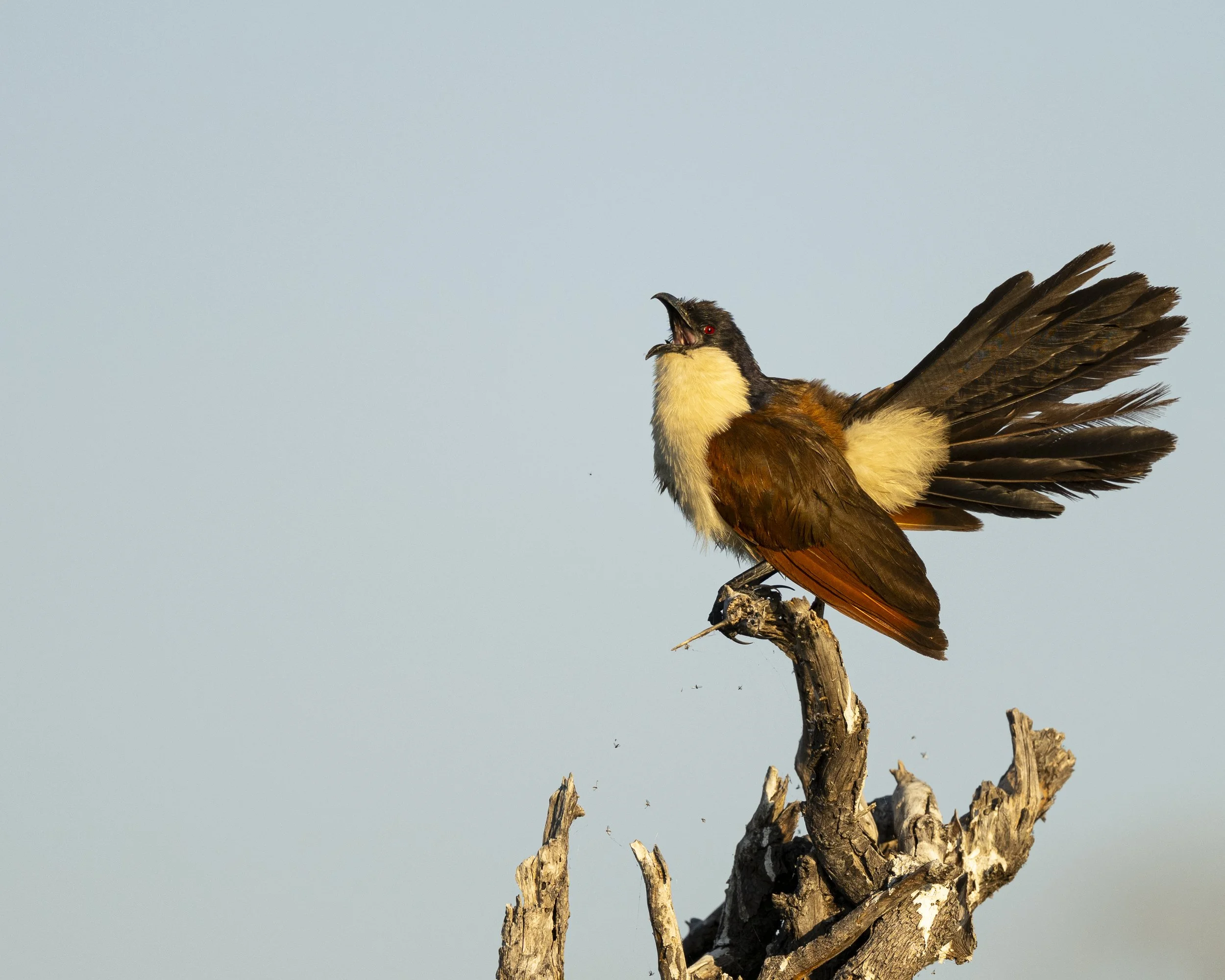
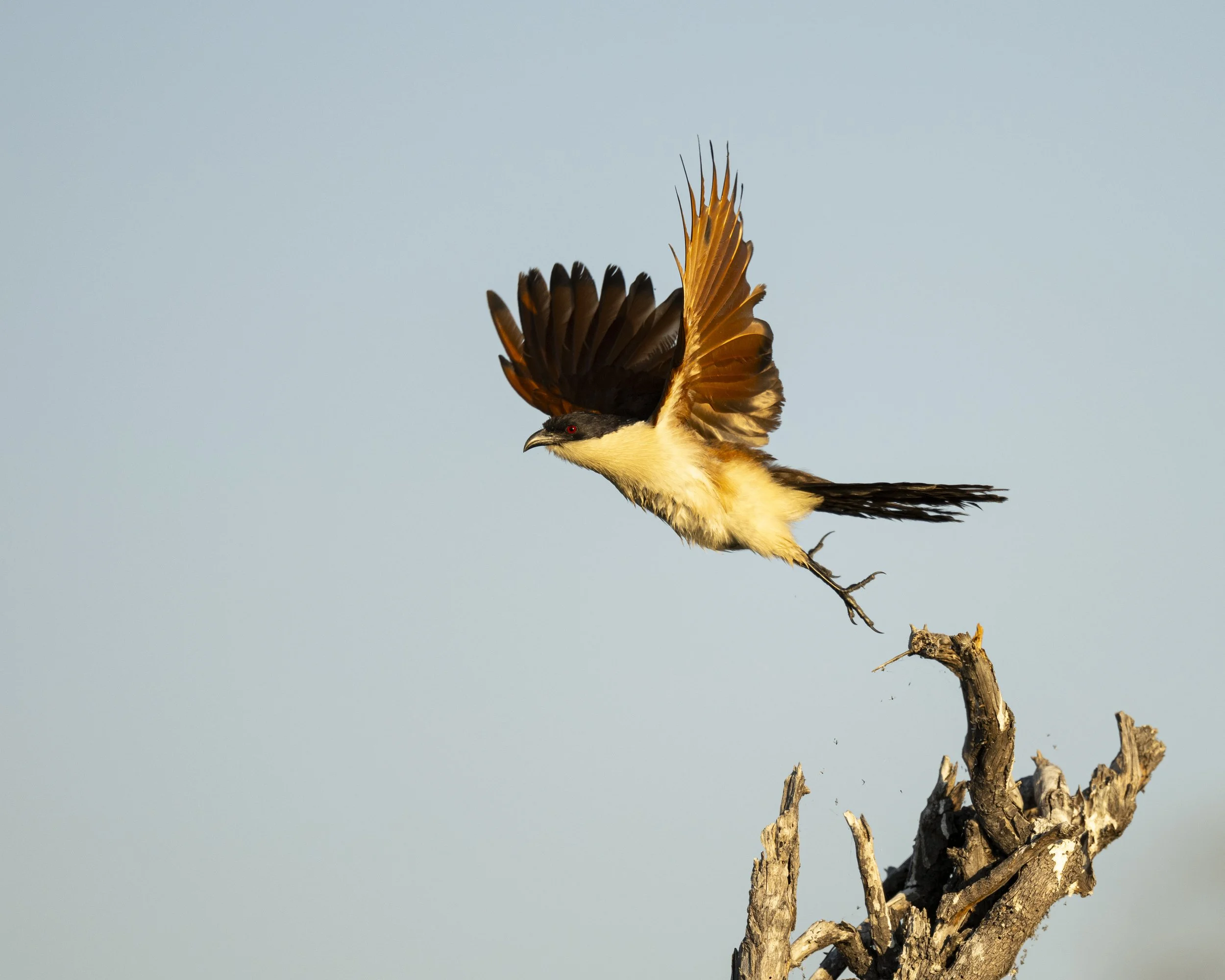
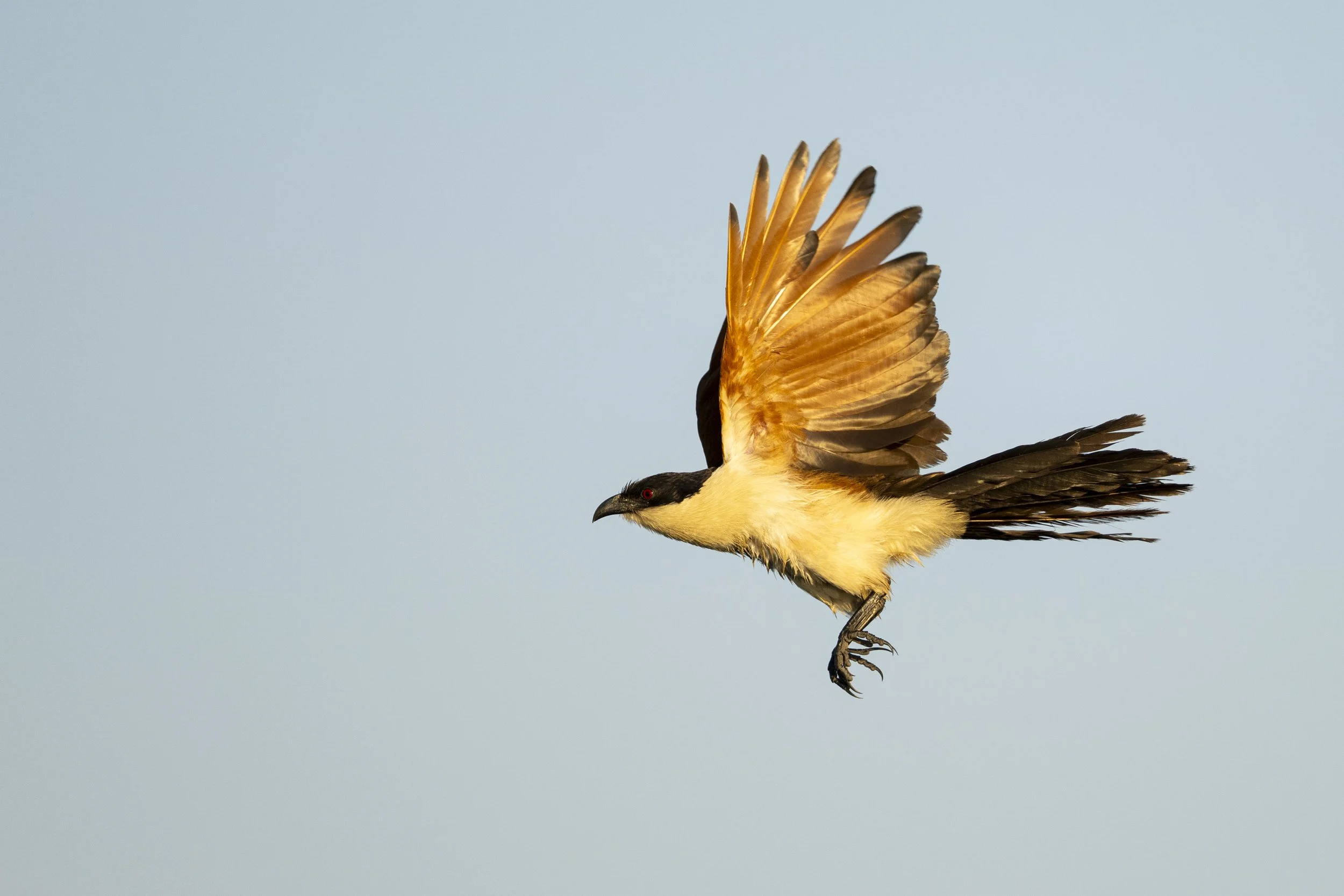
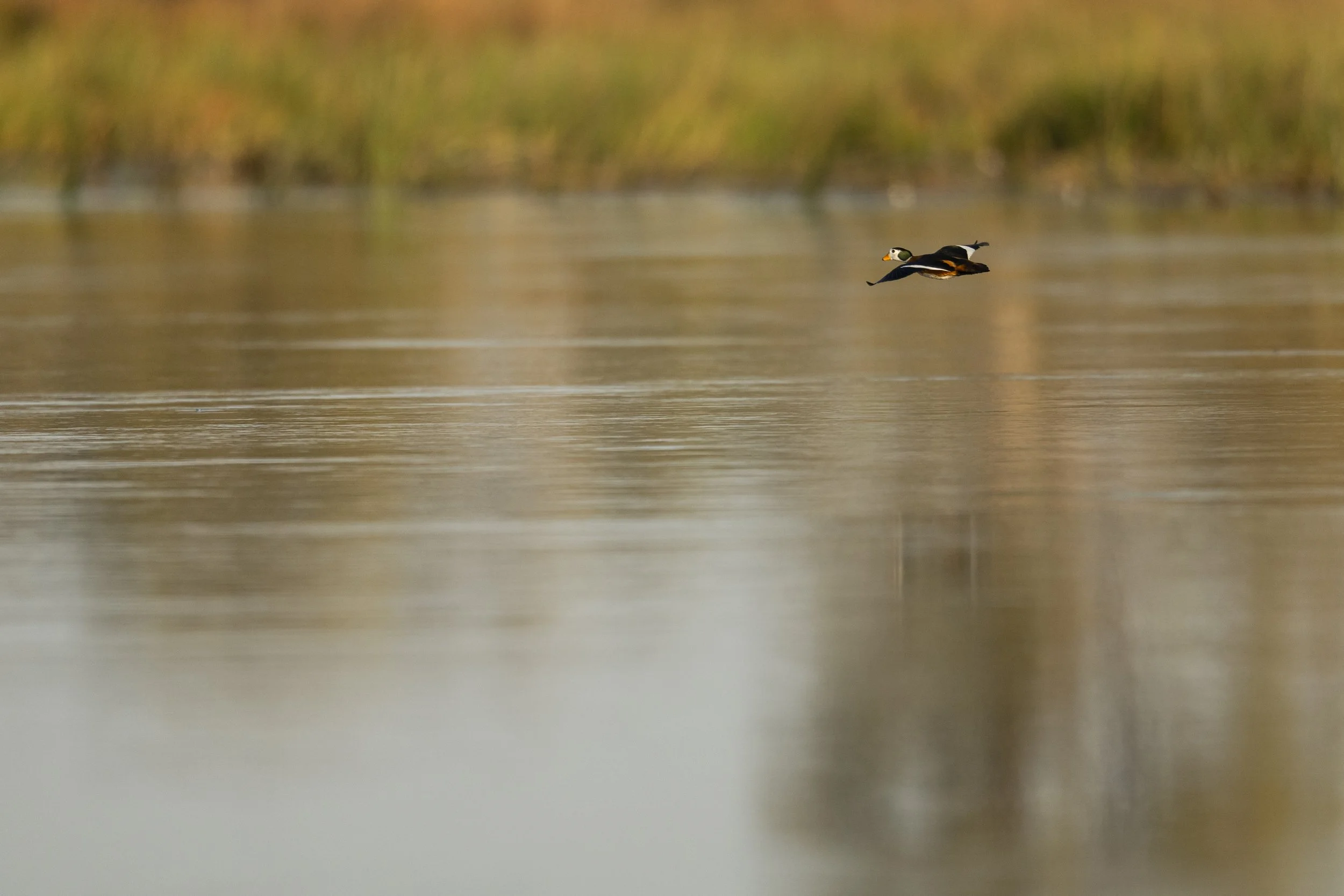
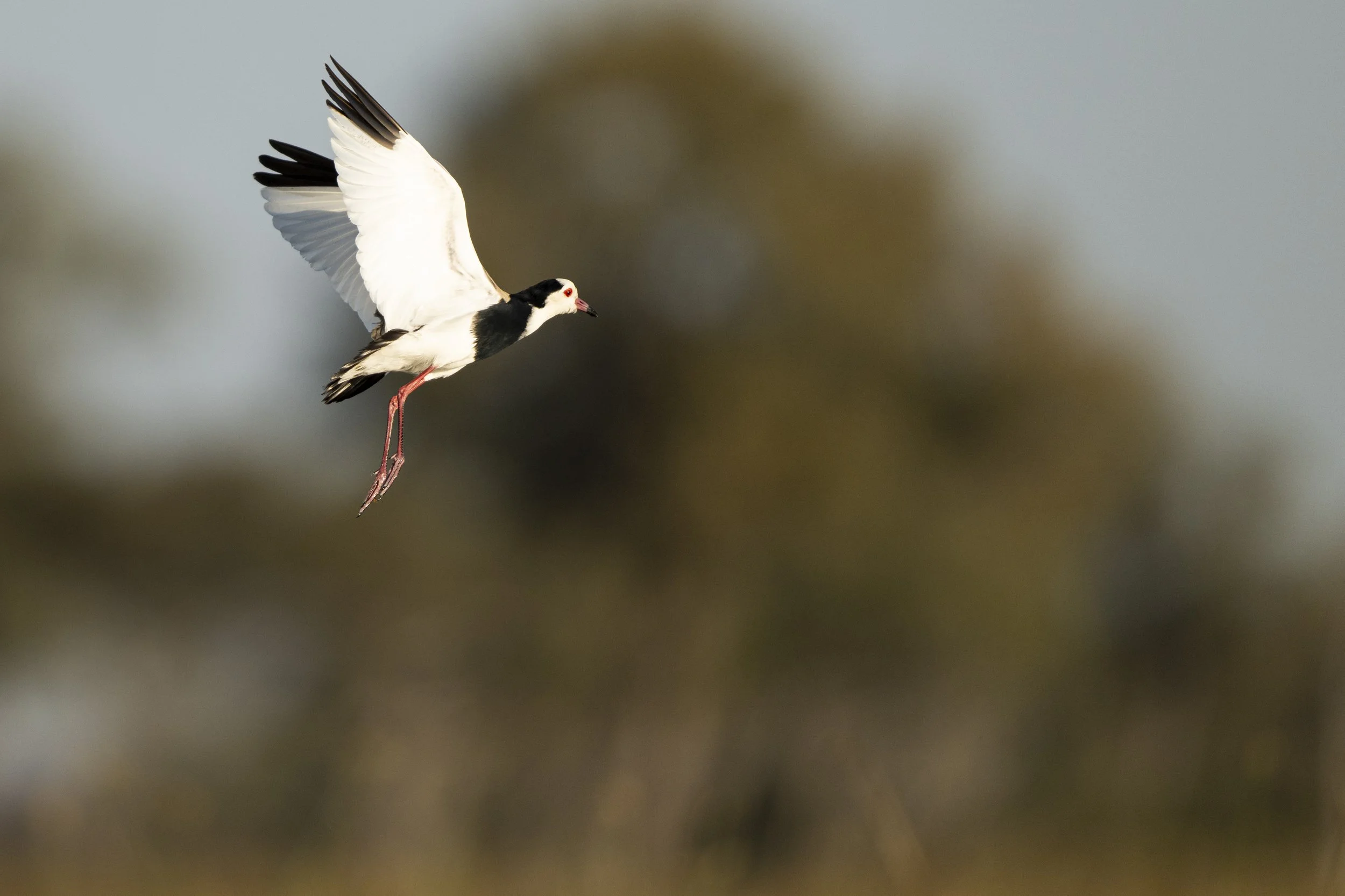
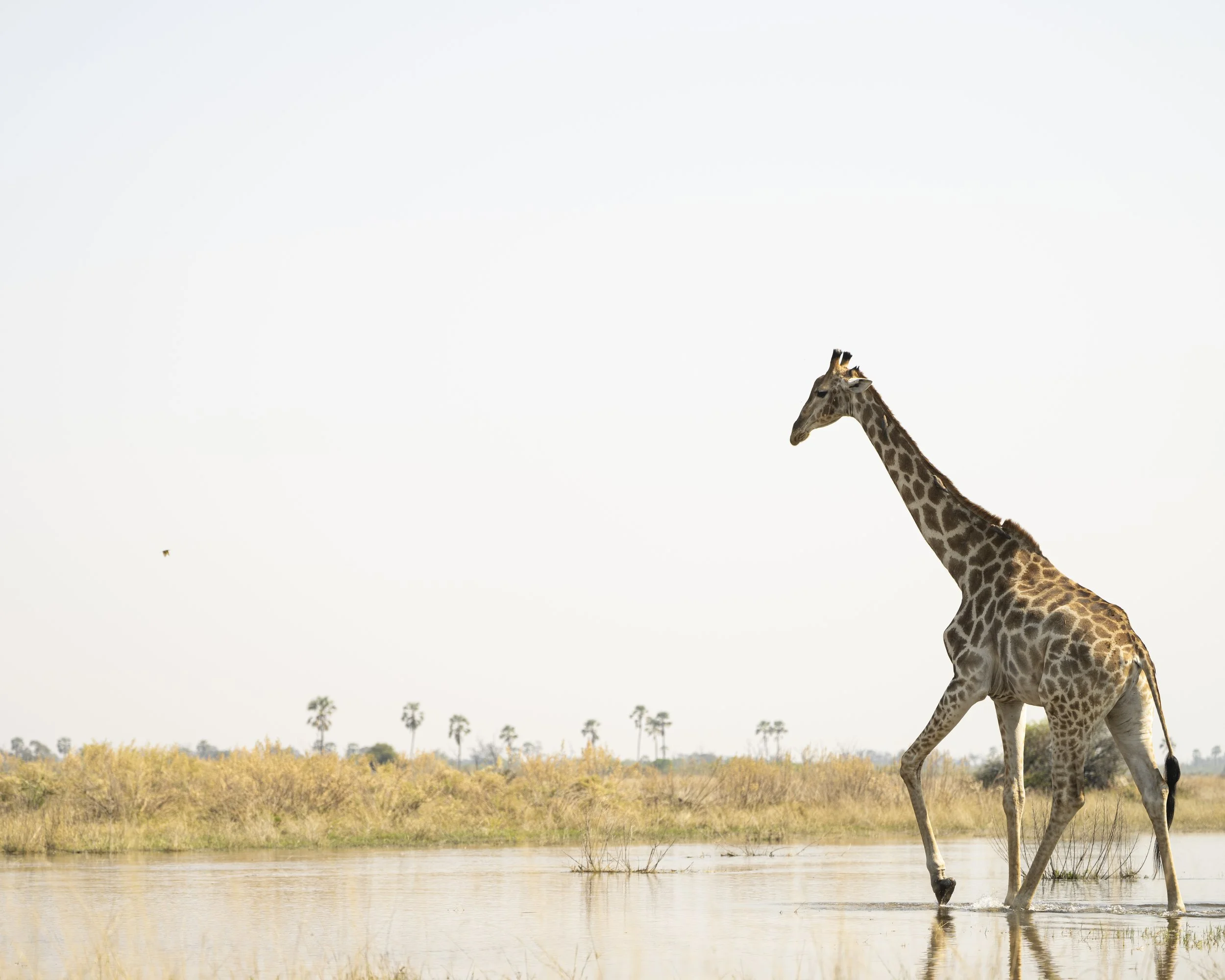
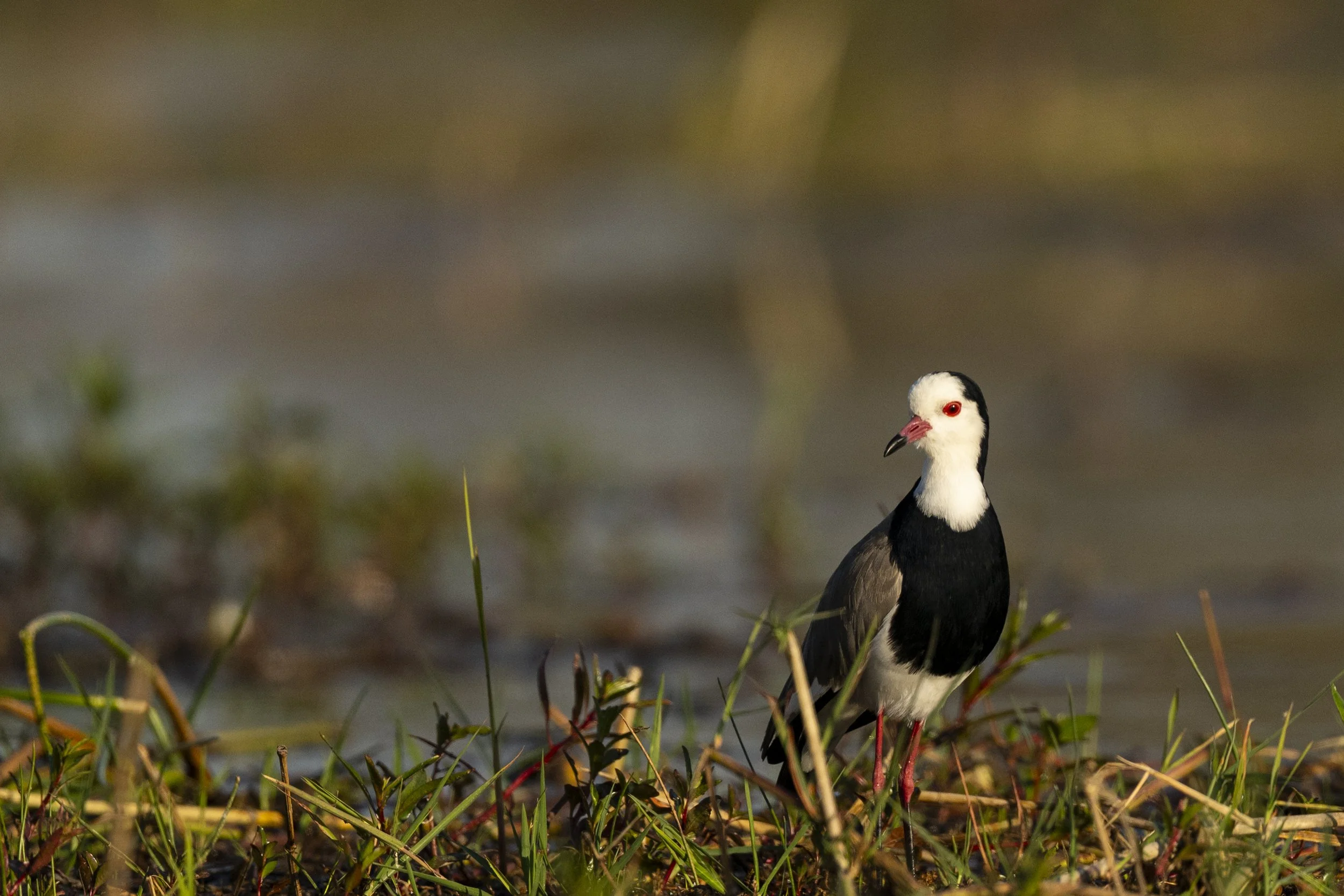
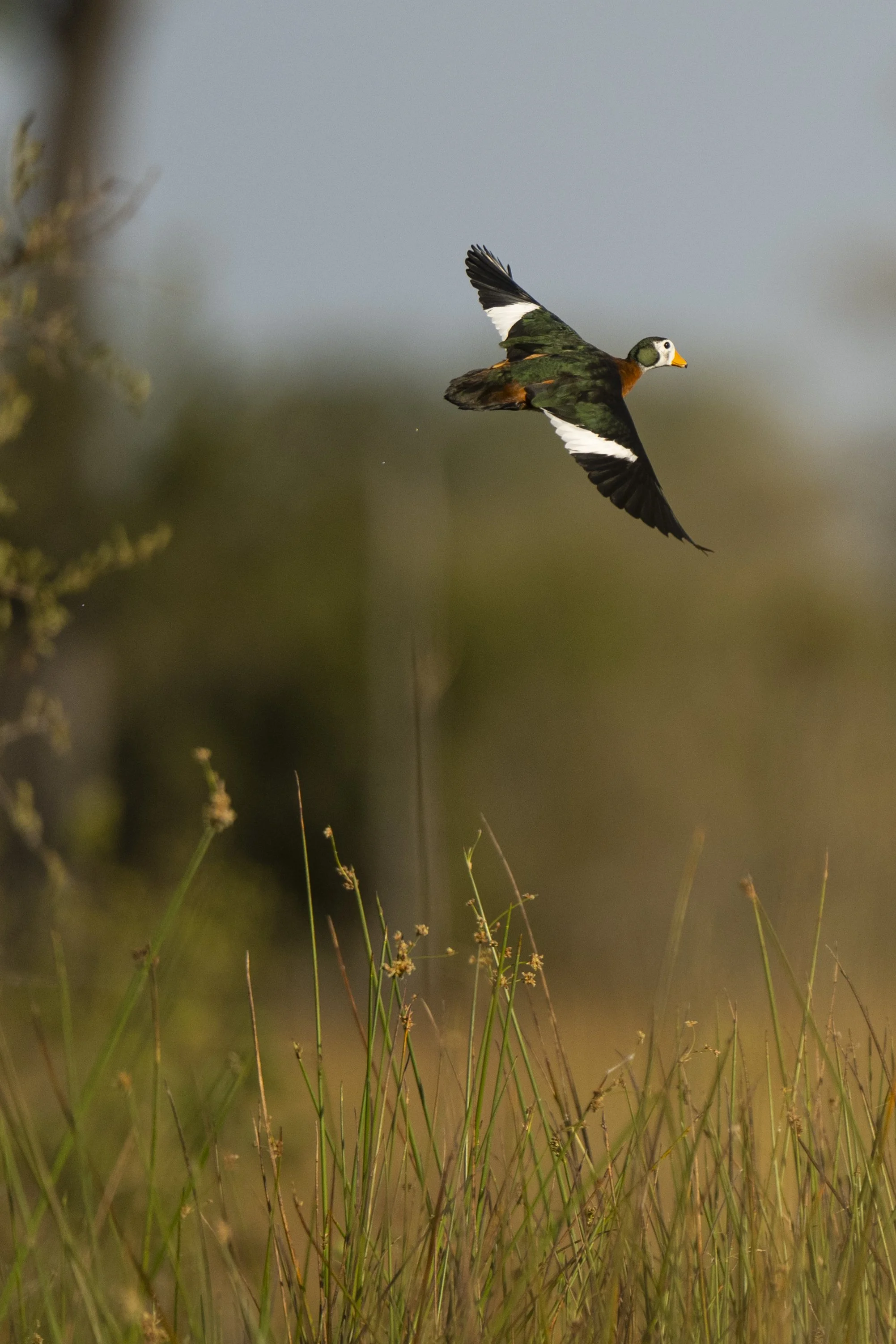
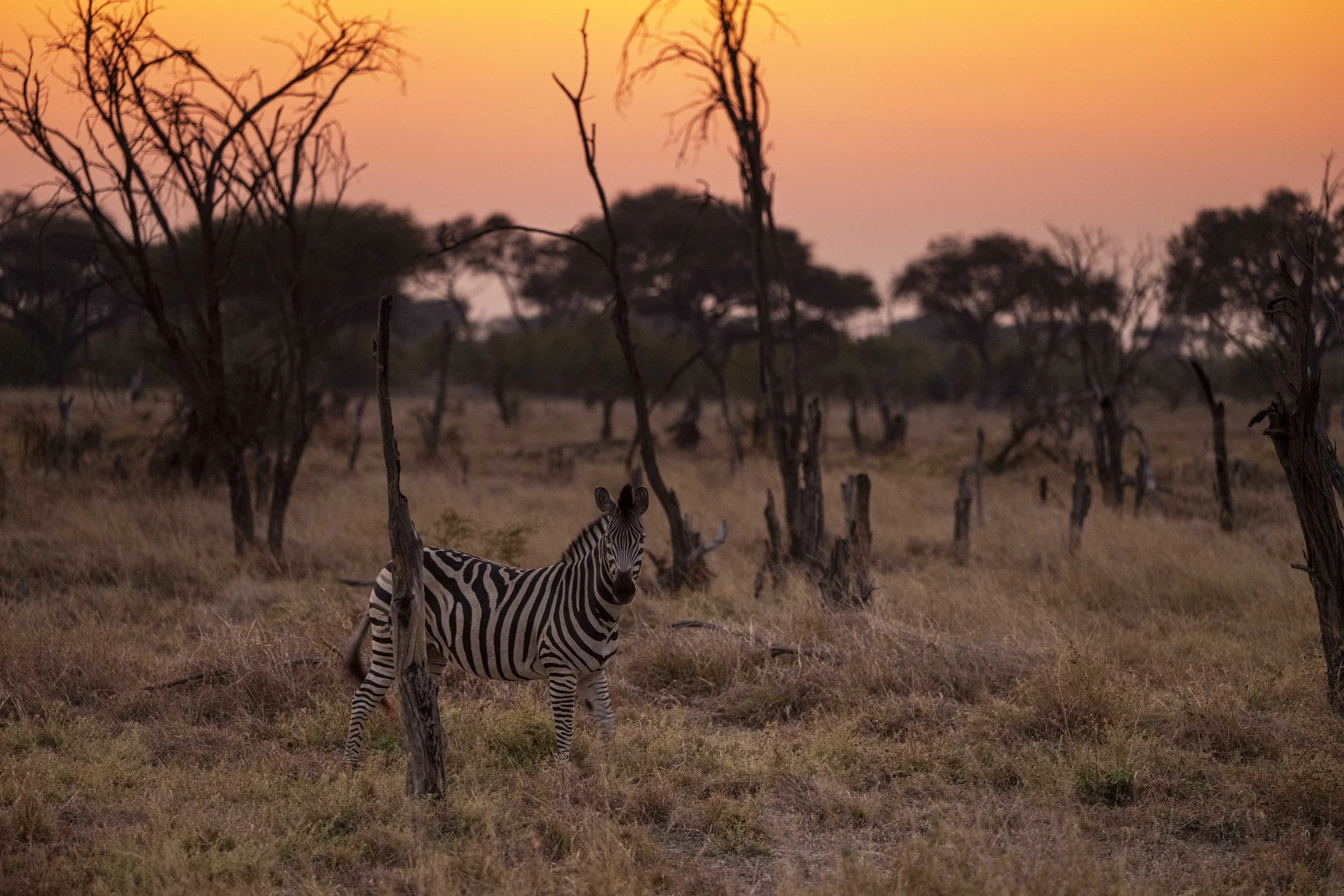
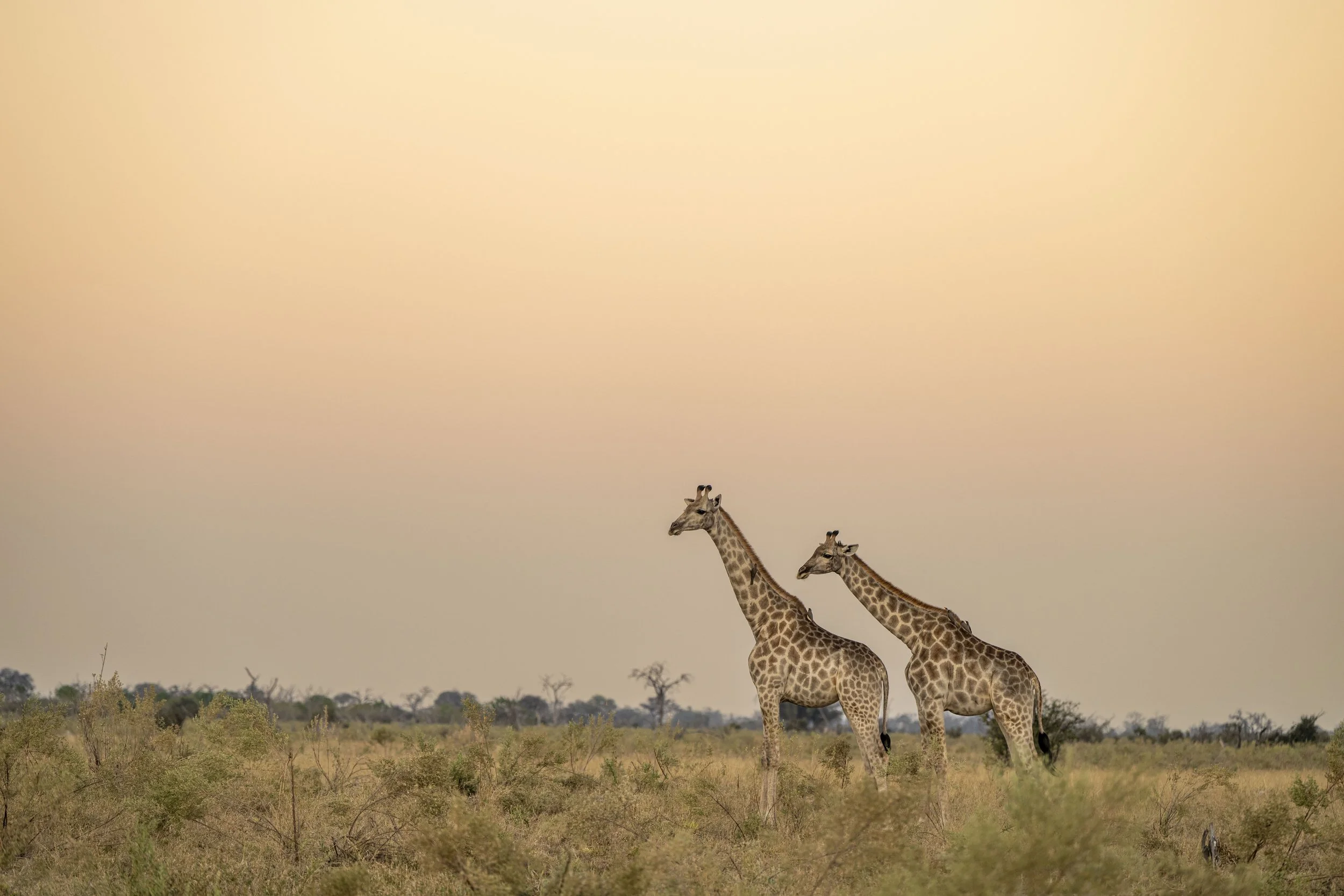
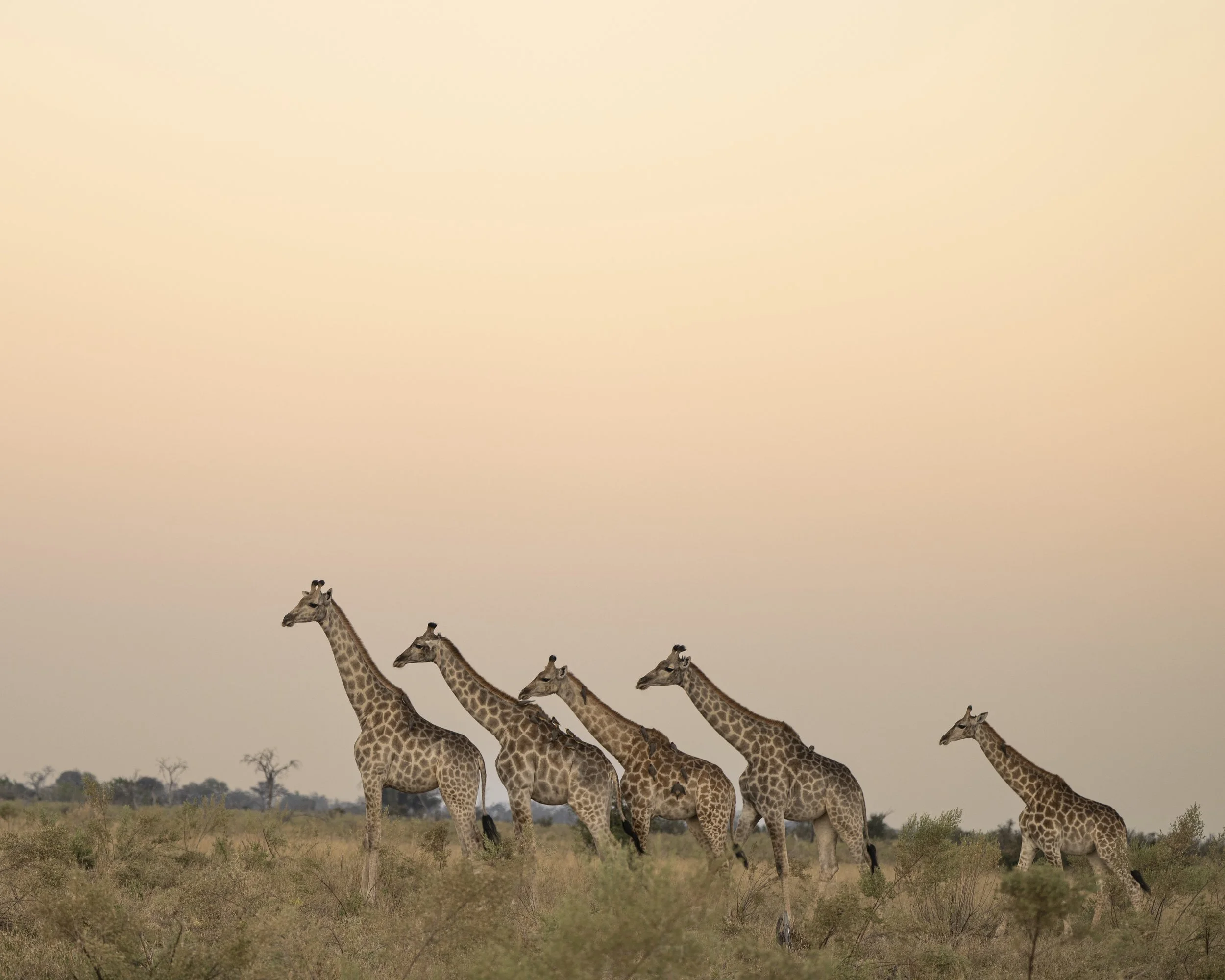
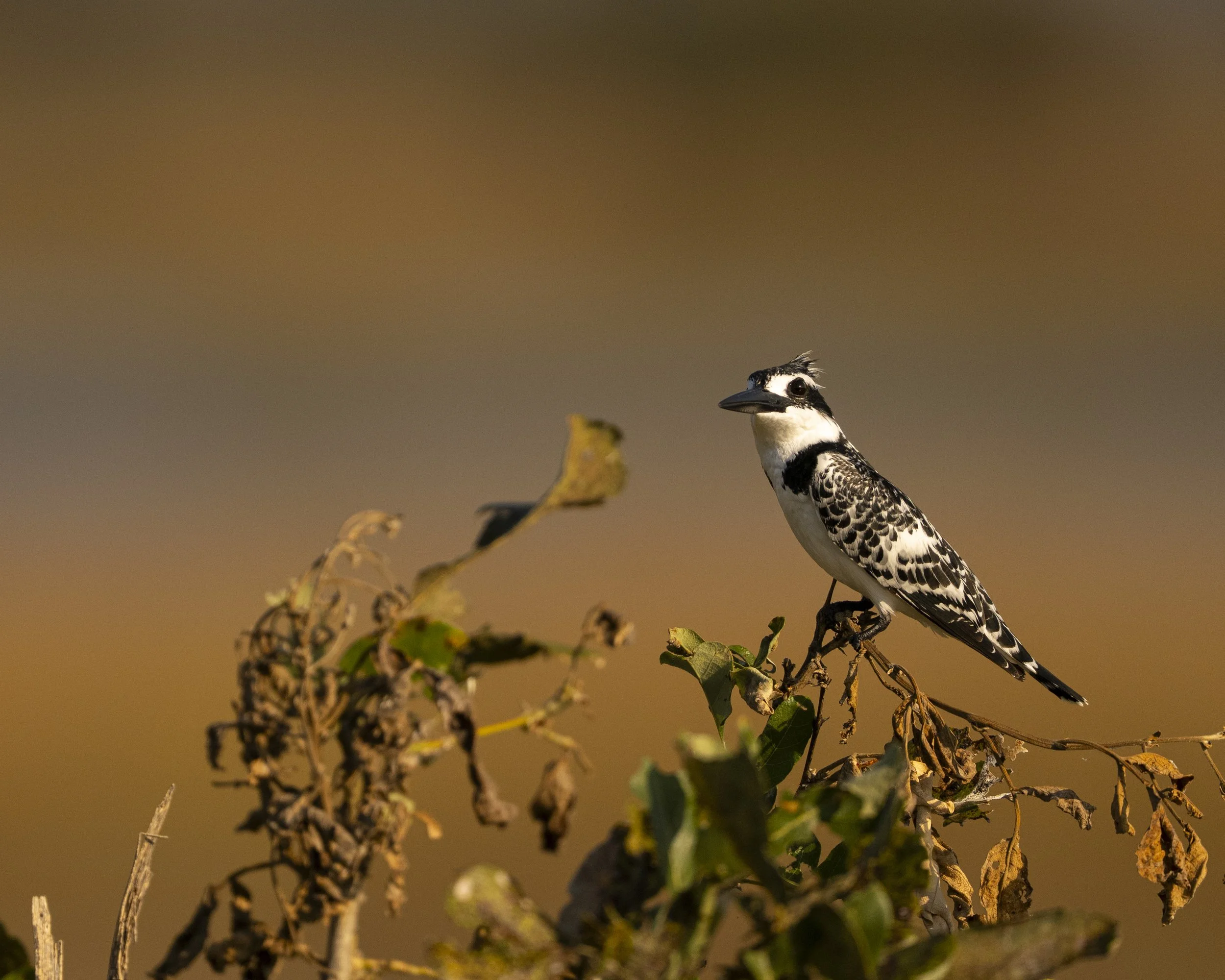
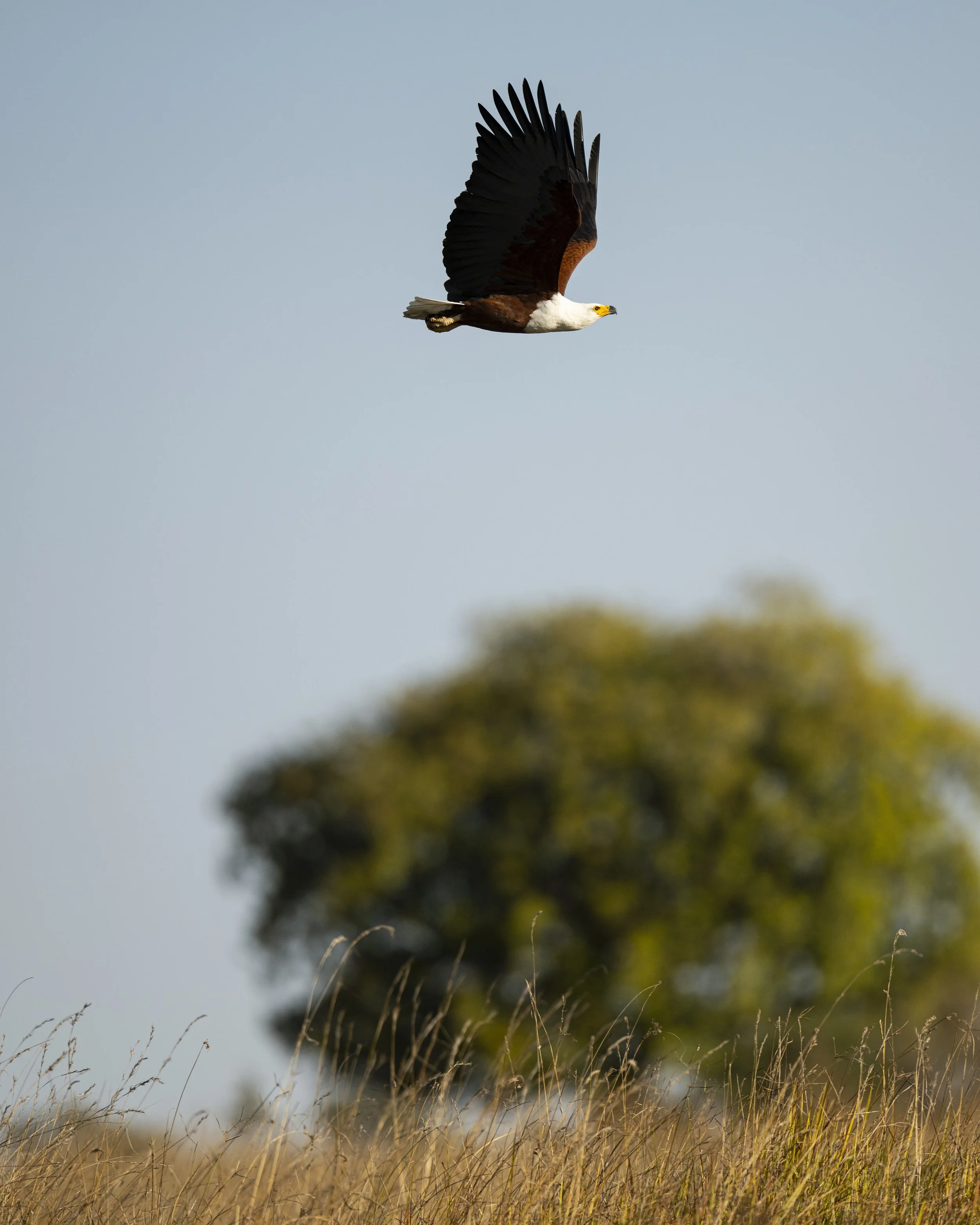
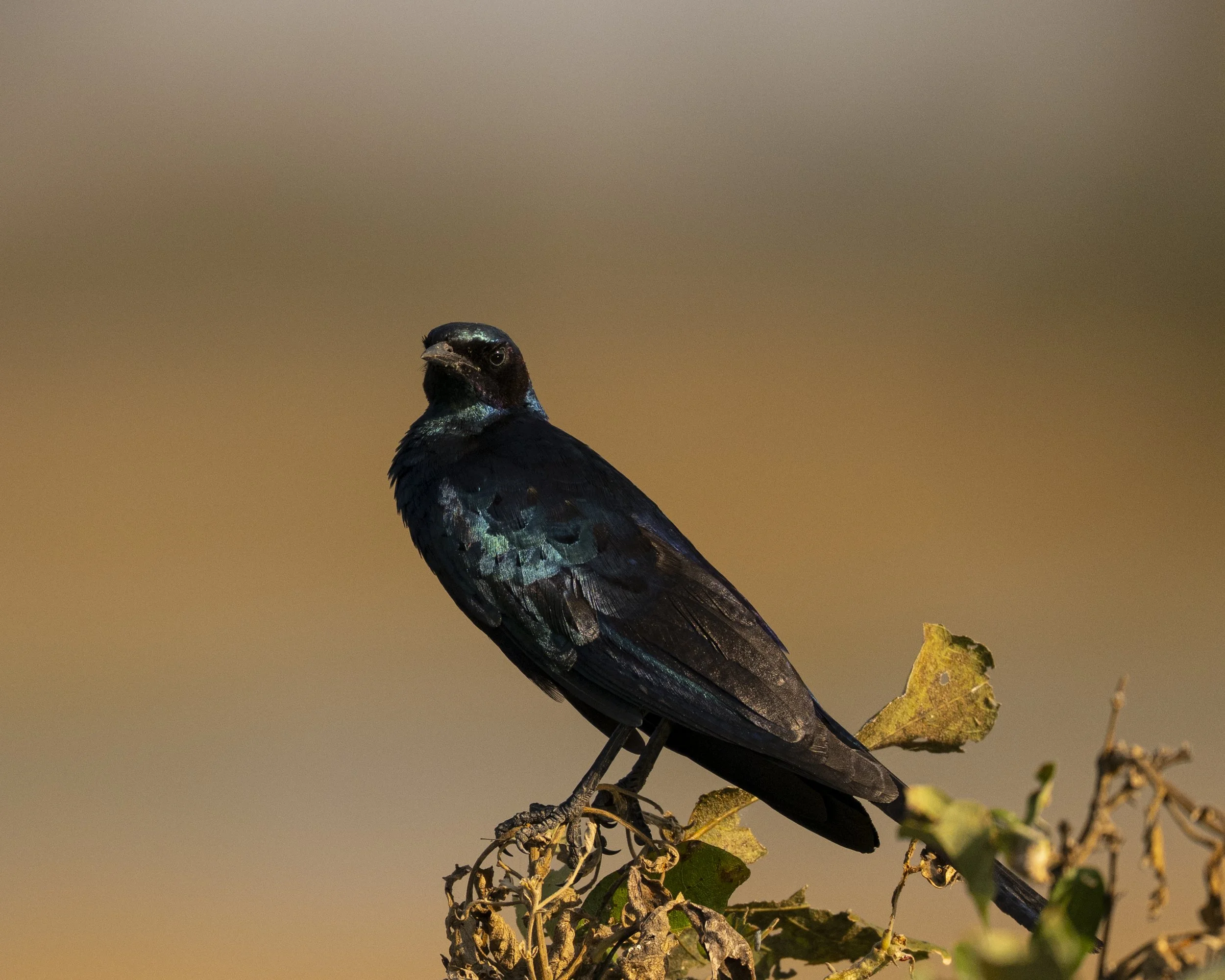
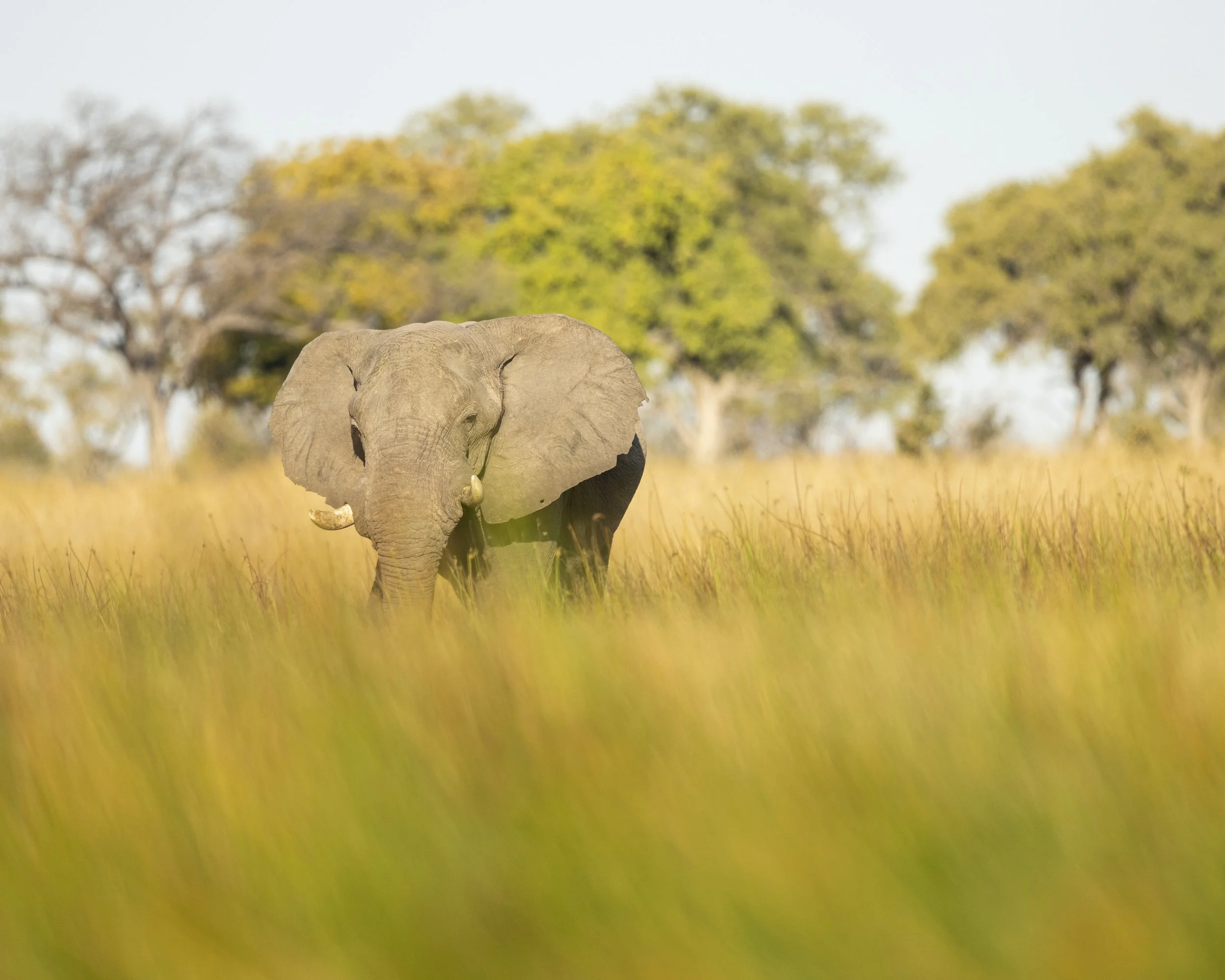
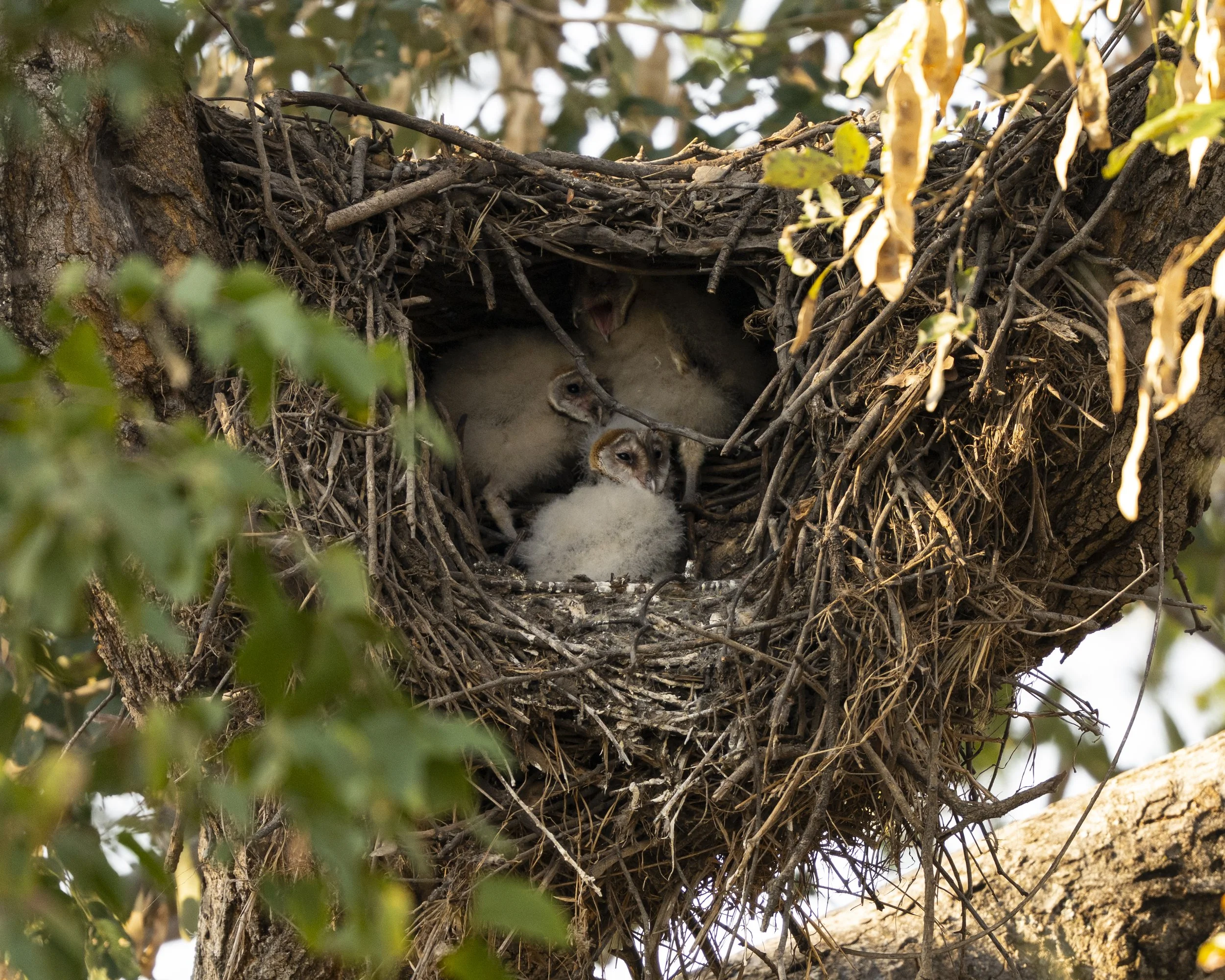
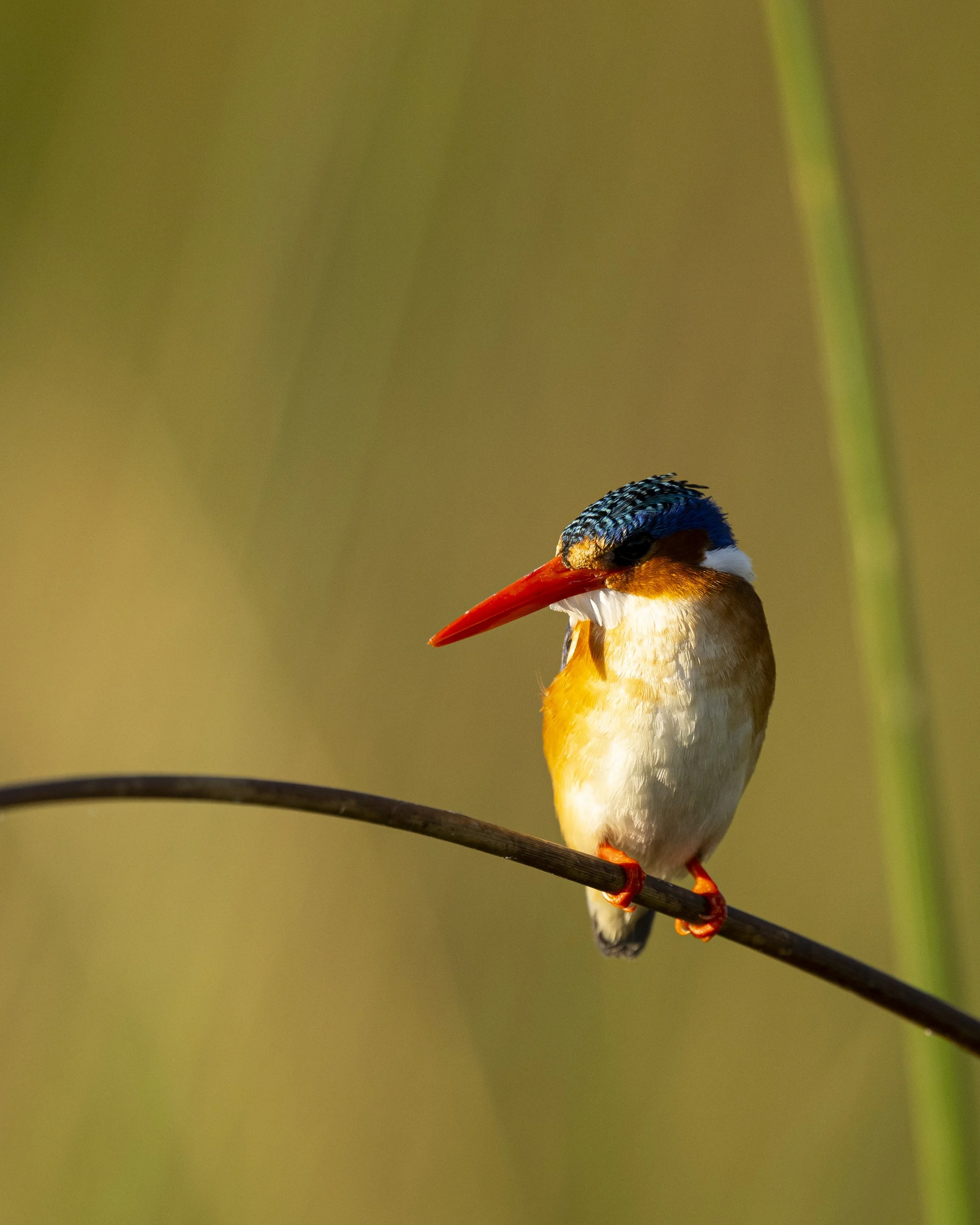
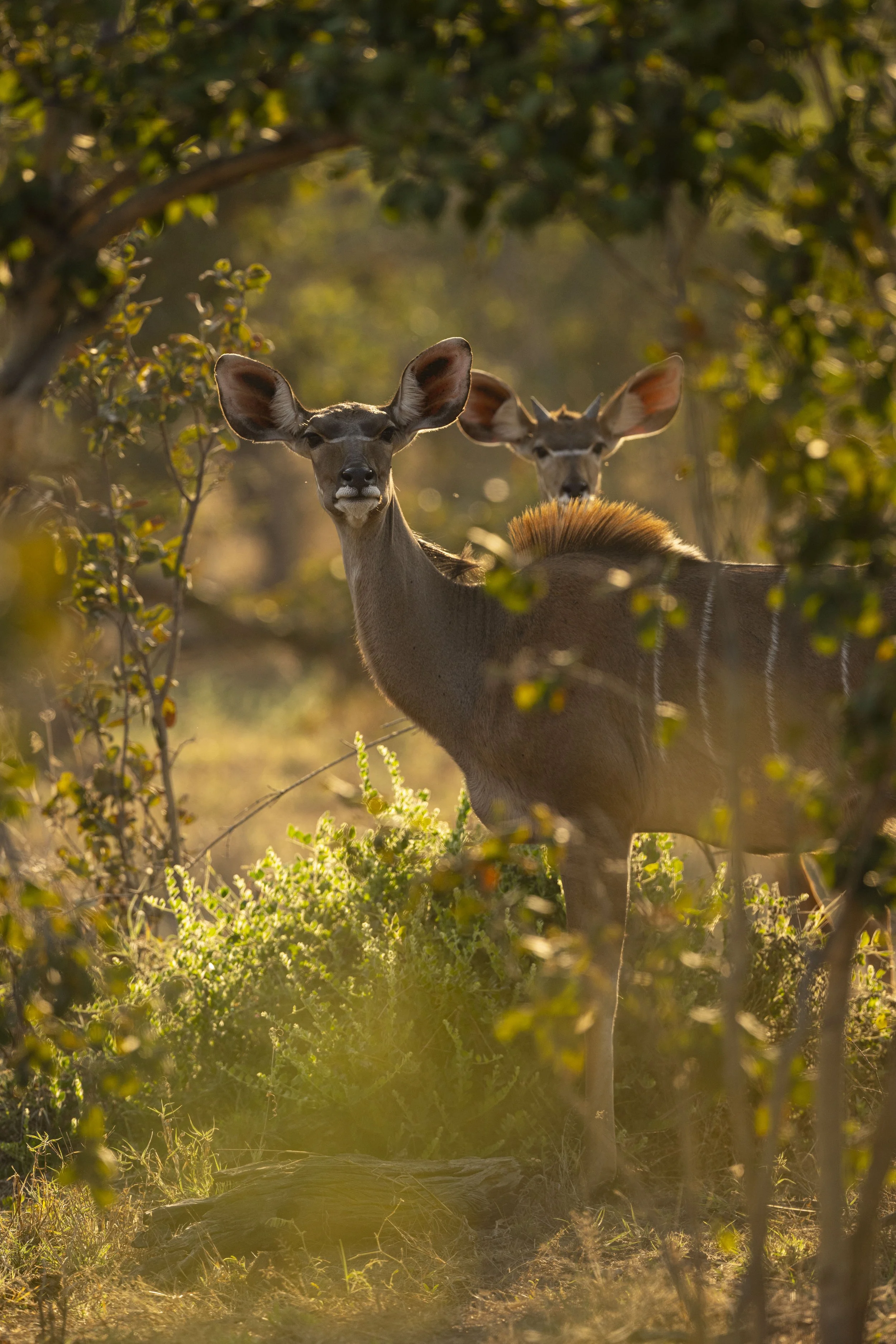
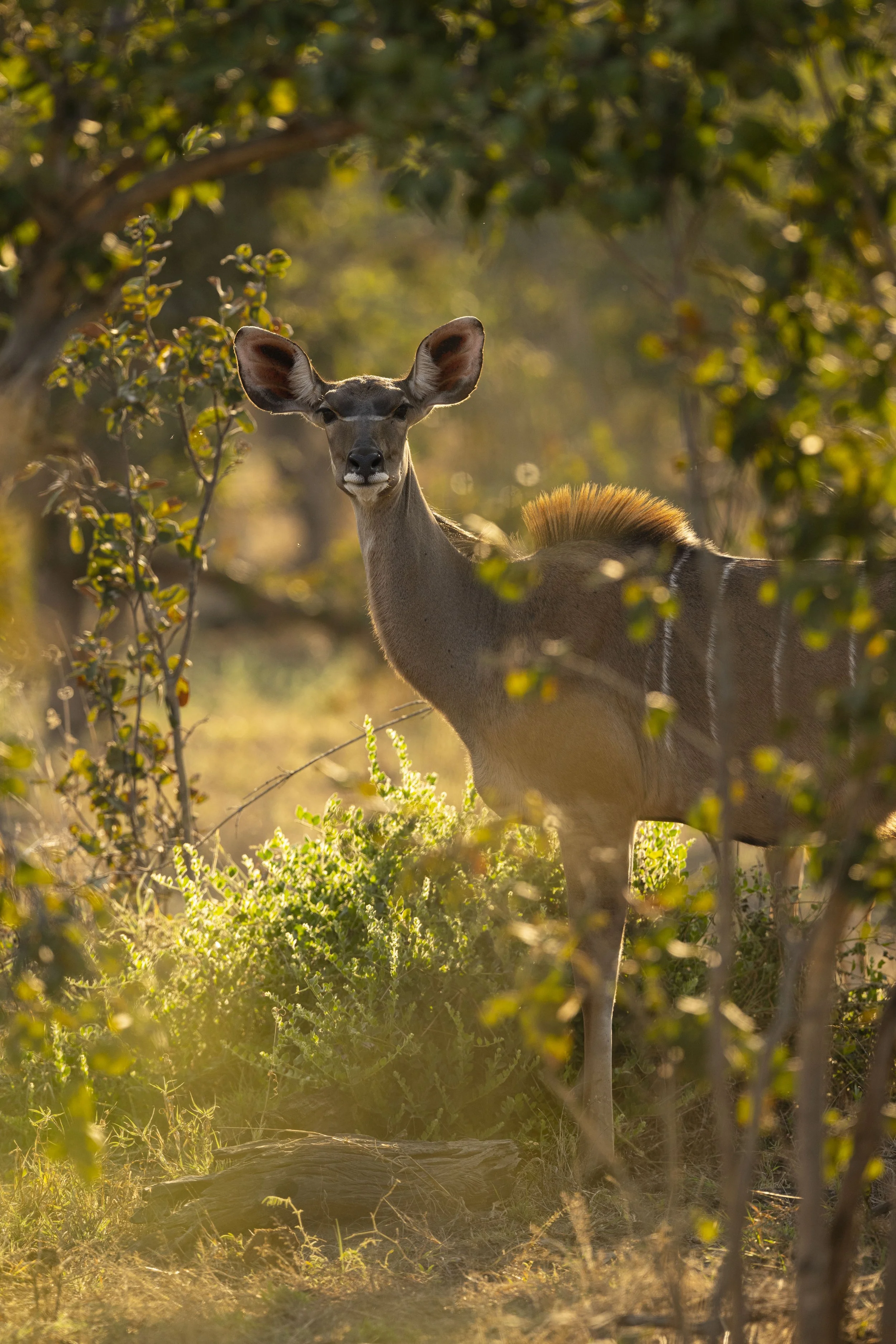
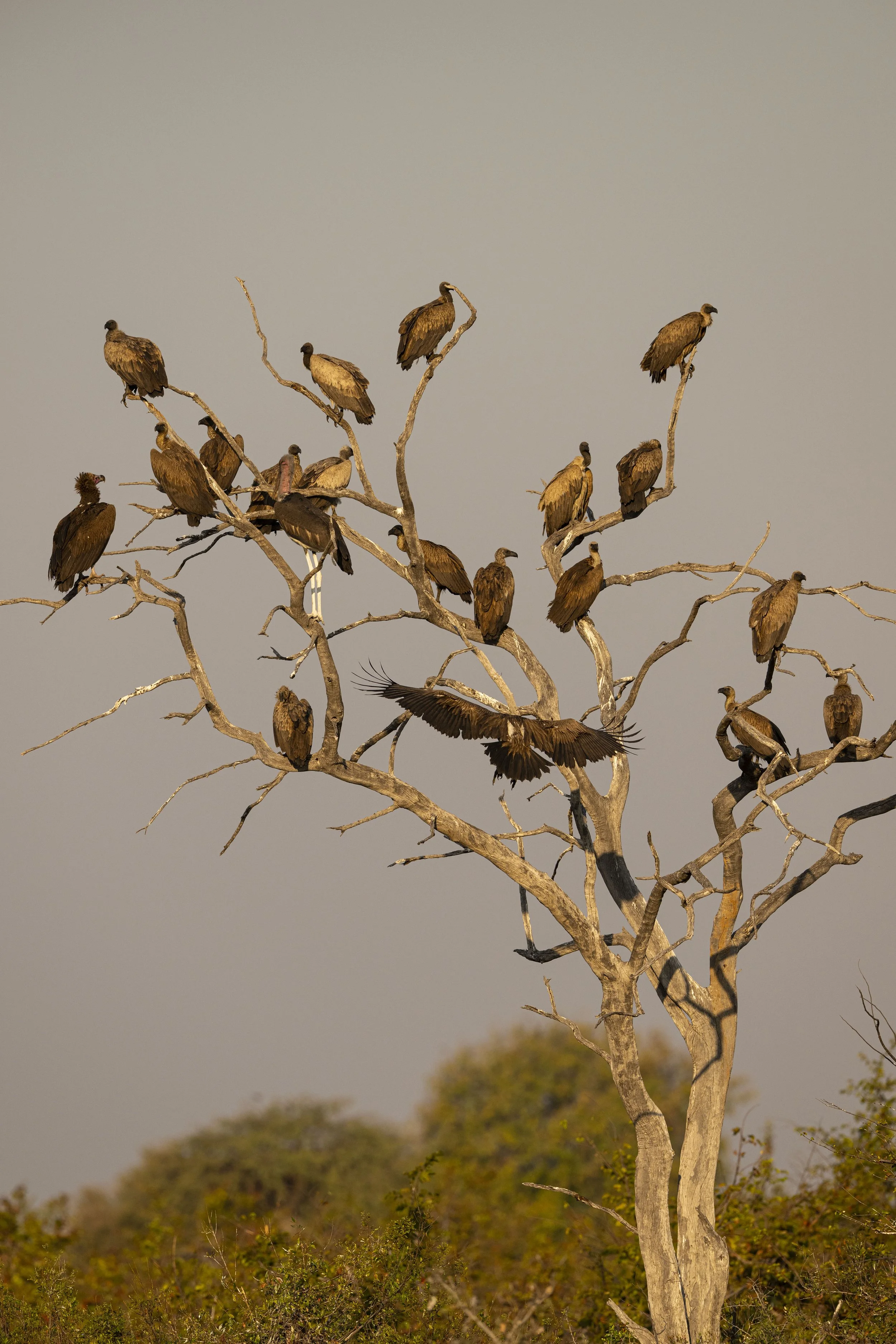
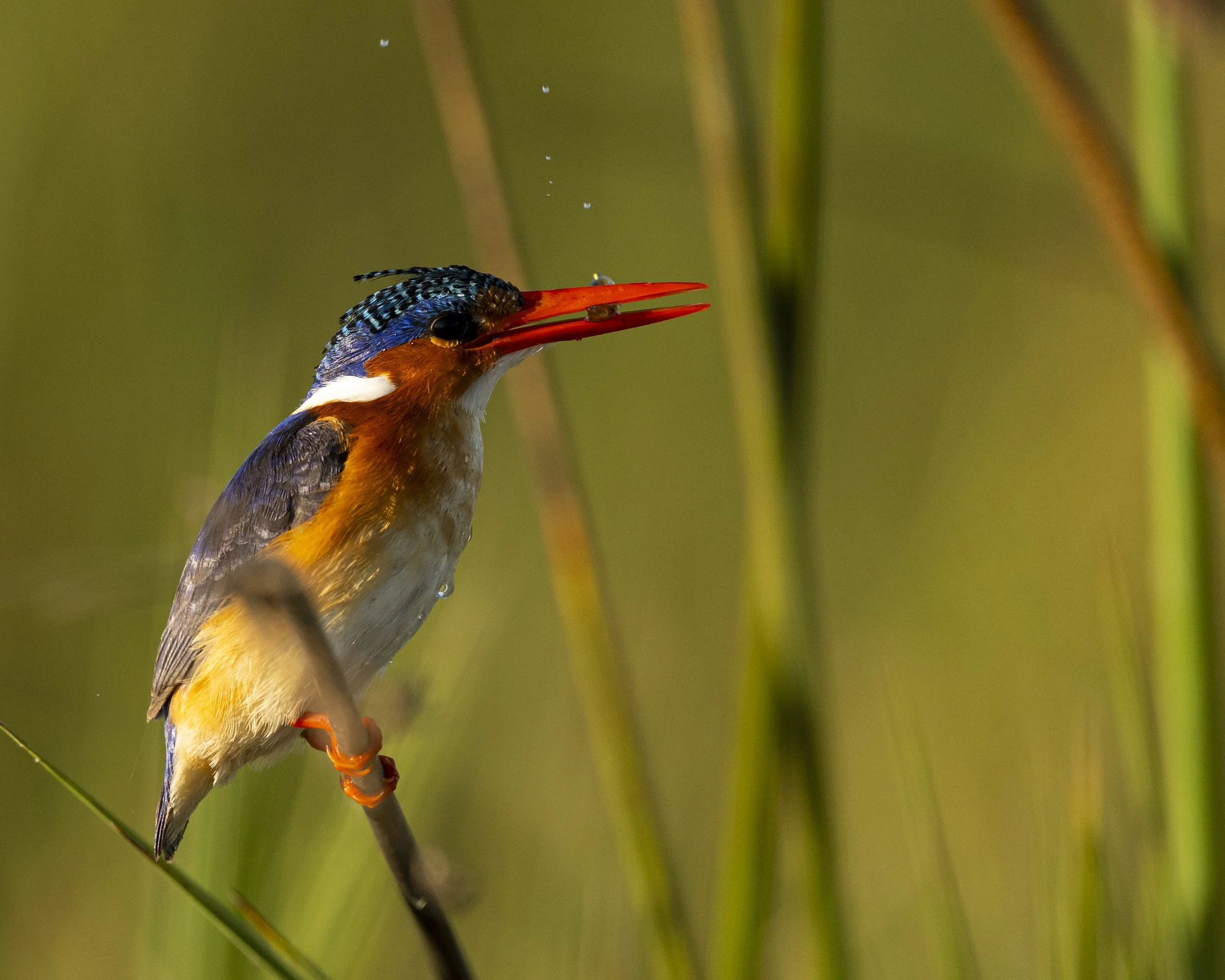
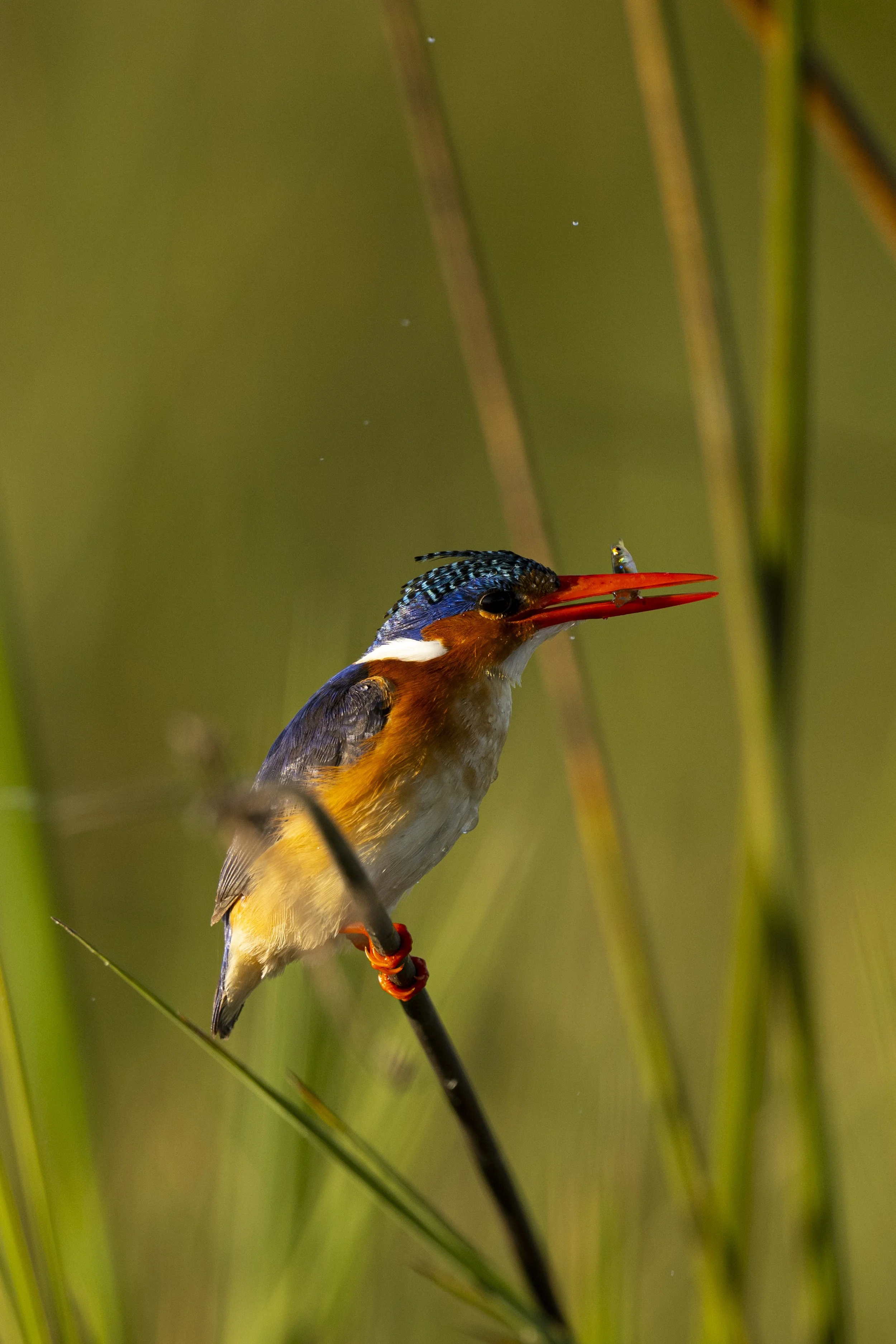
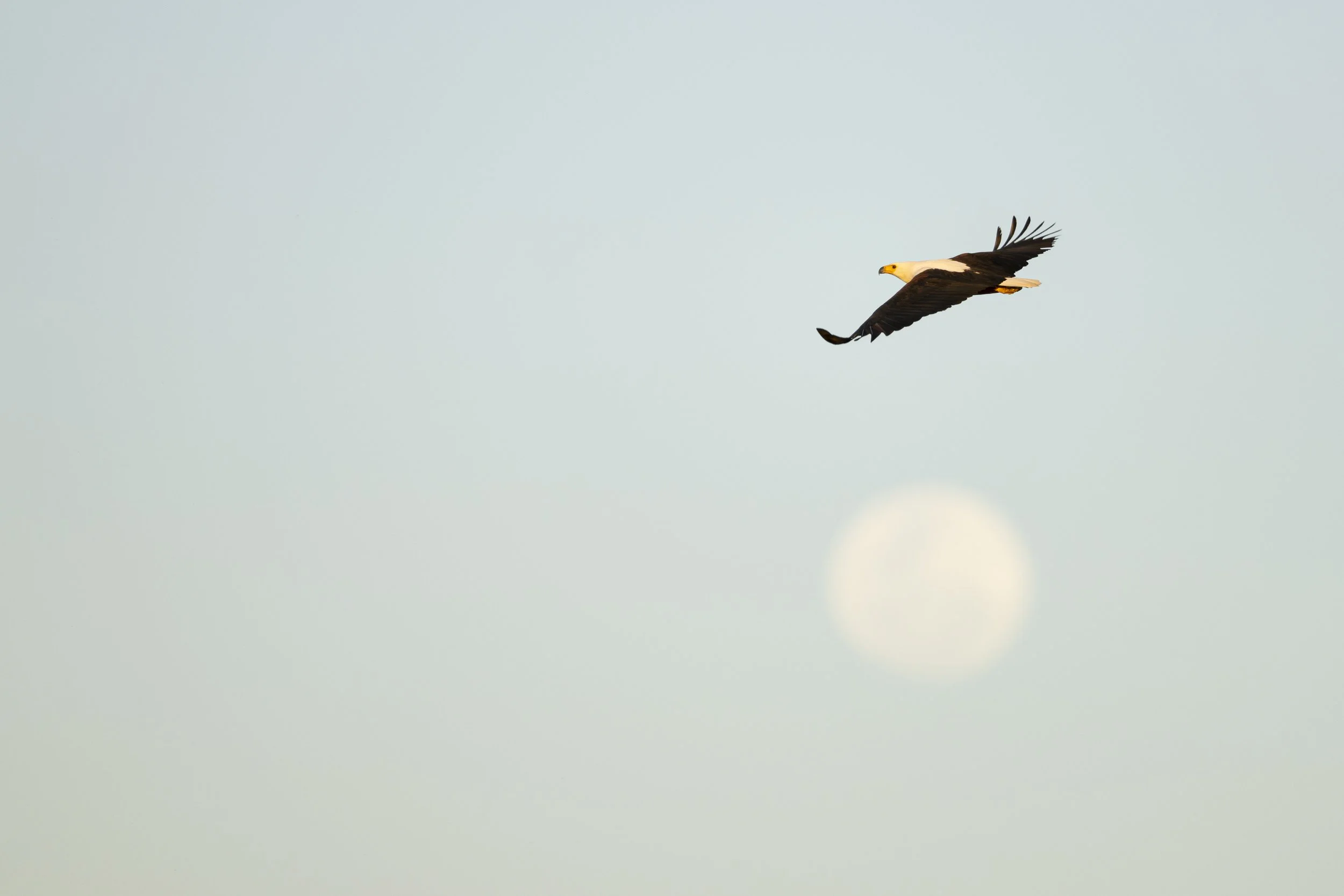
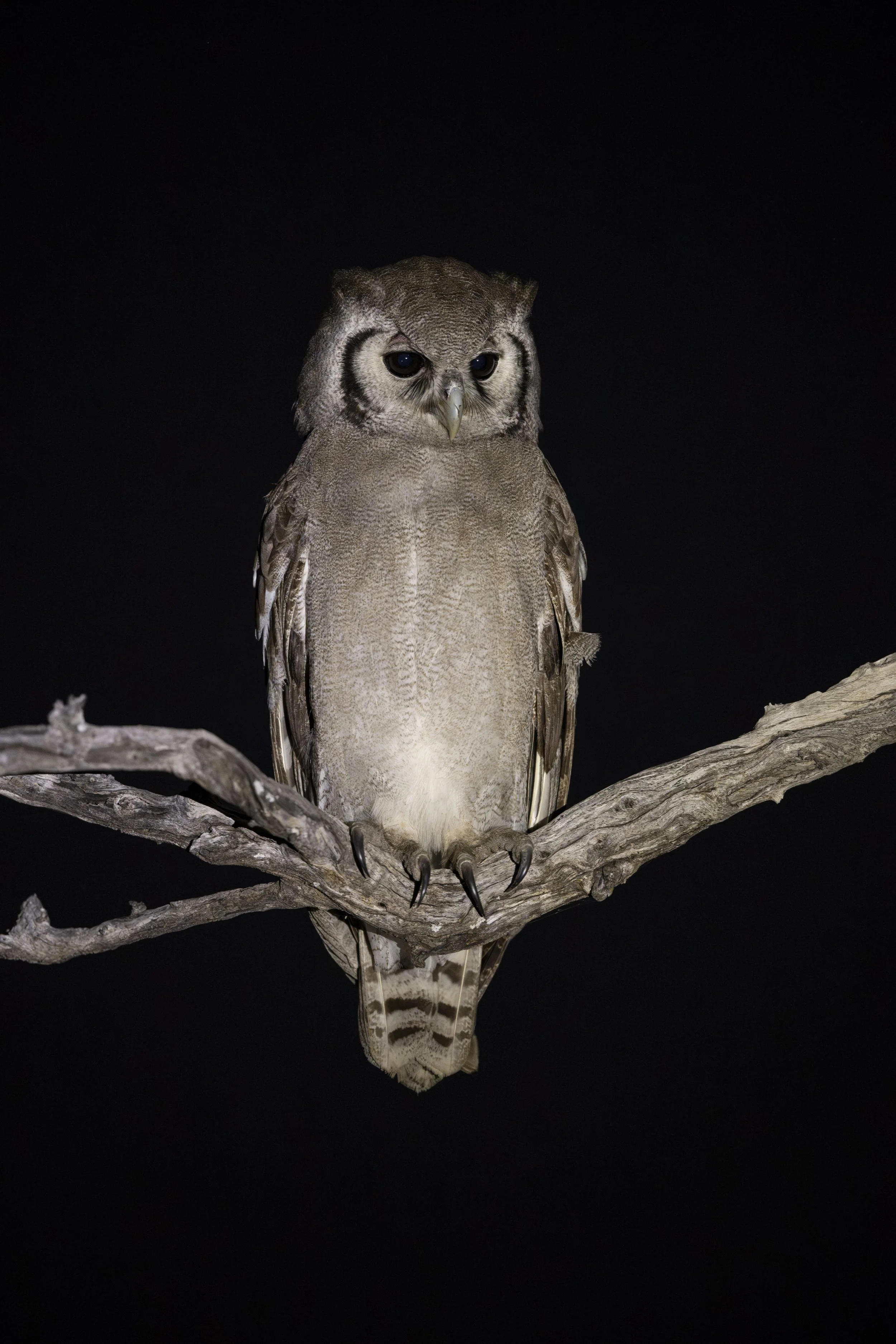
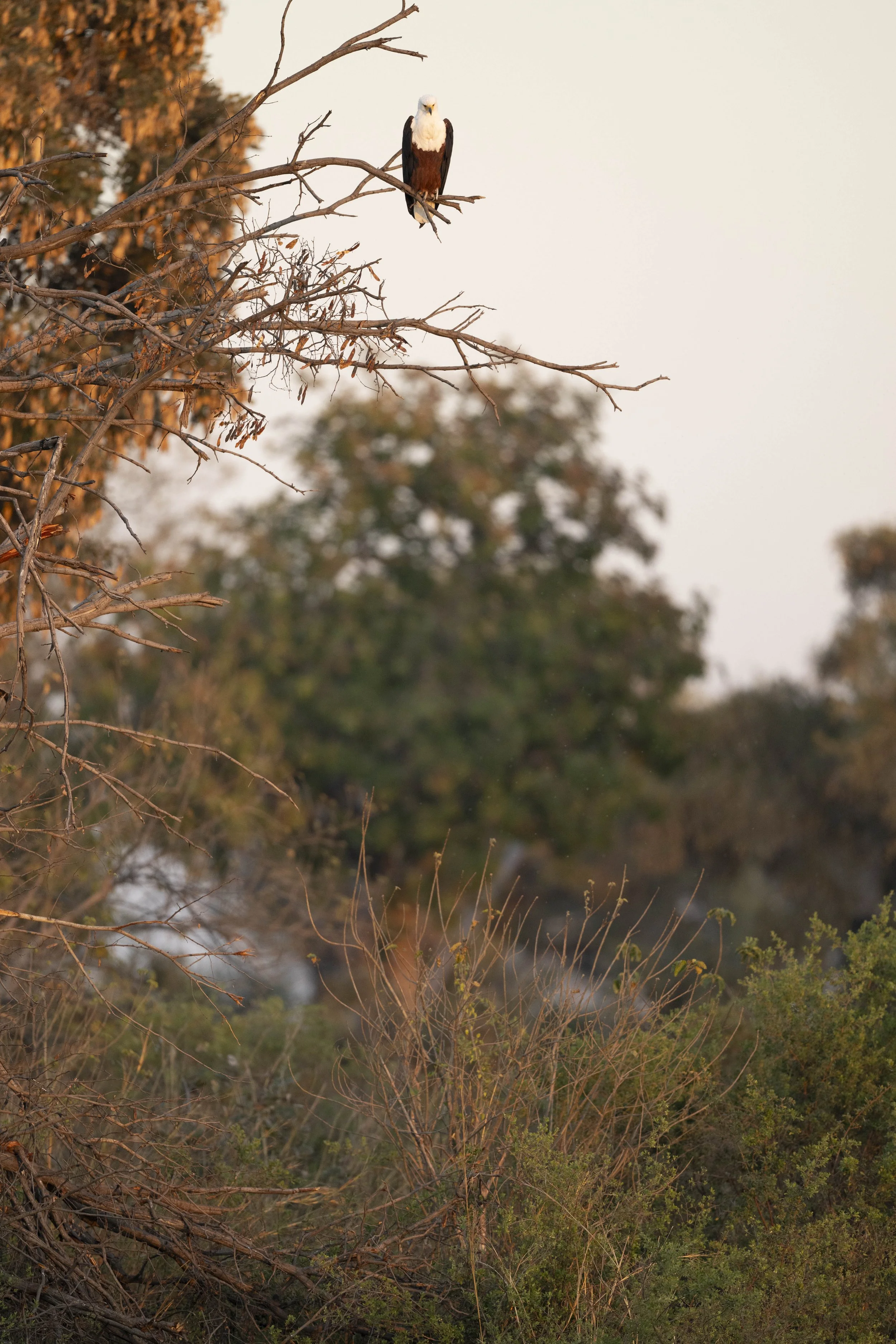
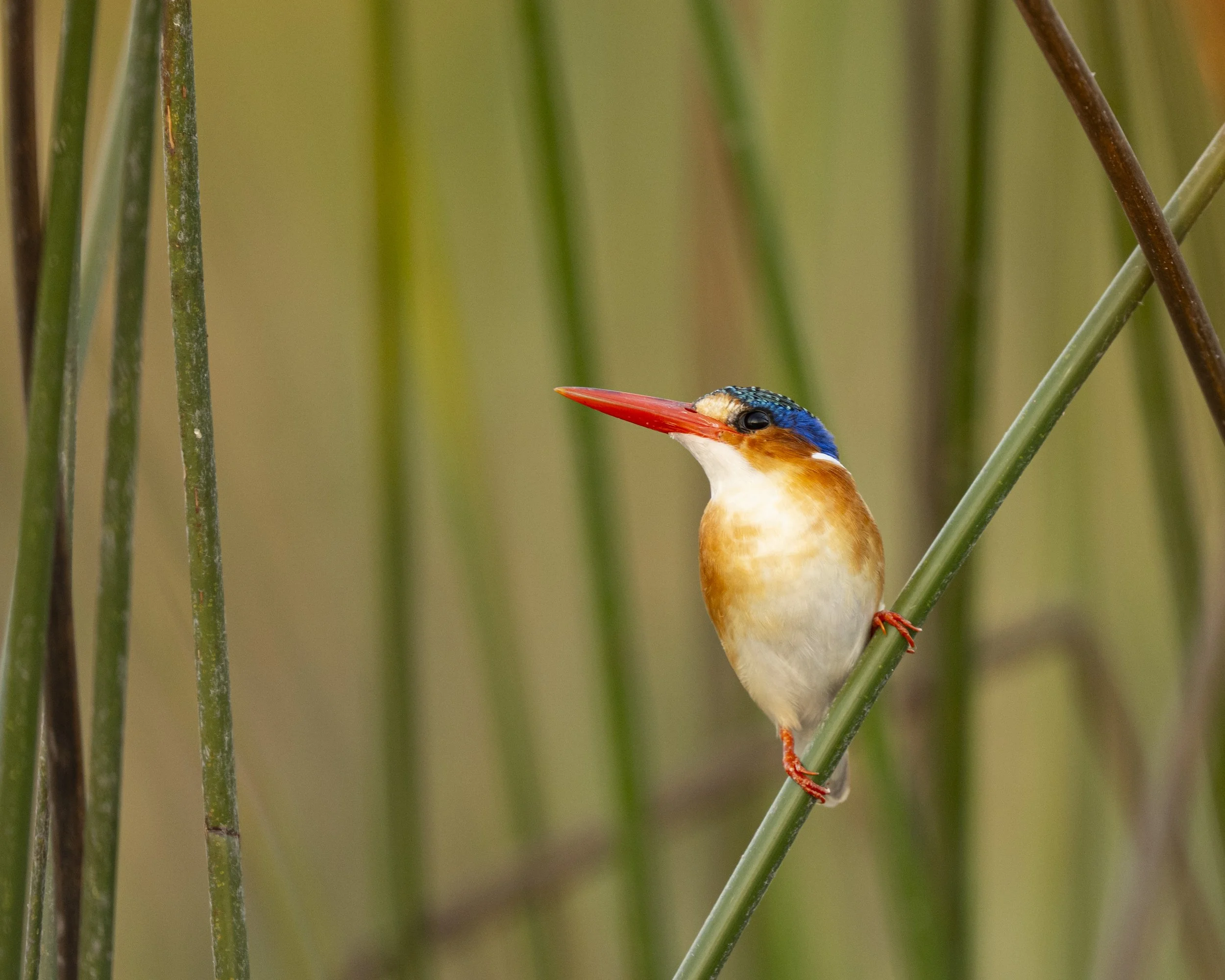
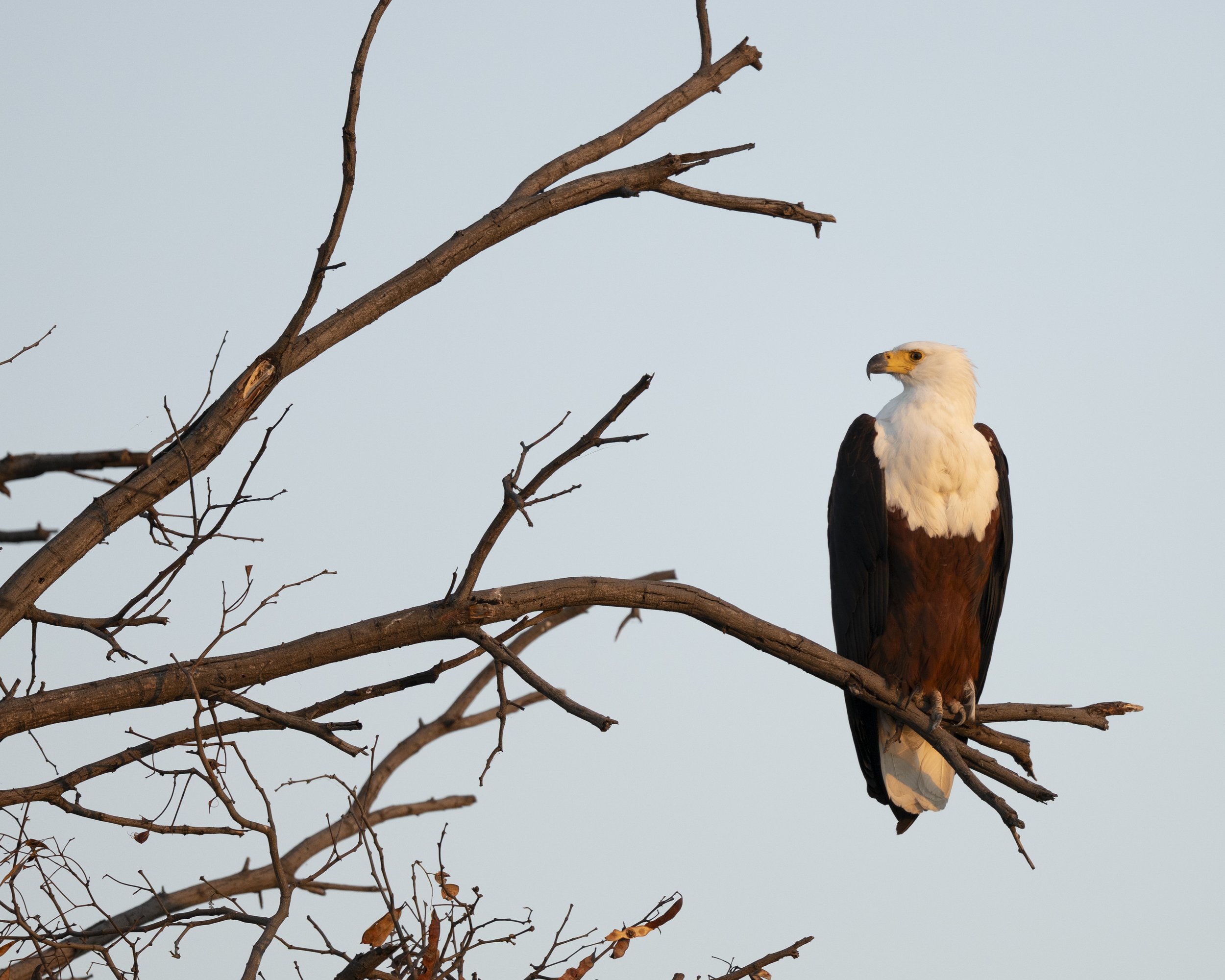
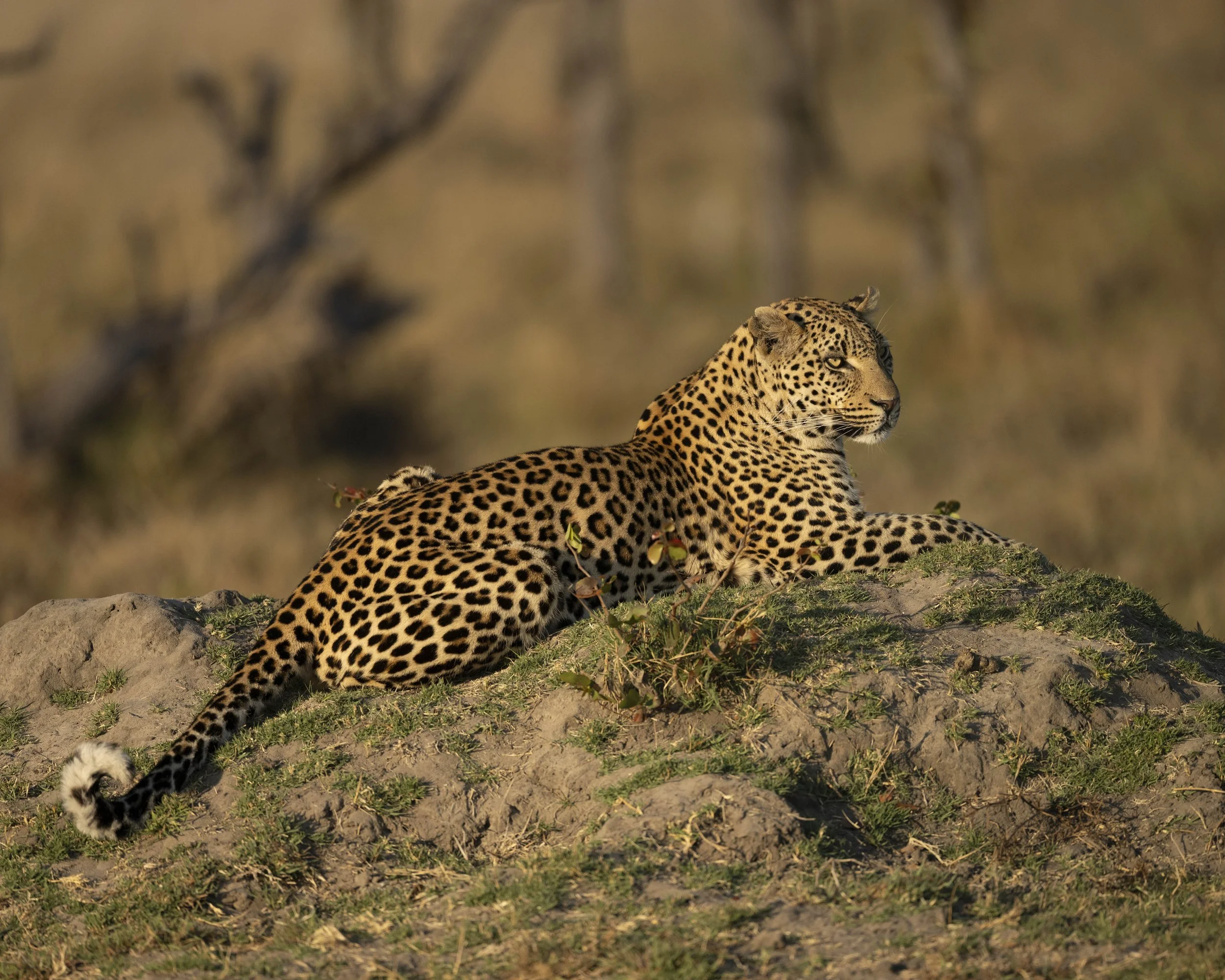
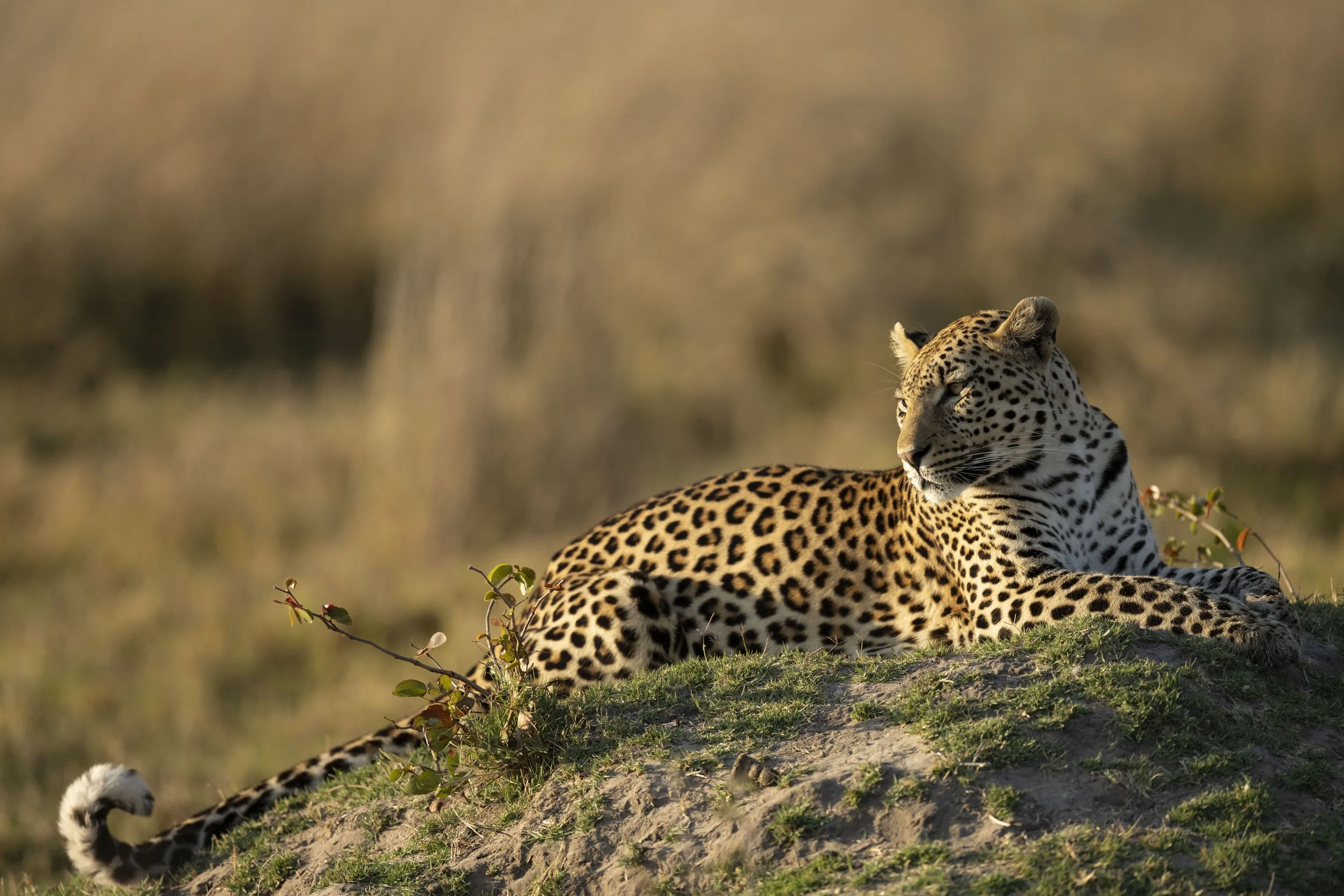
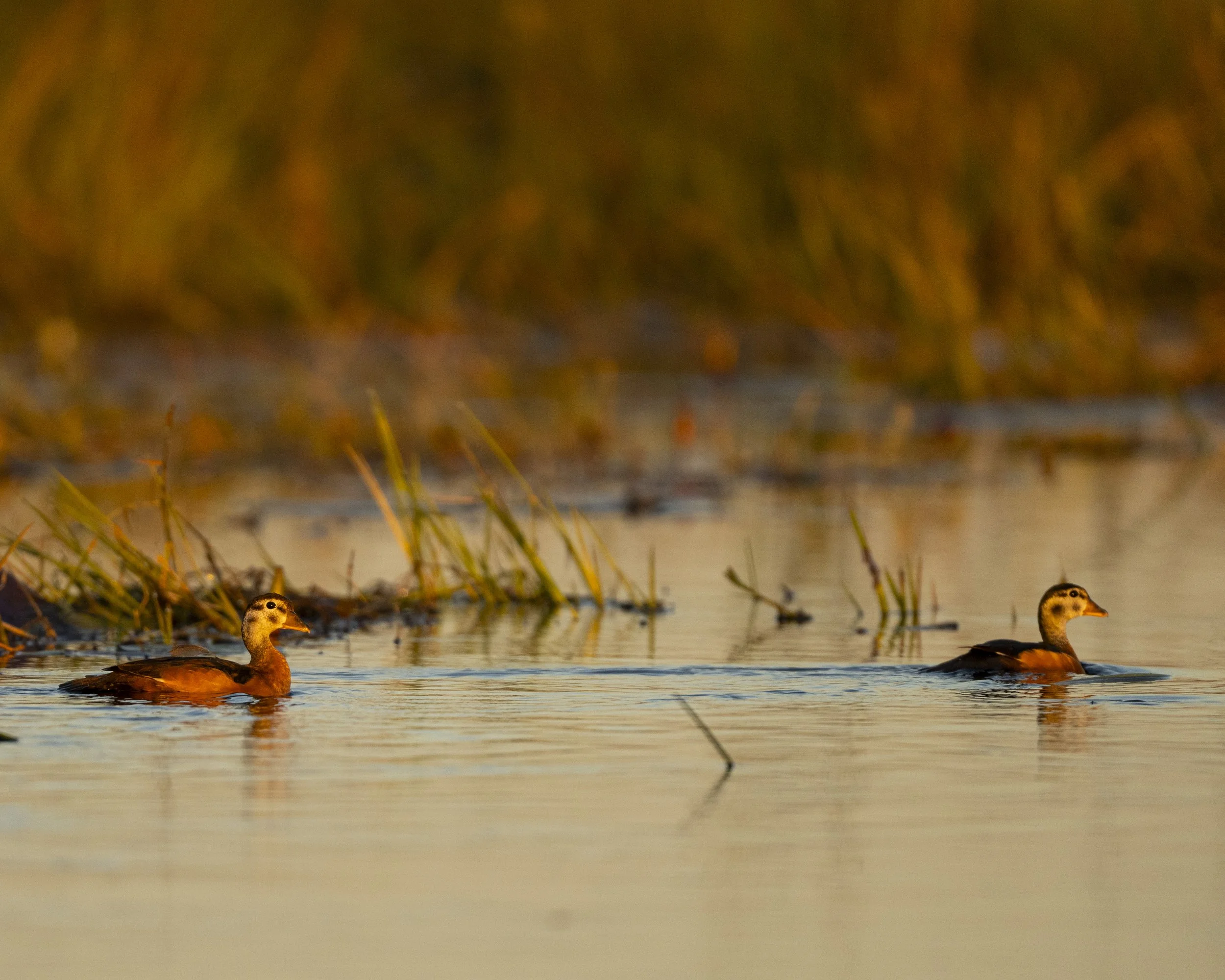
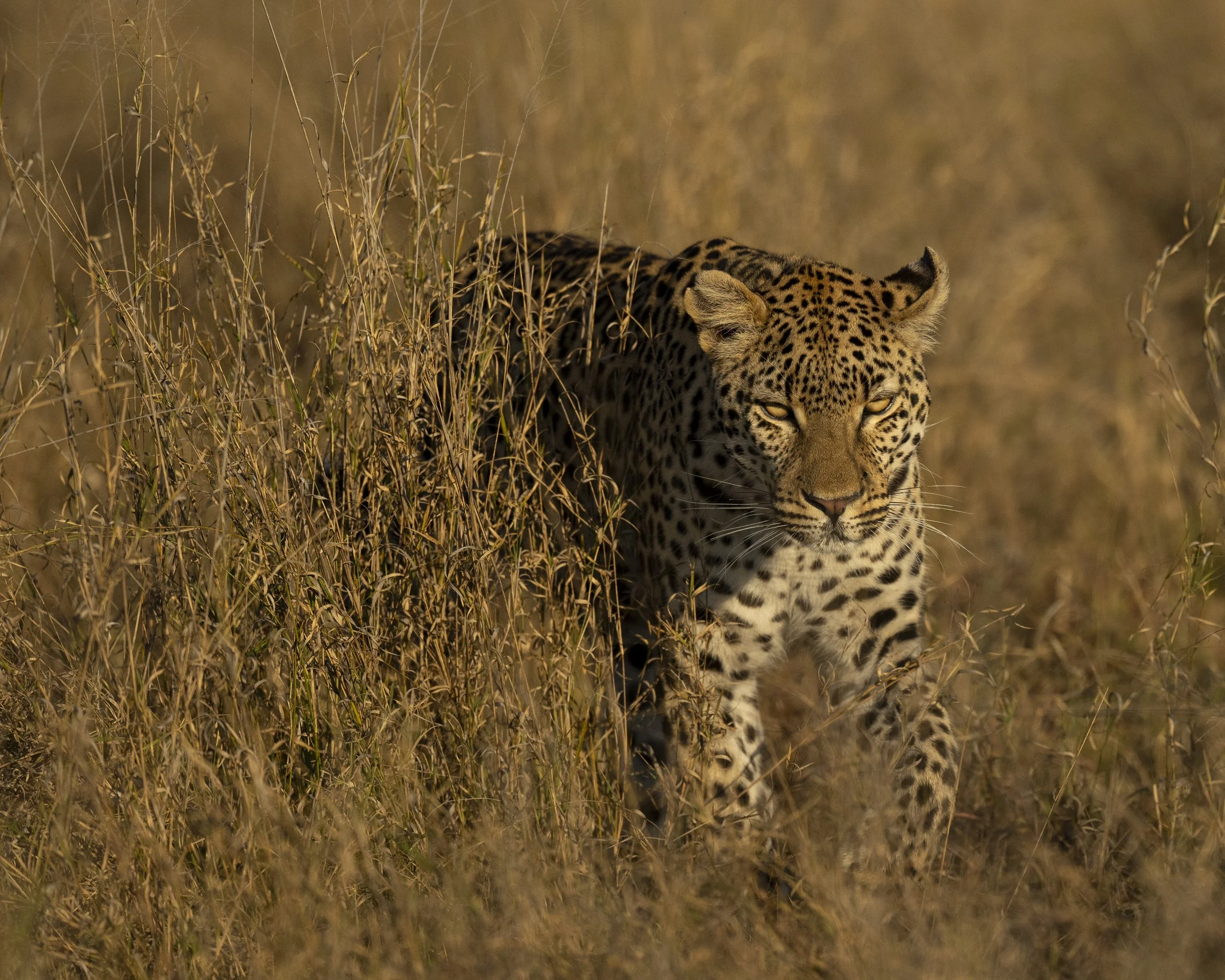
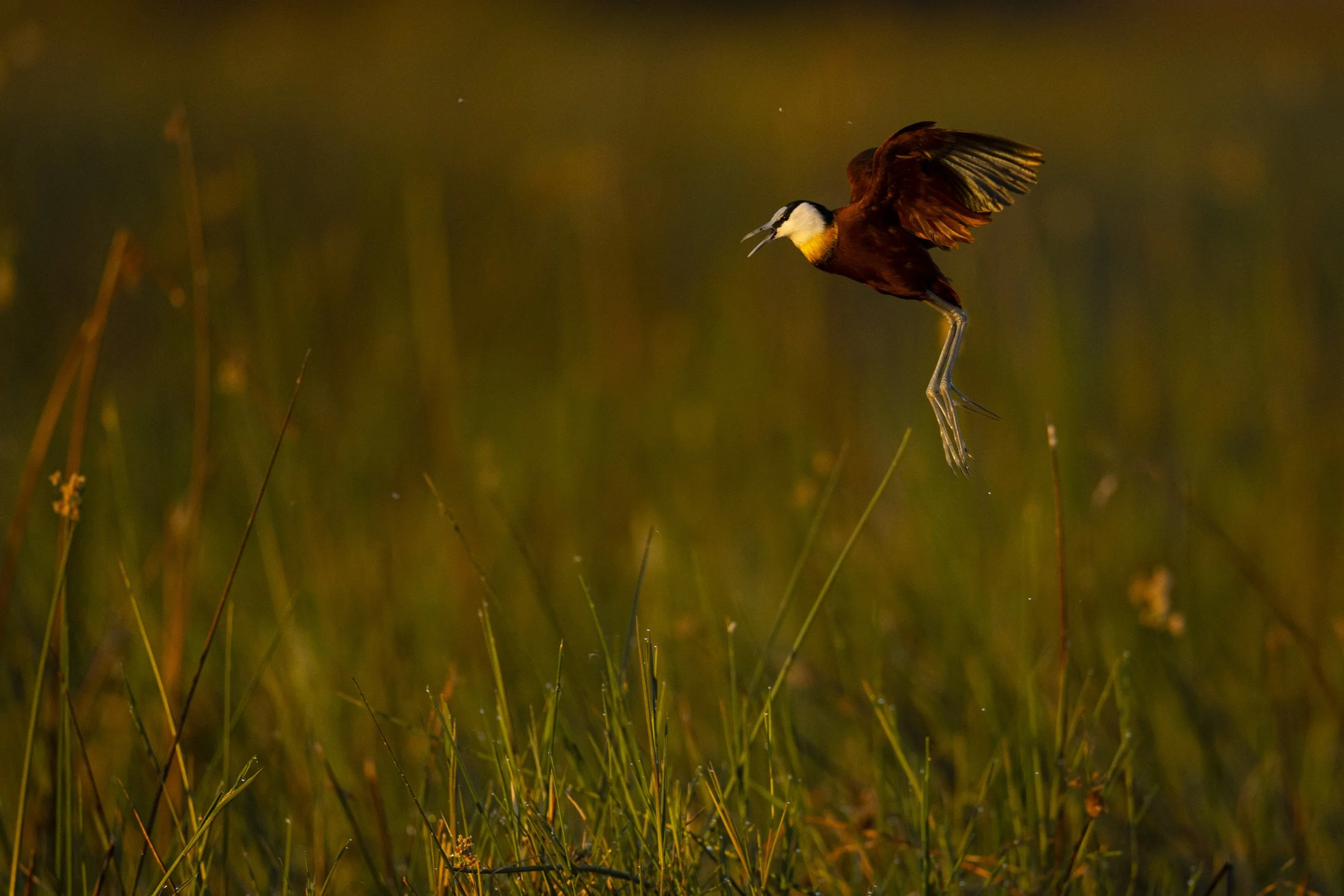
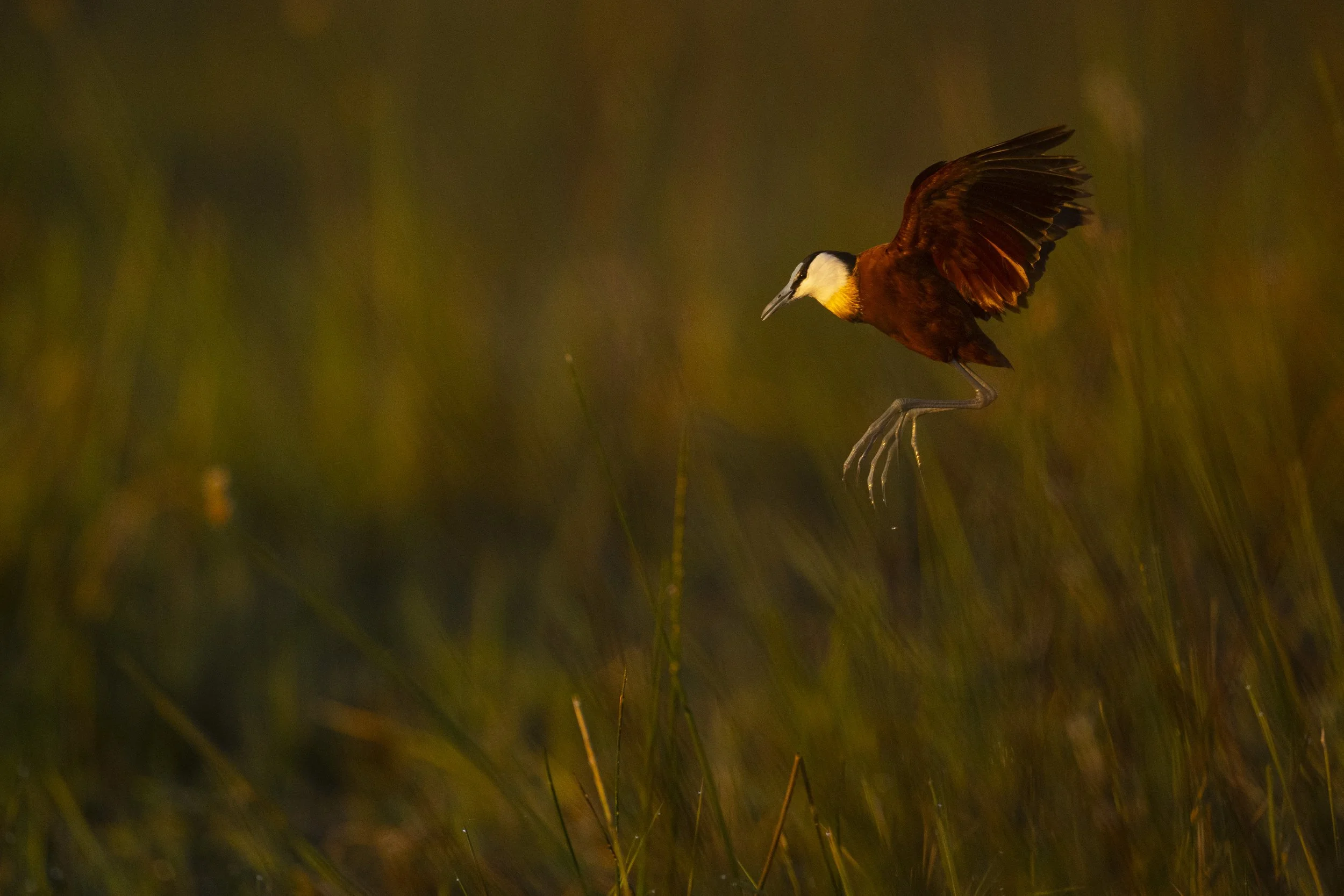
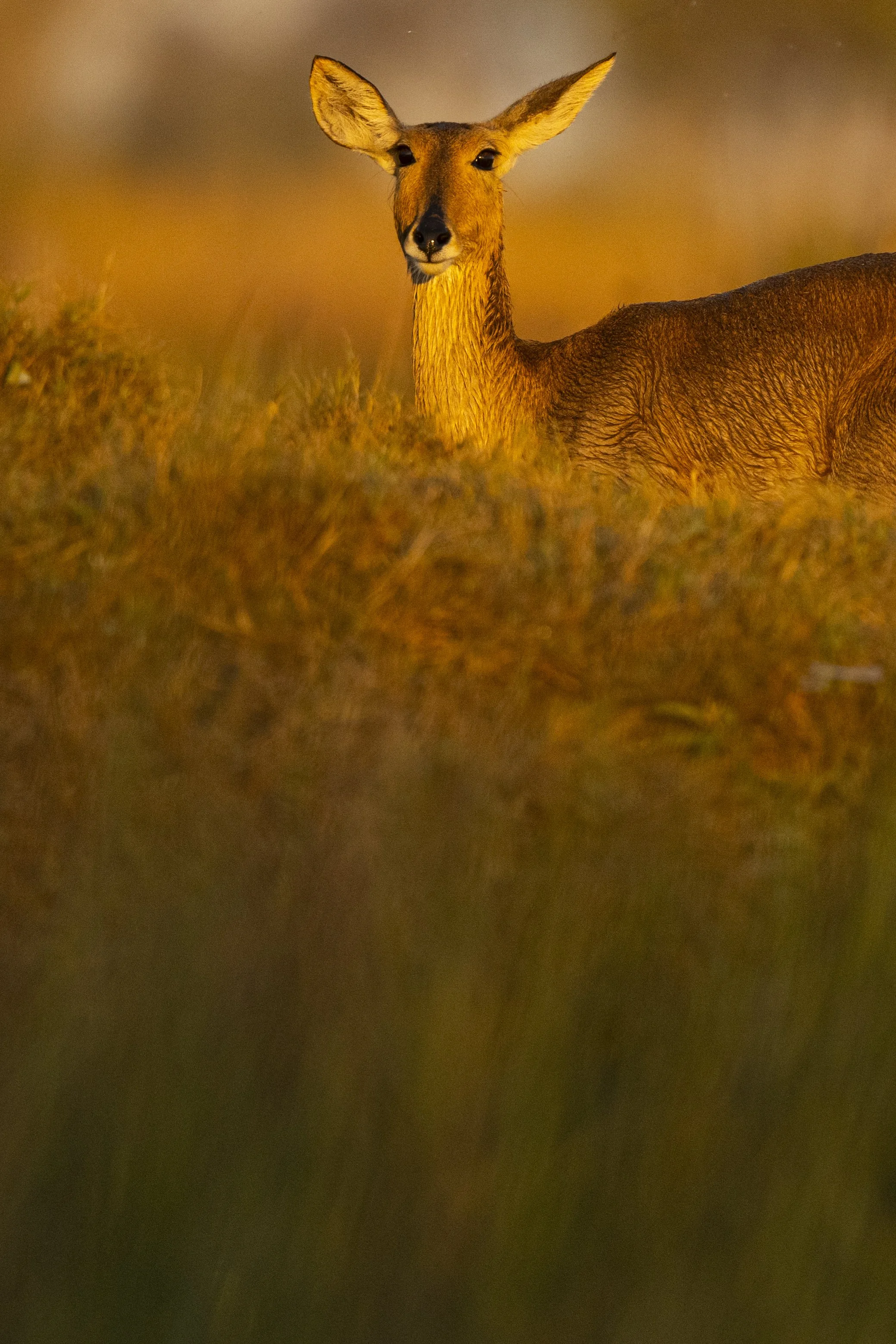
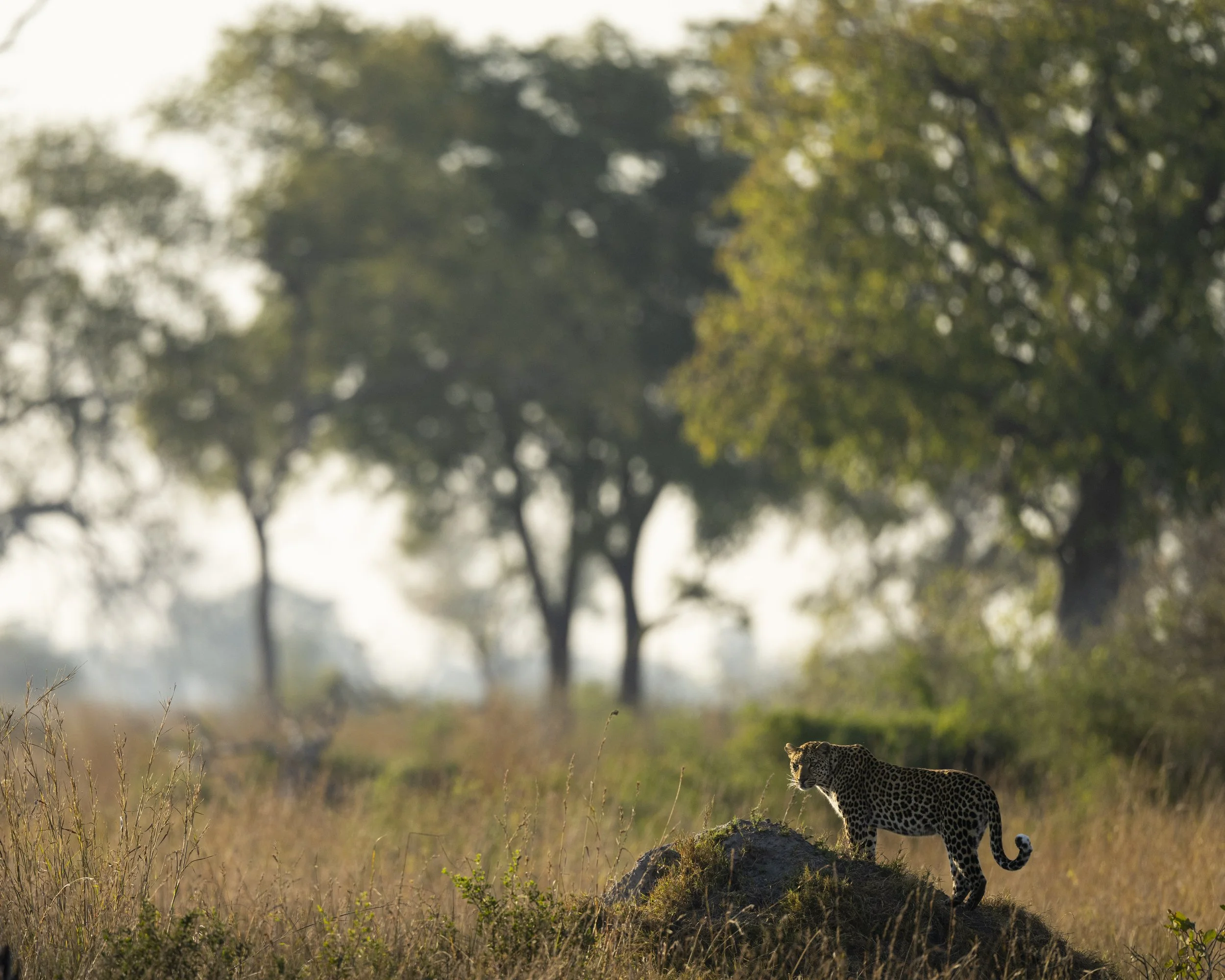
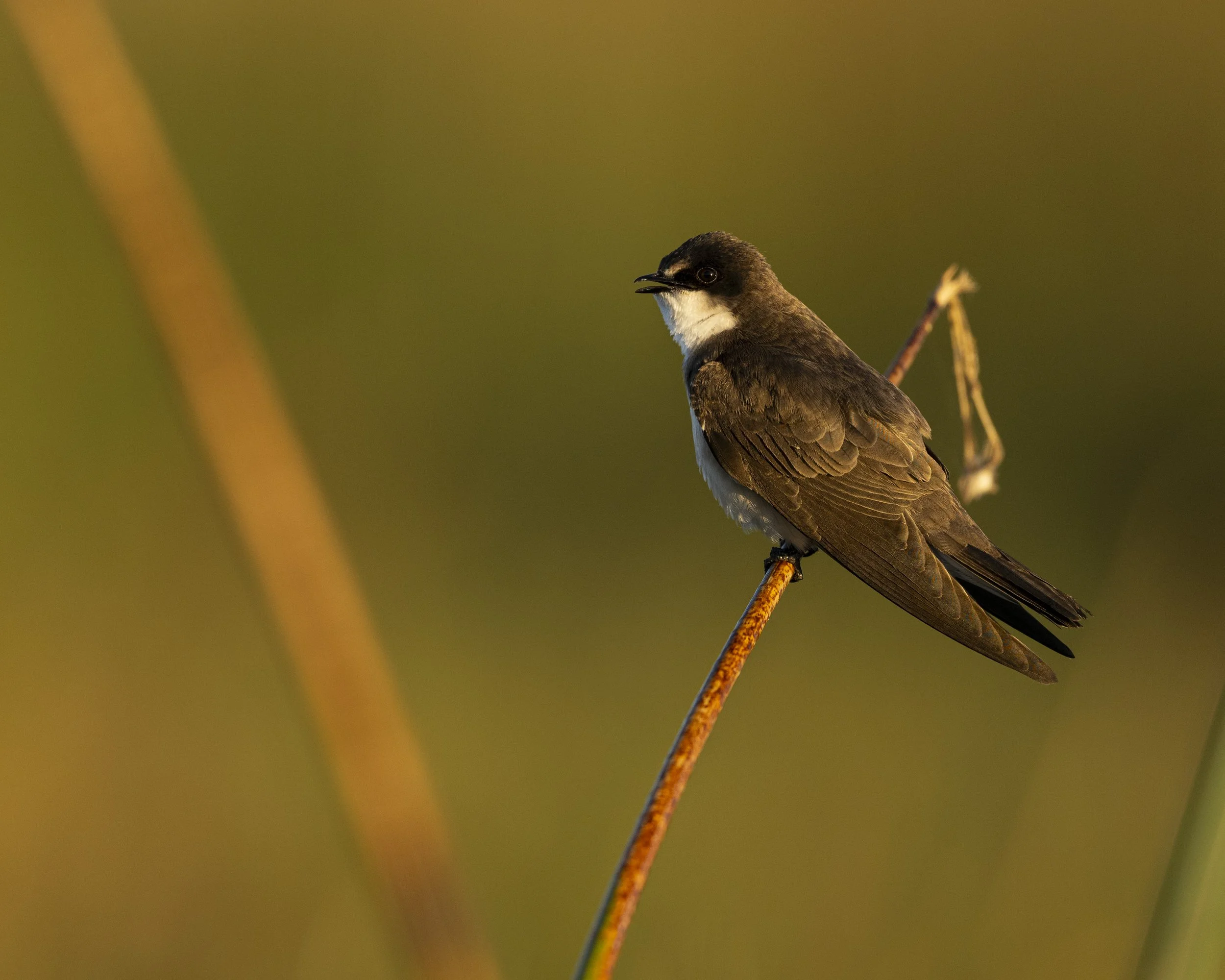
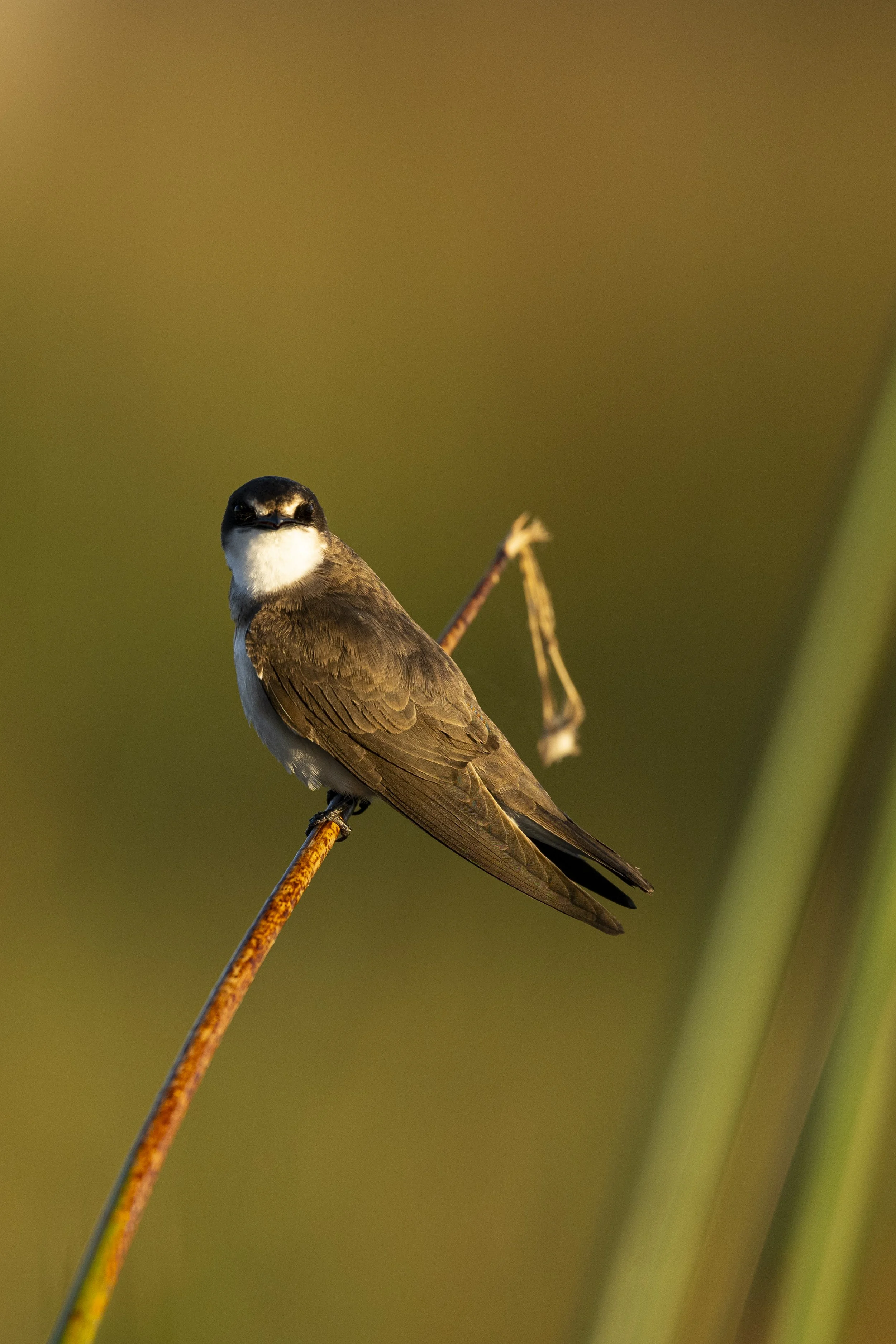
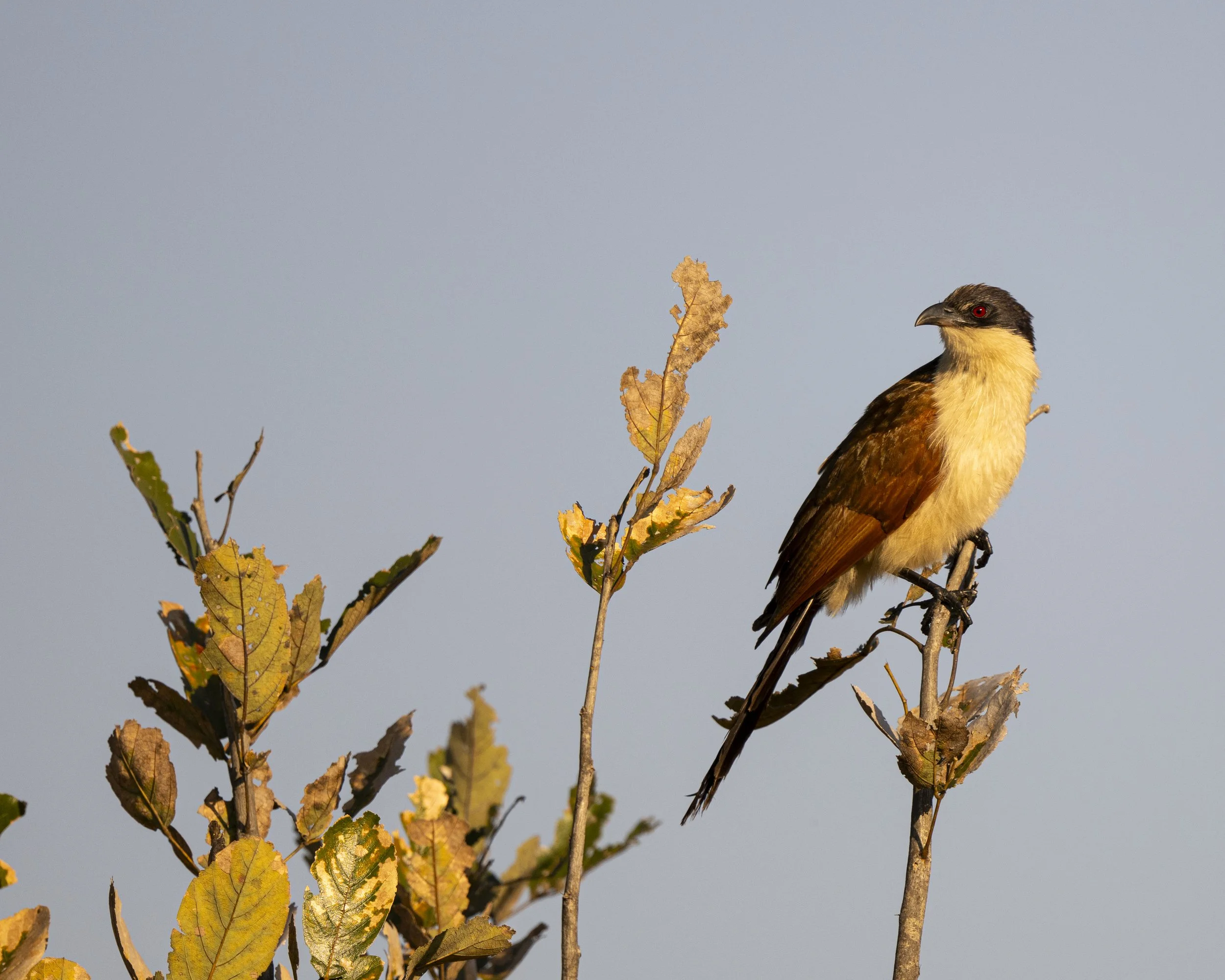
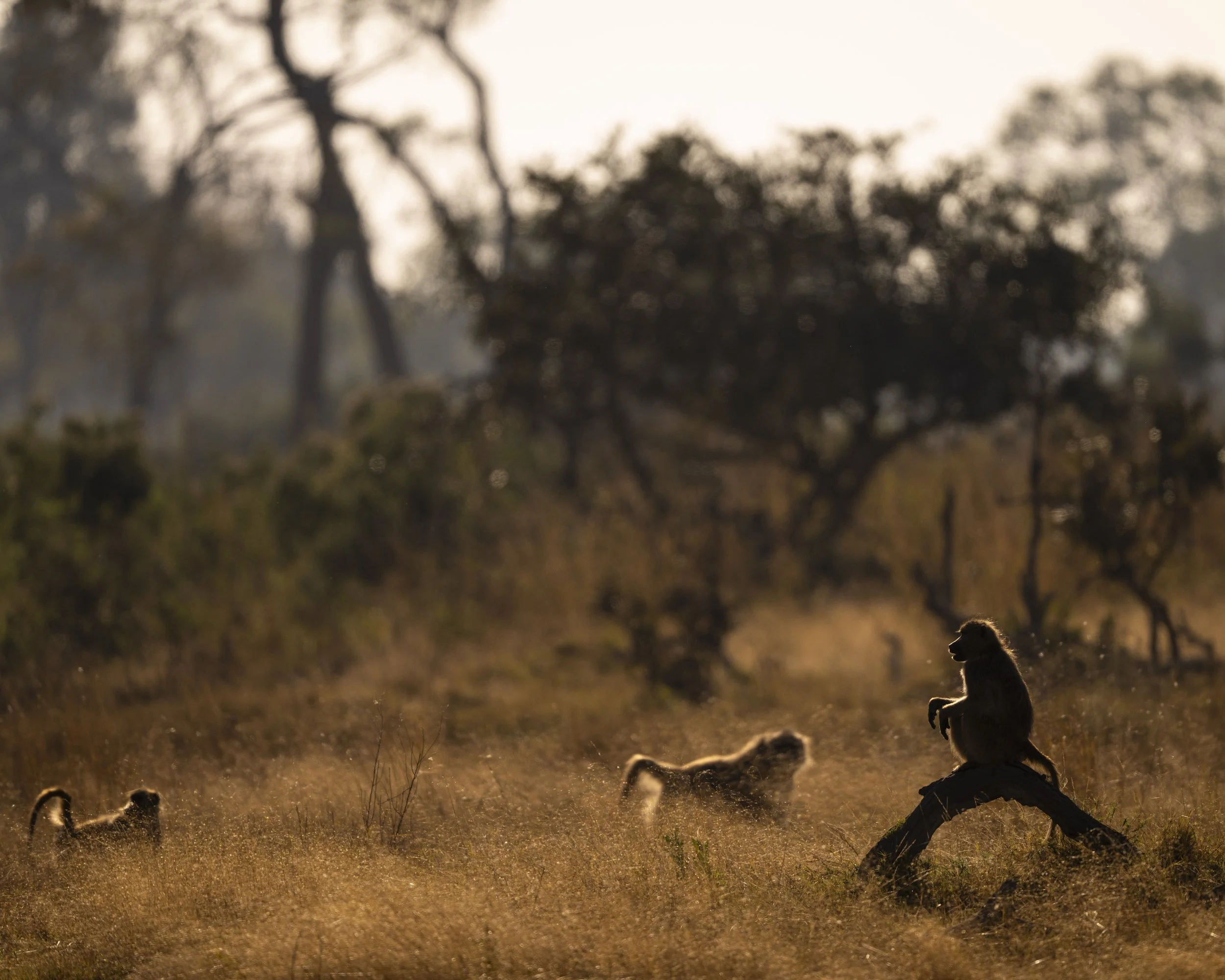
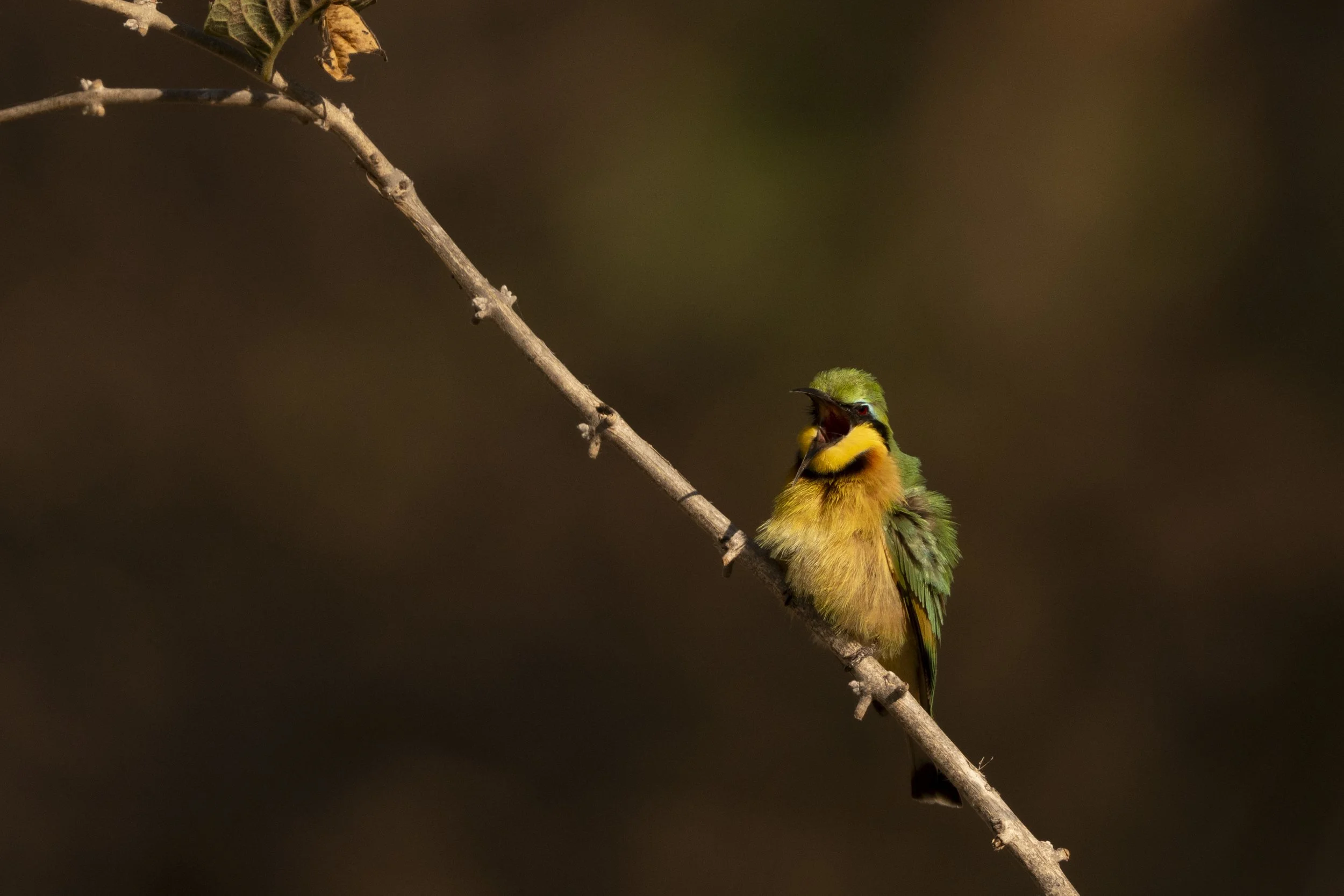
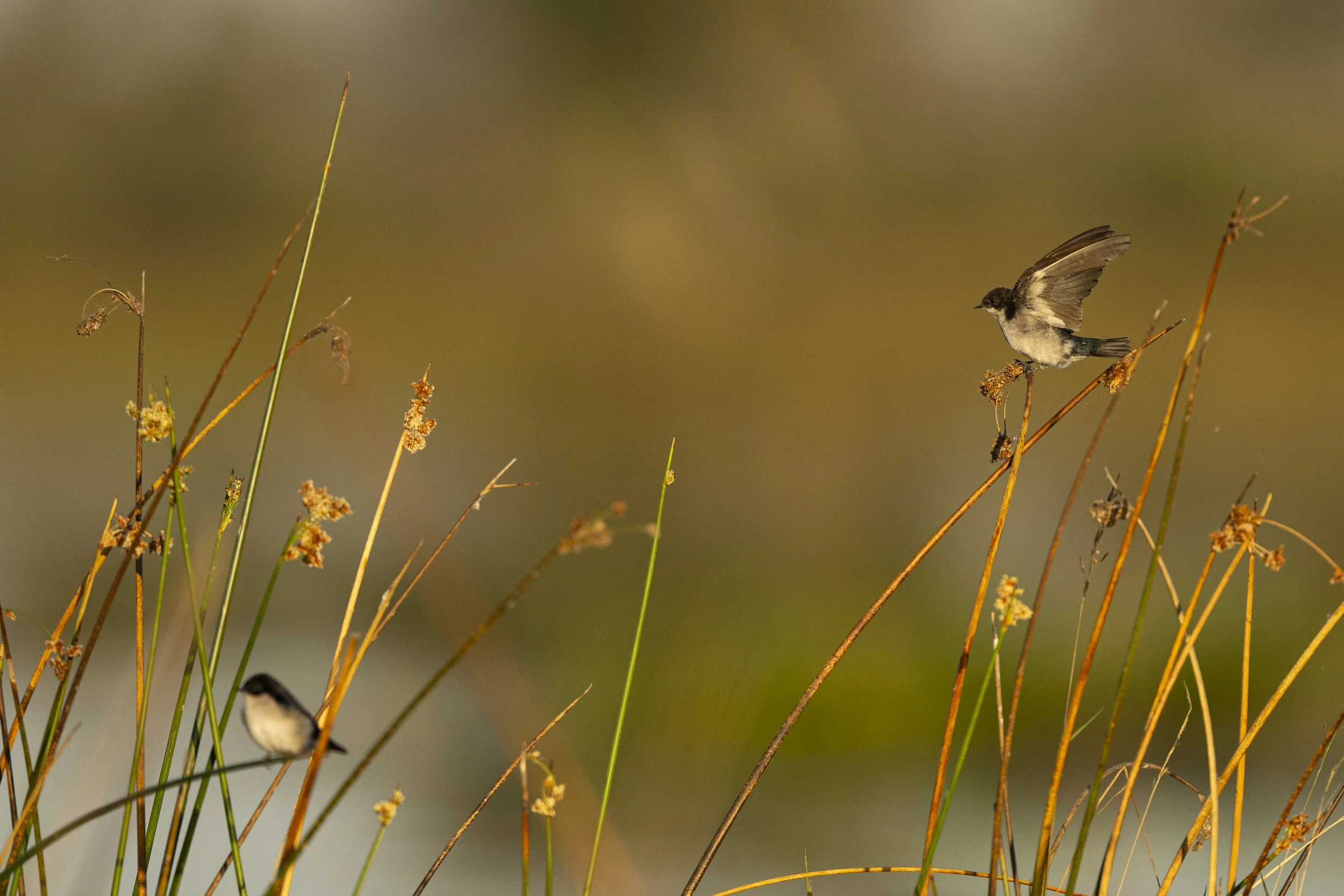
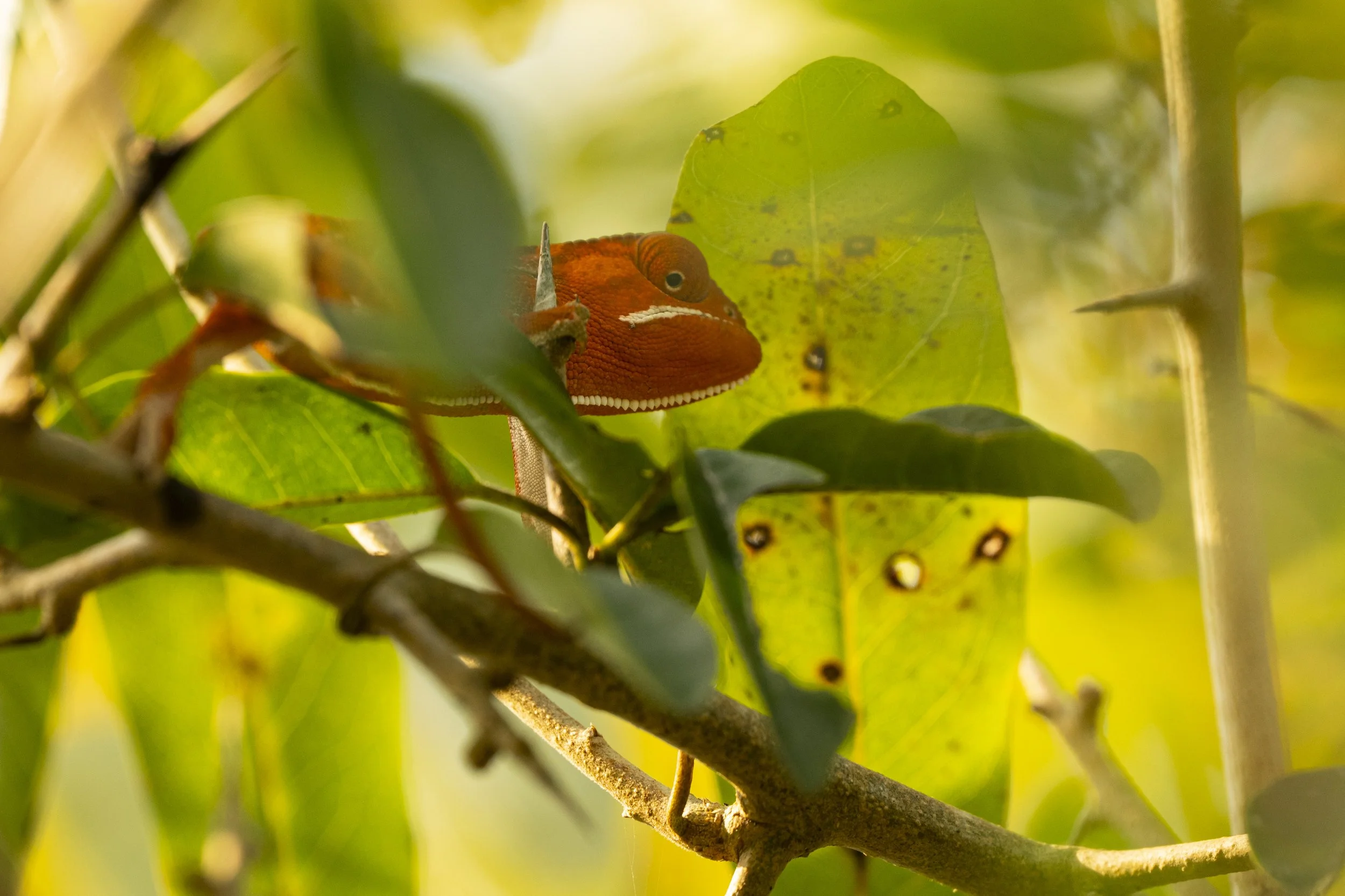
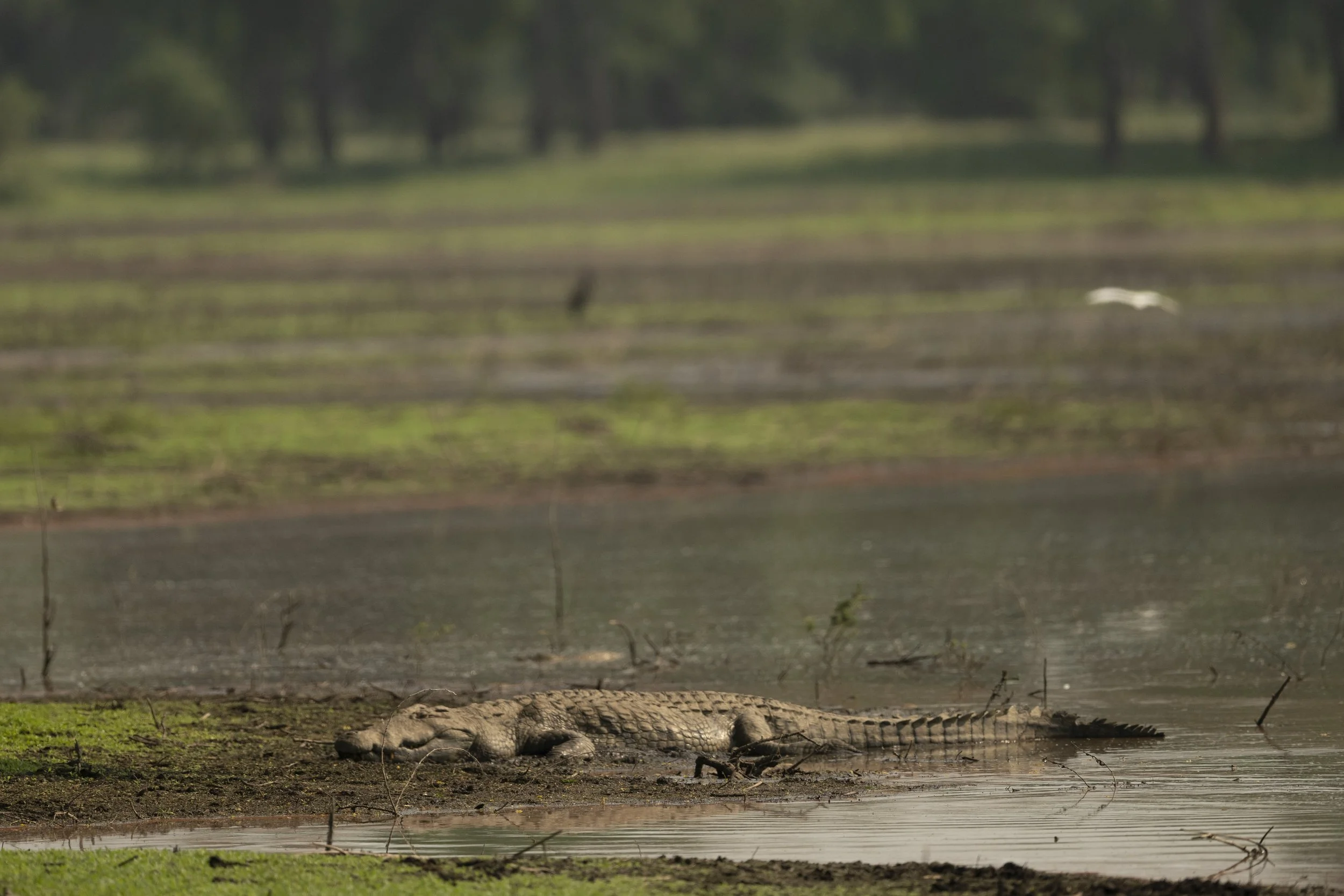
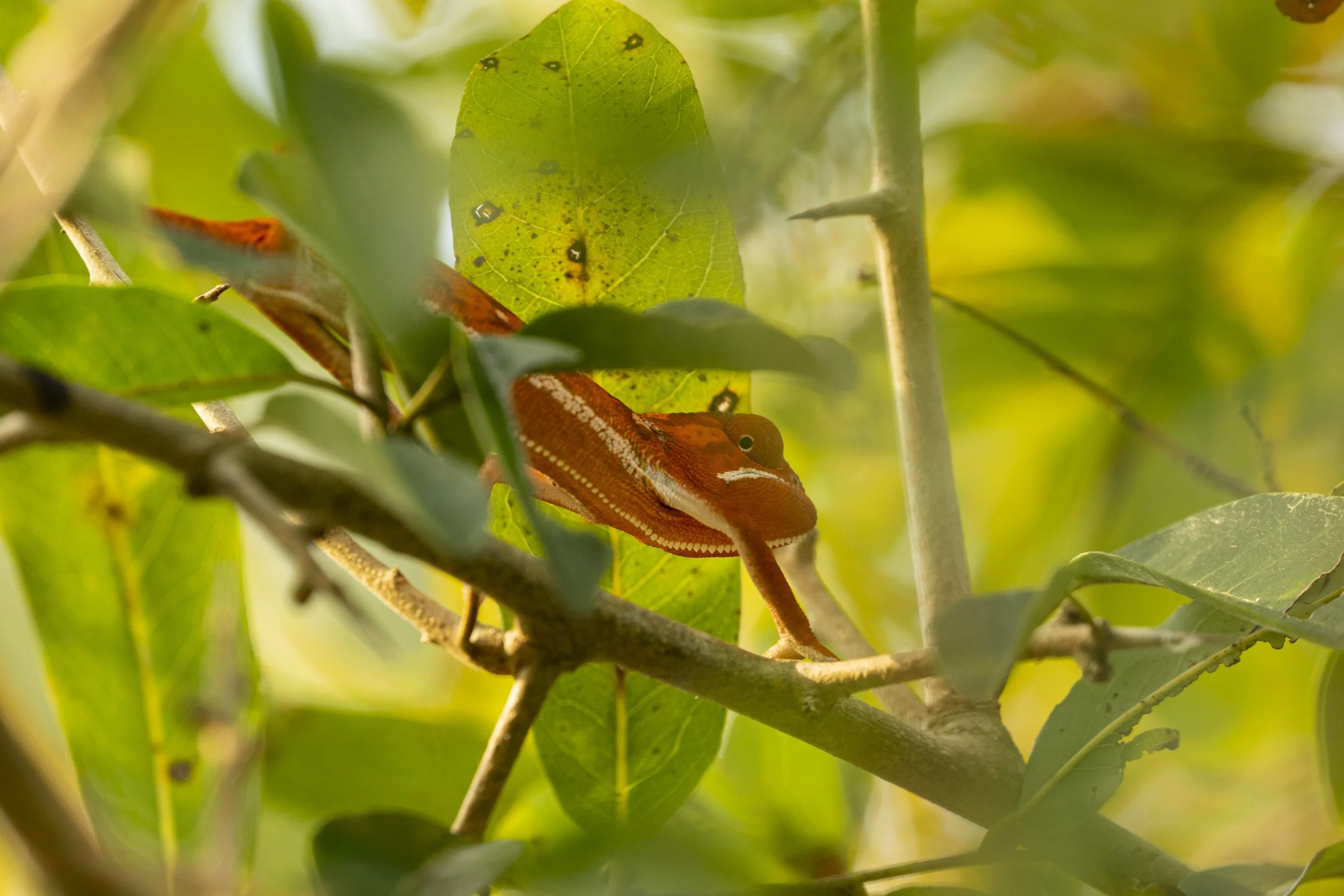
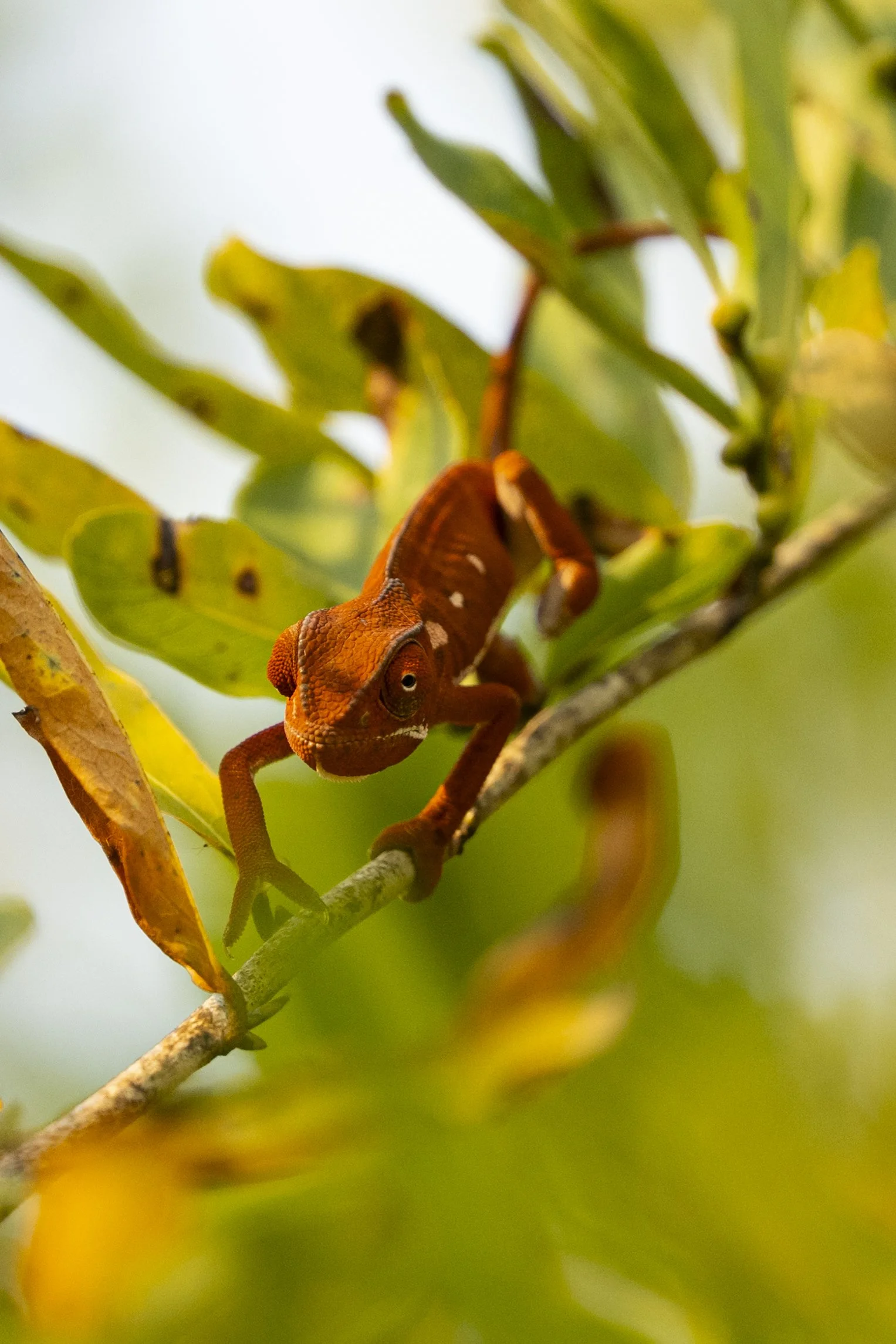
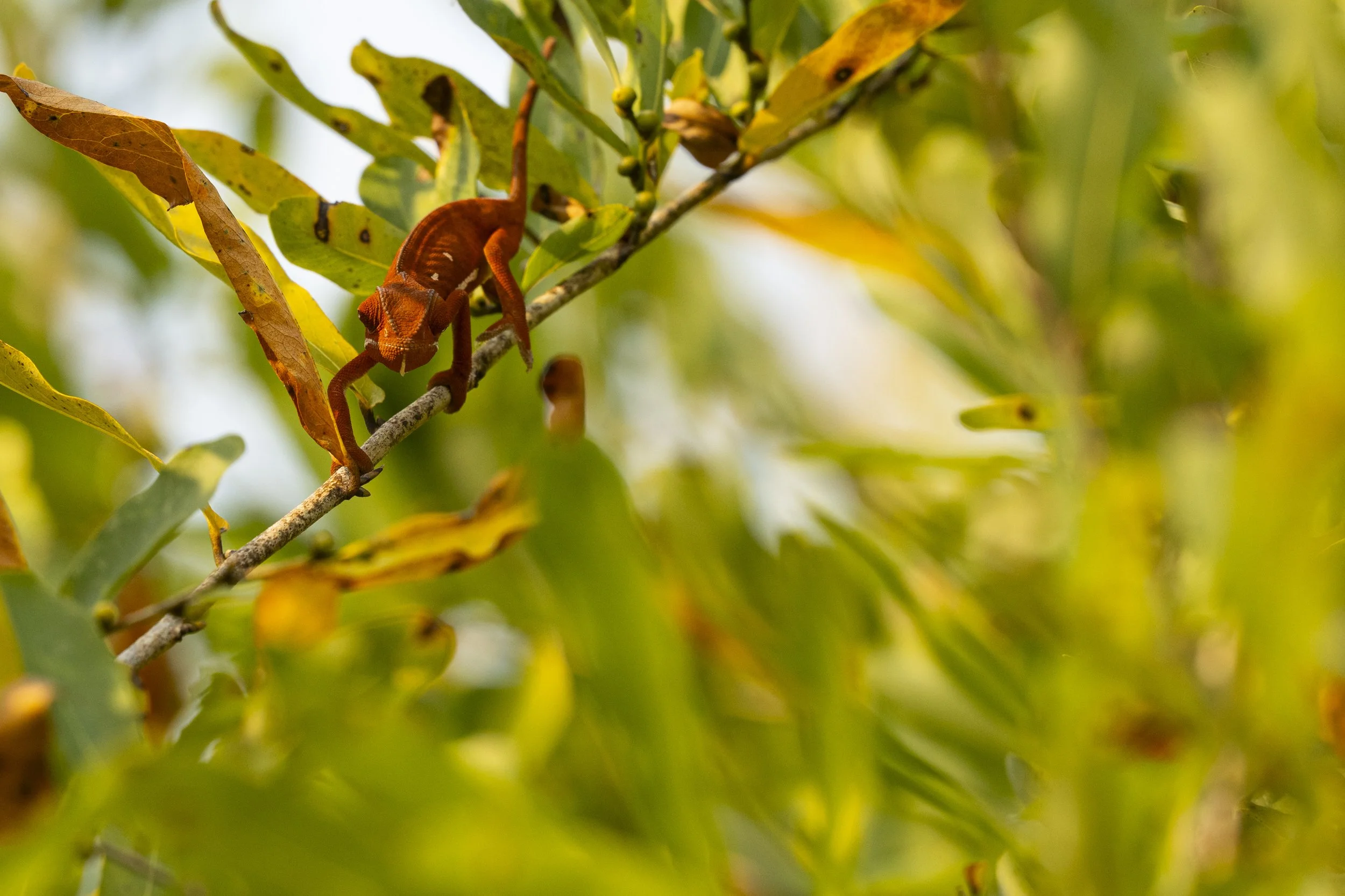
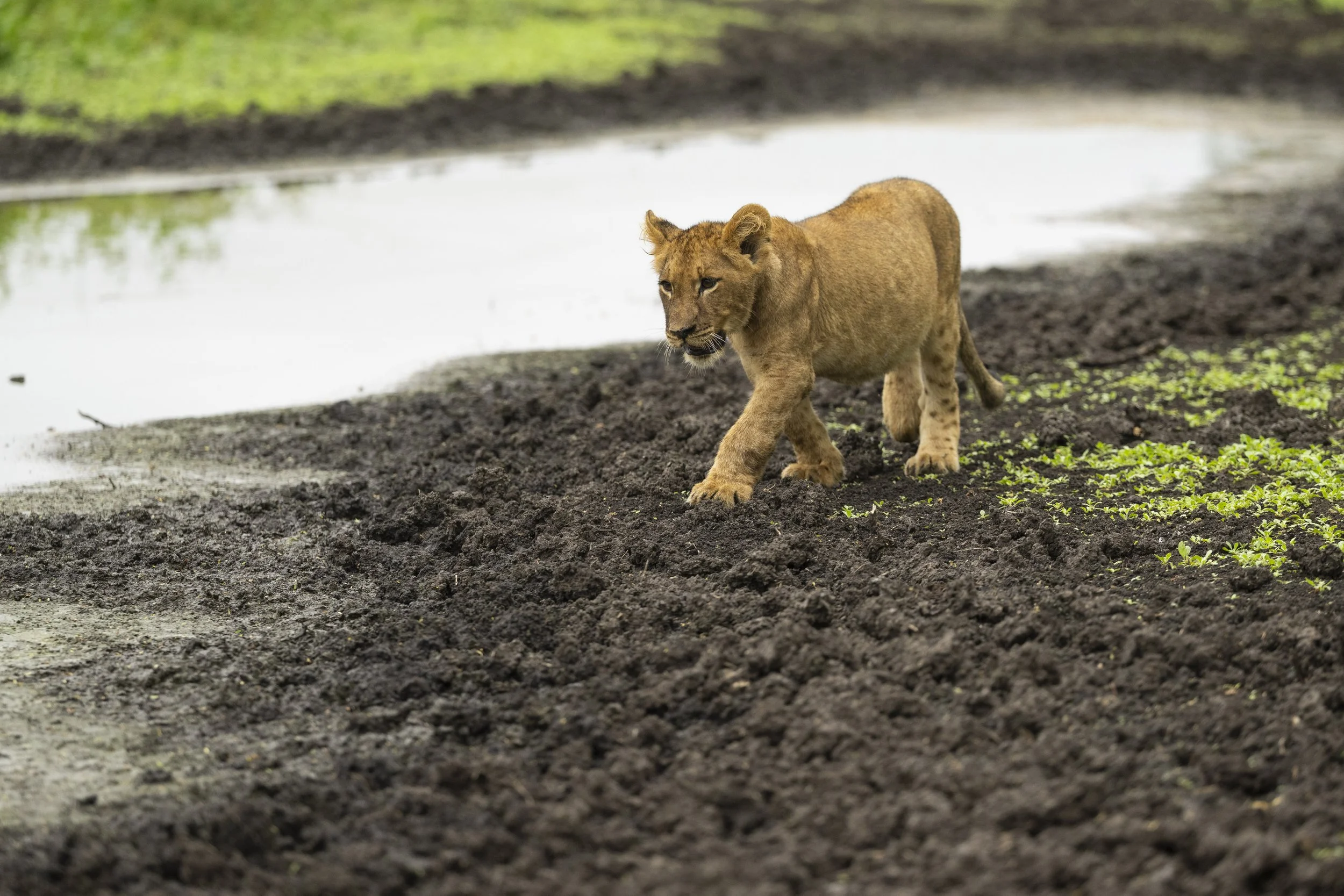
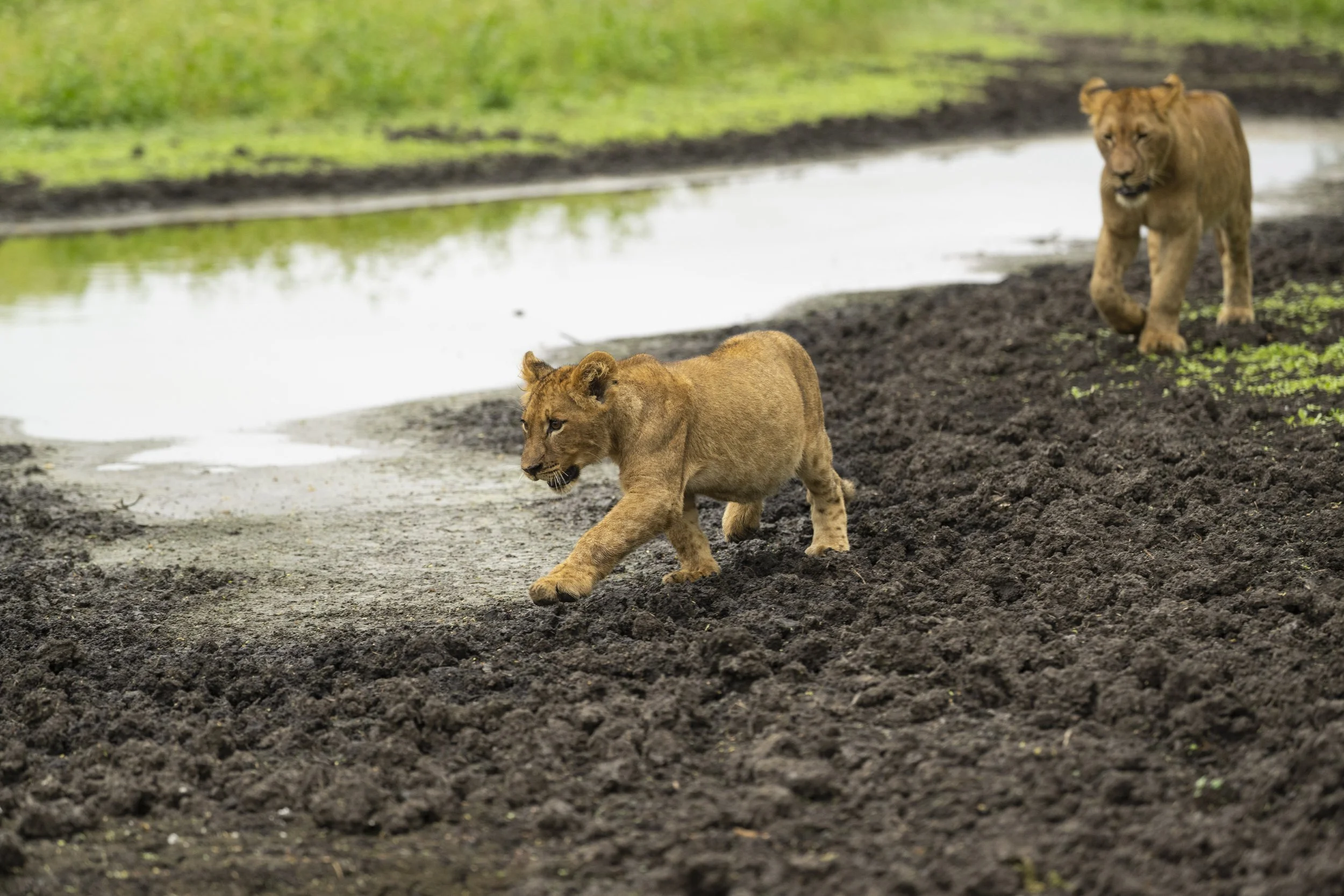
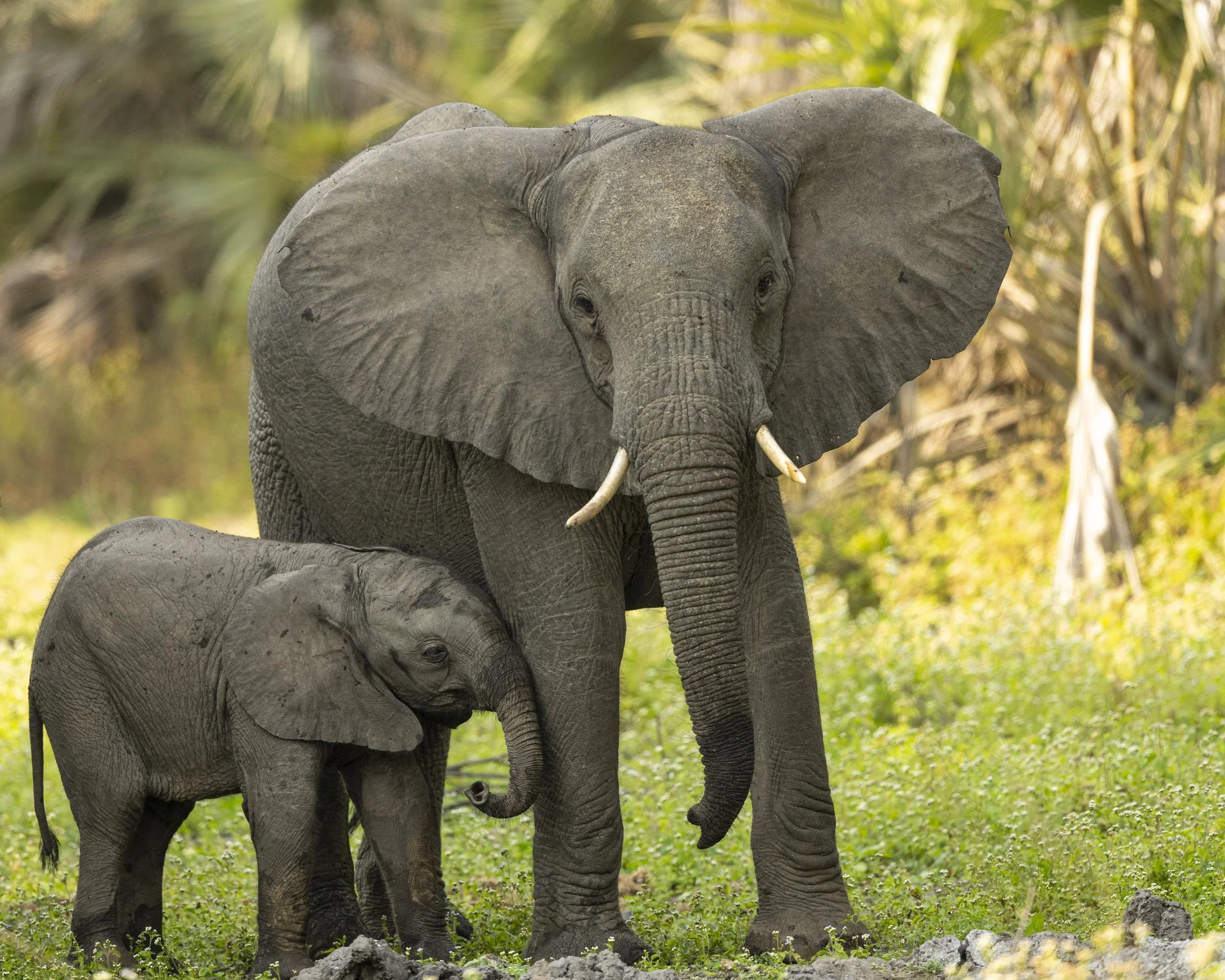
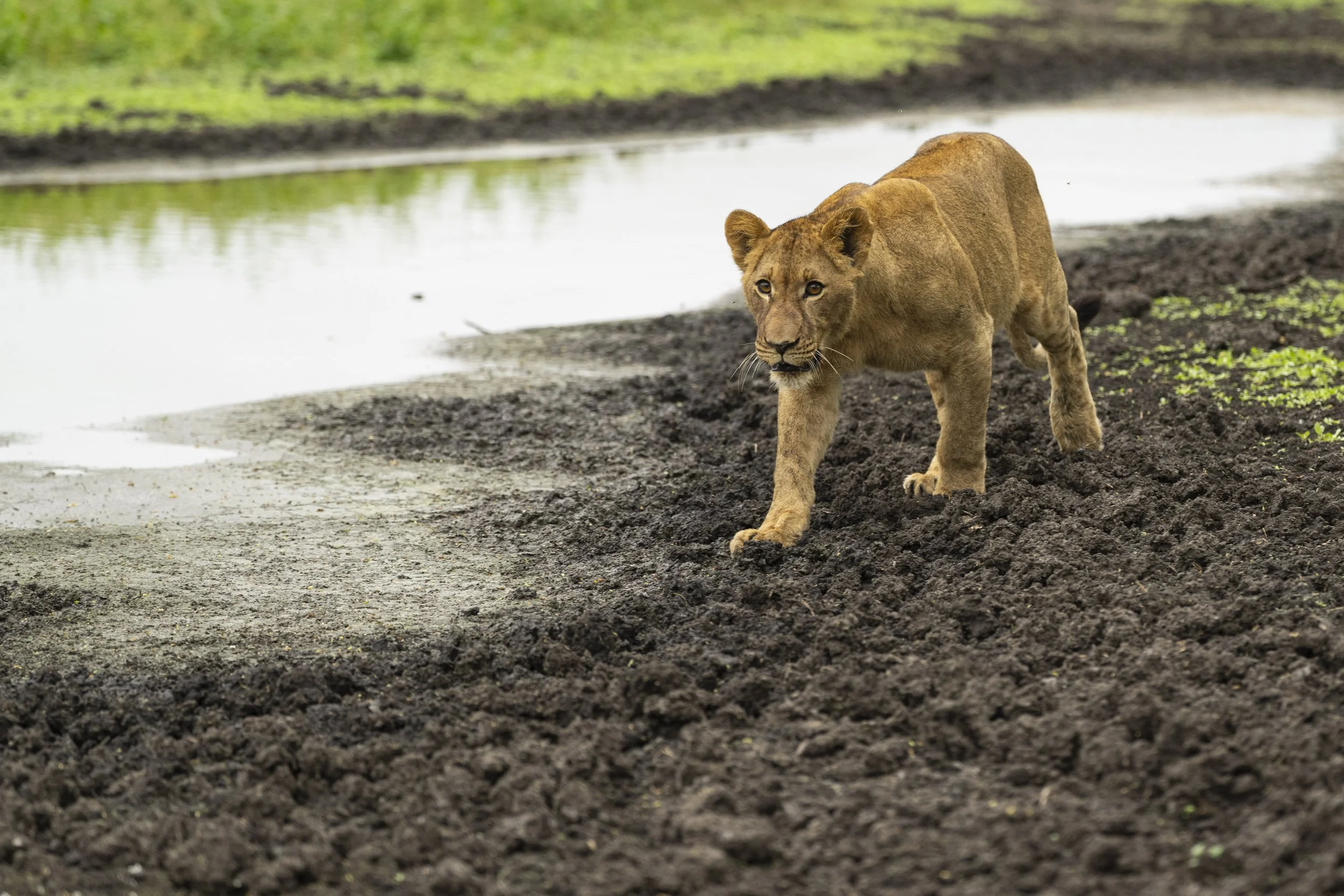
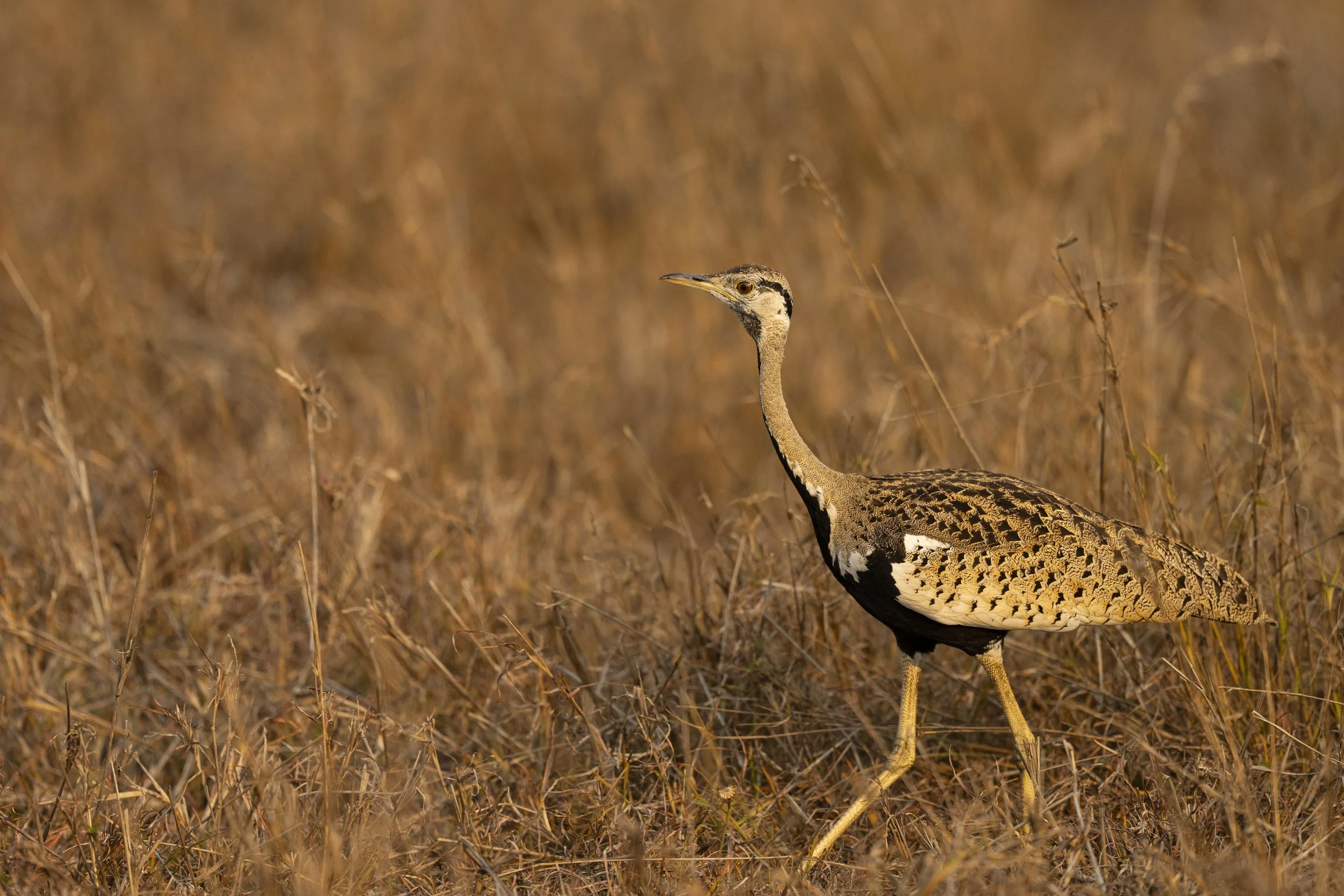
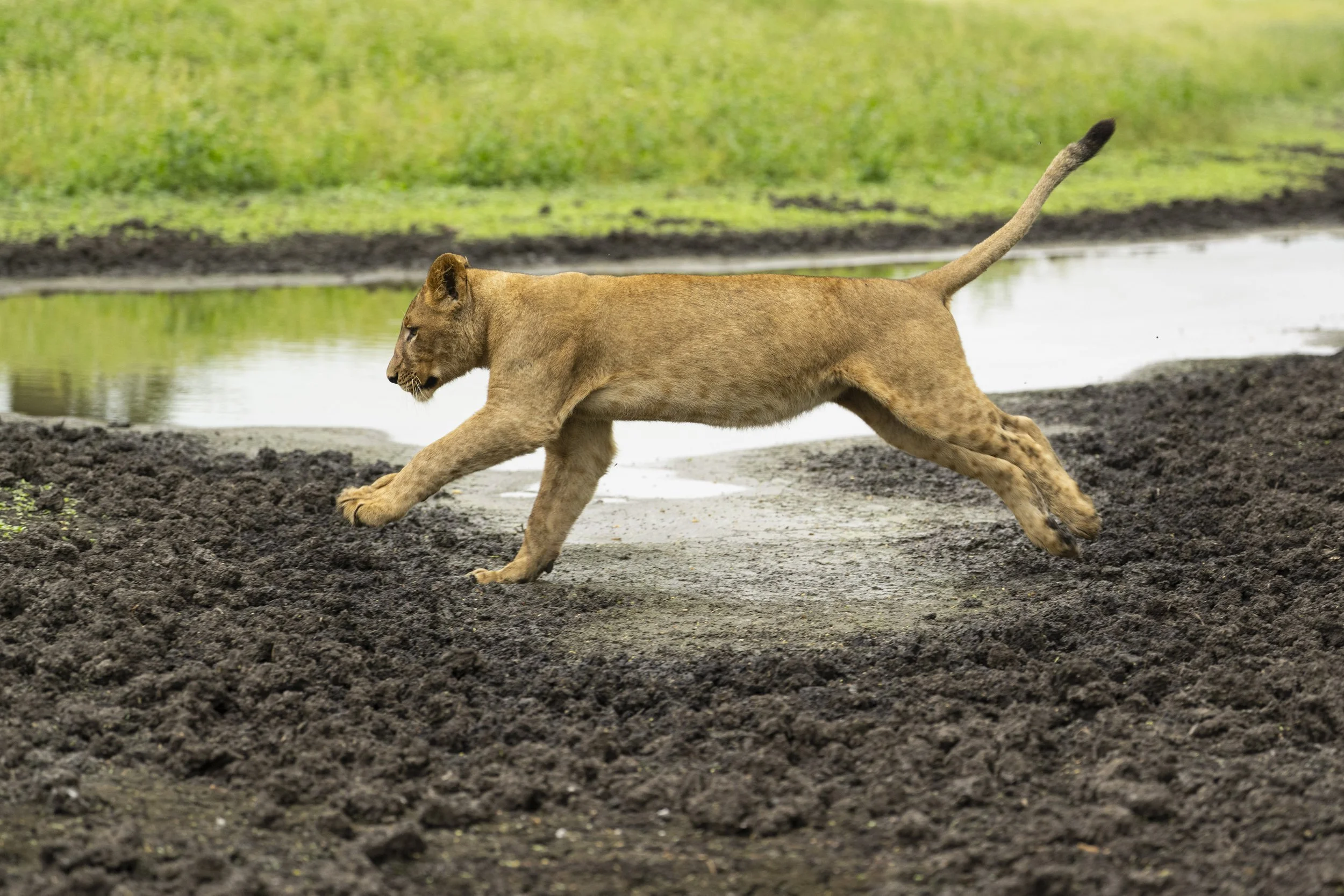
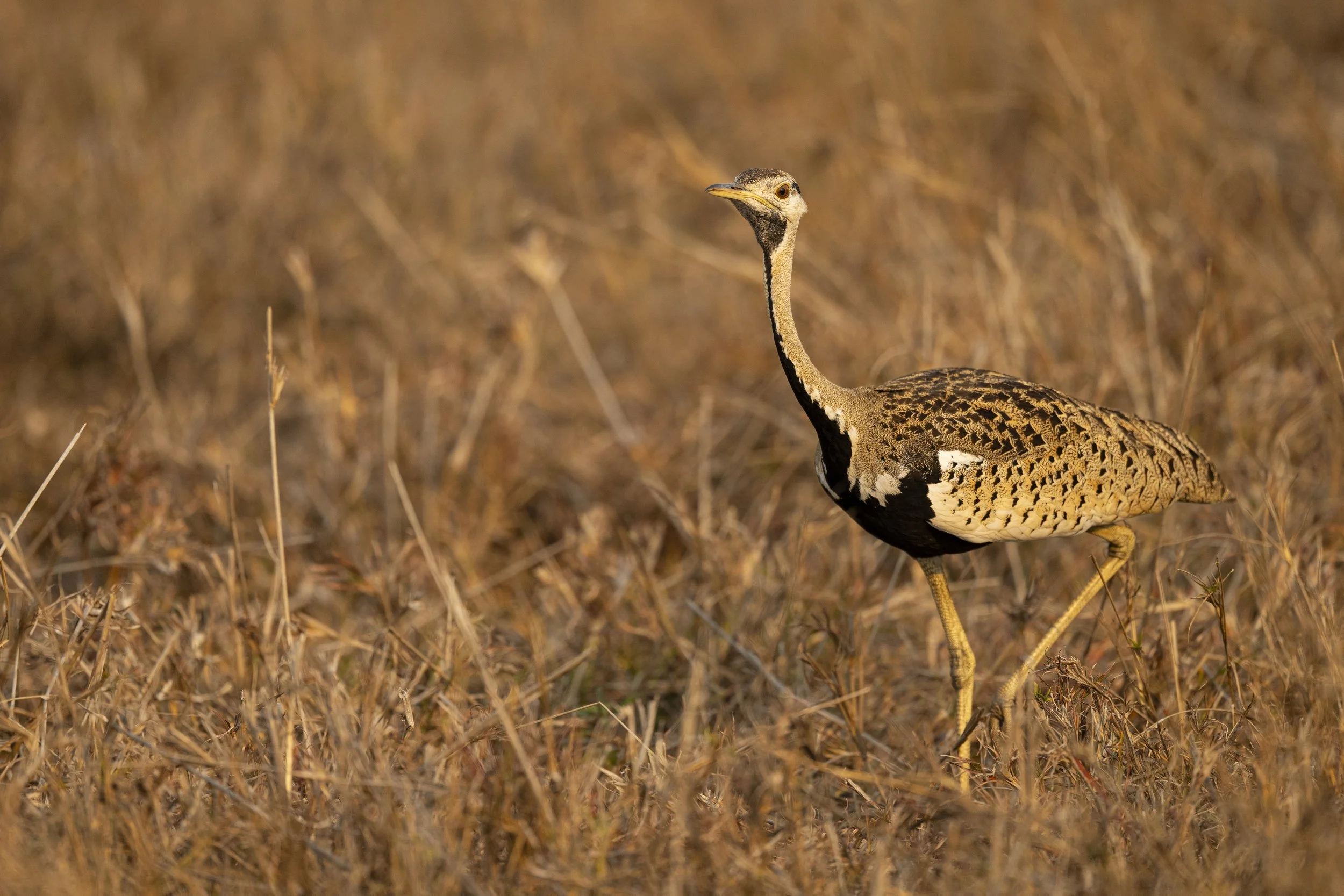
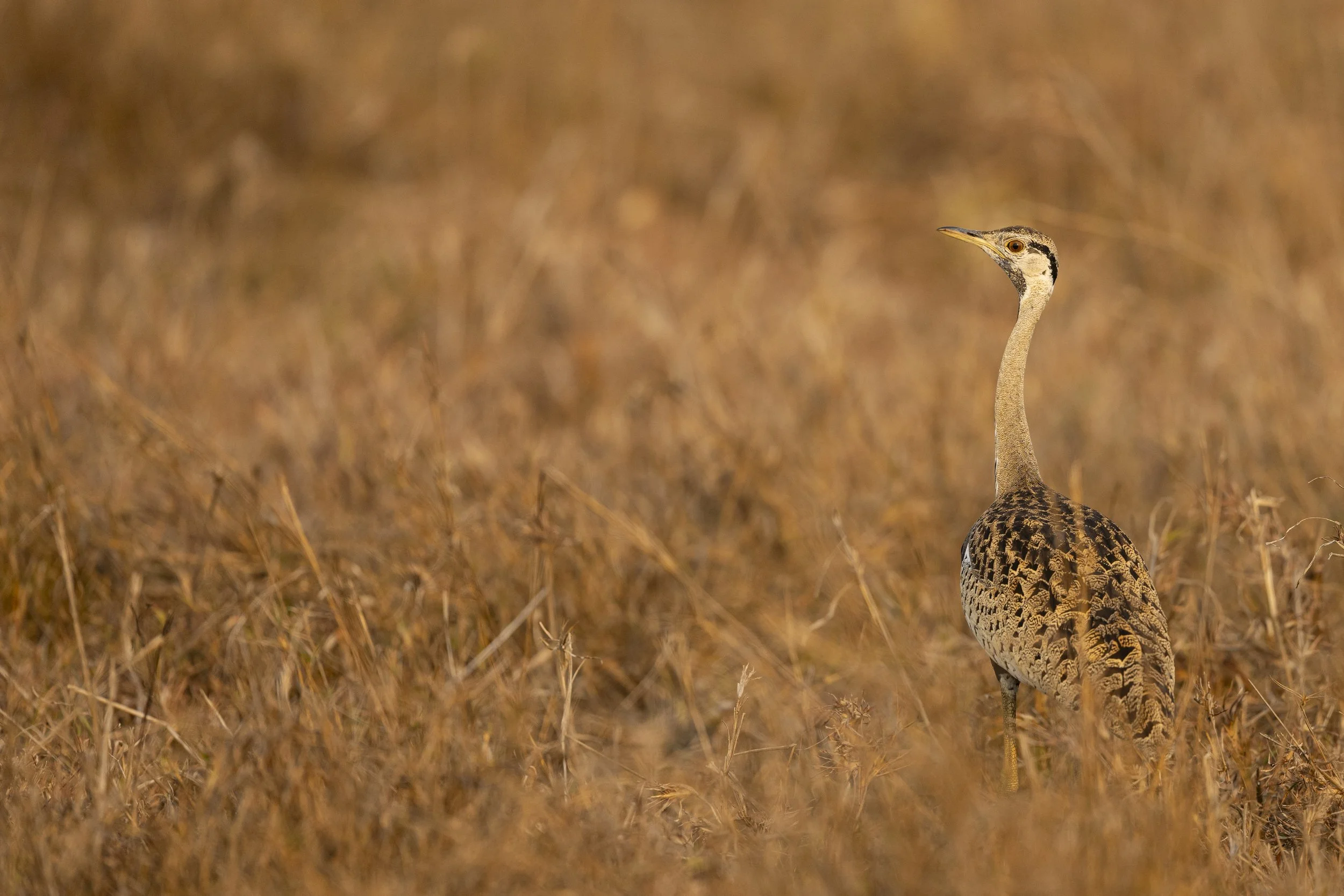
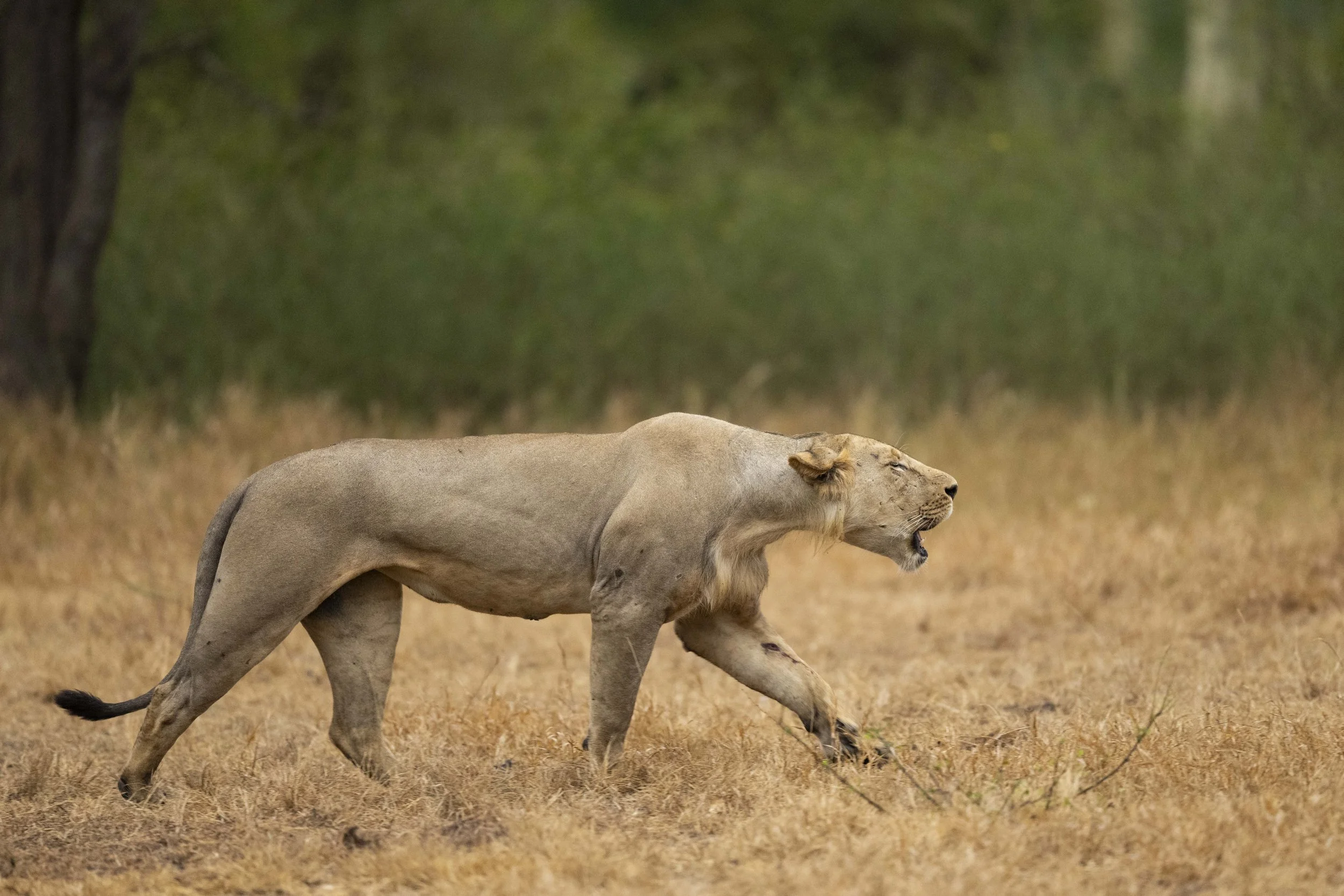
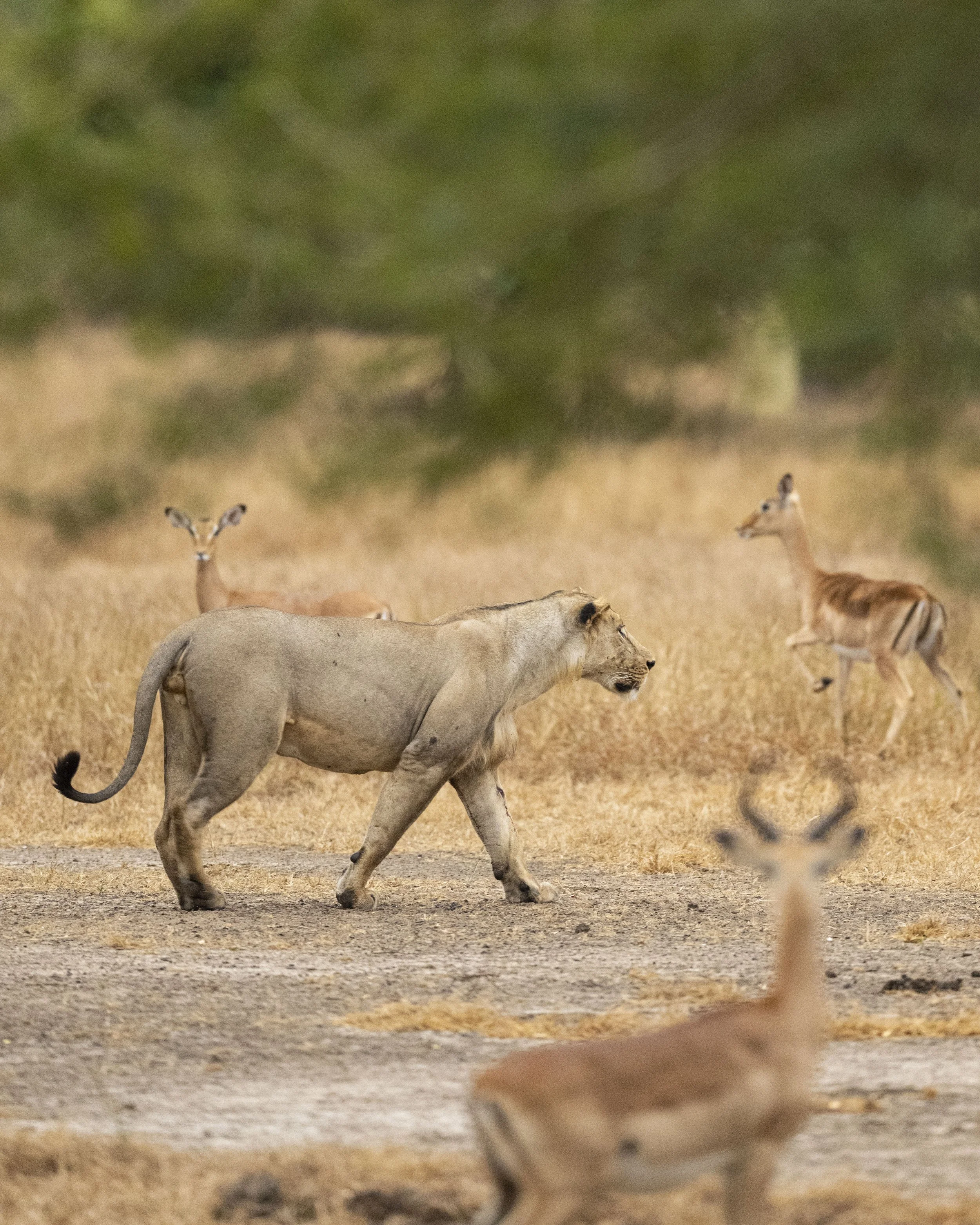
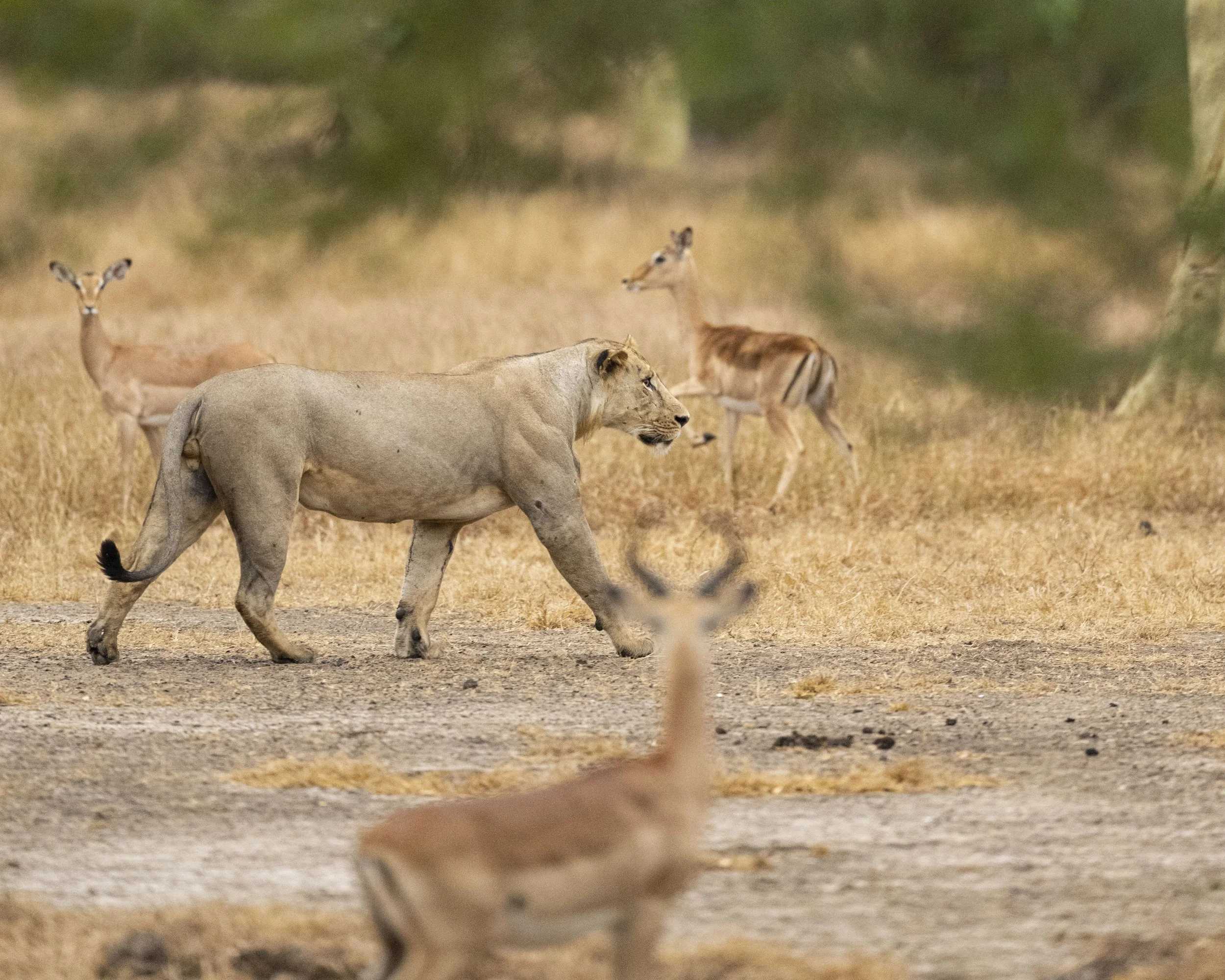
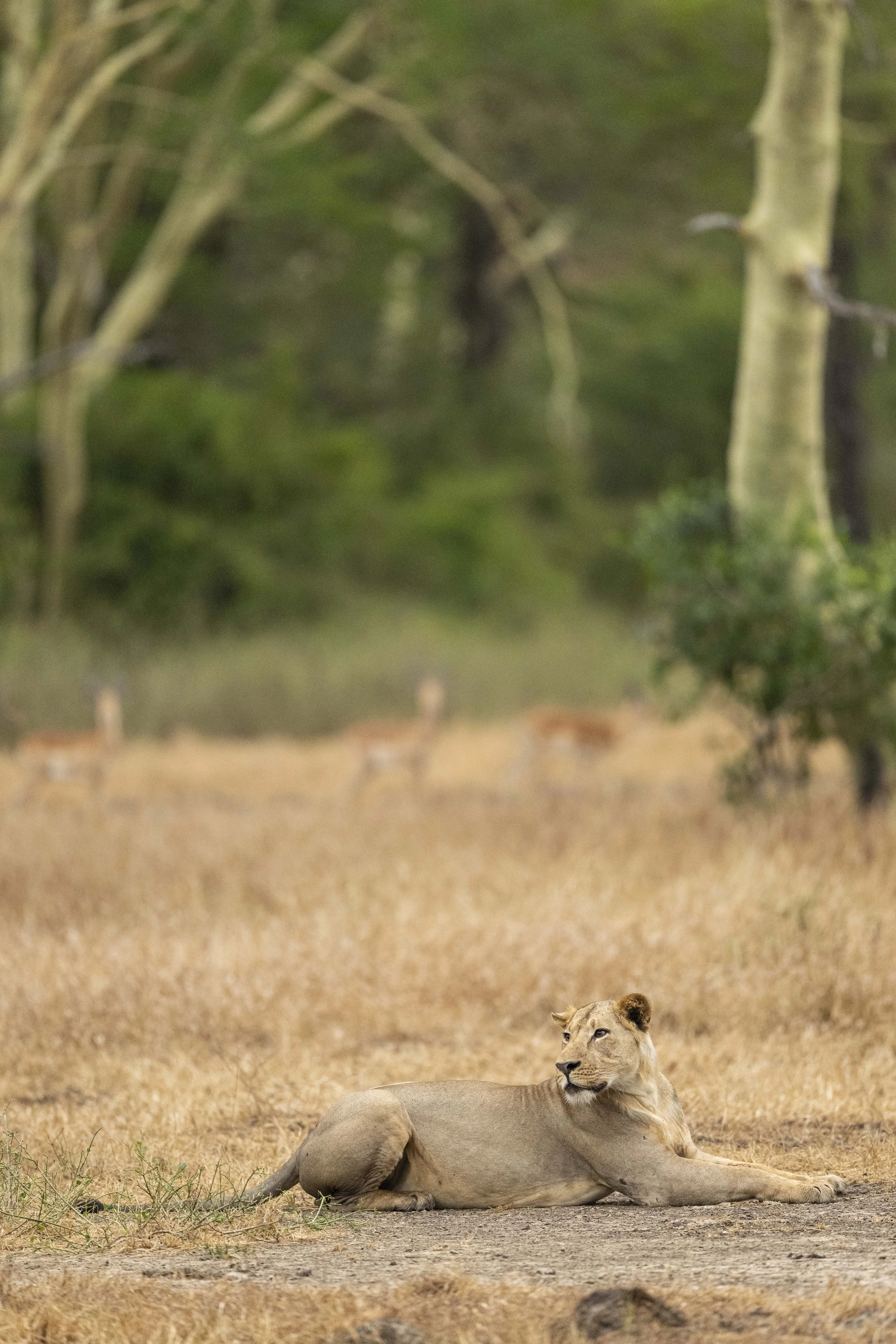
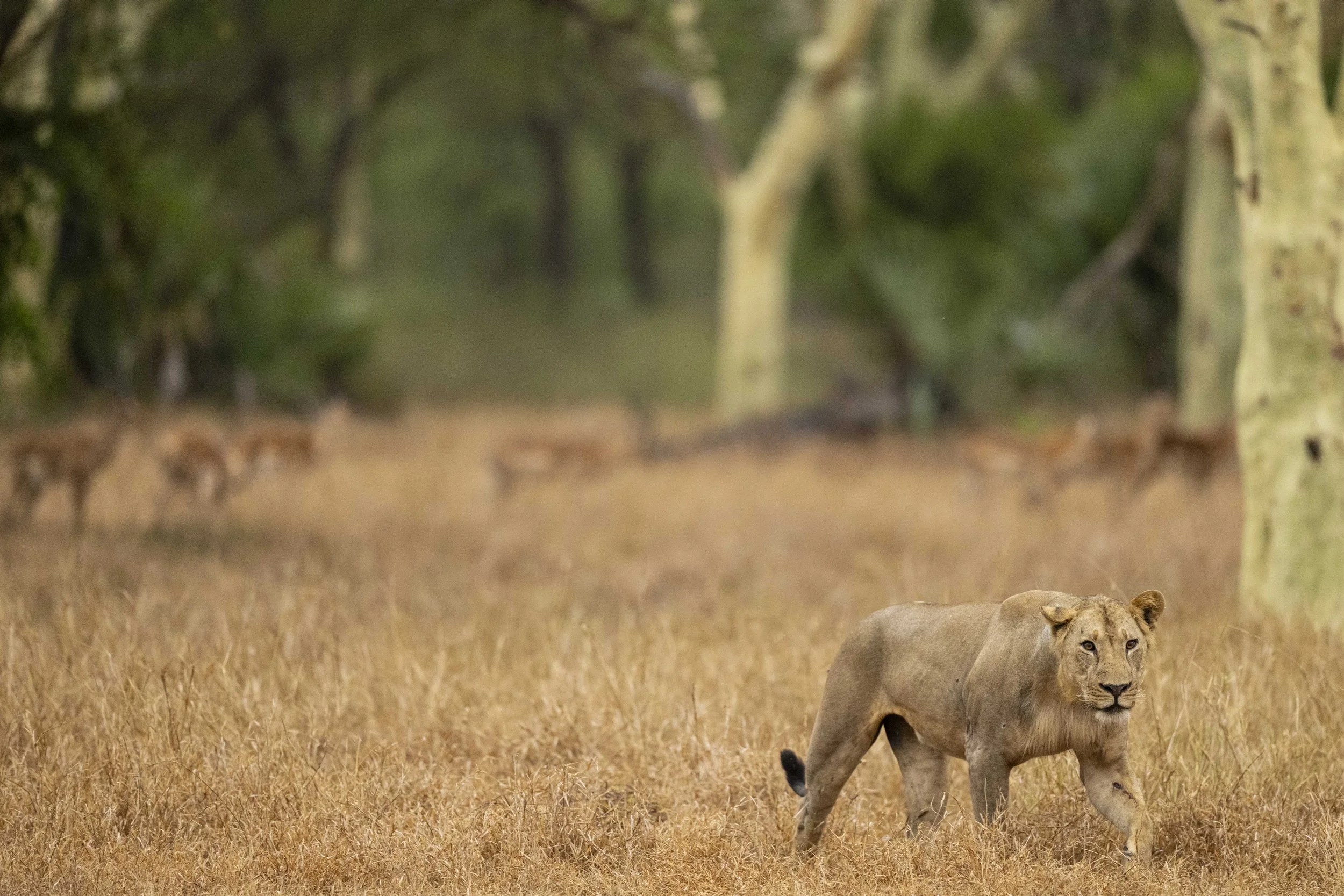
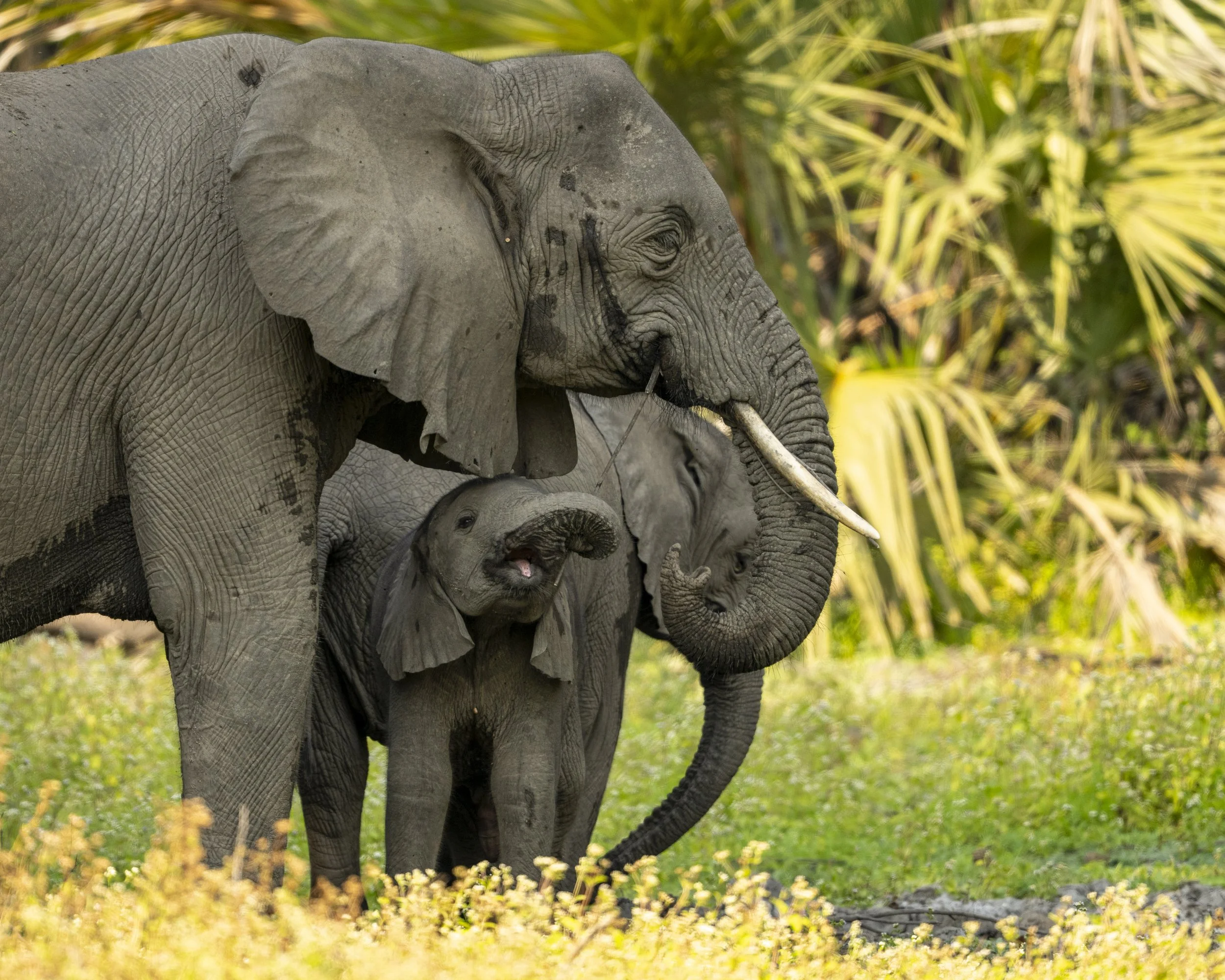
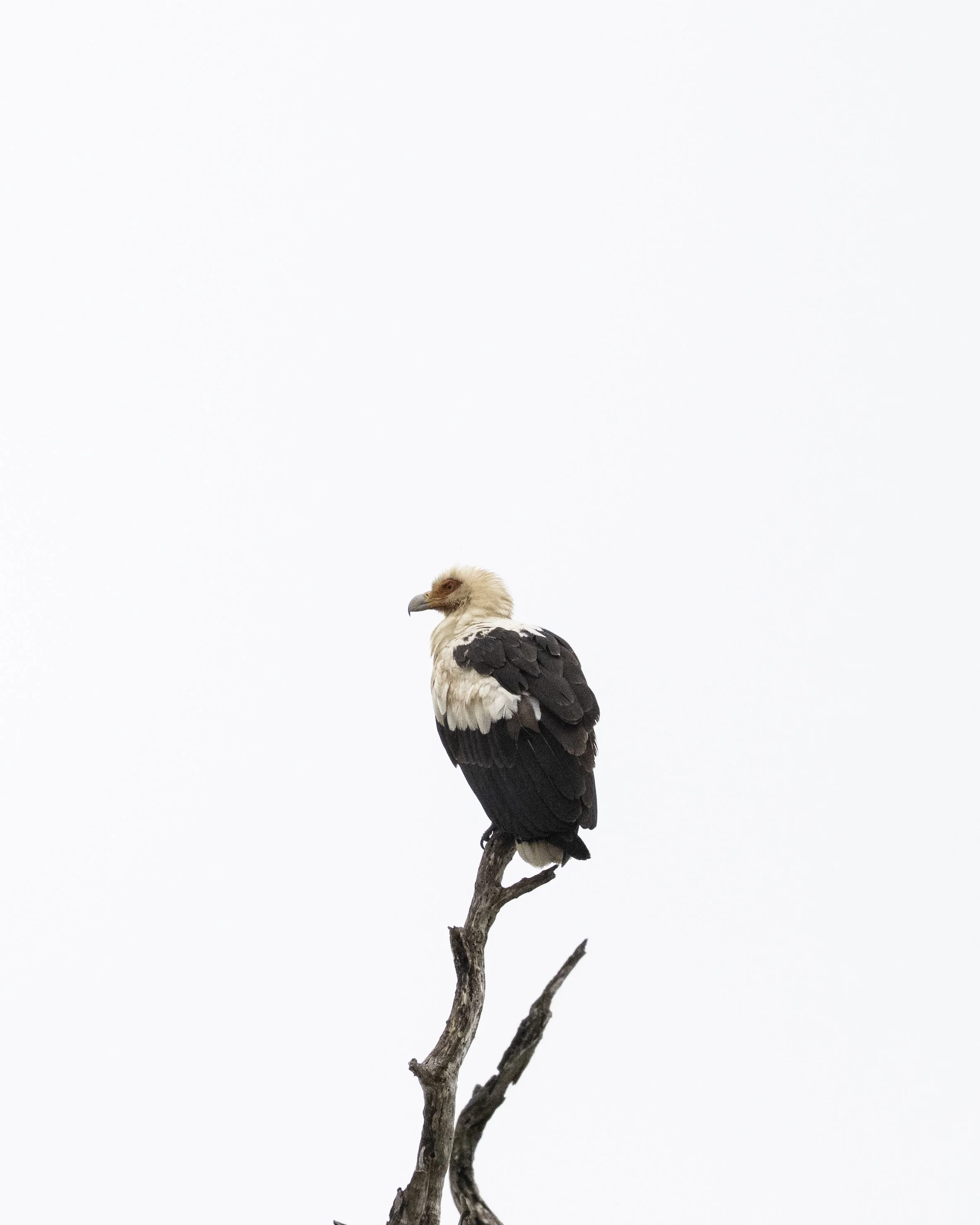
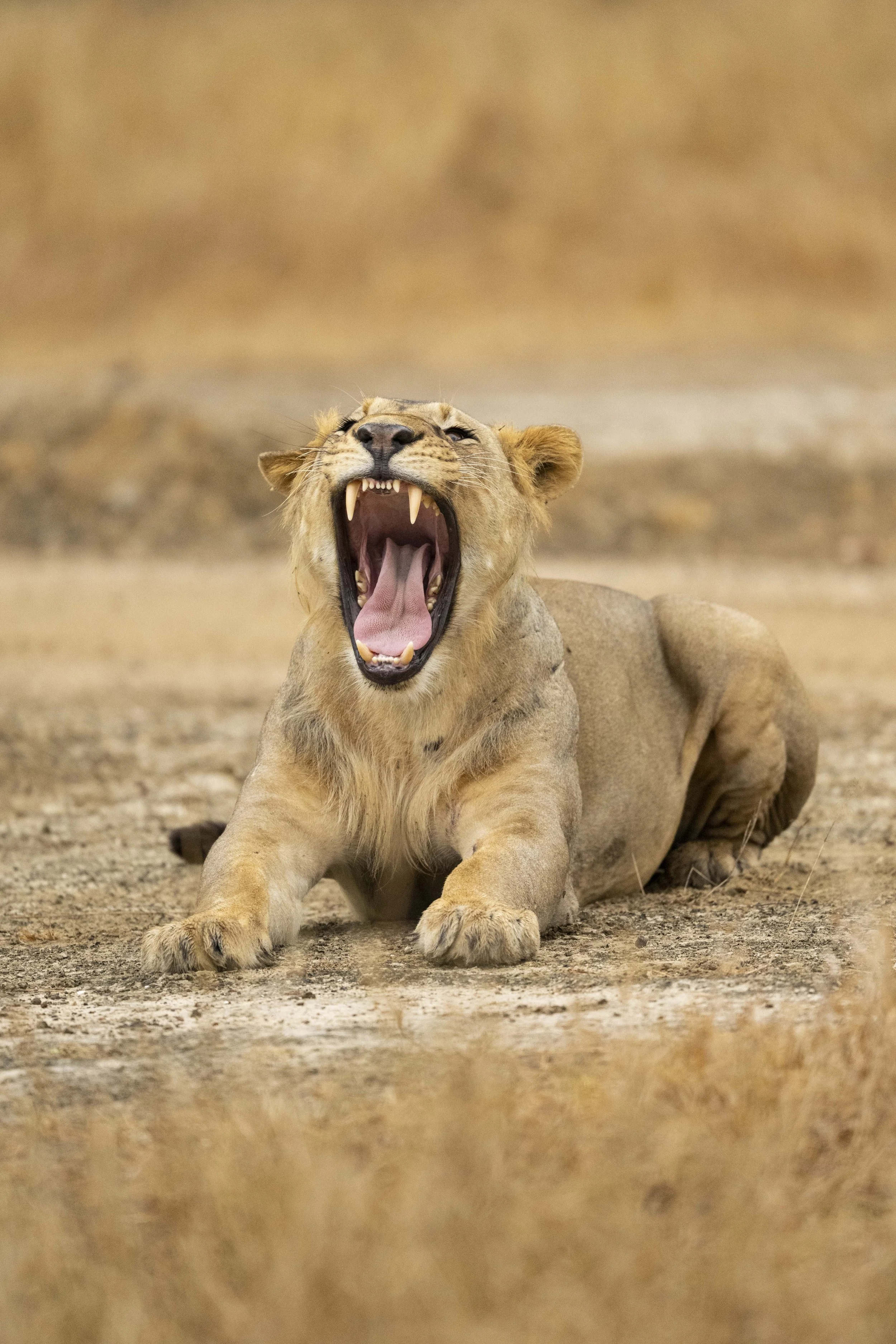
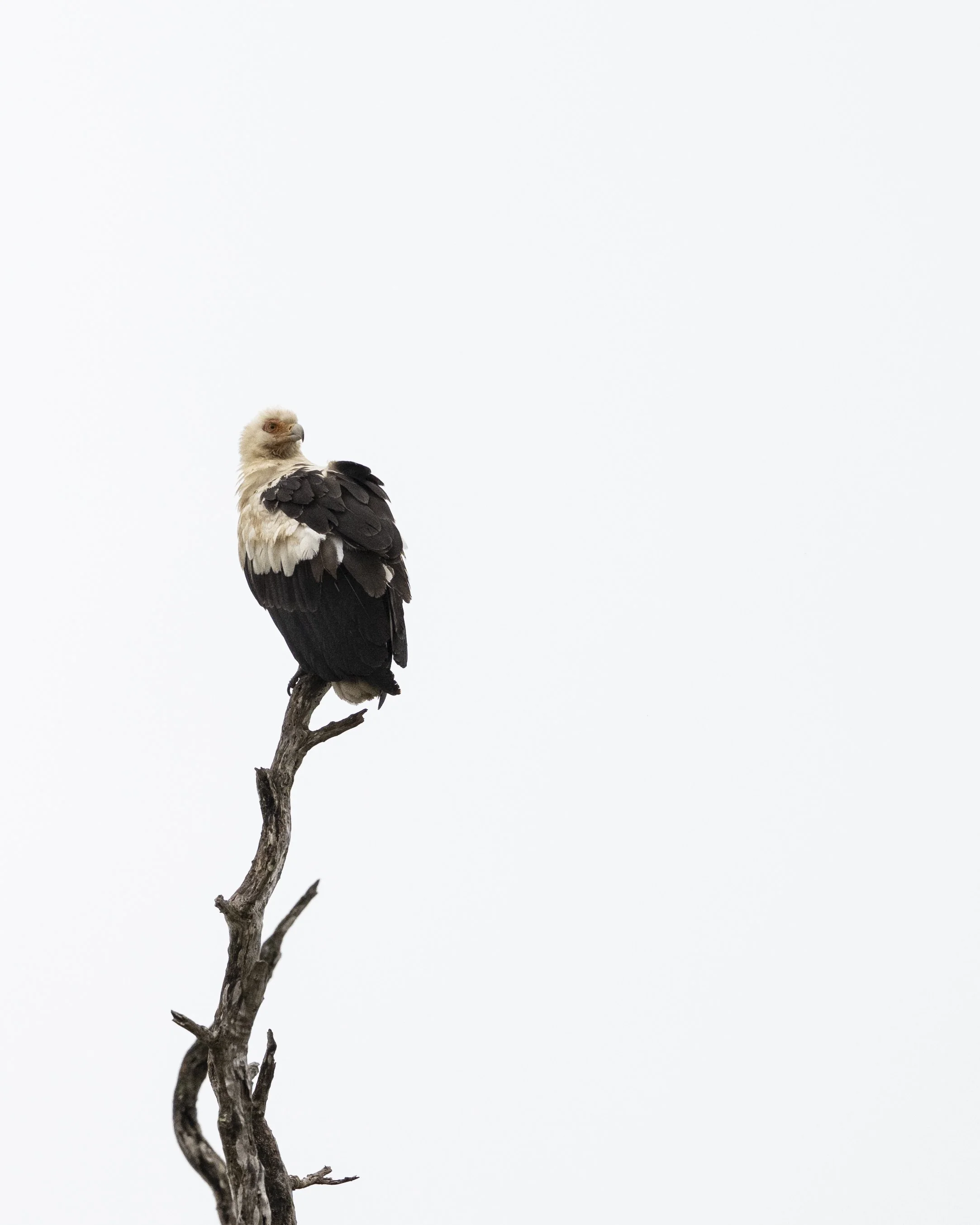
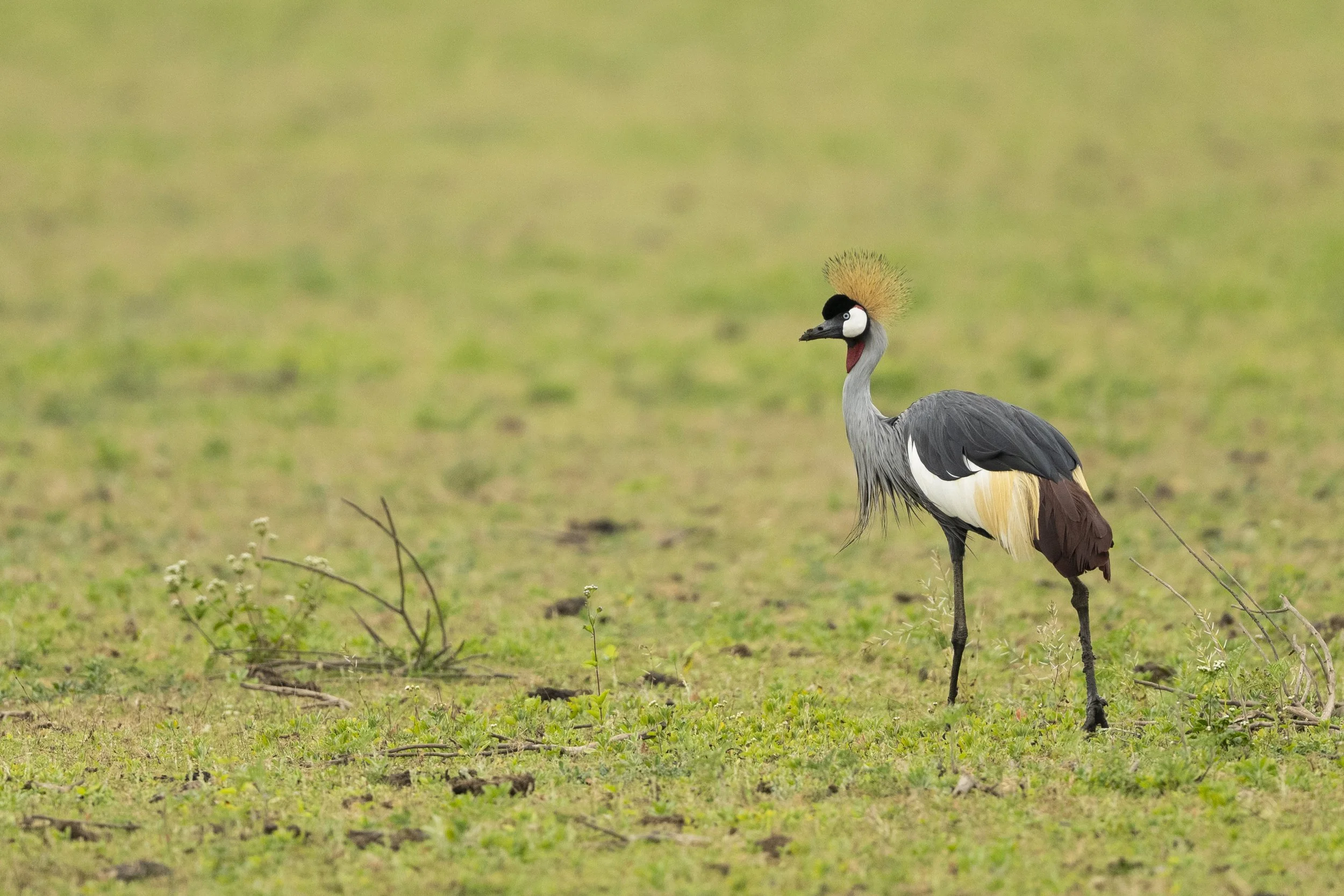
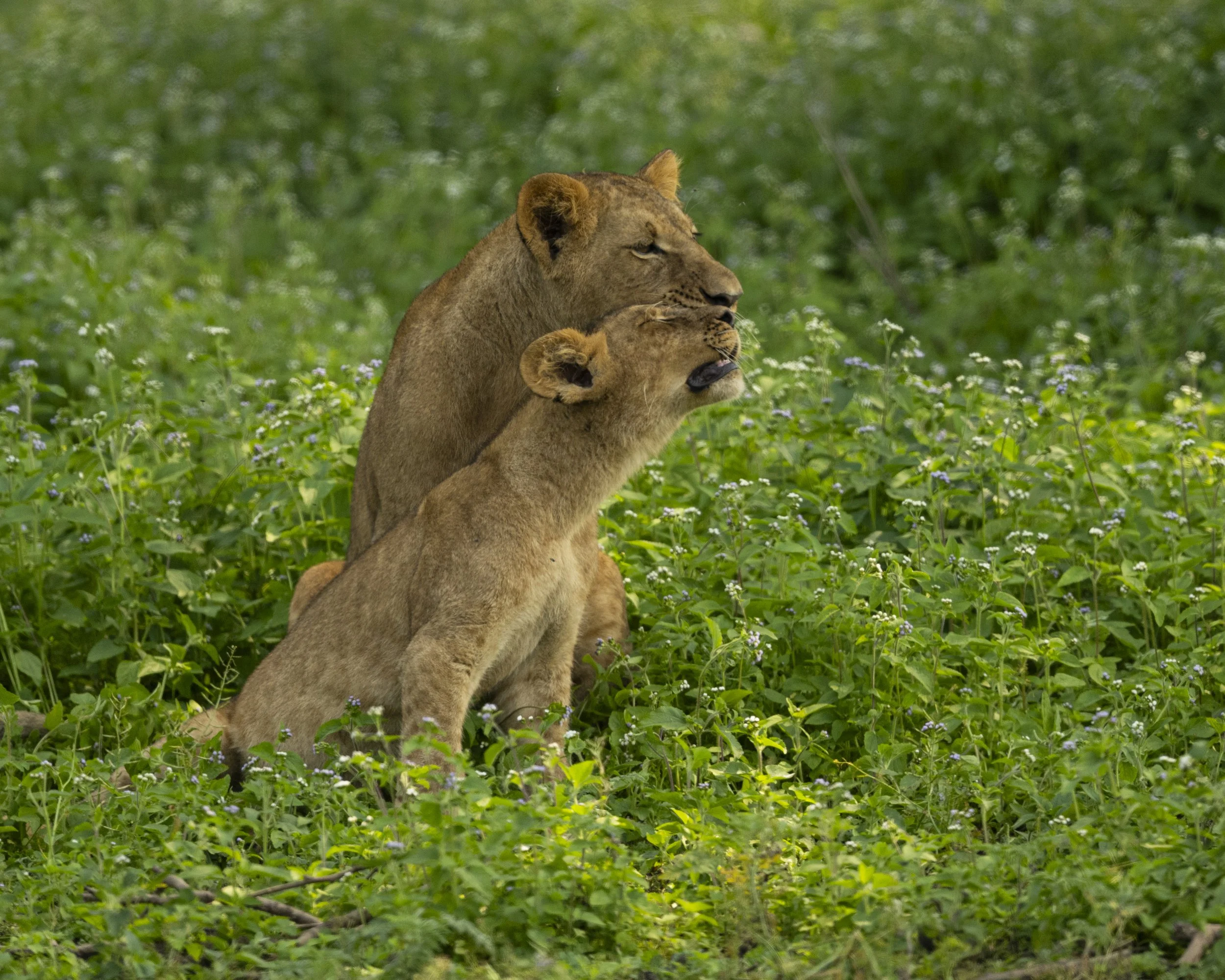
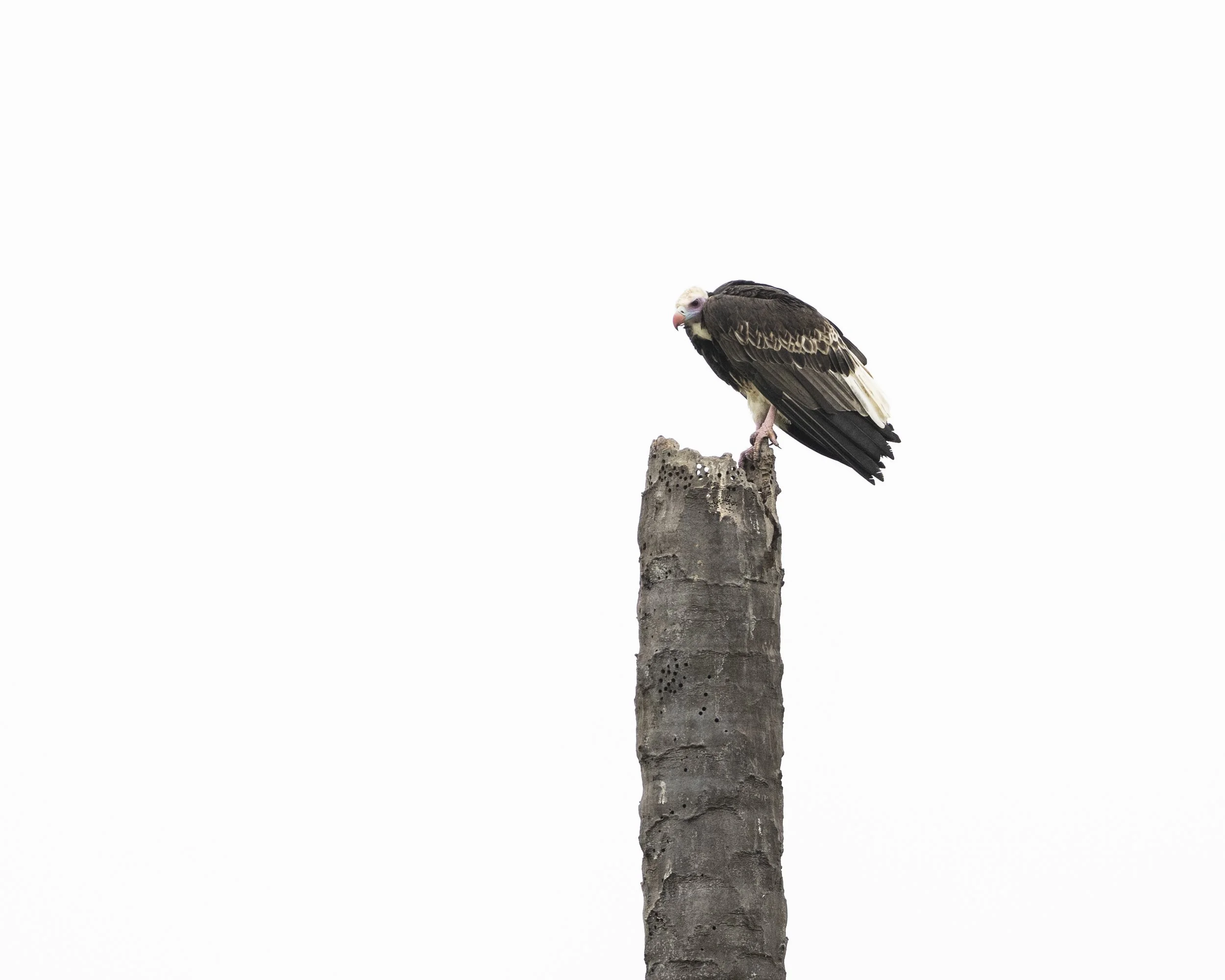
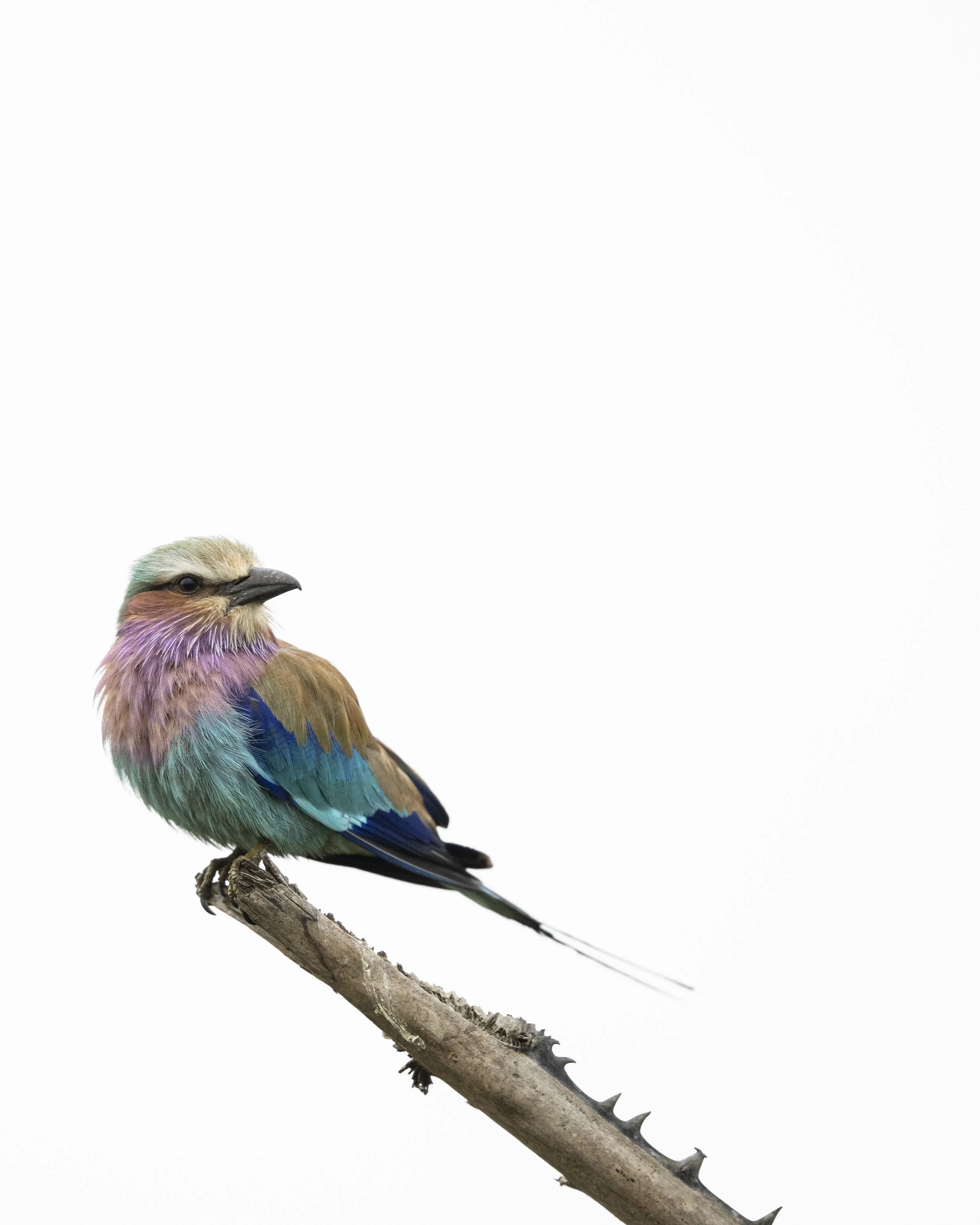
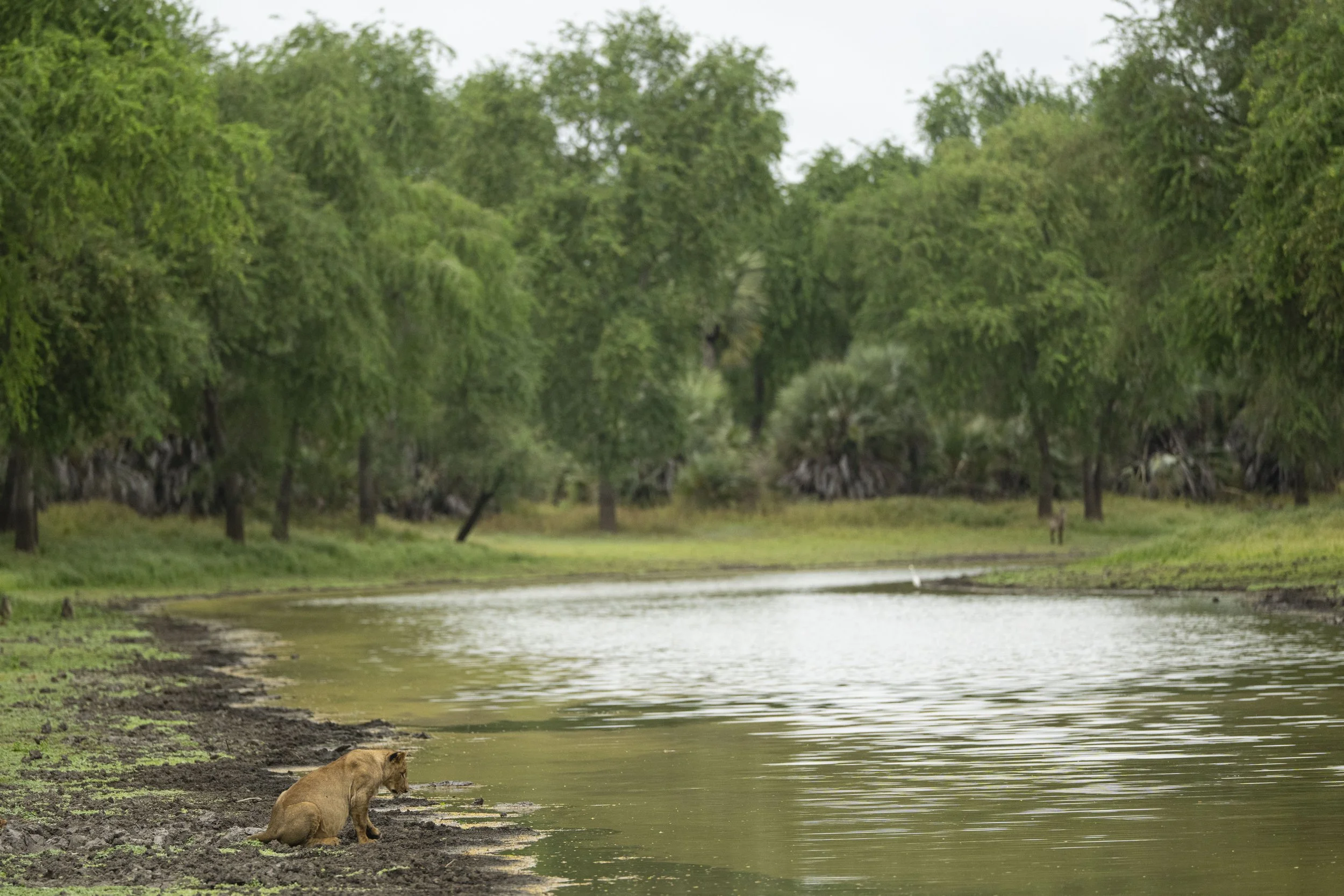
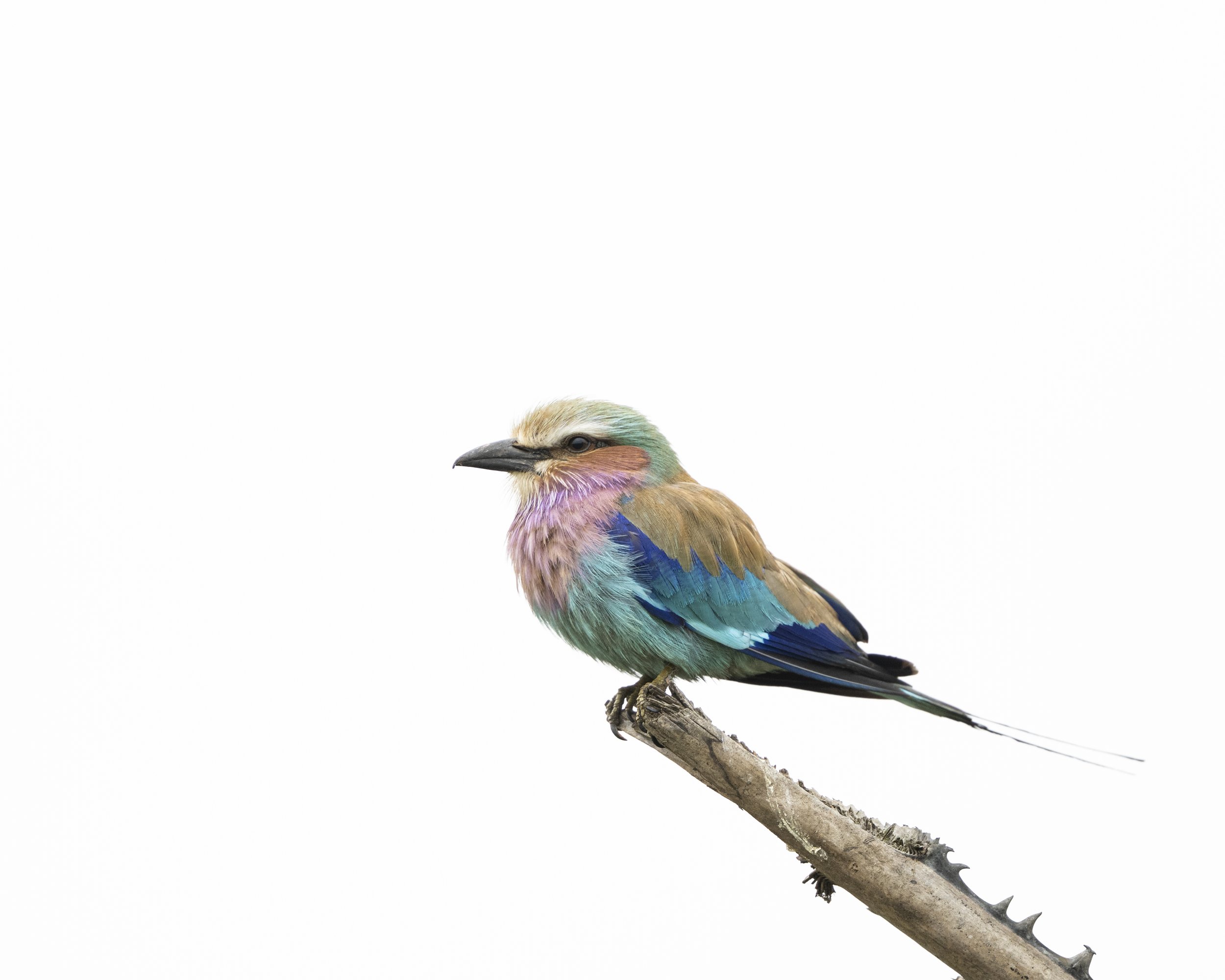
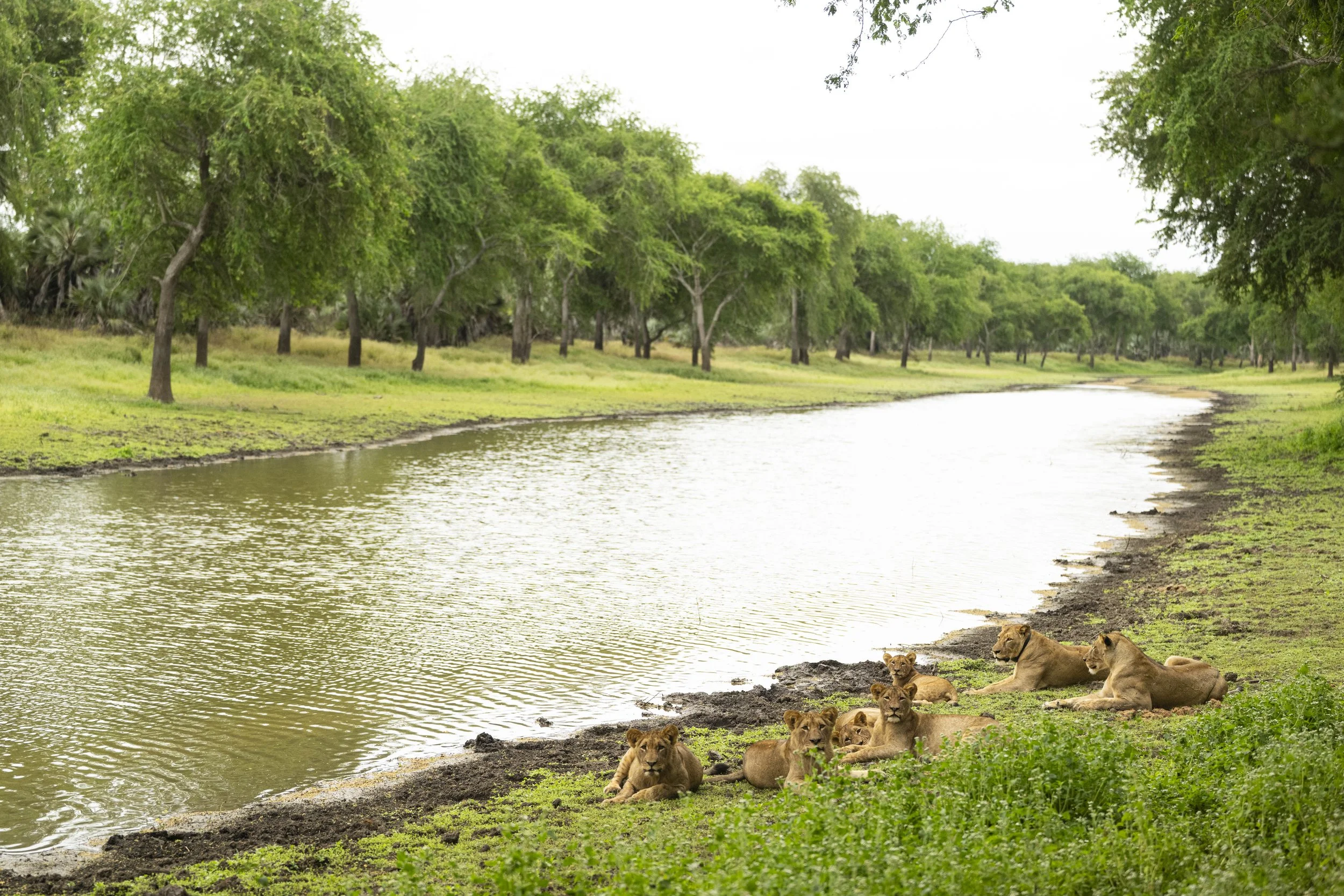
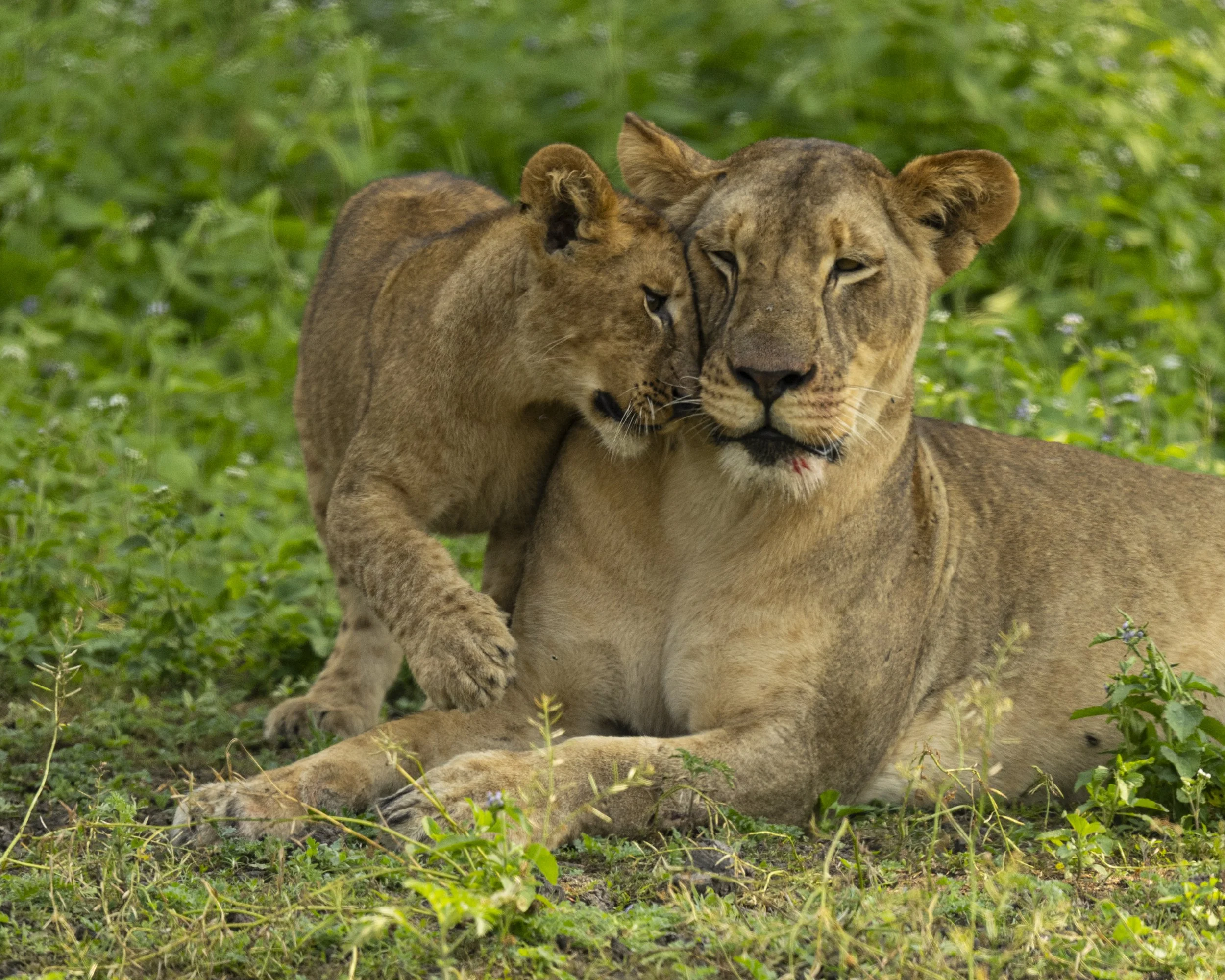
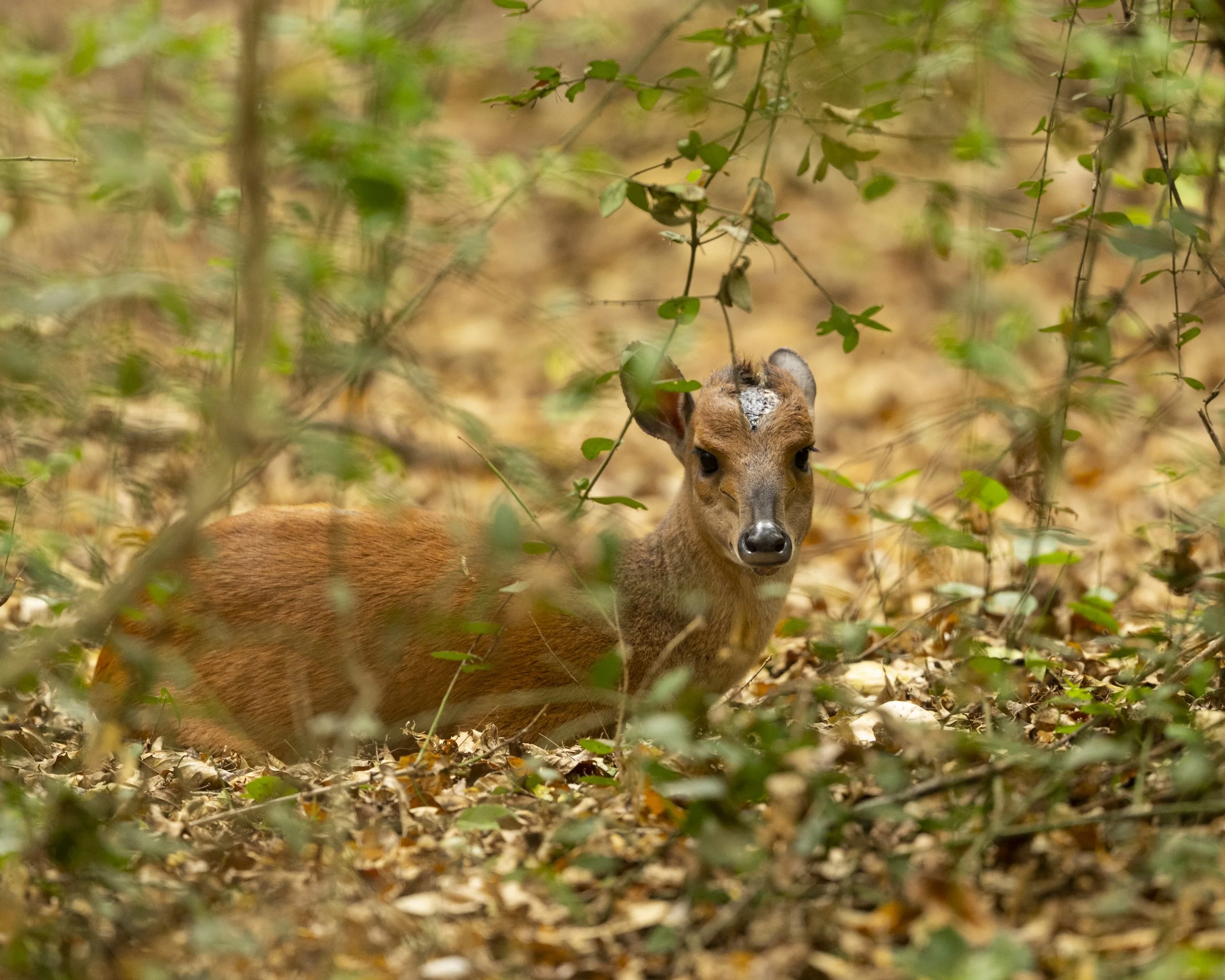
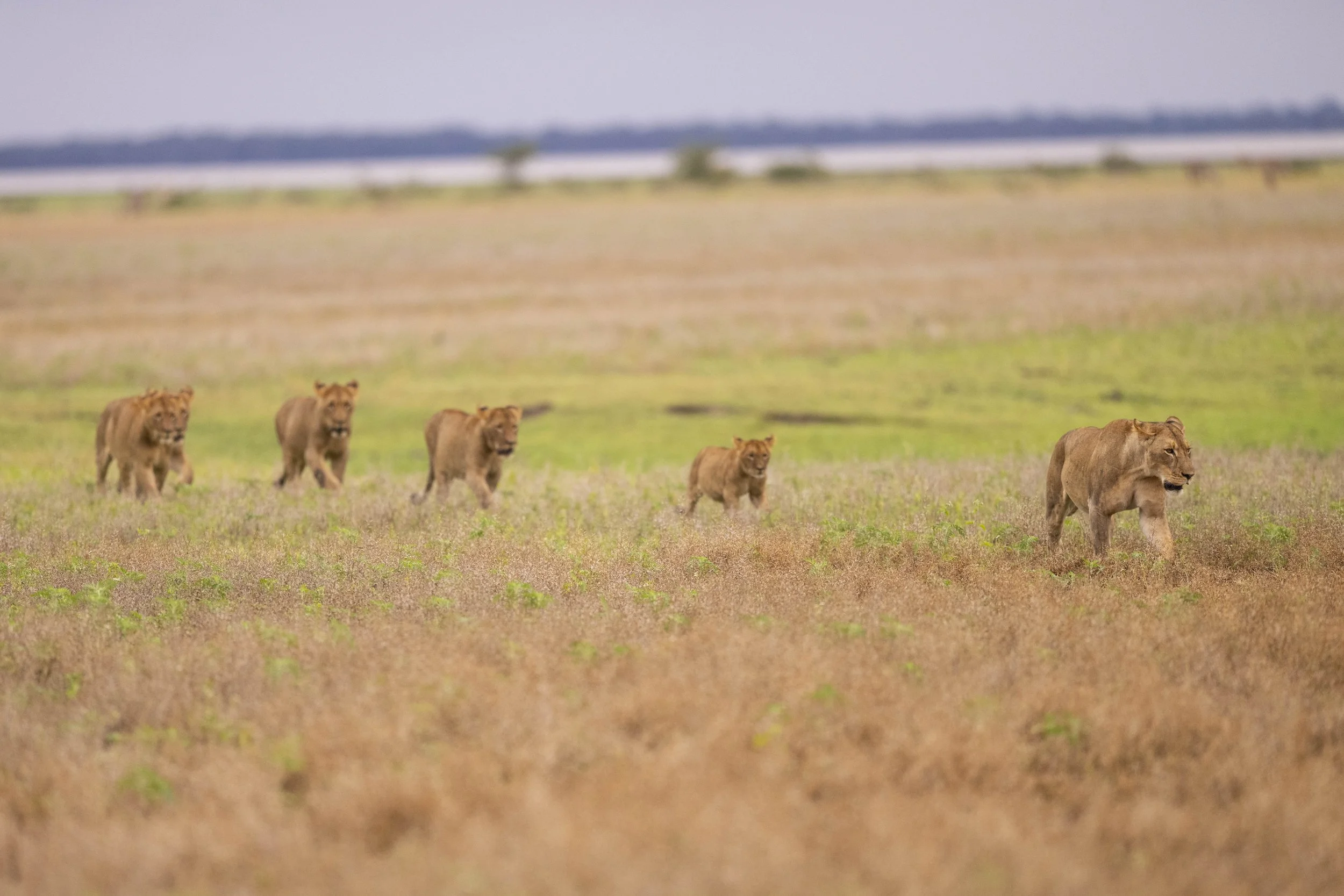
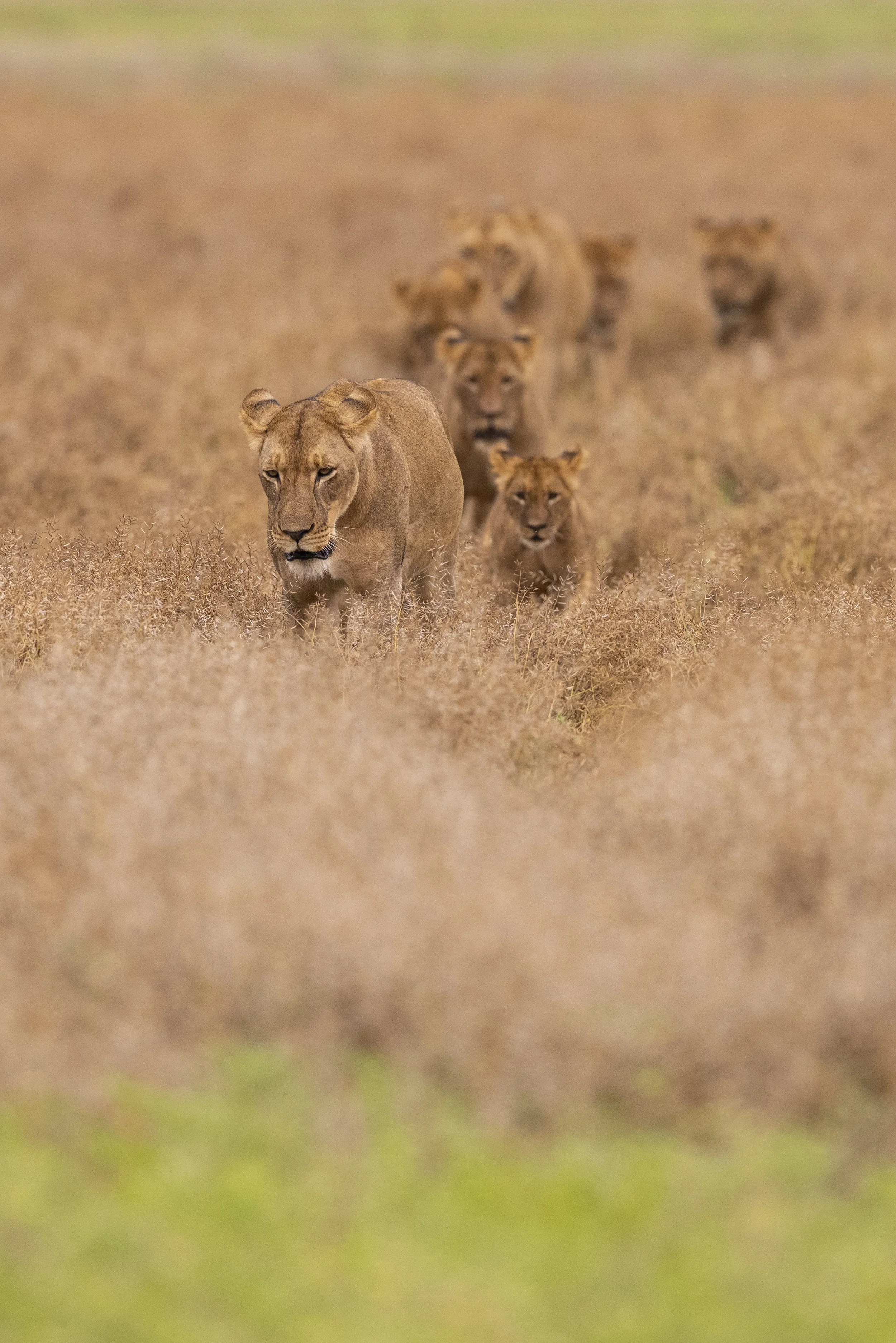
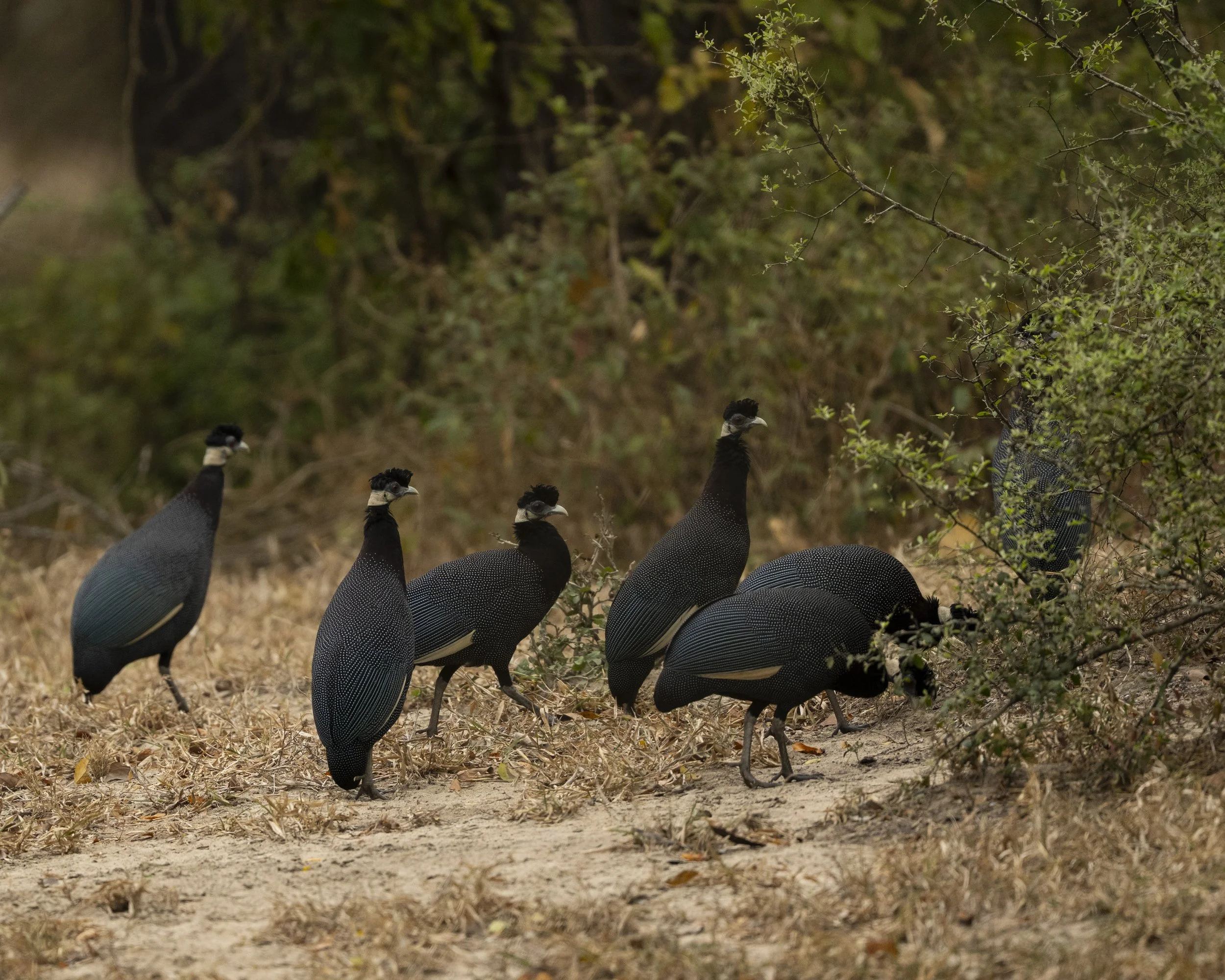
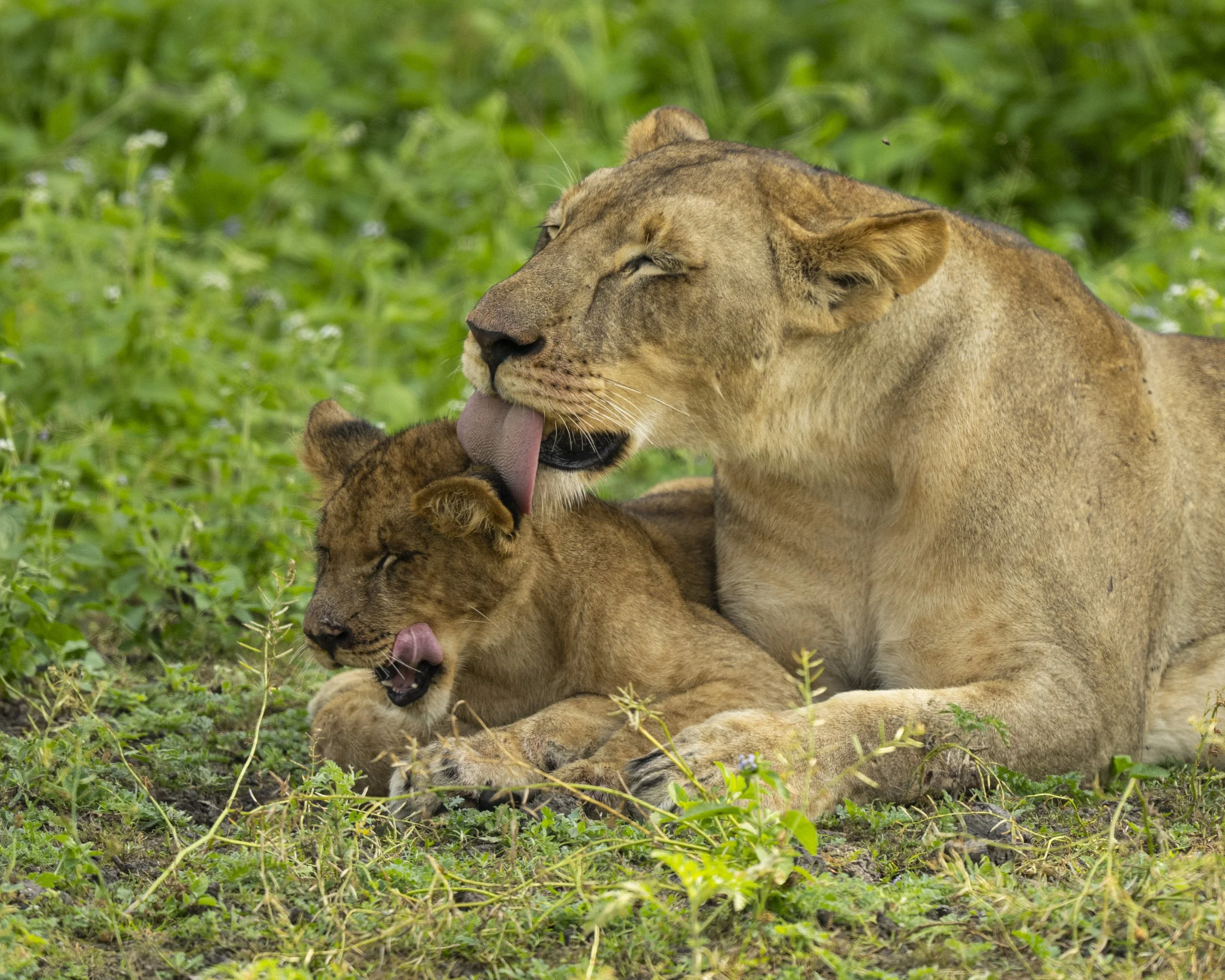
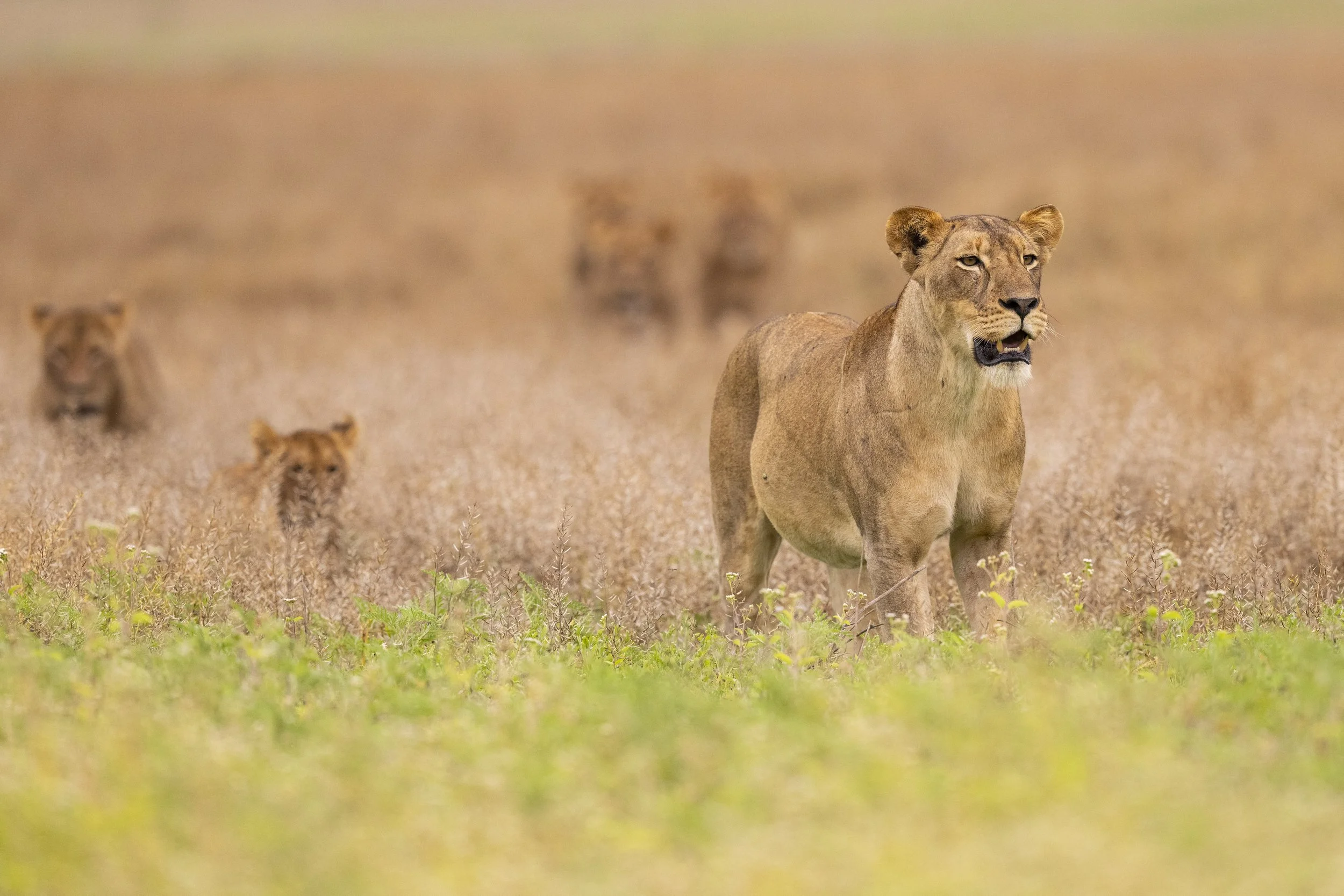
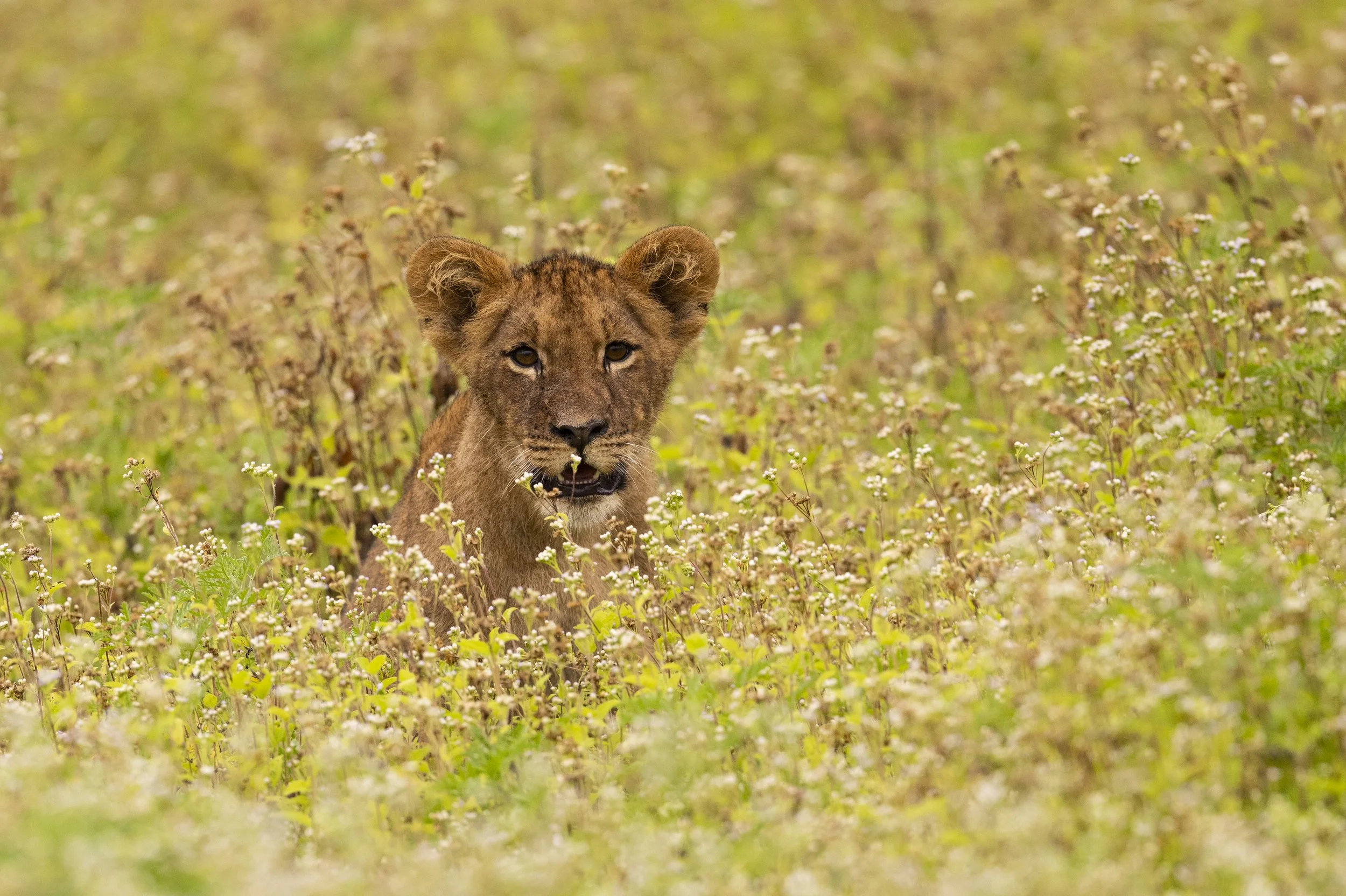
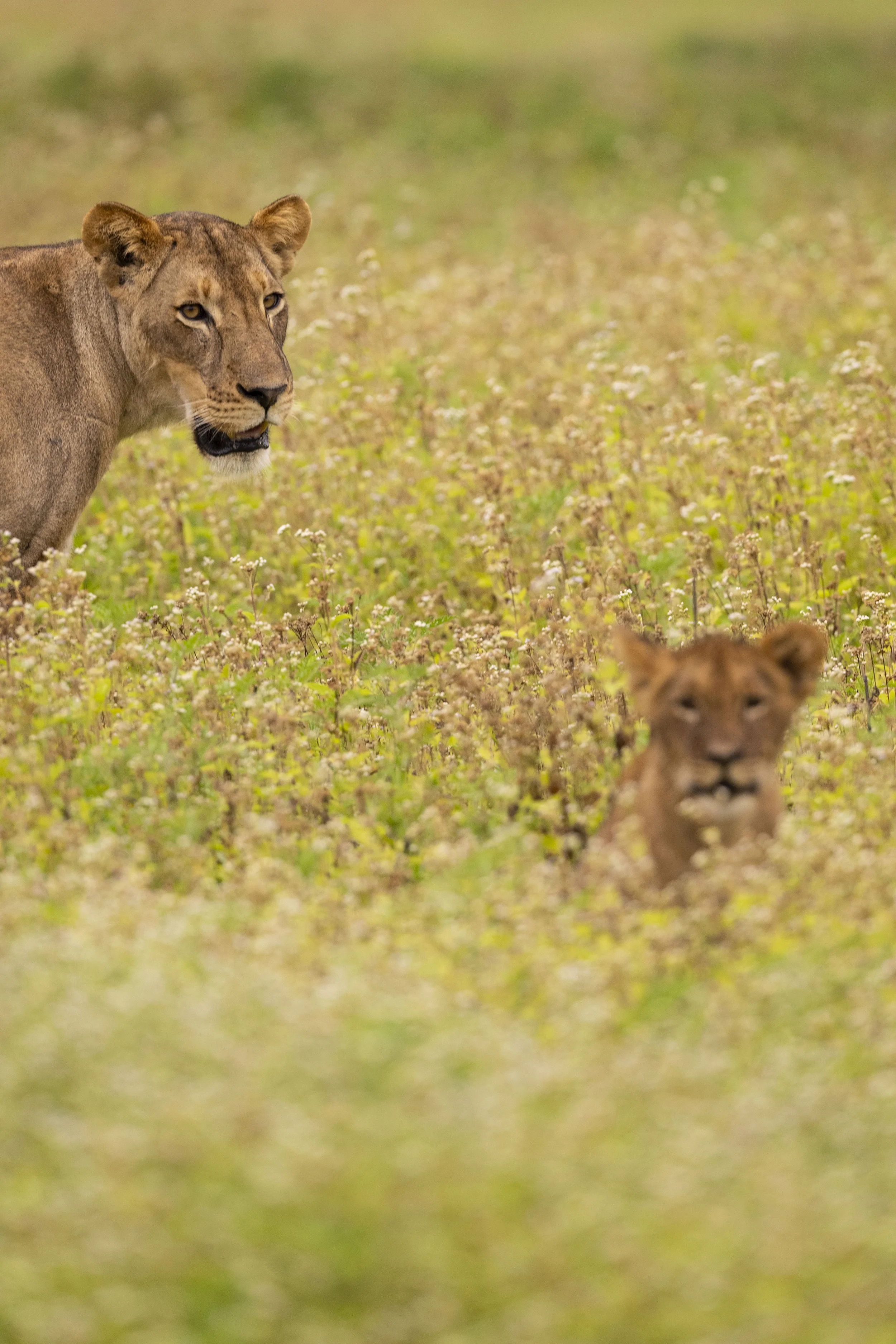
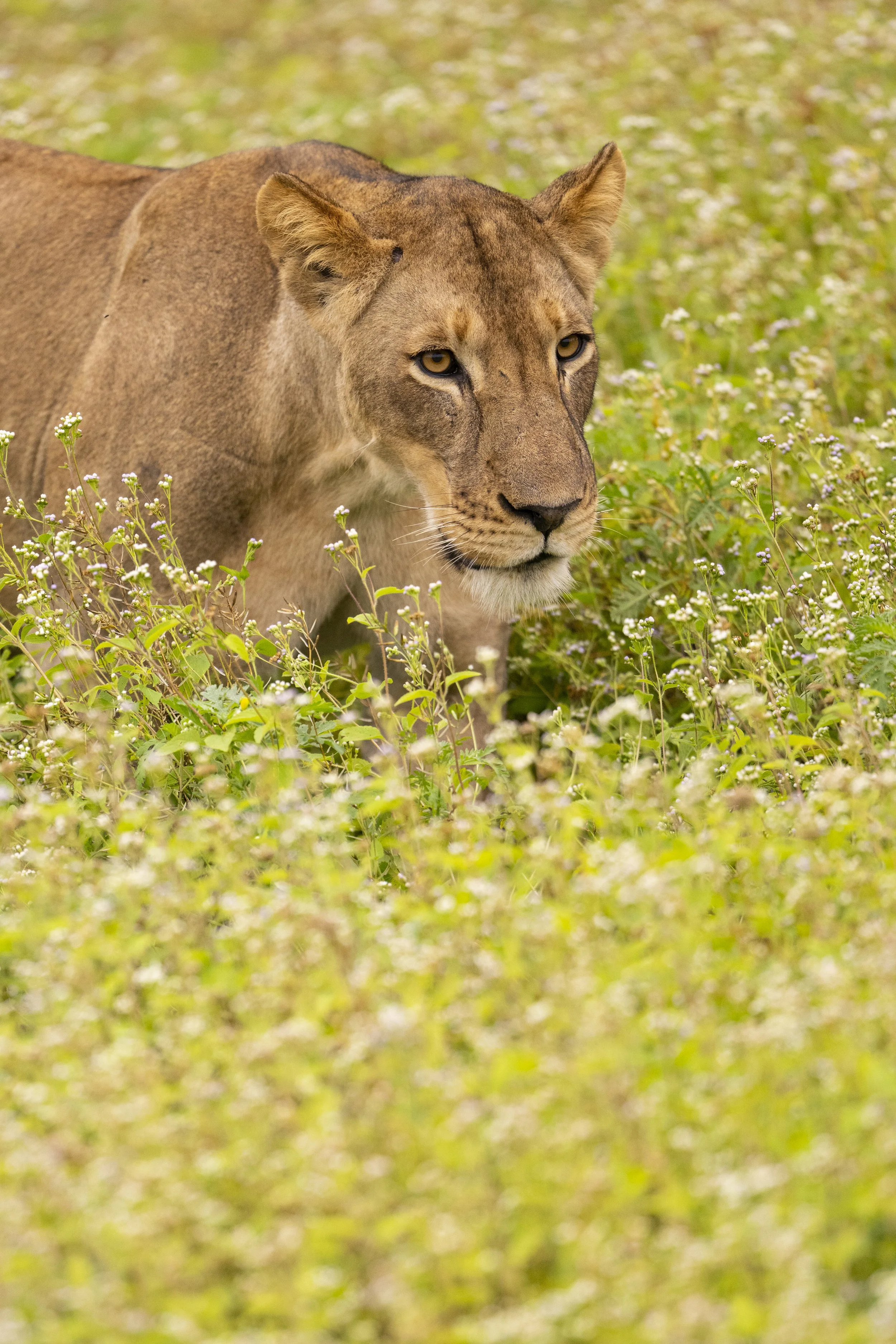
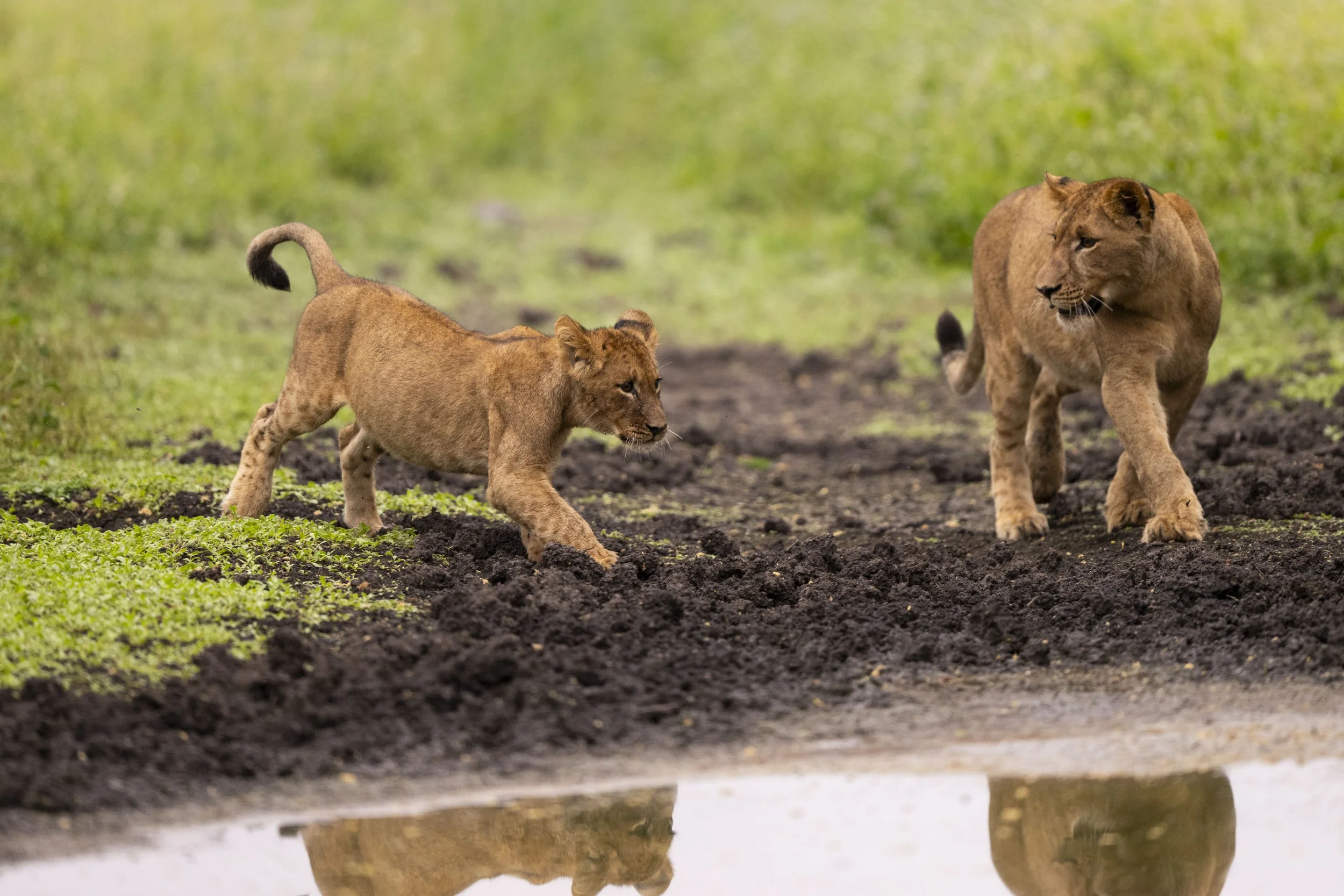
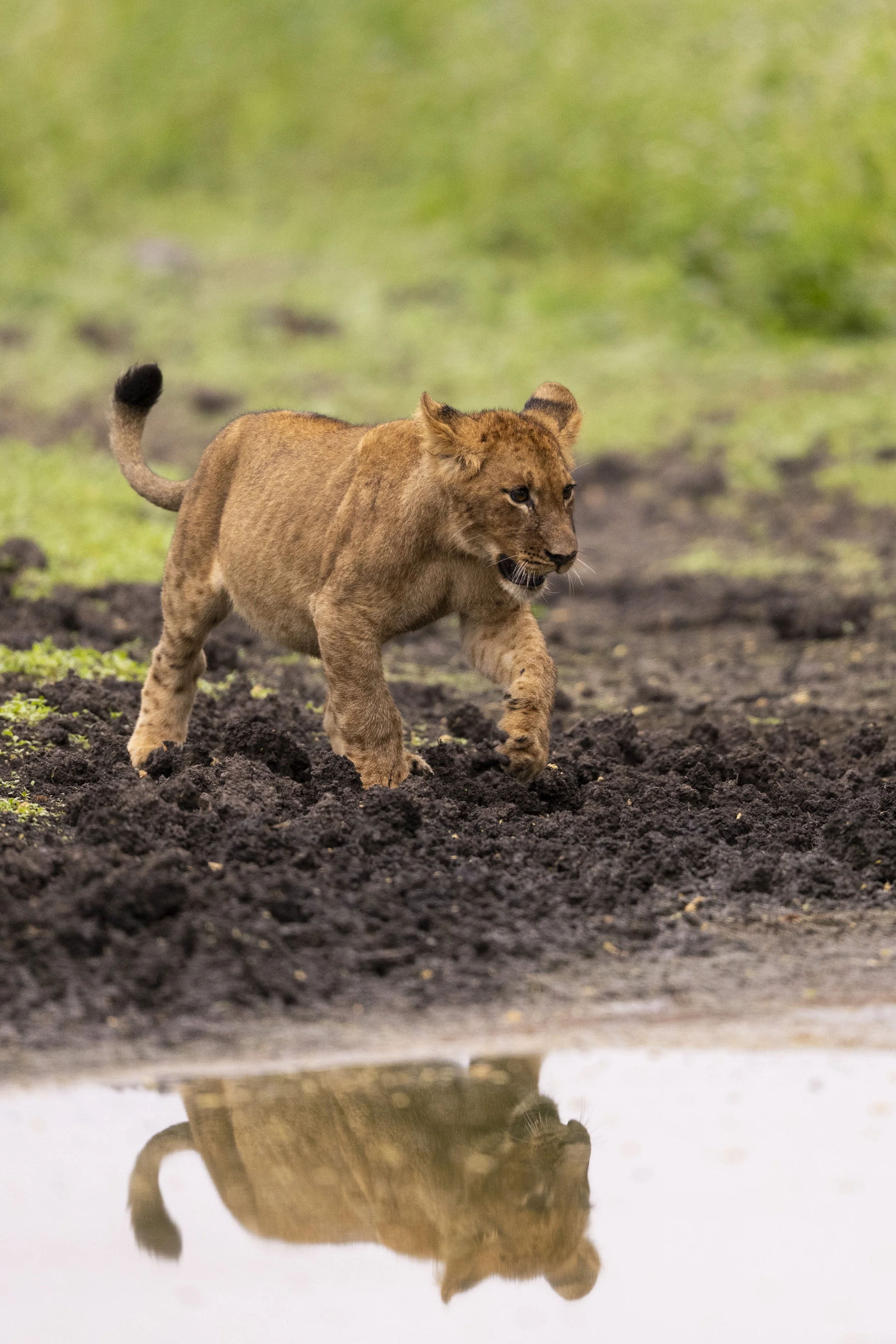
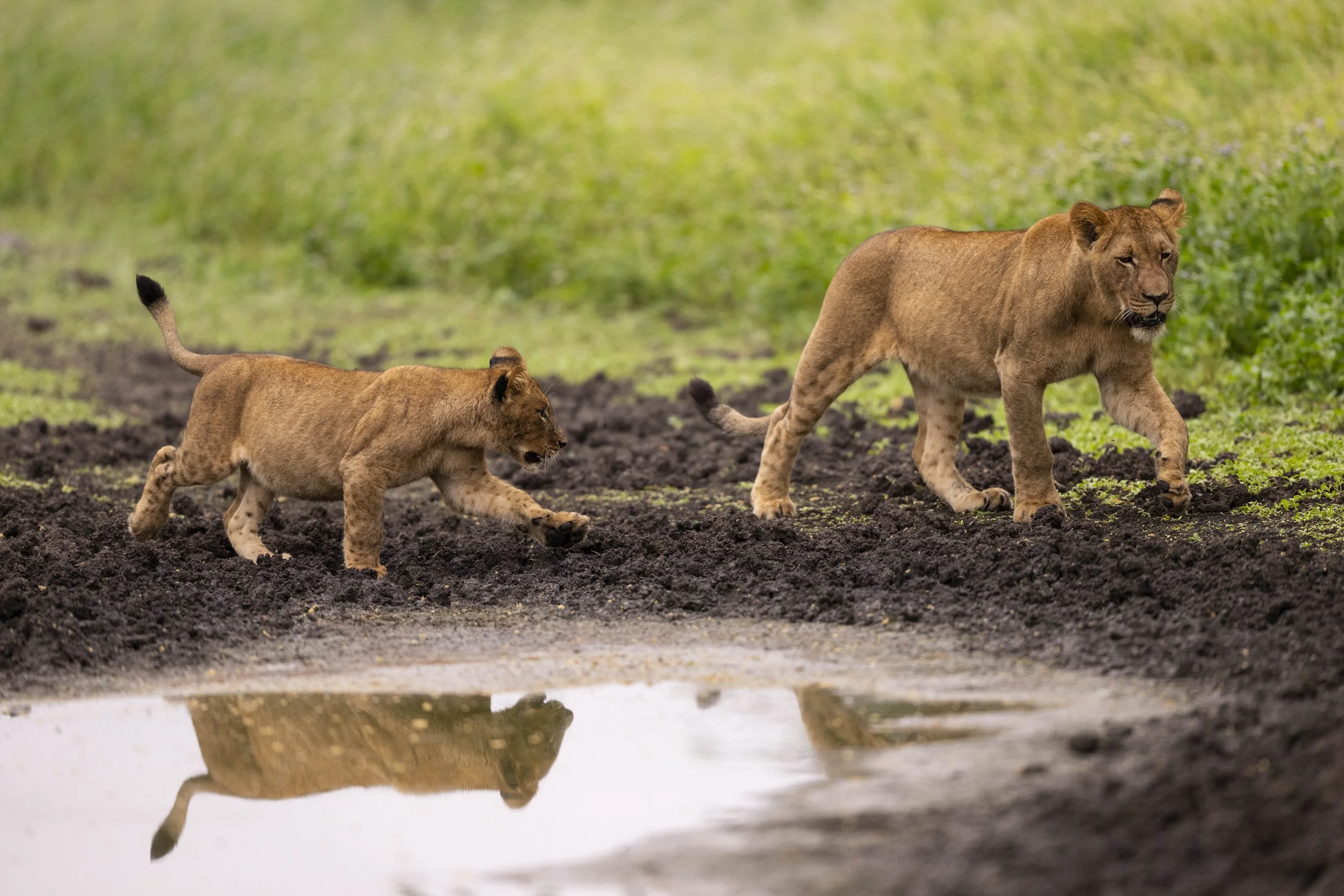
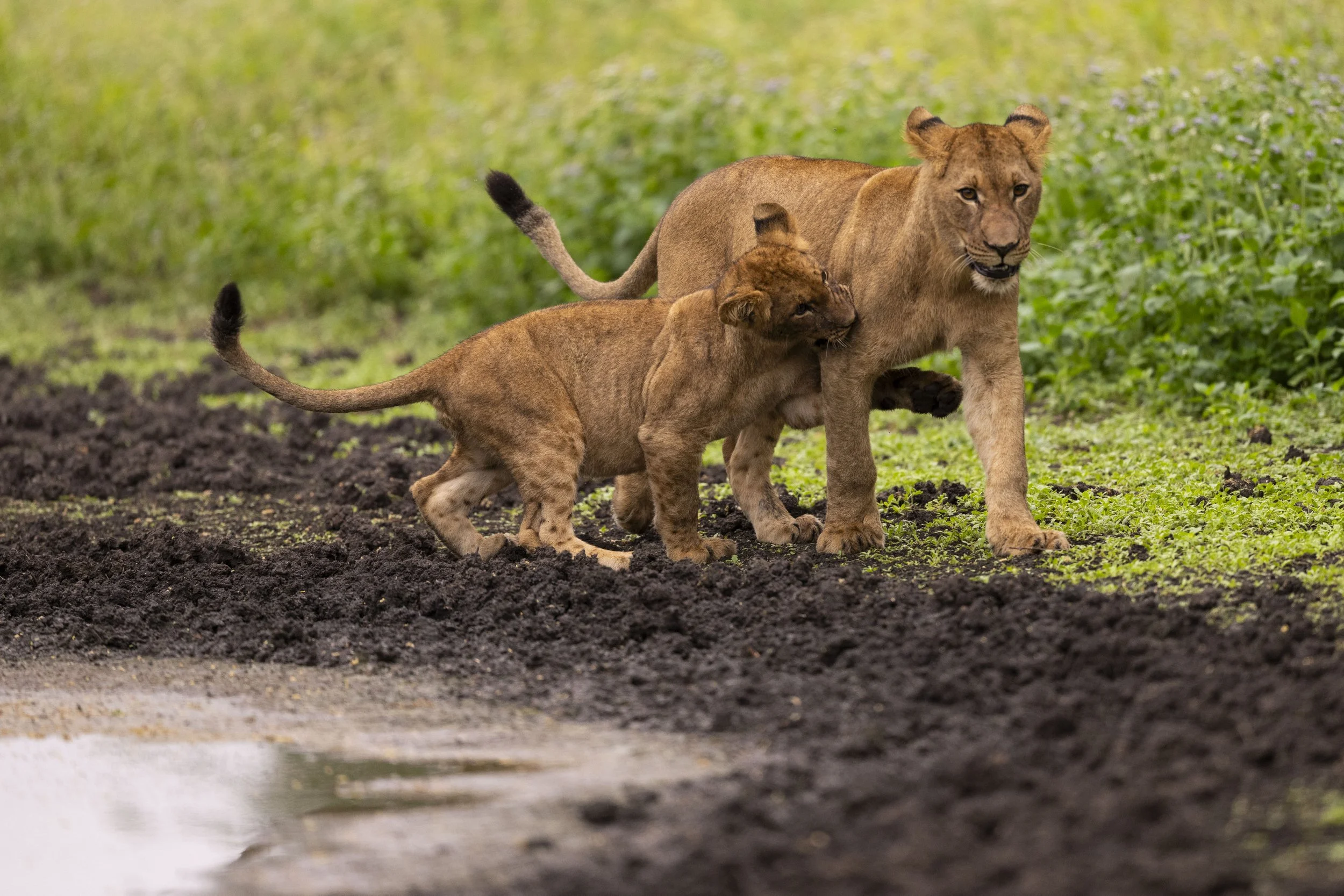
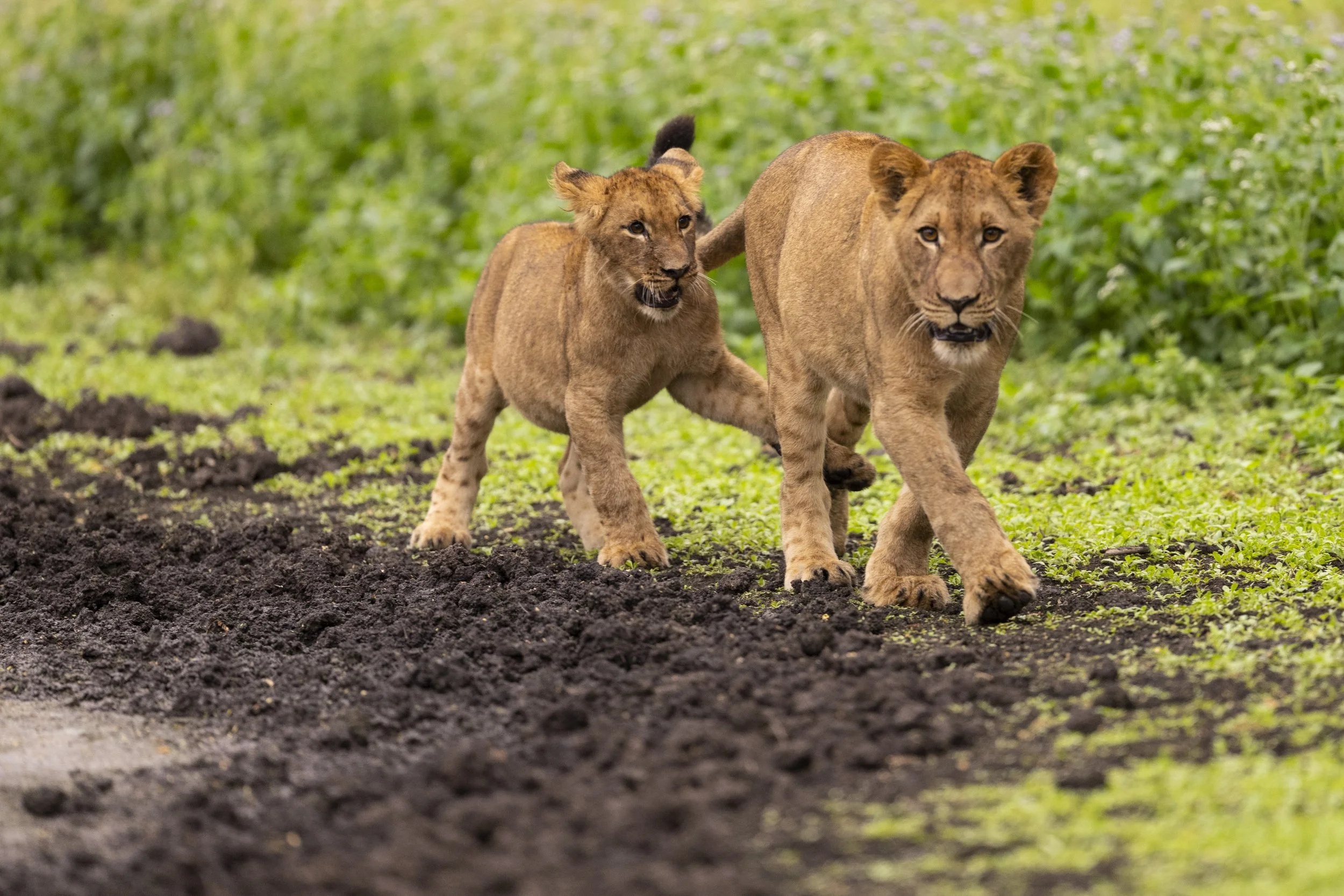
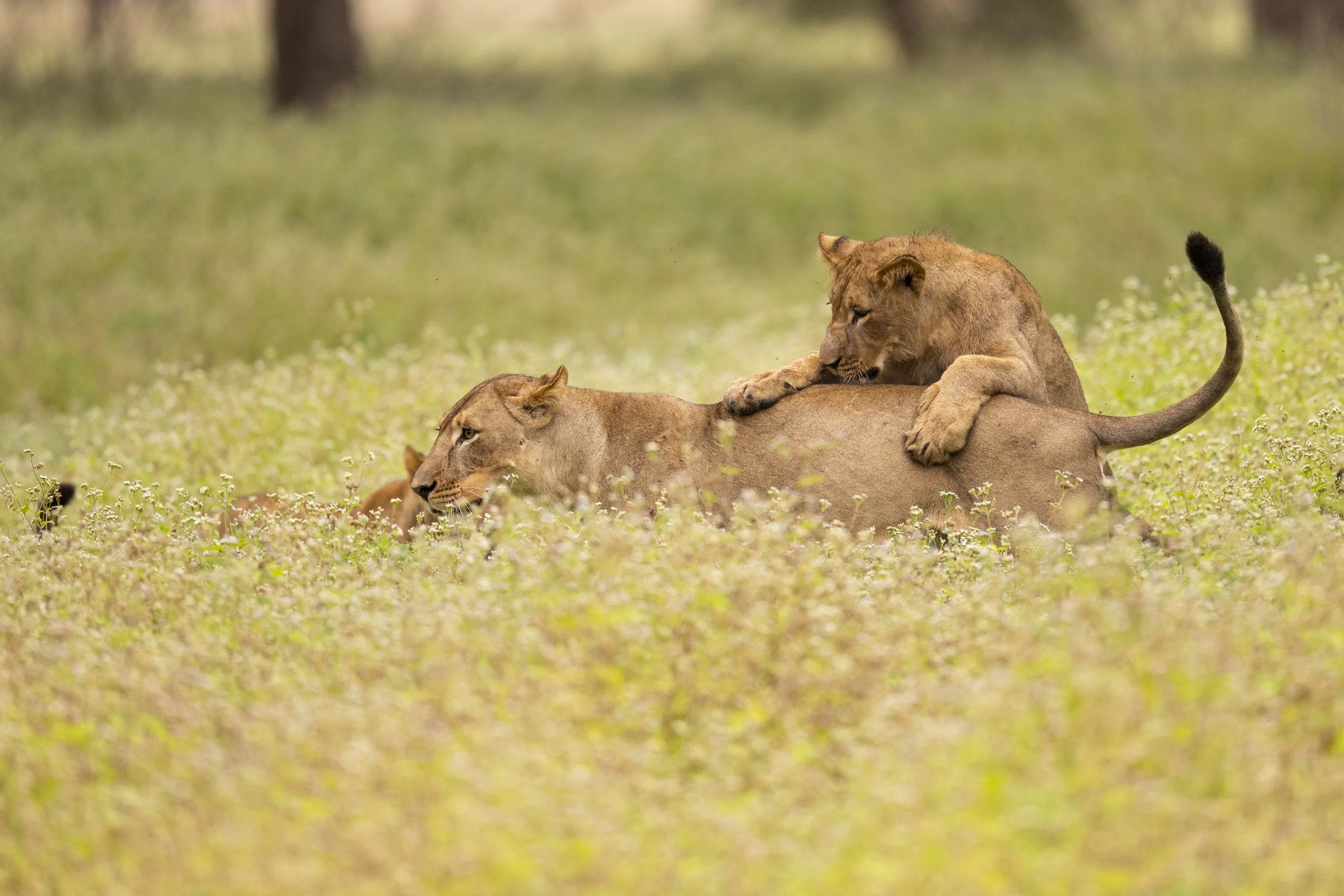
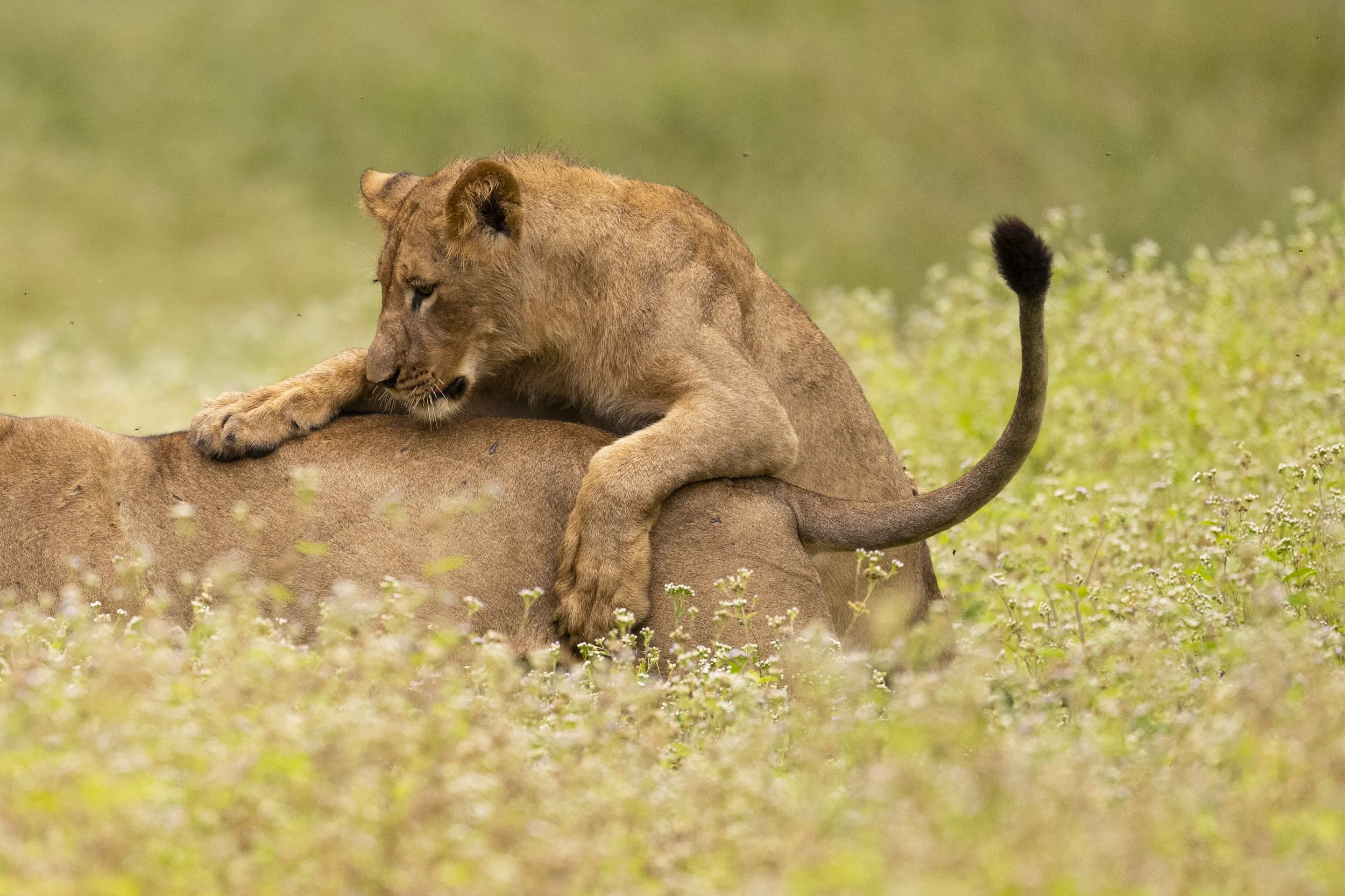
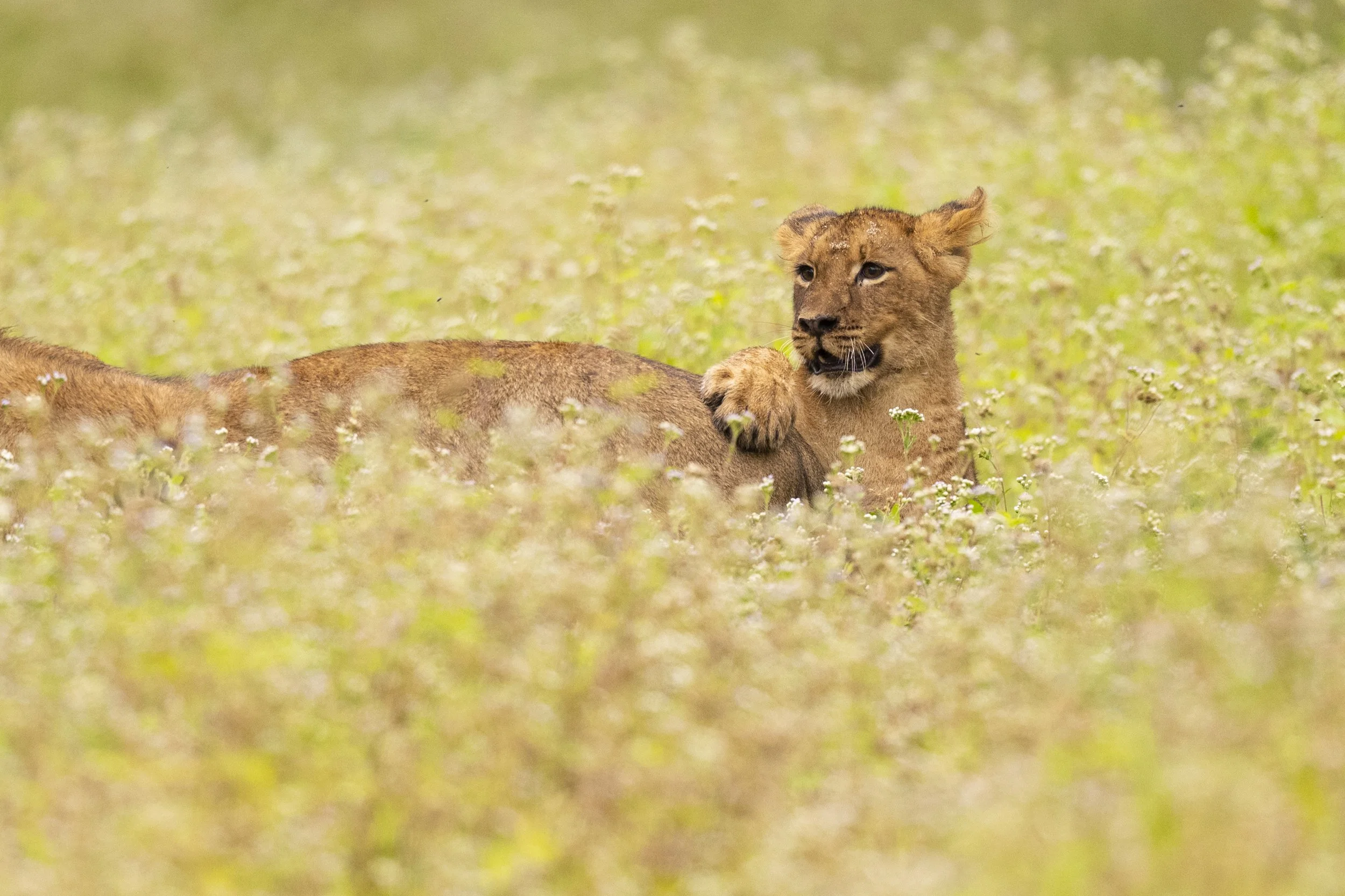
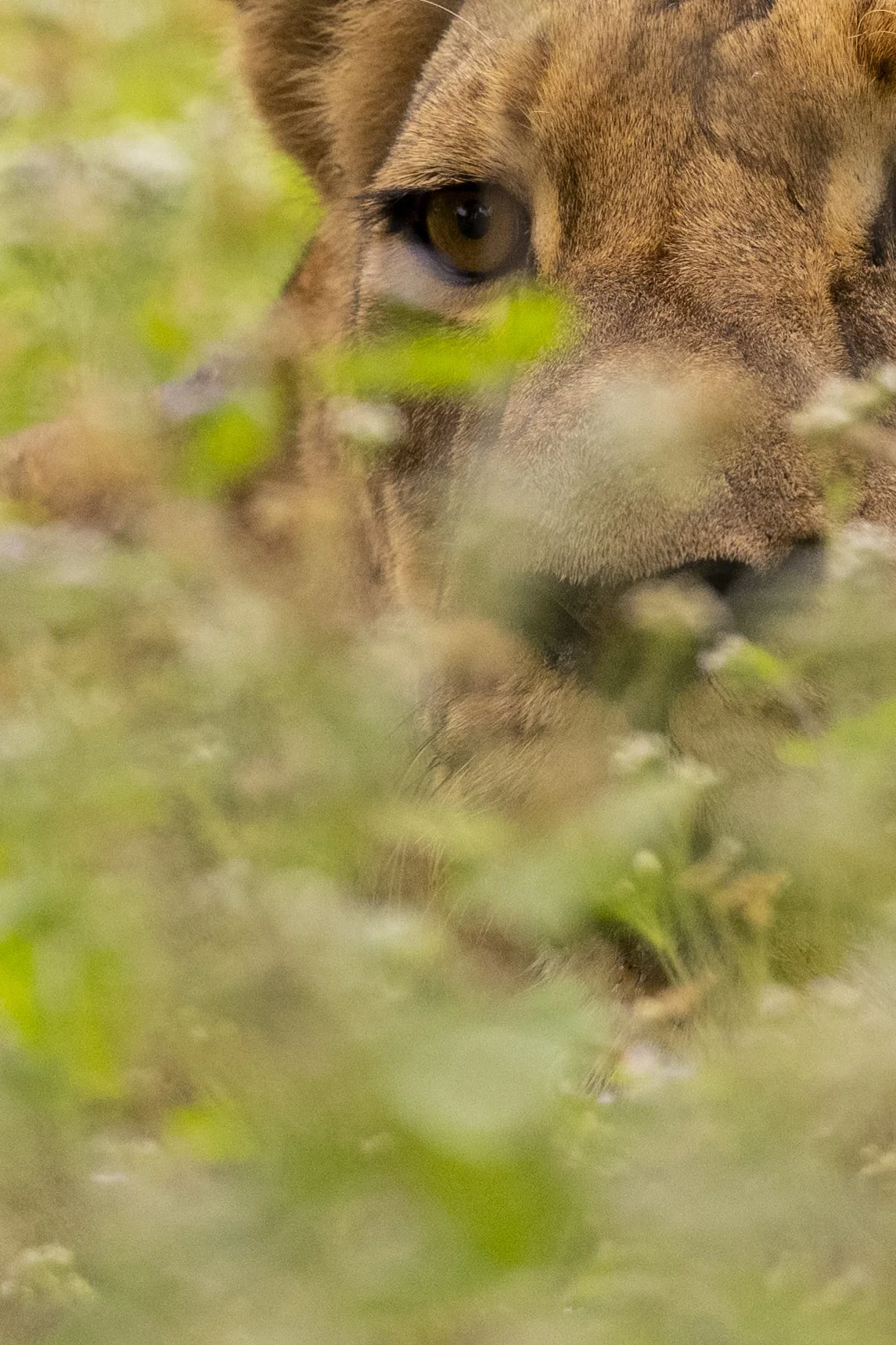
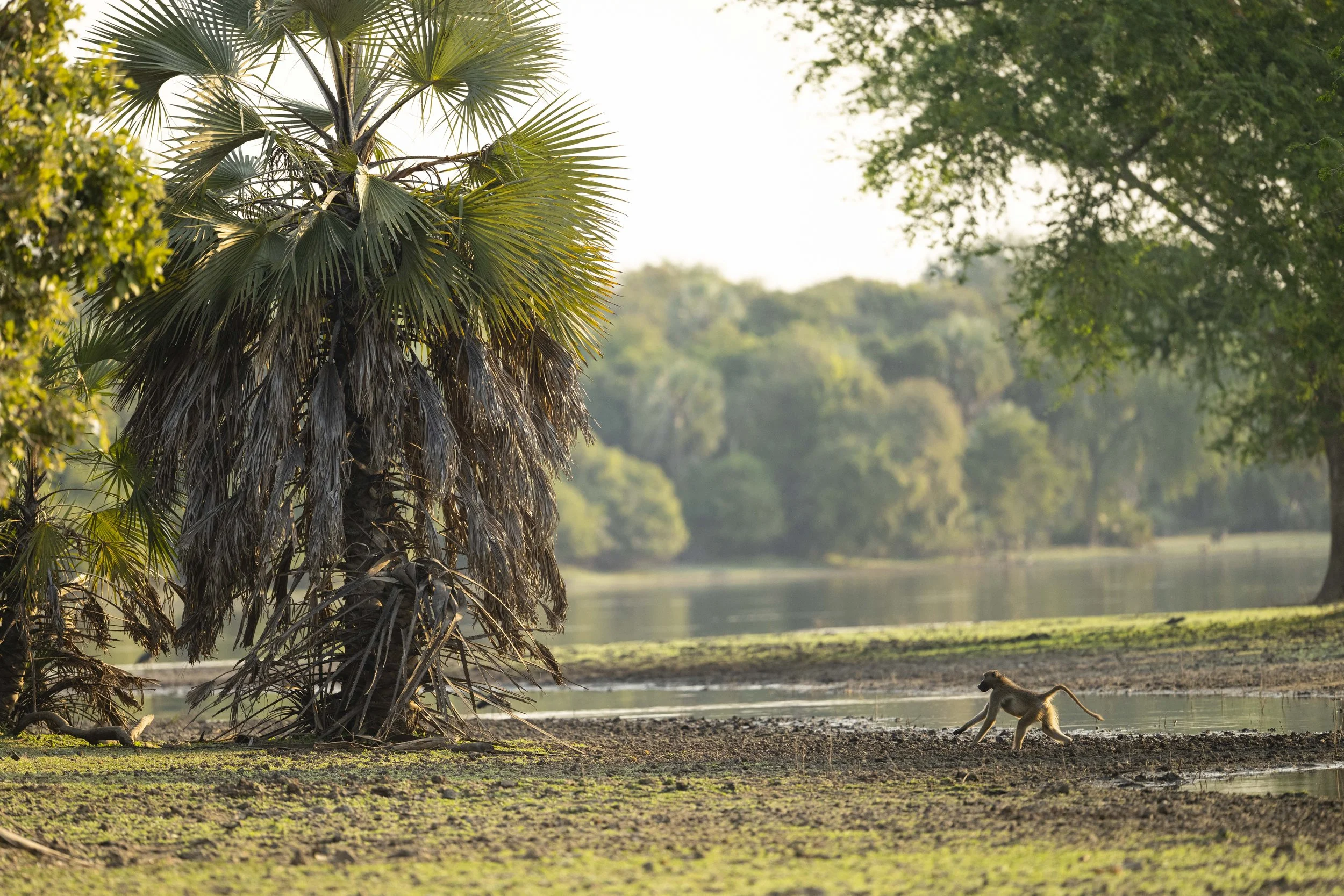
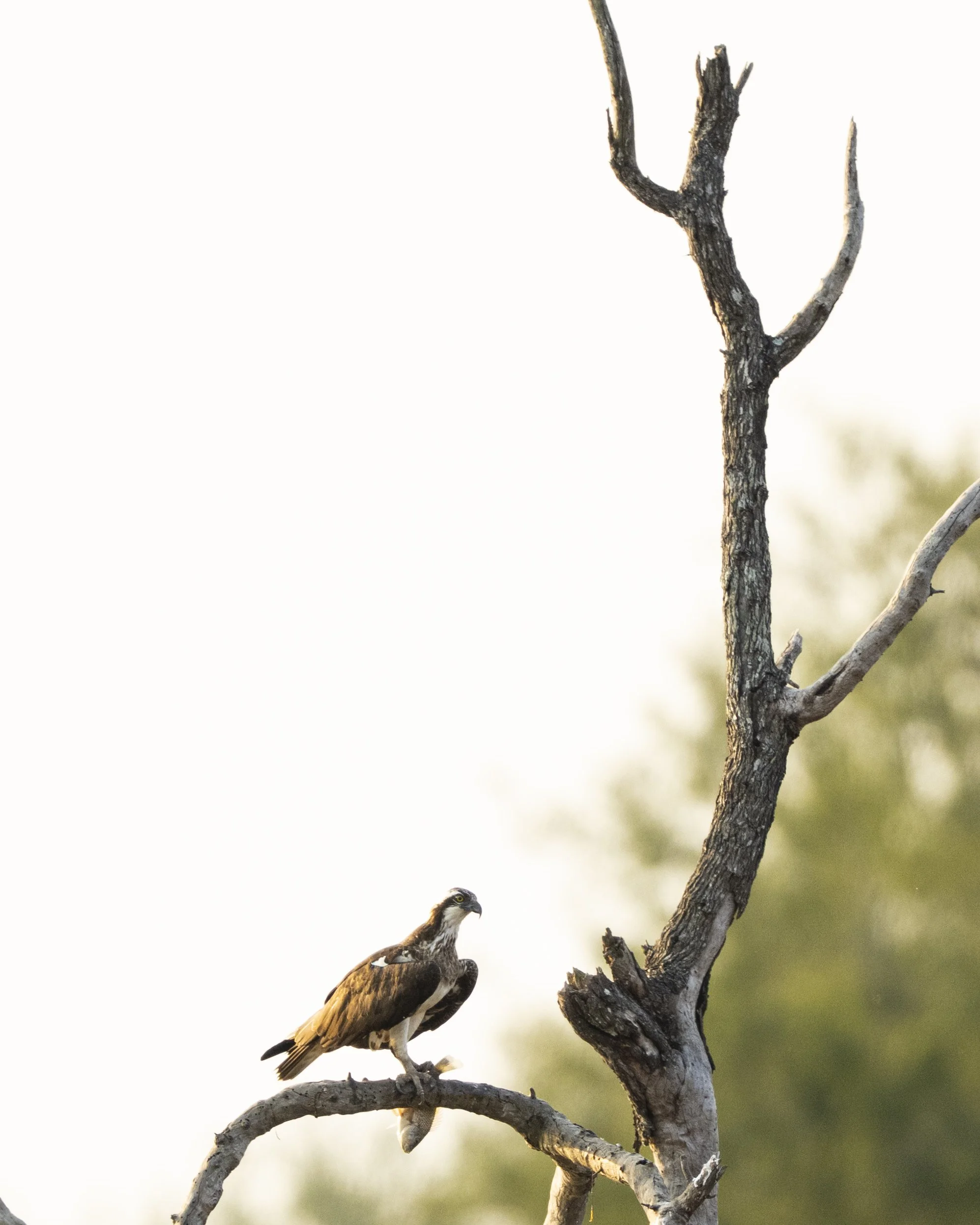
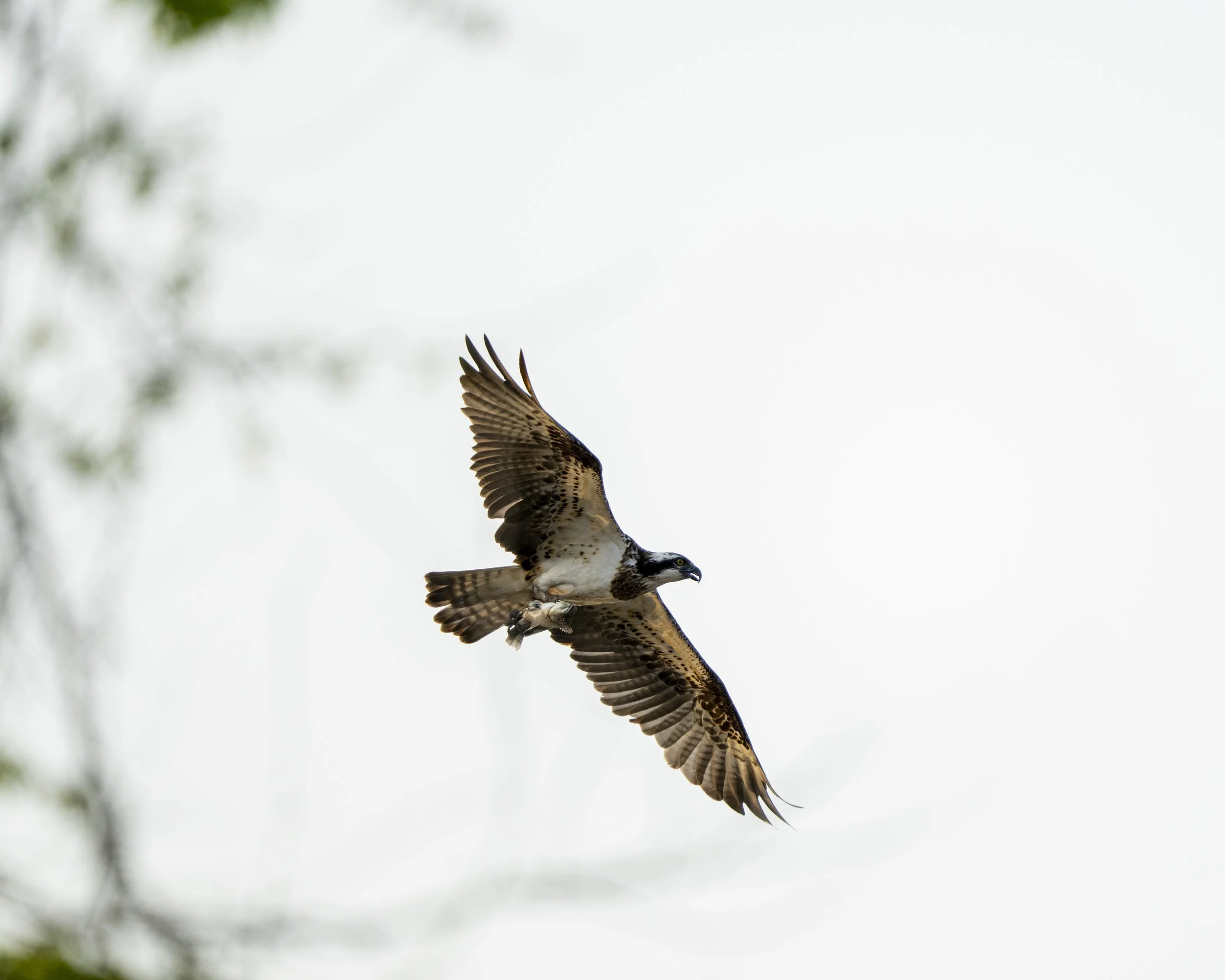
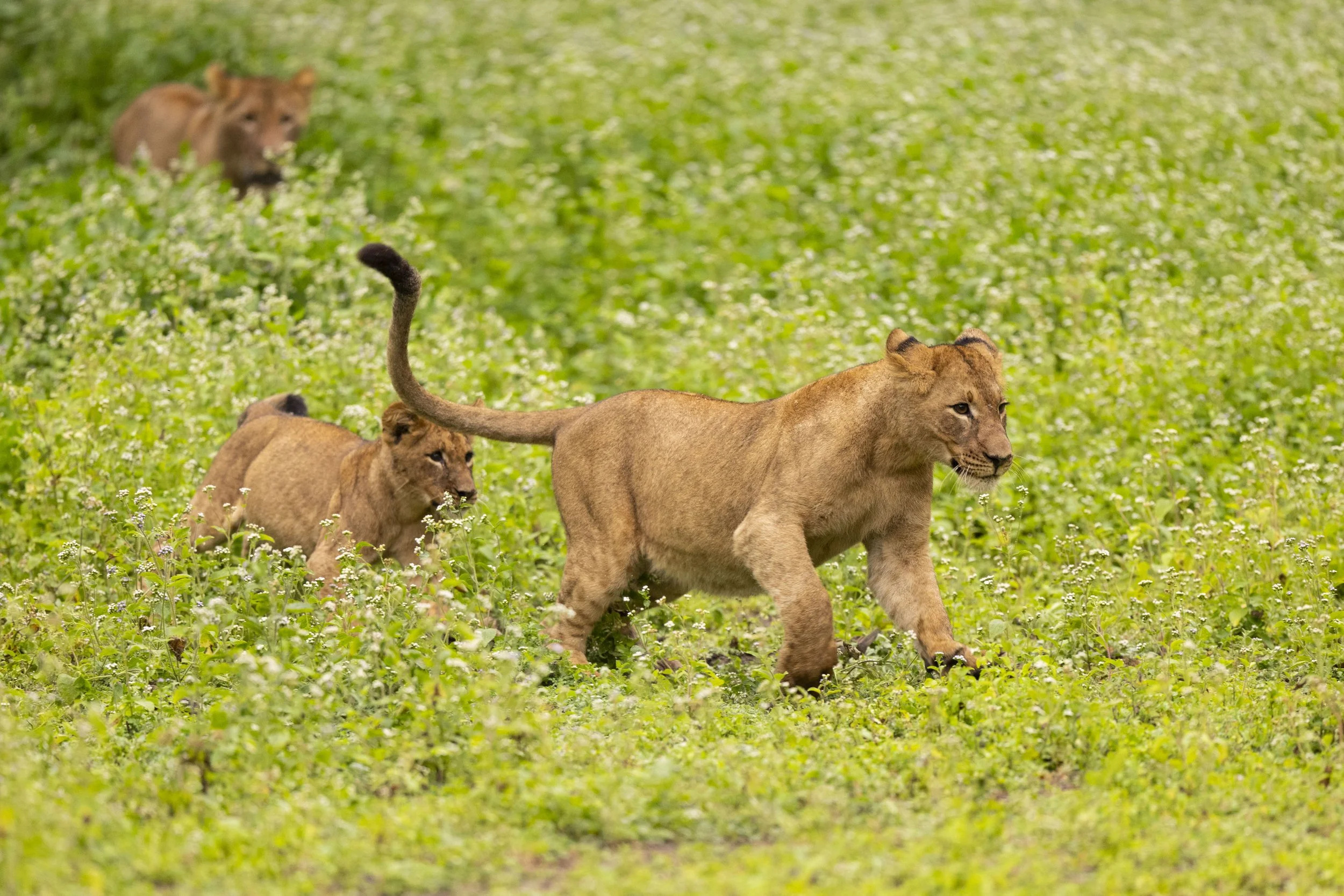
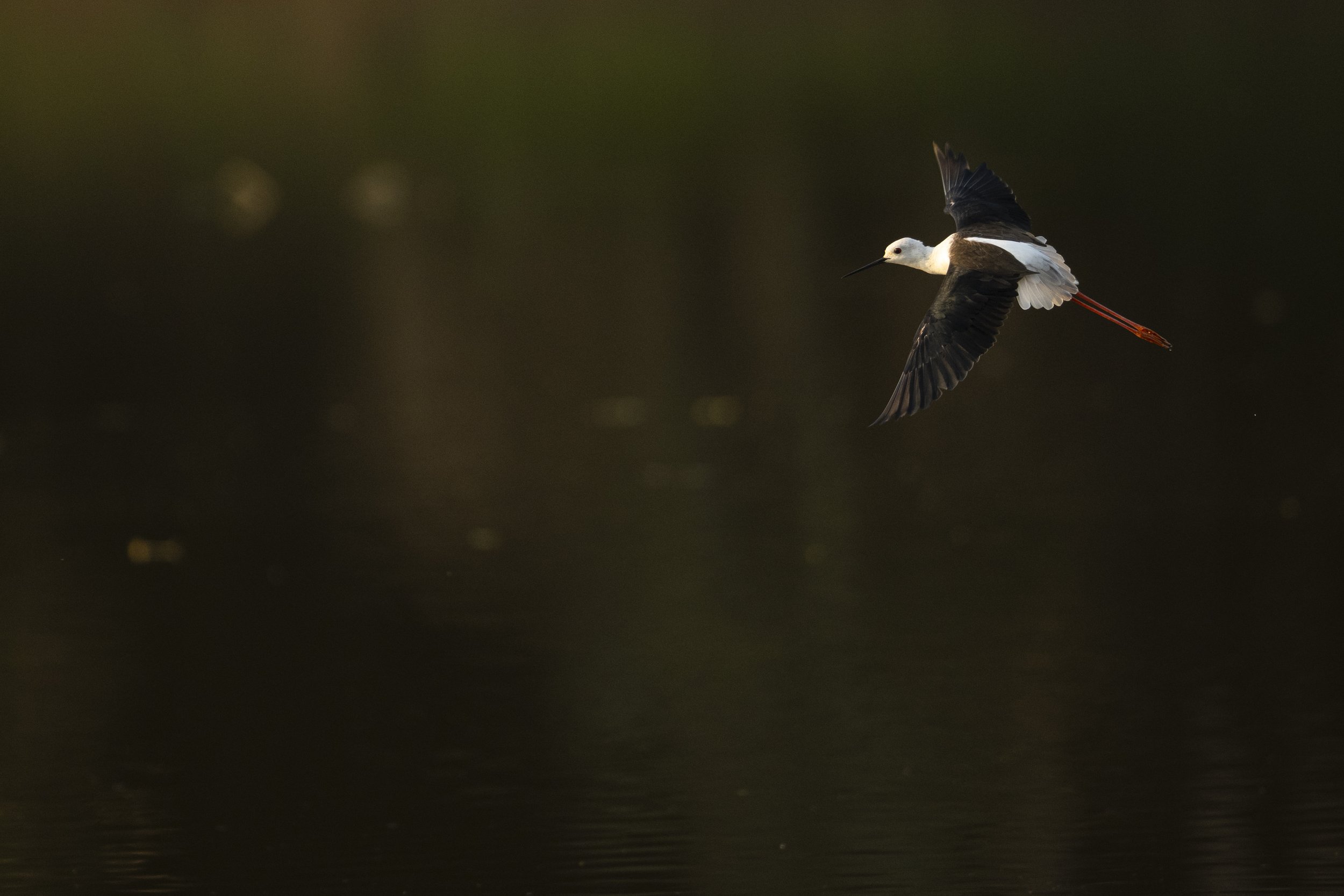
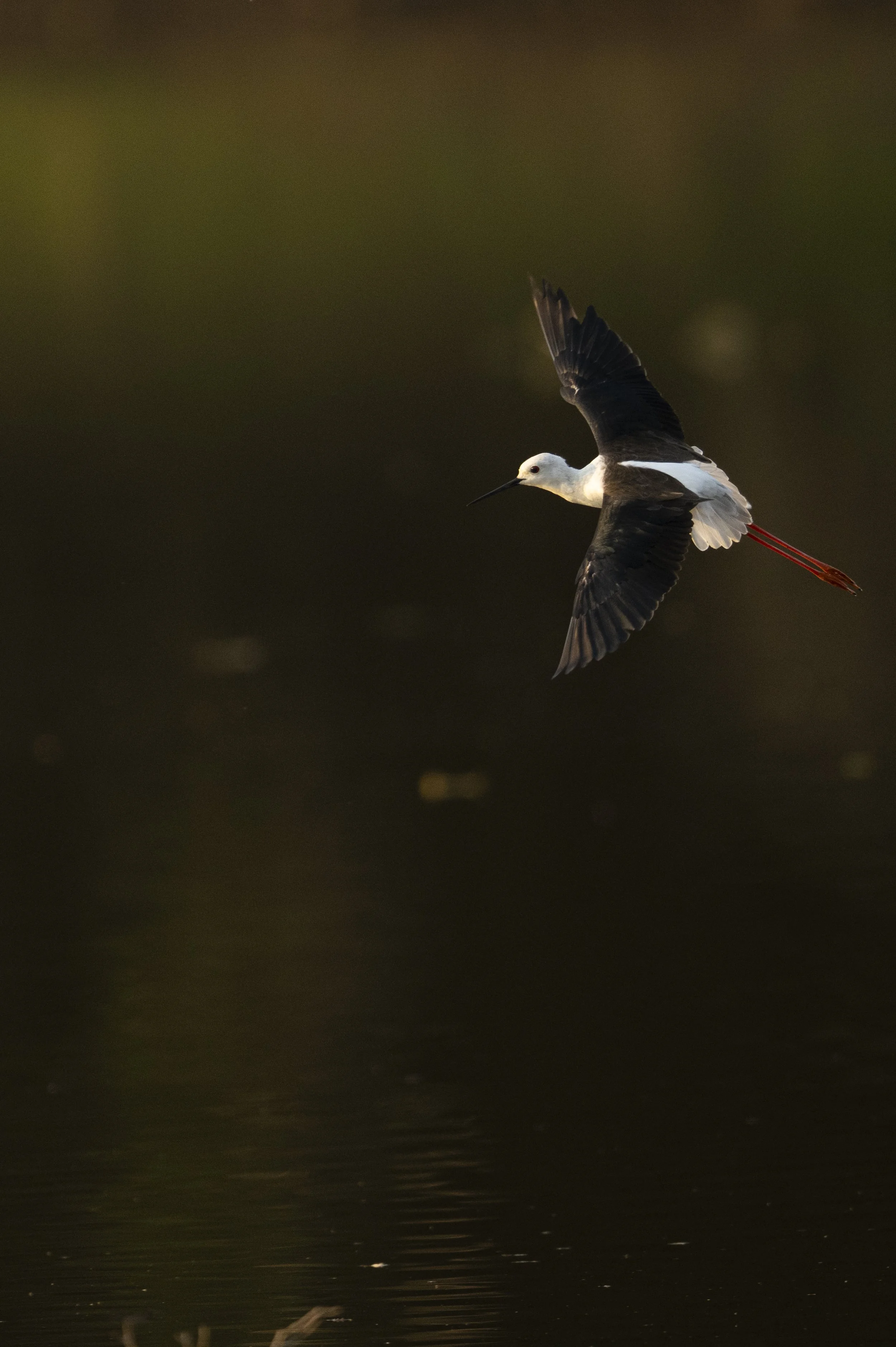
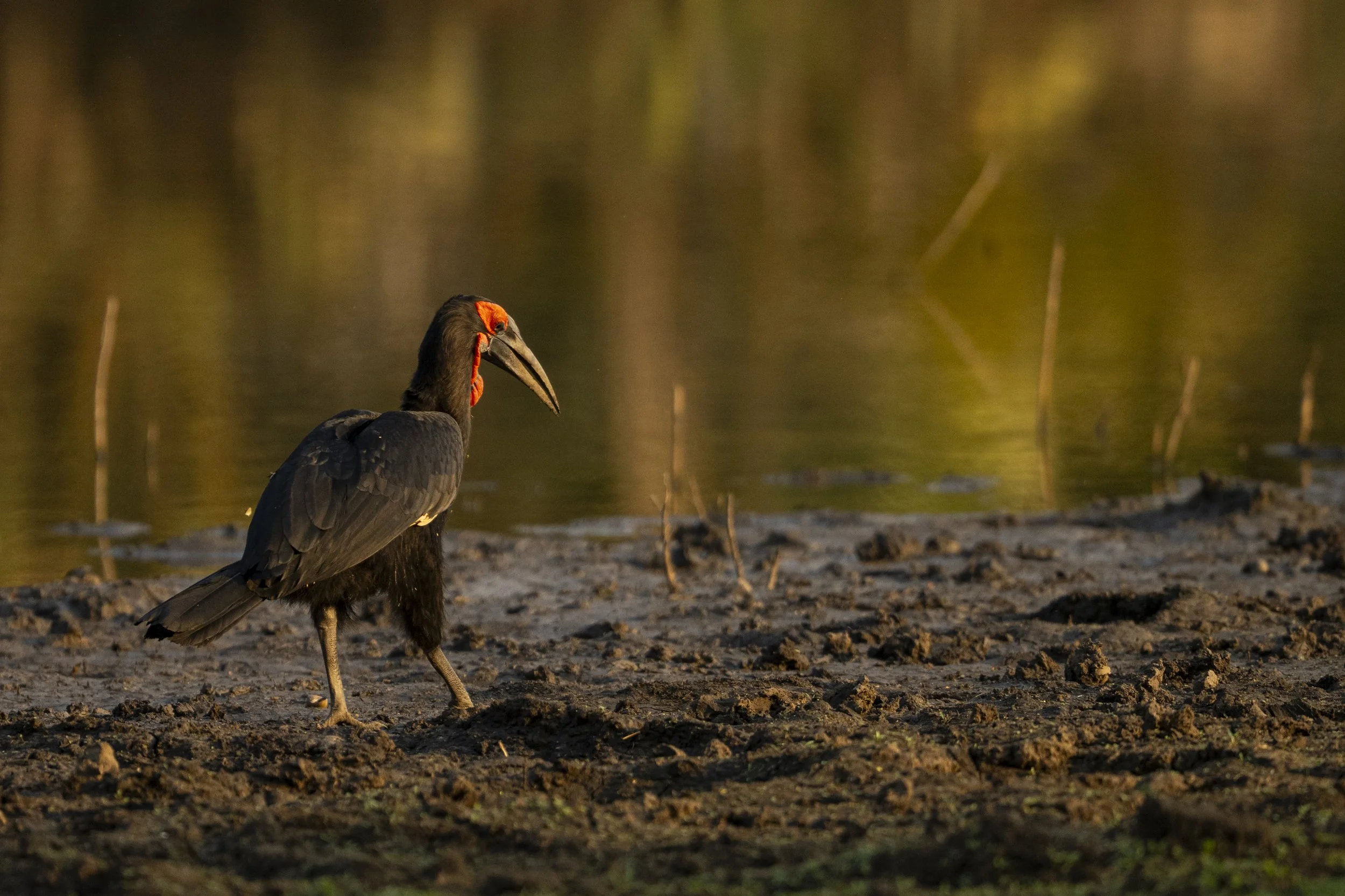
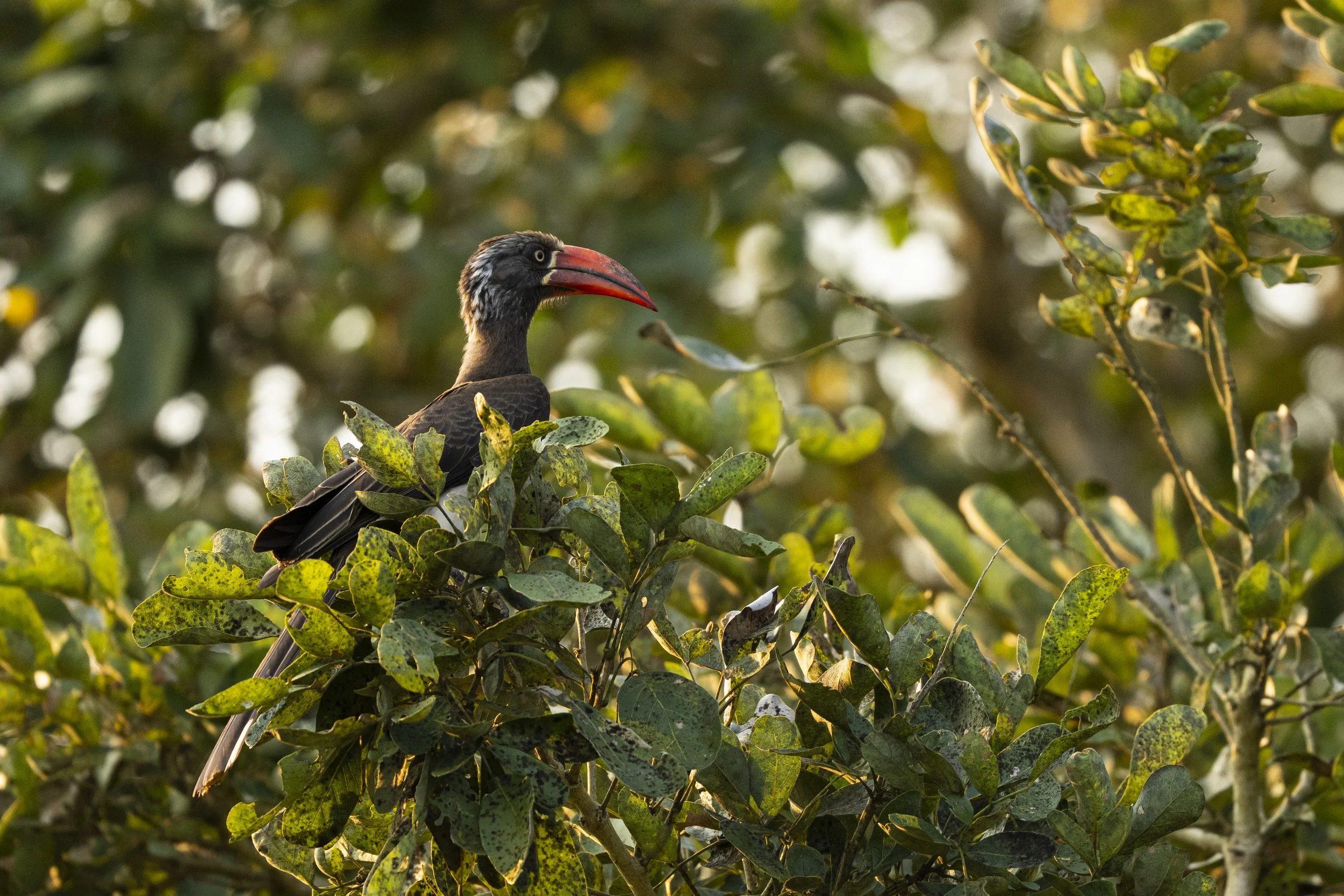
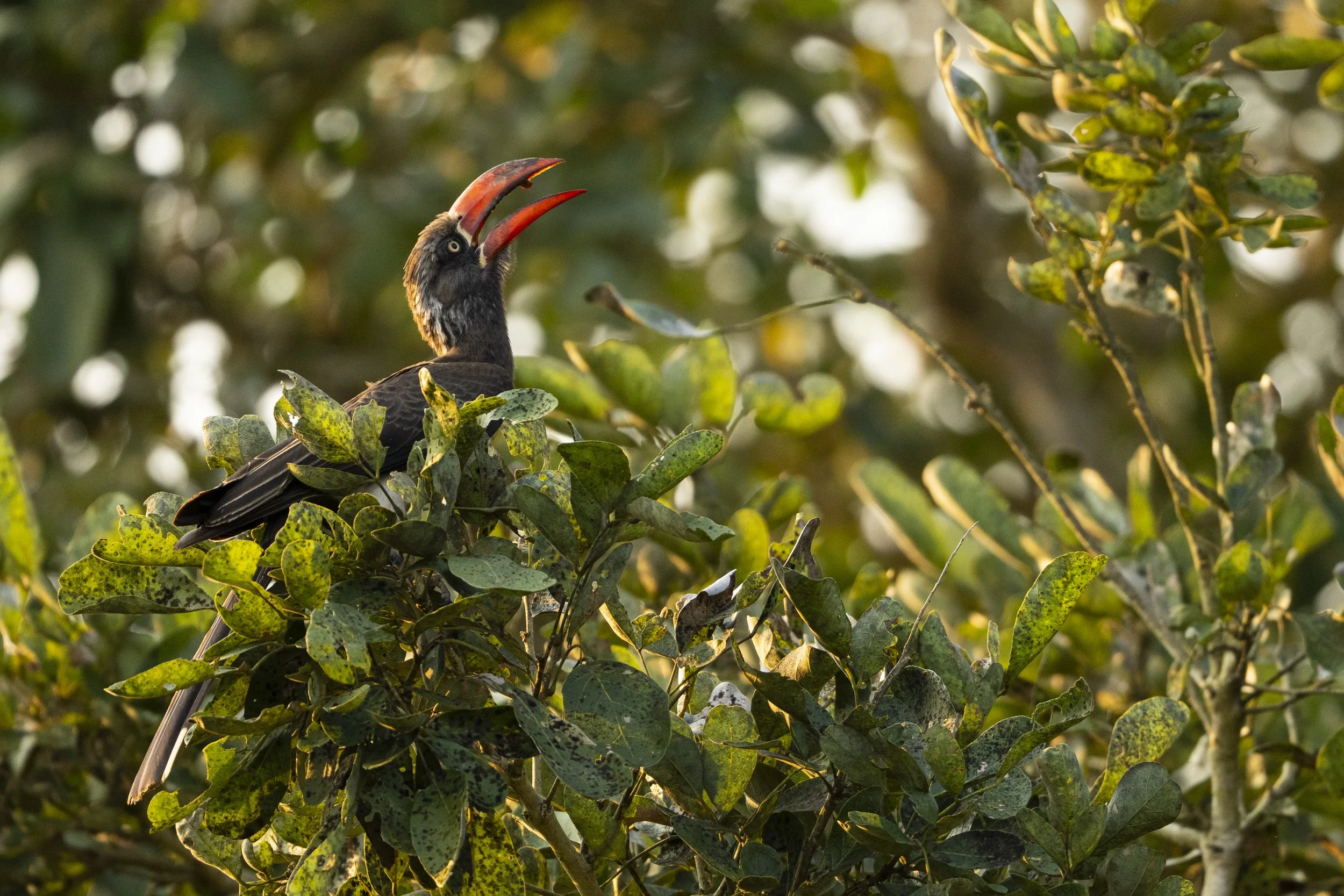
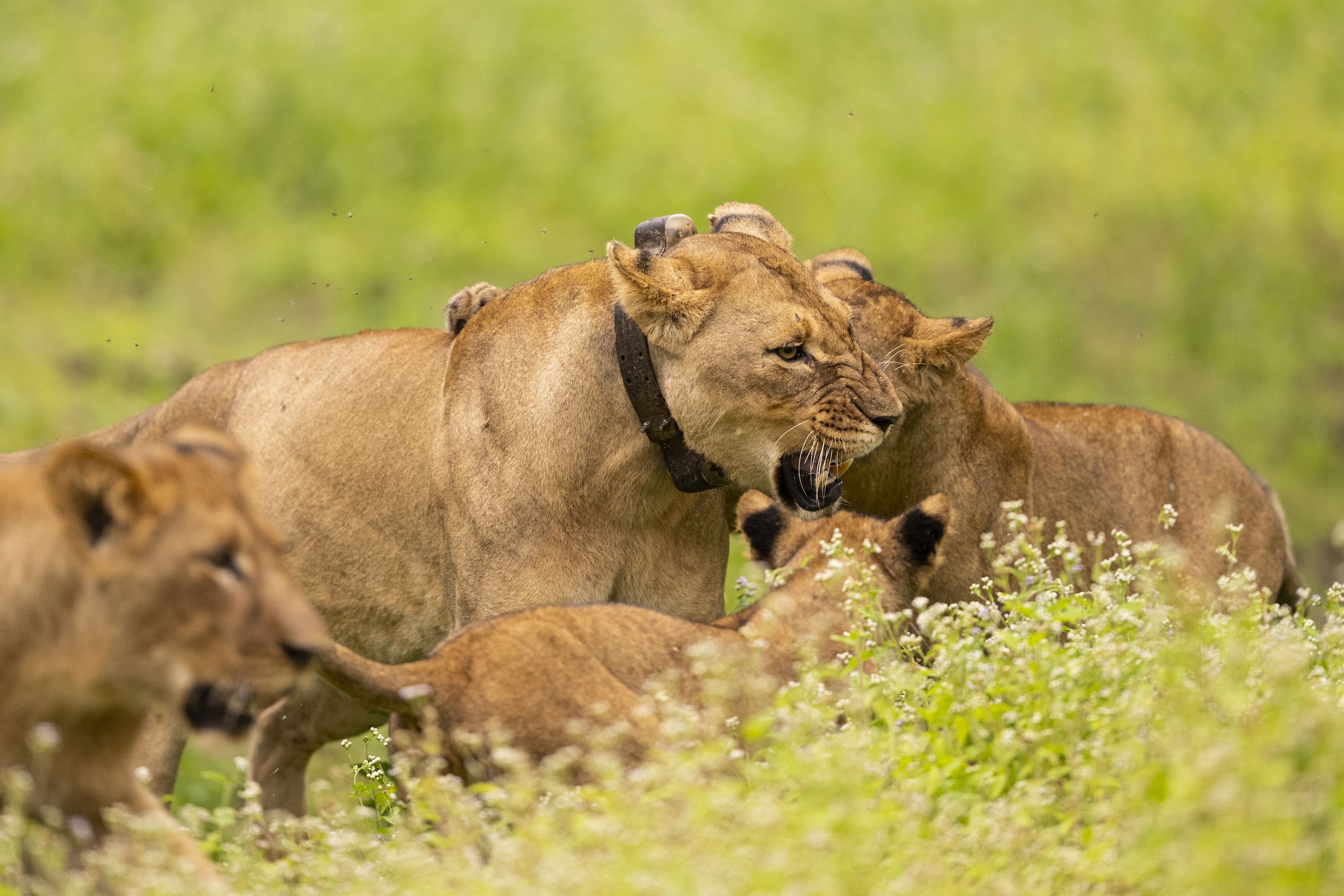
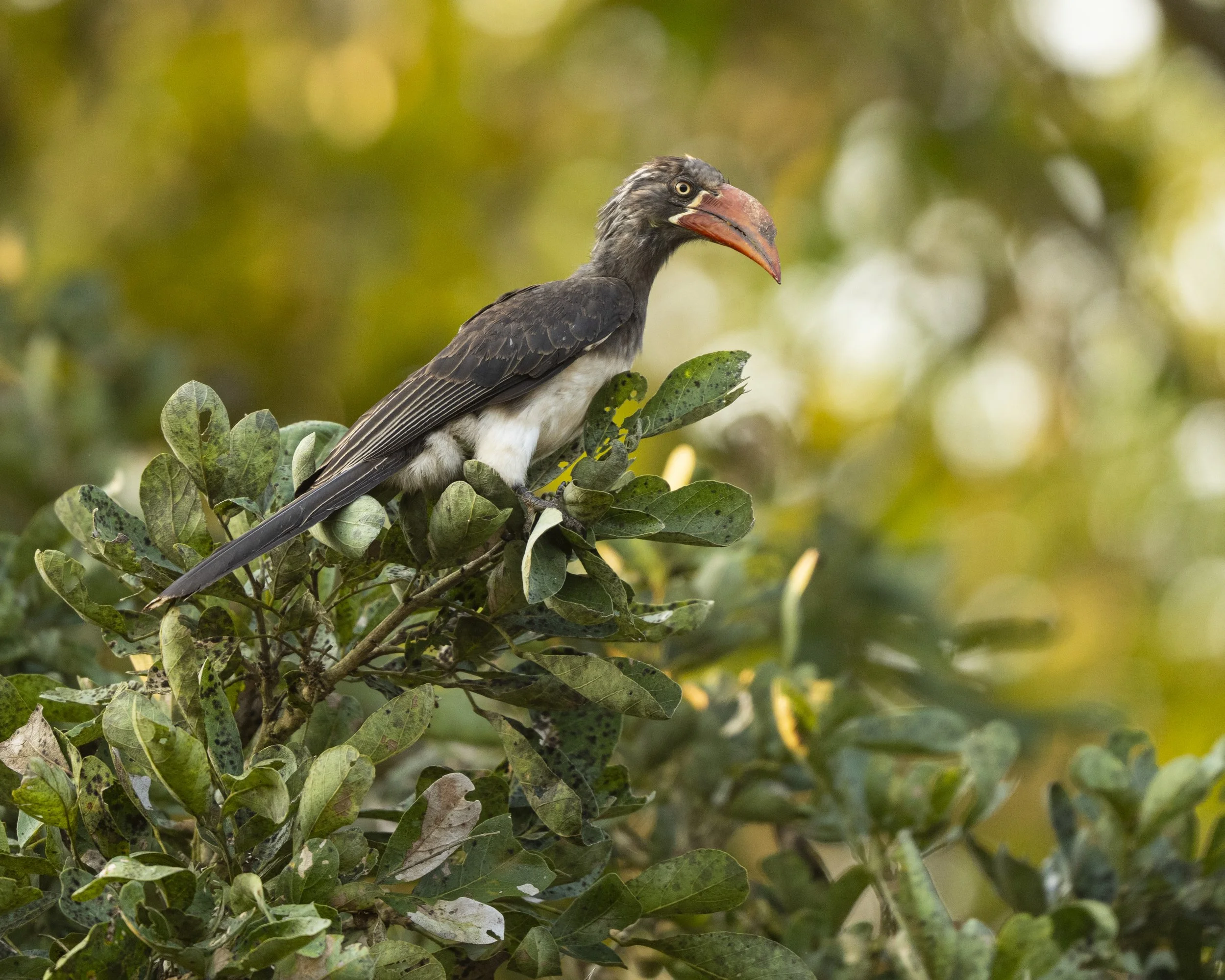
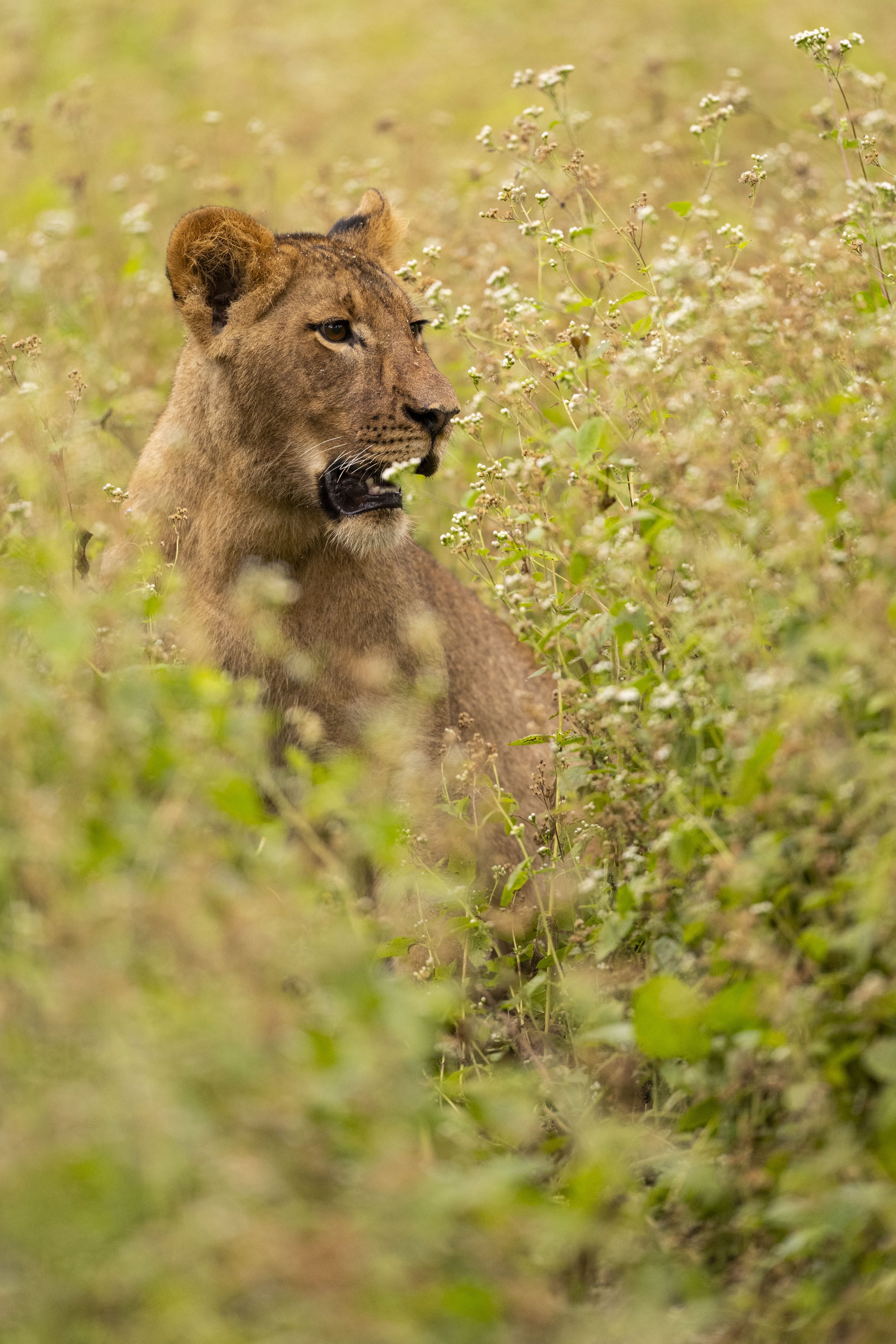
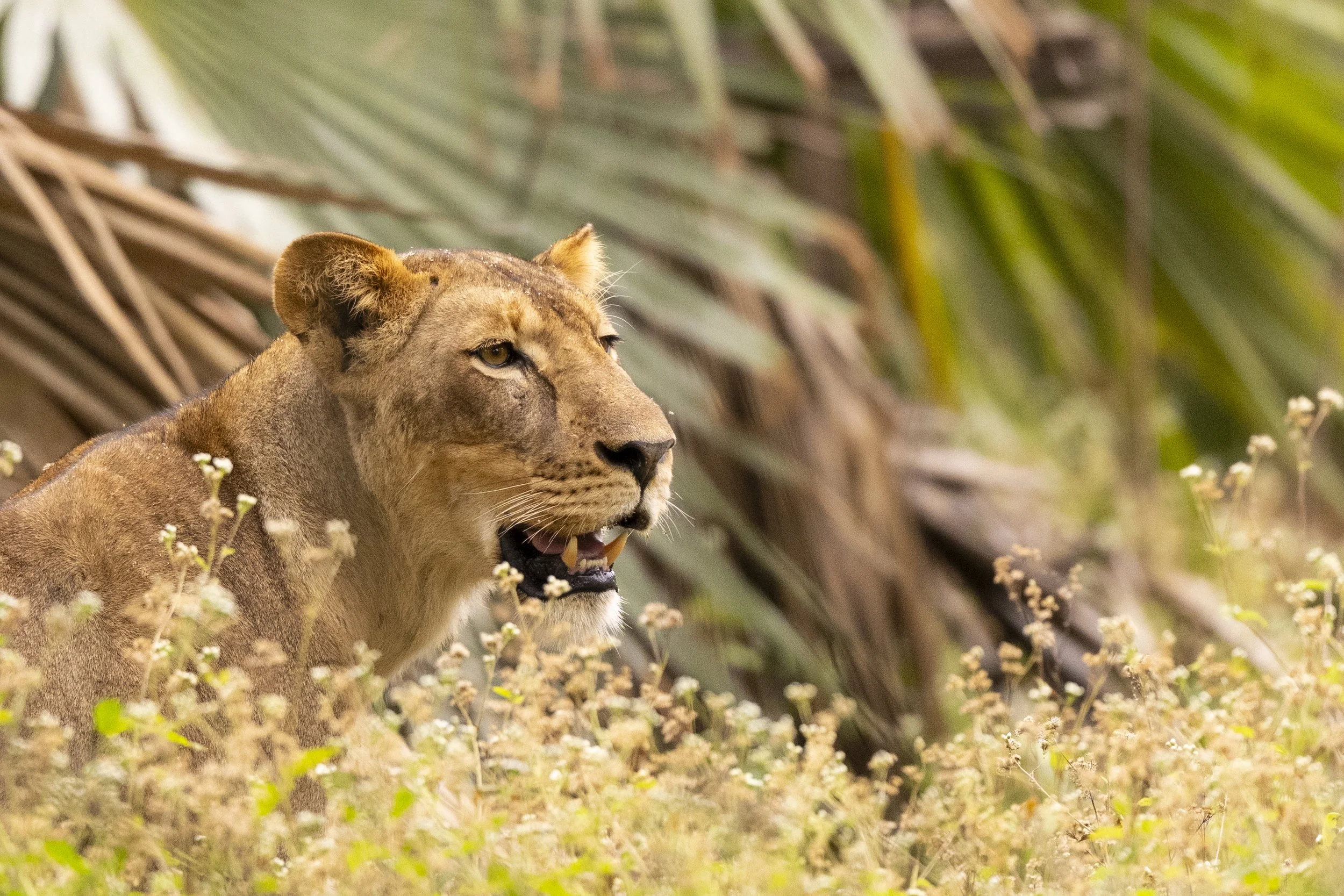
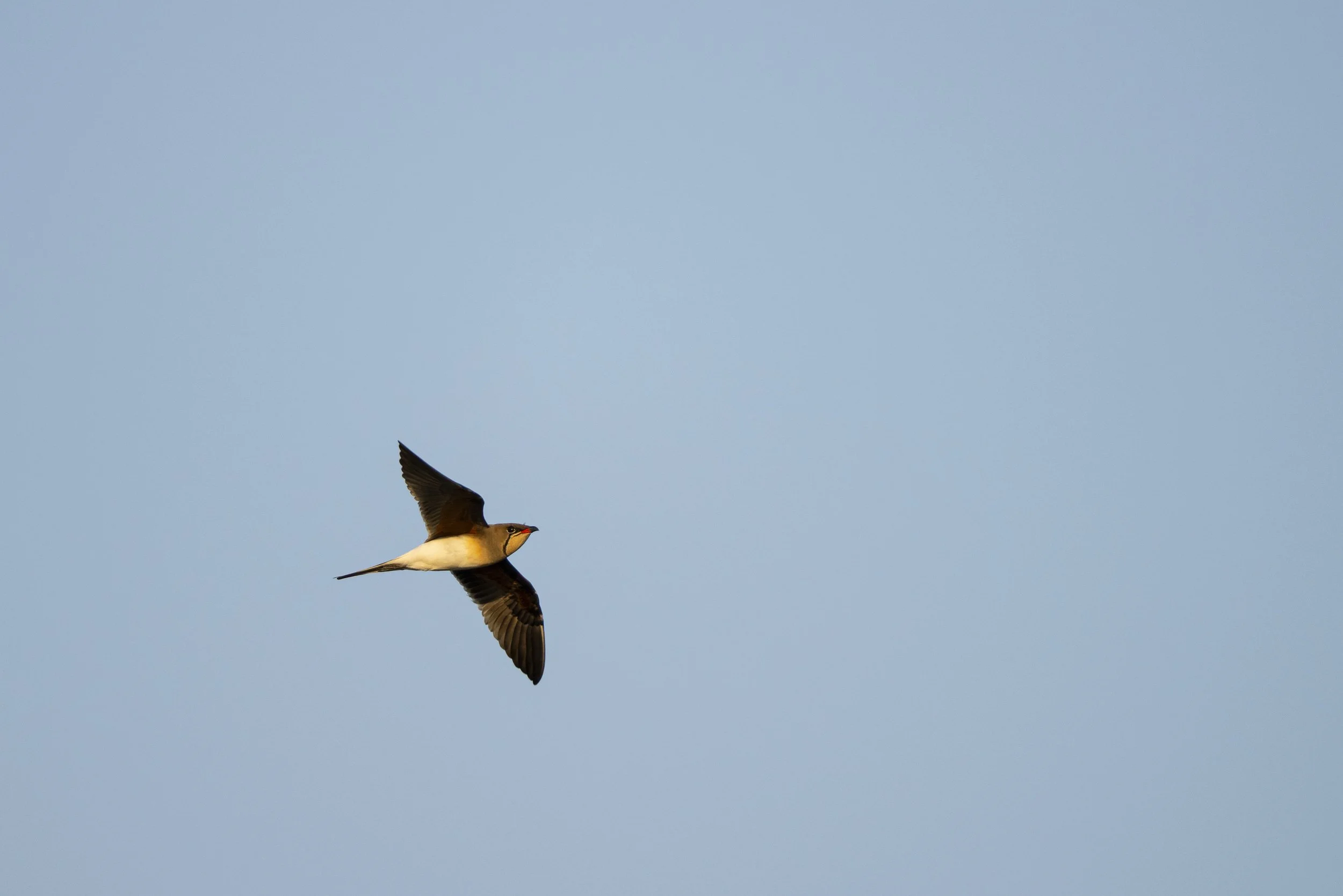
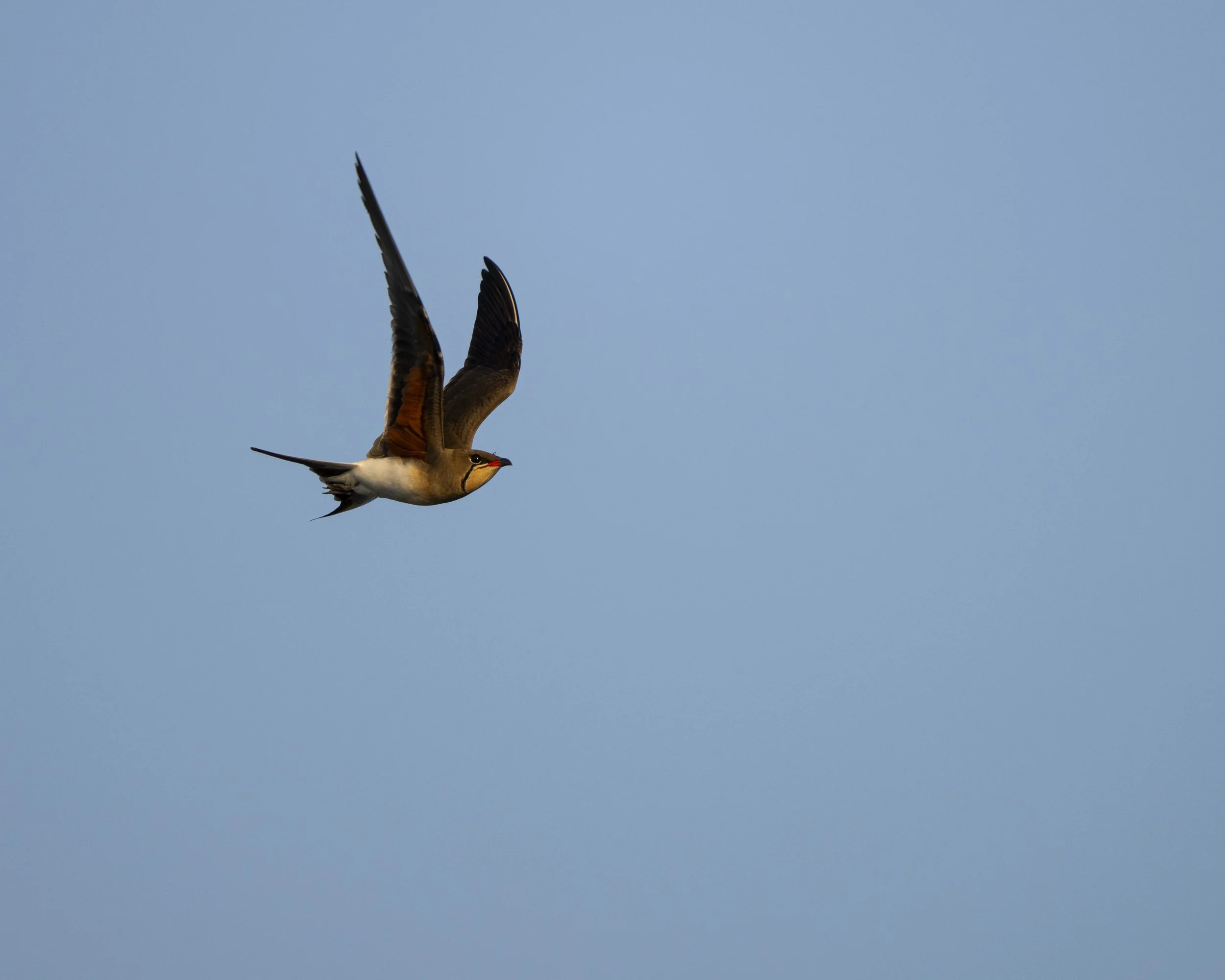
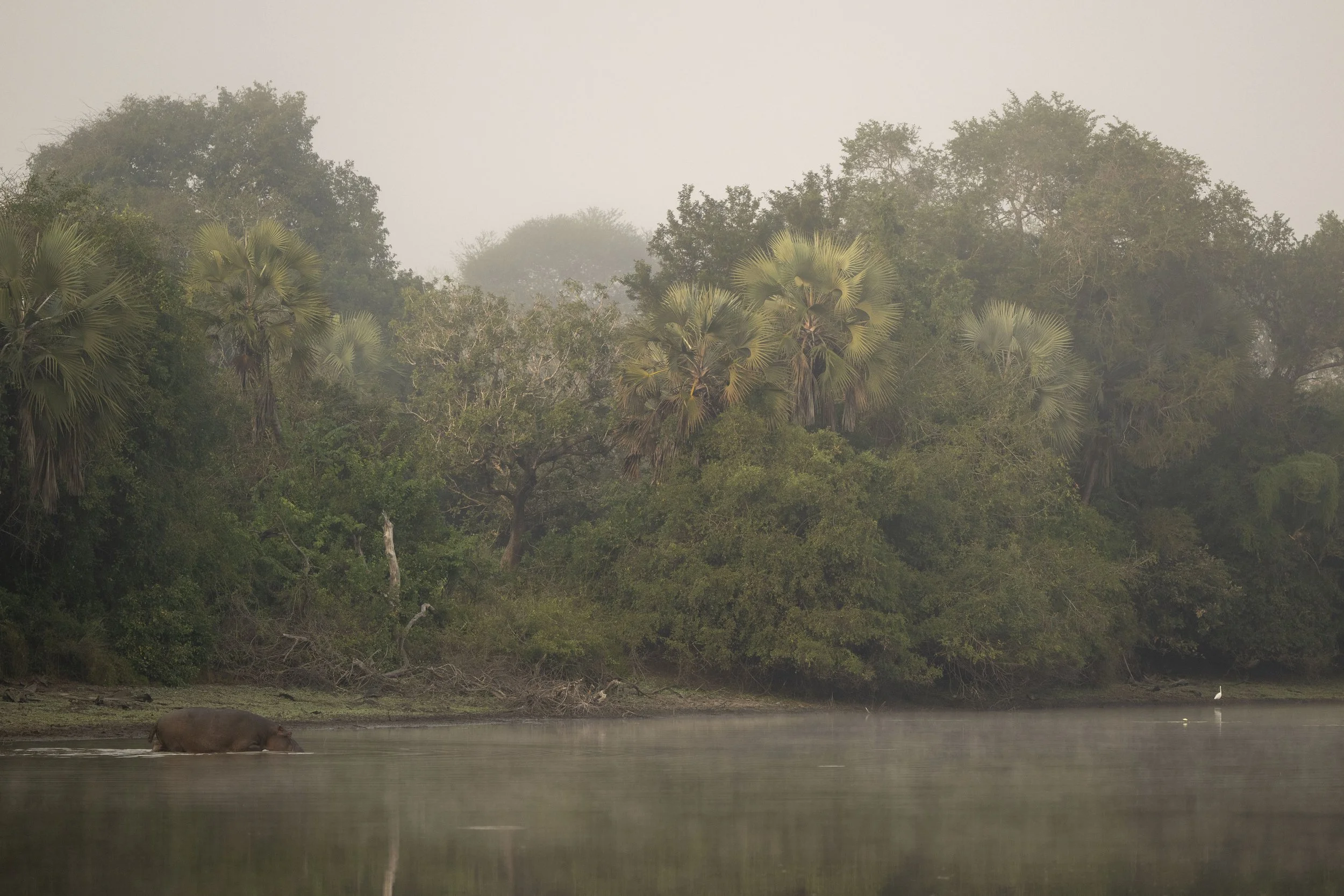
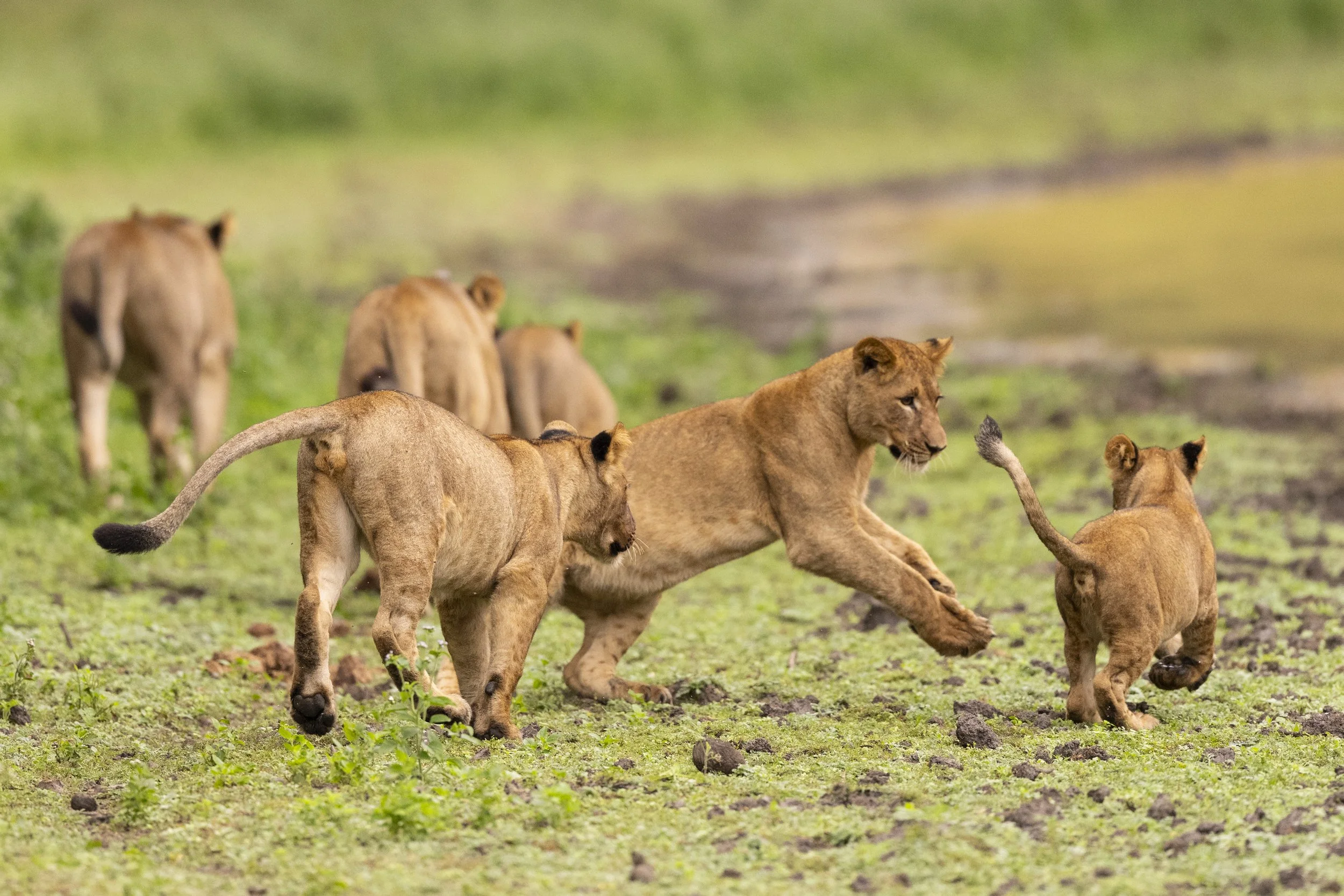
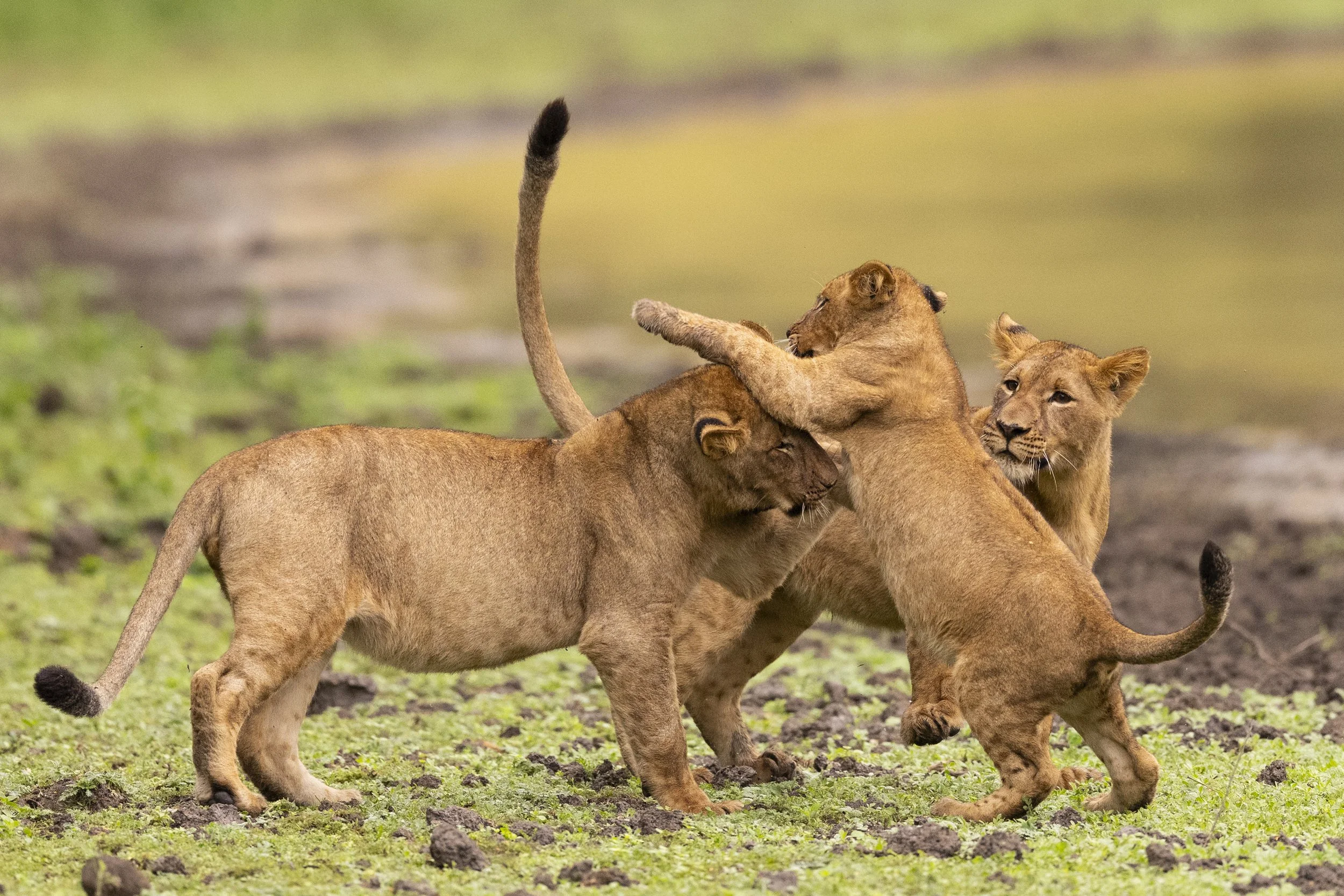
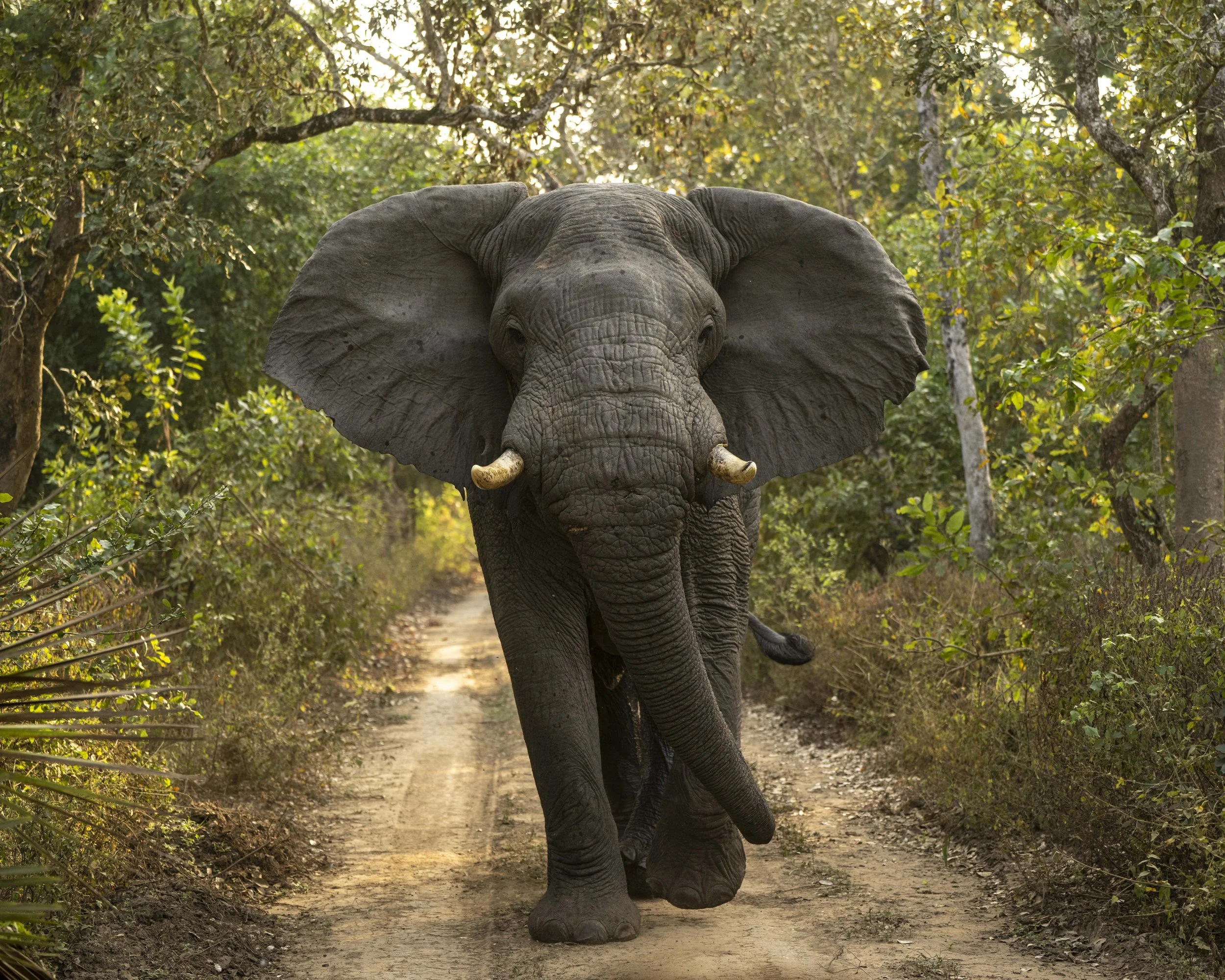
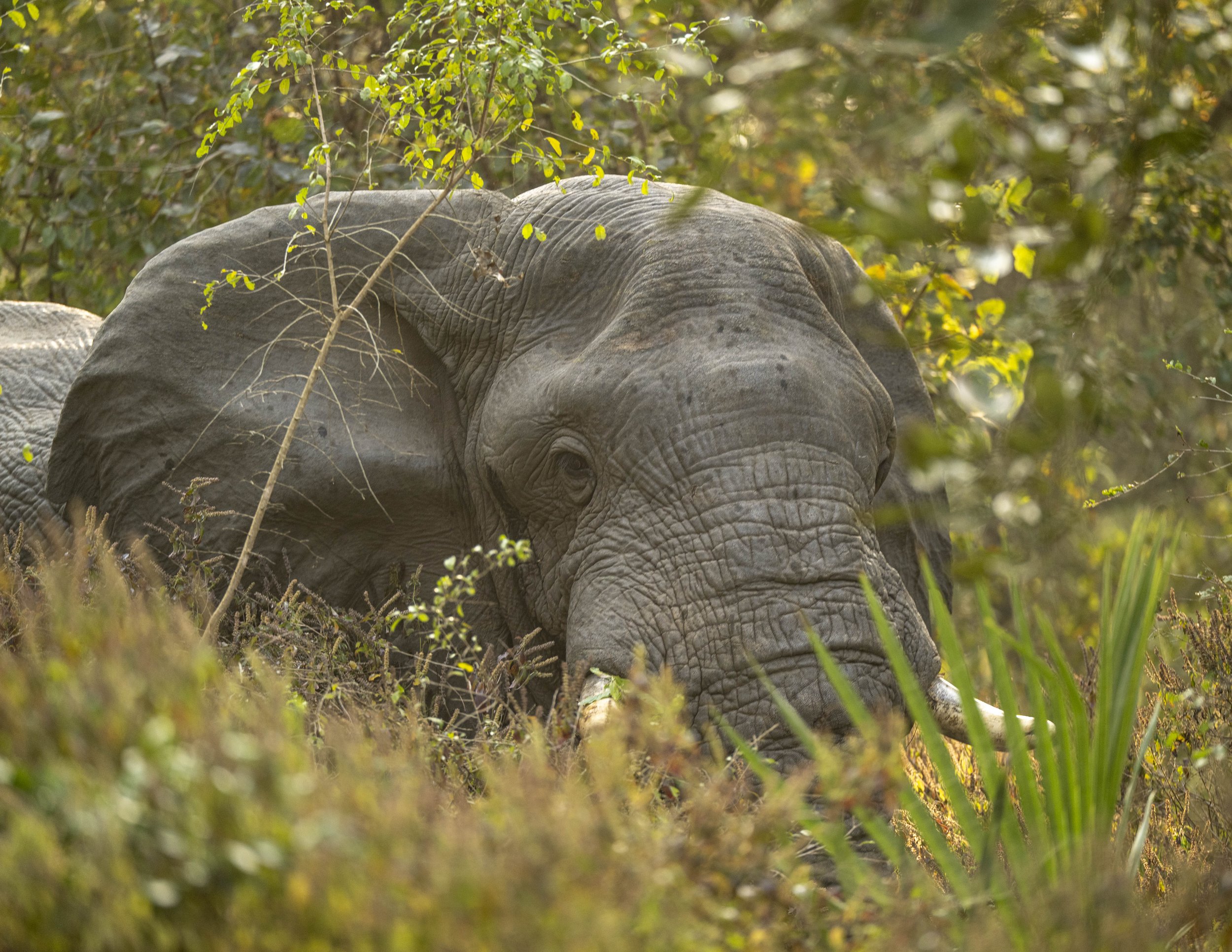
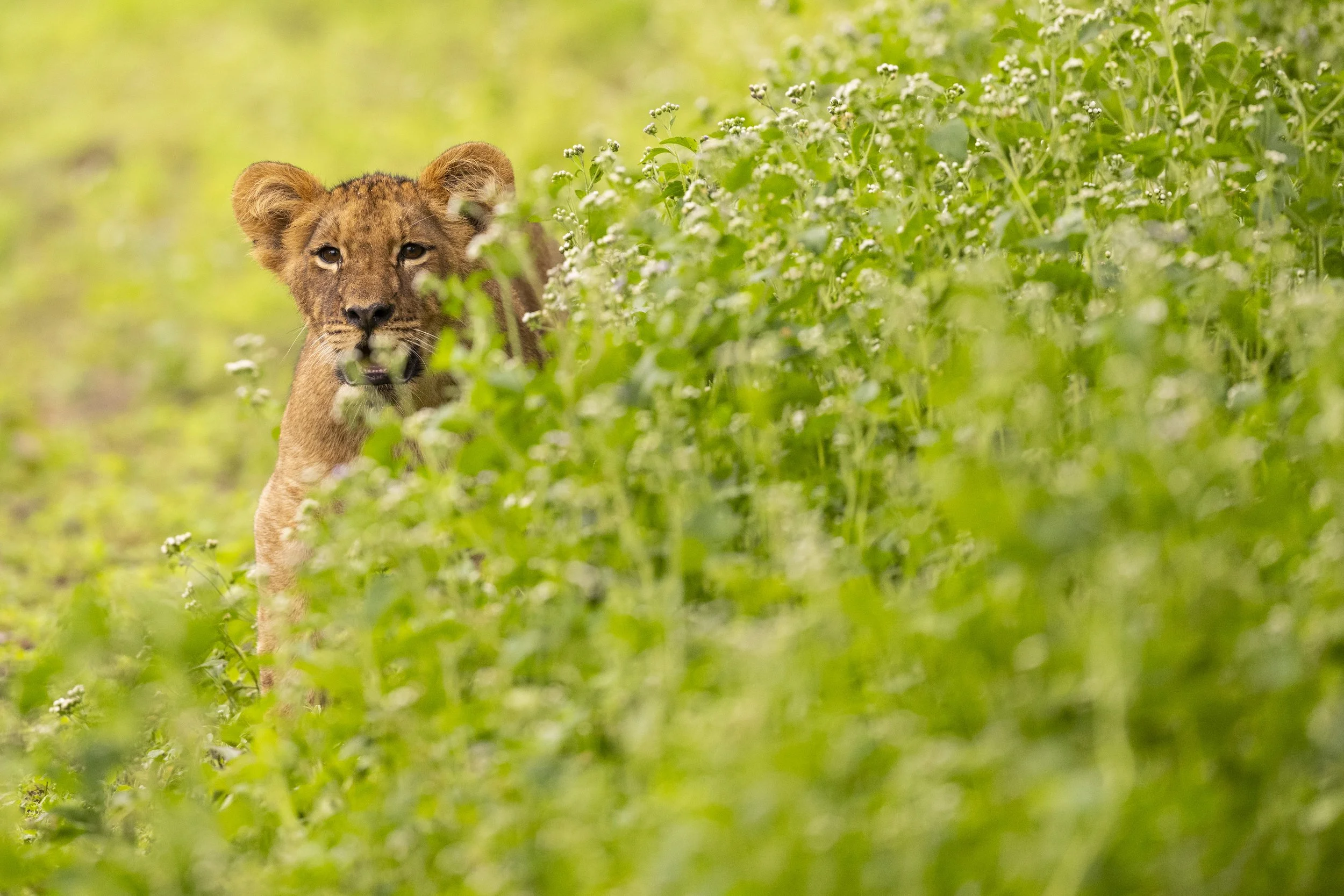
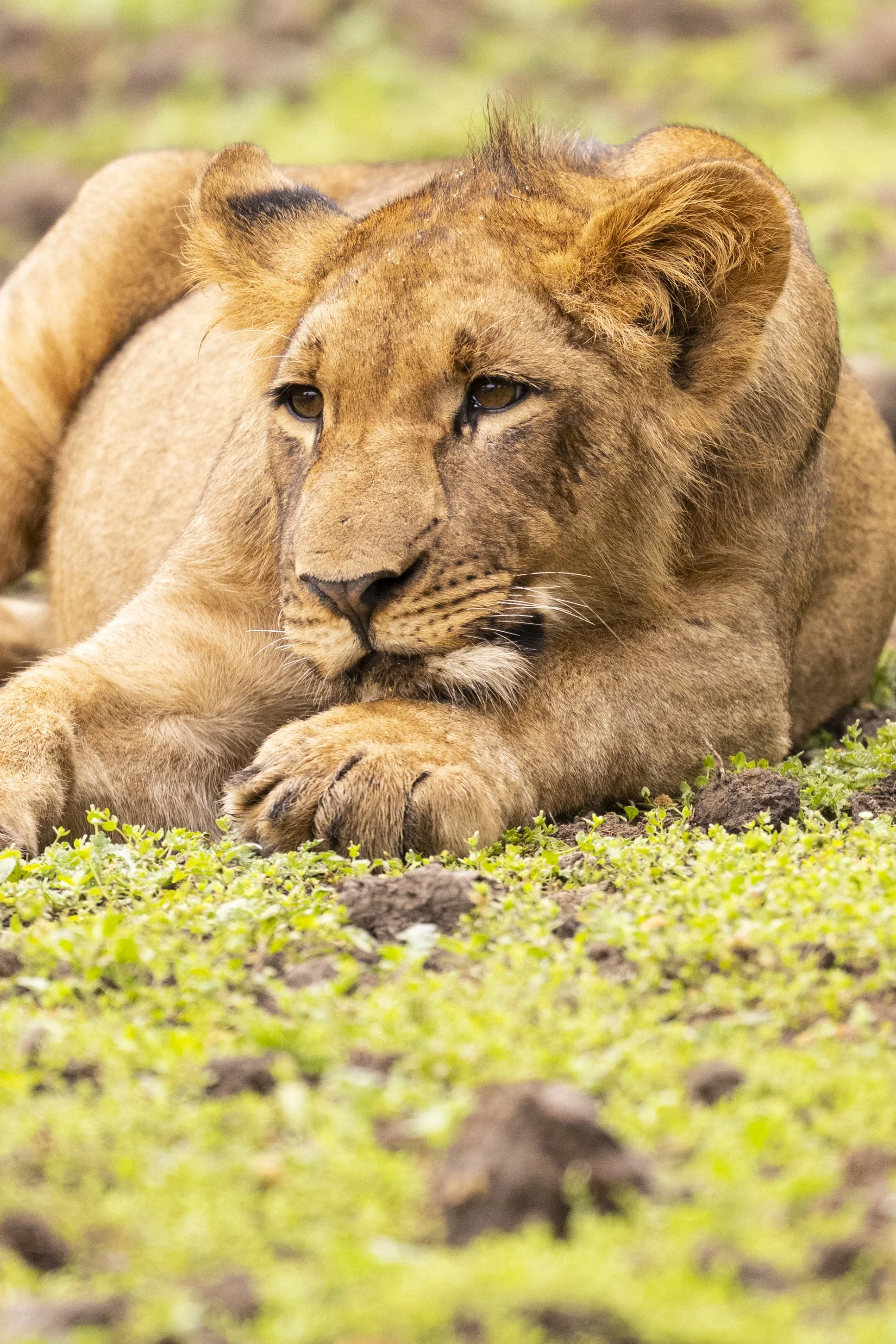
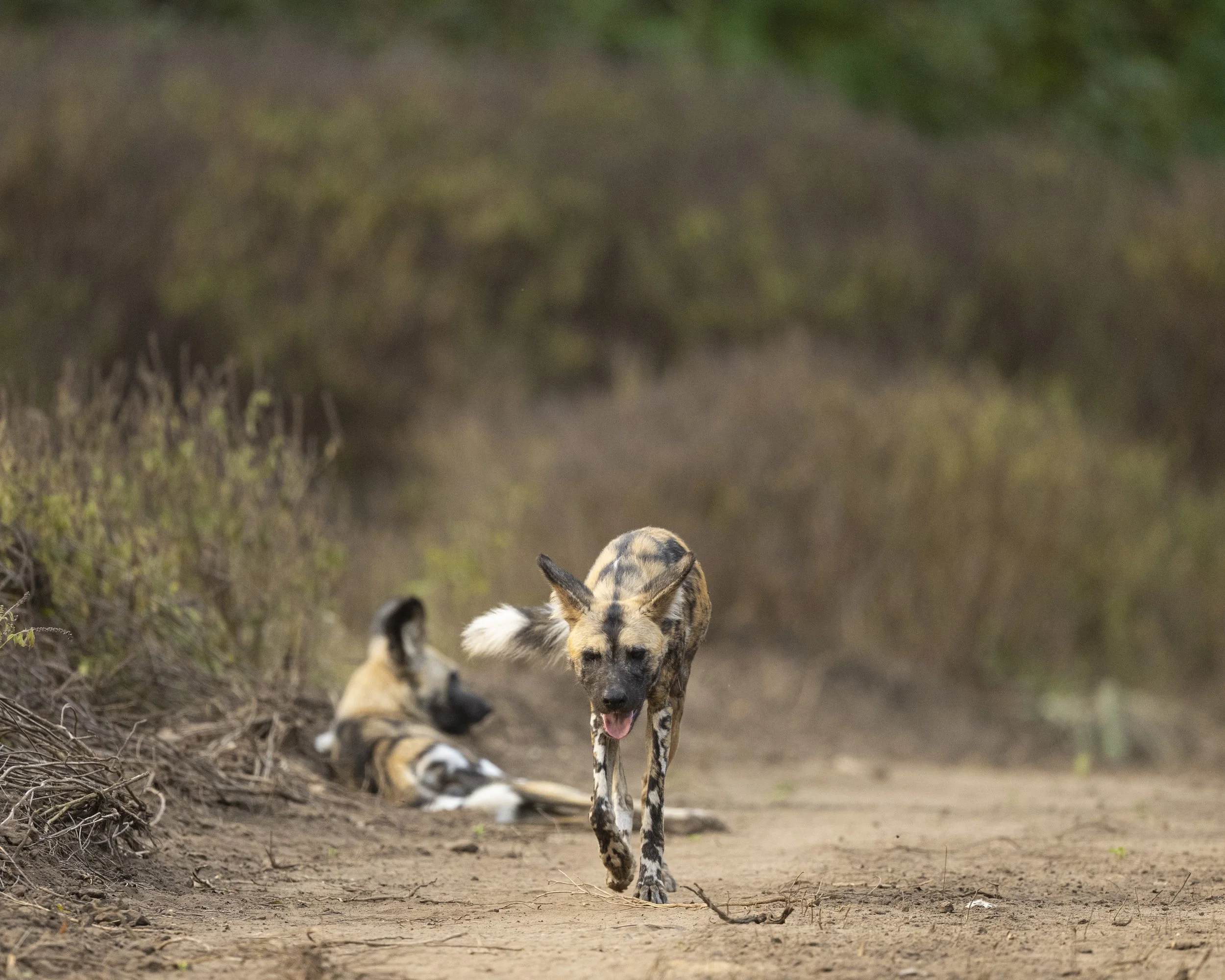
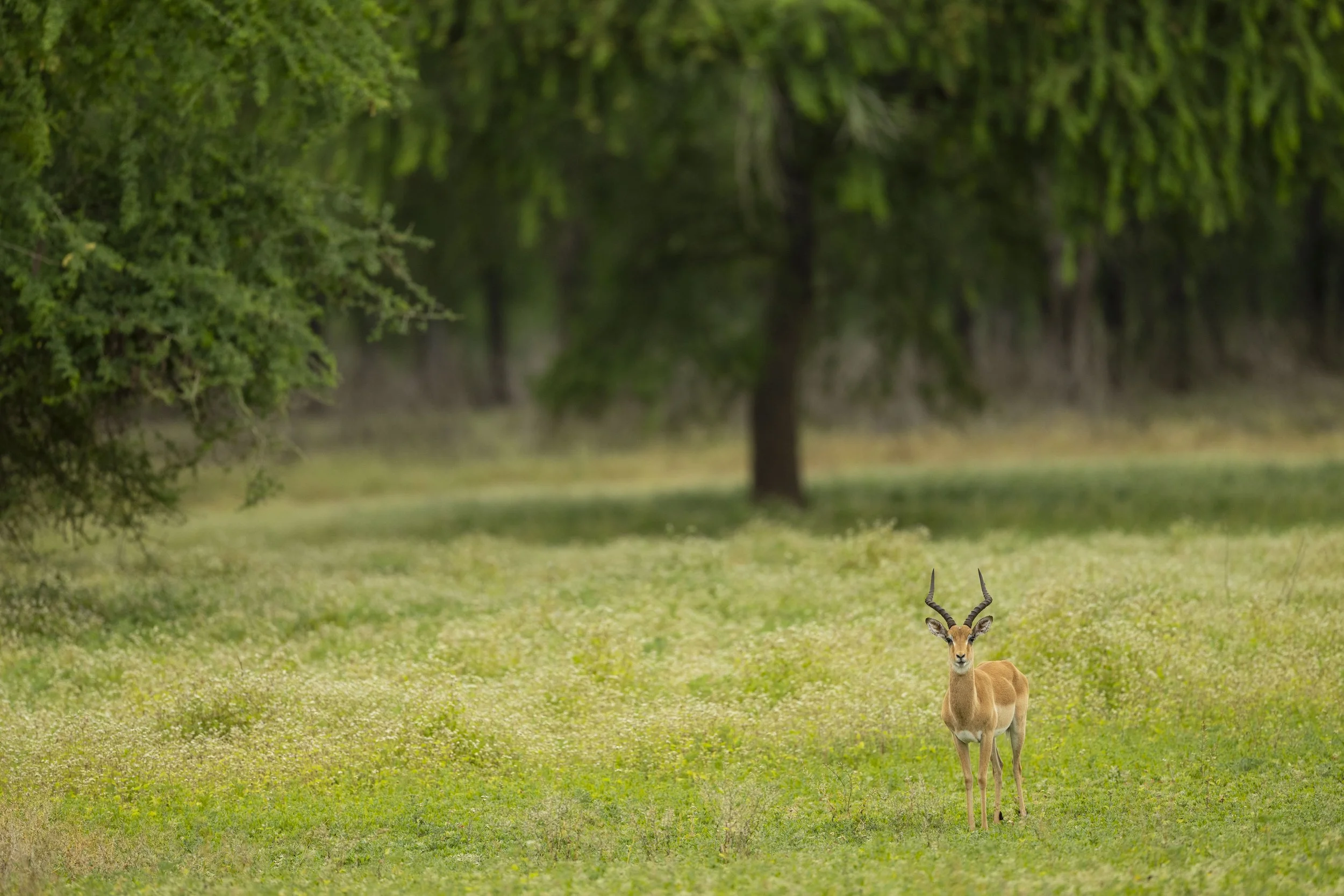
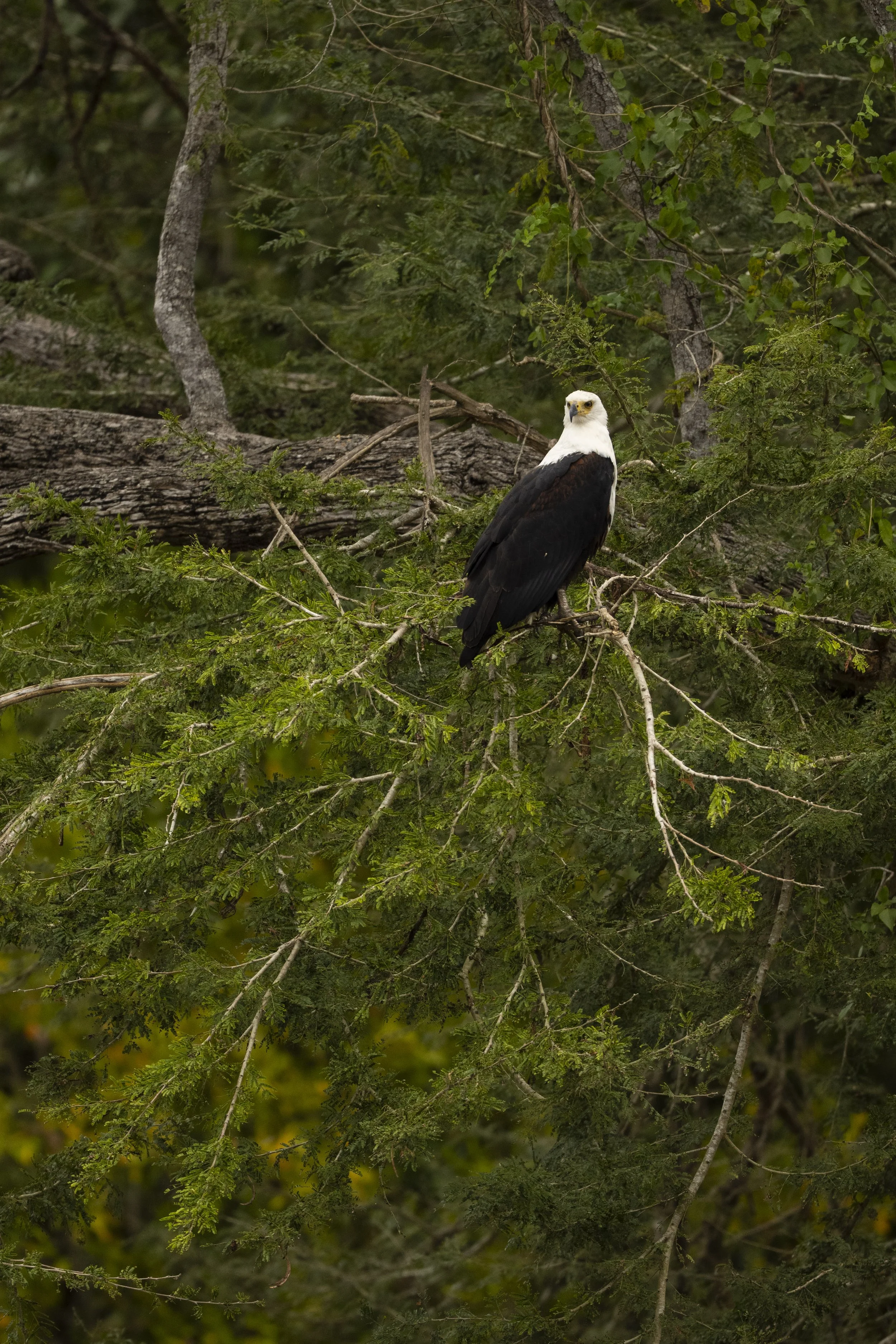
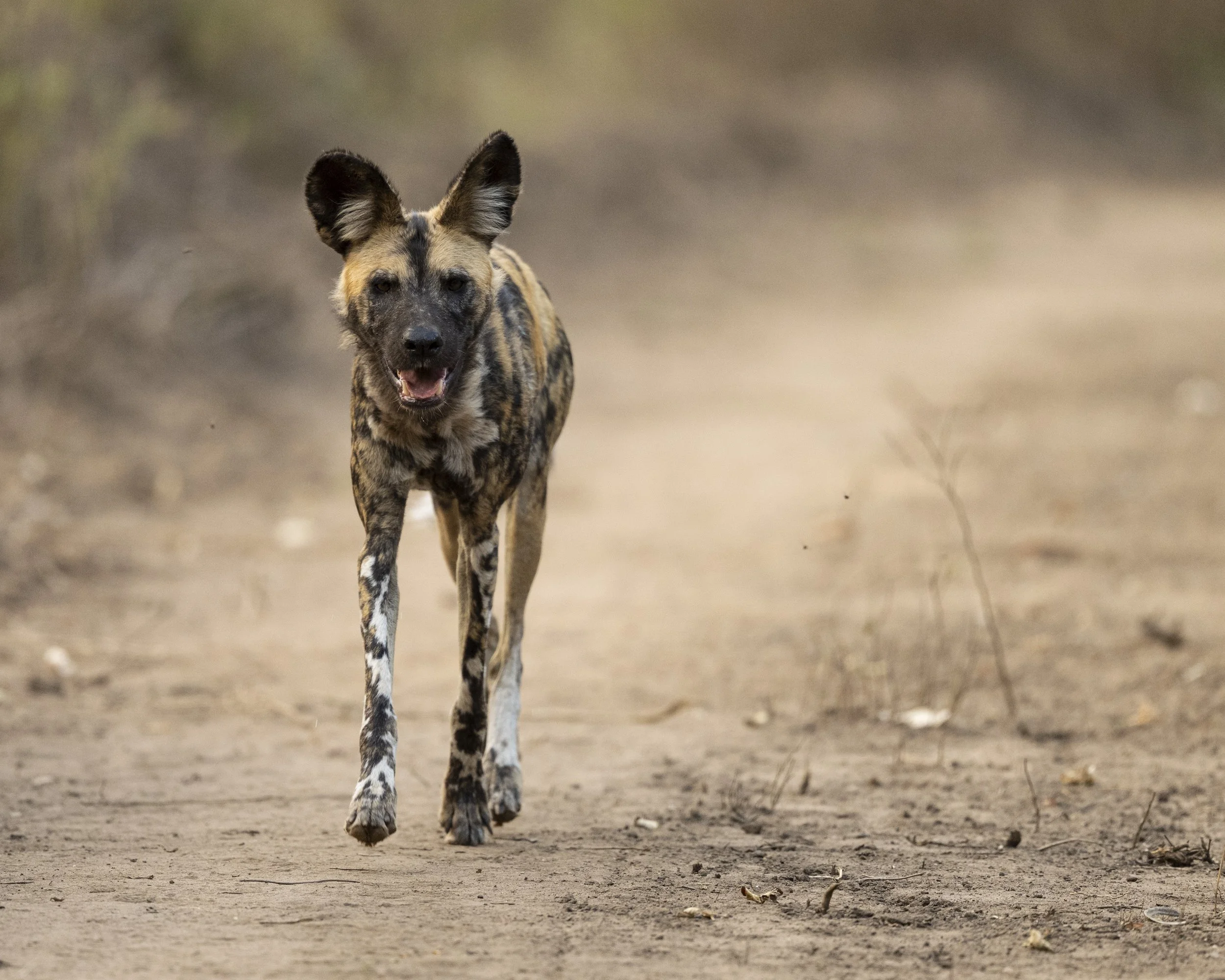
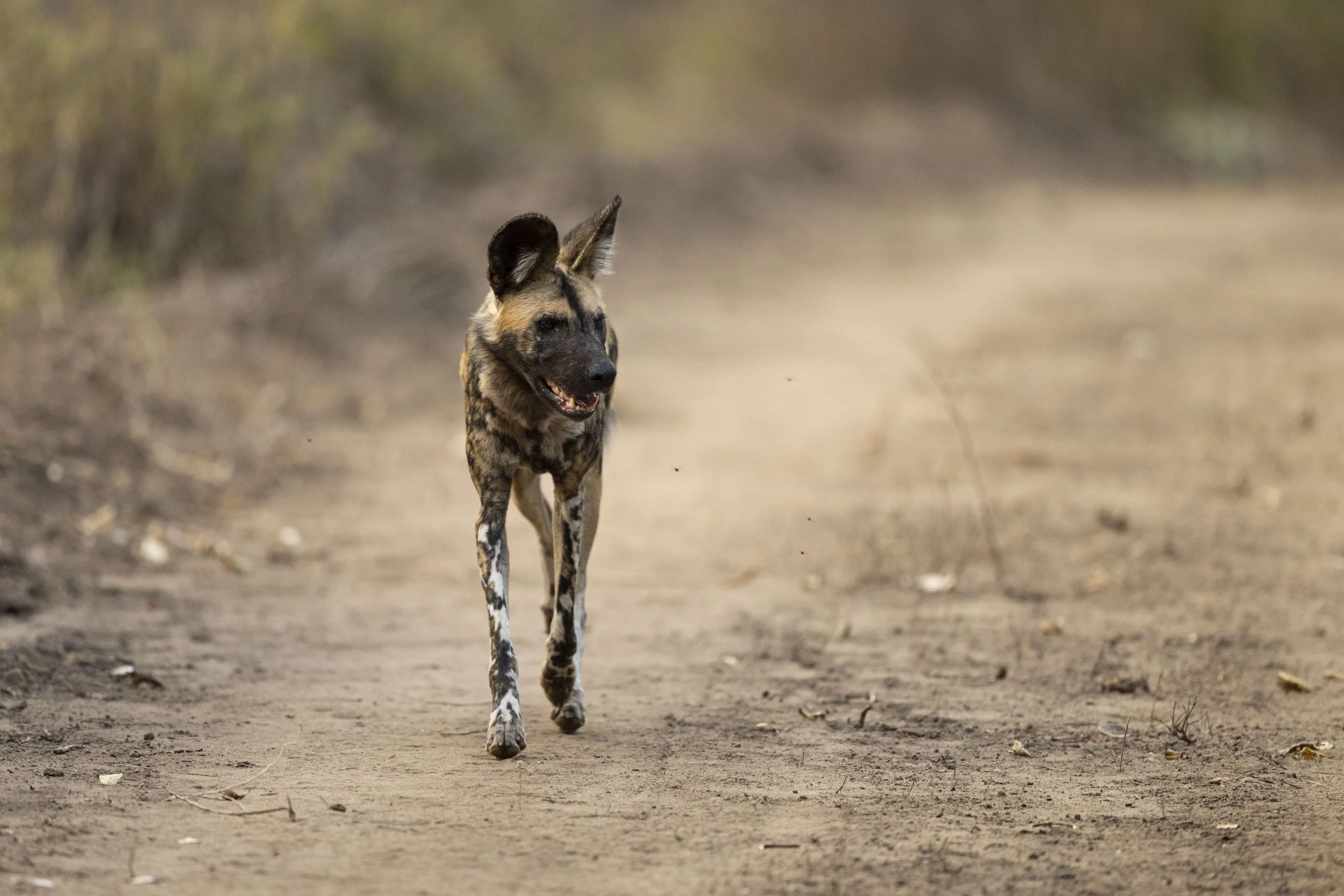
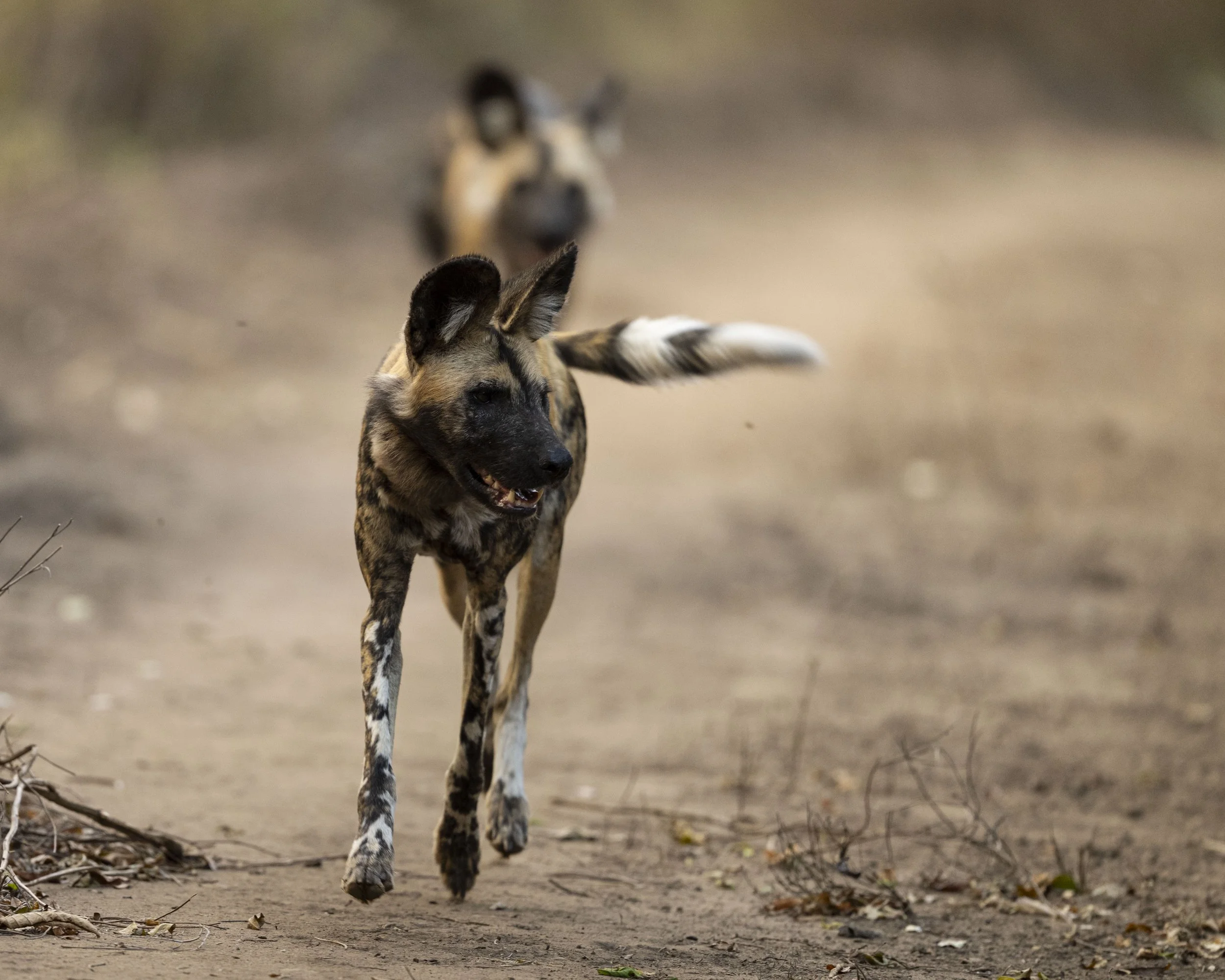
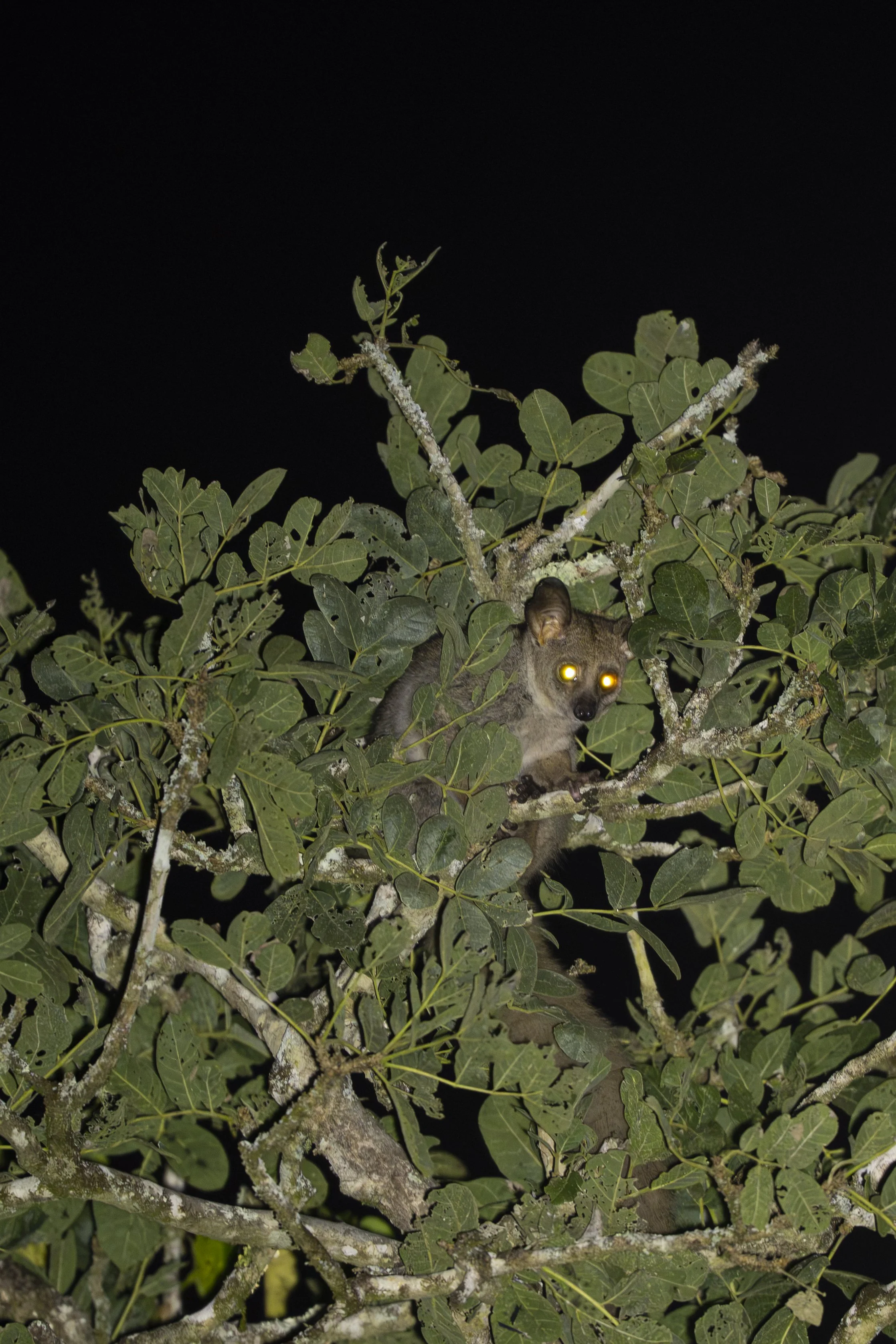
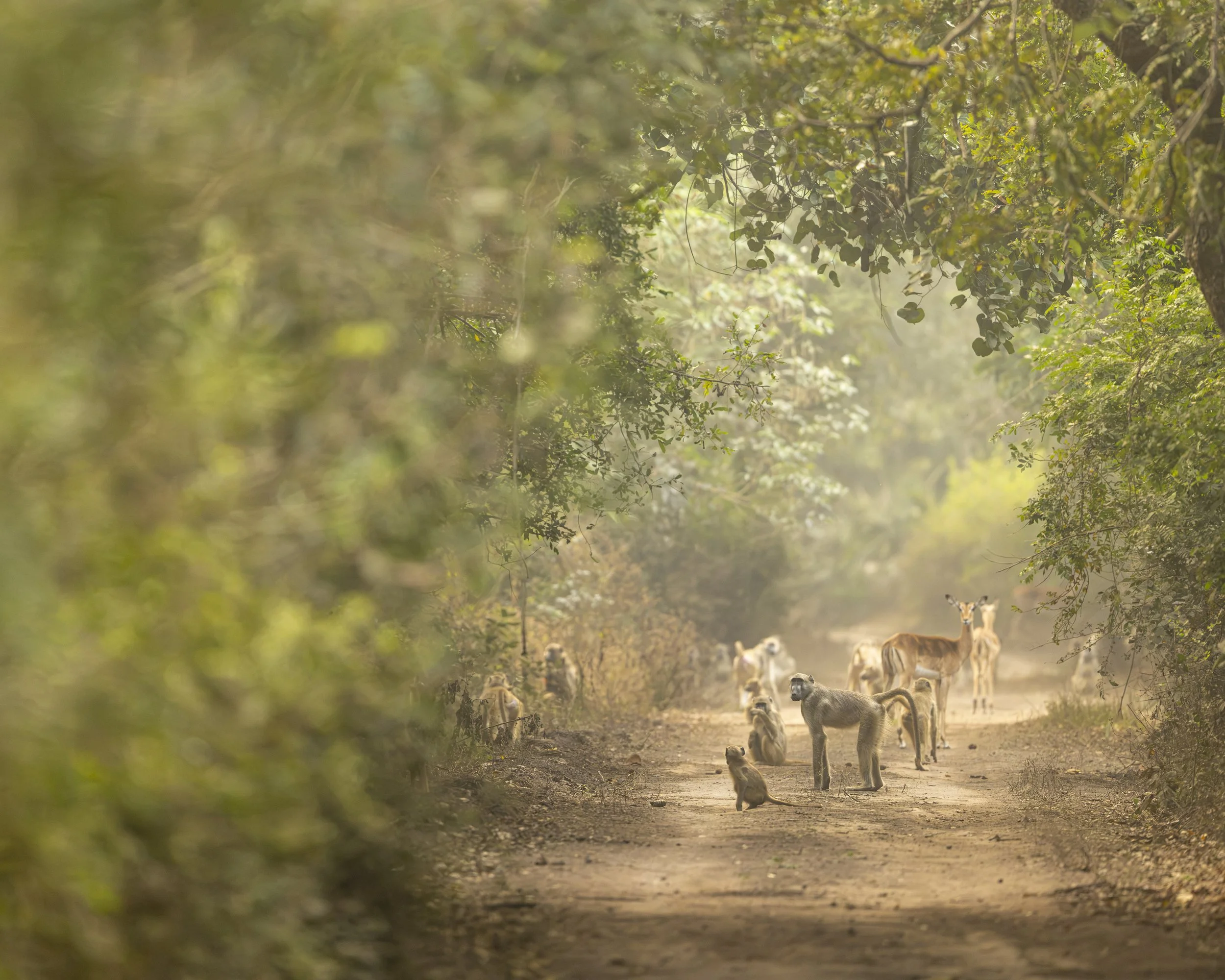
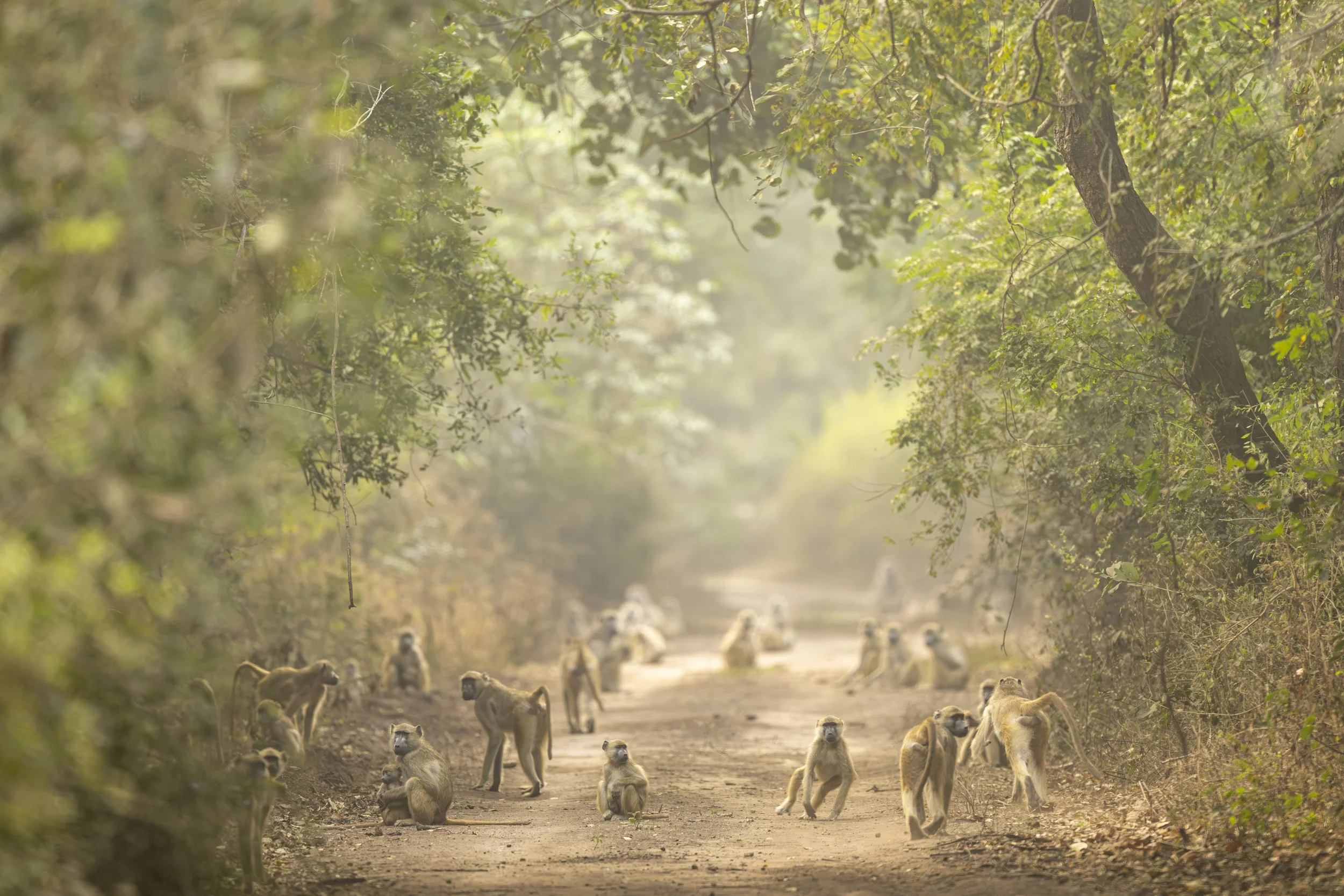
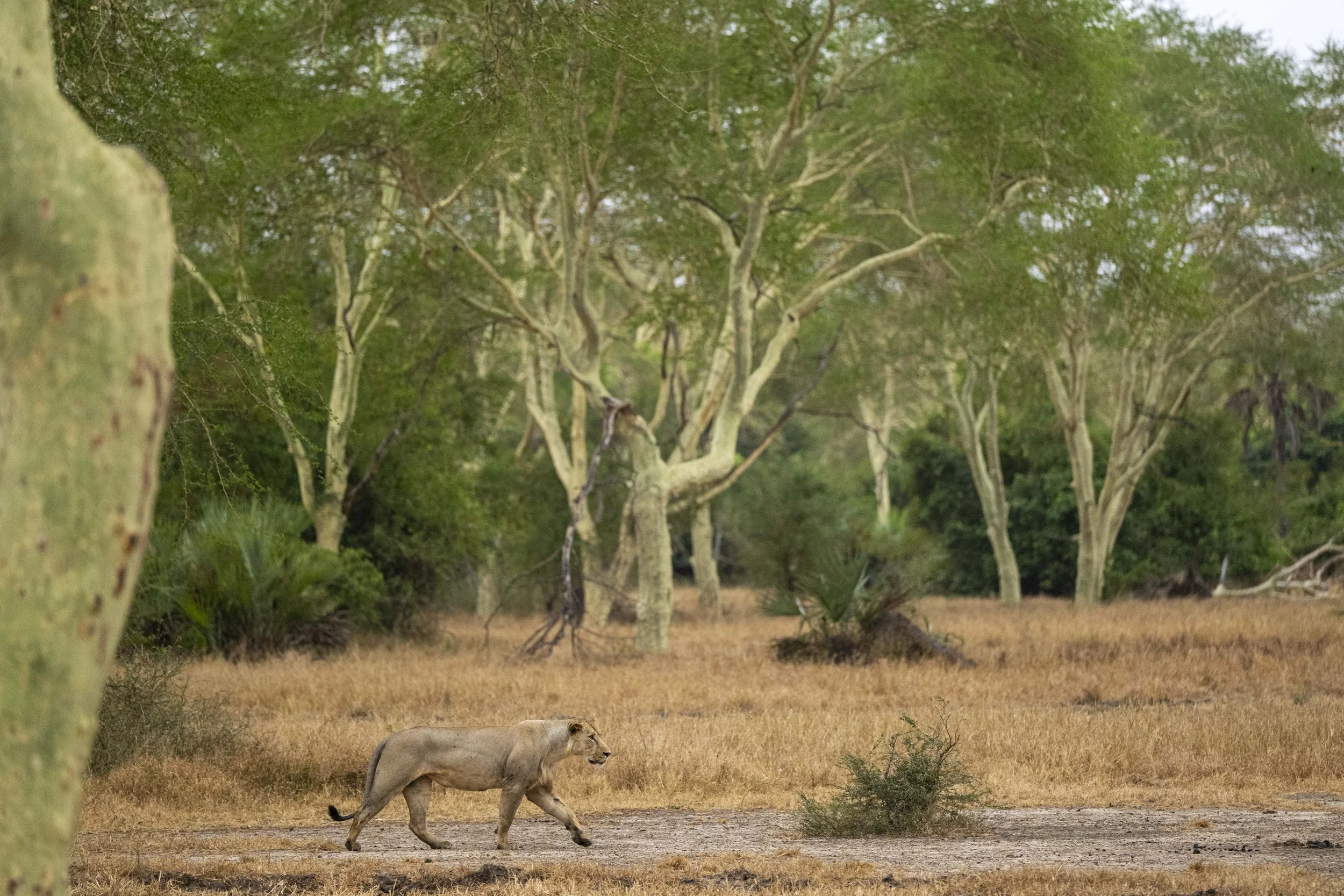
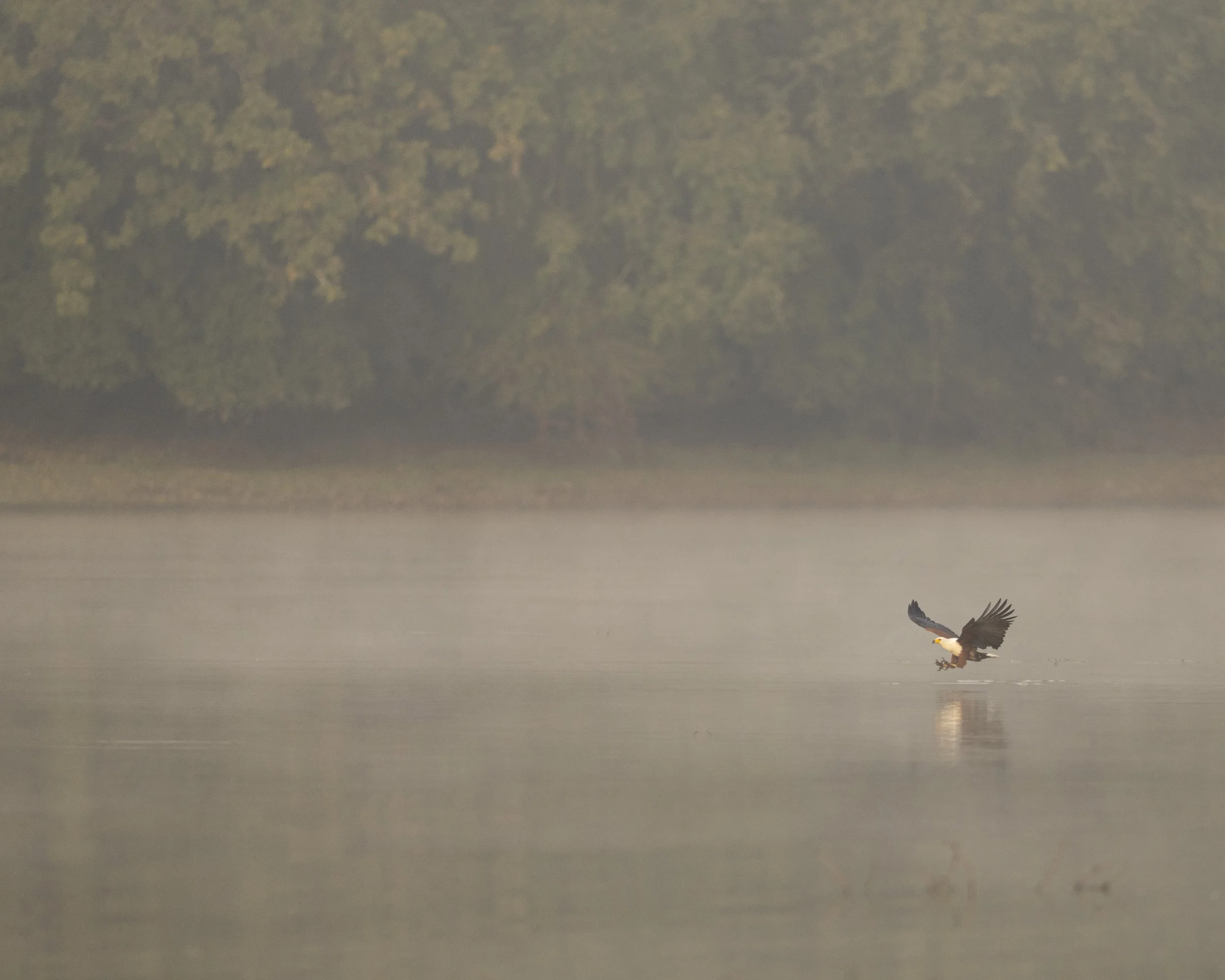
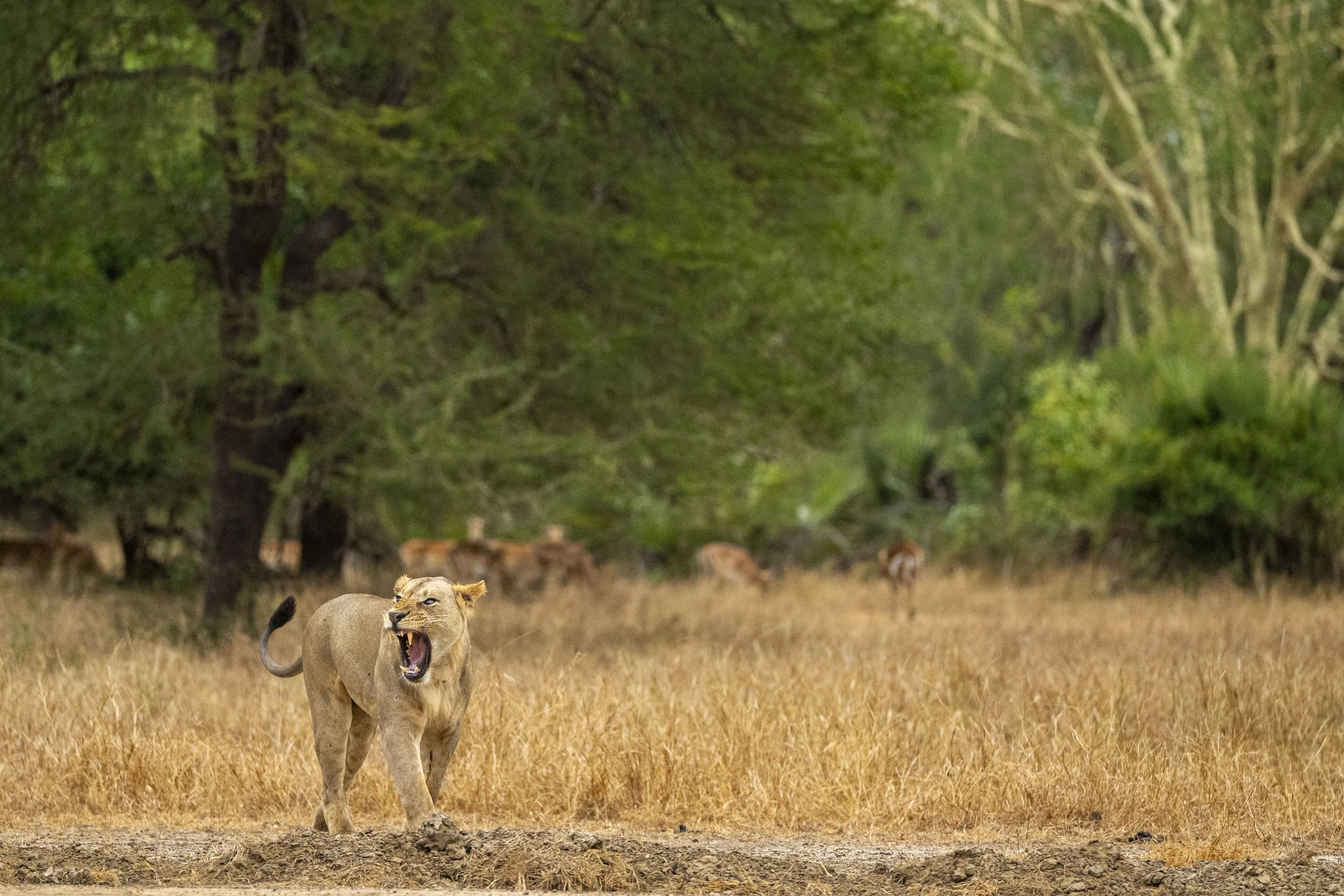
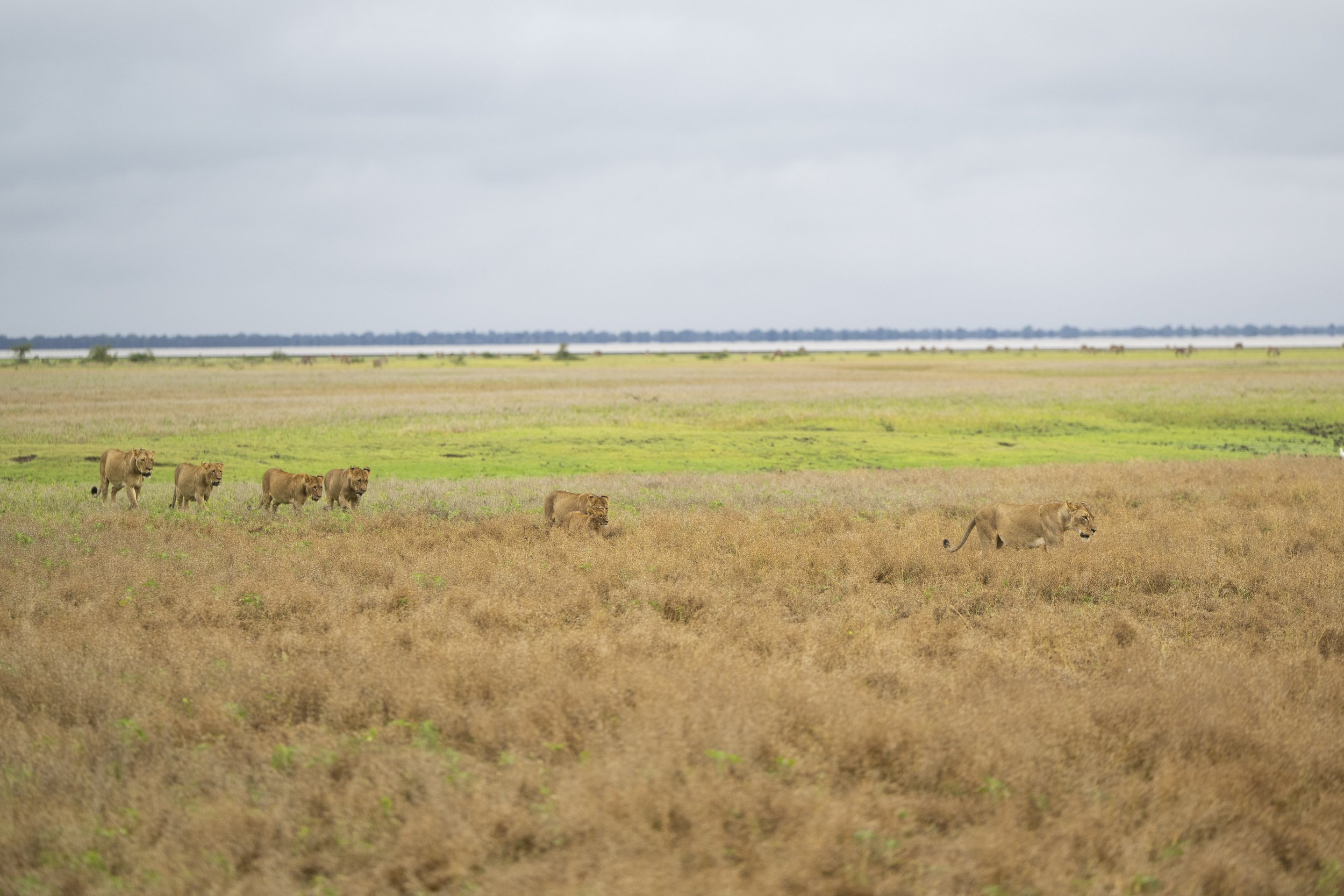
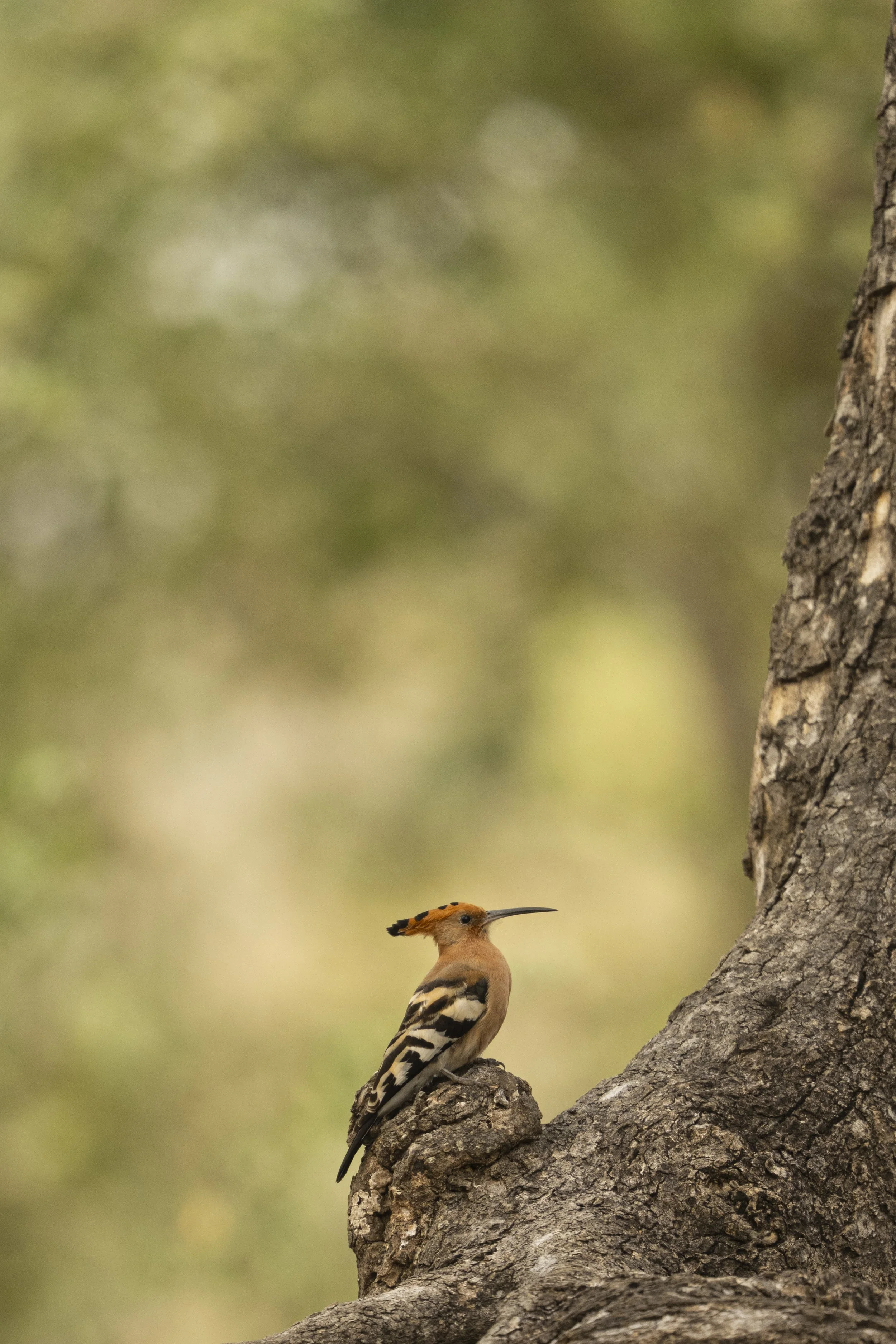
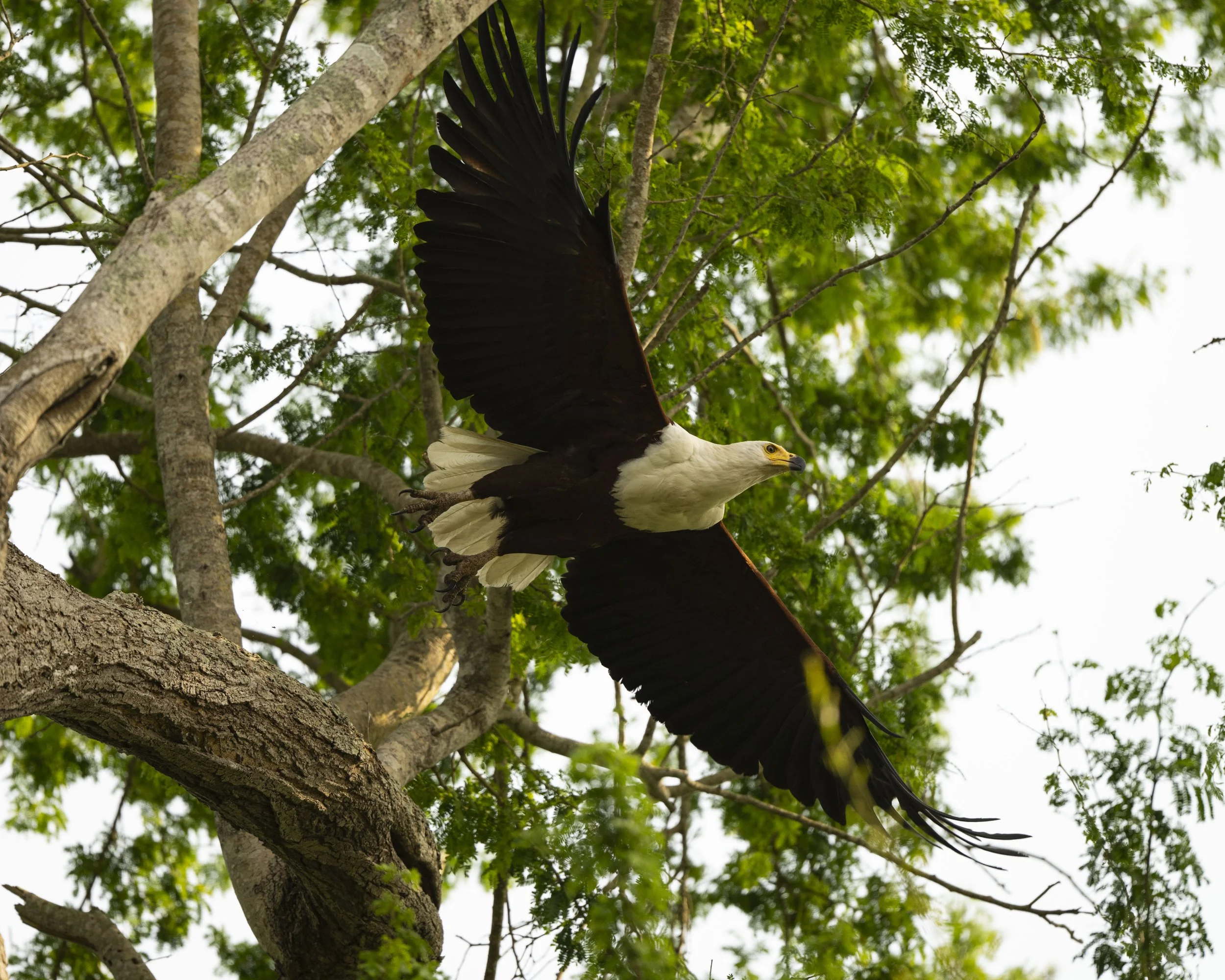
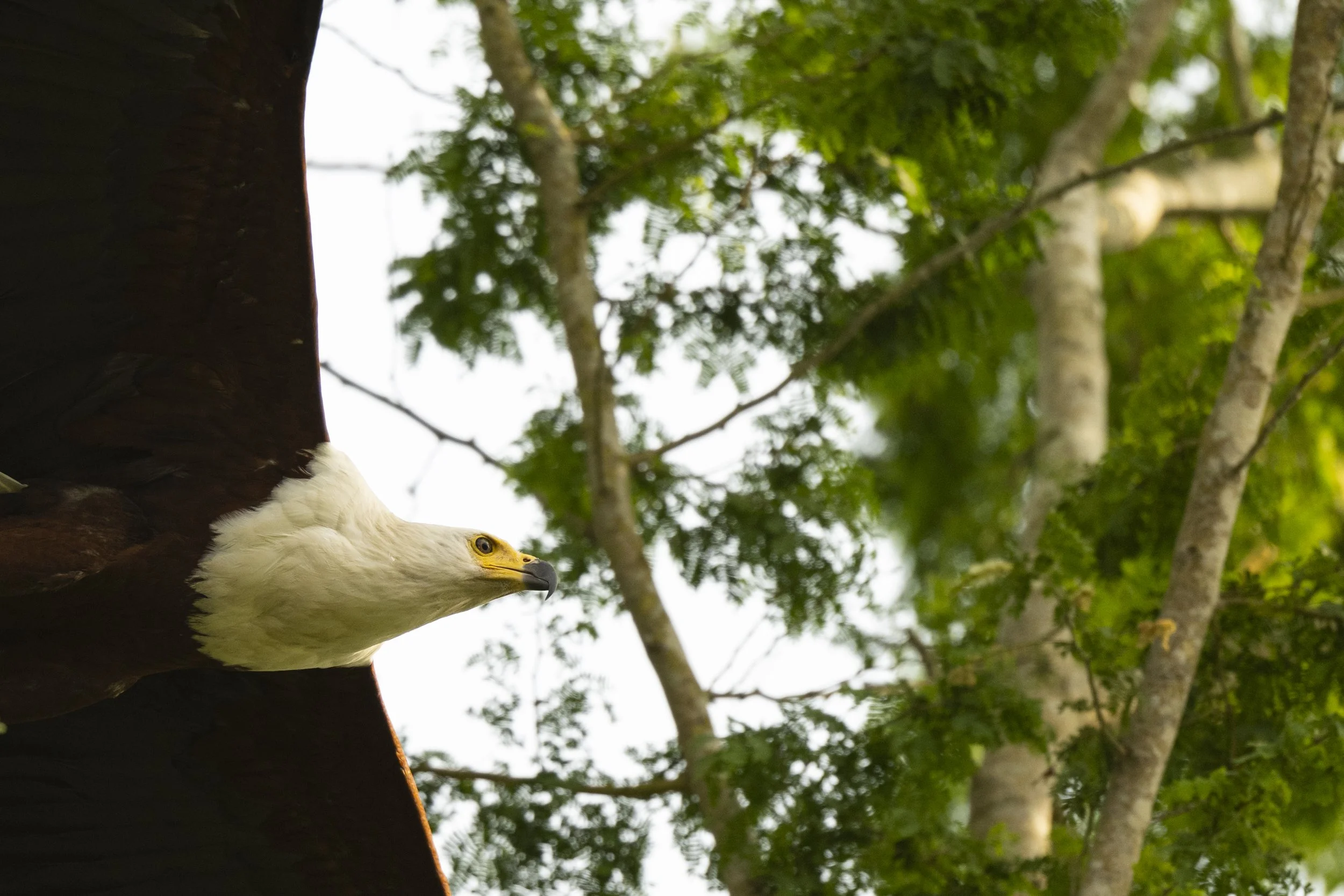
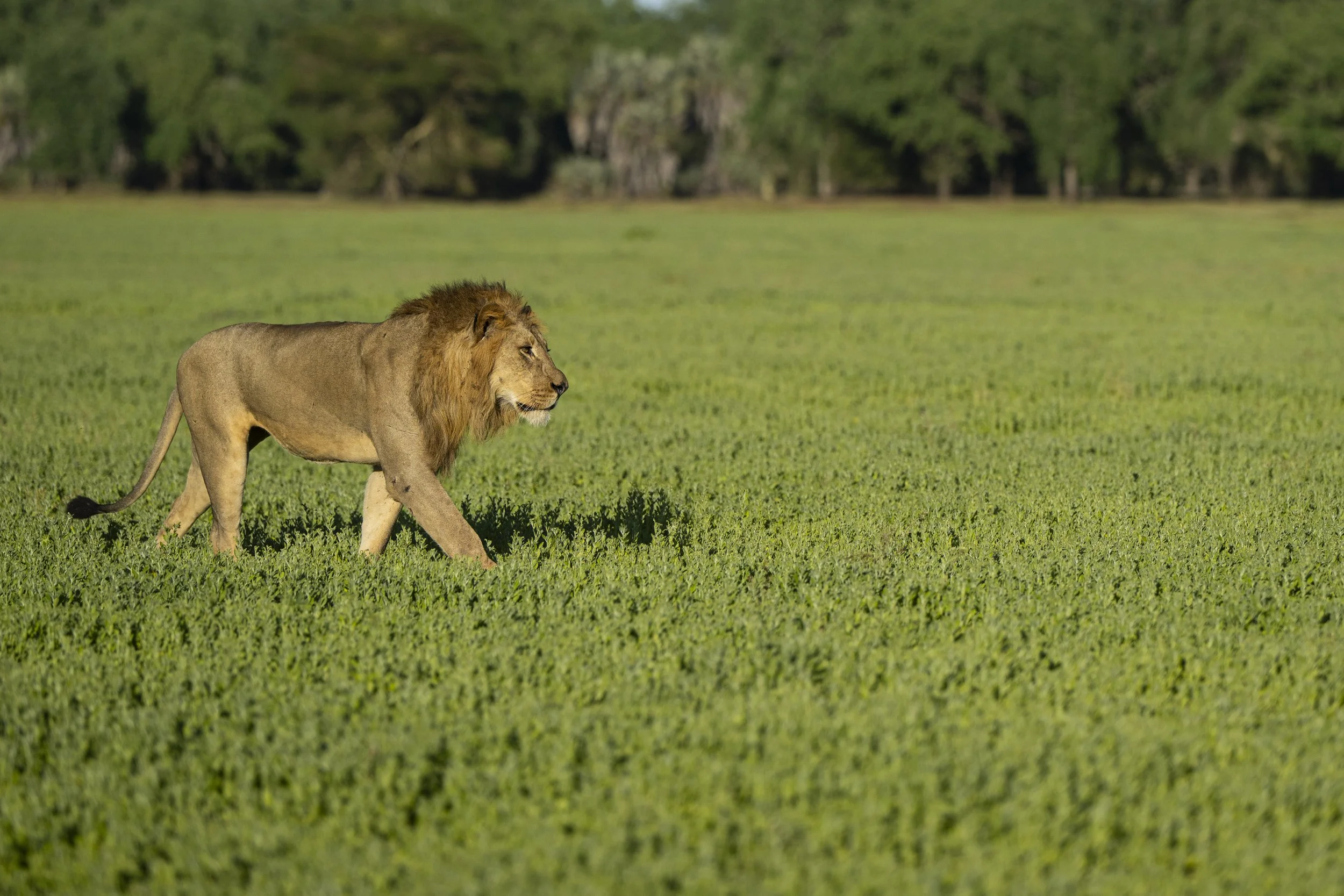
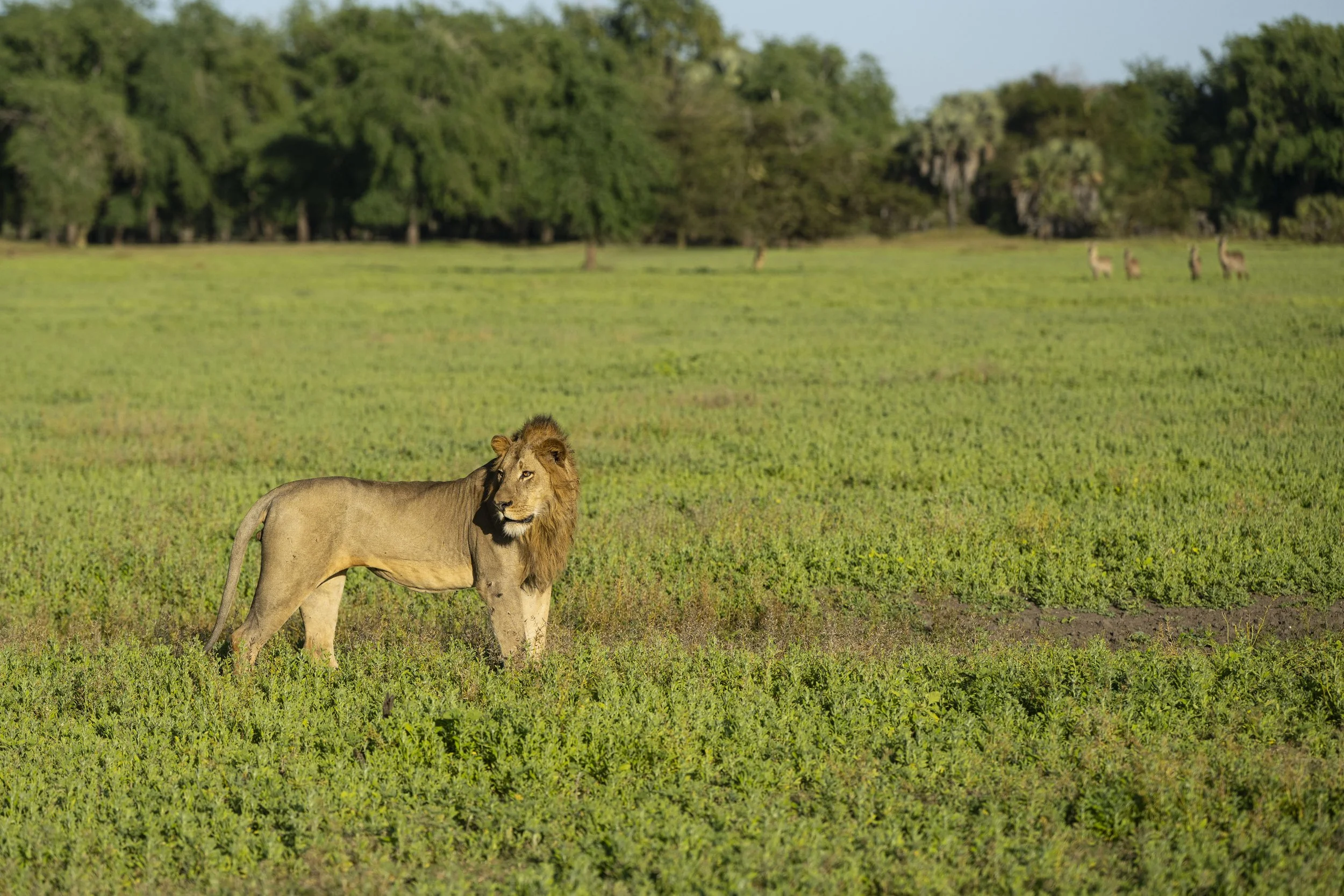
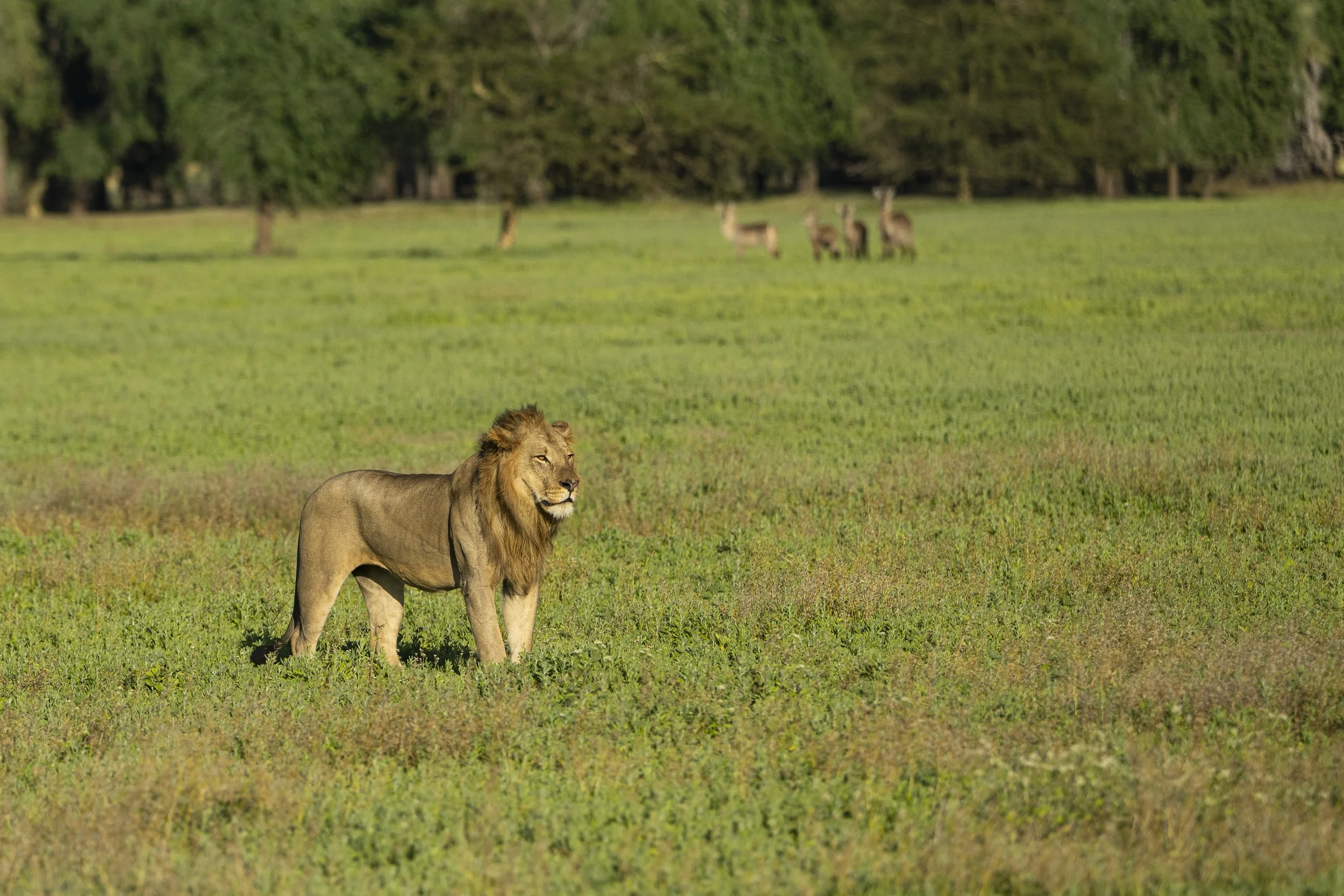
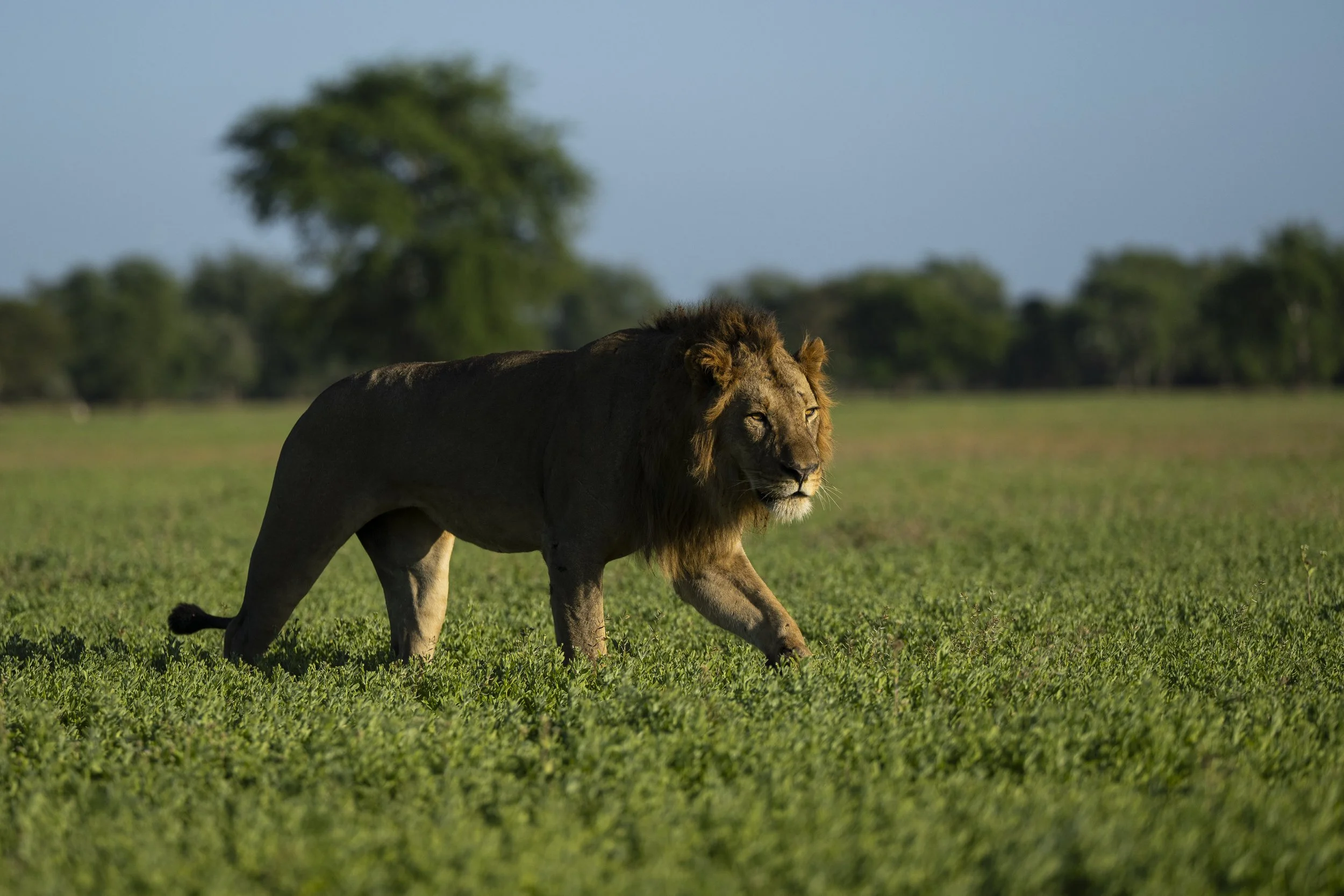
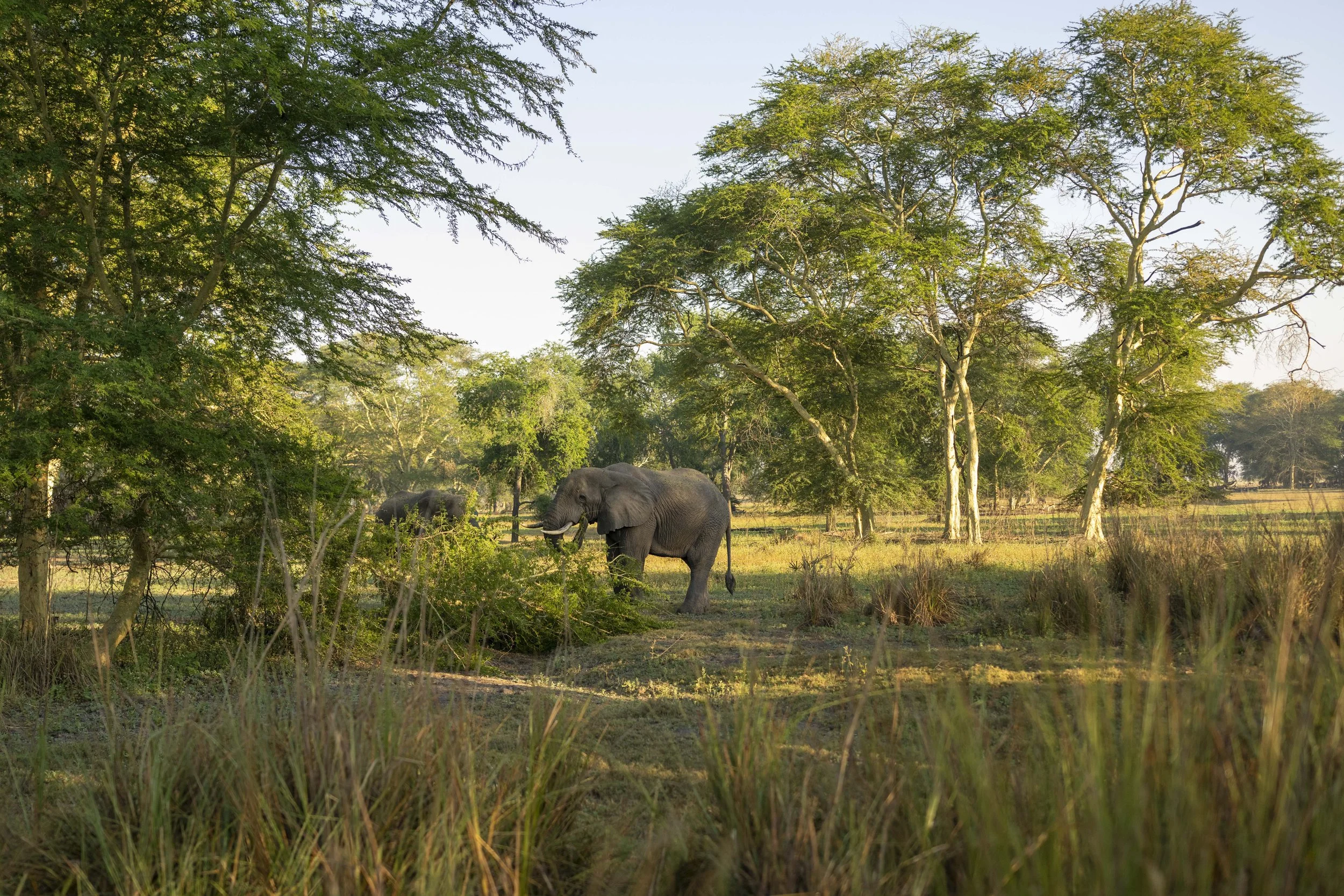
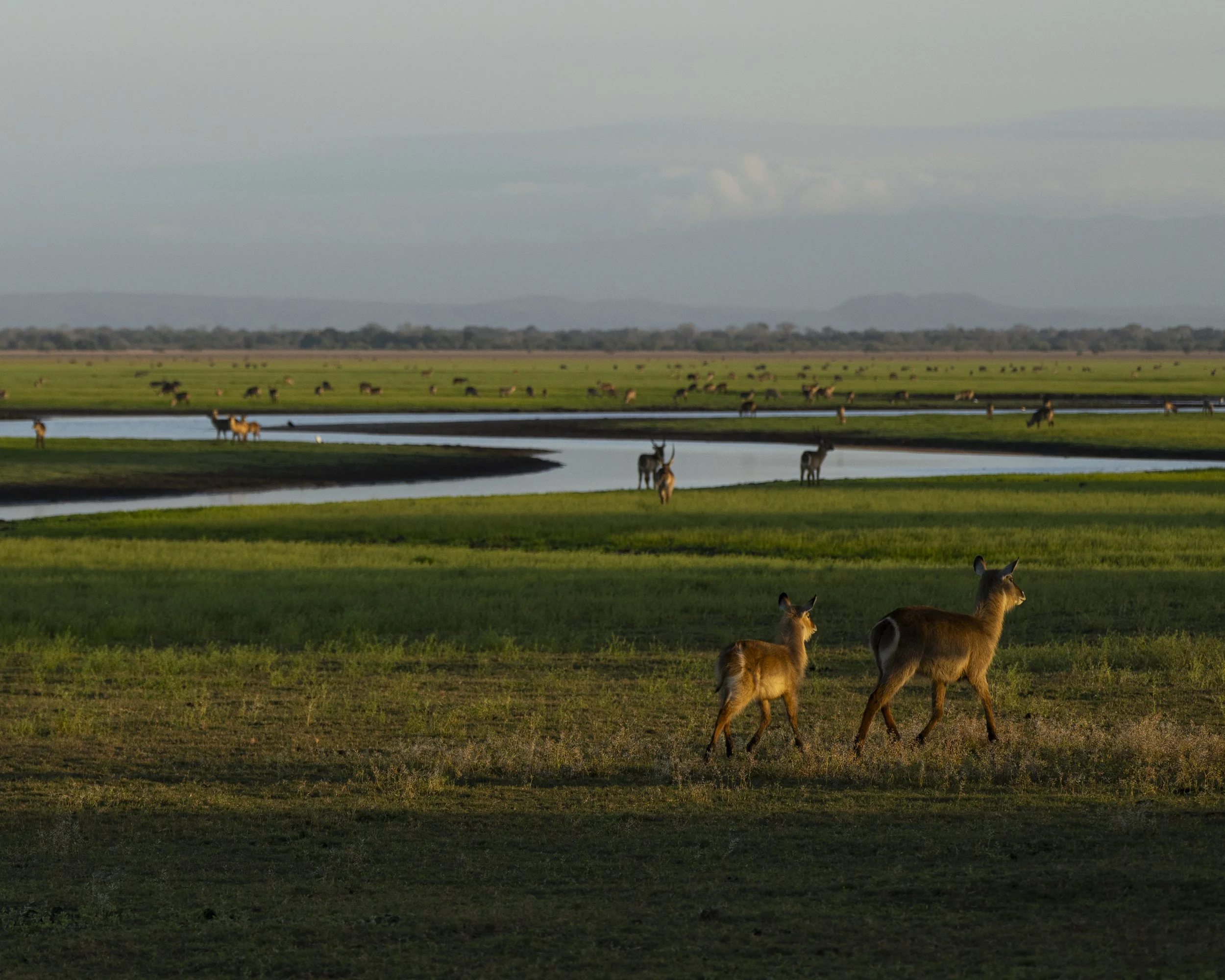
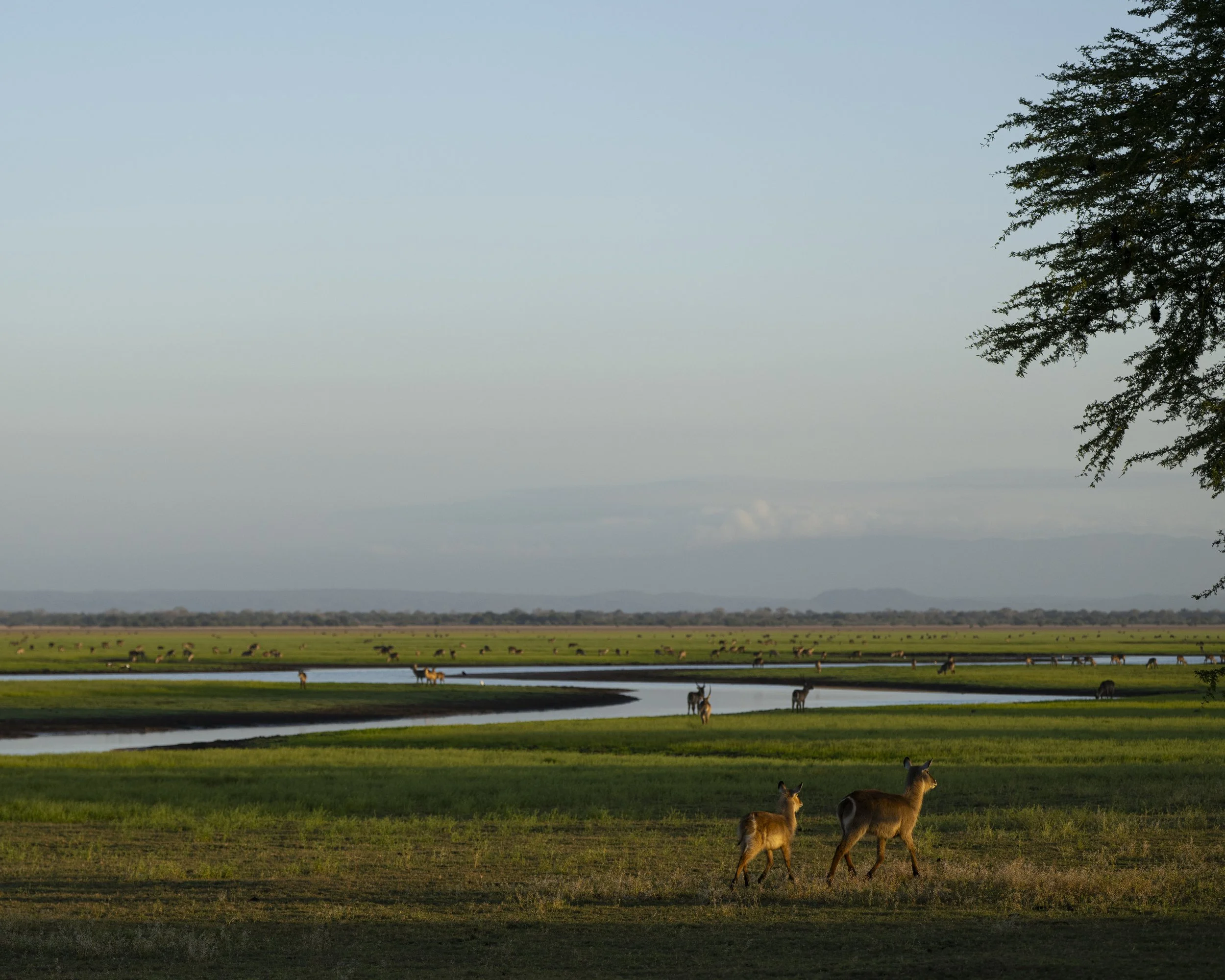
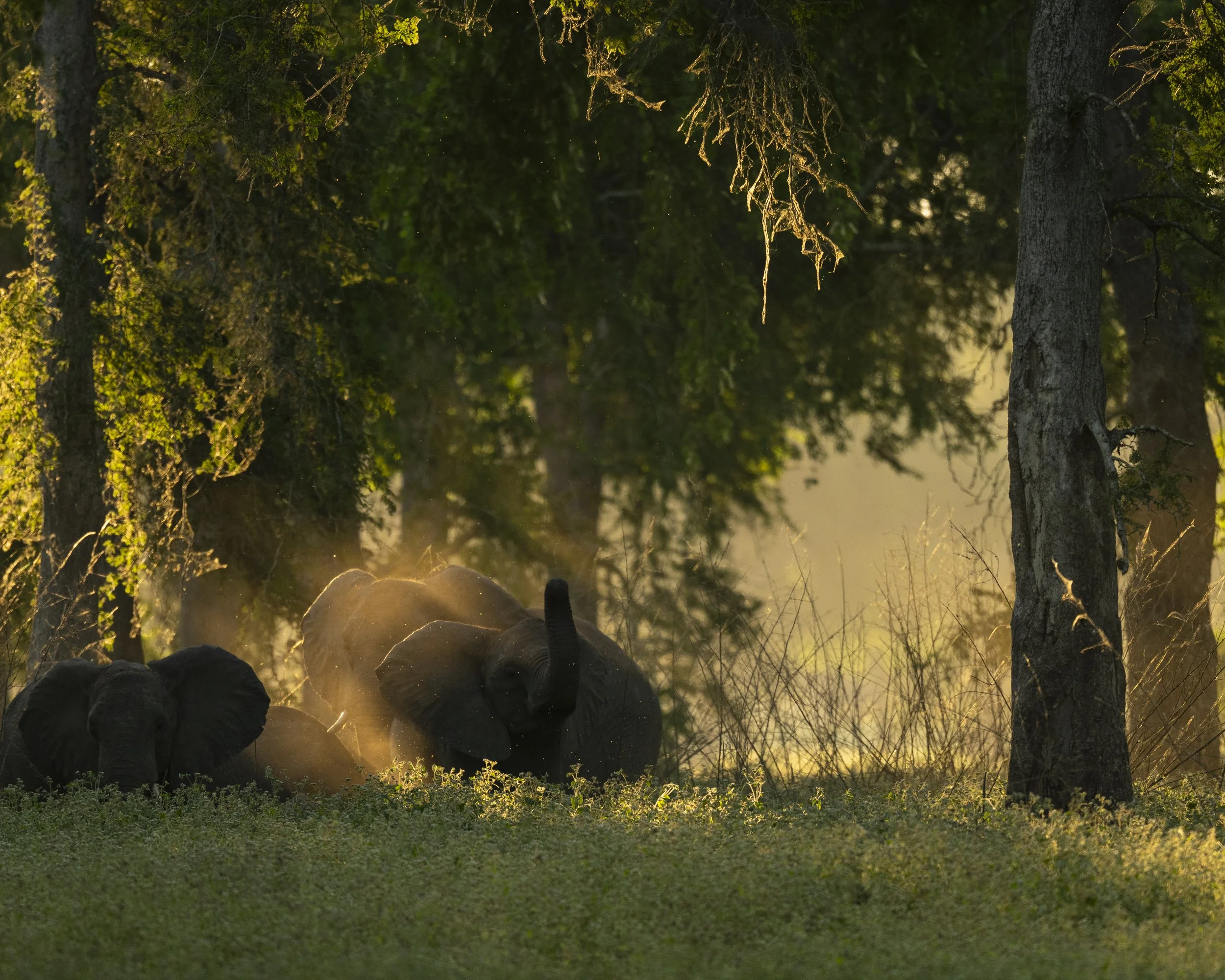
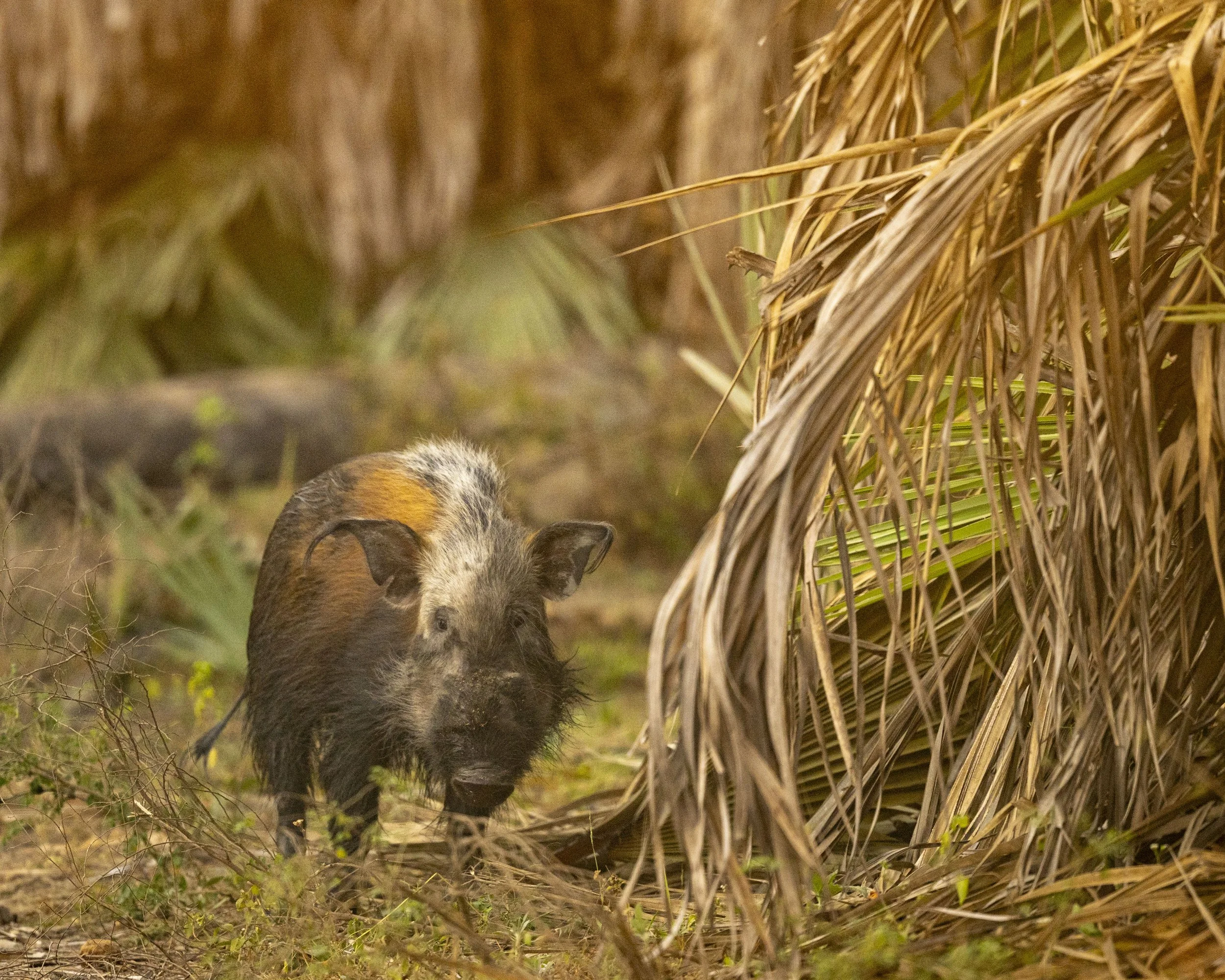
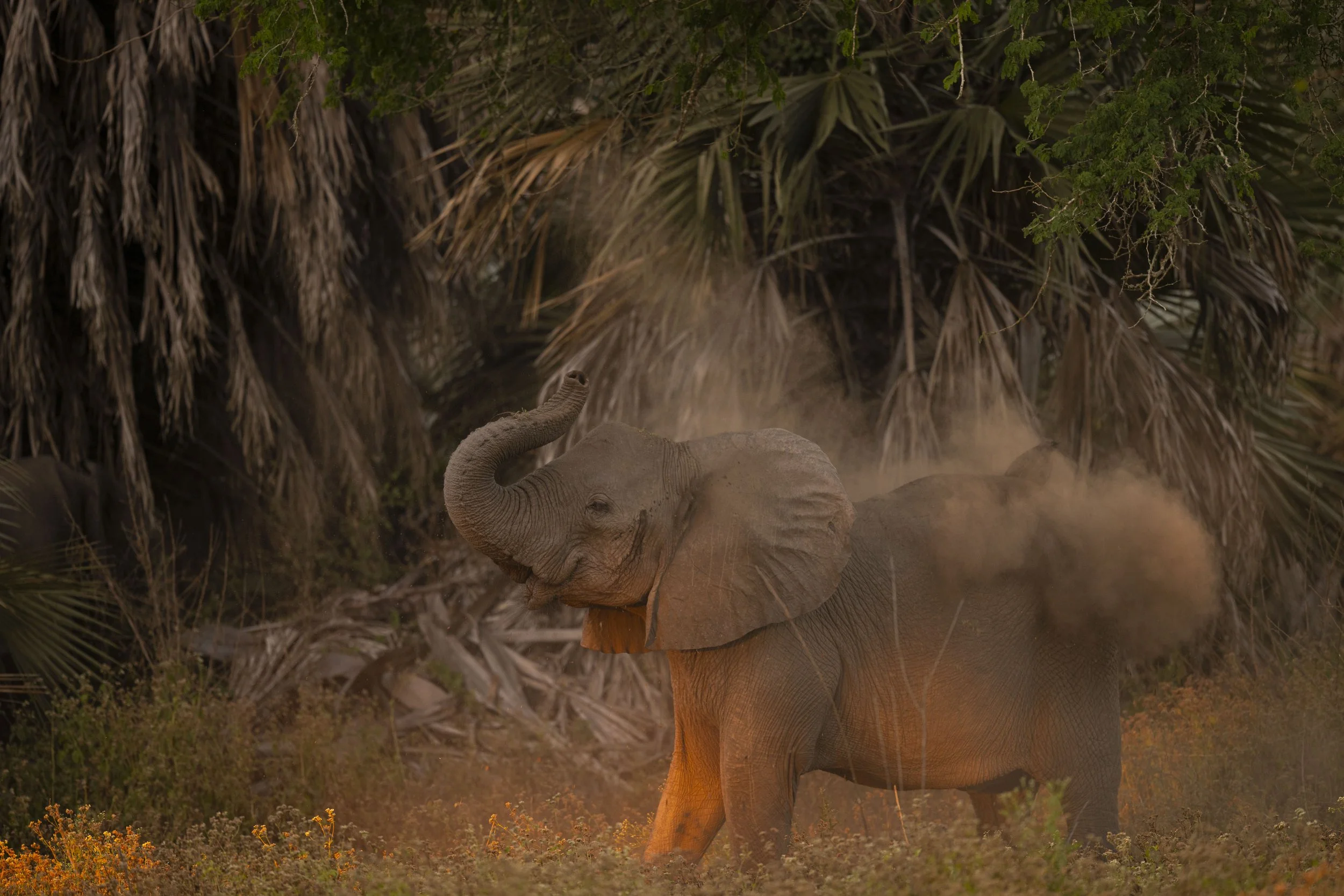
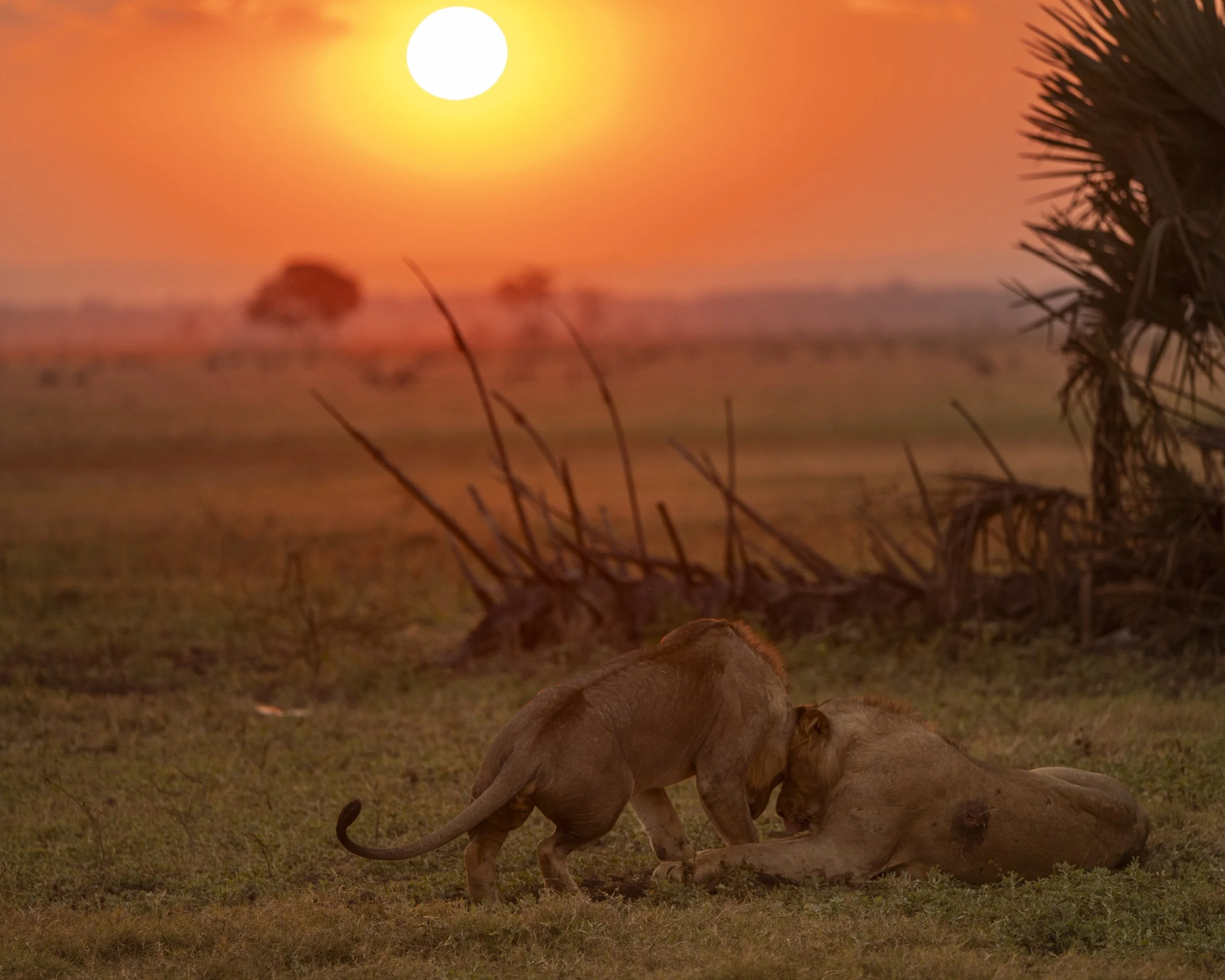
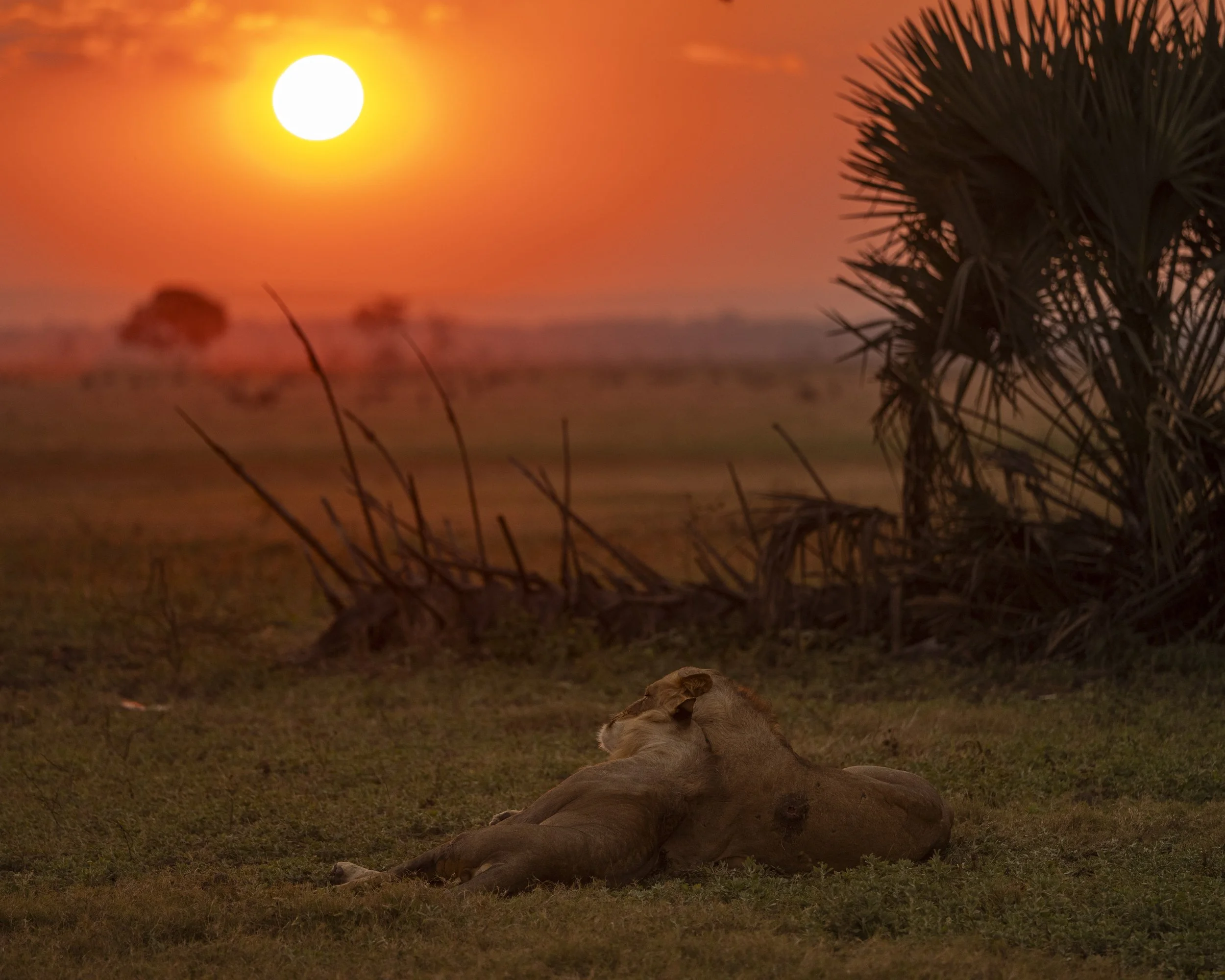
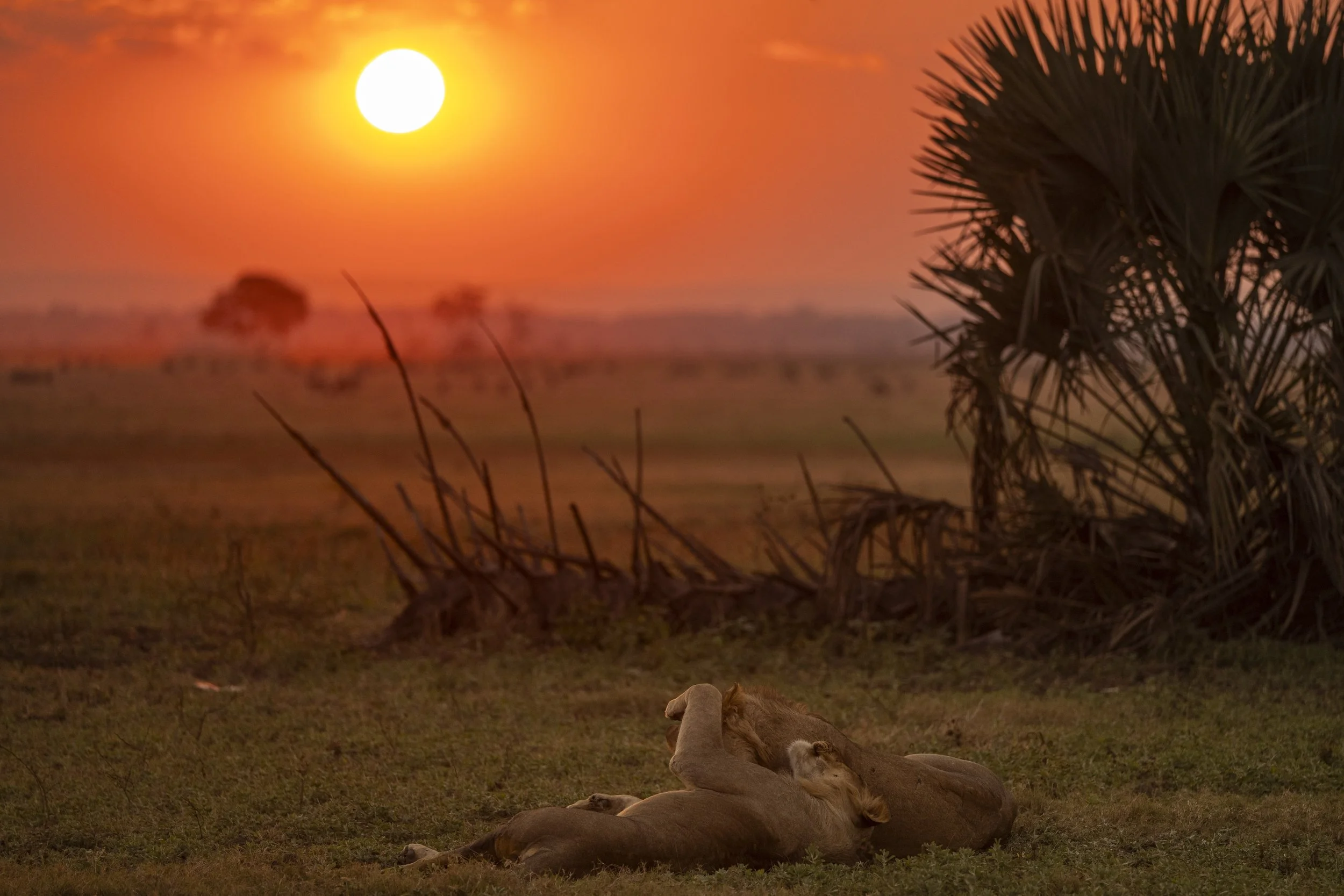
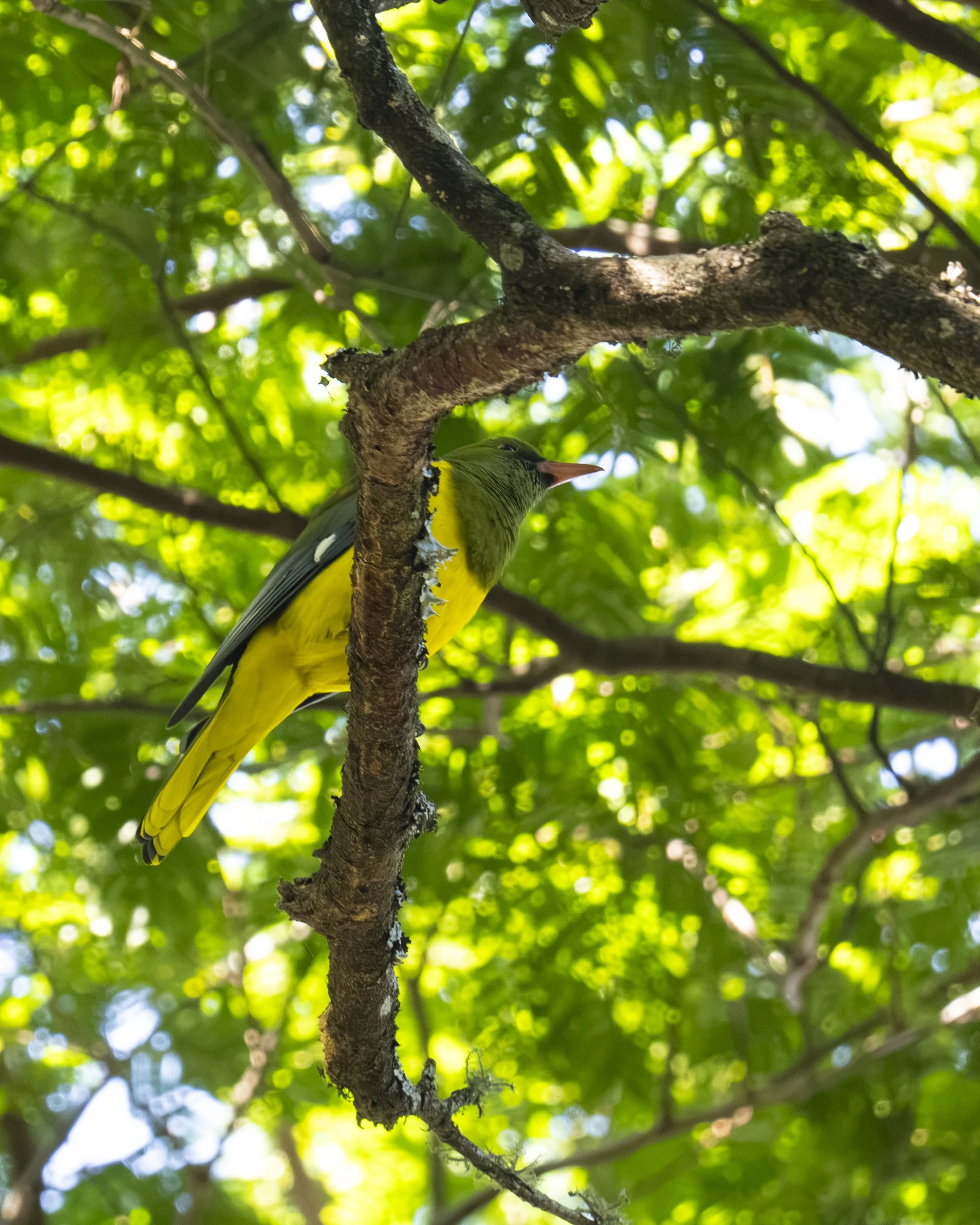
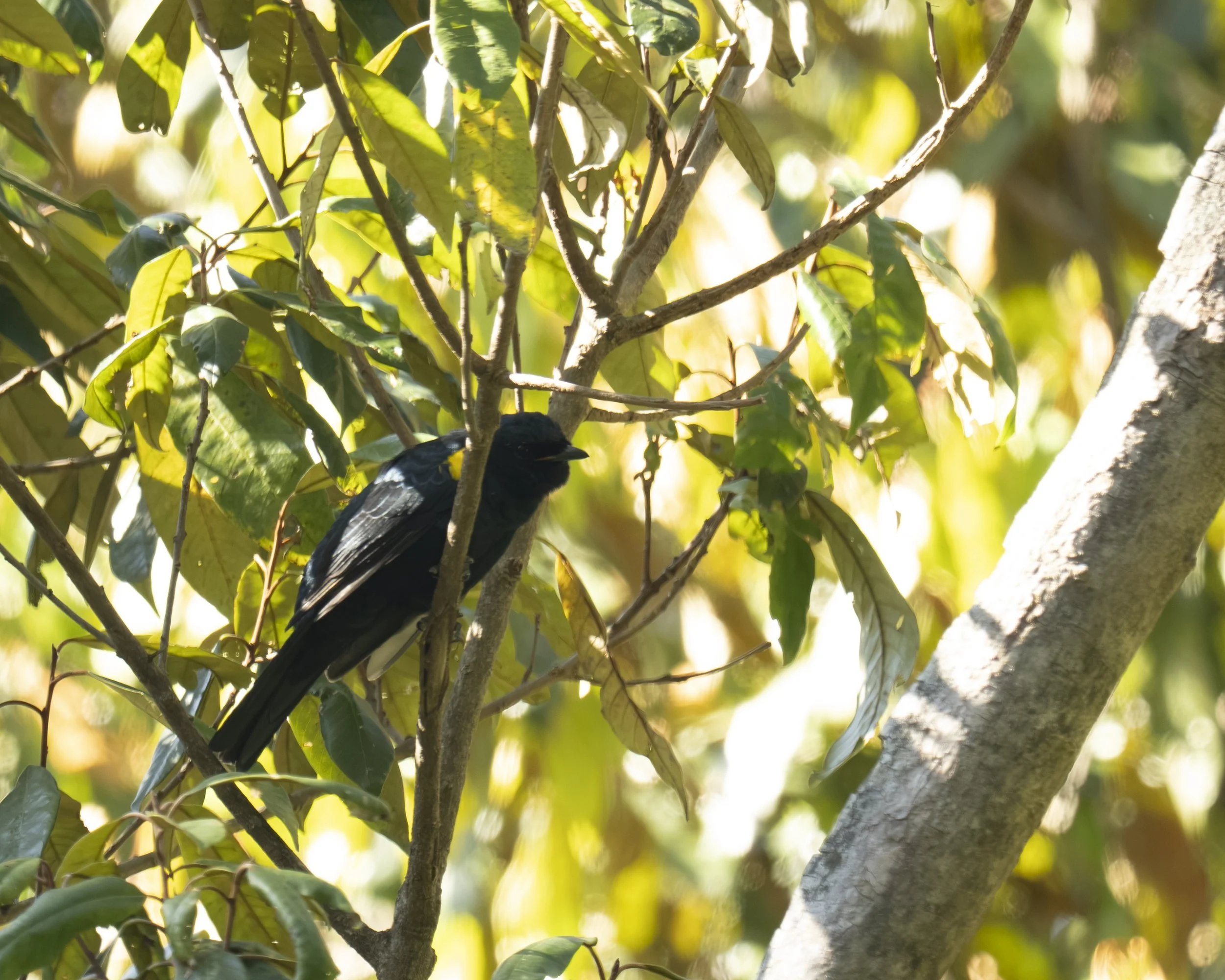
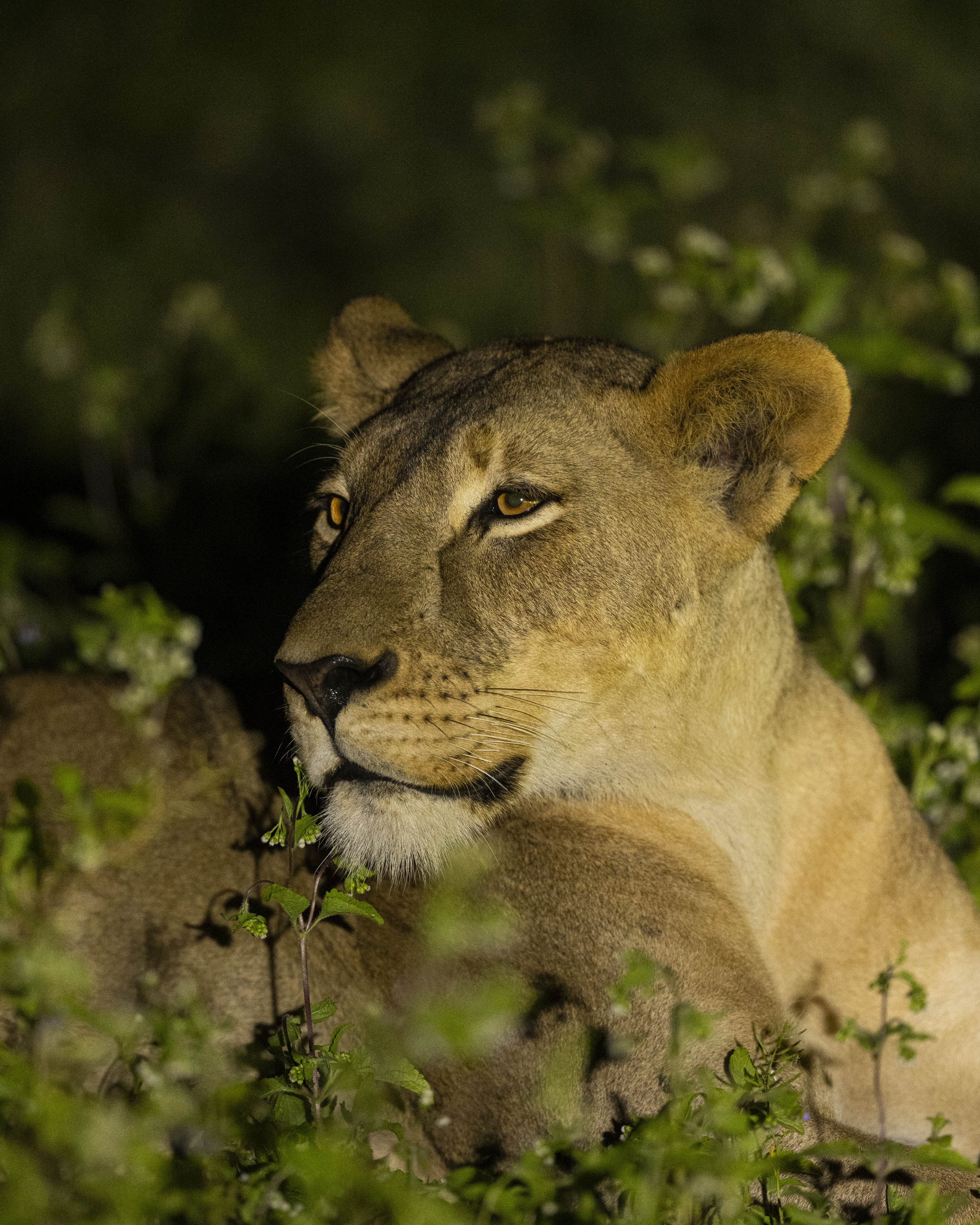
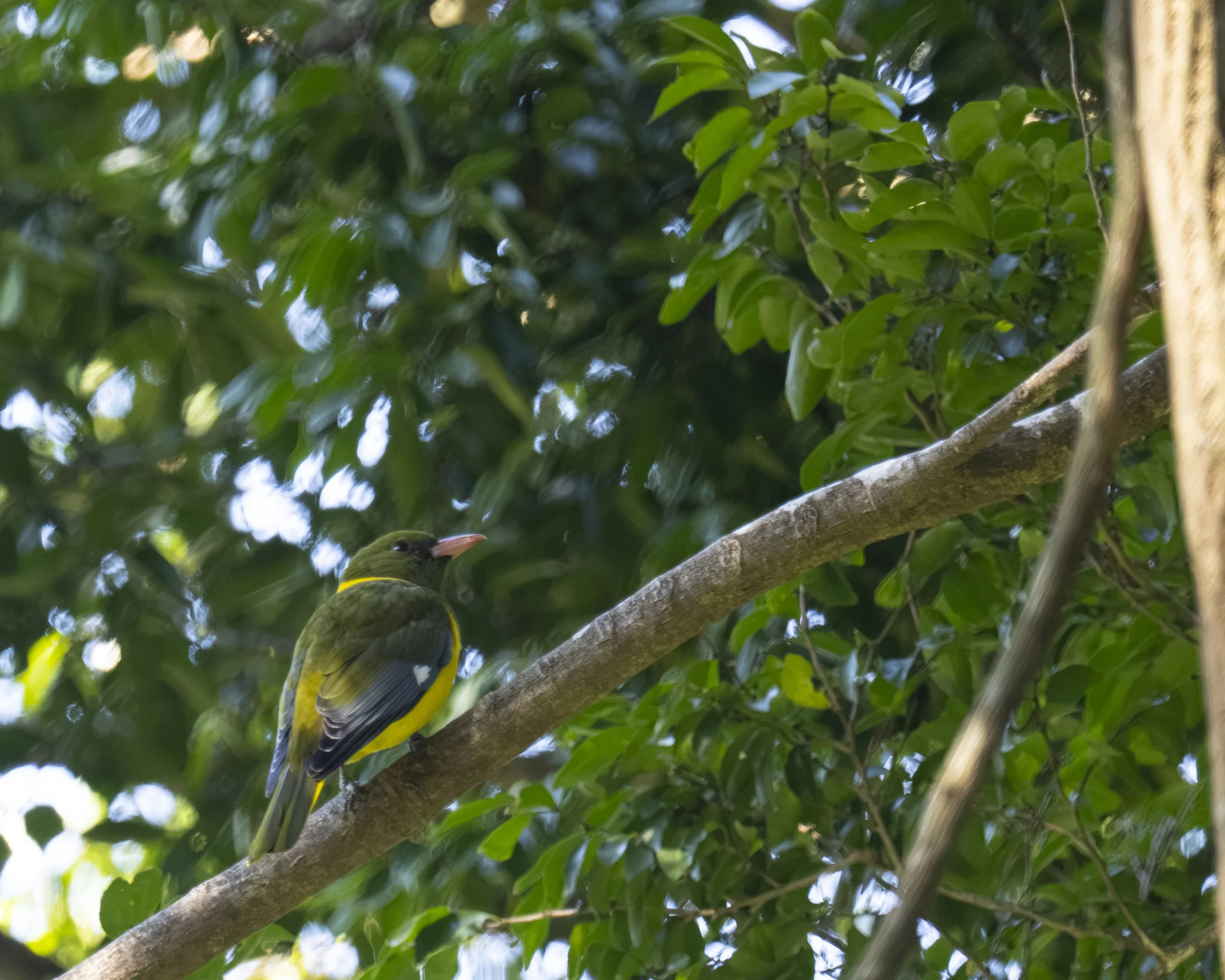
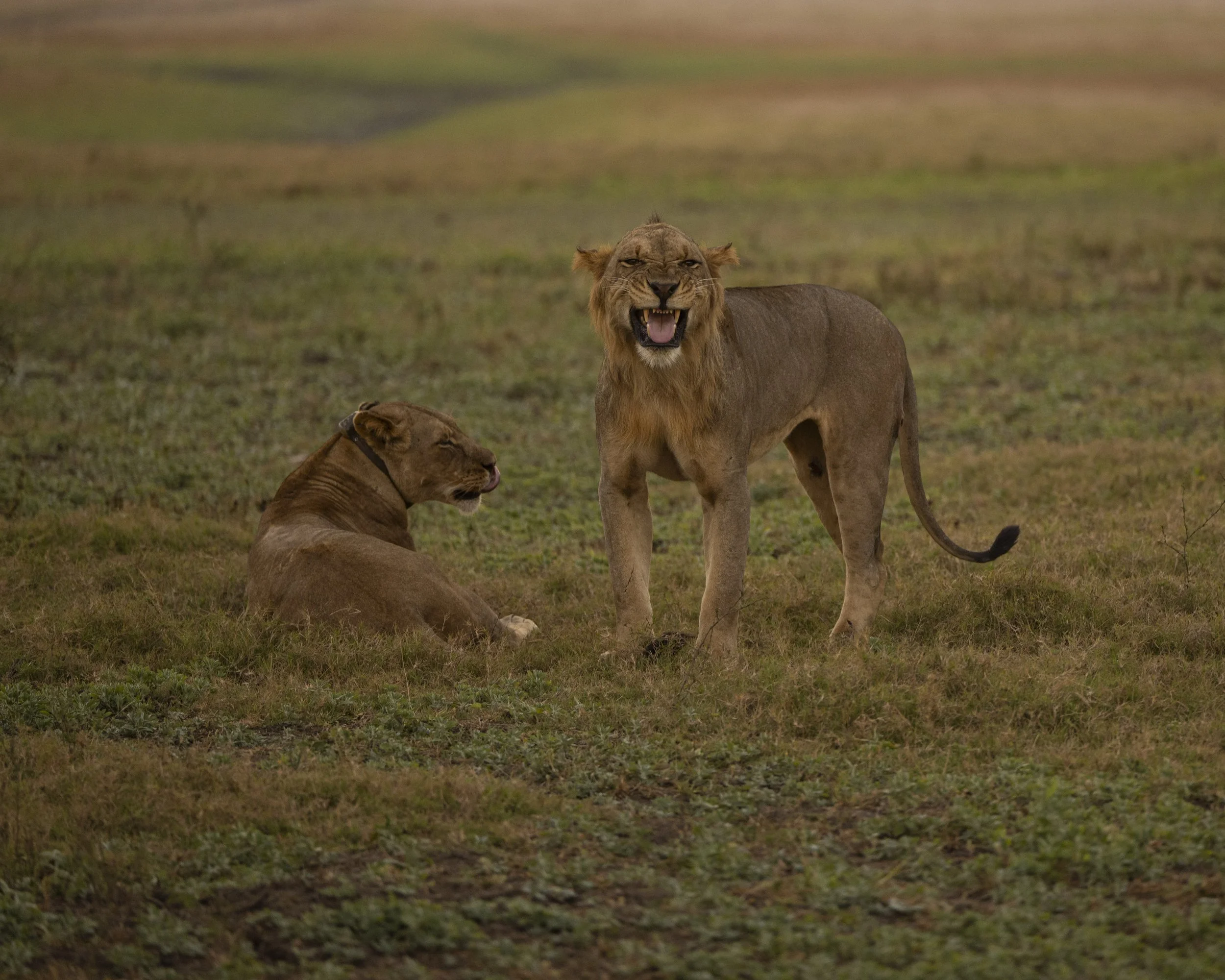
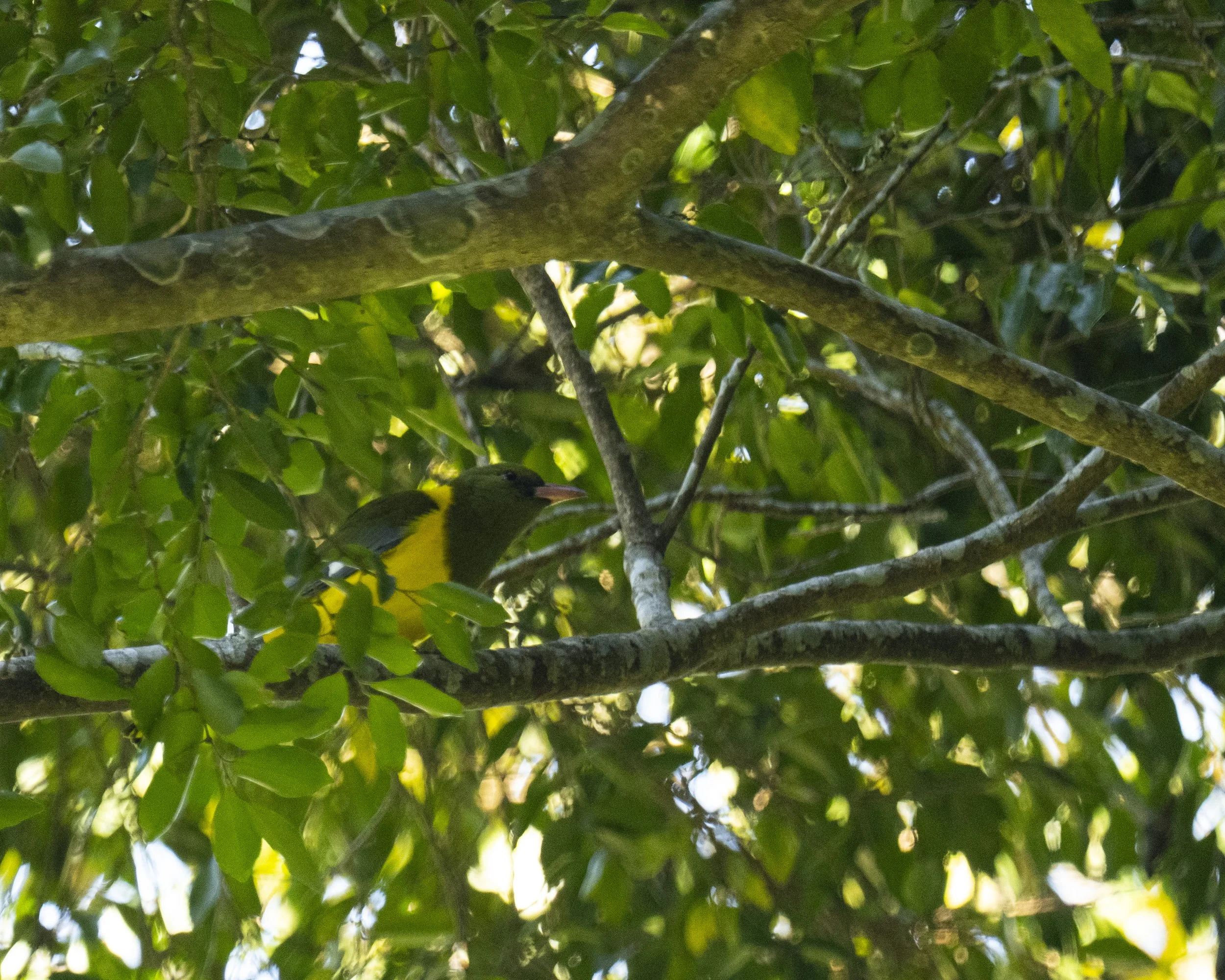
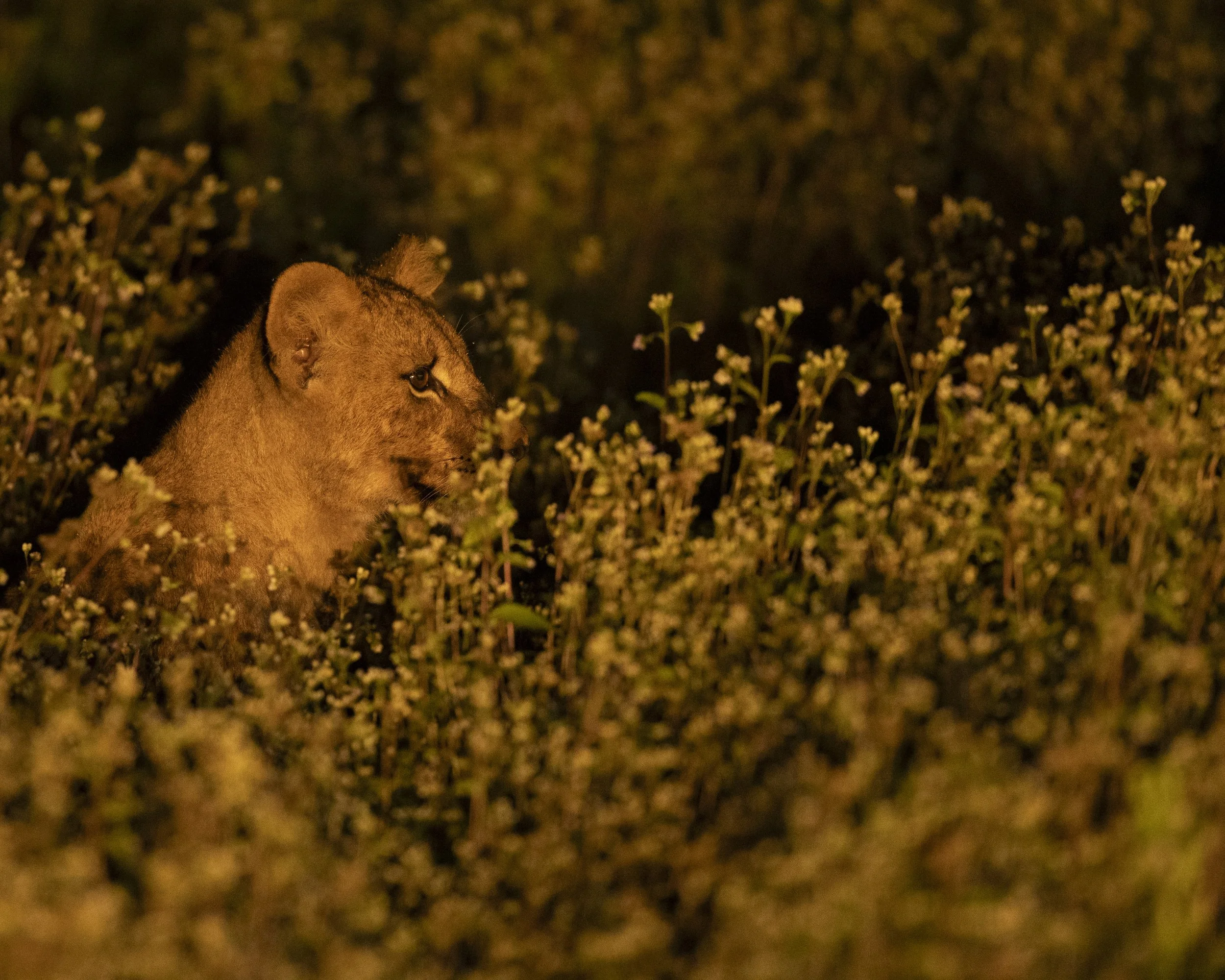
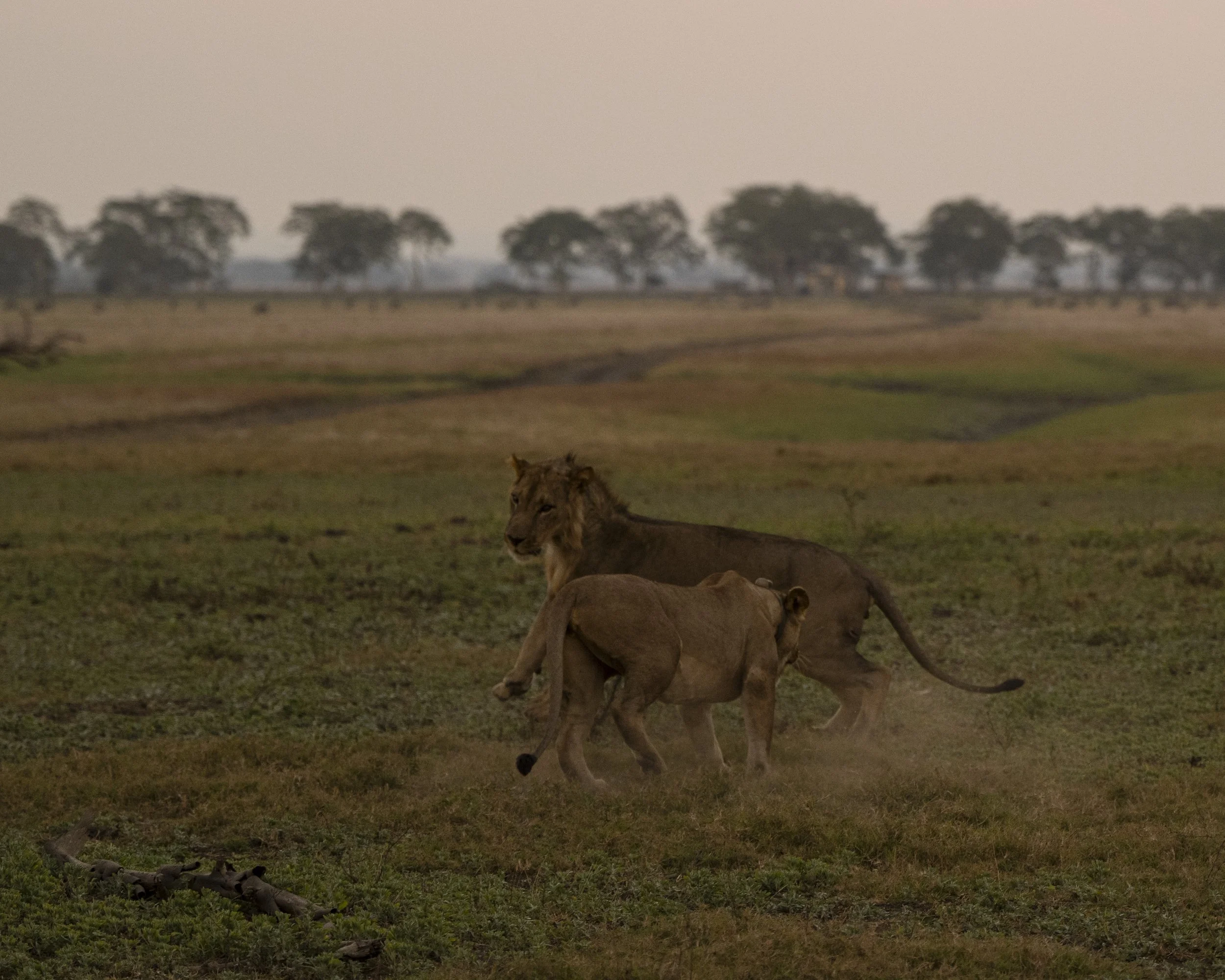
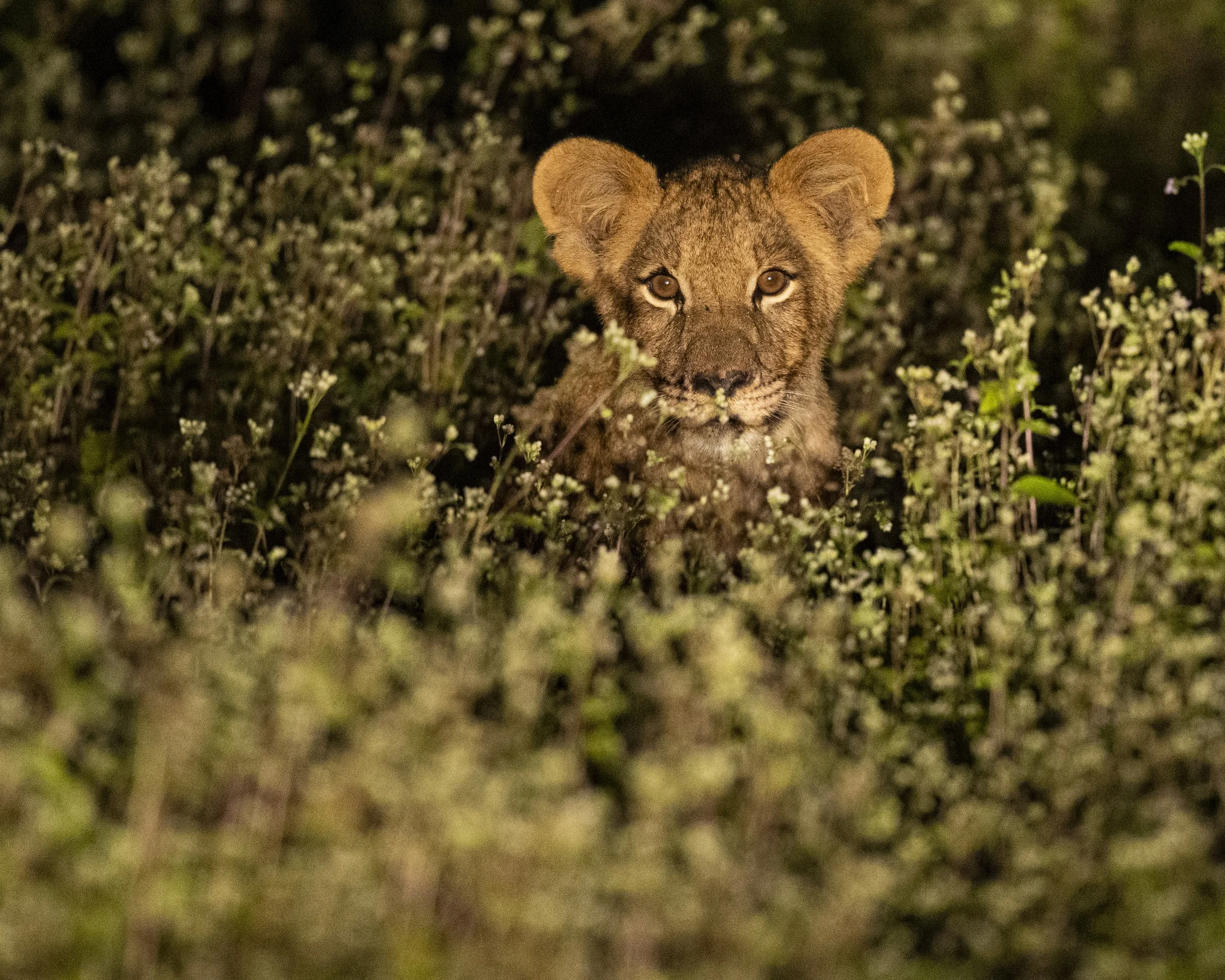
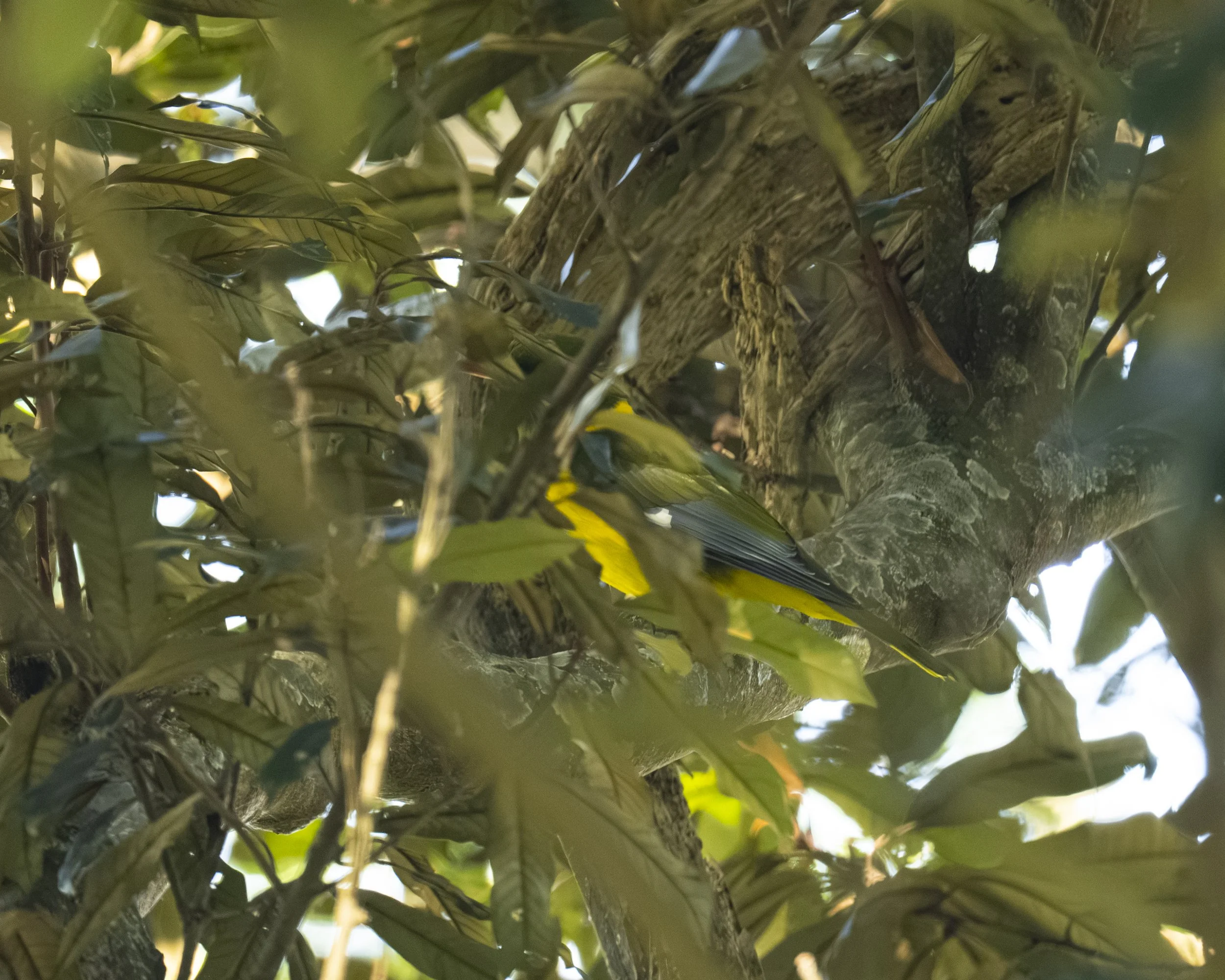
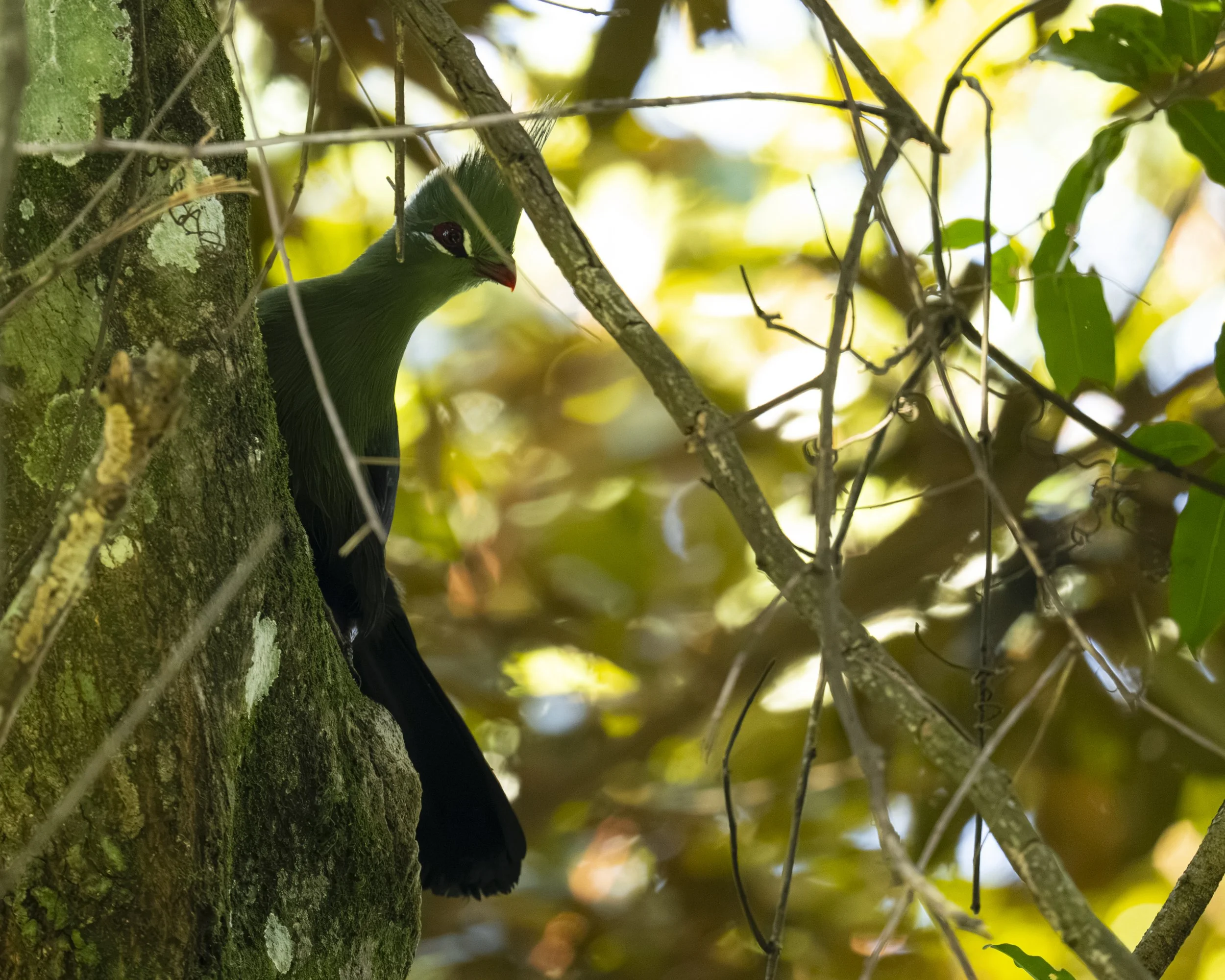
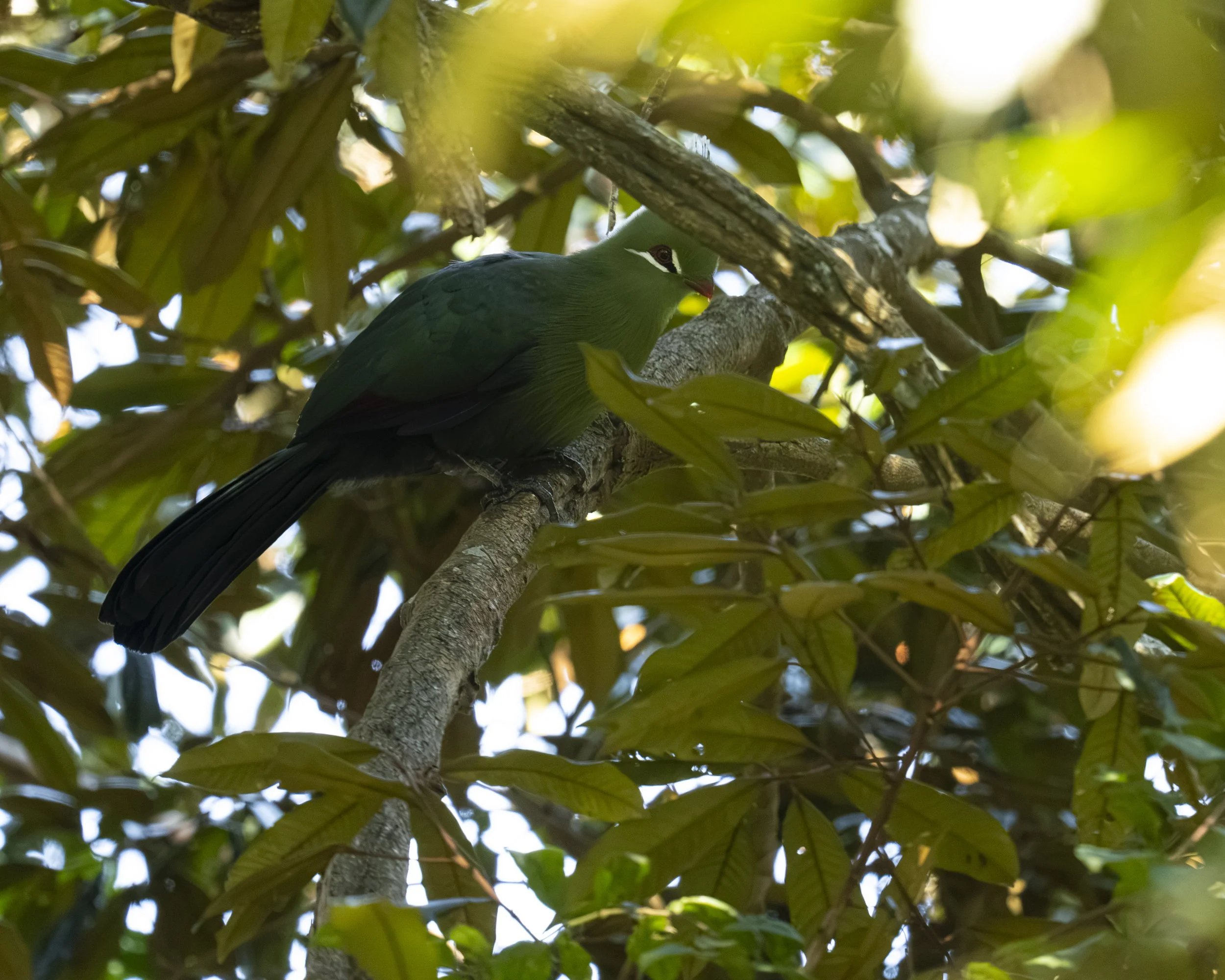
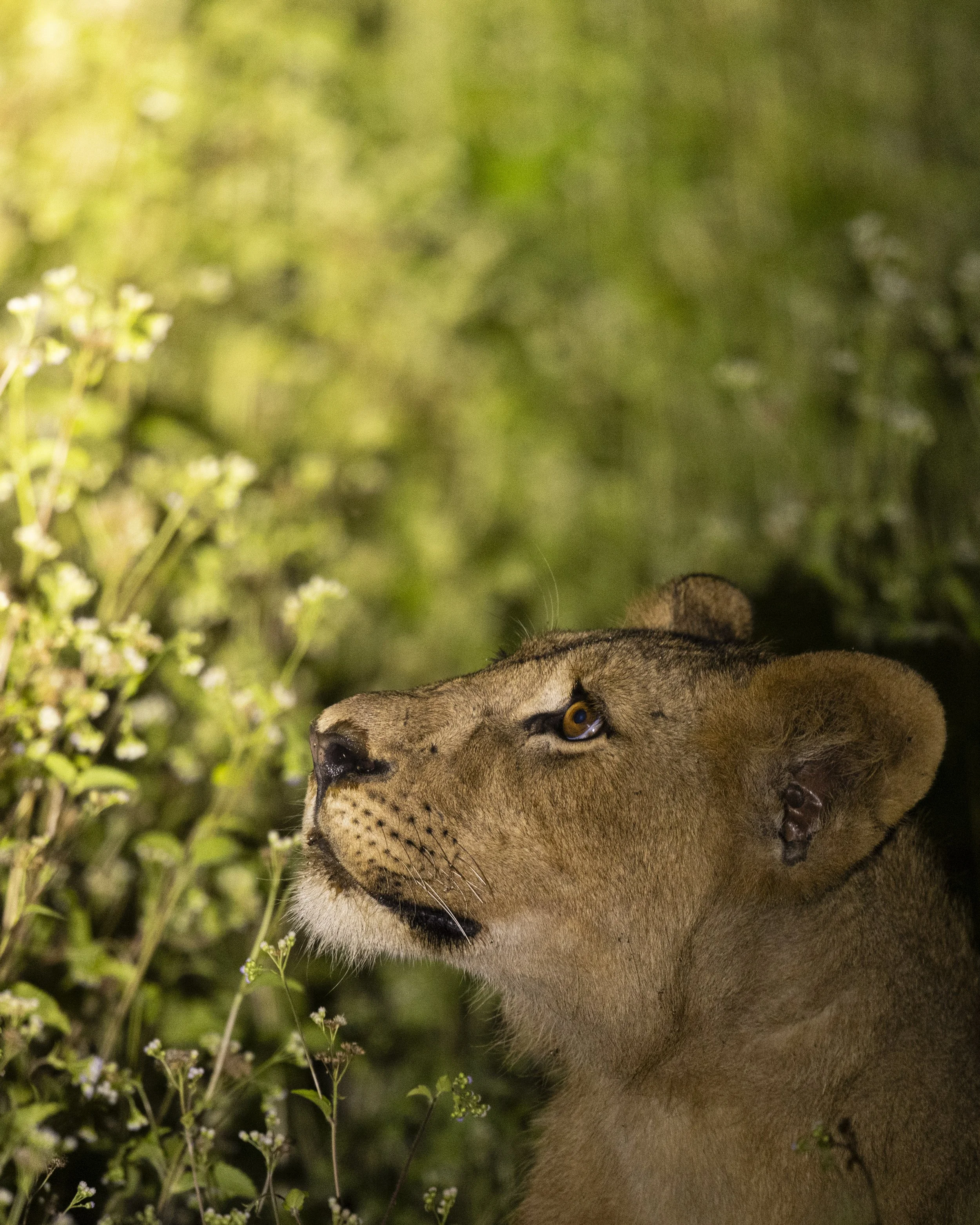
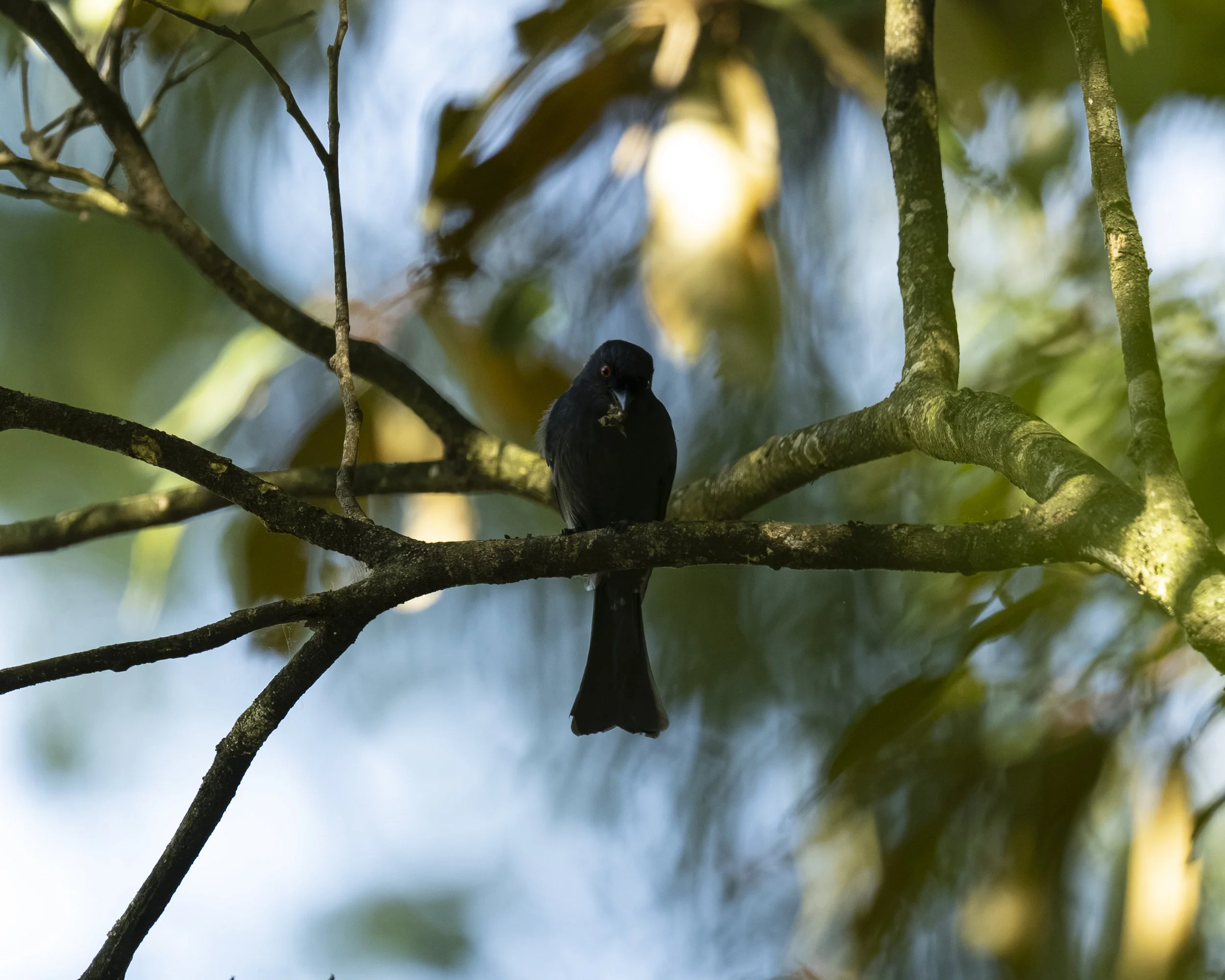
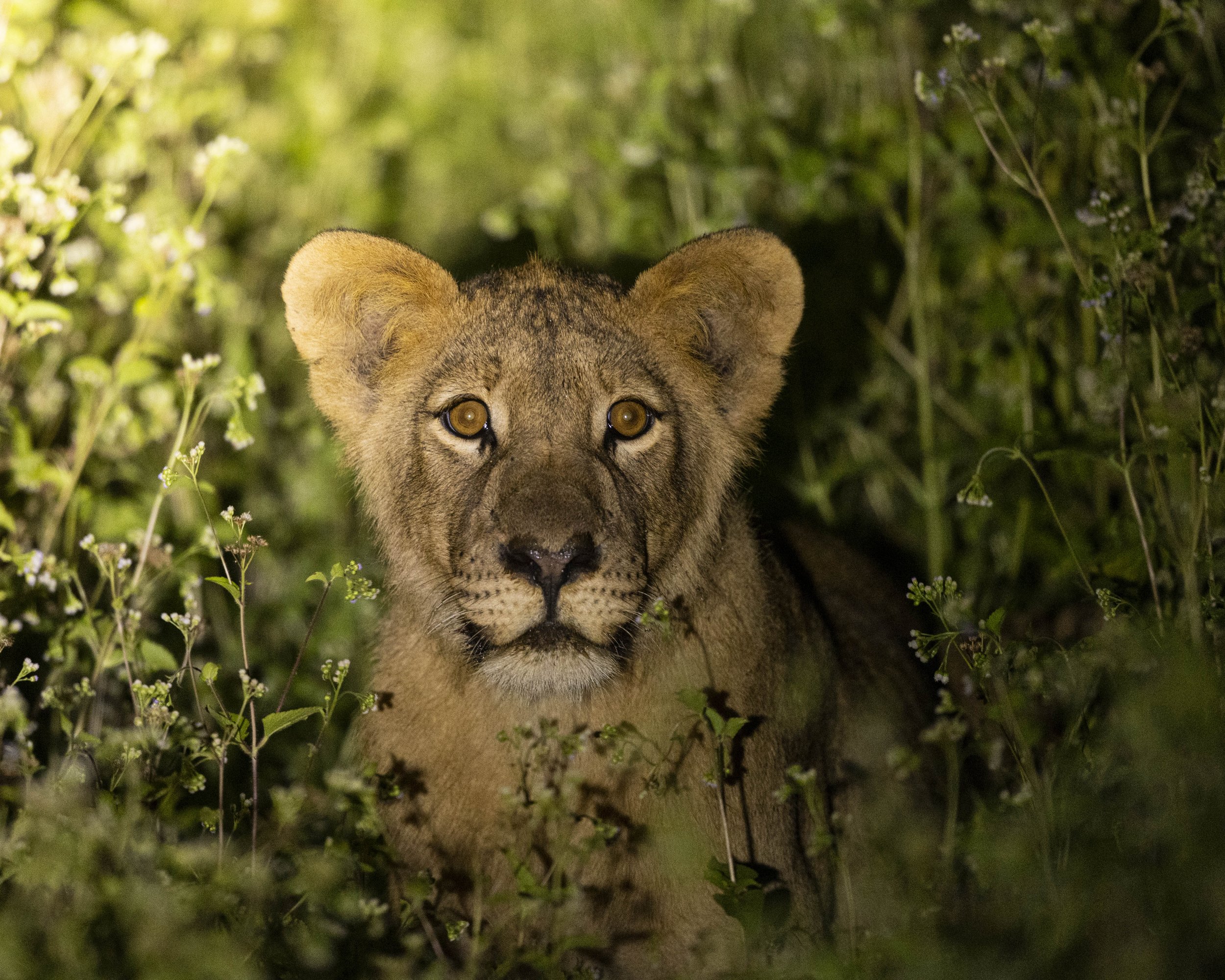
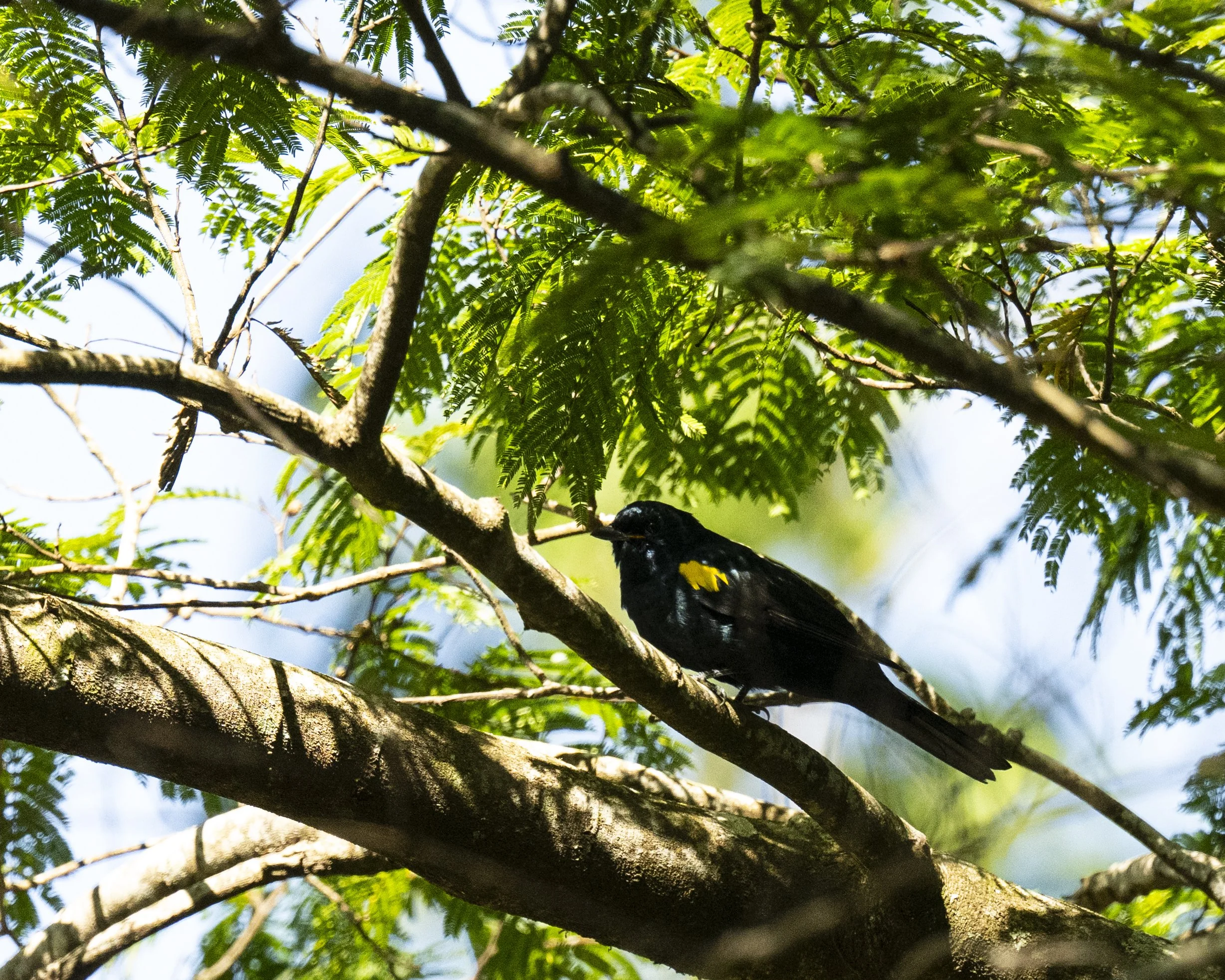
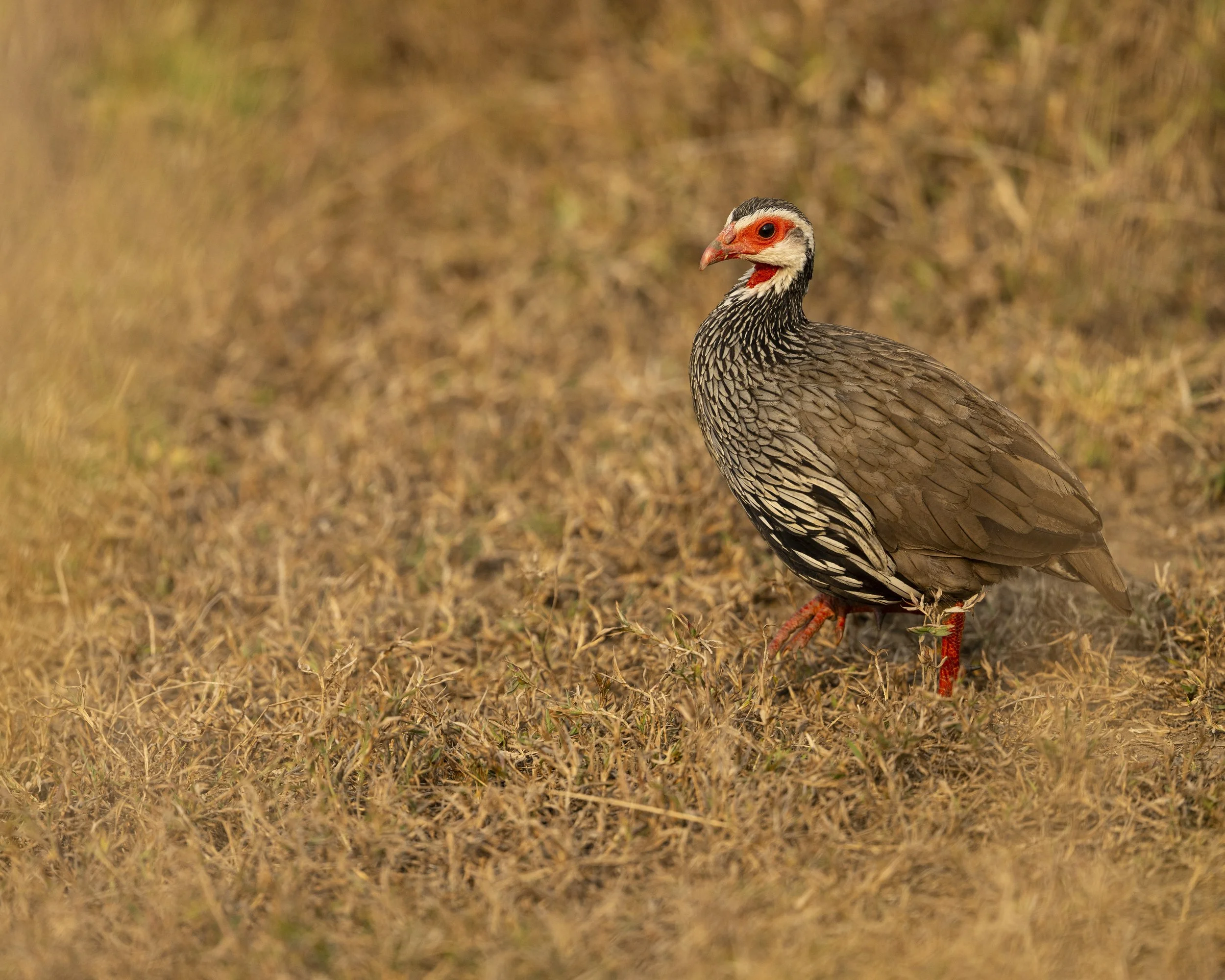
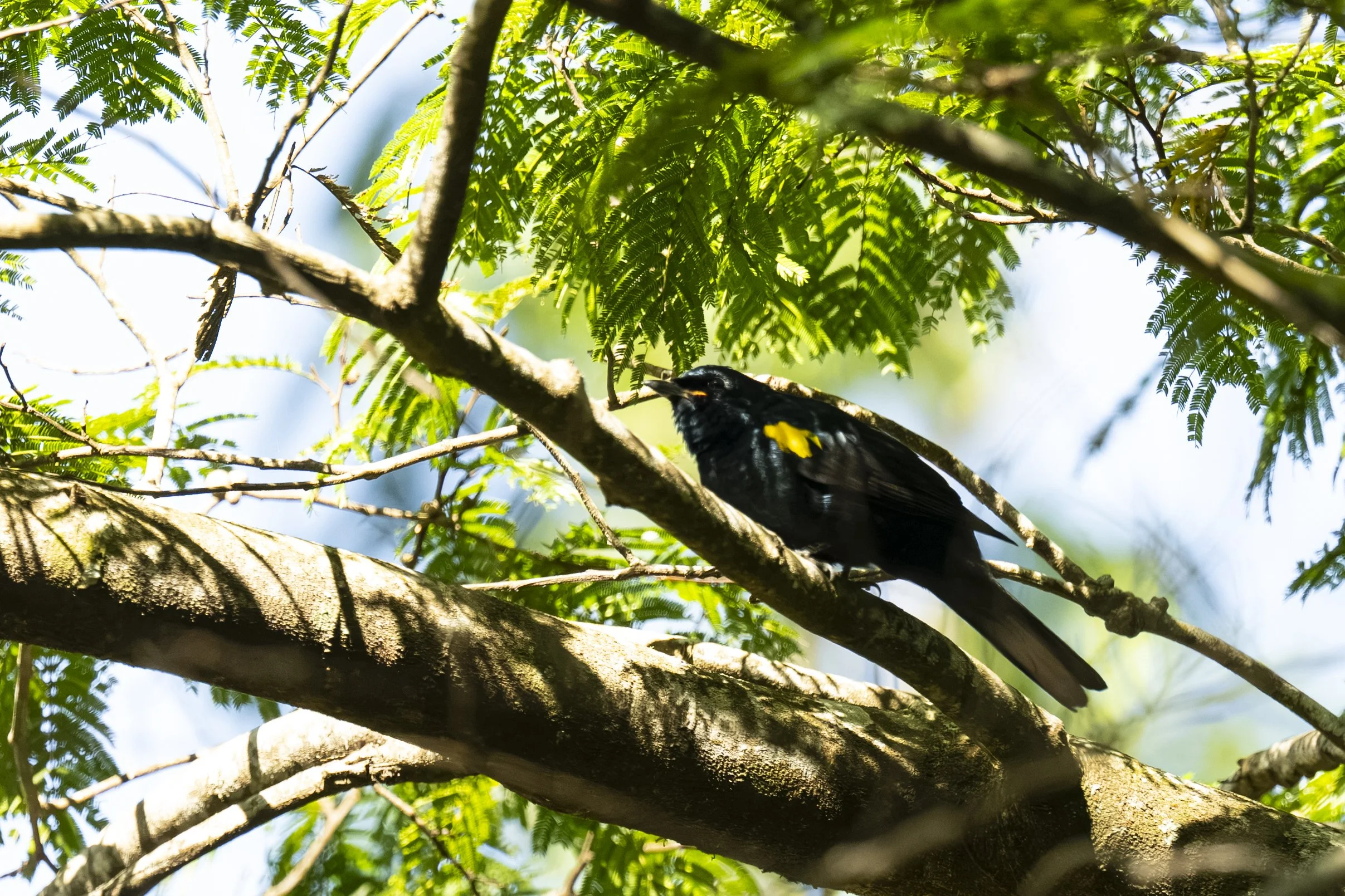
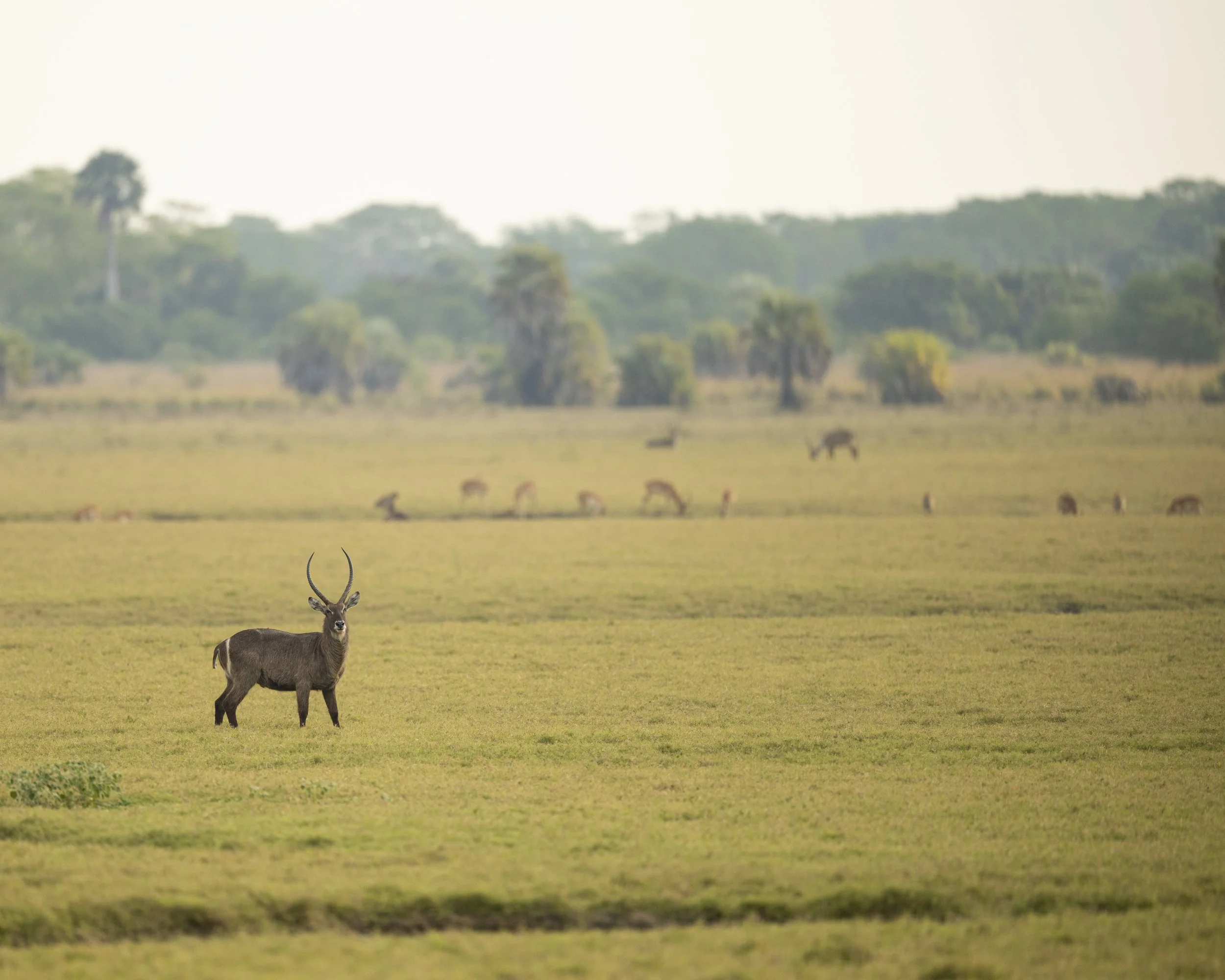
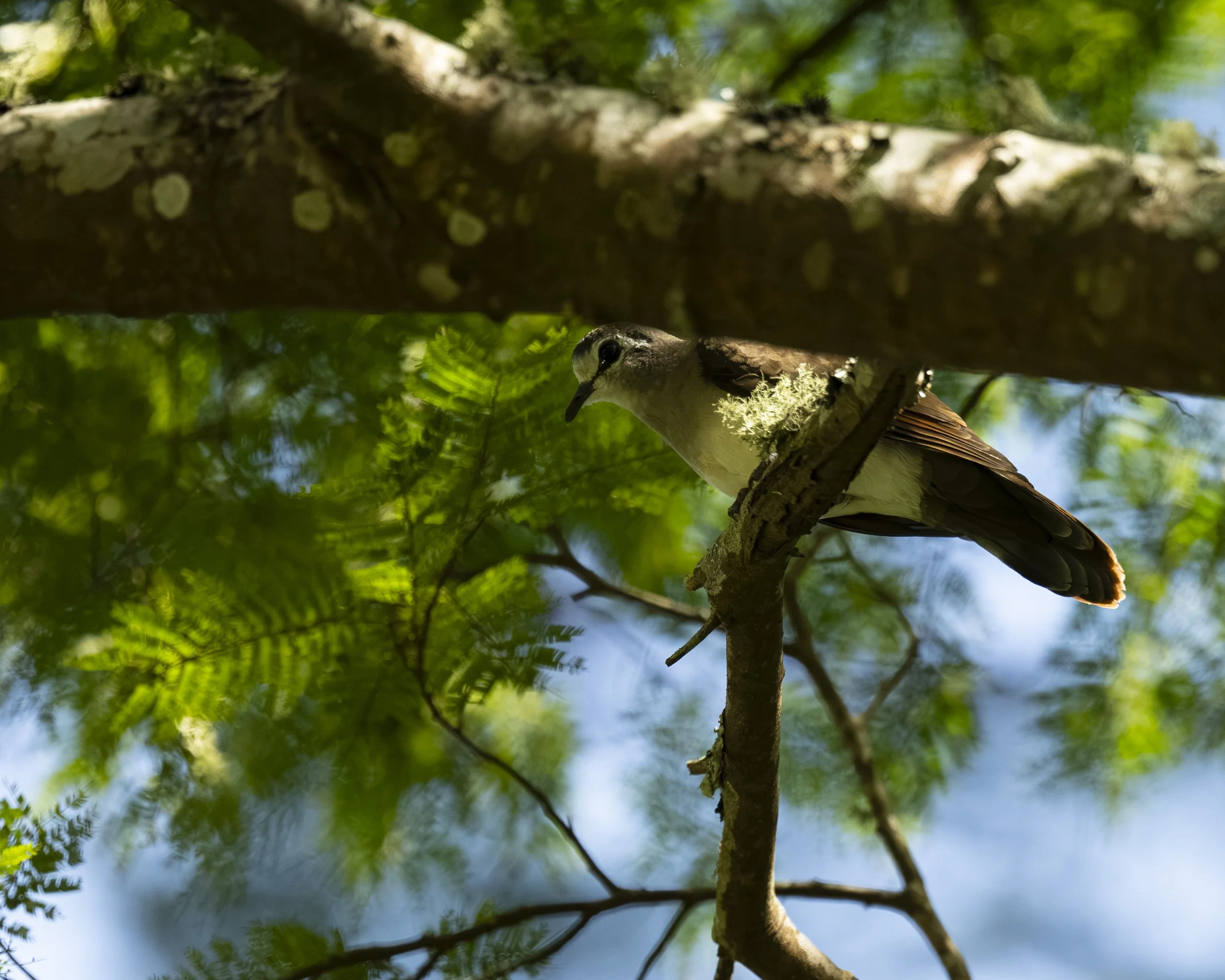
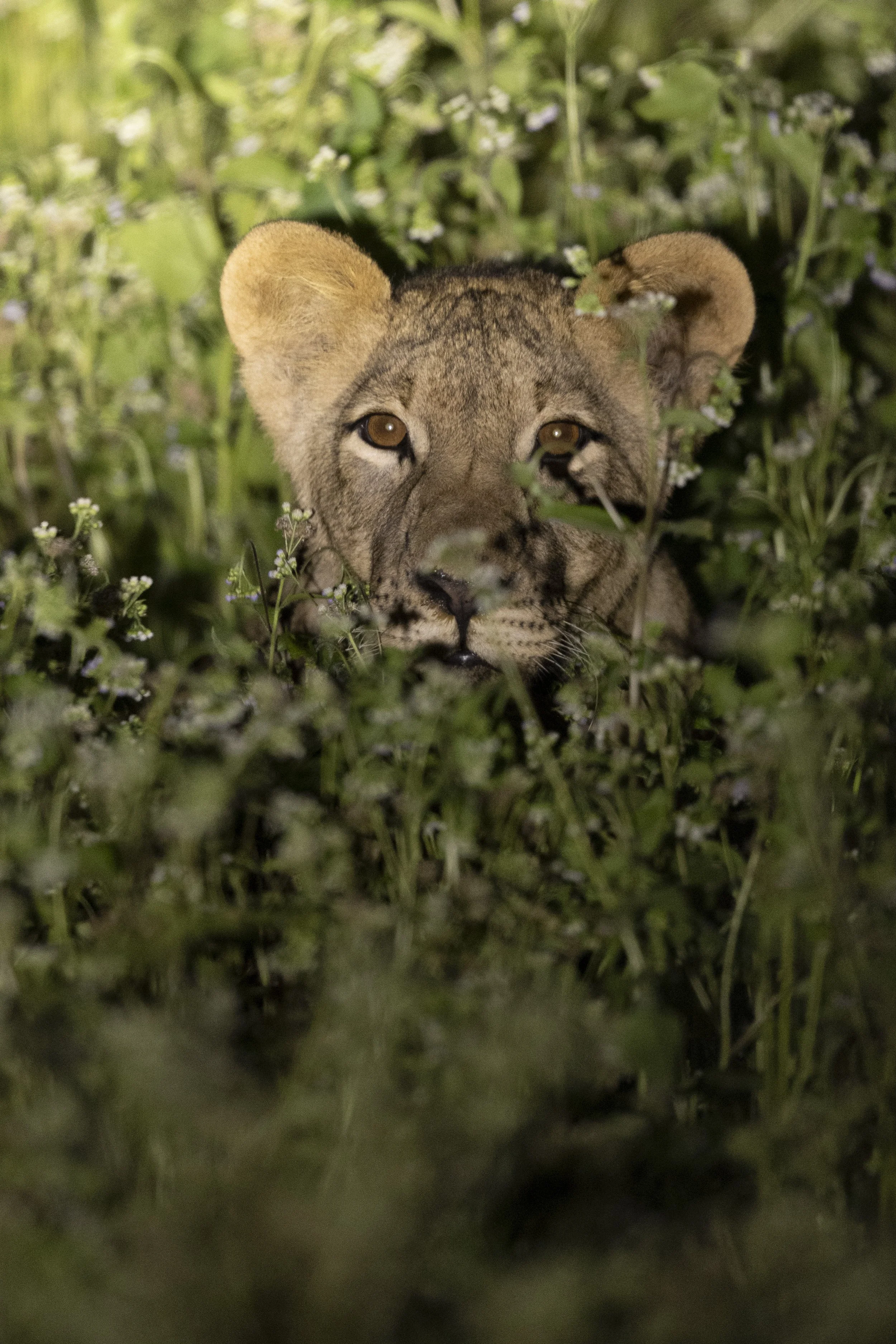
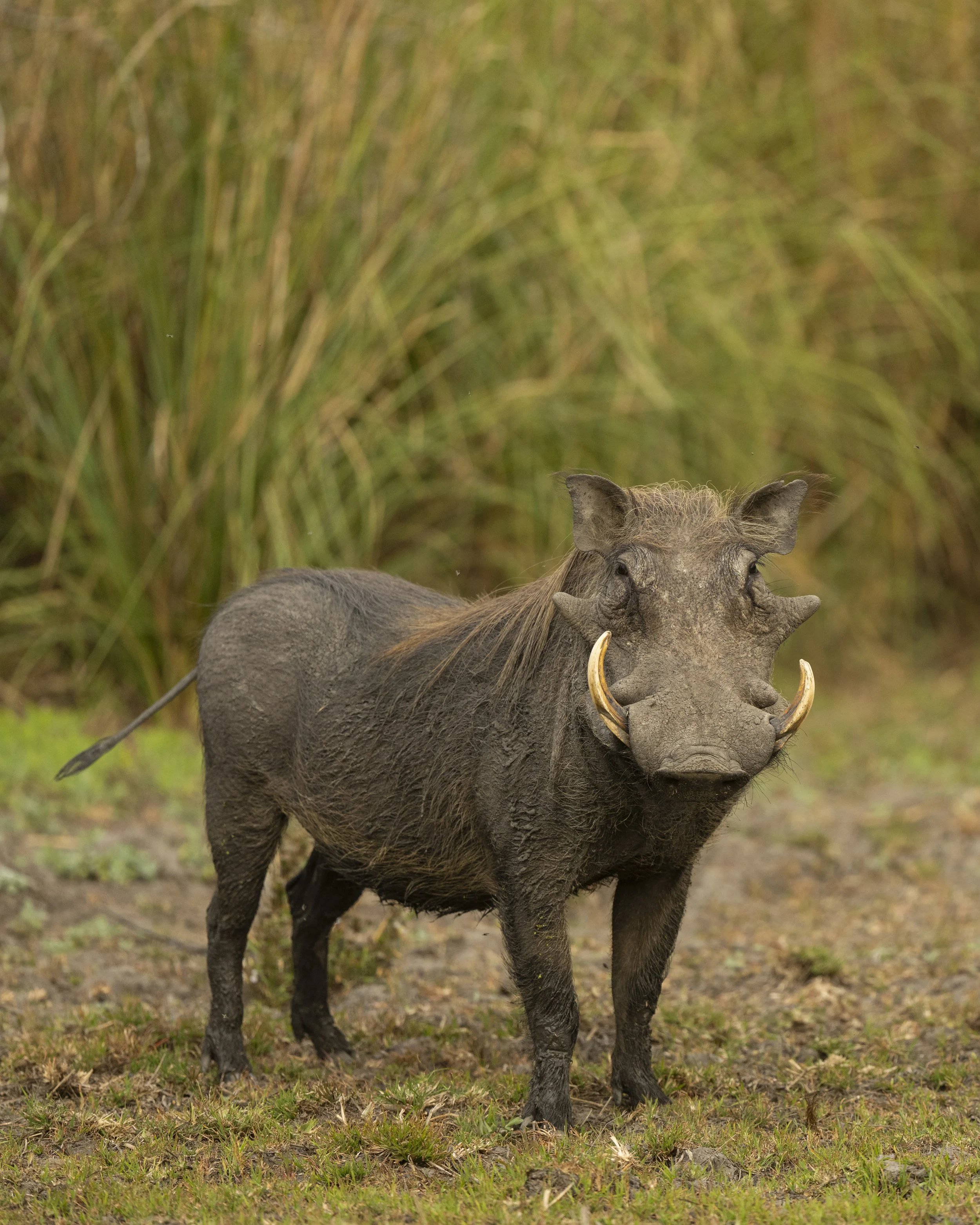
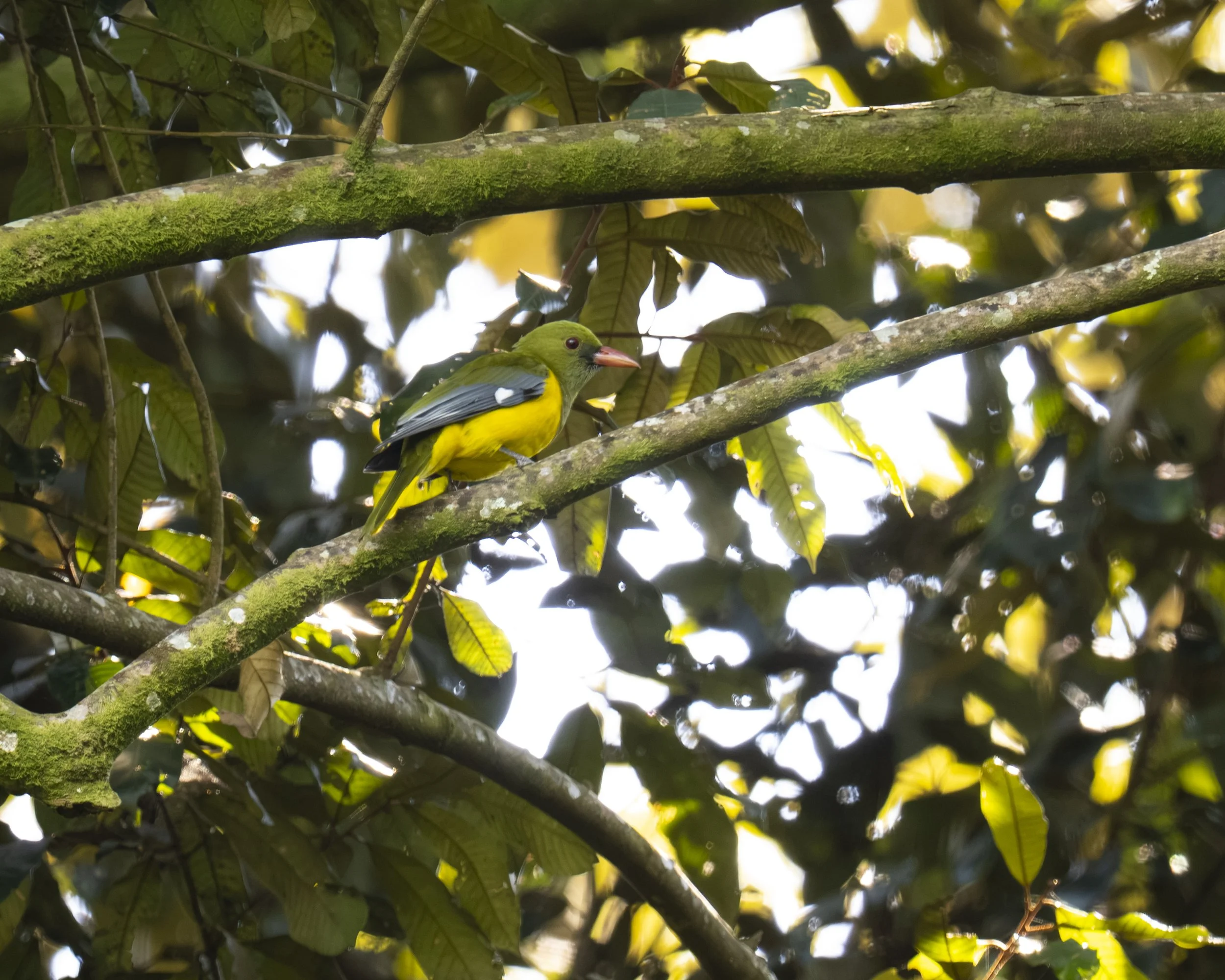
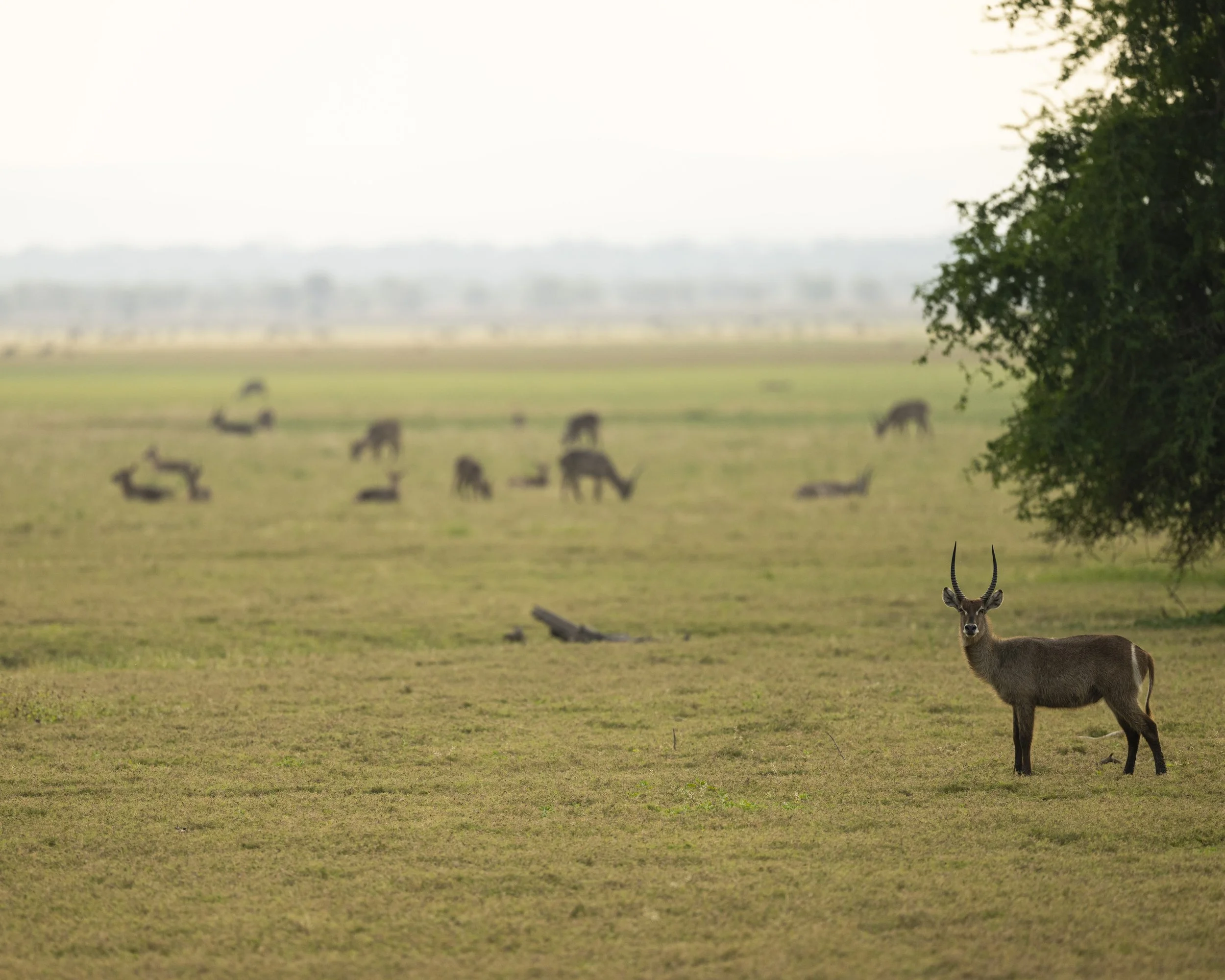
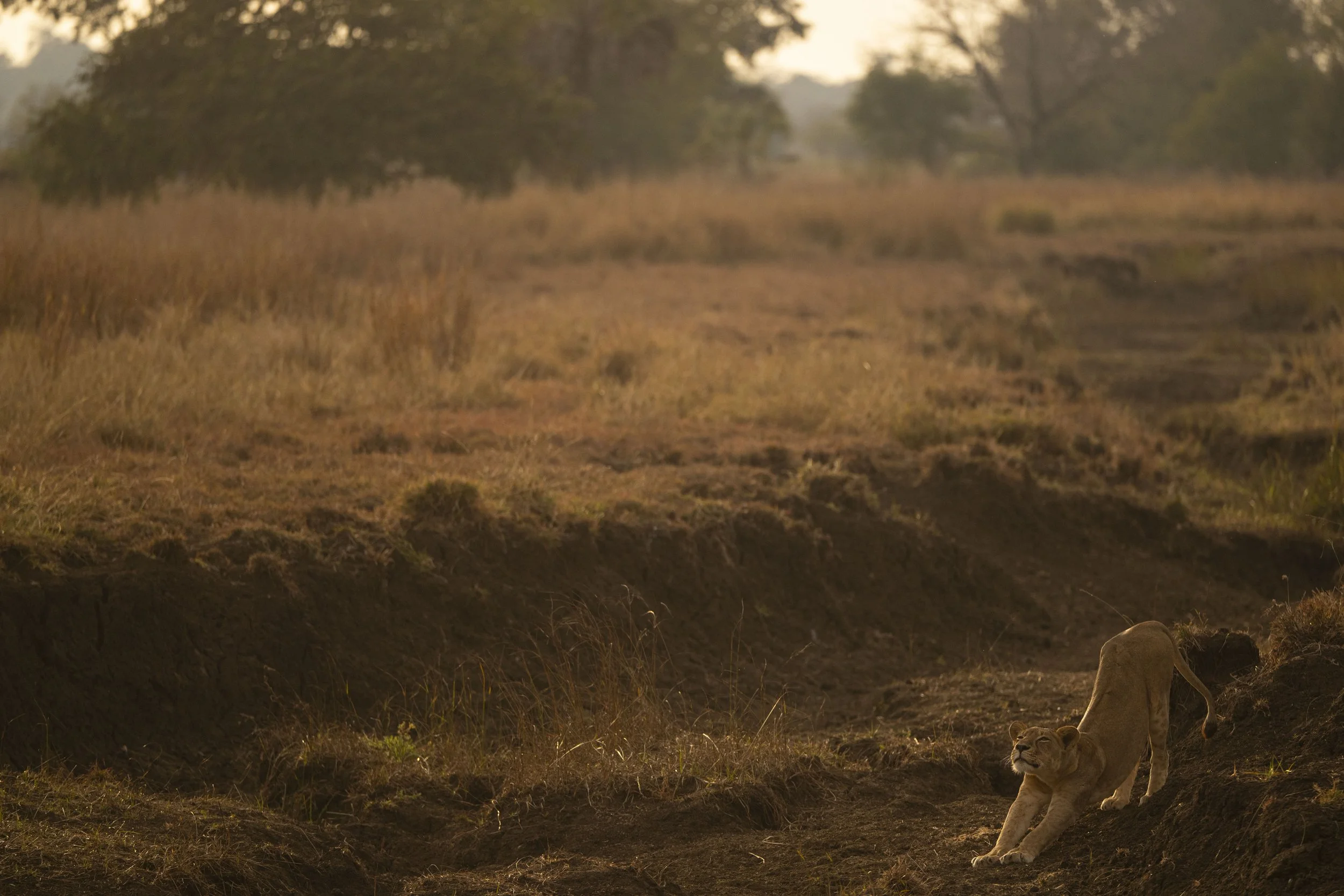
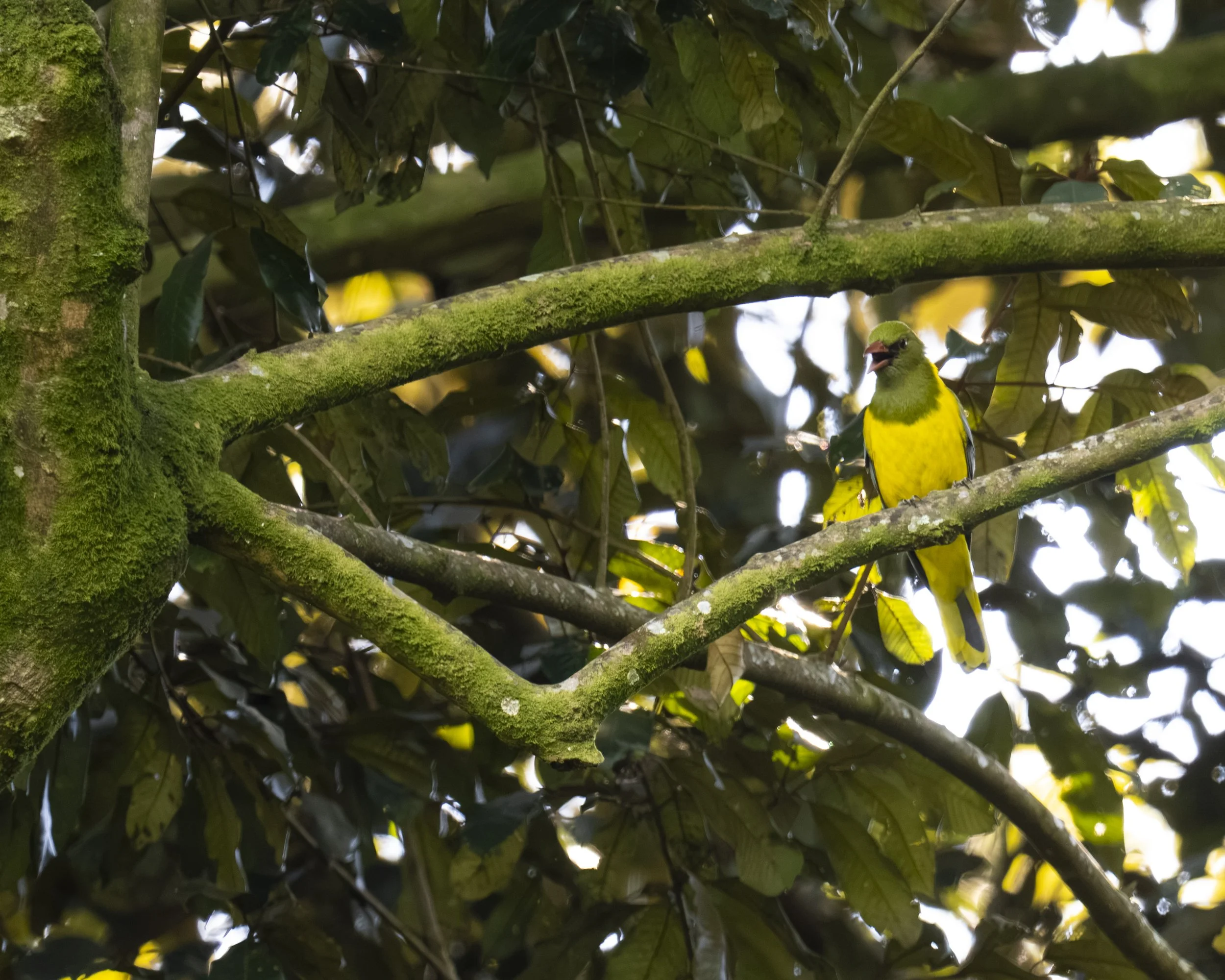
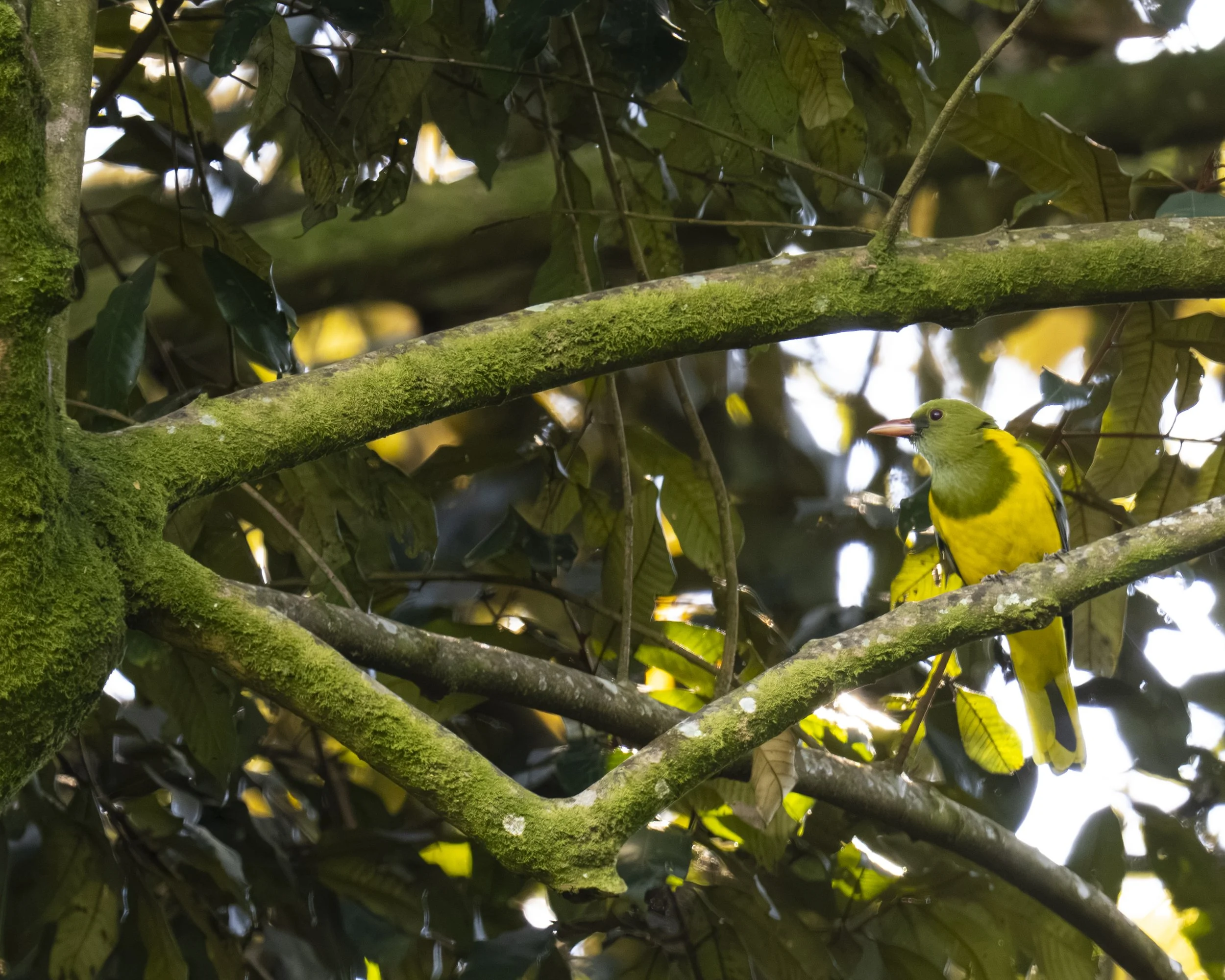
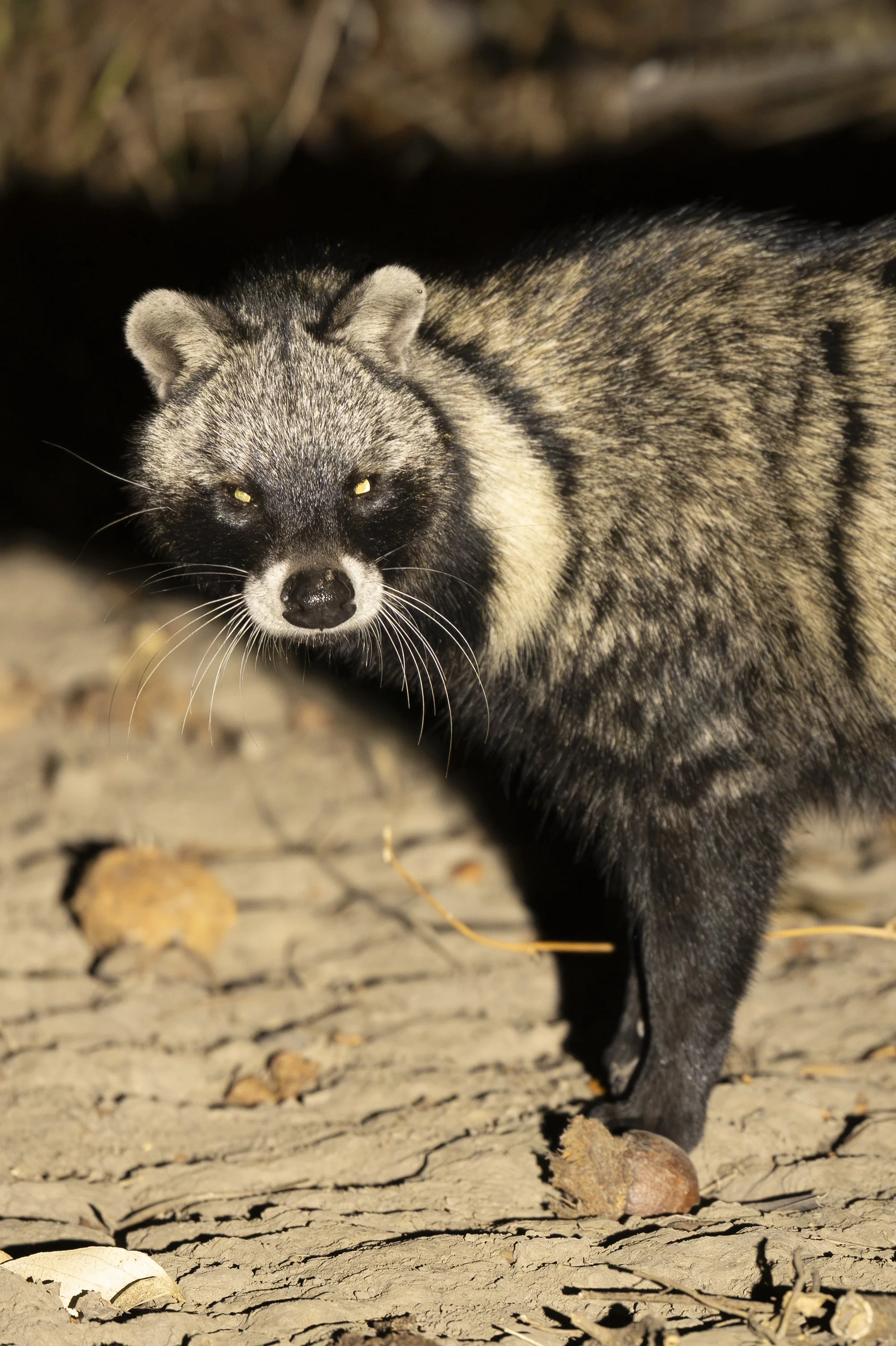
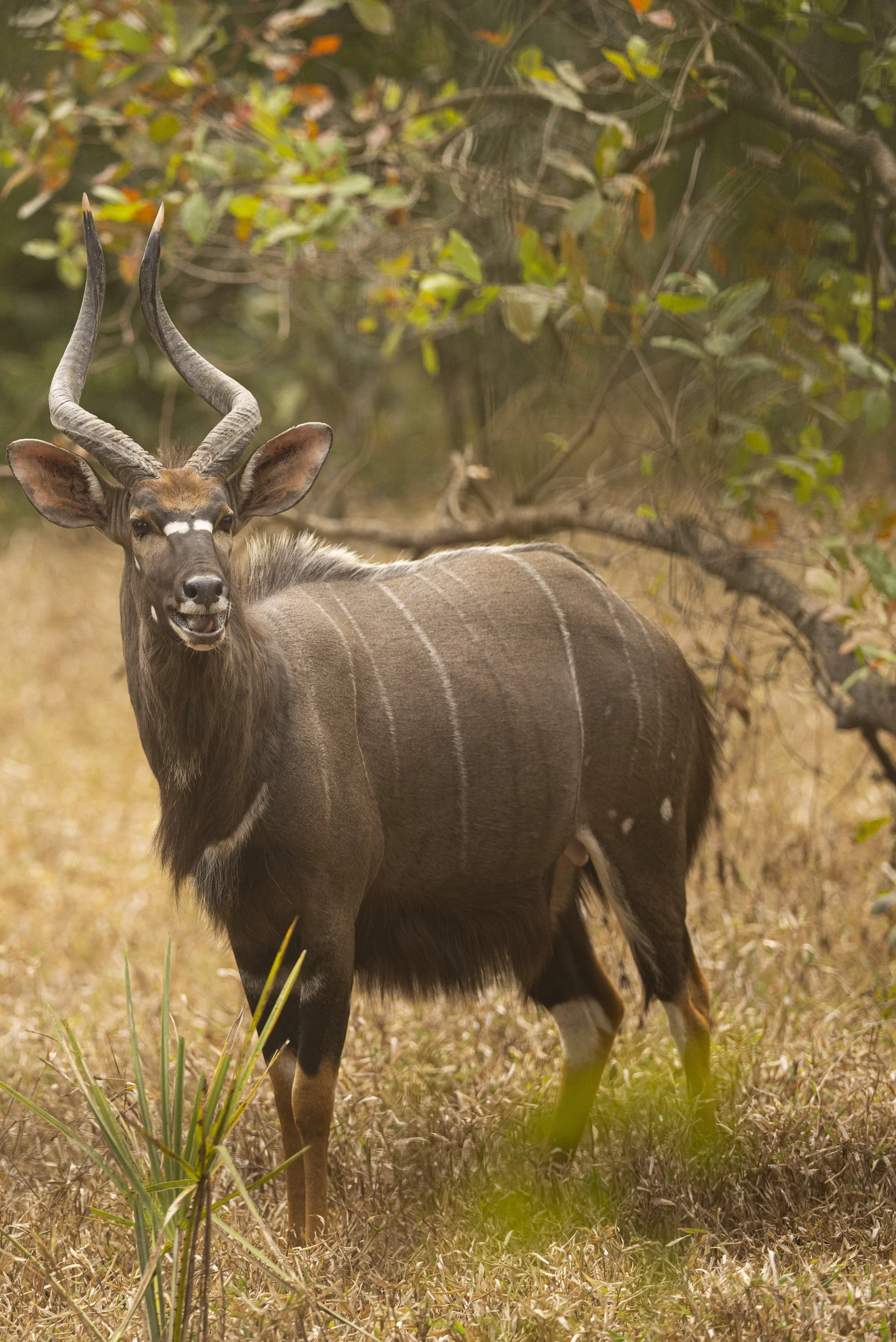
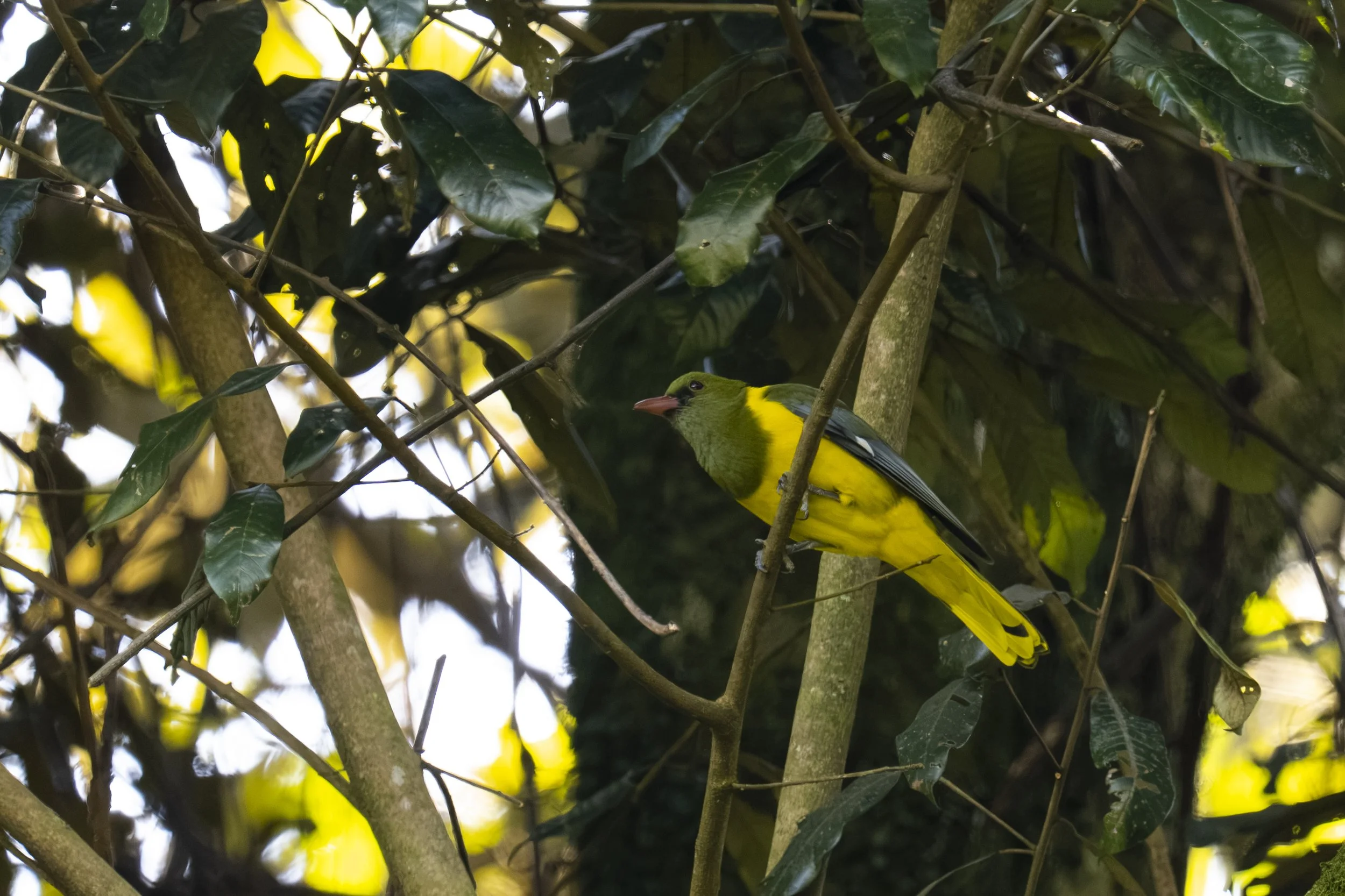
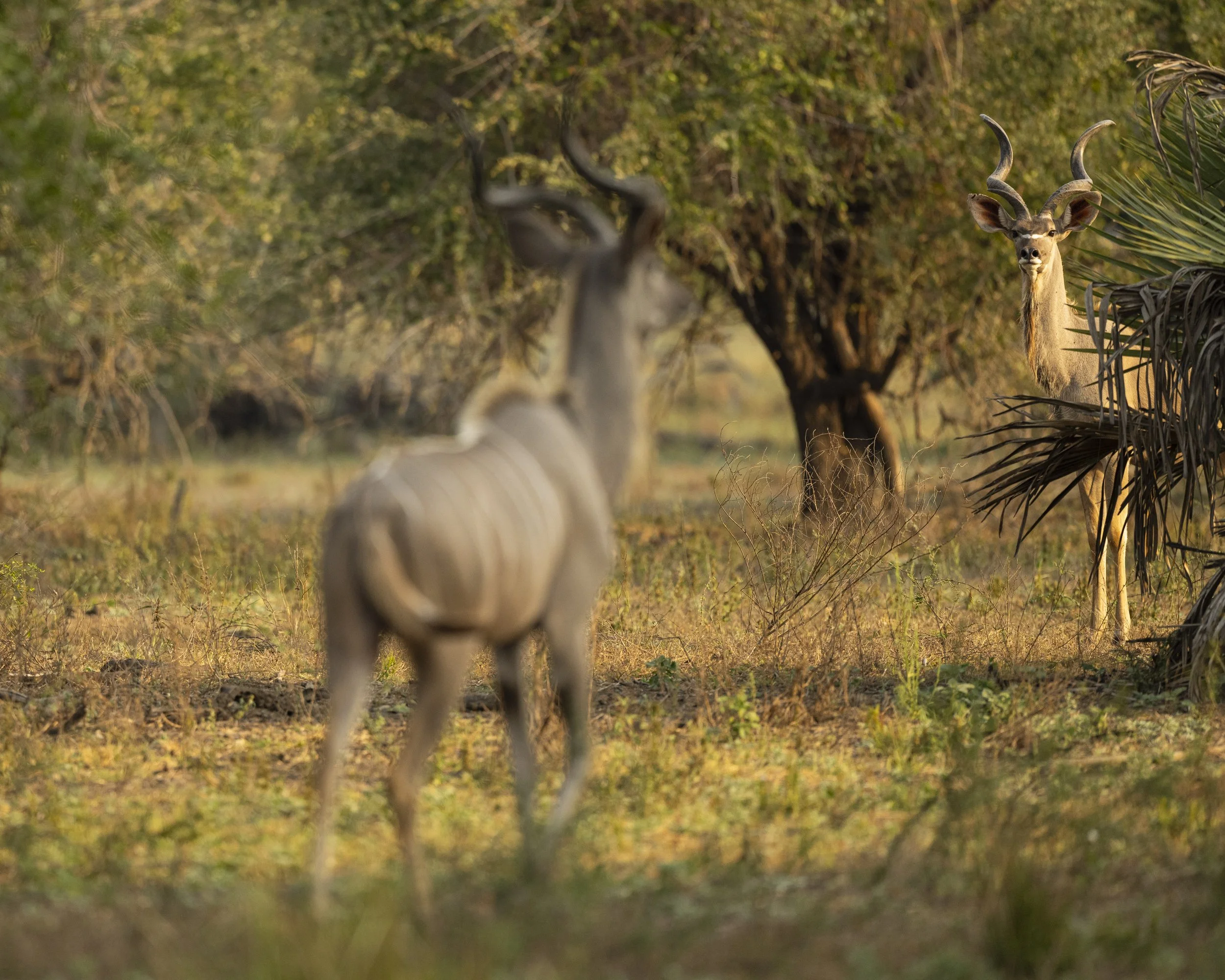
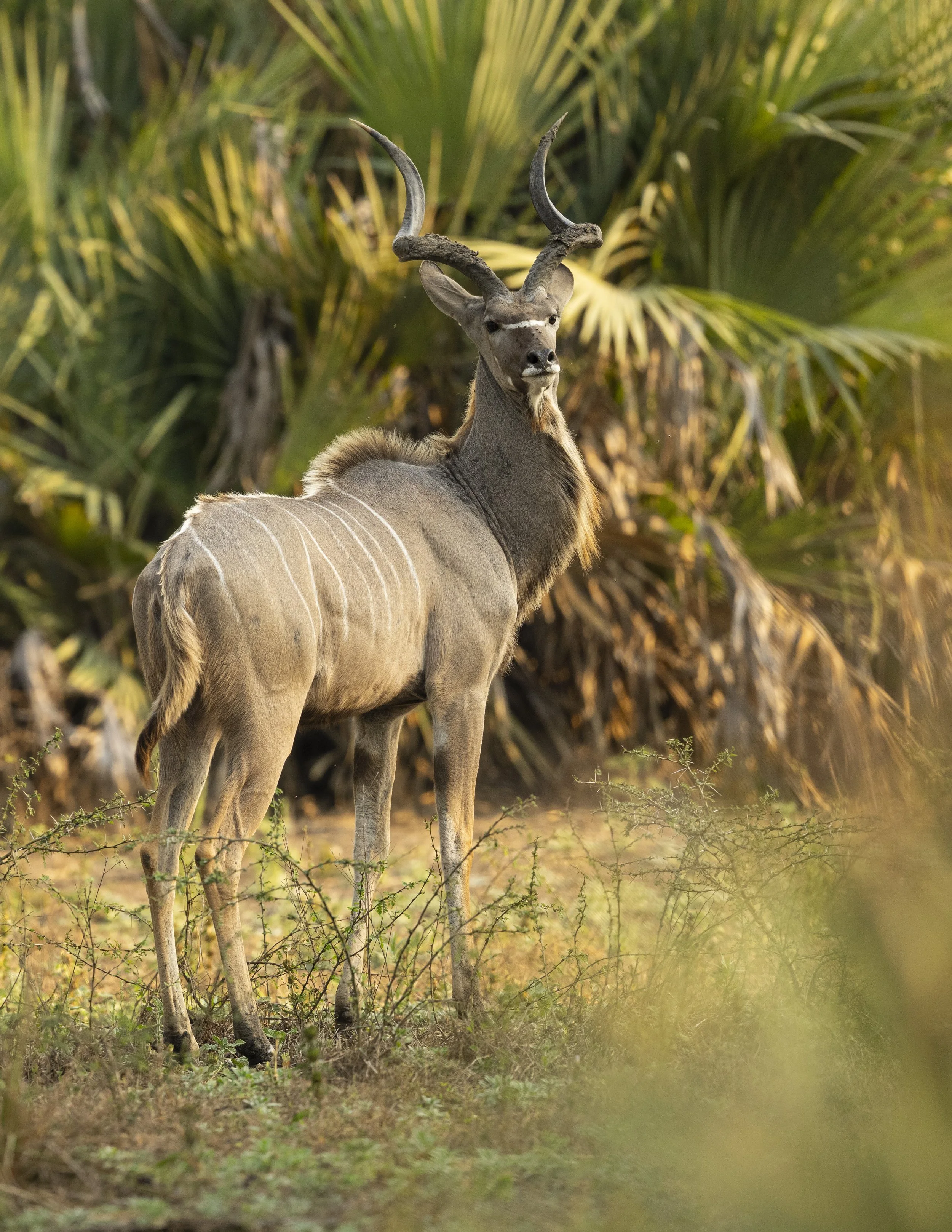
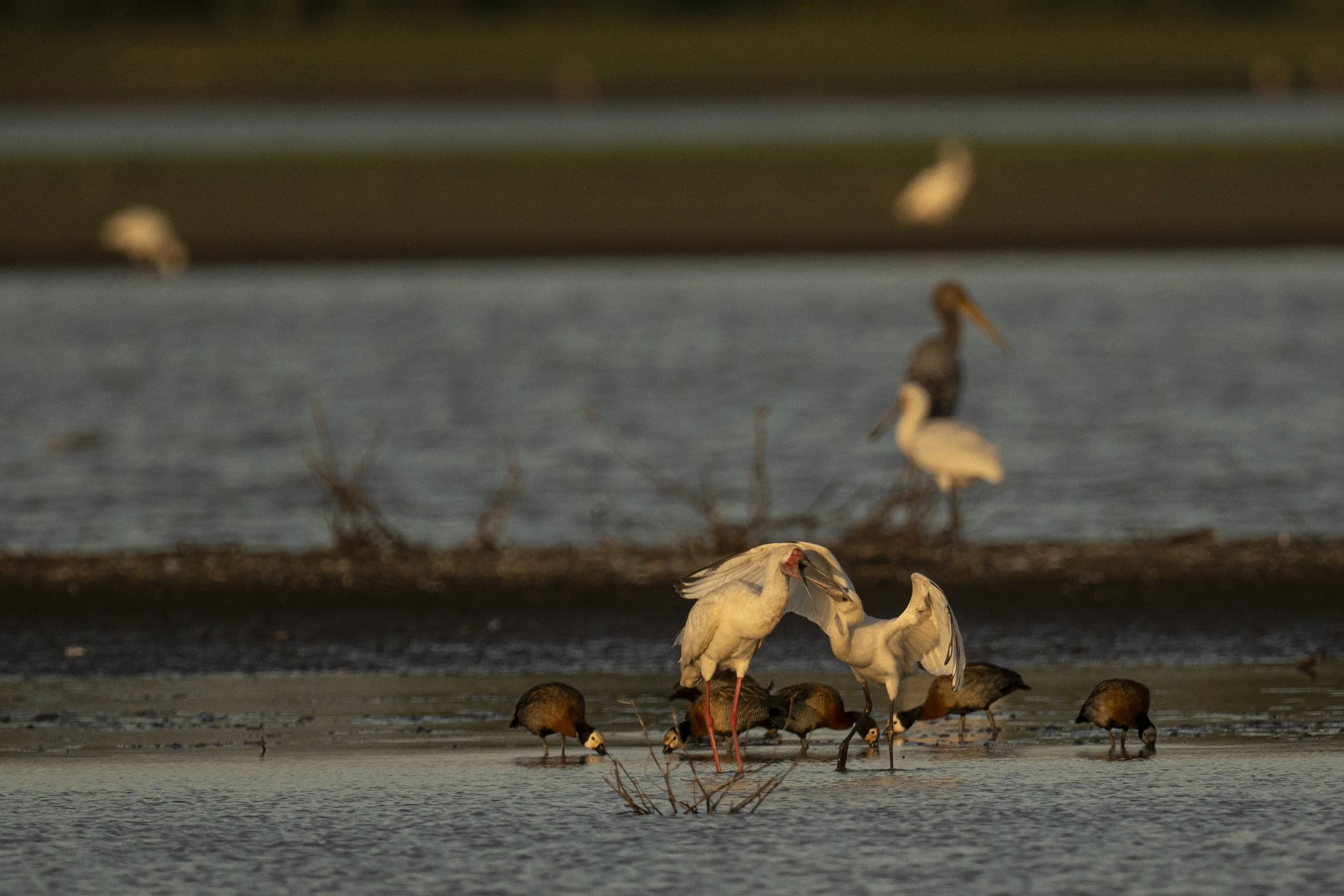
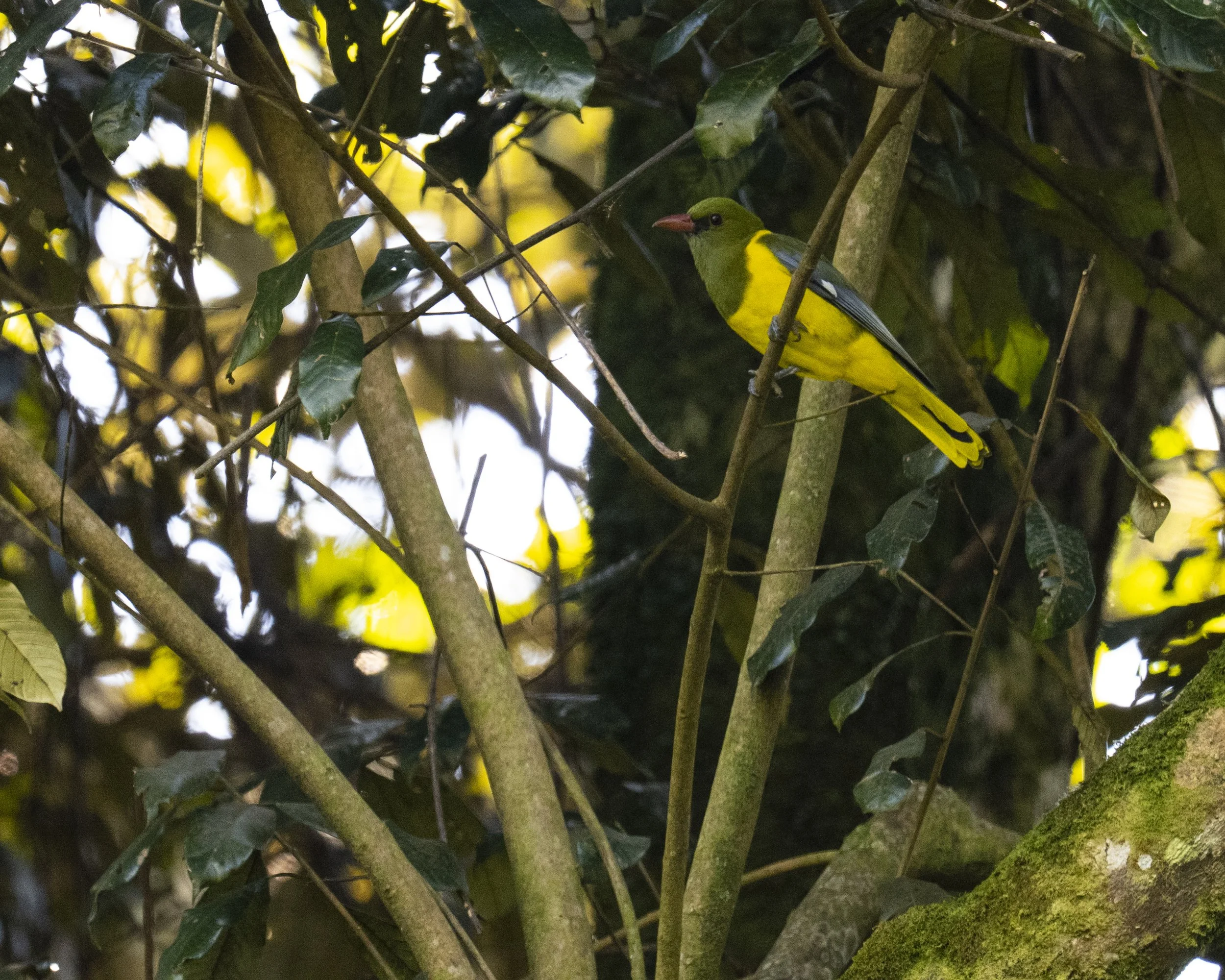
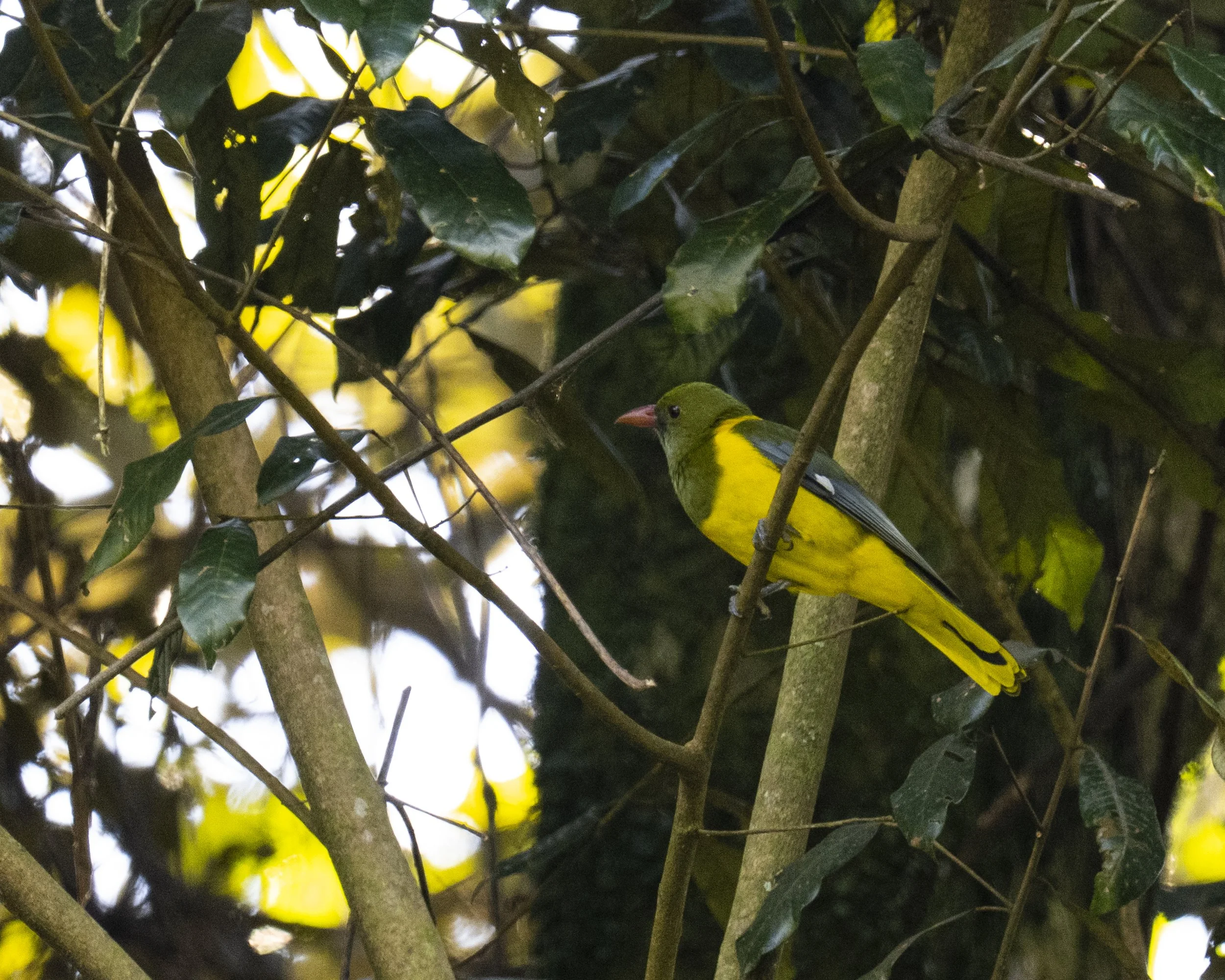
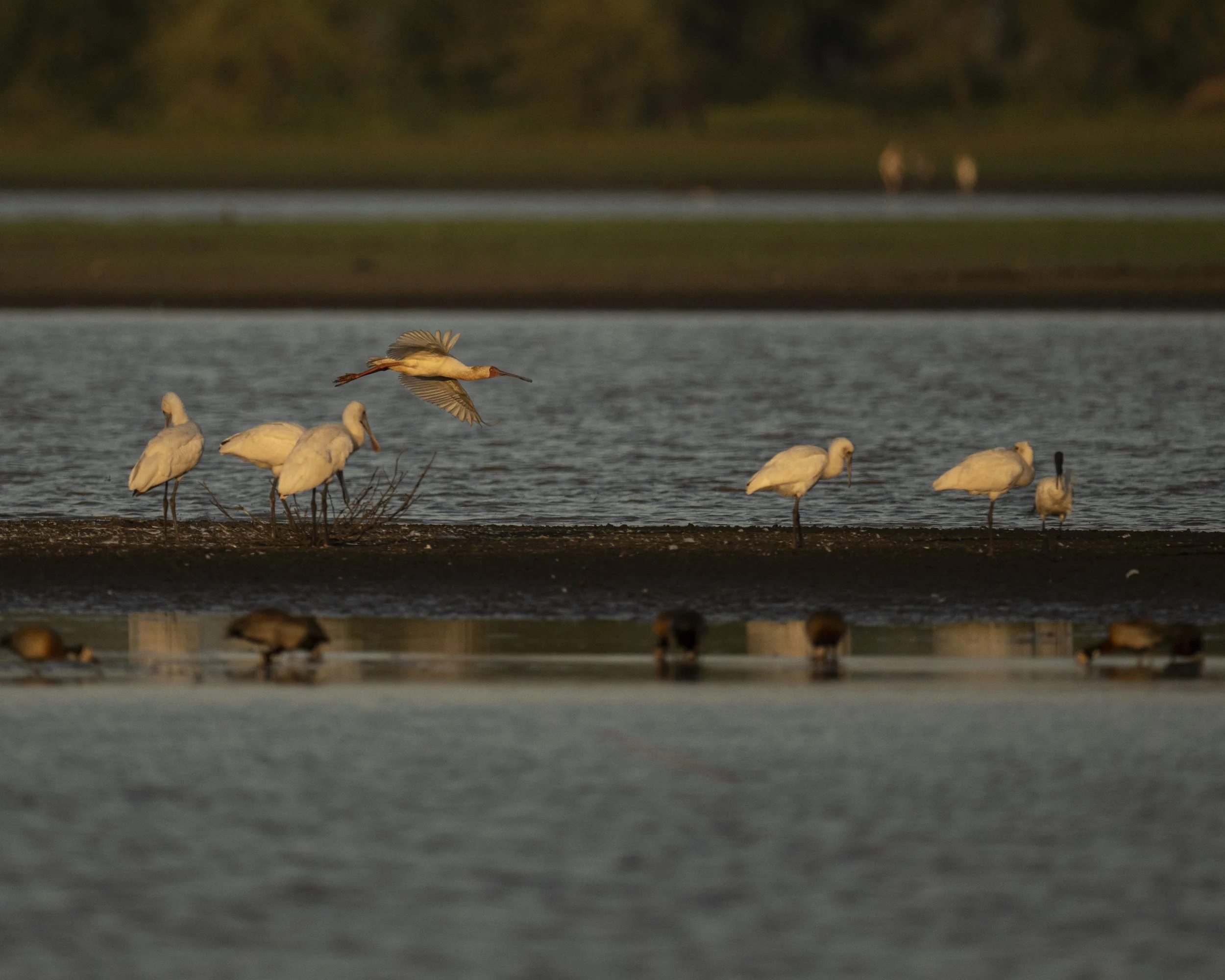
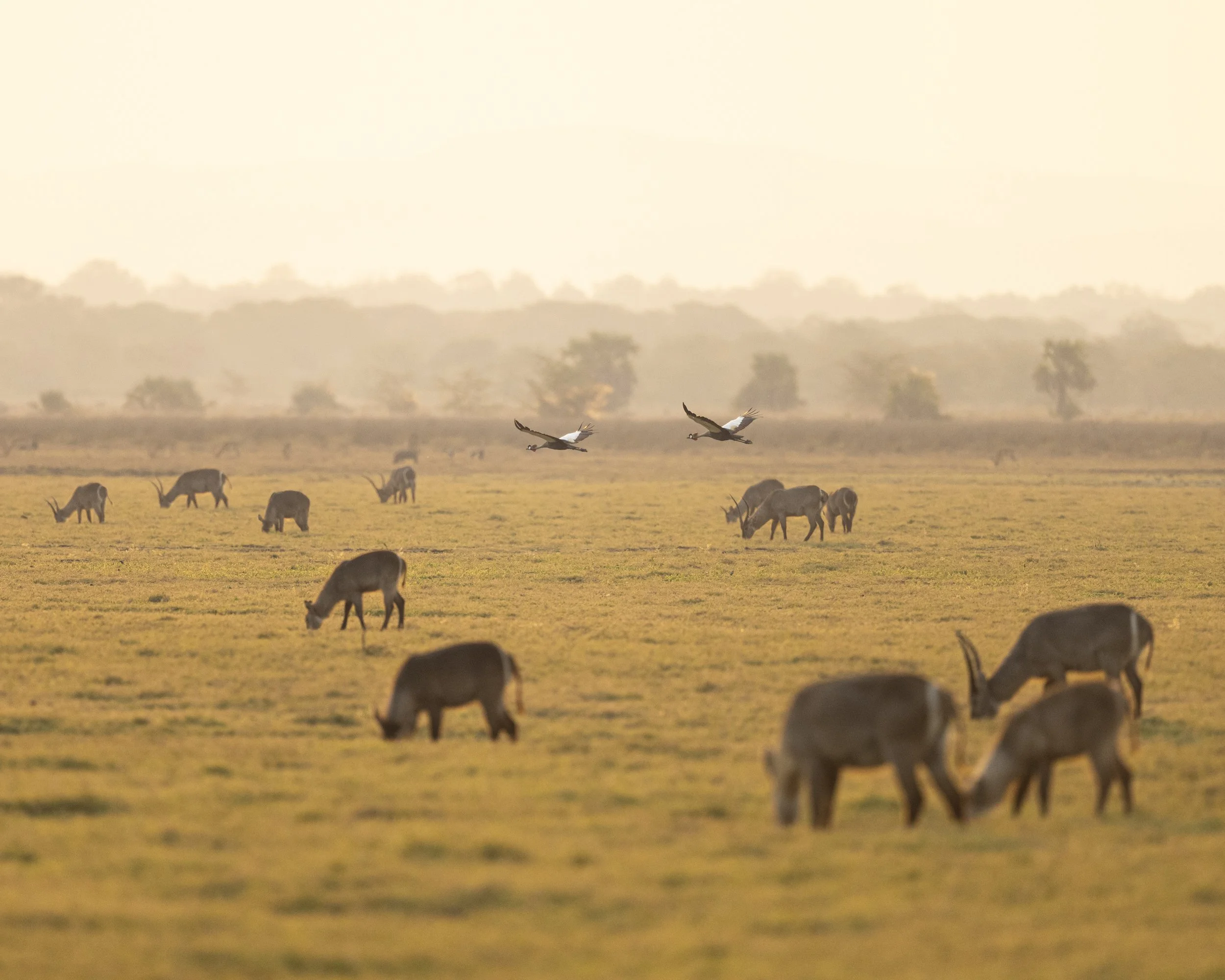
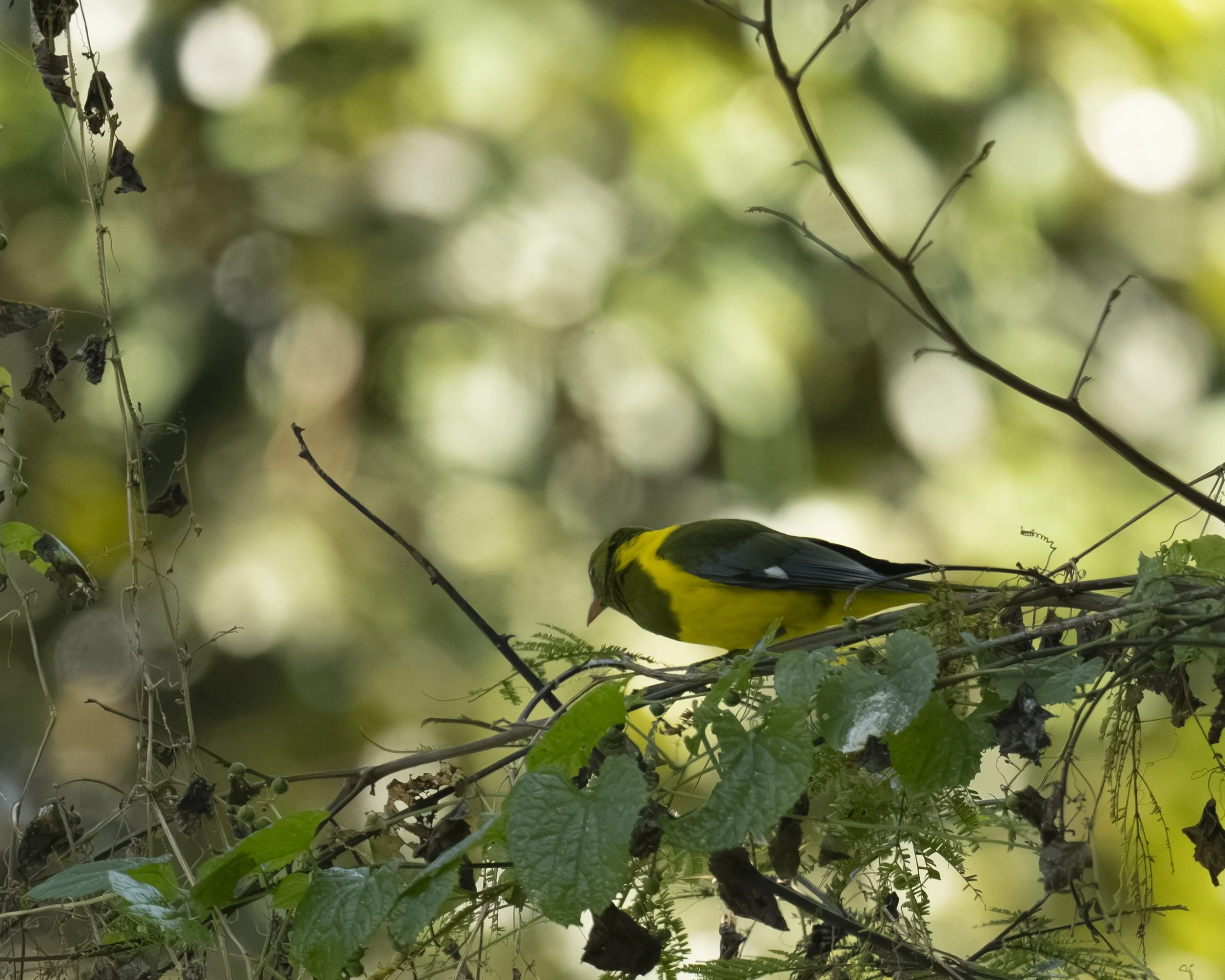
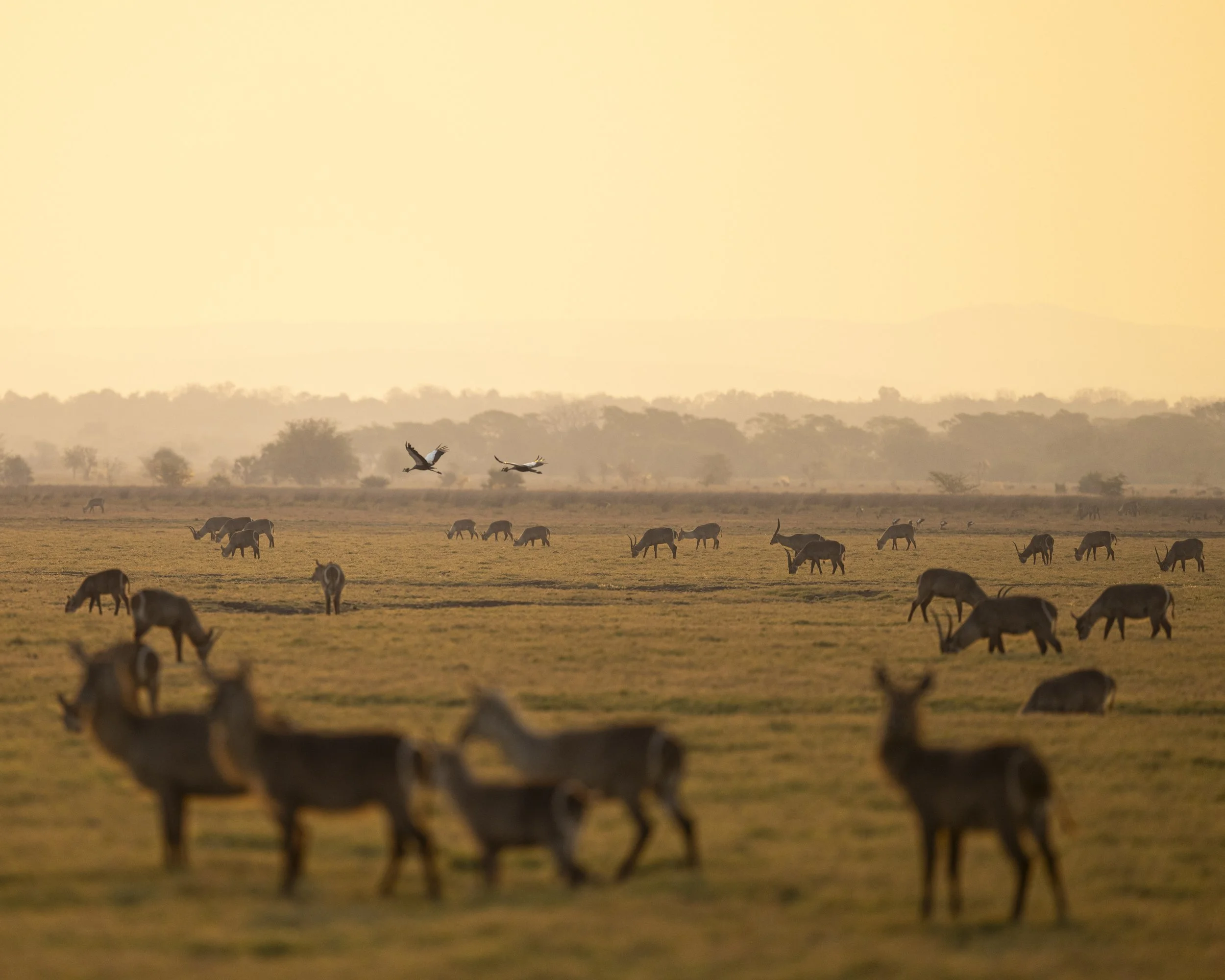
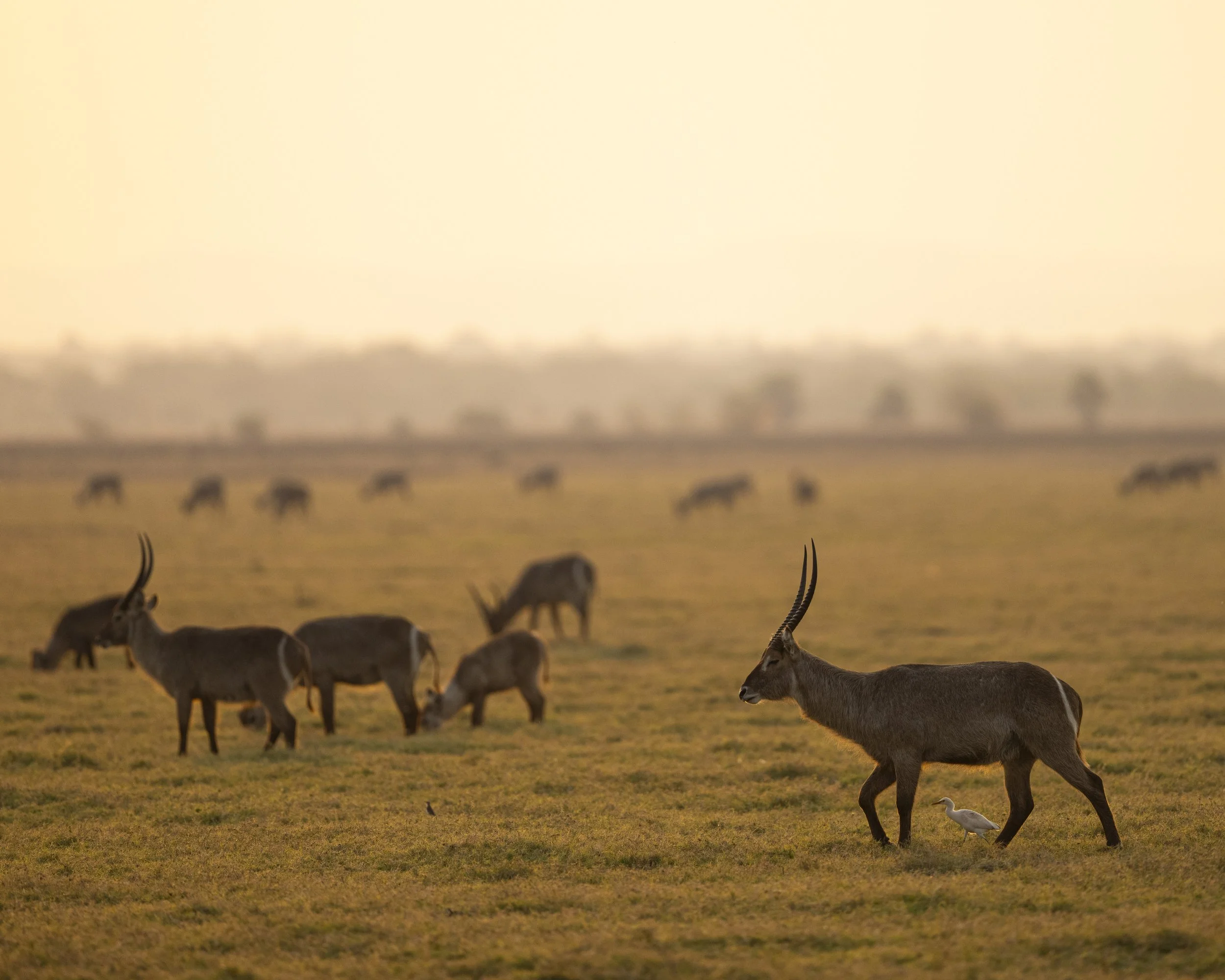
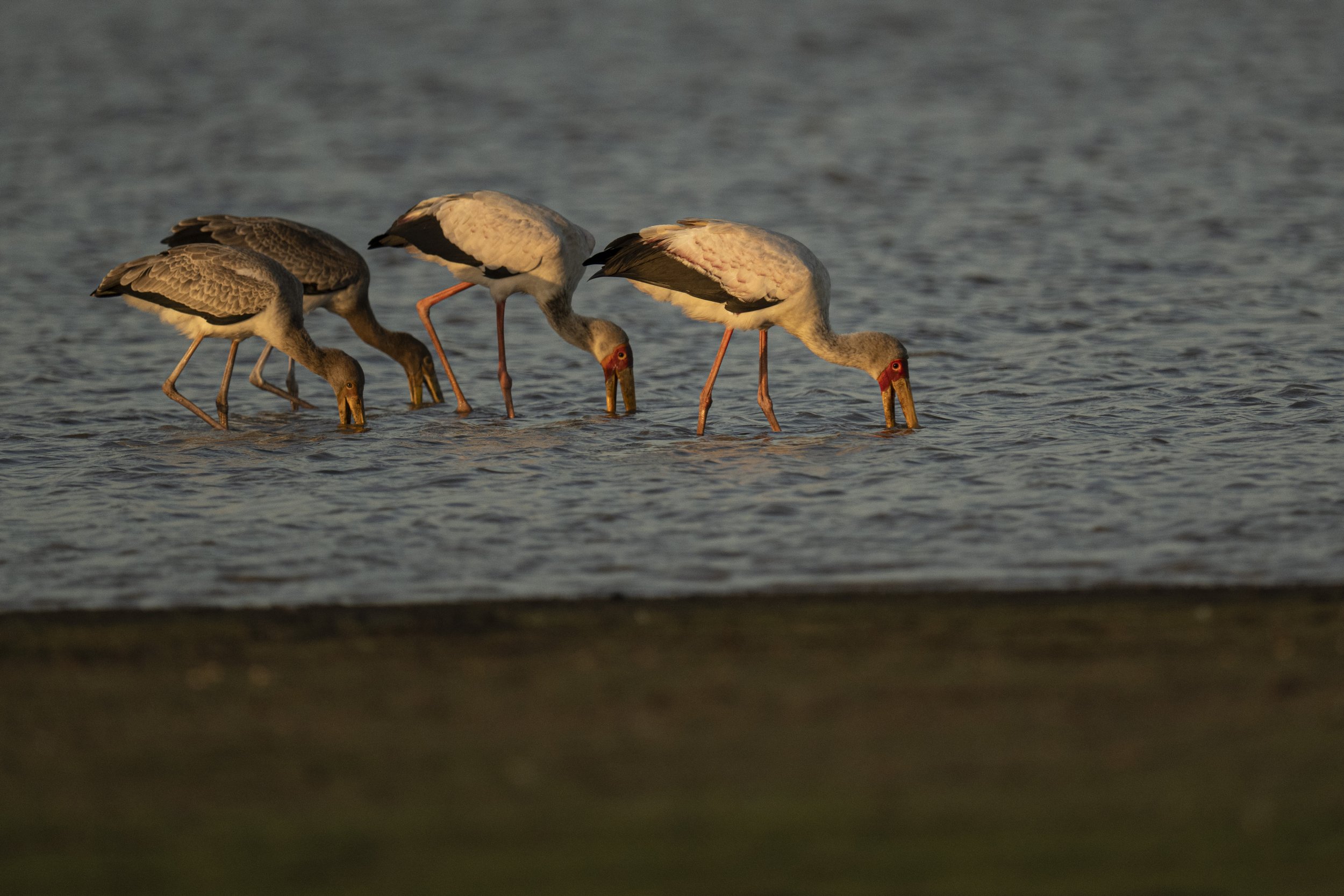
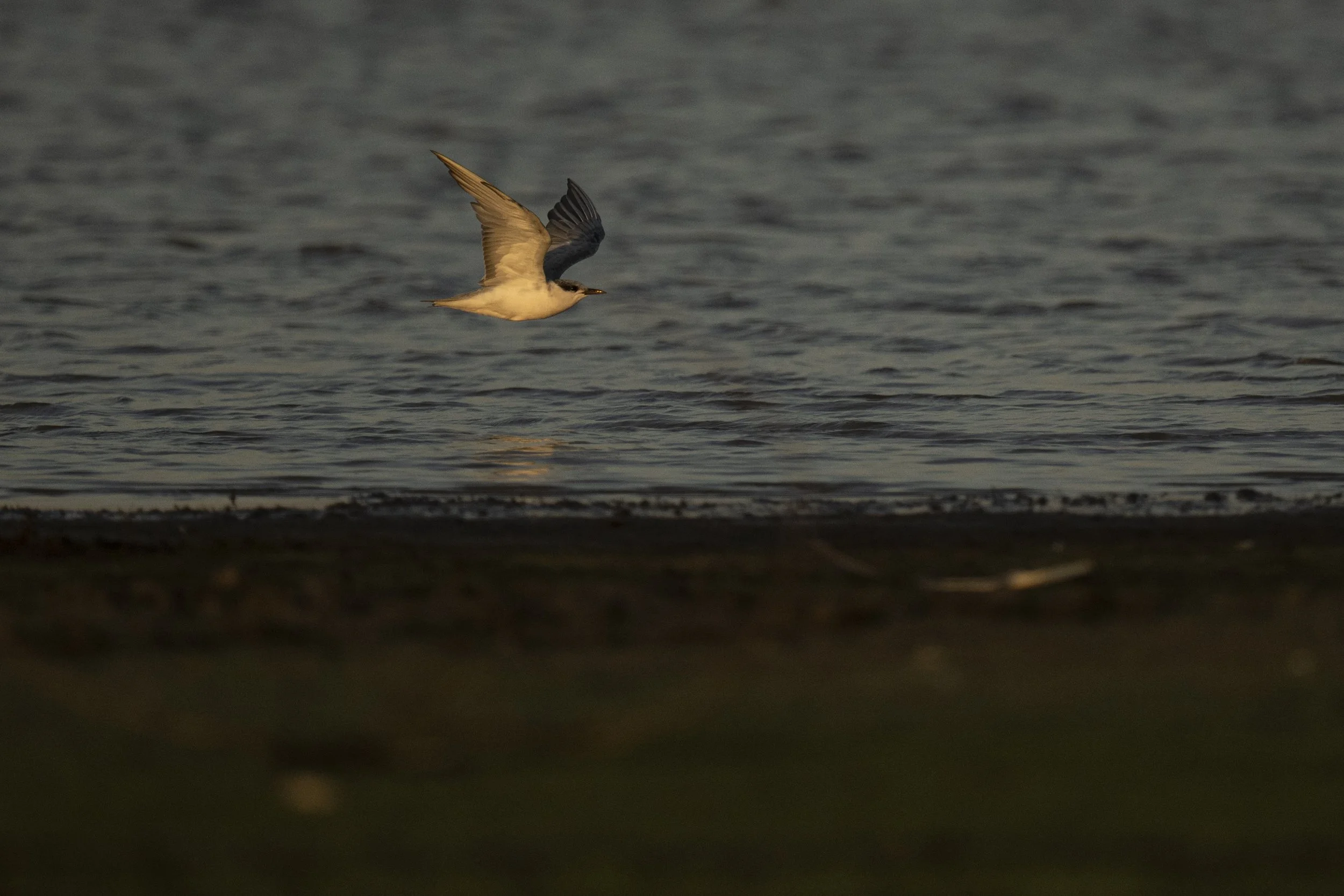
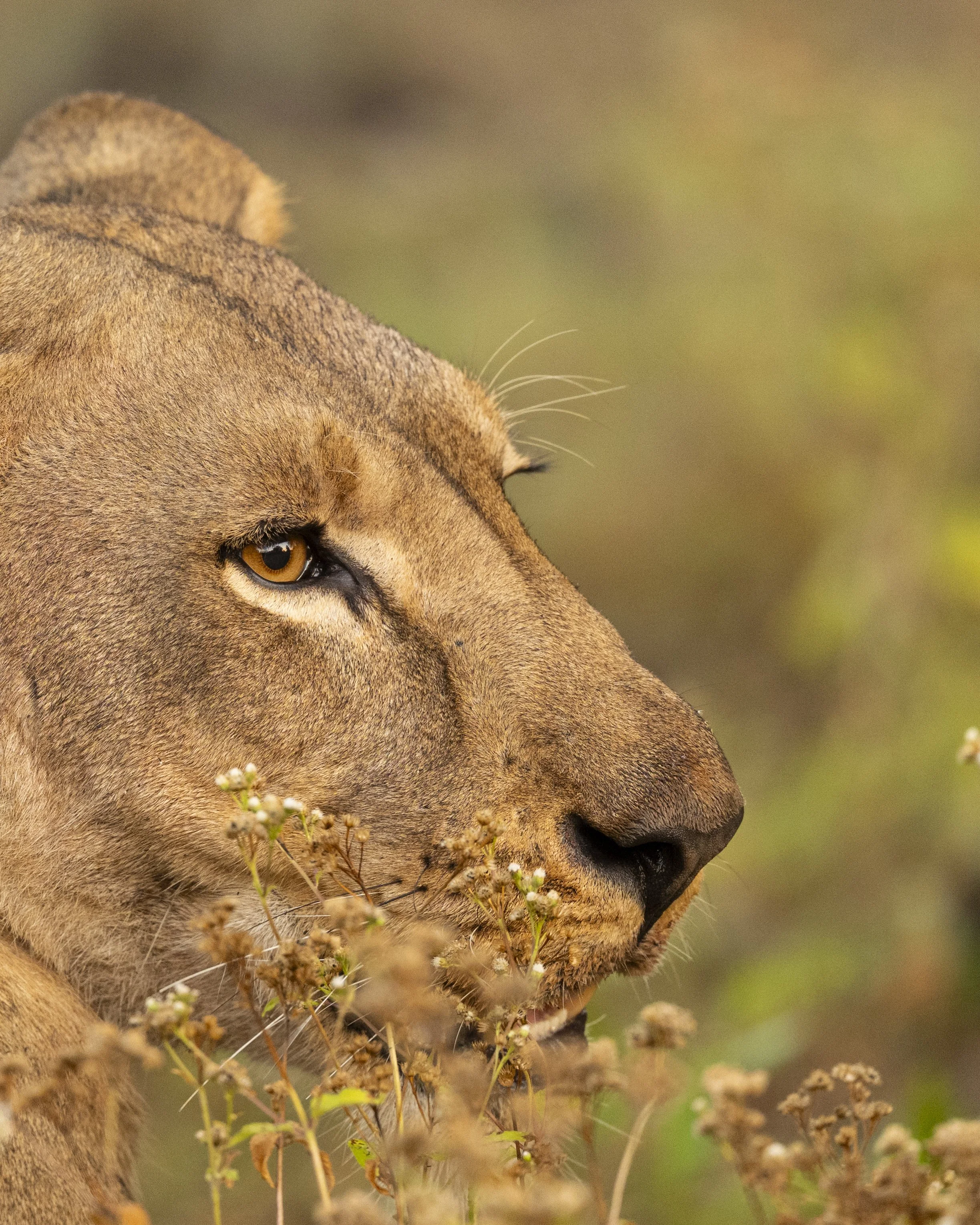
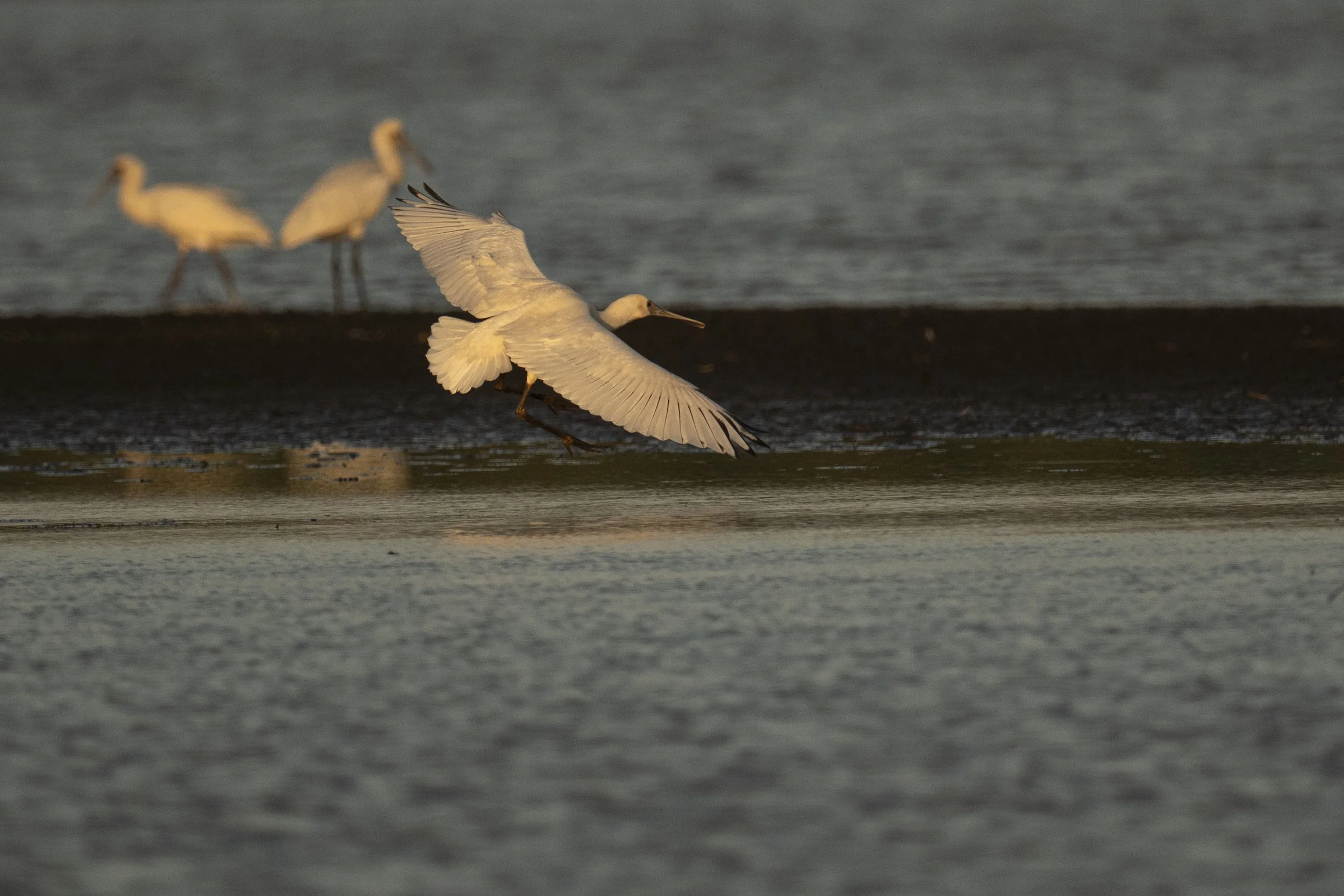
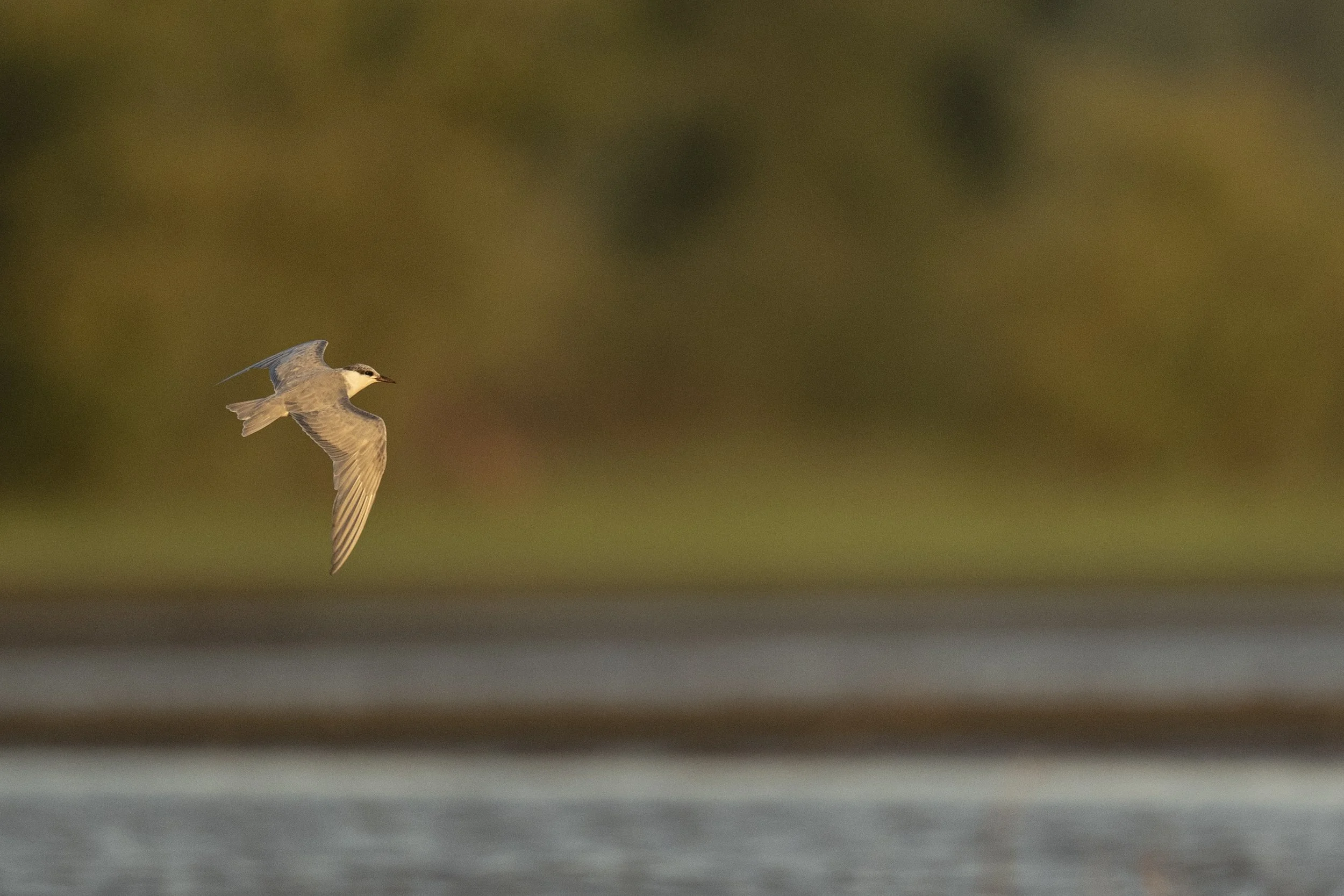
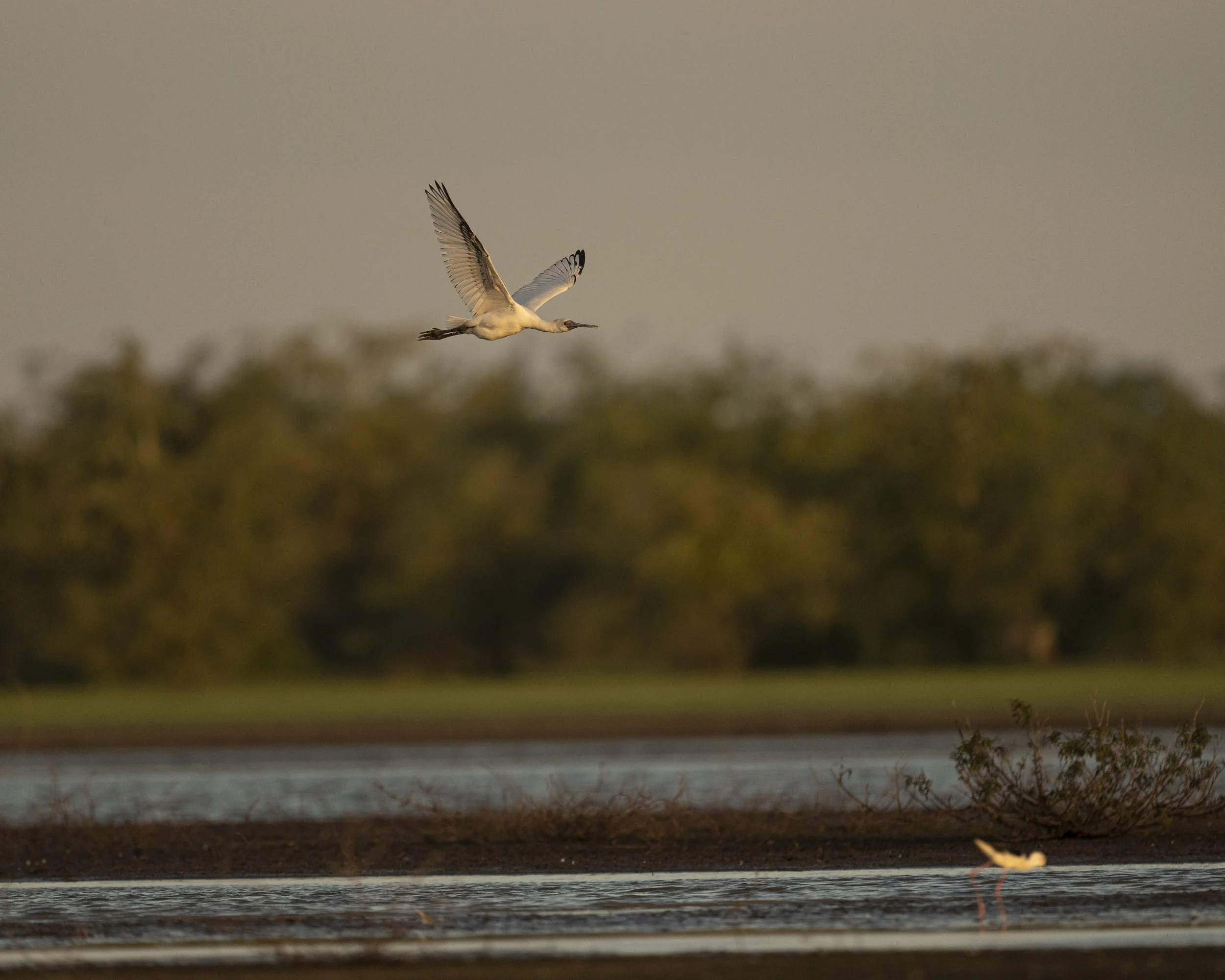
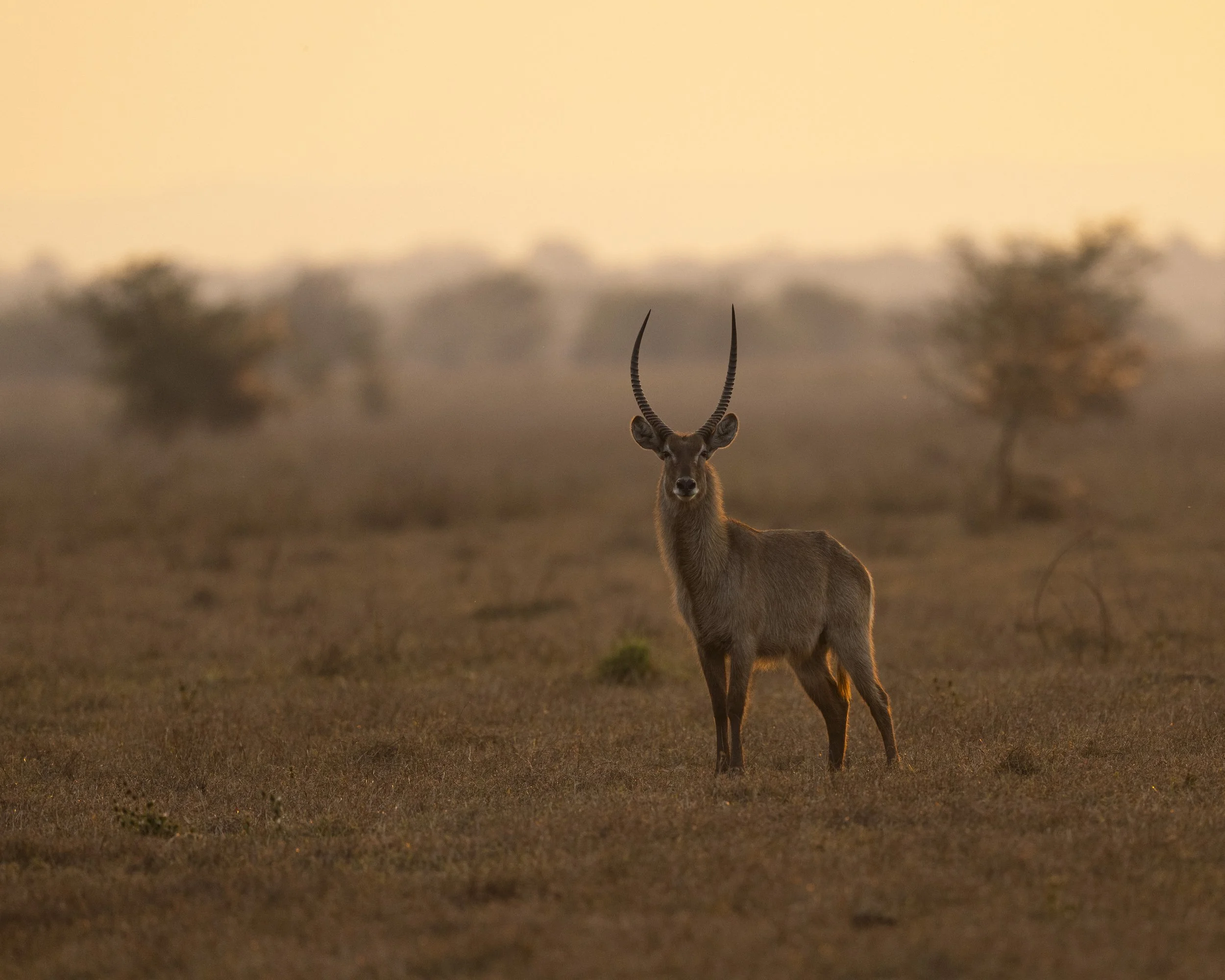
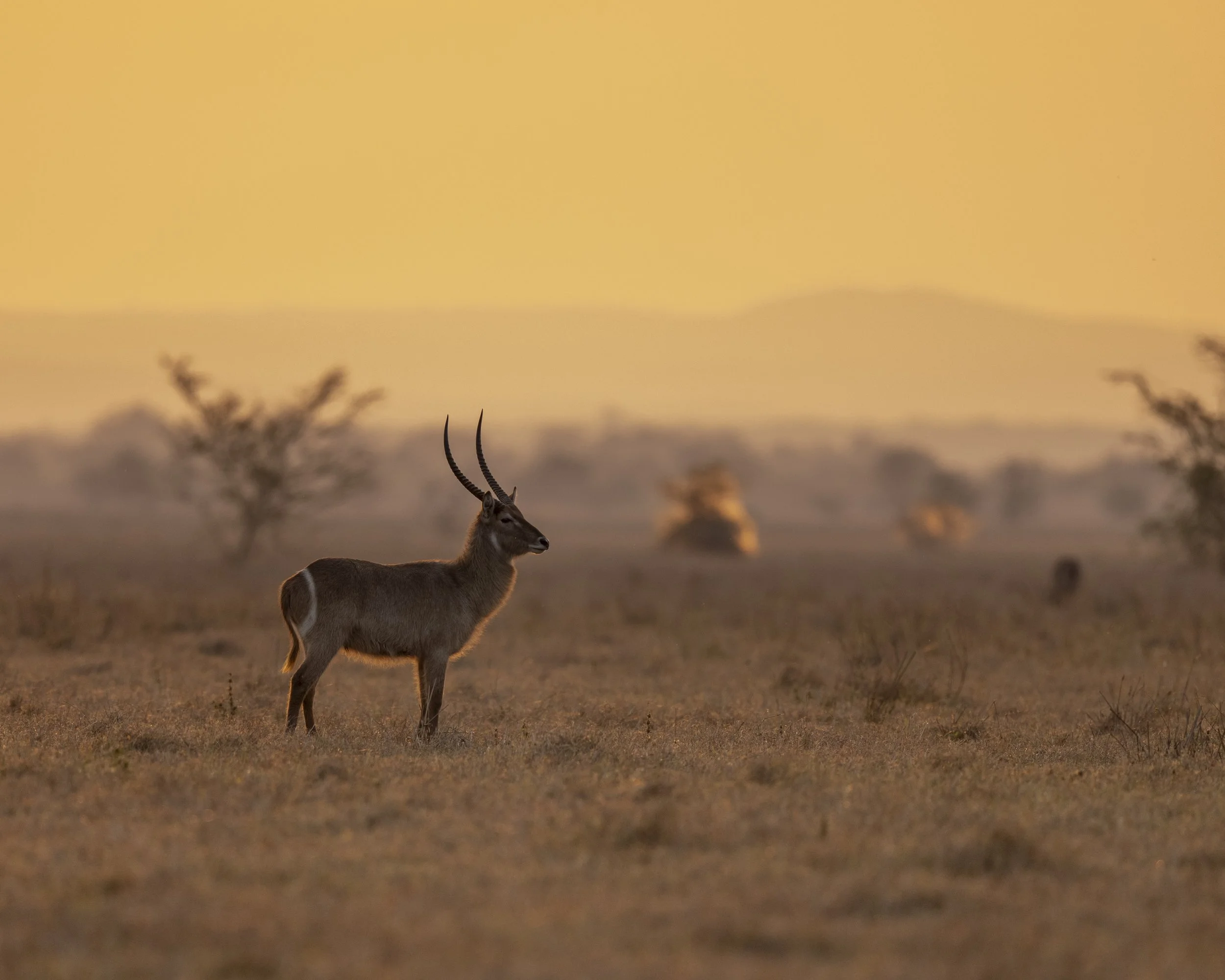
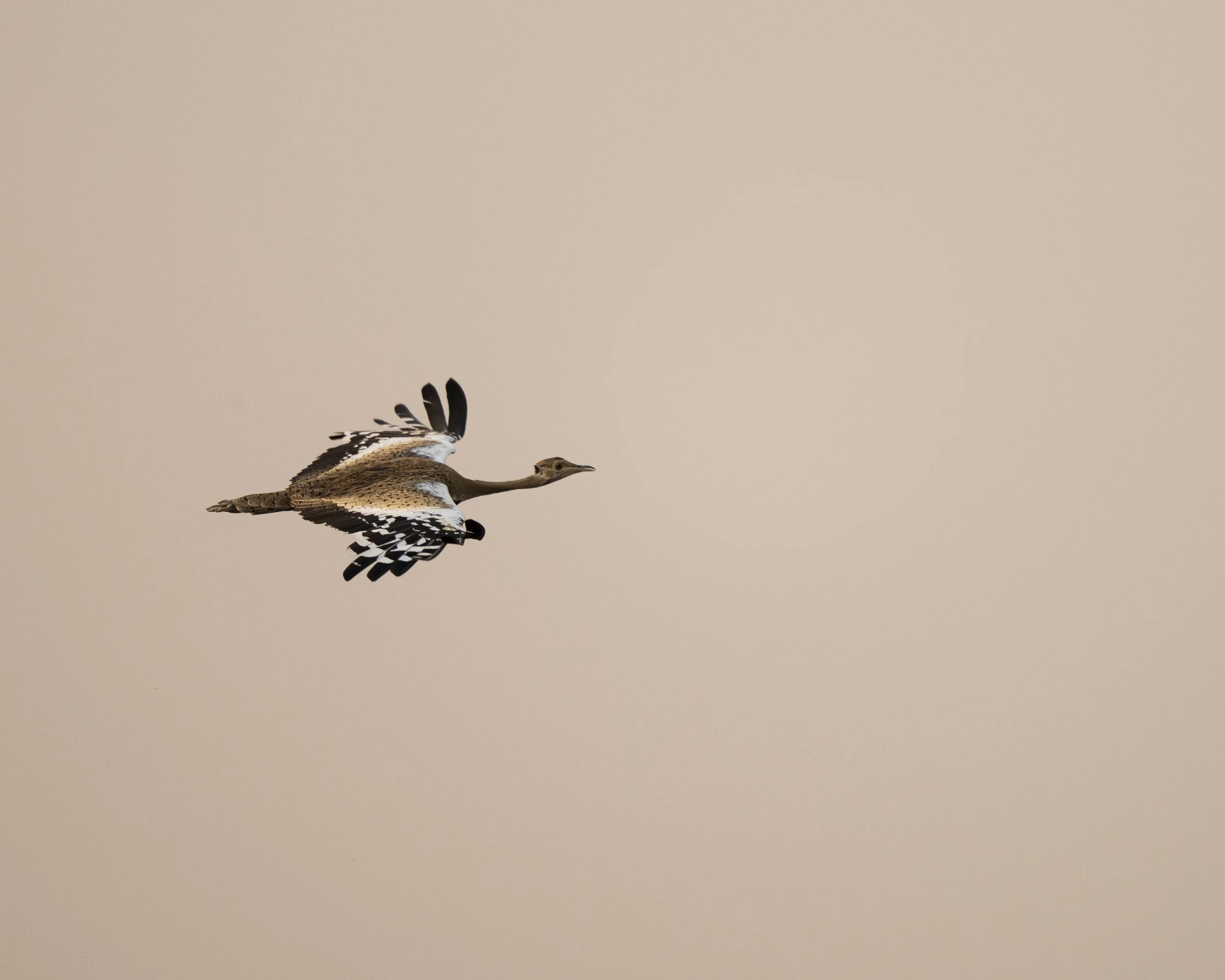
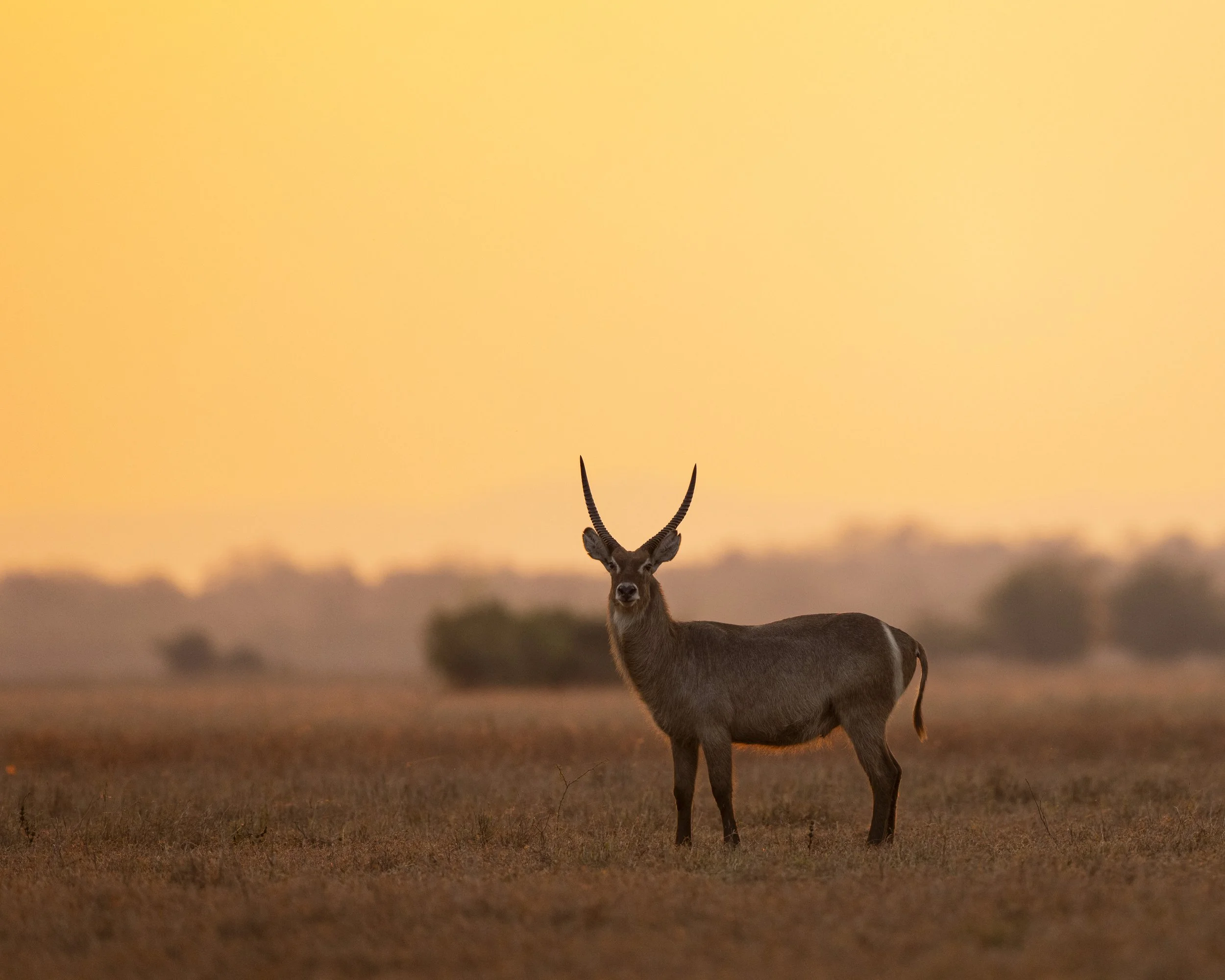
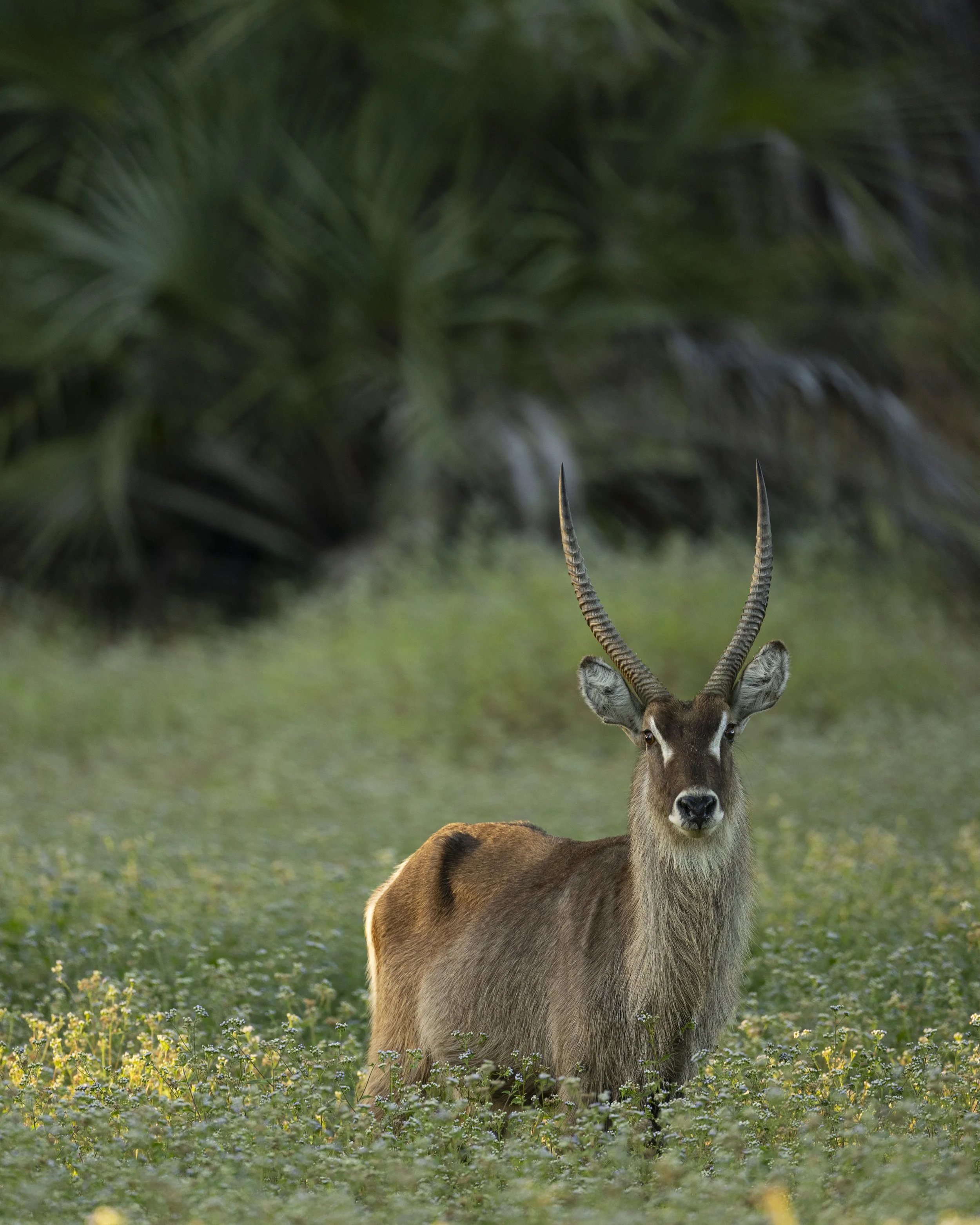
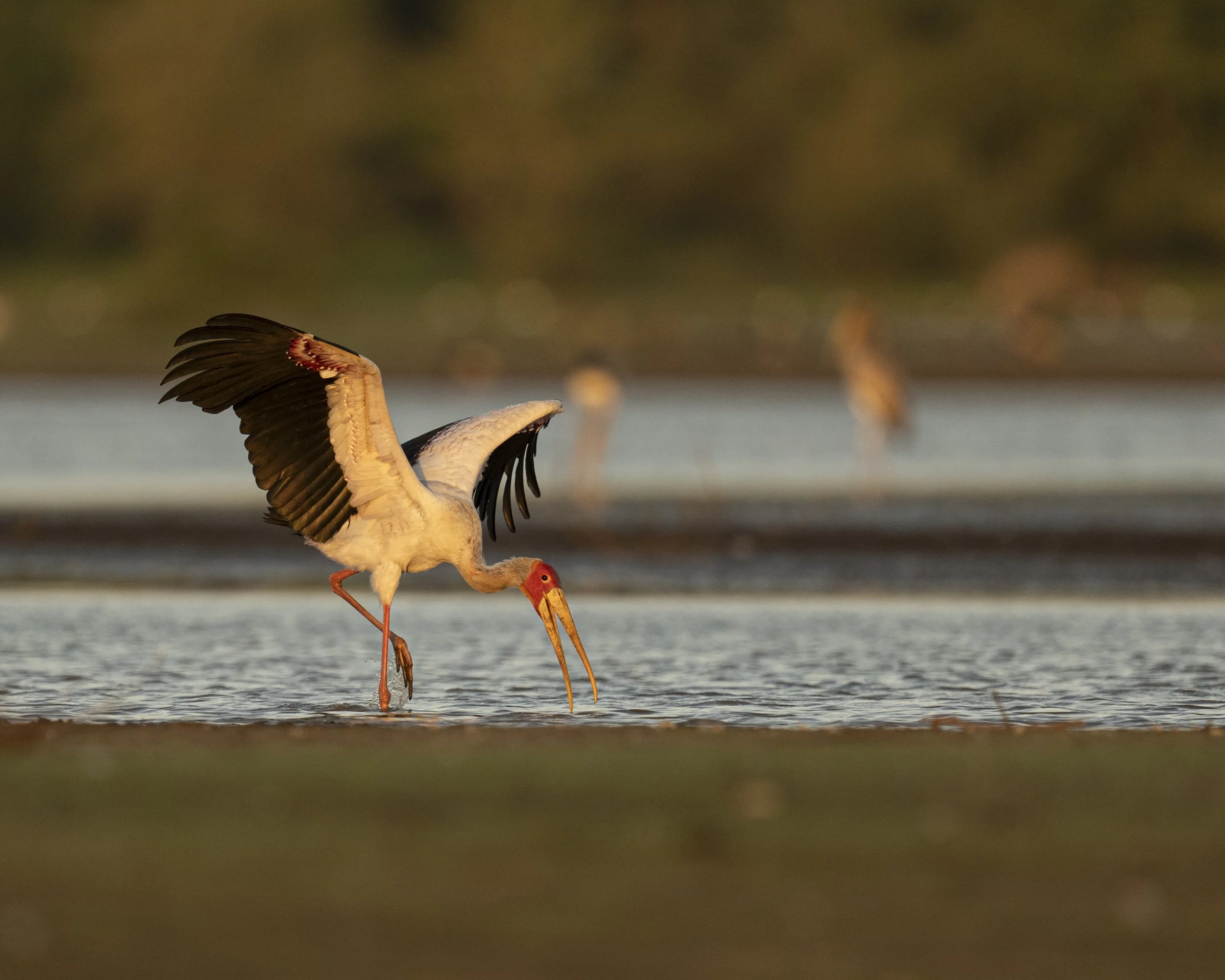
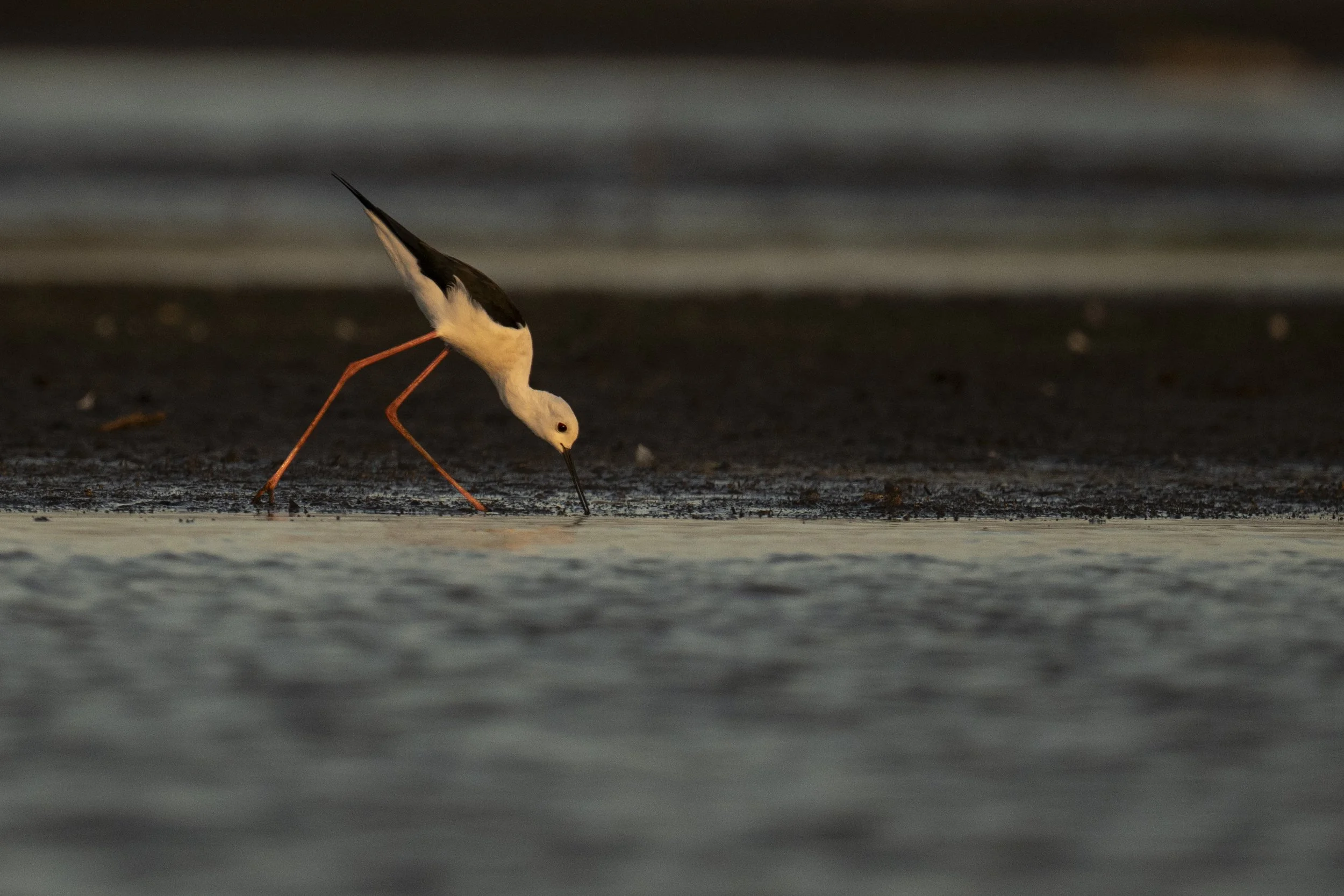
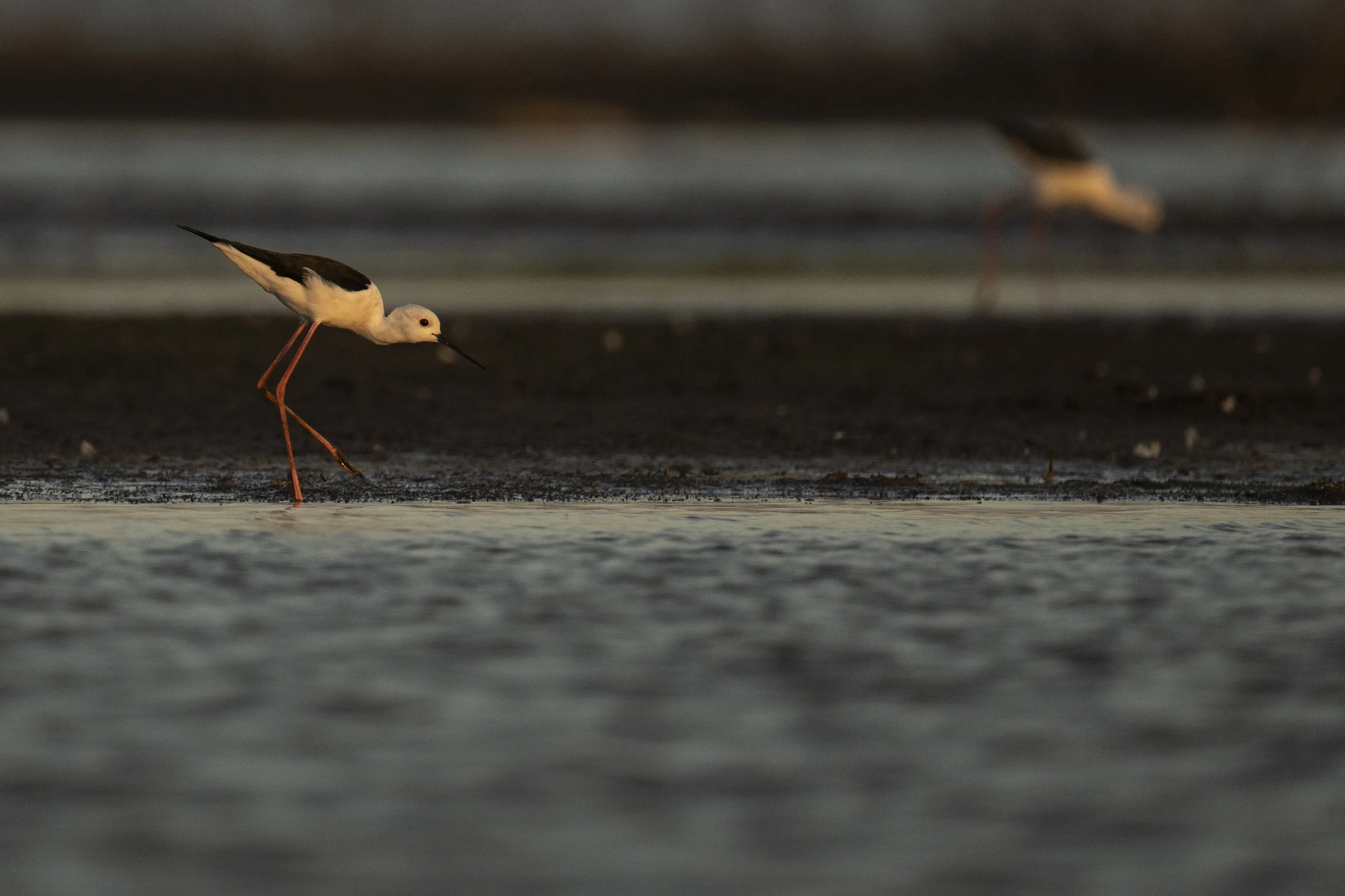
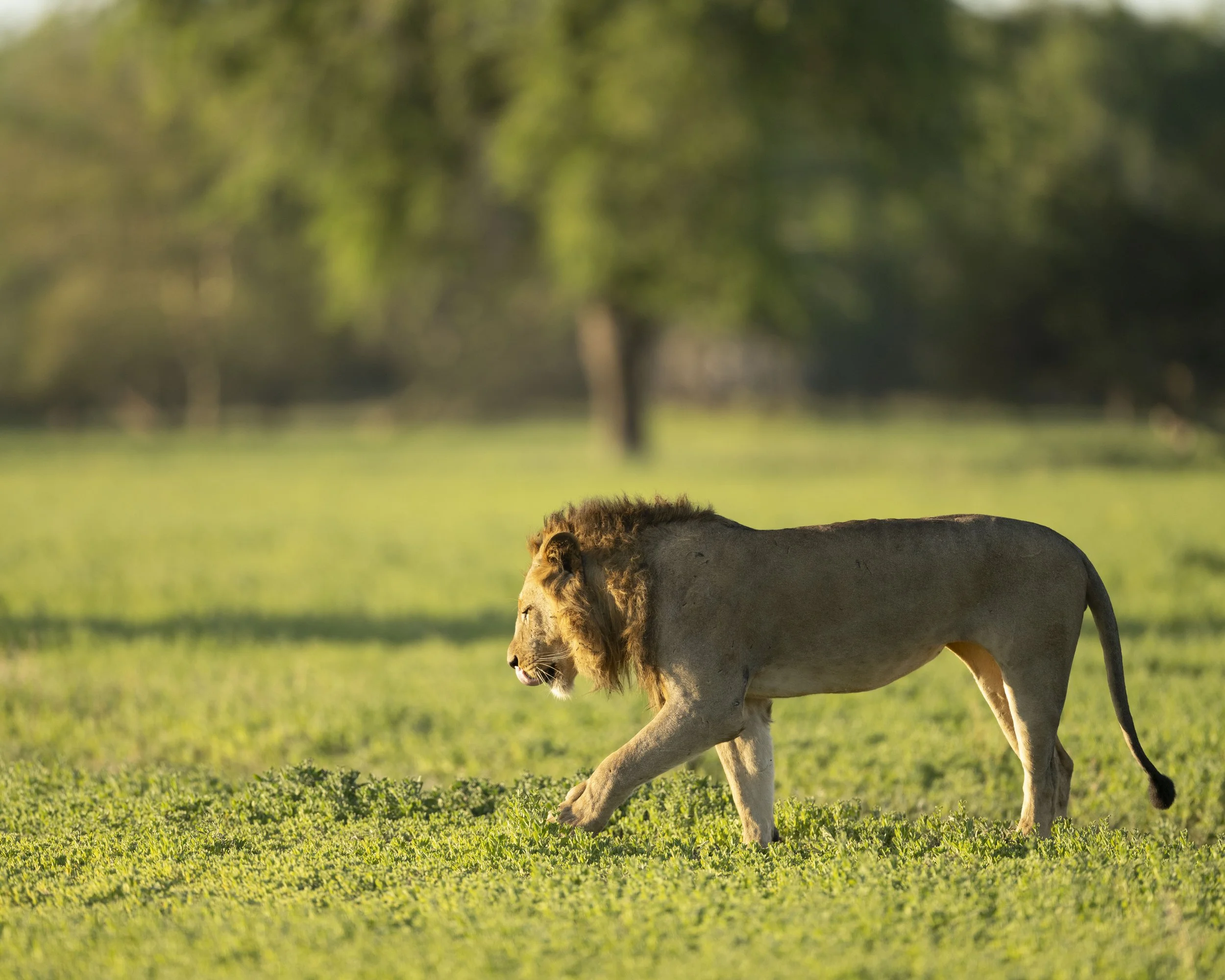
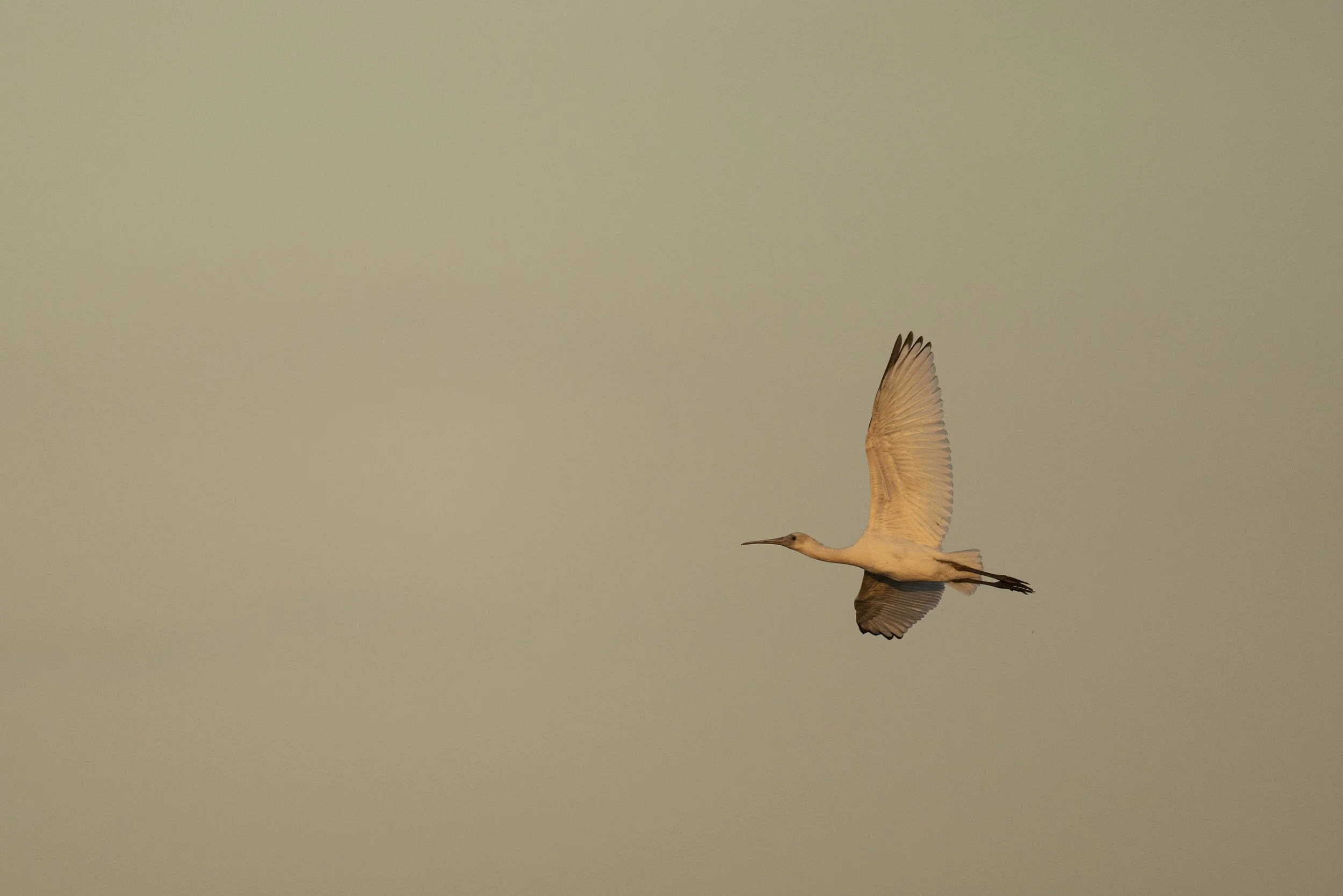
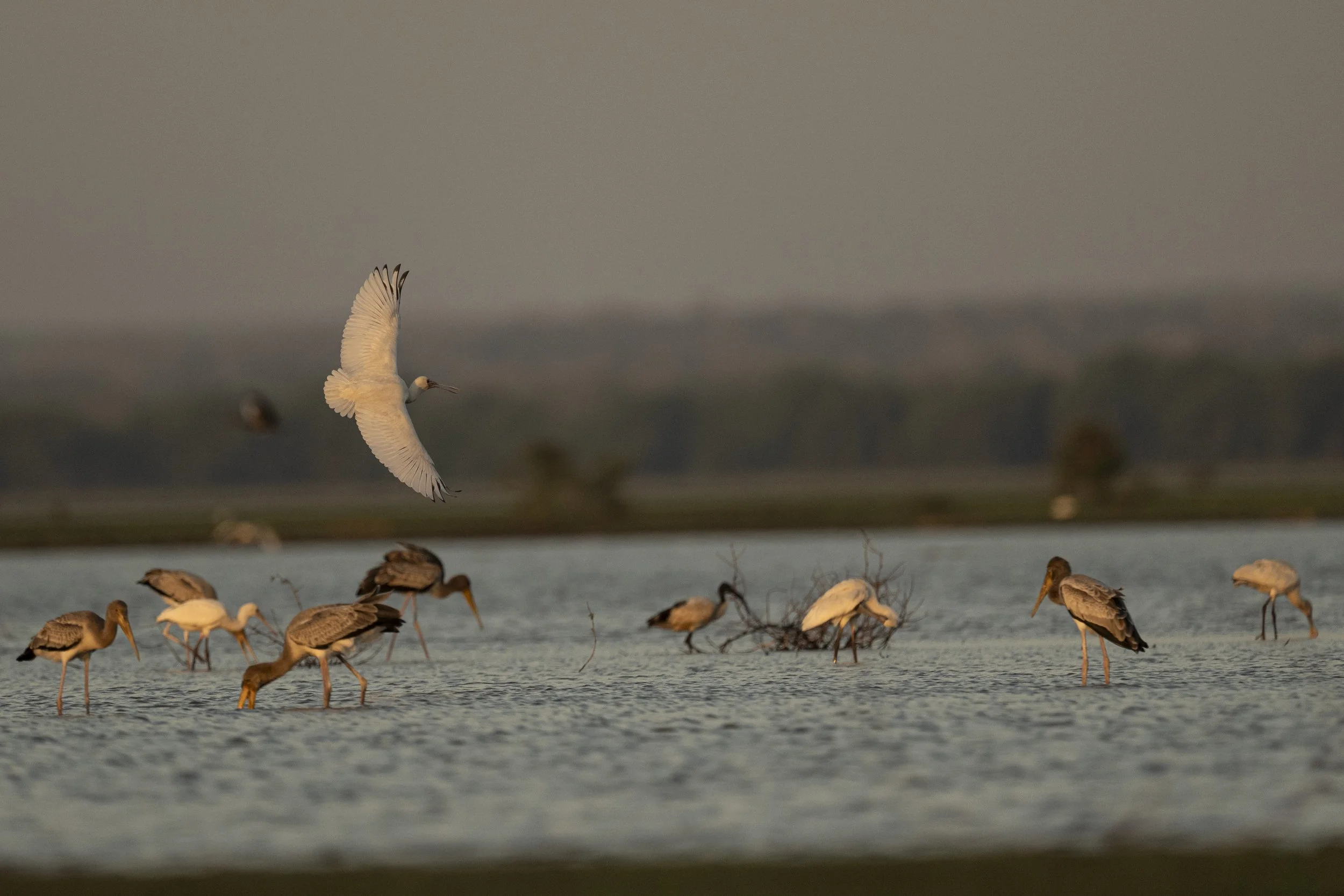
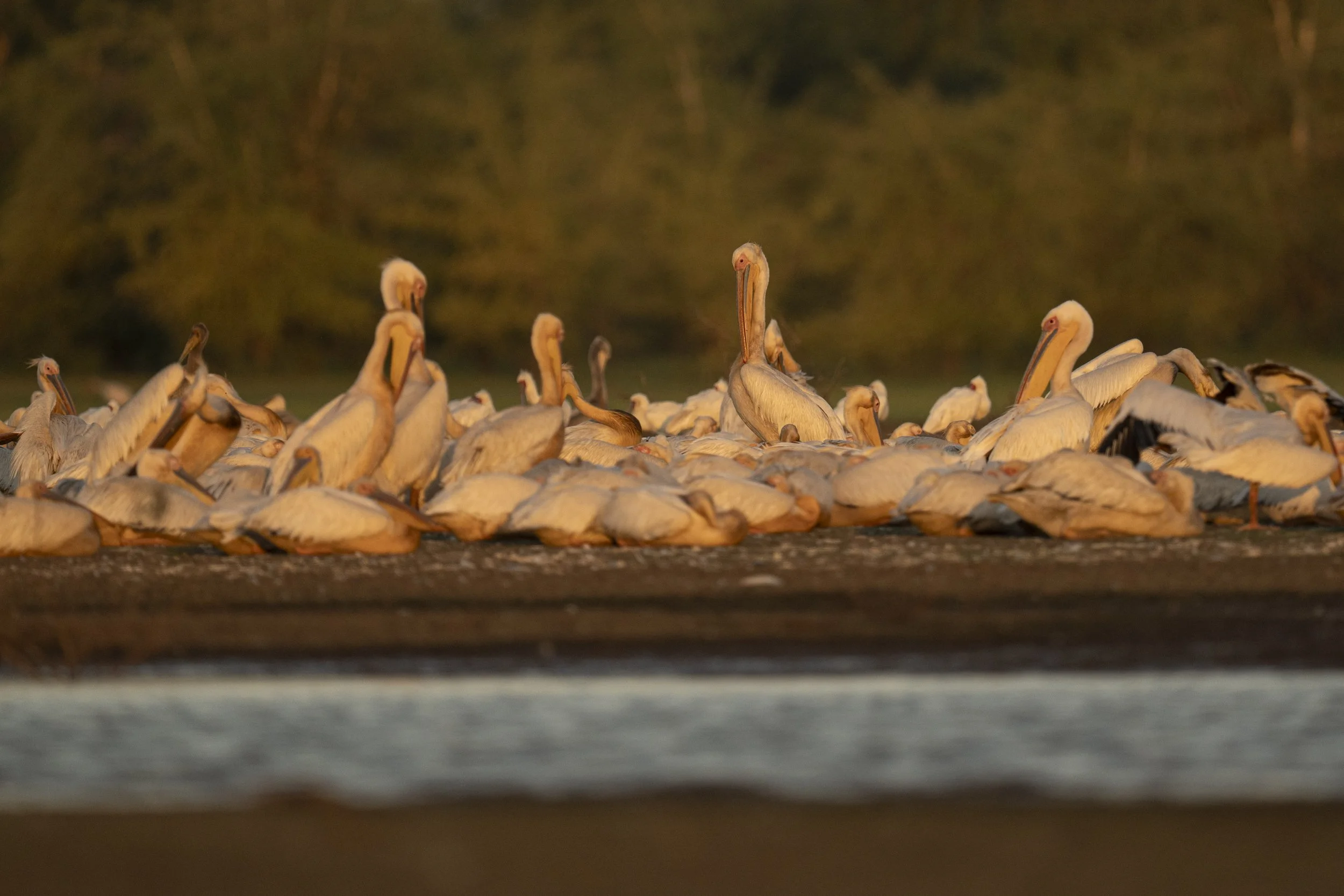
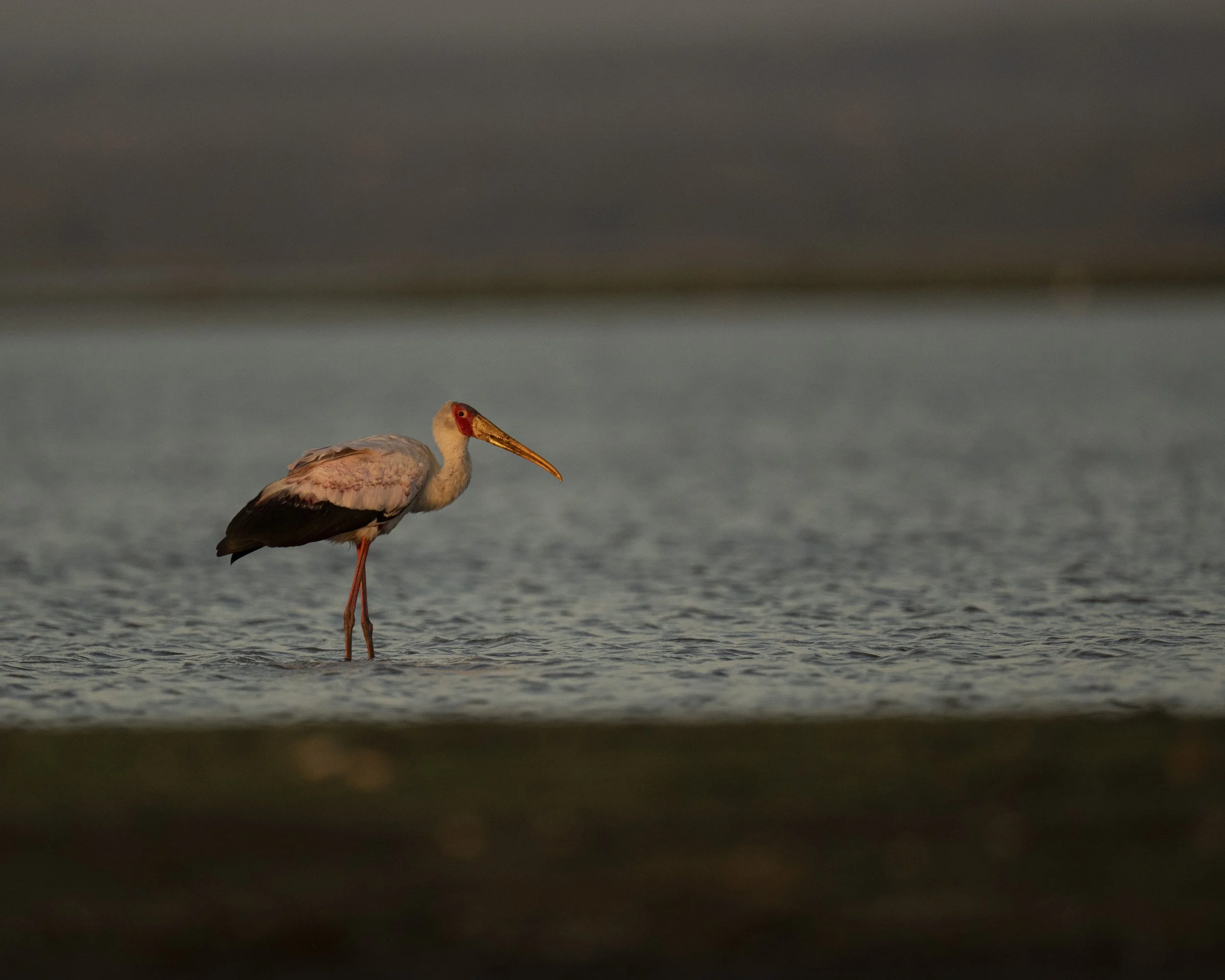
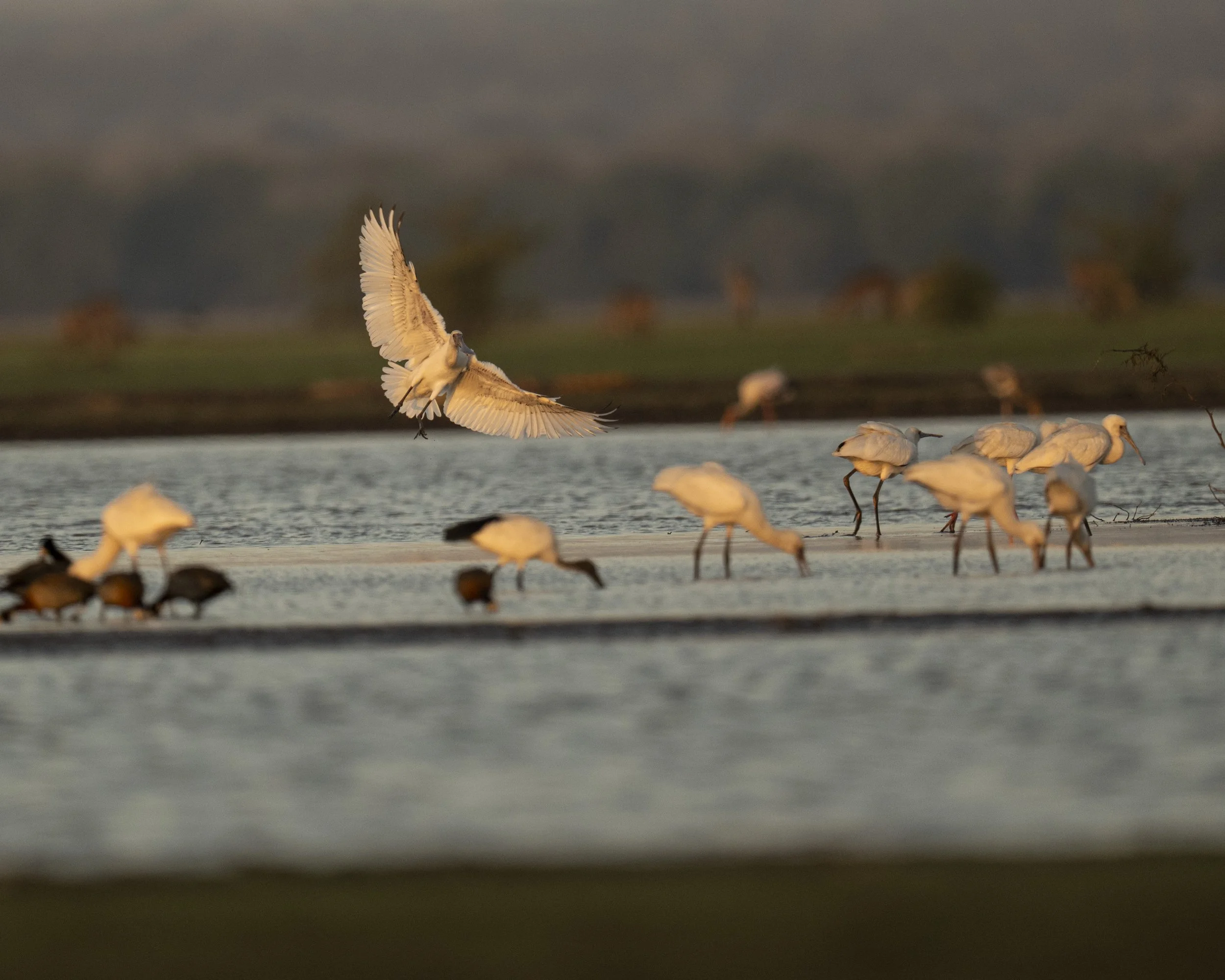
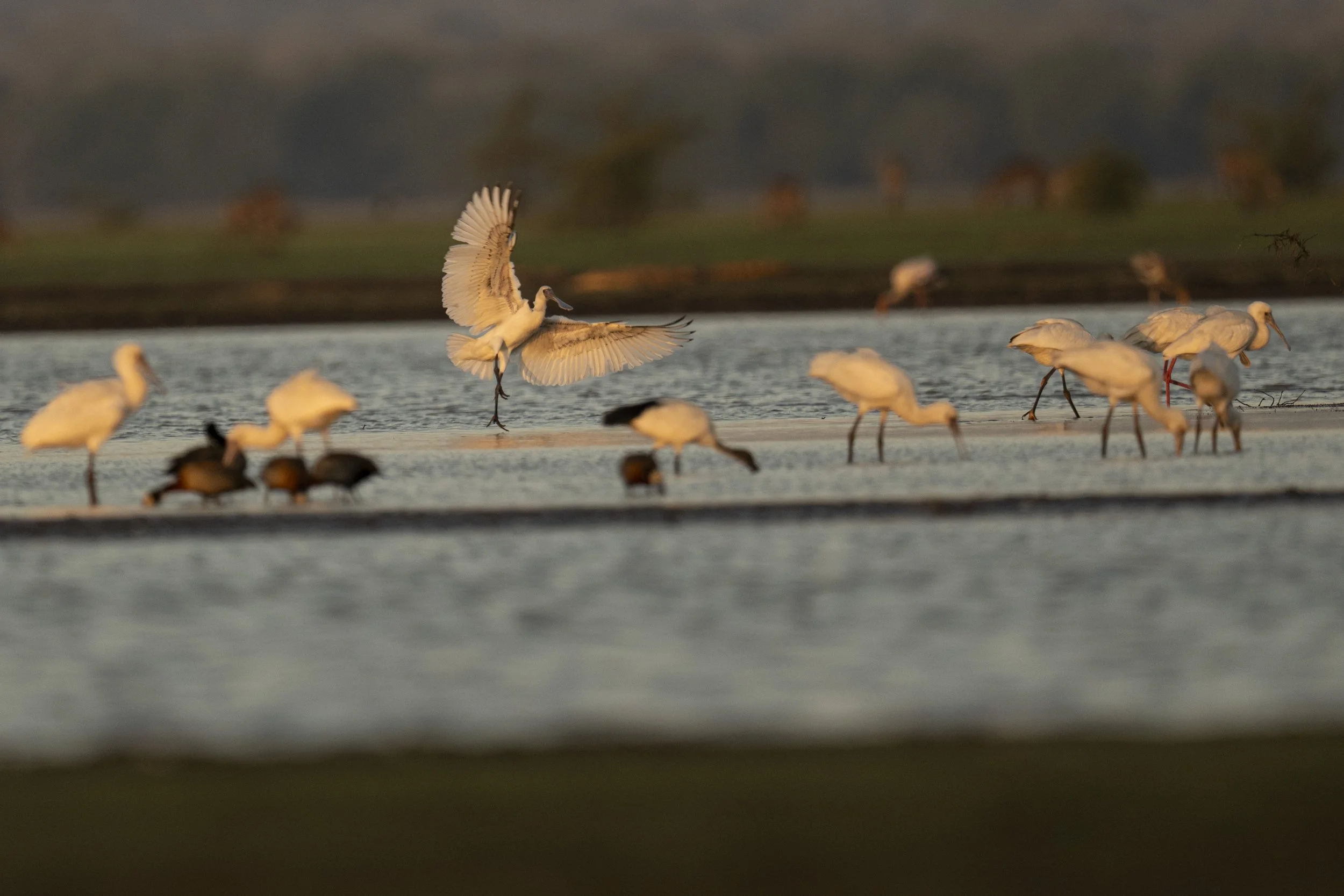
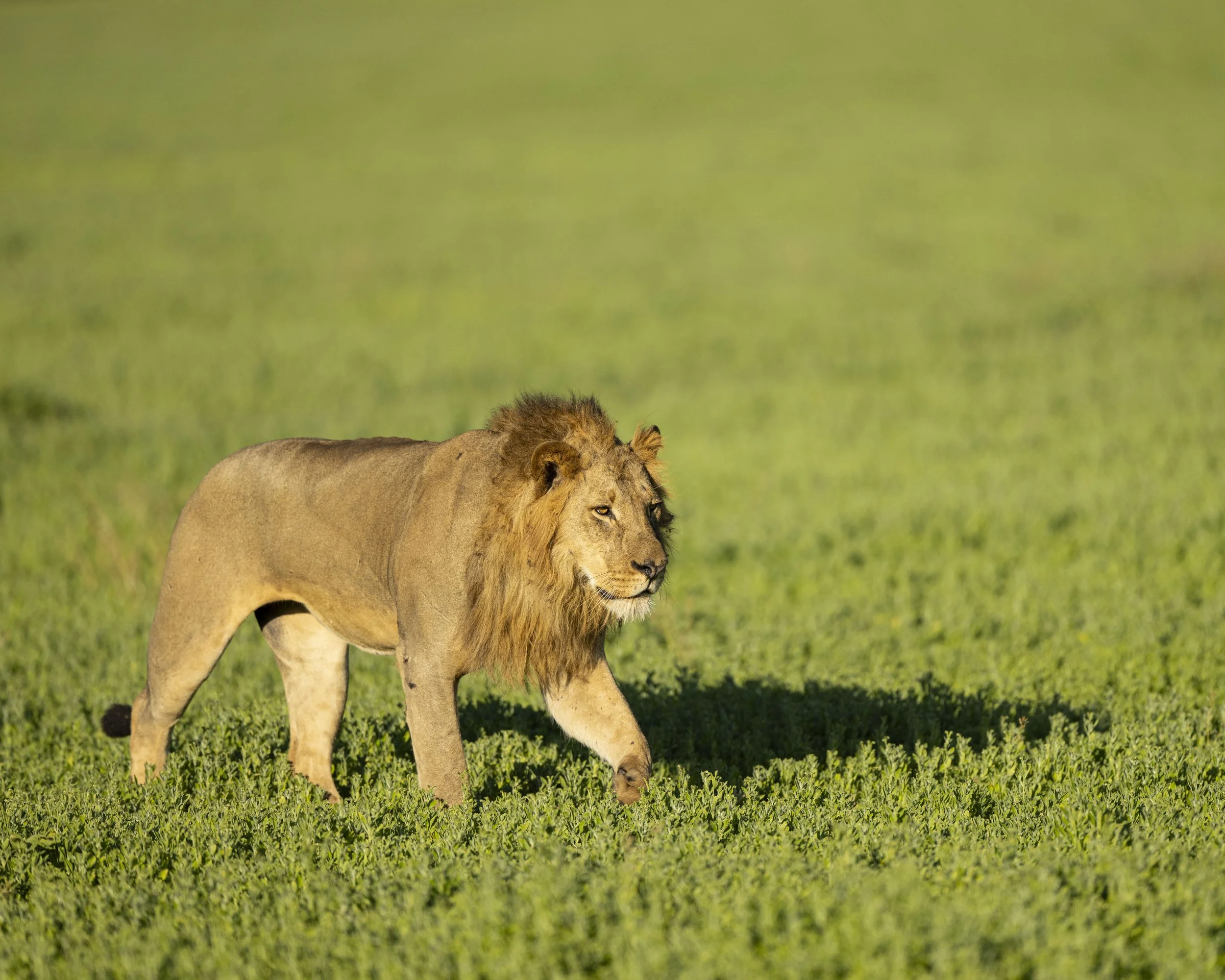
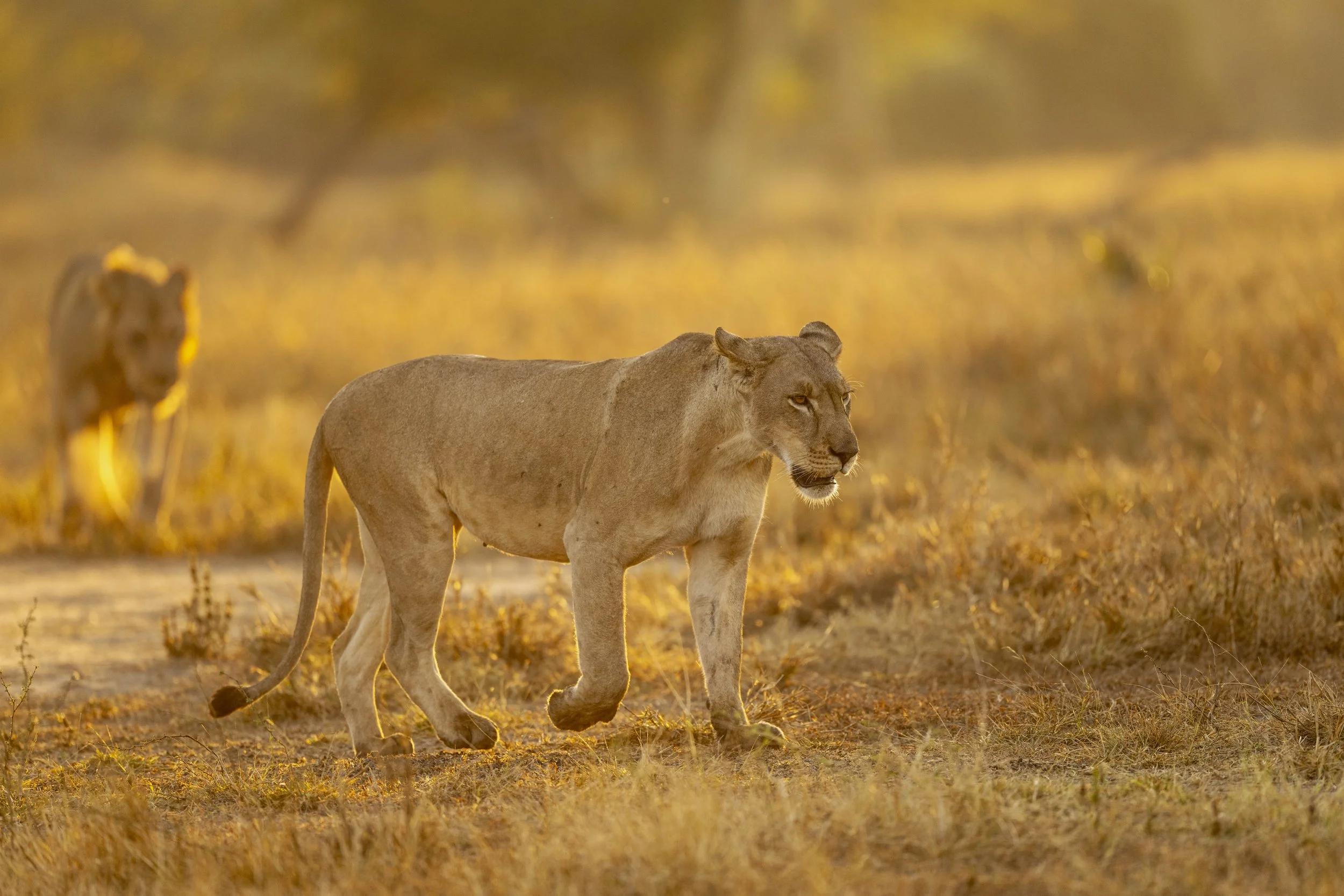
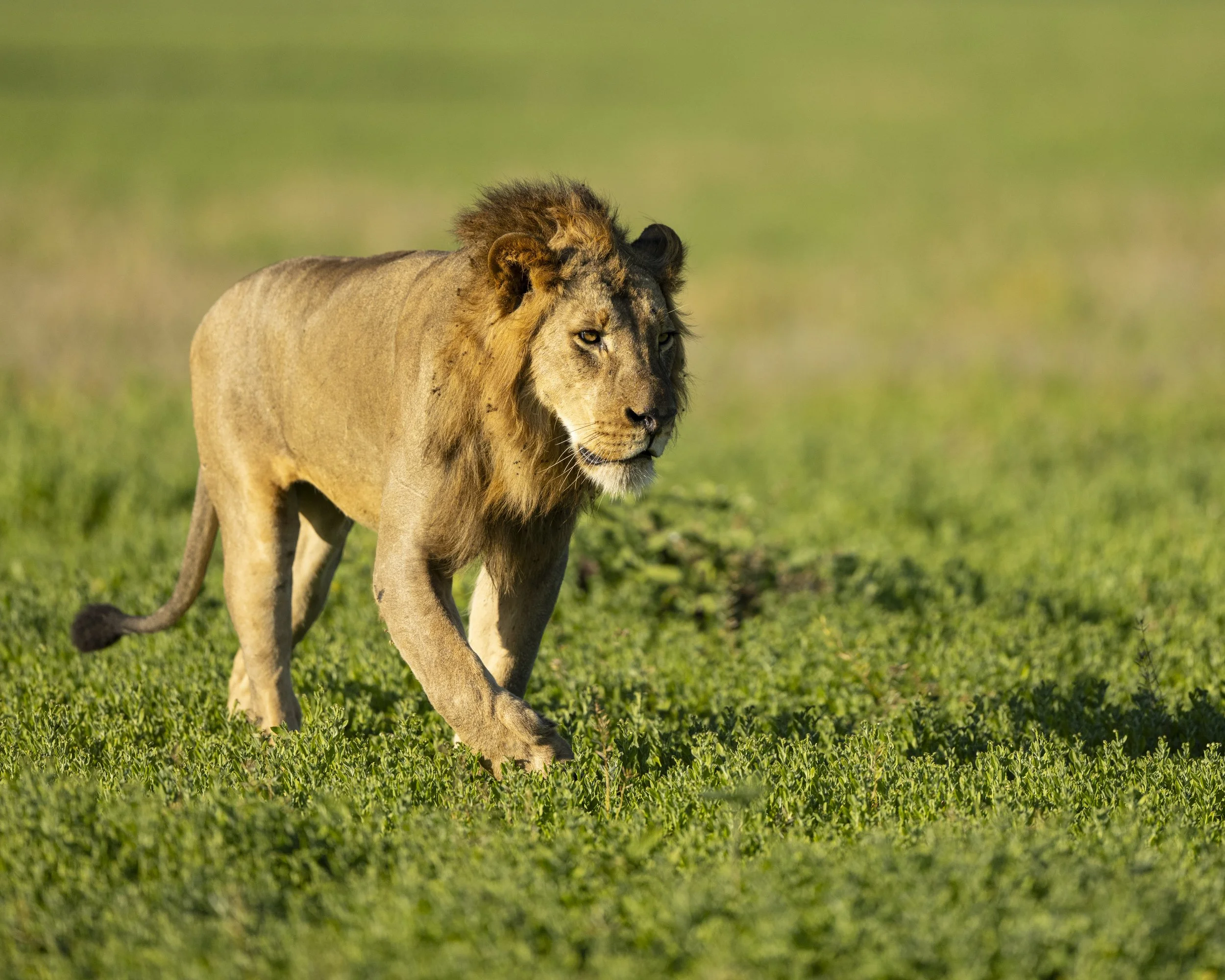
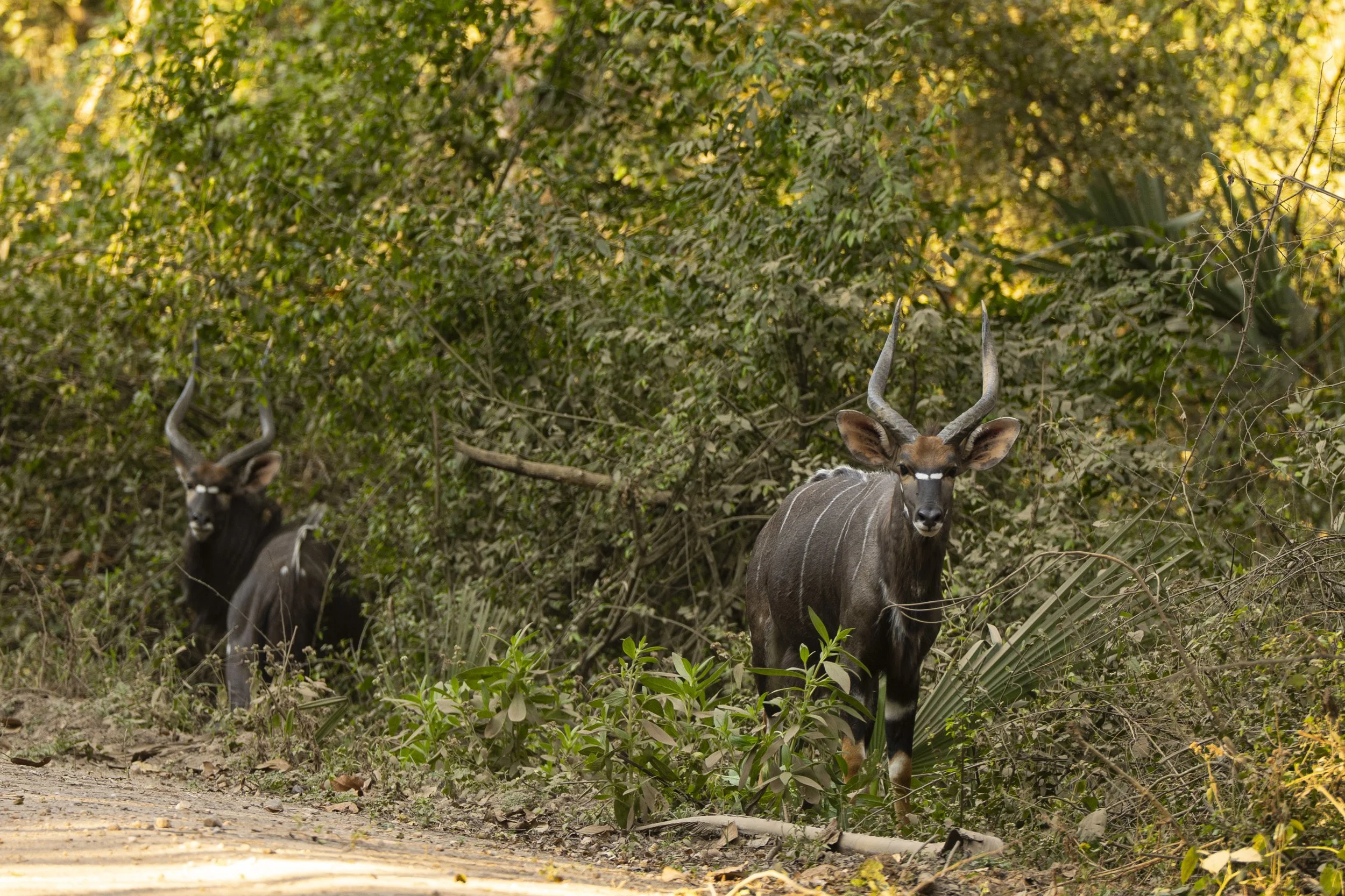
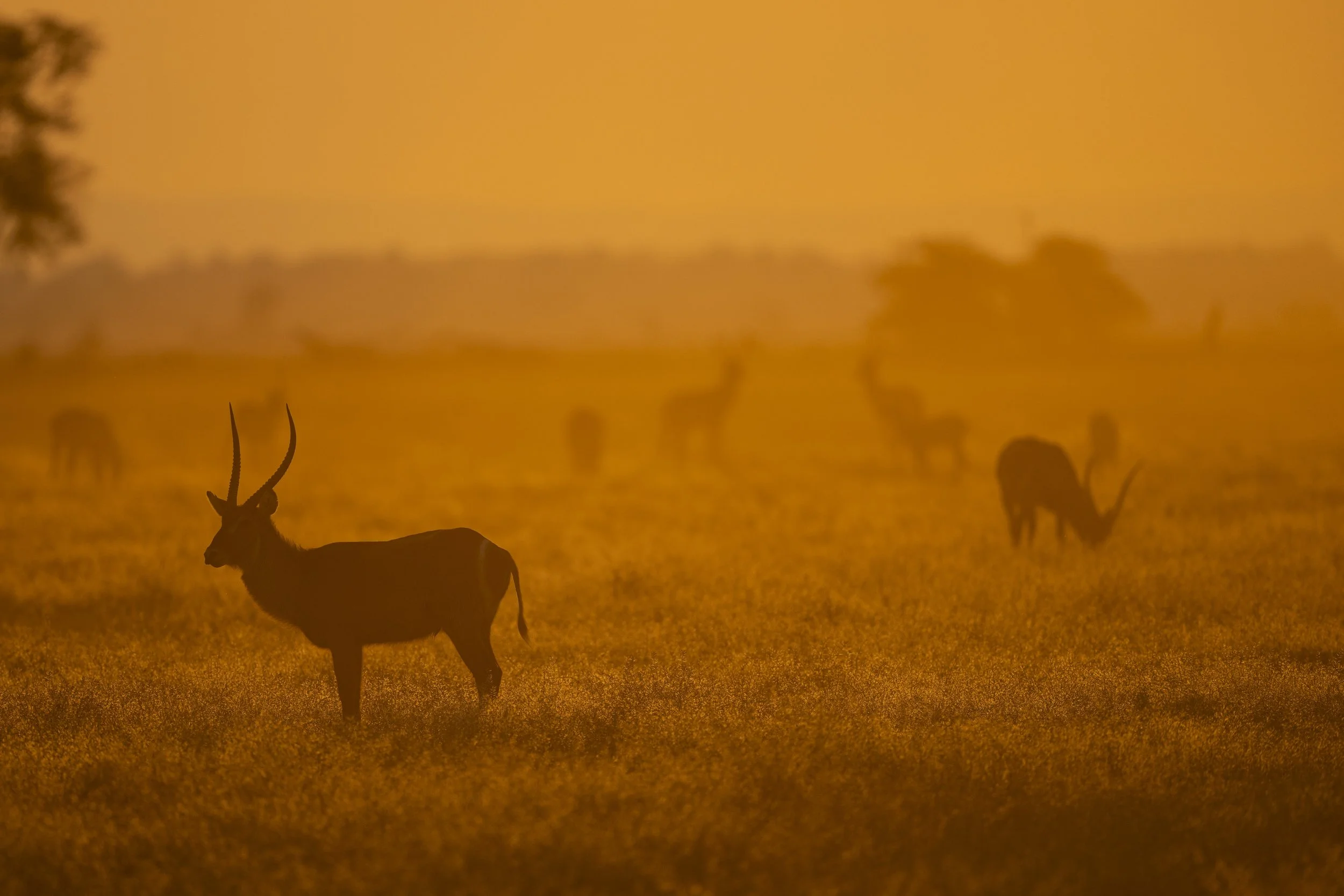
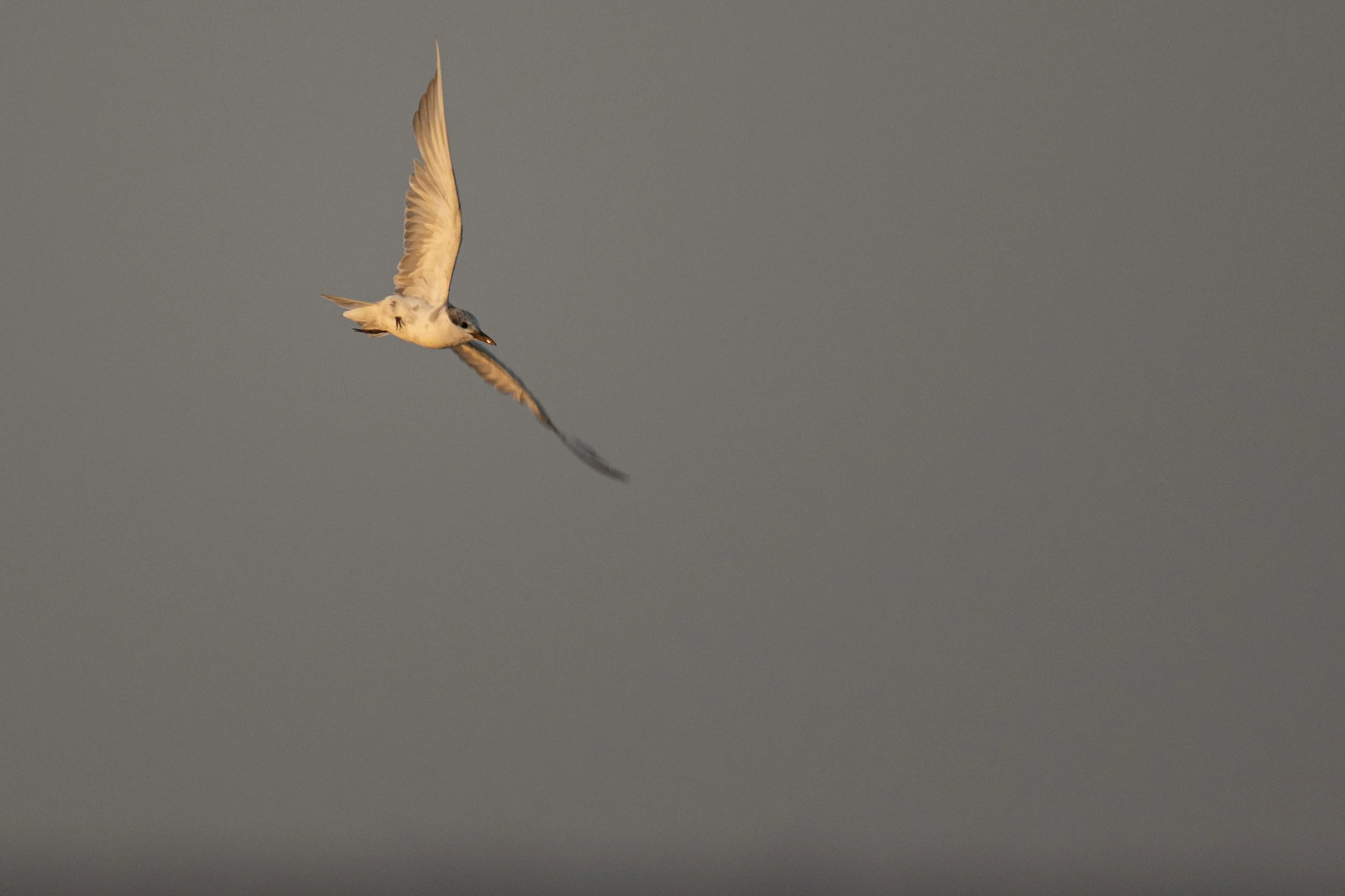
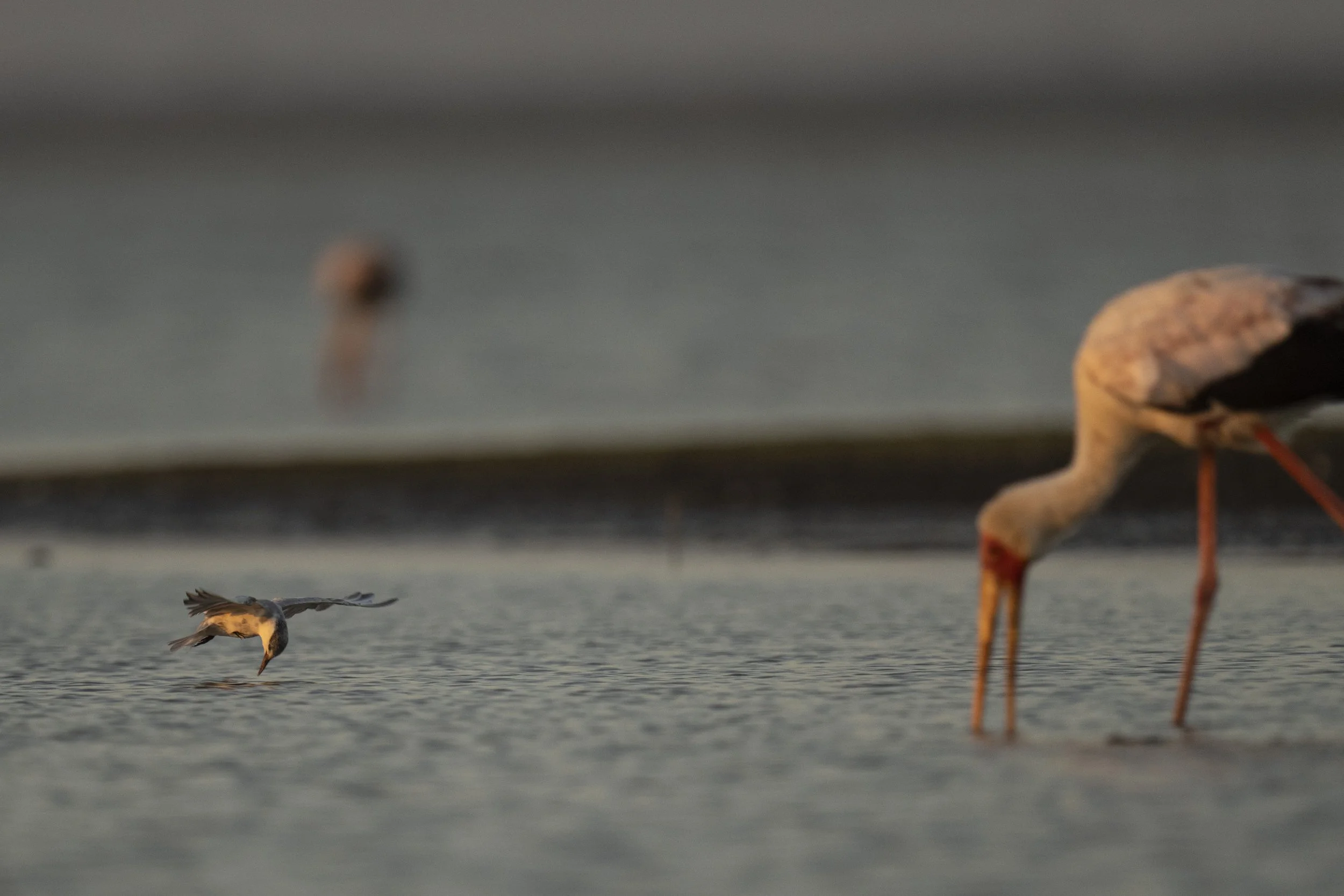
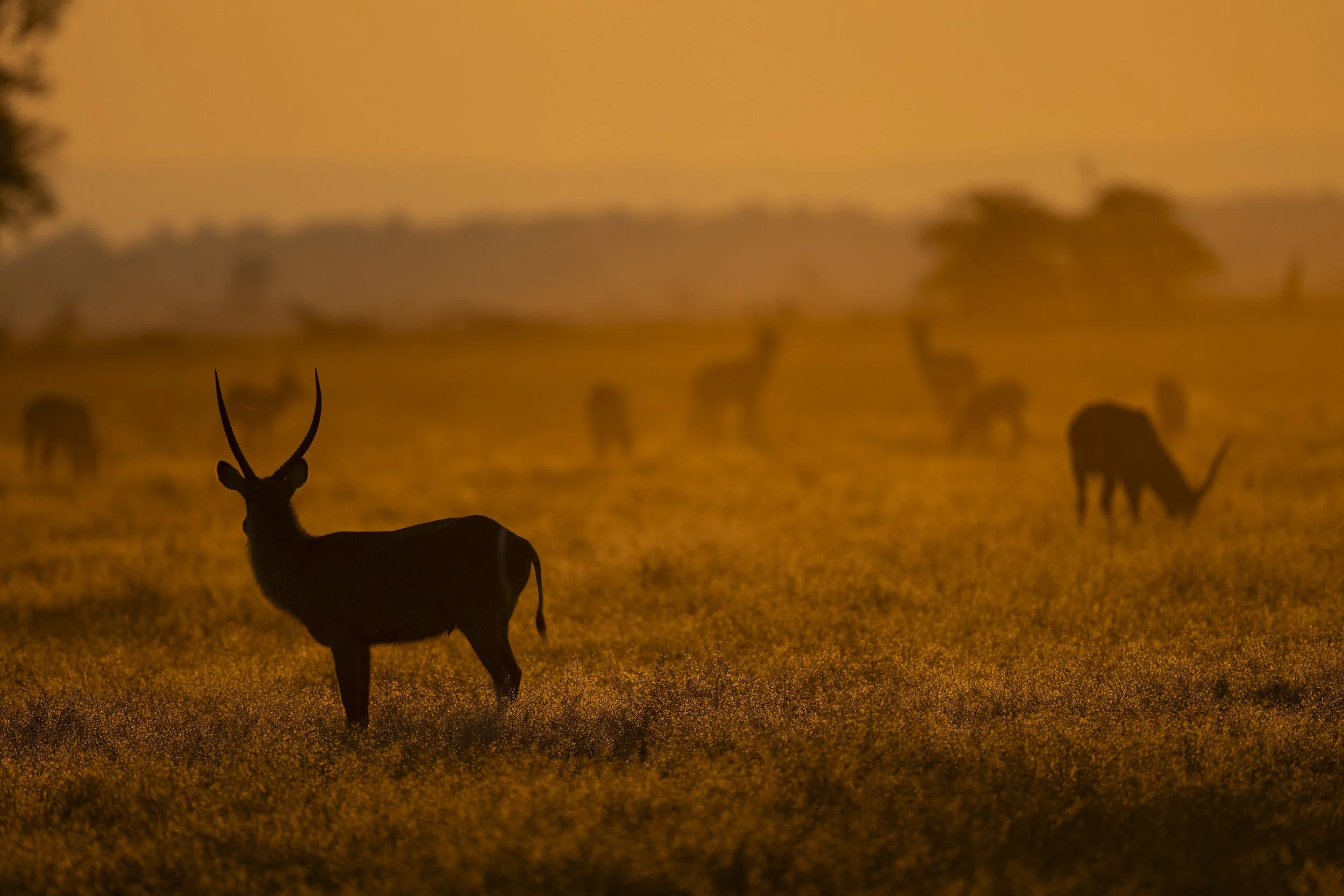
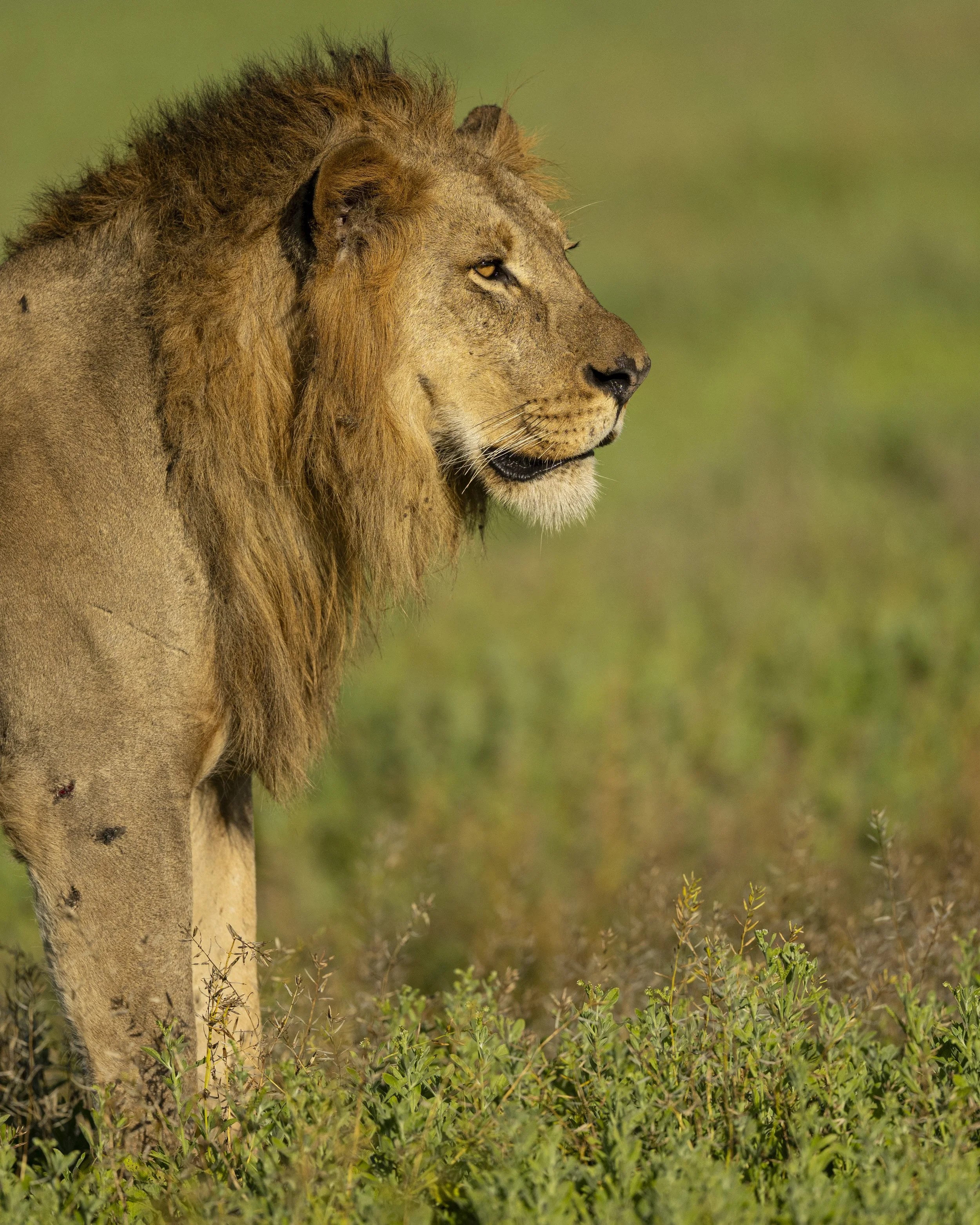
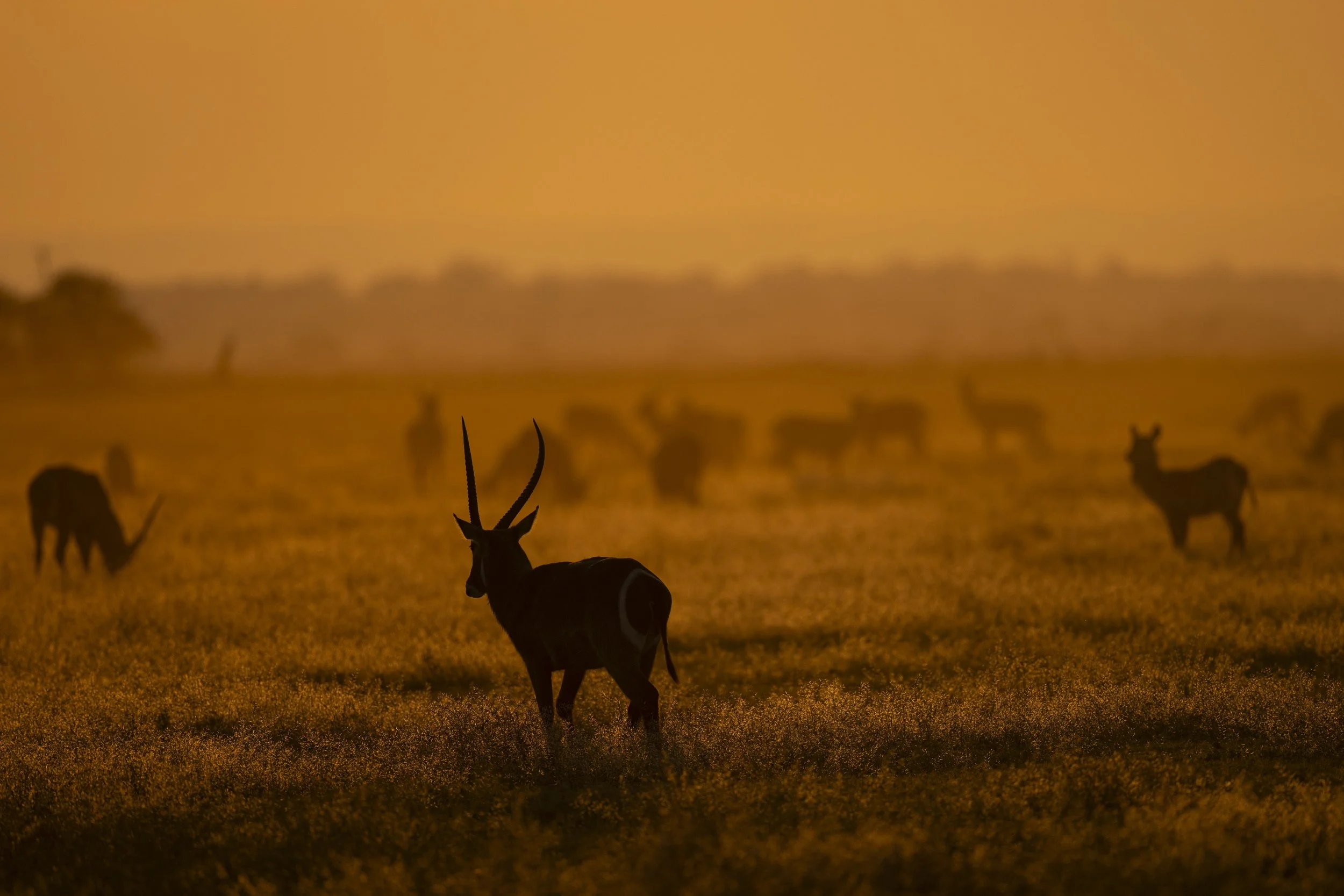
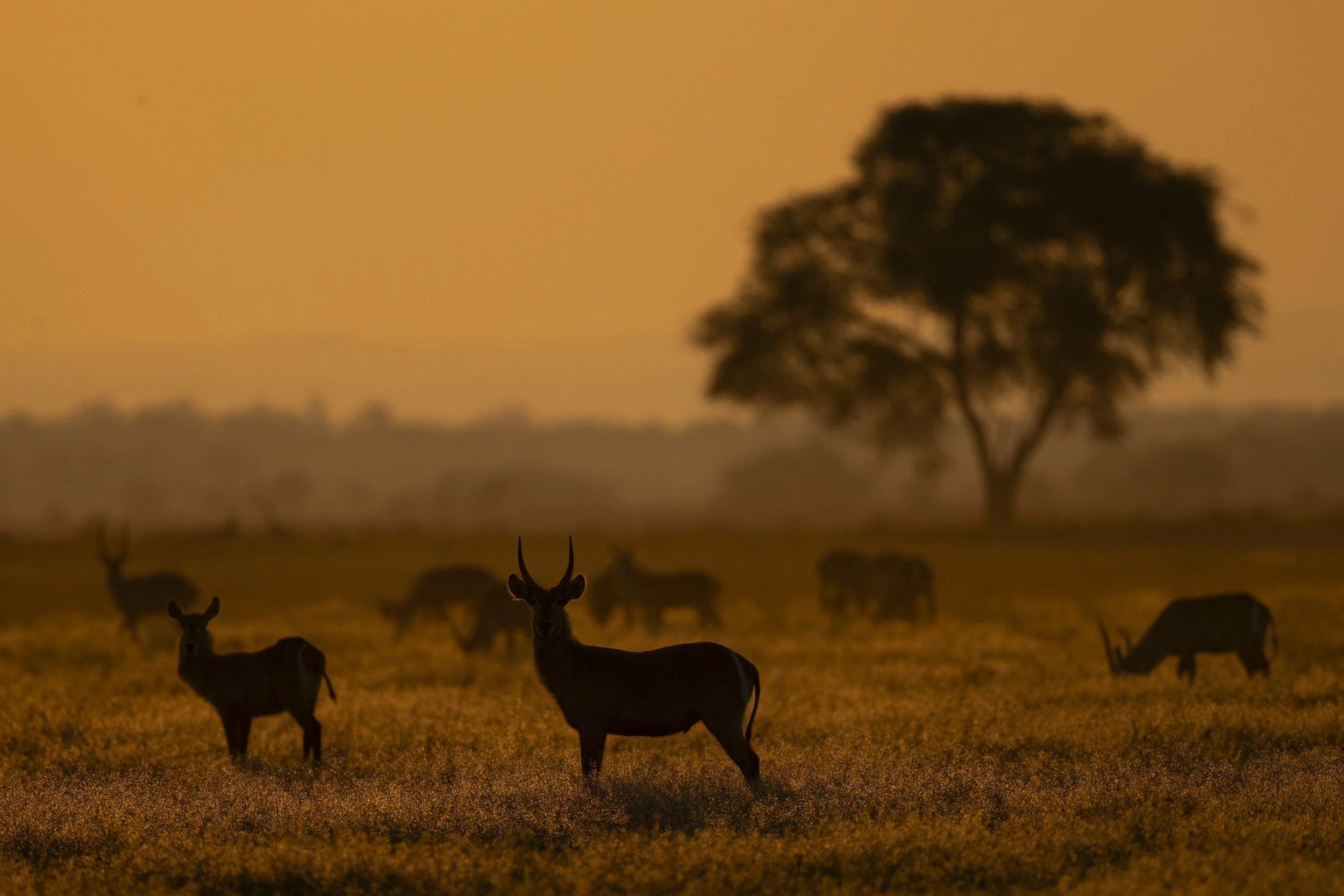
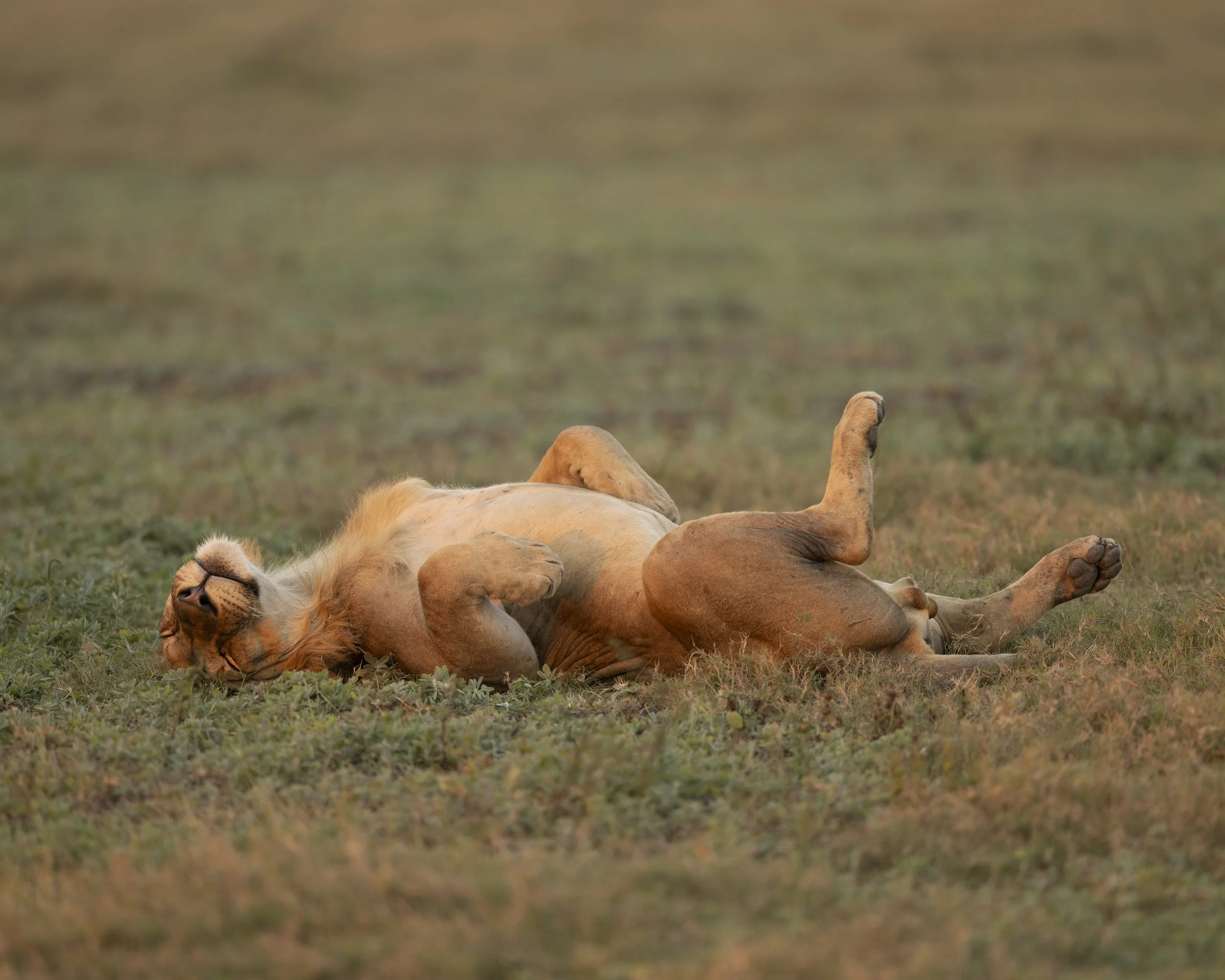
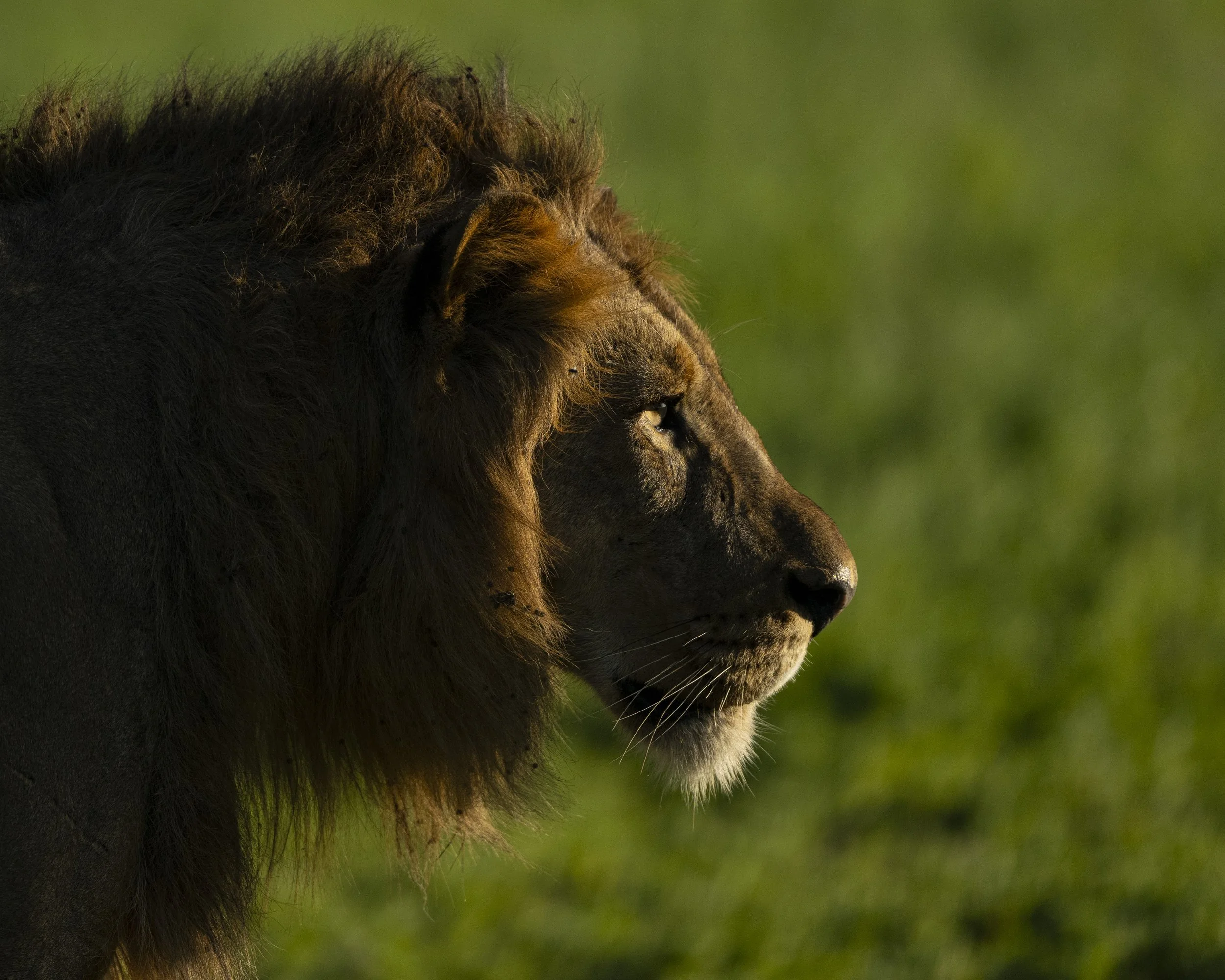
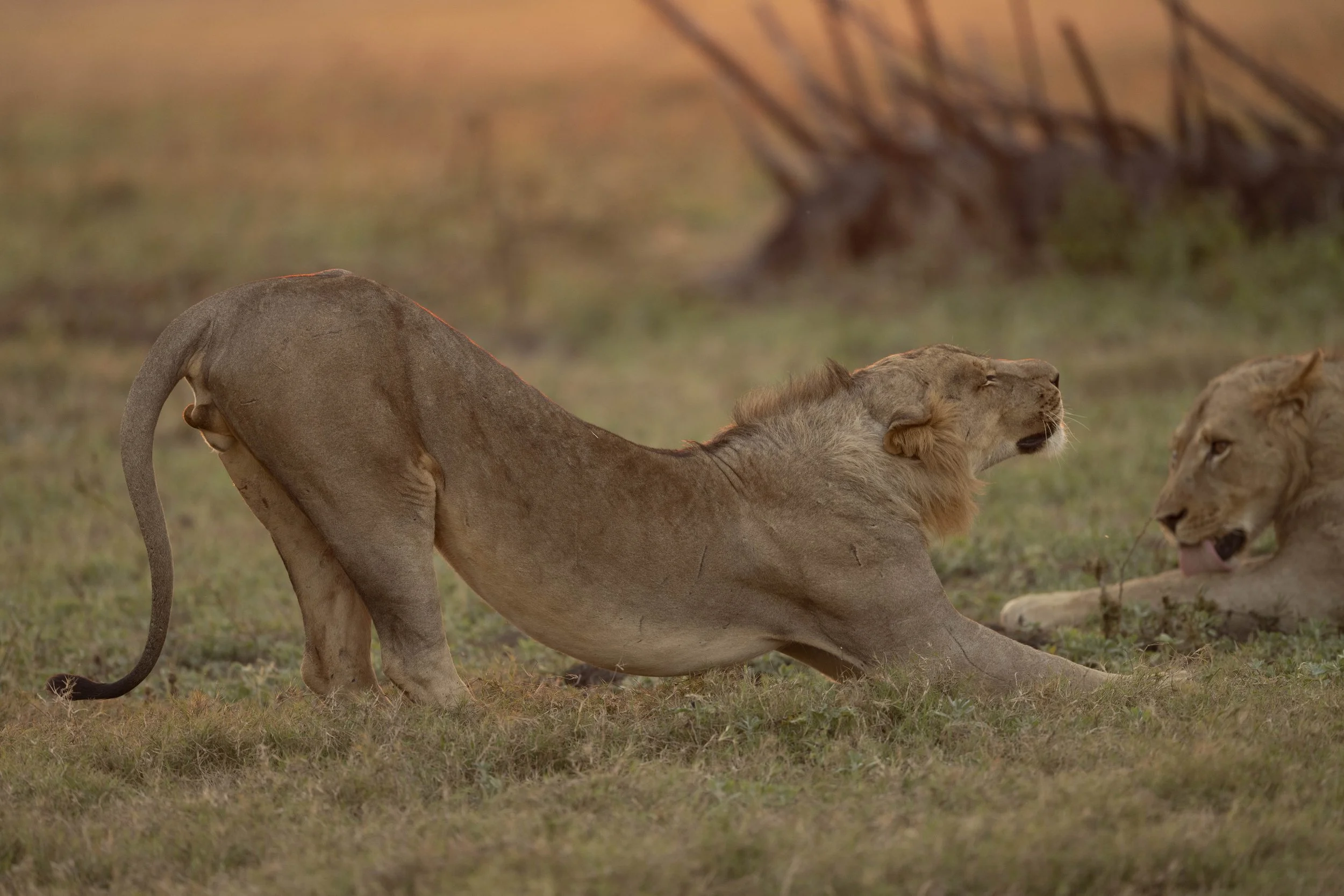
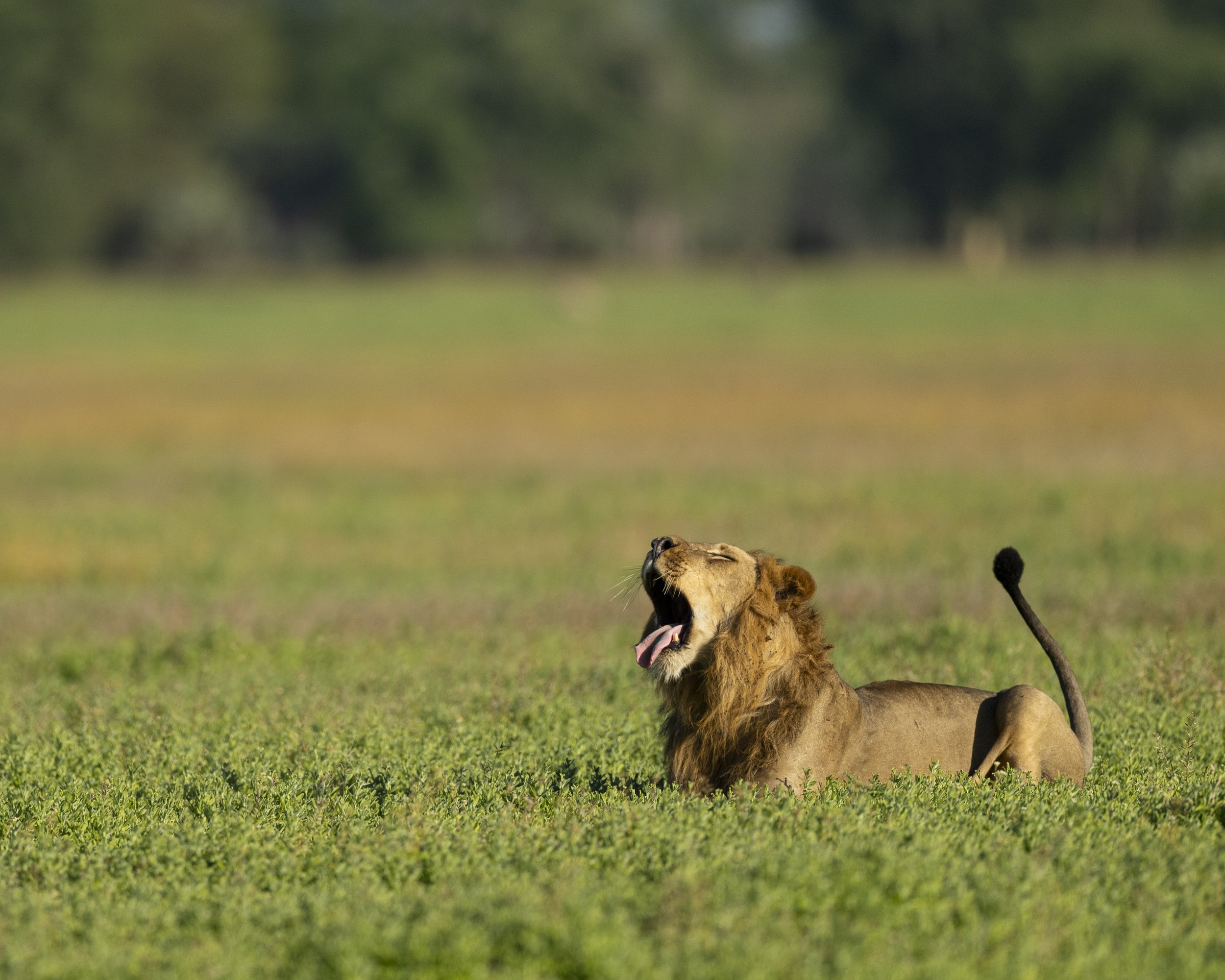
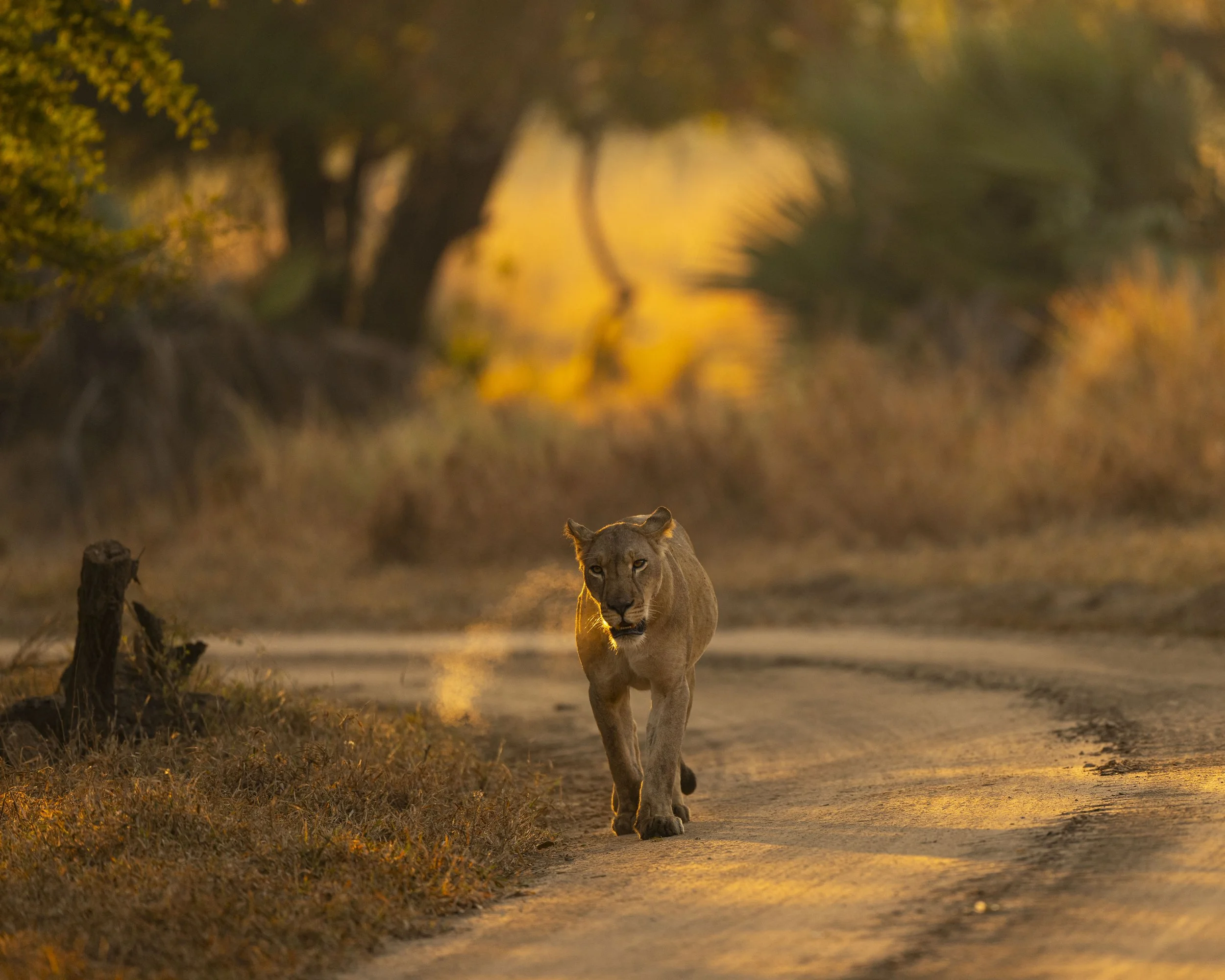
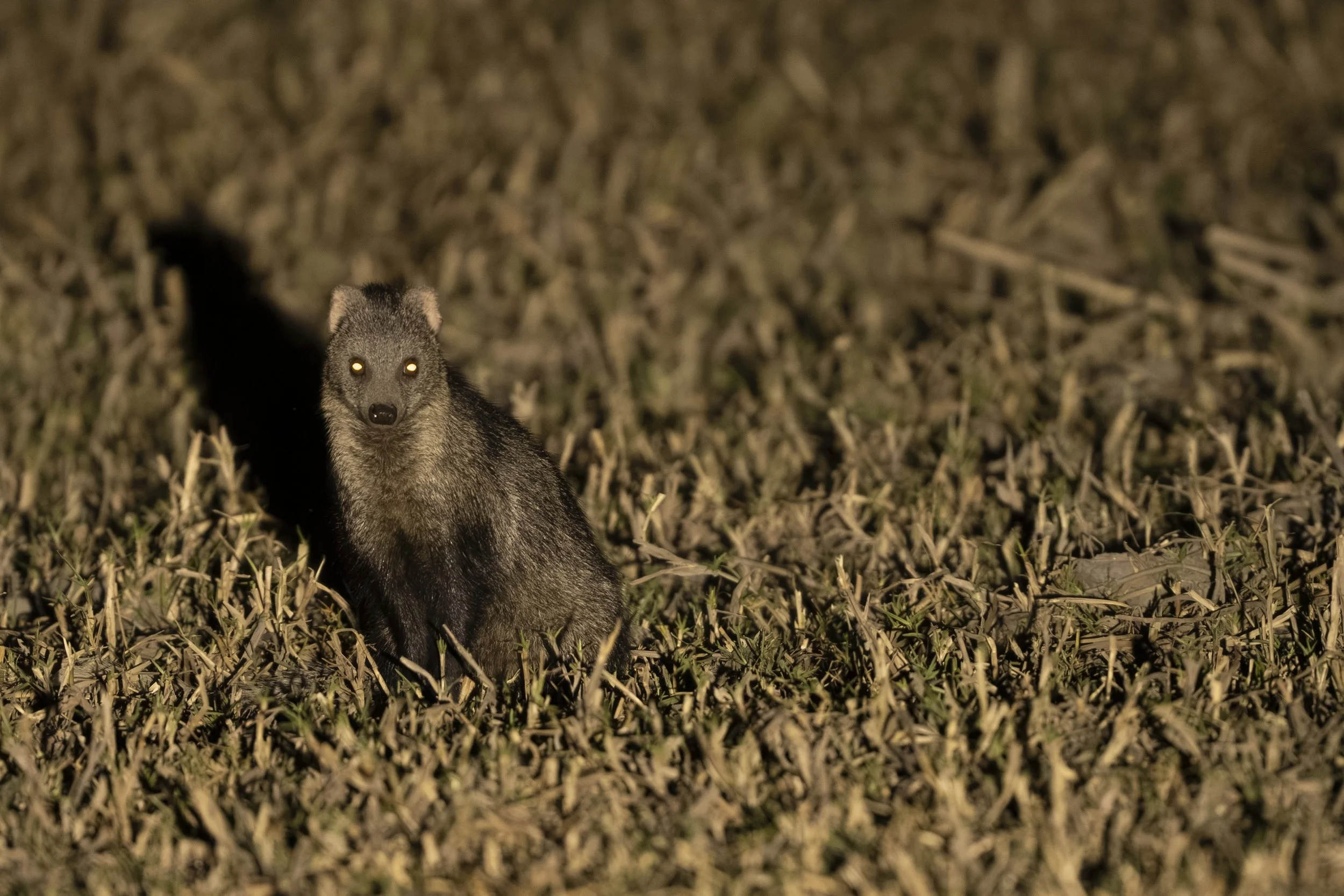
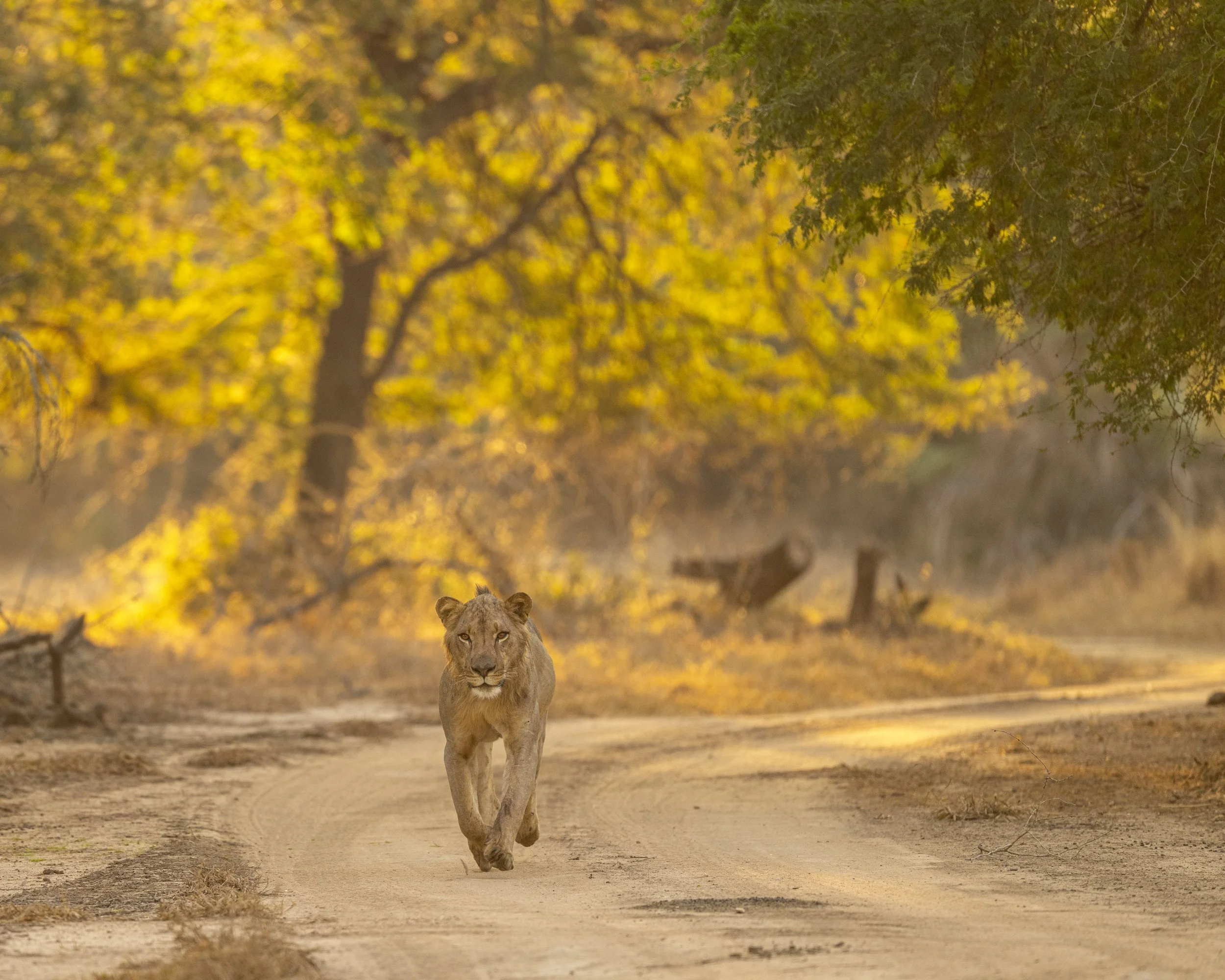
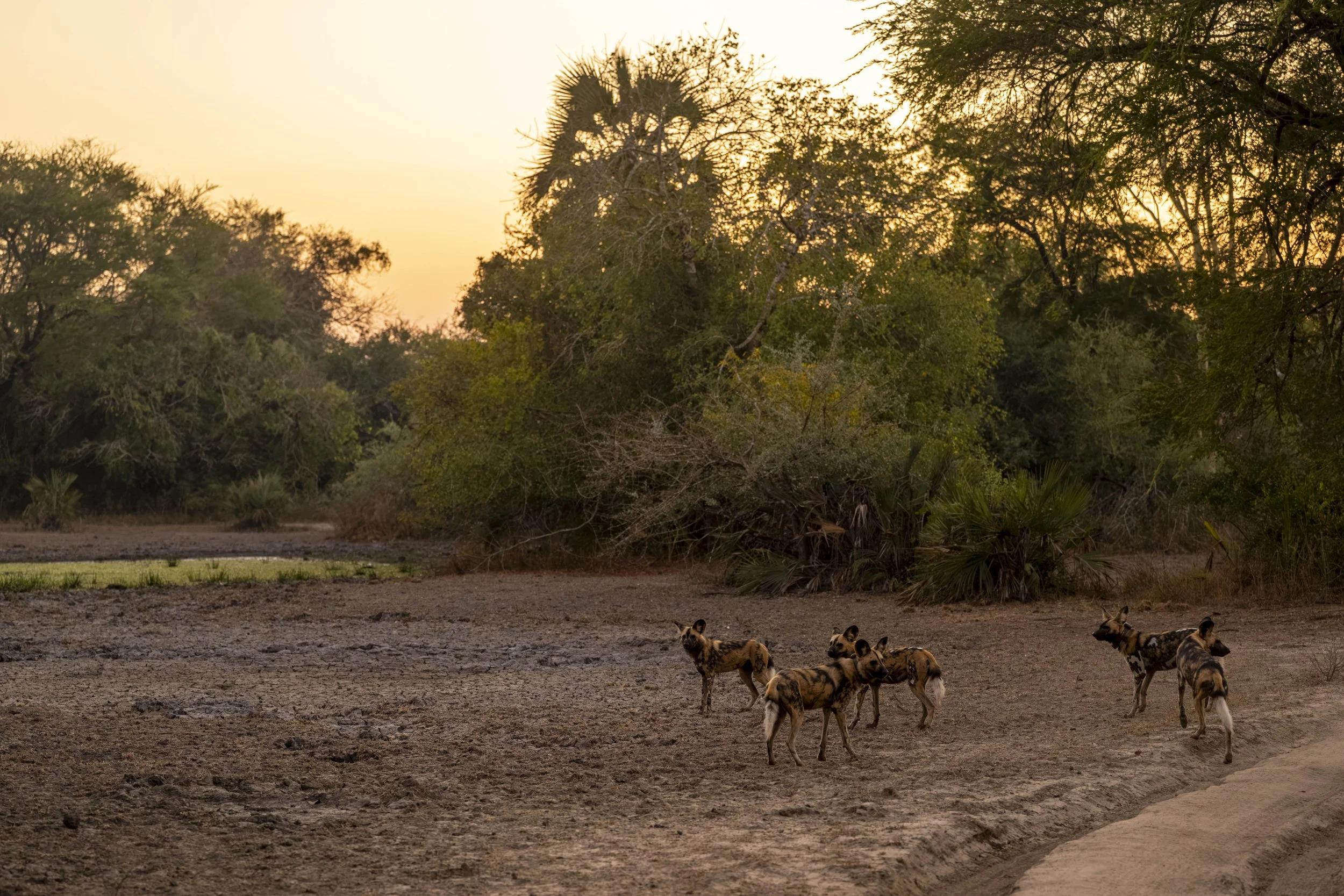
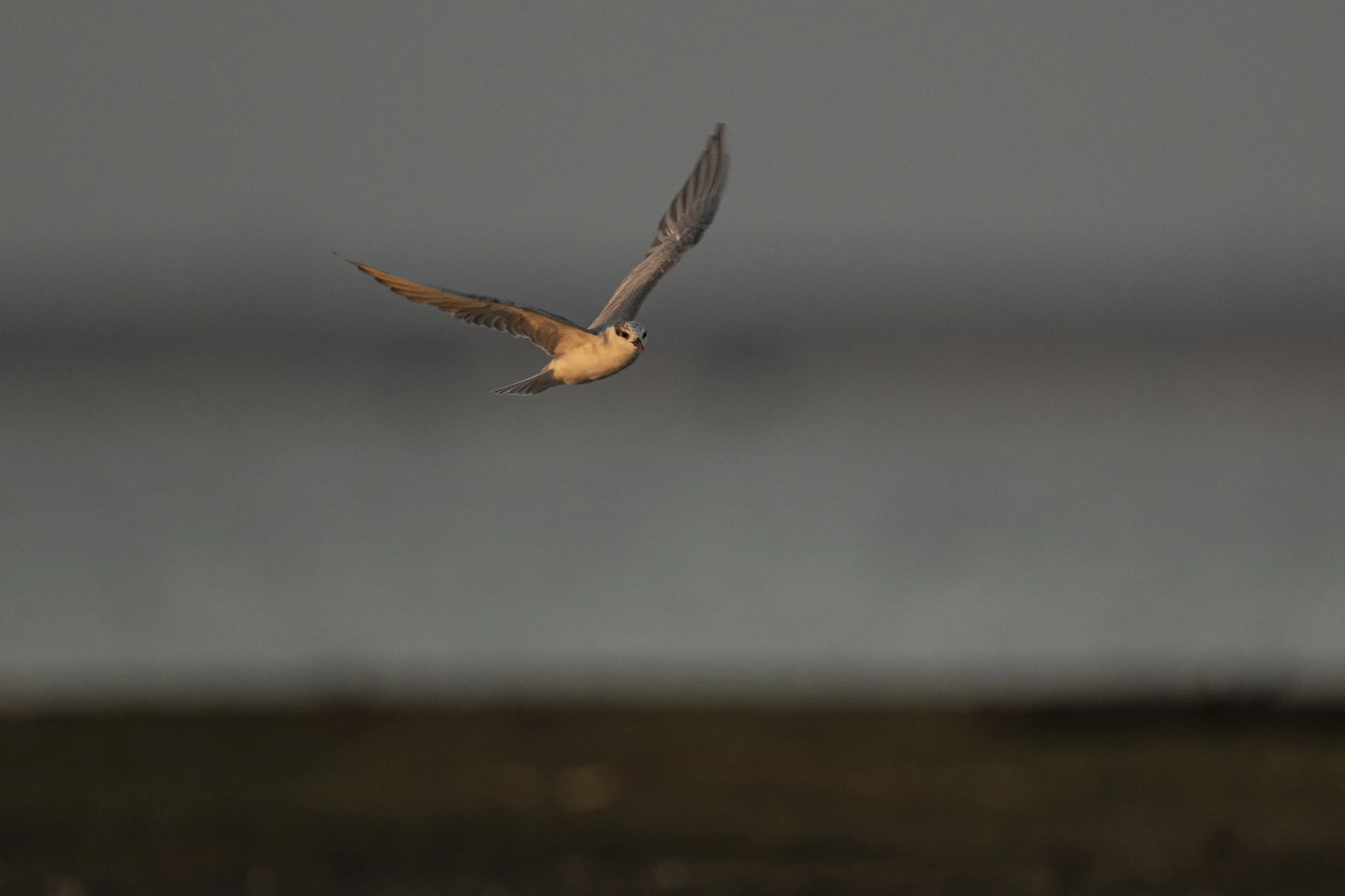
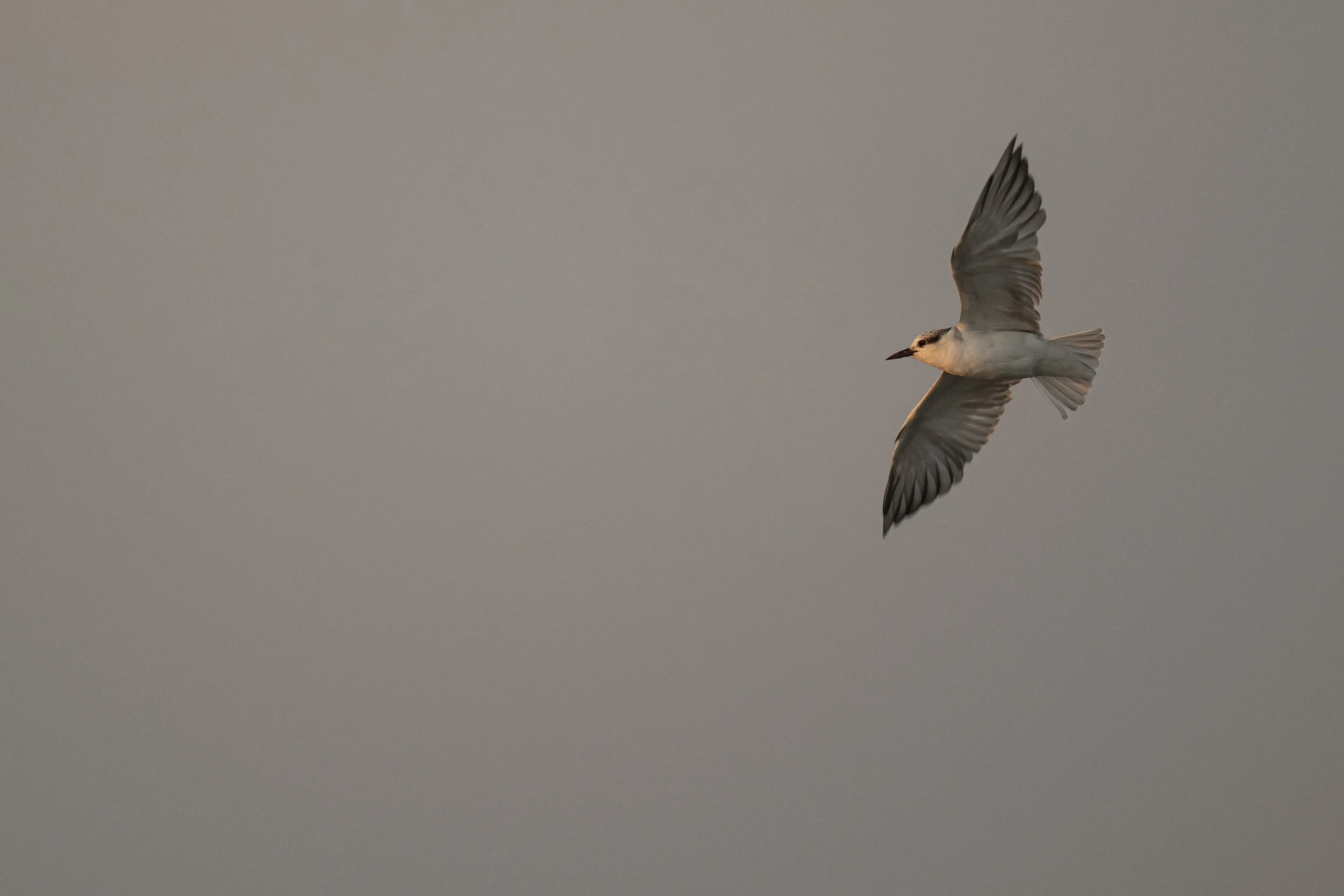
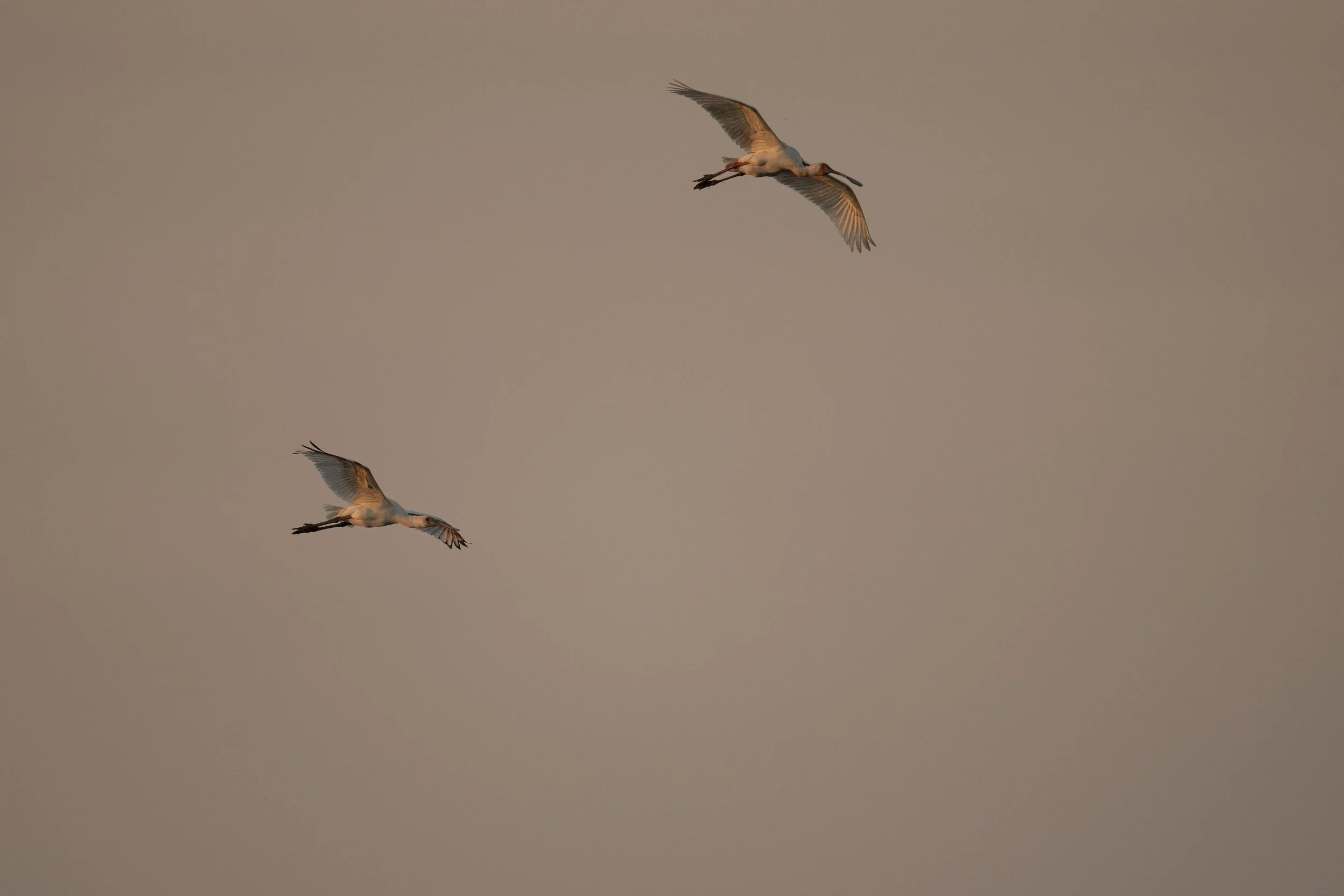
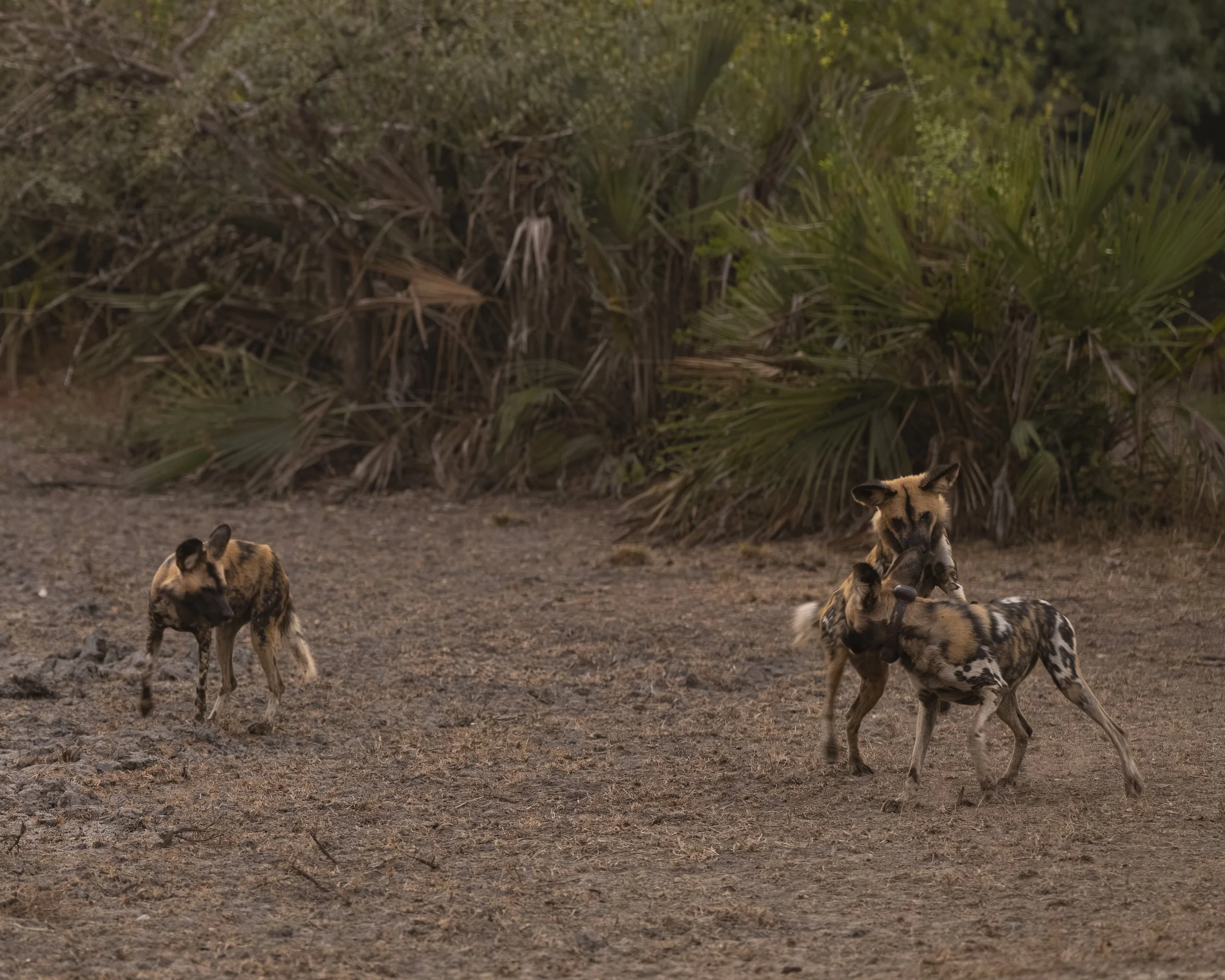
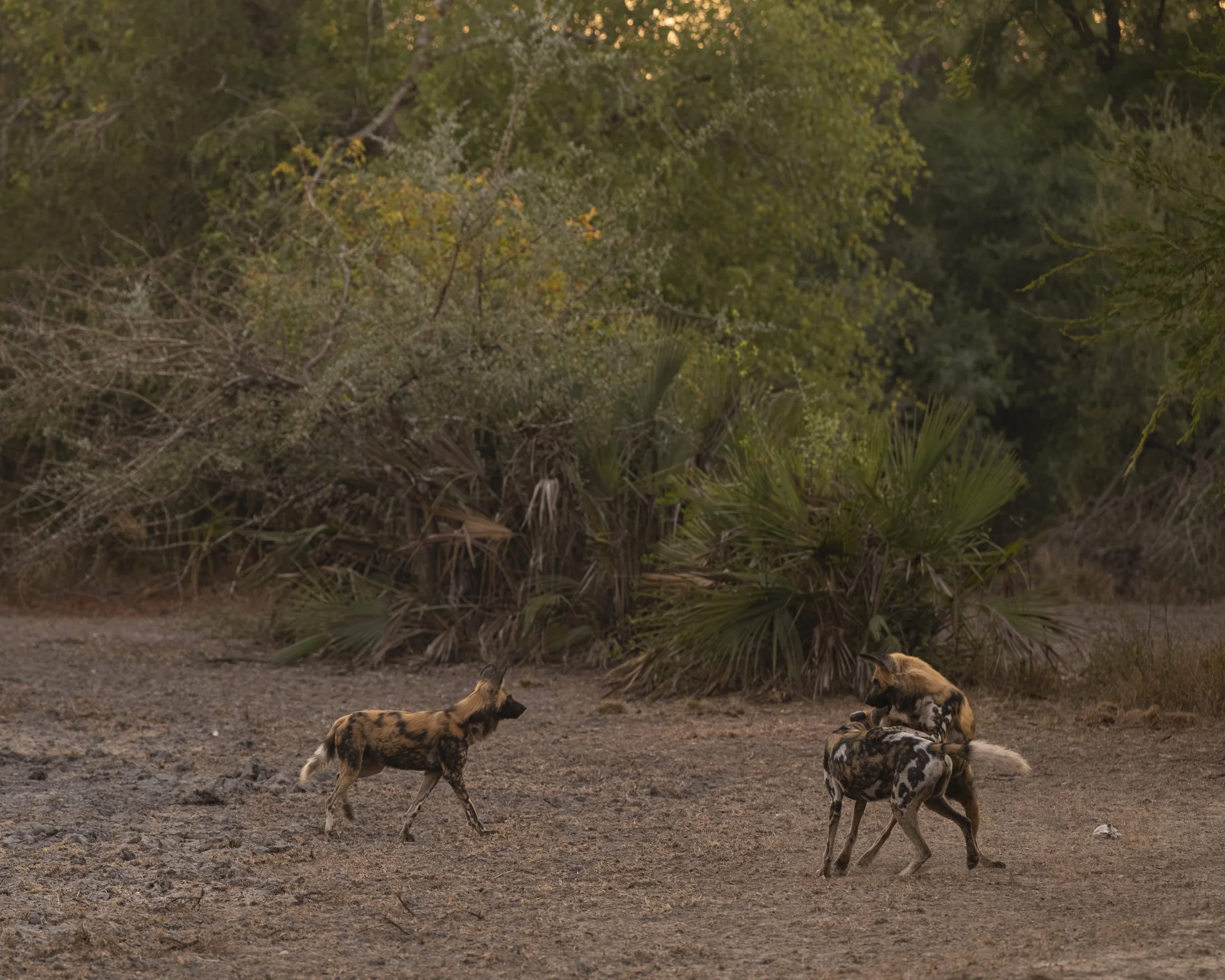
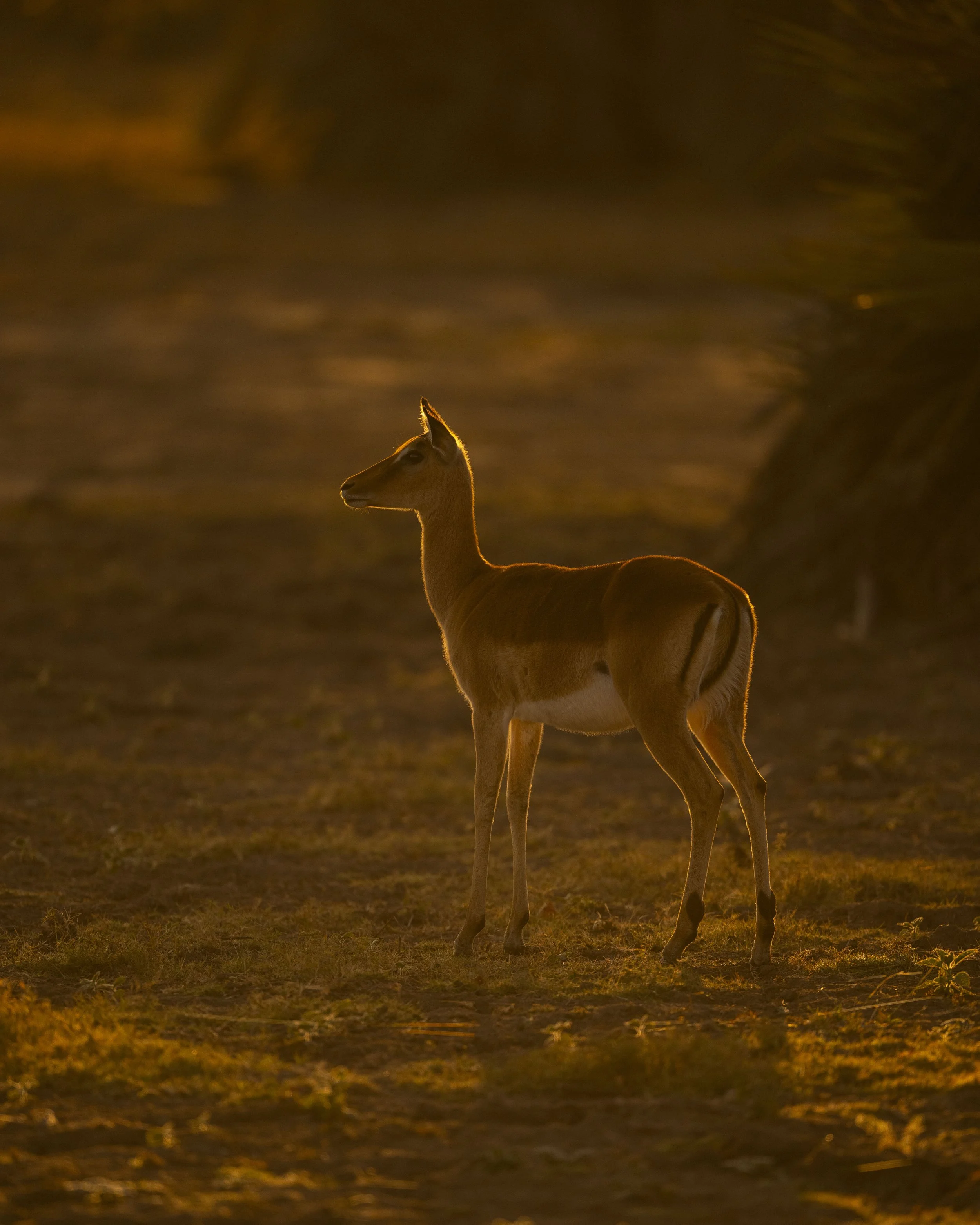
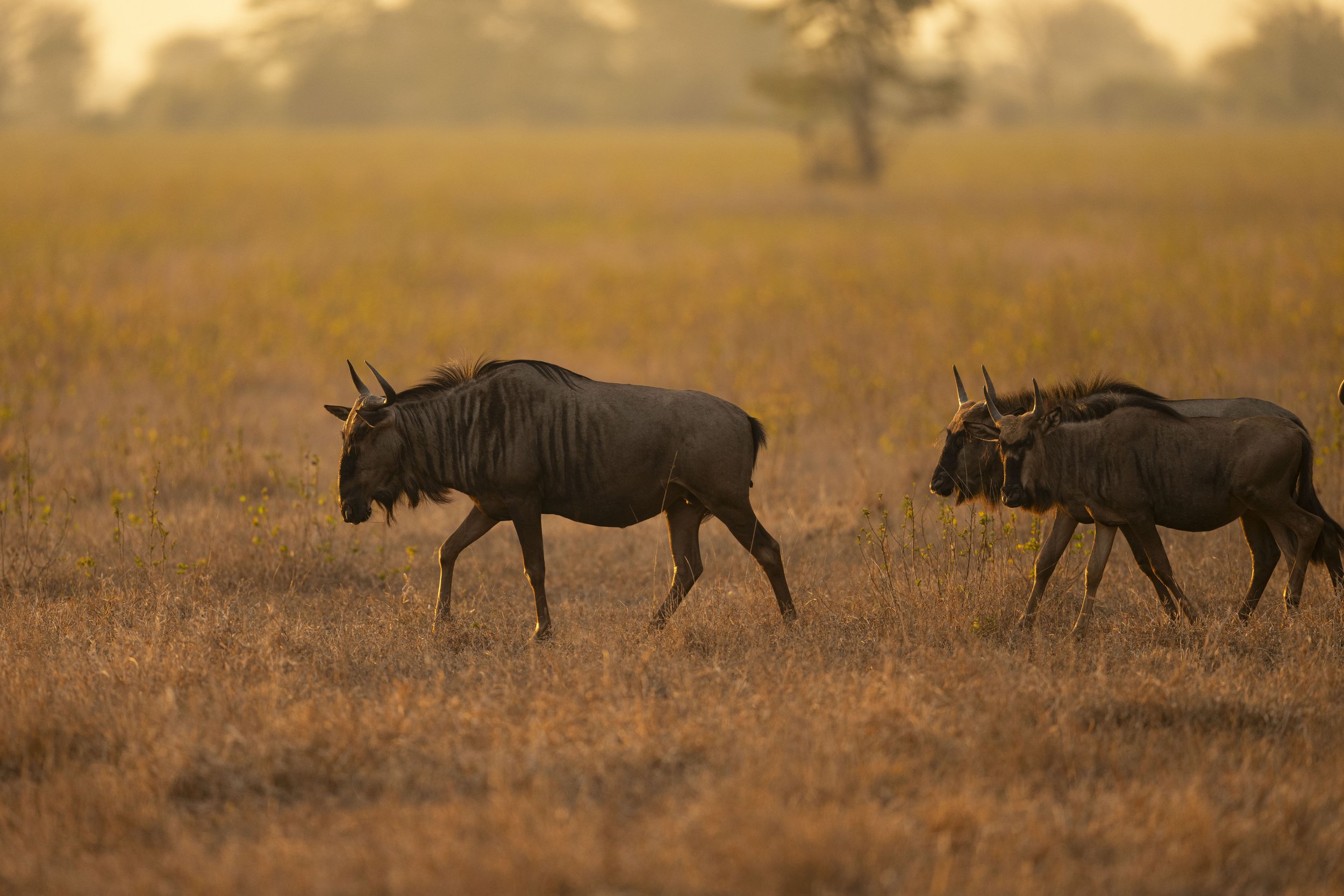
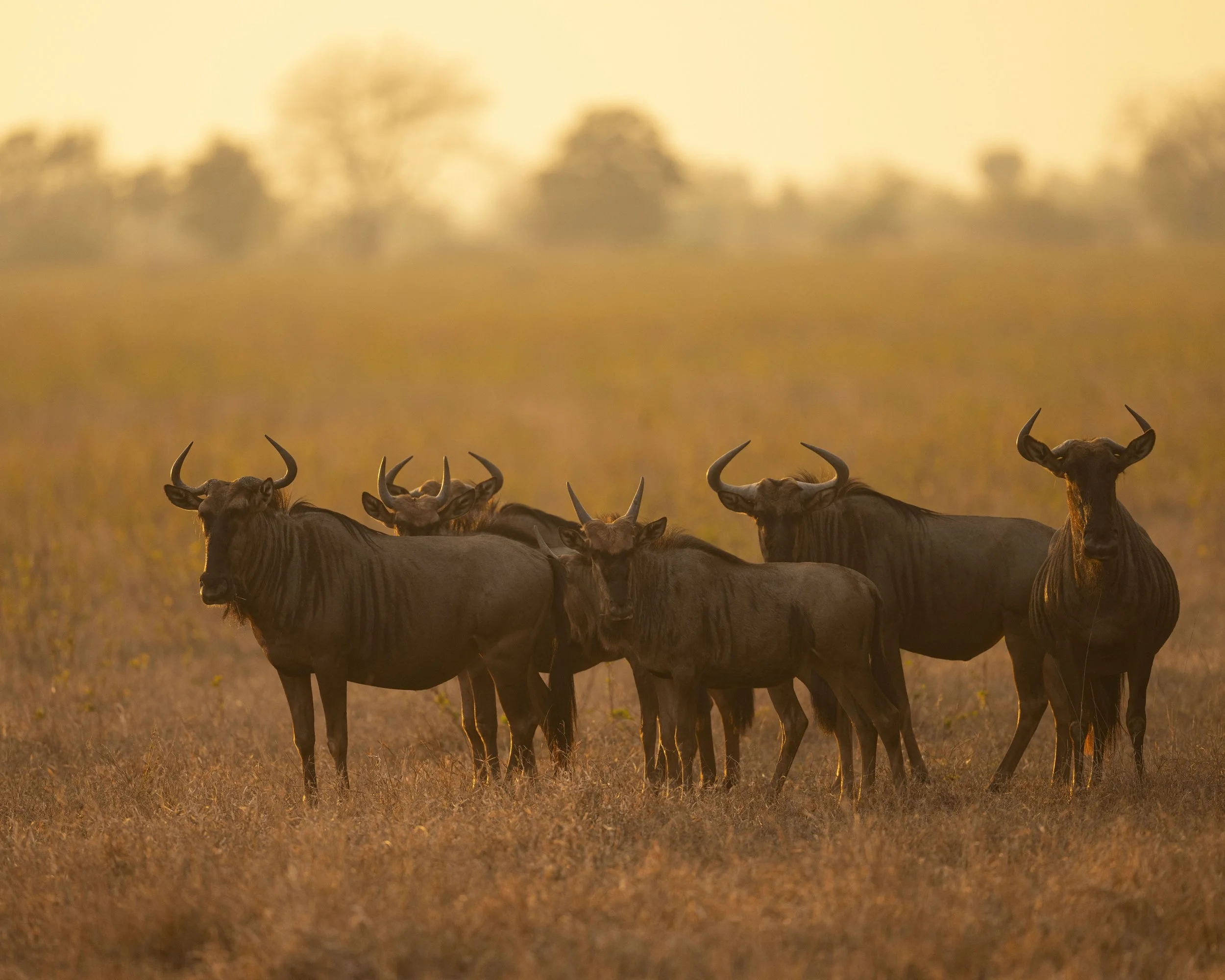
Today the park spans roughly 1,500 square miles of floodplains, savanna, miombo woodland, and the limestone gorges of Mount Gorongosa, supporting recovering populations of lions, elephants, wildebeest, and hundreds of bird species, alongside newly discovered species still being catalogued by researchers. It stands as proof that even a landscape stripped bare by war can be brought back — not through wildlife protection alone, but through a model that ties conservation directly to the wellbeing of the people who call the region home.


Botswana